How Connecticut Gardeners Can Respond When Ice Starts Splitting Their Shrubs
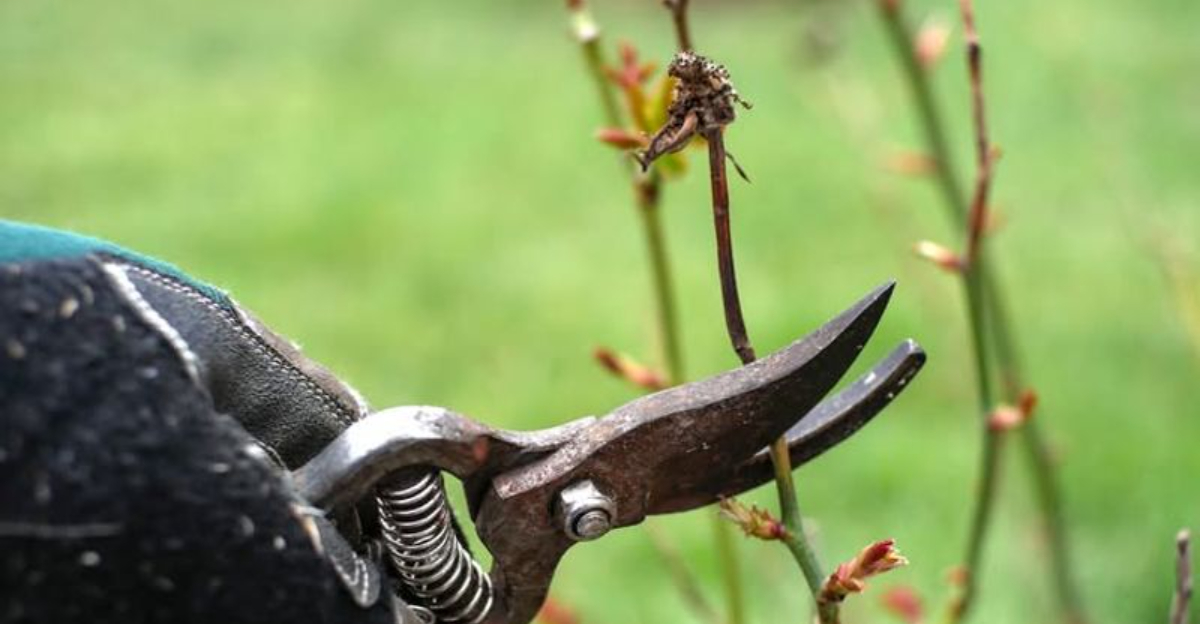
Winter in Connecticut can turn a peaceful garden into a patchwork of icy challenges.
One cold snap after another coats branches in shining frost, and before long, shrubs start to show the strain.
A clean split down a limb may look small at first glance, yet that crack can spread faster than a rumor on a windy day.
Gardeners who pour time and heart into their landscapes often feel the sting as much as the plants do.
Ice forms its own rules, and it never asks for permission.
Still, a split shrub does not spell the end of the story.
With the right touch, many plants bounce back stronger than expected.
Knowing how to step in at the right moment turns panic into purpose.
A calm hand, a close look, and a few smart moves help keep damage from snowballing into spring.
Ice may push shrubs to their limits, but smart choices give them a fighting chance.
Connecticut’s winter may strike hard, yet gardeners who understand what their plants need can stay one step ahead.
A bit of care at the right time keeps a garden standing tall, even when cold weather tries to knock it down.
1. Gently Remove Excess Ice And Snow From Branches
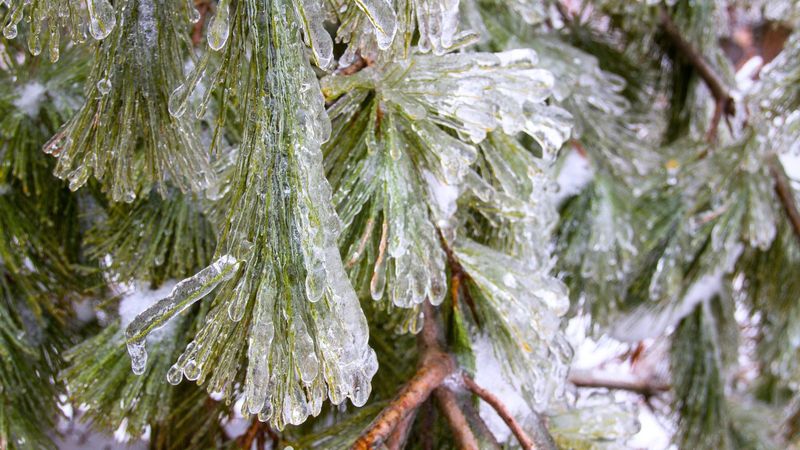
Heavy ice accumulation puts tremendous stress on shrub branches, and the longer it stays there, the more damage it causes to the plant structure.
Your first priority should be reducing this weight as soon as it is safe to venture outside after an ice storm hits your Connecticut property.
Working carefully and methodically will help you avoid causing additional harm while you try to help your plants recover from the frozen conditions.
Use a soft broom or your gloved hands to brush away snow and ice from the outer portions of branches, working from the bottom upward to avoid pulling branches downward.
Never try to break or chip away thick ice coatings because this aggressive approach often causes more splits and tears in the bark than the ice itself would create.
Patience is absolutely critical during this process, even when you feel anxious about your damaged plants and want to fix everything immediately.
Focus on removing loose snow first, as this is the easiest material to clear and will immediately reduce some of the burden on stressed branches.
If ice remains firmly bonded to branches, it is better to wait for natural melting rather than forcing removal through chipping or shaking.
Connecticut temperatures often fluctuate enough during winter that ice will begin melting within a day or two of formation, making patience your most valuable tool.
Timing matters significantly when you decide to remove ice from shrubs in your Connecticut landscape.
Early morning removal during freezing temperatures can cause additional breakage because branches are more brittle when cold, so waiting until afternoon when temperatures rise slightly often produces better results for your plants.
2. Assess The Damage Before Taking Action
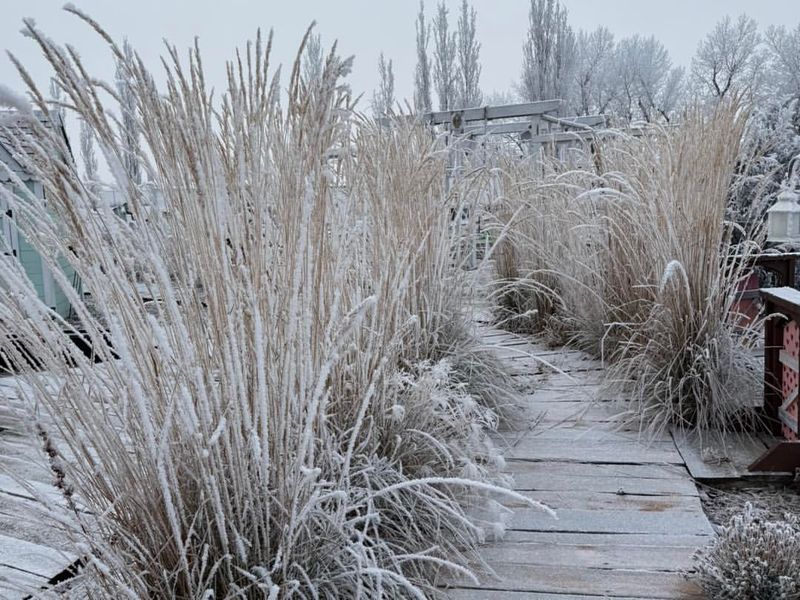
Rushing to make repairs before you fully understand the extent of damage can lead to poor decisions that harm your shrubs more than help them recover.
Your Connecticut Garden Changes Every Week. Your Plan Should Too.
Gardening in Connecticut changes quickly throughout the season. Every Friday you’ll receive a simple weekly plan showing exactly what to plant, prune, fertilize, harvest, and protect so you never miss the right timing.
Taking time to carefully examine each affected plant gives you important information about which branches can be saved and which ones need removal.
Connecticut gardeners who document damage with photos or notes often make better long-term decisions about plant care and recovery strategies.
Look for branches that have split partially but remain attached to the main stem, as these may heal if properly supported and protected.
Complete breaks where branches hang loosely or have separated entirely require different treatment than partial splits that still maintain some connection.
Check the location of each split because damage near the base of a shrub is more serious than breaks occurring on outer branches far from the trunk.
Pay attention to the angle and depth of splits in the wood, since shallow surface cracks heal much more easily than deep splits that expose the inner heartwood.
Branches split lengthwise along the grain face different recovery prospects than those broken across the grain in a clean snap.
The size of affected branches also matters because larger, older limbs have less capacity to heal completely than younger, more flexible growth.
Consider the overall health of each shrub before the ice damage occurred, as vigorous plants bounce back more successfully than those already struggling with disease or pest problems.
Some shrubs naturally tolerate cold damage better than others, and knowing your plant species helps you set realistic expectations for recovery in your Connecticut garden.
3. Provide Temporary Support For Partially Split Branches
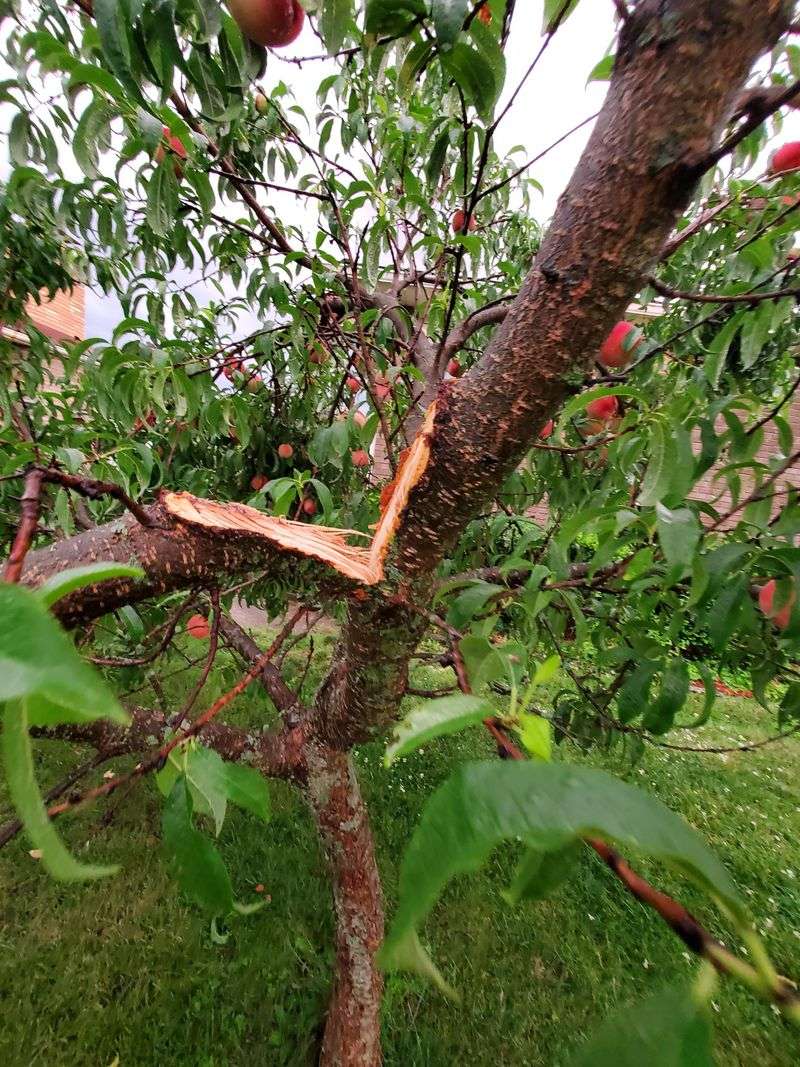
Branches that have split but not completely separated still have a chance to heal if you give them proper support during the recovery period.
Acting quickly to stabilize these injured limbs prevents further tearing and gives the plant tissue time to begin the natural healing process.
Connecticut winters can produce additional ice storms after the first one, so temporary support also protects vulnerable branches from subsequent weather events that could finish breaking what the first storm started.
Carefully bring split portions back together as closely as possible to their original position, being gentle to avoid causing additional damage to already stressed plant tissue.
Use soft materials like old t-shirts, pantyhose, or specialized tree wrap to tie the split sections together, avoiding wire, string, or anything that could cut into bark as the plant grows.
Position support stakes or poles next to larger branches to bear some of the weight and reduce stress on the healing split.
Check your temporary supports regularly throughout the remaining winter months to ensure they remain secure but not too tight as temperature changes cause materials to expand and contract.
Supports that work perfectly during installation can become too restrictive or too loose after several freeze-thaw cycles, so monitoring prevents new problems from developing.
Plan to leave supports in place until spring growth begins, as this gives maximum time for healing before you ask the plant to support itself again.
Some partially split branches will heal completely and remain functional parts of the shrub, while others may survive but always show weakness at the injury site.
Your temporary support system gives each damaged branch its best chance at recovery in your Connecticut landscape.
4. Prune Severely Damaged Branches Properly
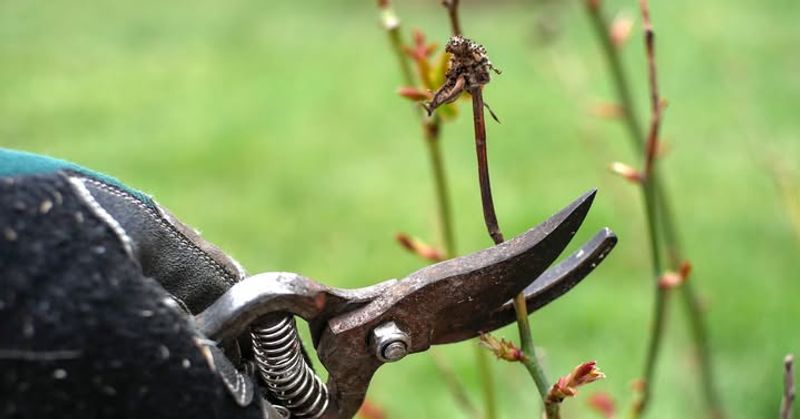
Branches that have broken completely or split so severely they cannot recover need removal to protect the overall health of your shrub.
Leaving badly damaged wood attached creates entry points for diseases and insects that can spread to healthy portions of the plant.
Proper pruning technique makes an enormous difference in how quickly wounds heal and how well your Connecticut shrubs recover from ice storm damage.
Wait until temperatures rise above freezing before you make pruning cuts, as working with frozen wood can cause additional splintering and damage to remaining healthy tissue.
Use sharp, clean pruning tools appropriate for the size of branches you need to remove, as dull blades crush plant tissue rather than making clean cuts that heal efficiently.
Make cuts at a slight angle just outside the branch collar where the damaged limb meets a larger branch or the main trunk, avoiding flush cuts that remove protective tissue or leaving long stubs that invite decay.
Remove no more than one-third of a shrub’s total branches in a single season, even if ice damage is extensive, because removing too much at once stresses the plant beyond its ability to recover.
If damage exceeds this one-third guideline, prioritize removing the most severely damaged branches first and wait until the following year to address remaining problems.
Connecticut shrubs need their remaining branches to produce food through photosynthesis, so leaving adequate healthy growth is essential for survival.
Clean your pruning tools with rubbing alcohol or a bleach solution between cuts on different plants to prevent spreading diseases through your landscape.
Proper sanitation seems like extra work during cold weather, but it protects your entire garden investment.
5. Apply Wound Dressing Sparingly If At All
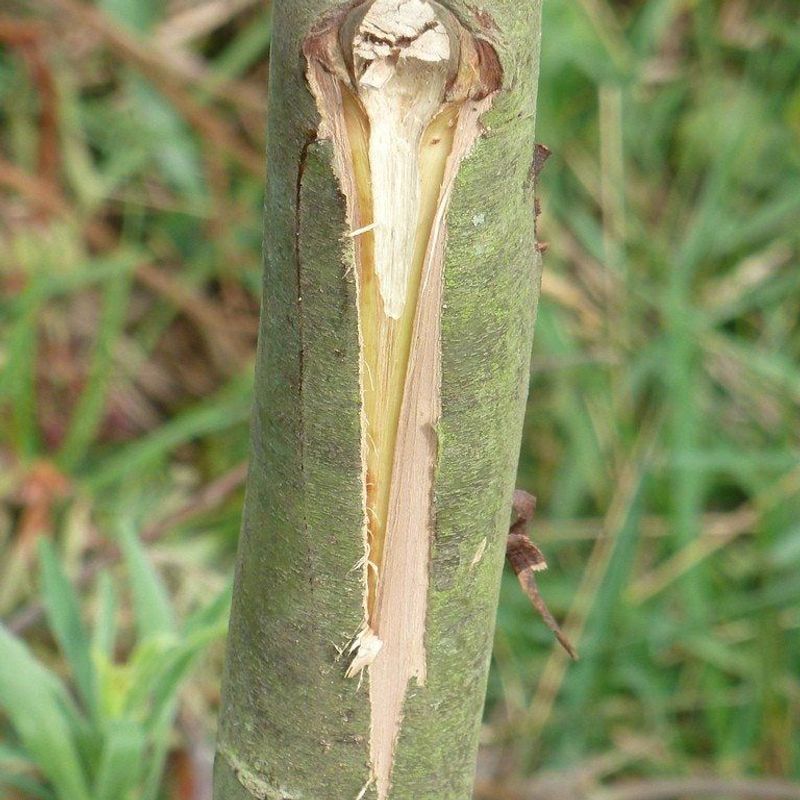
Gardening traditions once recommended painting pruning cuts and damaged areas with special wound dressings or tree paint to protect against disease and promote healing.
Modern research has changed these recommendations significantly, showing that most trees and shrubs actually heal better when their natural defense mechanisms work without interference.
Connecticut gardeners can save money and effort by understanding when wound treatments help and when they actually slow the recovery process.
Most shrubs produce natural compounds that seal wounds and prevent infection more effectively than any product you can buy at a garden center.
Applying wound dressing can trap moisture against cut surfaces, creating ideal conditions for fungal growth and decay rather than preventing these problems.
The best approach for most ice-damaged shrubs is making clean cuts with sharp tools and then allowing natural healing to occur without additional intervention.
Certain situations might warrant wound dressing application, particularly when pruning cuts exceed several inches in diameter or when specific diseases are known problems in your area.
Oak wilt and some other serious plant diseases spread through fresh wounds, so protecting large cuts during high-risk periods makes sense.
Research your specific shrub species and local Connecticut disease pressures before deciding whether wound treatment is necessary for your situation.
If you choose to use wound dressing, apply only a thin layer rather than thick coatings that prevent air circulation and trap moisture.
Products specifically labeled for plant use are safer than household paints or sealers that may contain chemicals harmful to living tissue.
Remember that wound dressing cannot fix poor pruning technique, so focus your energy on making proper cuts rather than covering up mistakes with products.
6. Fertilize Carefully In Spring To Support Recovery
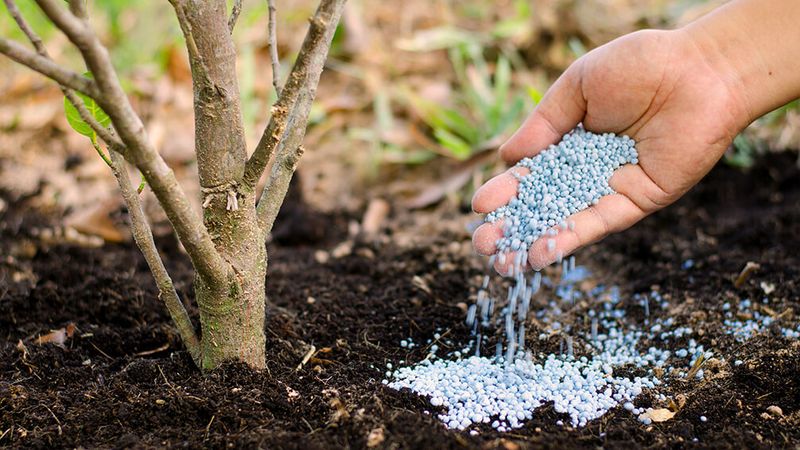
Ice-damaged shrubs face a challenging recovery process that requires energy reserves to heal wounds, replace lost branches, and produce new growth.
Proper nutrition supports this recovery without pushing plants too hard or causing additional stress through overfertilization.
Connecticut soils vary considerably across different regions, so understanding your specific soil conditions helps you provide exactly what your damaged shrubs need without wasting money on unnecessary products.
Wait until spring before applying any fertilizer to ice-damaged shrubs, as winter fertilization can stimulate tender new growth that subsequent cold weather will damage.
Early spring application as buds begin to swell gives plants nutritional support right when they need it most for the growing season ahead.
Choose a balanced, slow-release fertilizer that provides steady nutrition over several months rather than a quick burst that can burn stressed roots.
Apply fertilizer according to package directions based on the size of your shrubs, resisting the temptation to add extra amounts thinking more will speed recovery.
Excessive fertilizer salts can damage roots that are already stressed from supporting an injured plant, potentially causing more harm than good.
Spread fertilizer evenly around the drip line of shrubs rather than piling it against trunks, and water thoroughly after application to move nutrients into the root zone.
Consider having your Connecticut soil tested through your local extension service to identify specific nutrient deficiencies rather than guessing about what your plants need.
Soil test results provide customized recommendations that address your unique landscape conditions.
Healthy roots form the foundation for shrub recovery, so supporting below-ground growth is just as important as encouraging visible top growth.
7. Monitor For Pest And Disease Problems Throughout Recovery
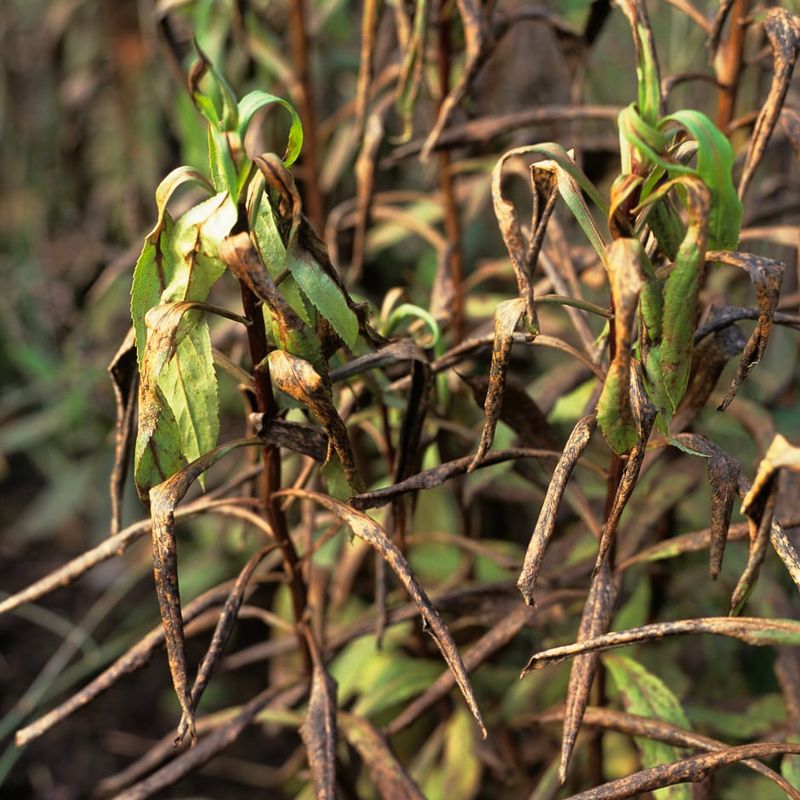
Wounded shrubs send out chemical signals that attract certain insects looking for easy targets, and damaged tissue provides entry points for disease organisms that healthy bark would normally exclude.
Your ice-damaged Connecticut shrubs need regular monitoring throughout their recovery period to catch problems early when they are easiest to address.
Staying alert for warning signs helps you protect your investment and gives damaged plants their best chance at returning to full health and beauty.
Check healing wounds weekly during the growing season for signs of decay, oozing sap, discoloration, or fungal growth that indicates infection has taken hold.
Look for unusual insect activity around damaged areas, including borers that tunnel into stressed wood or sap-feeding insects that cluster on new growth.
Early detection allows you to take action before minor problems become major threats to plant survival.
Learn to recognize common Connecticut shrub pests and diseases so you can identify problems accurately rather than applying treatments that target the wrong issue.
Your local extension office provides excellent resources for identifying plant health problems specific to your region.
Some issues require immediate treatment while others resolve on their own, so accurate identification prevents unnecessary pesticide applications that can harm beneficial insects.
Keep detailed records of what you observe throughout the recovery period, including dates when you notice changes and any treatments you apply.
These notes help you track whether your damaged shrubs are improving or declining over time.
Good record-keeping also helps you make better decisions if future ice storms damage your Connecticut landscape again, as you will remember which techniques worked well and which approaches were less successful.