10 Smart Moves When An Opossum Shows Up In Your Colorado Yard
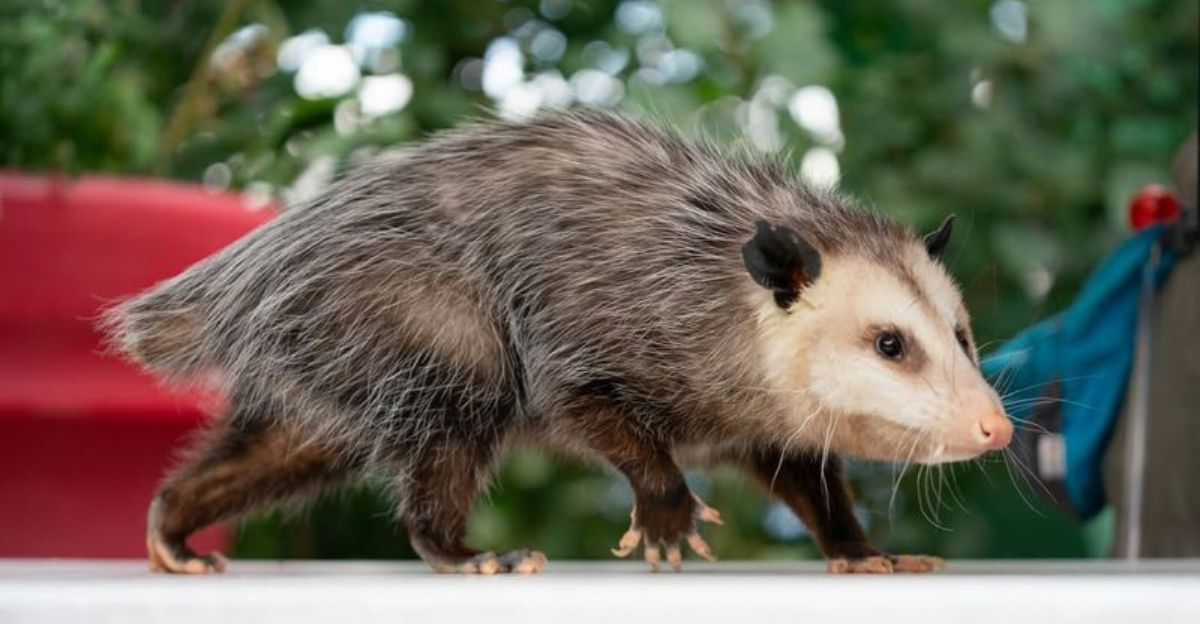
Finding an opossum wandering through your Colorado yard might catch you off guard, especially since these marsupials aren’t as common here as they are in other states.
These nocturnal creatures with their pointy snouts and rat-like tails can look a bit unsettling, but they’re actually quite harmless and even helpful for controlling pests.
Knowing how to respond when one appears can make all the difference between a peaceful coexistence and an unnecessary problem.
Here are ten smart moves to help you handle the situation calmly and safely.
1. Stay Calm And Keep Your Distance
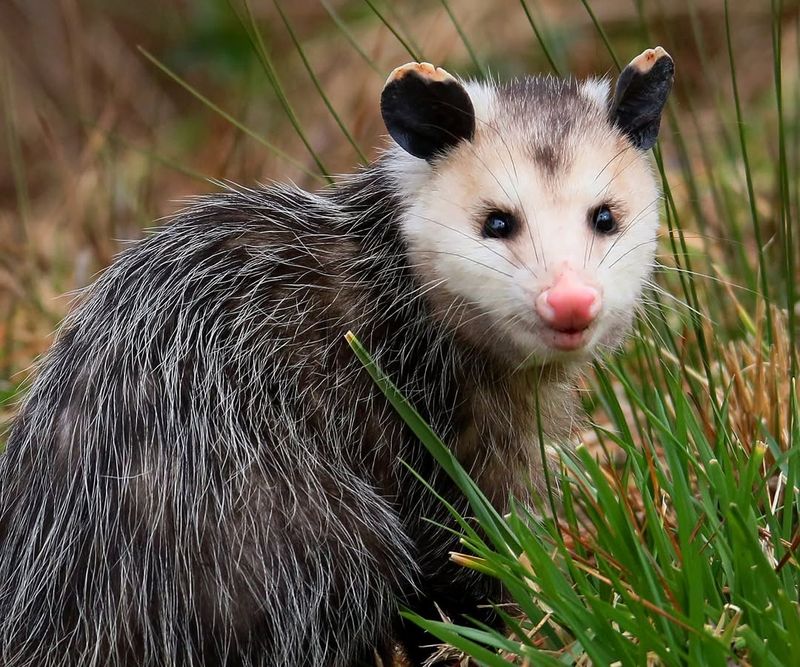
Spotting an opossum in your Colorado yard doesn’t mean you’re facing danger.
These gentle marsupials are far more afraid of you than you are of them, and they’ll usually avoid confrontation whenever possible.
Your first instinct might be to approach or shoo the creature away, but staying calm and giving it space is the smarter choice.
Opossums have poor eyesight and rely heavily on their sense of smell to navigate, so sudden movements or loud noises can startle them into defensive behaviors.
When threatened, they might hiss, bare their teeth, or even play possum by pretending to be unconscious.
None of these behaviors indicate aggression—they’re simply survival tactics.
By maintaining a respectful distance of at least ten to fifteen feet, you allow the animal to feel safe enough to move along on its own.
Colorado’s cooler climate means opossums here are often just passing through in search of food or shelter.
Observe from afar if you’re curious, but never corner or attempt to touch the animal.
Patience is your best tool in this situation, and most opossums will leave your property within a few hours once they realize there’s nothing of interest.
2. Secure Your Trash Cans Properly
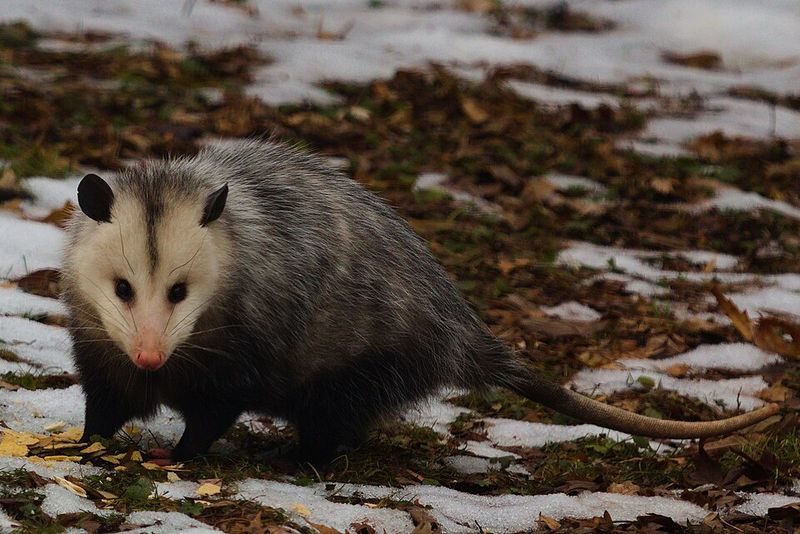
Opossums are opportunistic feeders with an excellent sense of smell, making unsecured garbage a major attraction.
Your weekly trash can easily become a buffet for these hungry marsupials if the lids aren’t properly fastened.
Investing in heavy-duty trash cans with locking mechanisms or tight-fitting lids can prevent opossums from accessing your waste.
If your current bins don’t have secure lids, consider using bungee cords or weighted straps to keep them closed.
Colorado’s wildlife management experts recommend storing trash cans in a garage or shed until collection day whenever possible.
This simple step eliminates the temptation for opossums and other critters like raccoons or skunks.
When that’s not an option, placing cans on a concrete pad away from fences or structures makes them less accessible.
Opossums are surprisingly good climbers, so avoid leaving any trash bags on the ground or piled near walls.
Double-bagging food waste and rinsing containers before disposal also helps reduce odors that attract wildlife.
Taking these precautions not only keeps opossums away but also maintains a cleaner, more pleasant yard for your family and neighbors.
3. Remove Outdoor Food Sources Immediately
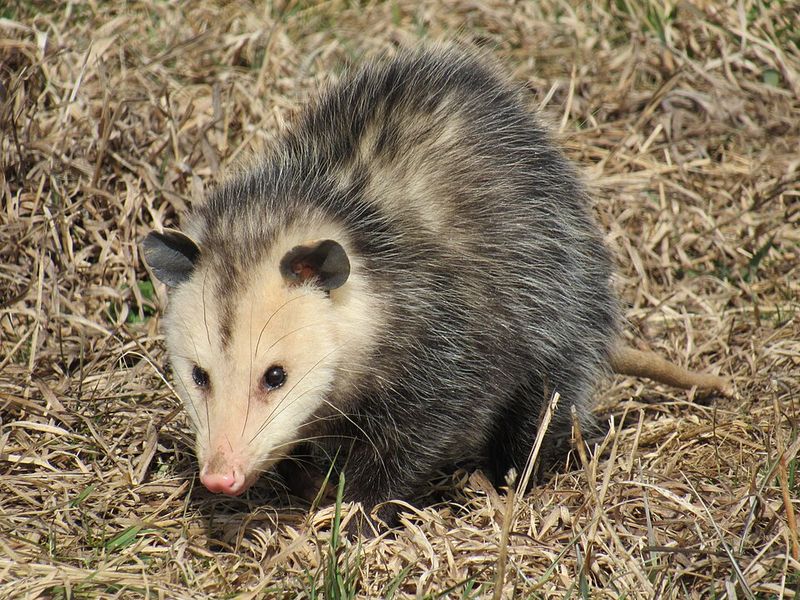
Leaving pet food, bird seed, or fallen fruit outside is like sending an open invitation to every opossum in the neighborhood.
Your Colorado Garden Changes Every Week. Your Plan Should Too.
Gardening in Colorado changes quickly throughout the season. Every Friday you’ll receive a simple weekly plan showing exactly what to plant, prune, fertilize, harvest, and protect so you never miss the right timing.
These marsupials aren’t picky eaters and will happily munch on whatever they find during their nightly foraging trips.
If you feed your pets outdoors, make sure to bring their bowls inside as soon as they finish eating.
Even small amounts of kibble left overnight can attract opossums and other wildlife to your Colorado property.
Bird feeders are another common culprit, as seeds often spill onto the ground and create an easy meal.
Consider using feeders with catch trays or switching to feeders that dispense less waste.
Fruit trees and vegetable gardens should be harvested regularly, and any fallen produce should be picked up promptly.
Opossums love ripe fruits, berries, and even overripe vegetables, so keeping your garden tidy reduces their interest.
Compost piles can also be problematic if they contain food scraps, so use enclosed composting systems with secure lids.
By eliminating these food sources, you make your yard far less appealing to opossums while still enjoying your outdoor spaces and hobbies.
4. Check For Entry Points Around Your Home

Opossums are expert at squeezing through surprisingly small openings to find shelter, especially during Colorado’s colder months.
Crawl spaces, gaps under decks, broken vents, and openings in sheds or garages can all become cozy dens for these nocturnal visitors.
Walk around your property during daylight hours and inspect the foundation, siding, and any outdoor structures carefully.
Look for holes larger than three inches in diameter, as opossums can compress their bodies to fit through tight spaces.
Pay special attention to areas where utilities enter your home, as gaps around pipes and cables are common entry points.
Use hardware cloth, metal flashing, or concrete to seal these openings permanently.
Avoid using spray foam alone, as determined animals can chew through it over time.
If you discover an opossum has already taken up residence, wait until evening when it’s out foraging, then seal the opening.
You can also place a one-way door that allows the animal to exit but not return.
Colorado homeowners should perform these inspections seasonally, as temperature changes can create new gaps and cracks that wildlife will exploit for warmth and protection.
5. Install Motion-Activated Lights Or Sprinklers
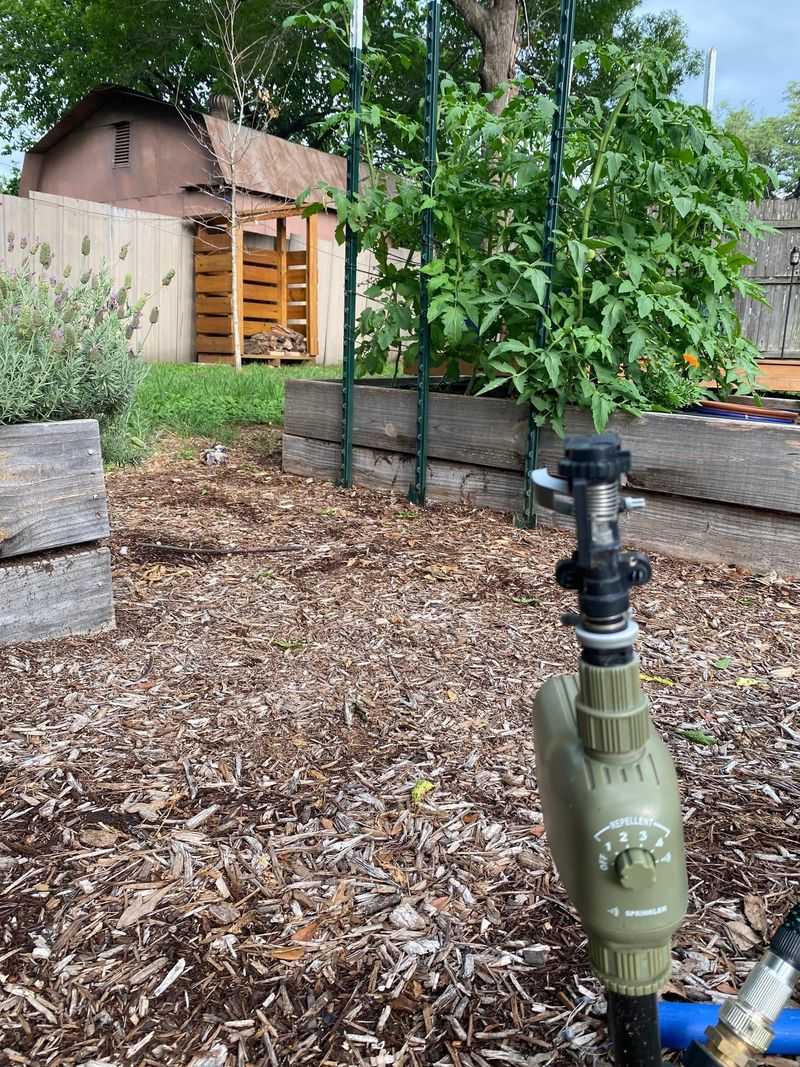
Opossums prefer to forage under the cover of darkness, so sudden bright lights can be an effective deterrent.
Motion-activated lighting around your Colorado yard creates an environment that feels unsafe to these shy creatures.
Install these lights near trash can areas, gardens, pet feeding stations, and other spots where opossums might be attracted.
The sudden illumination startles them and often sends them scurrying in the opposite direction.
For an even more effective approach, consider motion-activated sprinklers that release a quick burst of water when triggered.
Opossums don’t enjoy getting wet, and the unexpected spray teaches them to avoid your property.
These devices are humane, affordable, and work on multiple types of wildlife including raccoons, skunks, and even deer.
Colorado’s dry climate makes water-based deterrents particularly useful during warmer months when opossums are most active.
Position sensors at ground level and adjust the sensitivity to avoid false triggers from small animals or blowing leaves.
Combining lights and sprinklers provides a double layer of protection that keeps your yard less appealing without causing harm to any visiting wildlife.
6. Never Attempt To Handle The Opossum Yourself
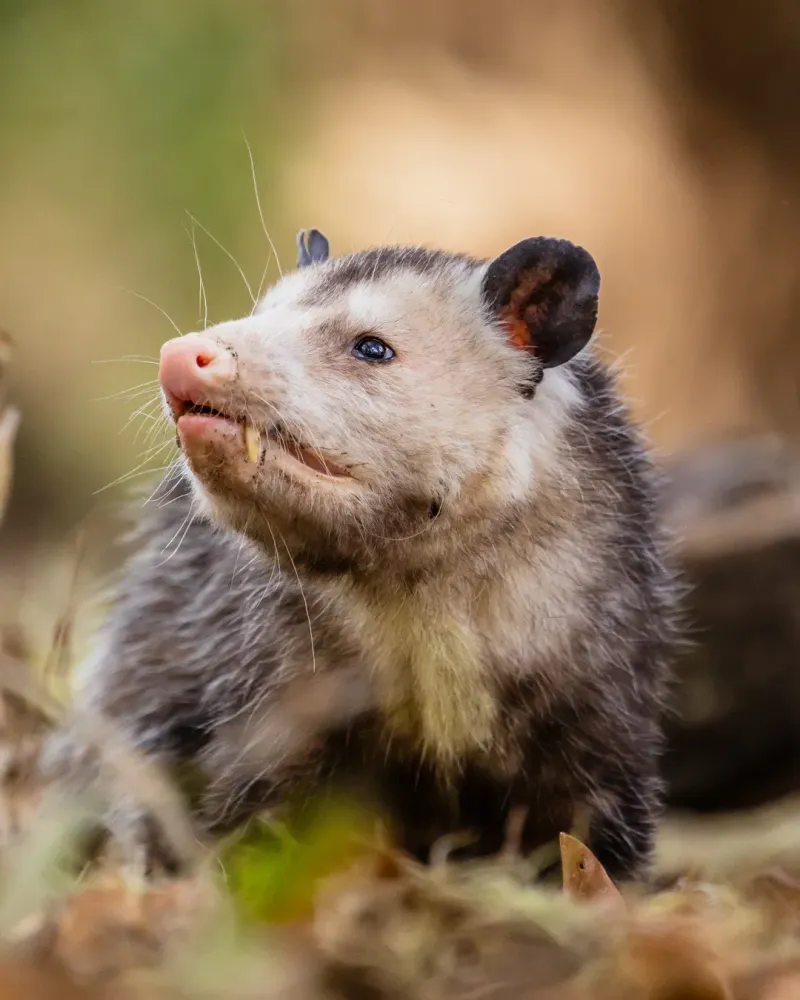
Even though opossums are generally docile, trying to pick one up or move it yourself is a bad idea for several reasons.
First, any wild animal can bite or scratch when frightened, and opossum bites can carry bacteria that lead to infections.
Second, opossums can carry parasites like fleas, ticks, and occasionally diseases, though they’re less likely to carry rabies than other mammals due to their lower body temperature.
Colorado wildlife regulations also discourage untrained individuals from handling wildlife, as improper techniques can injure both the animal and the person.
If you feel the opossum needs to be relocated, contact a licensed wildlife removal service or your local animal control office.
These professionals have the training, equipment, and legal authority to handle the situation safely and humanely.
Some Colorado counties offer free or low-cost wildlife assistance programs for residents dealing with nuisance animals.
Remember that opossums are beneficial creatures that eat thousands of ticks, insects, and even venomous snakes each year.
Allowing them to pass through naturally is often the best solution unless they’ve become a persistent problem or pose a genuine threat to pets or property.
7. Protect Your Pets During Encounters
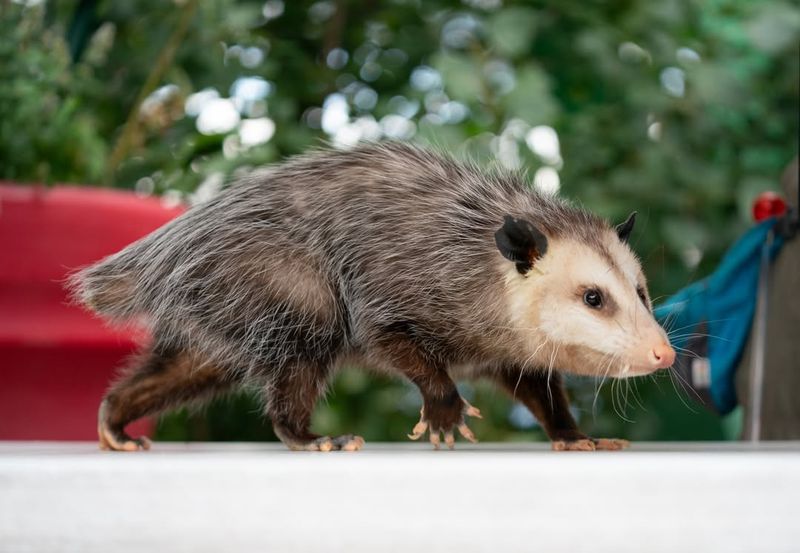
Curious dogs and cats might view an opossum as either a threat or an interesting plaything, leading to potentially dangerous confrontations.
While opossums aren’t naturally aggressive, they will defend themselves if cornered or attacked by a pet.
Their sharp teeth can inflict painful bites, and their claws can scratch sensitive noses and paws.
If you spot an opossum in your Colorado yard while your pets are outside, call them inside immediately using a calm but firm voice.
Avoid yelling or running toward the situation, as this can escalate tensions and make both animals more agitated.
Keep dogs on leashes during evening walks, especially in areas where wildlife sightings are common.
Cats should ideally be kept indoors at night when opossums are most active.
If your pet does encounter an opossum, check them thoroughly for any wounds and contact your veterinarian if you notice bites, scratches, or unusual behavior.
Colorado veterinarians recommend keeping pet vaccinations current, particularly rabies shots, even though opossums rarely carry the virus.
Teaching your pets to respond to recall commands can prevent these encounters from turning into expensive vet visits or traumatic experiences for everyone involved.
8. Use Natural Deterrents Around Your Property

Opossums have a keen sense of smell, which means certain strong odors can make your Colorado yard far less inviting to them.
Ammonia-soaked rags placed near potential den sites or feeding areas mimic the scent of predator urine, signaling danger to opossums.
Replace these rags every few days to maintain their effectiveness, especially after rain or snow.
Garlic cloves crushed and scattered around garden beds or trash areas can also repel these marsupials without harming your plants.
Mothballs are another option, though they should be used cautiously and kept away from areas where children or pets play.
Some Colorado residents swear by commercial wildlife repellent sprays that contain natural ingredients like peppermint oil, capsaicin, or predator scents.
These products are available at most hardware and garden stores and can be applied around the perimeter of your property.
Remember that natural deterrents work best when combined with other prevention methods like securing food sources and blocking entry points.
No single solution is foolproof, but creating multiple layers of defense makes your yard significantly less attractive to opossums seeking food or shelter during their nightly wanderings.
9. Understand Their Beneficial Role In Your Ecosystem

Before you rush to drive opossums away completely, consider the valuable services these misunderstood marsupials provide to Colorado yards and gardens.
A single opossum can consume up to 5,000 ticks in one season, significantly reducing the risk of Lyme disease and other tick-borne illnesses in your area.
They also feast on cockroaches, beetles, slugs, snails, and other garden pests that damage plants and spread disease.
Opossums are nature’s cleanup crew, eating carrion and rotting fruit that would otherwise attract flies and more problematic animals.
Unlike rats or mice, opossums don’t chew through wiring or insulation, and they rarely cause structural damage to homes.
Their presence can actually indicate a healthy, balanced ecosystem in your Colorado neighborhood.
These gentle creatures are also immune to most snake venoms and will eat venomous snakes if given the opportunity, providing an extra layer of safety.
Understanding their ecological importance helps shift your perspective from viewing them as pests to recognizing them as temporary, helpful visitors.
Most opossums don’t stay in one location long, moving on within a few days once food sources are depleted or better shelter is found elsewhere.
10. Know When To Call Wildlife Professionals
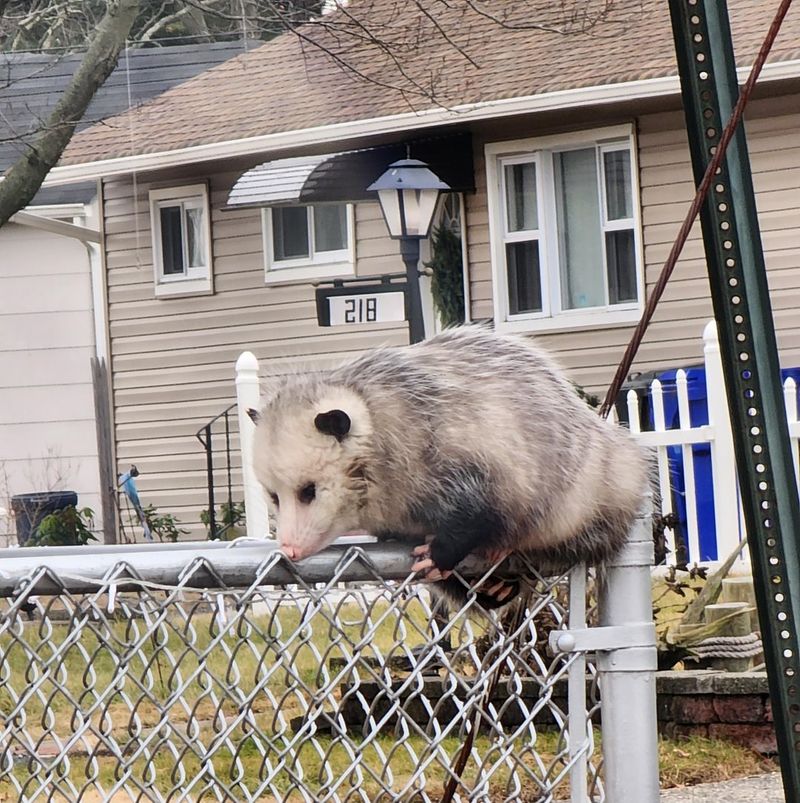
Sometimes despite your best efforts, an opossum situation requires professional intervention to resolve safely and humanely.
If an opossum has established a den under your Colorado home, in your attic, or inside a wall cavity, attempting DIY removal can be risky and ineffective.
Mother opossums with babies are particularly challenging, as removing the adult without addressing the young can lead to unpleasant odors and additional problems.
Licensed wildlife control operators in Colorado have the expertise to assess the situation, safely remove all animals, and implement exclusion techniques to prevent future intrusions.
You should also contact professionals if an opossum appears sick, injured, or is active during daylight hours, which could indicate illness or distress.
While opossums rarely carry rabies, they can suffer from other conditions that make them unpredictable or dangerous to approach.
Most Colorado wildlife services offer free initial consultations and can provide cost estimates before beginning work.
They’ll also advise you on long-term prevention strategies tailored to your specific property and local wildlife patterns.
Investing in professional help saves time, reduces stress, and ensures the situation is handled legally and ethically according to state wildlife management guidelines.