7 Berry Plants That Will Attract More Birds To Your Ohio Garden

Ohio gardens often feel like quiet retreats, yet a few well-chosen berry plants can turn any yard into a lively gathering spot.
Birds know a good deal when they see one, and nothing draws them in faster than a buffet of colorful, ripe berries.
A yard that once heard only a few chirps can suddenly buzz with fluttering wings, soft calls, and the cheerful energy of new visitors.
These feathered guests bring charm, eat pests, and add a spark of life that makes every garden moment feel richer.
Certain berry plants act like magnets.
They offer bright fruit, safe cover, and a steady food source that keeps birds coming back for more.
A gardener who plants them gains front-row seats to nature’s daily show.
Songbirds perch in branches like tiny ornaments, and the whole yard begins to hum with activity.
A splash of berry color can do more than fill space.
It can shift the entire rhythm of an Ohio garden, giving homeowners a taste of the wild right outside the door.
Once the right plants take root, birds spread the word faster than you can blink, and a once-quiet yard becomes the busiest spot on the block.
1. American Elderberry

American elderberry is a native Ohio superstar that produces massive clusters of dark purple berries that birds absolutely adore.
This shrub typically reaches heights of 8 to 12 feet and spreads just as wide, making it an excellent choice for larger garden spaces or as a natural privacy screen.
The creamy white flowers that appear in early summer are beautiful on their own, but they transform into those irresistible berry clusters by late summer that attract dozens of bird species.
Robins, catbirds, and thrushes are particularly fond of elderberries and will visit your Ohio garden repeatedly once they discover this food source.
The berries ripen in August and September, providing crucial nutrition when birds are preparing for fall migration or building up energy reserves.
Native plants like American elderberry are especially valuable because local birds have evolved alongside them and recognize them as reliable food sources.
Growing elderberry in Ohio is remarkably easy since it thrives in our climate and soil conditions.
Plant it in full sun to partial shade with moist, well-drained soil, and you’ll be rewarded with vigorous growth.
This shrub tolerates wet conditions better than many other berry producers, making it perfect for those low-lying areas in your yard where other plants struggle.
Beyond attracting birds, elderberries are also edible for humans when cooked properly, so you might find yourself competing with the birds for this harvest.
The plant’s fast growth rate means you’ll see results quickly, often producing berries in the second year after planting.
For Ohio gardeners looking to make an immediate impact on their local bird population, American elderberry delivers impressive results with minimal fuss.
2. Serviceberry
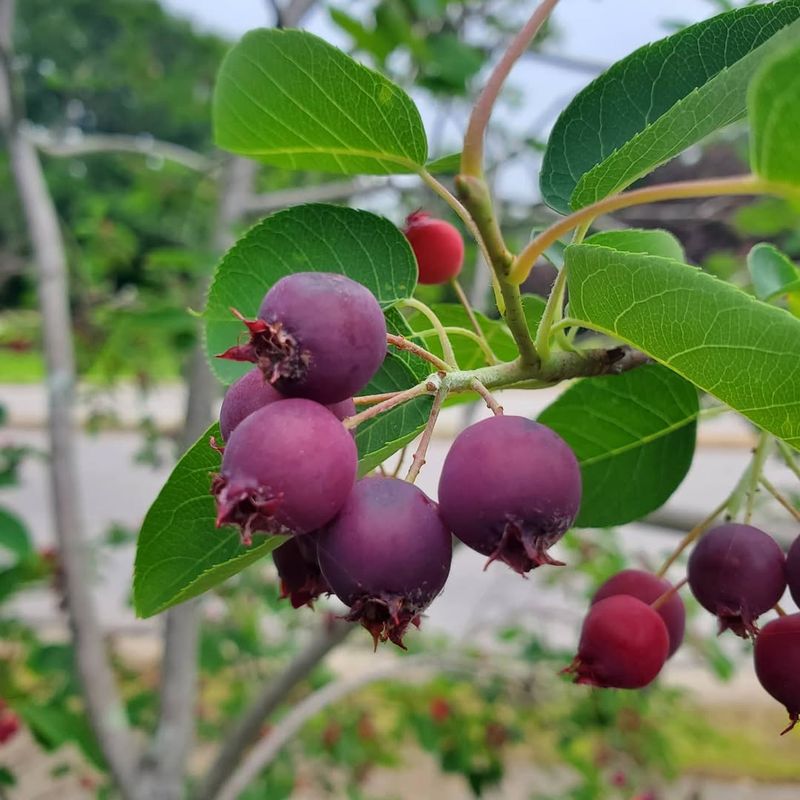
Few plants can match the year-round beauty and bird appeal of serviceberry, also known as Juneberry or shadbush.
This small tree or large shrub puts on a stunning spring display with delicate white flowers that bloom before most other plants have even leafed out, providing early nectar for pollinators.
Your Ohio Garden Changes Every Week. Your Plan Should Too.
Gardening in Ohio changes quickly throughout the season. Every Friday you’ll receive a simple weekly plan showing exactly what to plant, prune, fertilize, harvest, and protect so you never miss the right timing.
By June, as the common name suggests, the flowers give way to sweet, reddish-purple berries that birds find absolutely irresistible.
Cedar waxwings, orioles, and tanagers are just a few of the colorful visitors you’ll spot feasting on serviceberries in your Ohio garden.
The fruit ripens gradually over several weeks, which means the buffet stays open longer and attracts more bird activity.
Interestingly, serviceberries are also delicious for humans and taste somewhat like blueberries with a hint of almond, though you’ll need to be quick if you want to harvest some before the birds claim them all.
Serviceberry adapts wonderfully to Ohio’s growing conditions and tolerates a range of soil types, though it prefers slightly acidic, well-drained soil.
This plant works beautifully as a specimen tree, in mixed borders, or even as part of a naturalized woodland edge.
Its moderate size, usually 15 to 25 feet tall, makes it manageable for most residential properties without overwhelming smaller yards.
Fall brings another bonus when serviceberry leaves turn brilliant shades of yellow, orange, and red, adding seasonal interest long after the berries have been devoured.
The smooth gray bark provides winter appeal, and the overall structure of the tree creates excellent perching spots for birds year-round.
For Ohio gardeners seeking a multi-season performer that supports wildlife while looking gorgeous, serviceberry checks every box with style.
3. Winterberry Holly
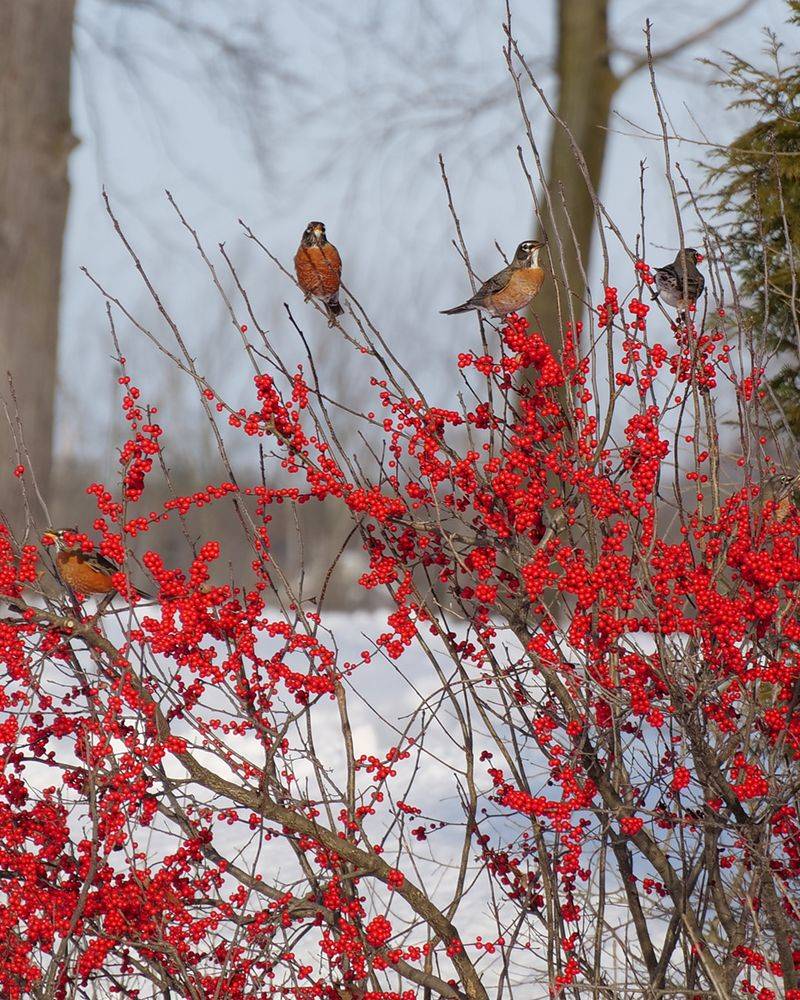
When most other berry sources have disappeared for the season, winterberry holly stands out like a beacon with its brilliant red berries glowing against bare branches and snowy Ohio landscapes.
This deciduous holly loses its leaves in fall, which actually makes the berry display even more dramatic throughout winter months.
The berries persist well into the coldest part of the year, providing essential food when birds need it most.
Bluebirds, mockingbirds, and robins that overwinter in Ohio depend heavily on winterberry as a reliable food source.
The berries become sweeter after several freeze-thaw cycles, which seems to make them even more appealing to hungry birds.
Watching flocks descend on a winterberry shrub during a snowy afternoon is truly one of the great pleasures of winter bird watching in Ohio.
Growing winterberry successfully requires understanding one important detail about this plant’s biology.
You’ll need both male and female plants to get berries, with one male able to pollinate multiple females within about 50 feet.
Only the female plants produce berries, so plan your purchases accordingly and ask your nursery to identify which is which.
Winterberry thrives in Ohio’s moist soils and actually prefers consistently damp conditions, making it perfect for rain gardens or areas with poor drainage.
Plant it in full sun to partial shade, and you’ll see the best berry production in sunnier spots.
The shrub typically grows 6 to 10 feet tall and wide, fitting nicely into foundation plantings or mixed borders.
Beyond its wildlife value, winterberry provides stunning winter interest that brightens the dreariest days.
The vibrant berries create natural holiday decorations right in your yard, and the plant requires very little maintenance once established in appropriate conditions.
4. Gray Dogwood
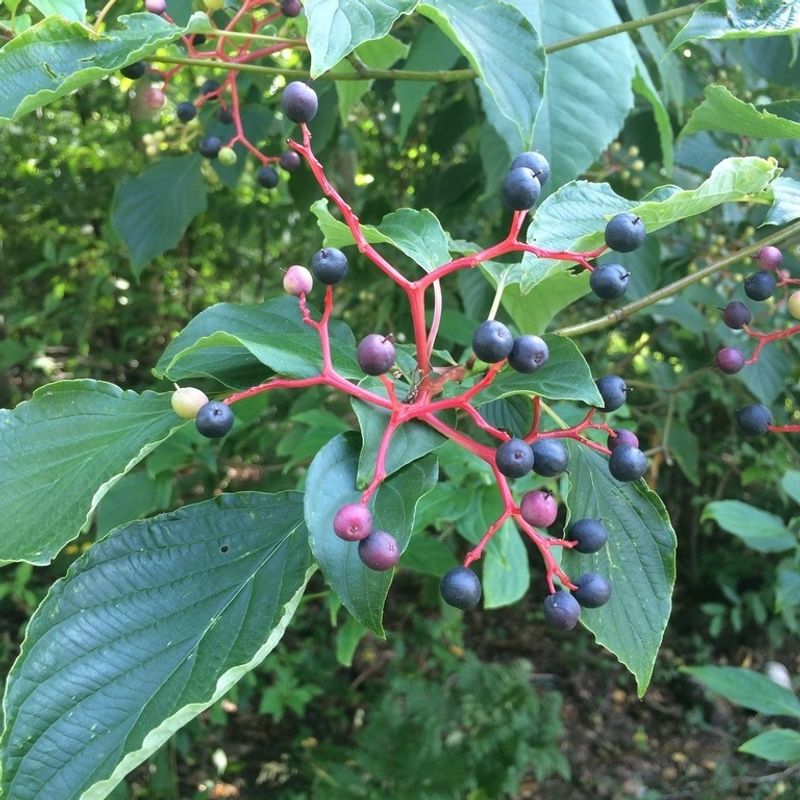
Gray dogwood might not win beauty contests with flashy flowers, but this unassuming native shrub is an absolute powerhouse when it comes to attracting birds to Ohio gardens.
The small white berries appear in late summer on distinctive red stems, creating an eye-catching contrast that birds seem to spot from miles away.
More than 40 bird species have been documented feeding on dogwood berries, making this one of the most valuable wildlife plants you can grow.
Thrushes, woodpeckers, and grosbeaks particularly favor gray dogwood berries, often stripping a shrub clean within days of the fruit ripening.
The high fat content of these berries makes them especially nutritious for birds preparing for migration or enduring cold weather.
Because the berries ripen in late summer and early fall, they provide crucial energy right when many bird species need it most for their long journeys south.
One of gray dogwood’s best features is its tough, adaptable nature that makes it perfect for Ohio growing conditions.
This shrub tolerates poor soils, drought, wet conditions, and even road salt, thriving in situations where more finicky plants would struggle.
It grows 6 to 10 feet tall and spreads by underground stems to form colonies, which can be either an advantage or a challenge depending on your space and goals.
The spreading habit makes gray dogwood excellent for naturalizing larger areas, controlling erosion on slopes, or creating wildlife corridors in your Ohio landscape.
If you prefer a more contained plant, you can manage the spread by removing suckers or choosing a cultivated variety bred for more compact growth.
The red stems provide winter interest after leaves drop, and the plant’s dense branching creates excellent nesting habitat during breeding season, adding even more value for birds beyond just the berries.
5. Black Cherry
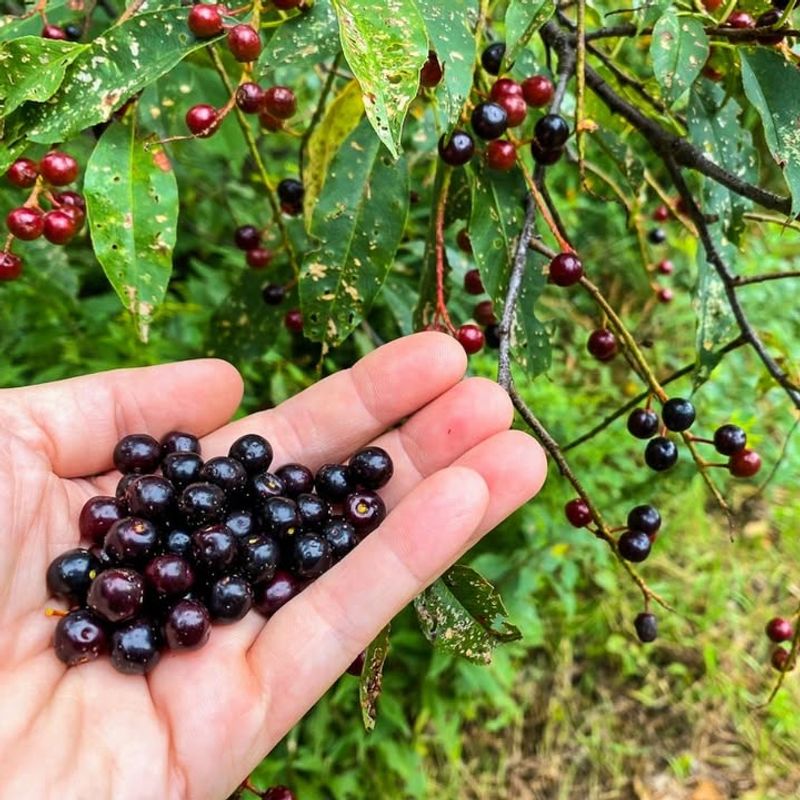
Standing tall as one of Ohio’s most important native trees for wildlife, black cherry produces small dark purple fruits that might be too tart for most human tastes but are absolute candy to birds.
This tree can reach impressive heights of 50 to 80 feet at maturity, making it more suitable for larger properties or naturalized areas rather than small urban yards.
The cherries ripen in mid to late summer, turning from red to nearly black when fully ripe and ready for the bird buffet.
More than 70 bird species consume black cherry fruits, including favorites like cardinals, blue jays, and scarlet tanagers that add brilliant color to Ohio gardens.
The tree’s tall structure and dense foliage also provide excellent nesting sites and shelter, so it serves multiple functions for bird populations.
Black cherry supports an incredible diversity of caterpillars and other insects as well, which in turn feed baby birds during nesting season when protein-rich insects are essential.
Growing black cherry in Ohio is straightforward since it’s native to our region and well-adapted to local conditions.
The tree prefers full sun and well-drained soil but tolerates a range of soil types.
Young trees grow relatively quickly, and you can expect fruit production to begin within 10 years of planting.
The attractive bark becomes dark and scaly with age, adding textural interest to winter landscapes.
White flower clusters appear in spring before fruits develop, providing nectar for pollinators and adding ornamental value.
While the tree’s size makes it impractical for small lots, those with adequate space will find black cherry to be an outstanding long-term investment in backyard bird habitat.
One consideration is that black cherry can self-seed readily, so you may find seedlings popping up around your Ohio property if conditions are favorable.
6. Arrowwood Viburnum
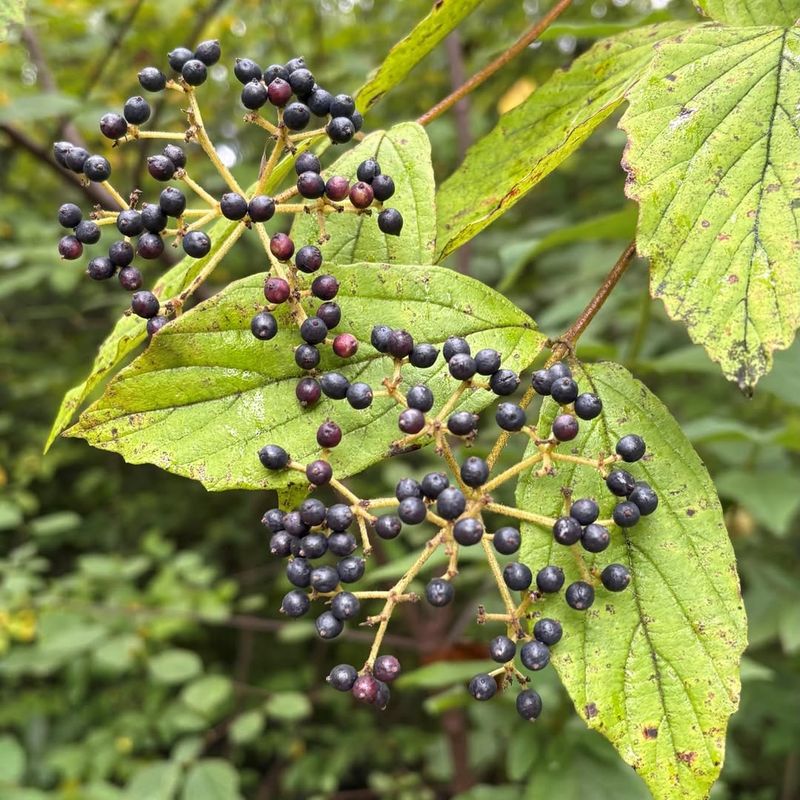
Arrowwood viburnum earns its place in bird-friendly Ohio gardens through reliability, adaptability, and the production of blue-black berries that migrating birds seek out with enthusiasm.
This native shrub typically grows 6 to 10 feet tall and wide, creating a rounded shape that fits beautifully into mixed borders or works as an informal hedge.
The creamy white flower clusters that bloom in late spring are lovely, but the real show begins in fall when berries ripen and birds arrive in droves.
Waxwings, thrushes, and cardinals are regular visitors to arrowwood viburnum, often feeding in small flocks that create lively activity in your yard.
The berries mature in September and October, perfectly timed to fuel birds during peak fall migration through Ohio.
Interestingly, the berries often persist into winter if not completely consumed, providing backup food during lean times.
Fall foliage adds another layer of interest when leaves turn shades of yellow, orange, and reddish-purple before dropping.
The dense branching structure provides excellent cover for birds year-round, and many species use viburnum shrubs as safe staging areas where they can survey surroundings before visiting feeders or birdbaths.
This makes arrowwood viburnum valuable even beyond its berry production.
Growing this shrub in Ohio is remarkably easy since it tolerates various soil conditions, from dry to moderately moist.
Plant it in full sun to partial shade, though berry production will be heaviest with more sunlight.
Arrowwood viburnum has excellent pest and disease resistance, meaning you can enjoy its benefits without constant maintenance or chemical interventions.
The common name comes from the straight stems that Native Americans traditionally used for arrow shafts, adding a bit of historical interest to this practical plant.
For Ohio gardeners wanting a low-maintenance, native option that birds genuinely appreciate, arrowwood viburnum delivers consistent results year after year.
7. Hackberry
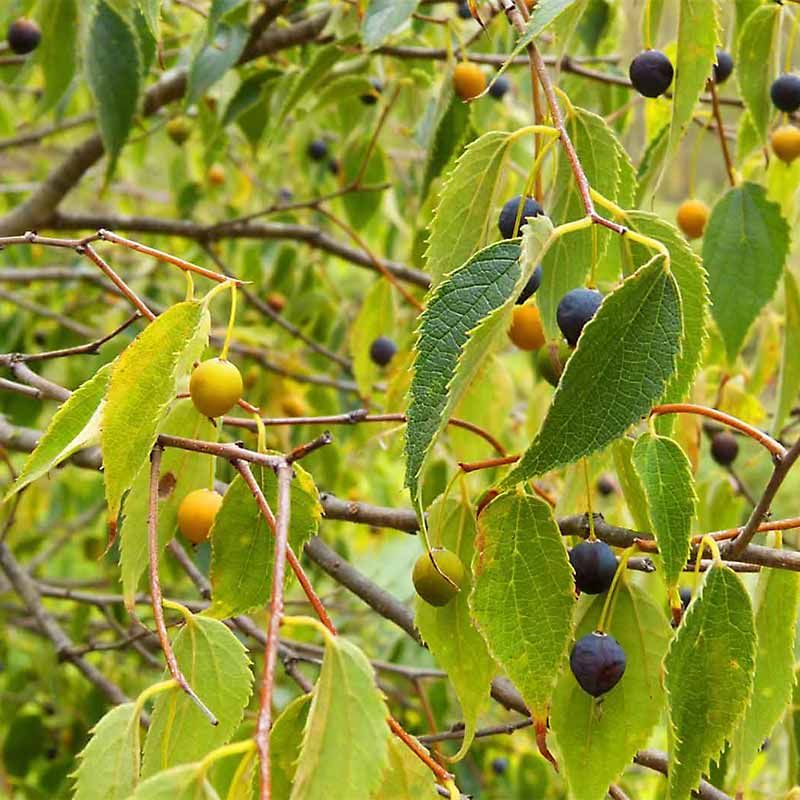
Hackberry deserves far more recognition than it typically receives as one of Ohio’s toughest native trees and a tremendous resource for bird populations.
This medium to large tree produces small orange-red to dark purple berries that persist on branches throughout fall and winter, offering birds a reliable food source when many other options have vanished.
The berries have thin flesh surrounding a large seed, and while they might not seem like much, birds find them highly nutritious and easy to digest.
Flickers, mockingbirds, and woodpeckers are particularly fond of hackberries, and you’ll often see them working over the branches methodically to harvest every last fruit.
The extended availability of berries from fall through winter makes hackberry especially valuable for birds that overwinter in Ohio or arrive during late migration periods.
Because the fruits dry on the tree rather than rotting, they remain edible for months.
Hackberry’s greatest strength might be its incredible toughness and adaptability to challenging Ohio growing conditions.
This tree tolerates urban pollution, compacted soil, drought, wind, and temperature extremes without complaint.
It grows 40 to 60 feet tall with a rounded, spreading crown that provides excellent shade and structure in the landscape.
The bark develops distinctive corky ridges and warty bumps with age, creating interesting texture and visual appeal during winter months.
Hackberry leaves resemble those of elm trees, and the tree’s overall form is graceful without being fussy.
While it may not be the showiest ornamental tree, hackberry’s reliability and wildlife value make it an outstanding choice for Ohio properties.
Planting hackberry means investing in a tree that will serve birds for decades with virtually no maintenance required once established.
For gardeners who want maximum bird benefit with minimum effort, hackberry is hard to beat as a long-term landscape addition.