Can You Remove A Neighbor’s Overgrown Hedgerow In Illinois — Homeowners Are Often Surprised
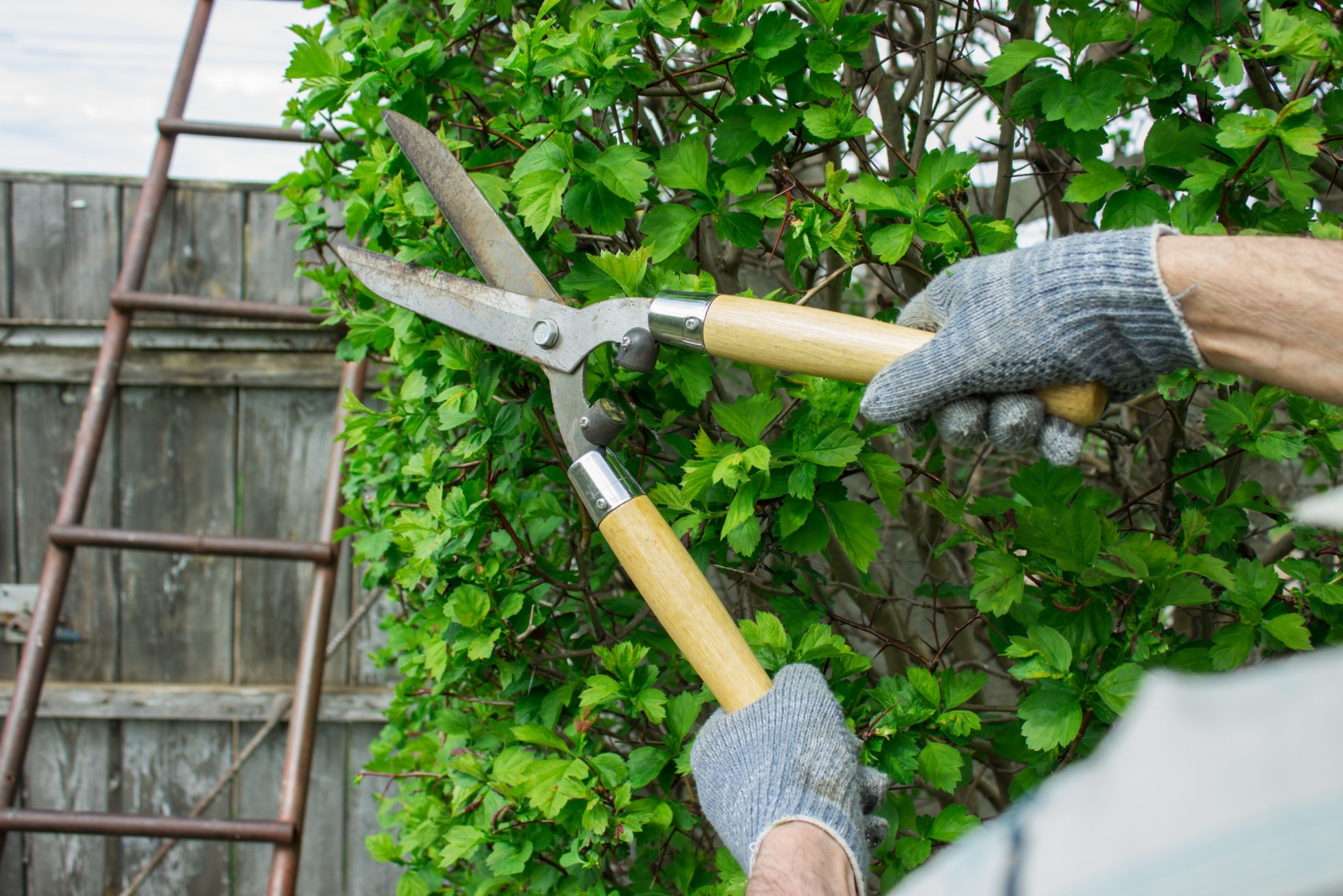
An overgrown hedgerow creeping across a property line can push even the most patient Illinois homeowner to the edge.
Branches cross fences, shrubs swallow sightlines, and frustration builds fast.
Many assume they can simply trim or remove whatever spills onto their yard, but Illinois law often tells a different story.
The rules behind hedgerow maintenance, property boundaries, and liability carry surprises that catch homeowners off guard and can turn a simple trim into a legal tangle.
Property Line Laws Matter More Than You Think
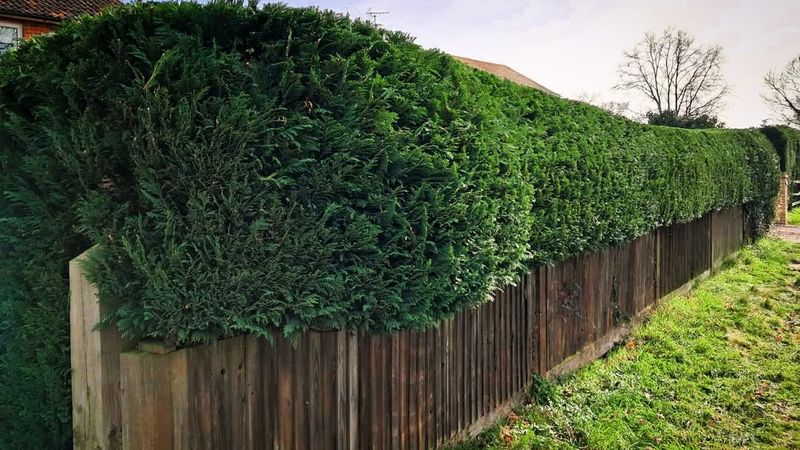
Boundaries between properties follow strict legal rules in Illinois that homeowners must respect.
Your neighbor’s hedgerow belongs to them even if branches hang over your side of the fence.
Illinois law considers plants and trees part of the property where their trunk or main root system sits.
This means you cannot simply remove an entire hedgerow just because it bothers you or looks messy.
Cutting down plants that belong to your neighbor without permission can lead to serious legal trouble.
You might face a lawsuit for property damage and owe money to replace the plants.
Some homeowners have paid thousands of dollars in court after making this mistake.
The best approach involves understanding exactly where your property line runs before taking any action.
A professional surveyor can mark the boundaries clearly if you feel uncertain about the exact location.
Knowing these rules protects you from accidentally breaking the law while trying to maintain your yard.
Always check property records and local ordinances before trimming anything that might belong to someone else.
Respecting boundaries keeps both your wallet and your neighborly relationships safe from harm.
Trimming Rights End At The Boundary
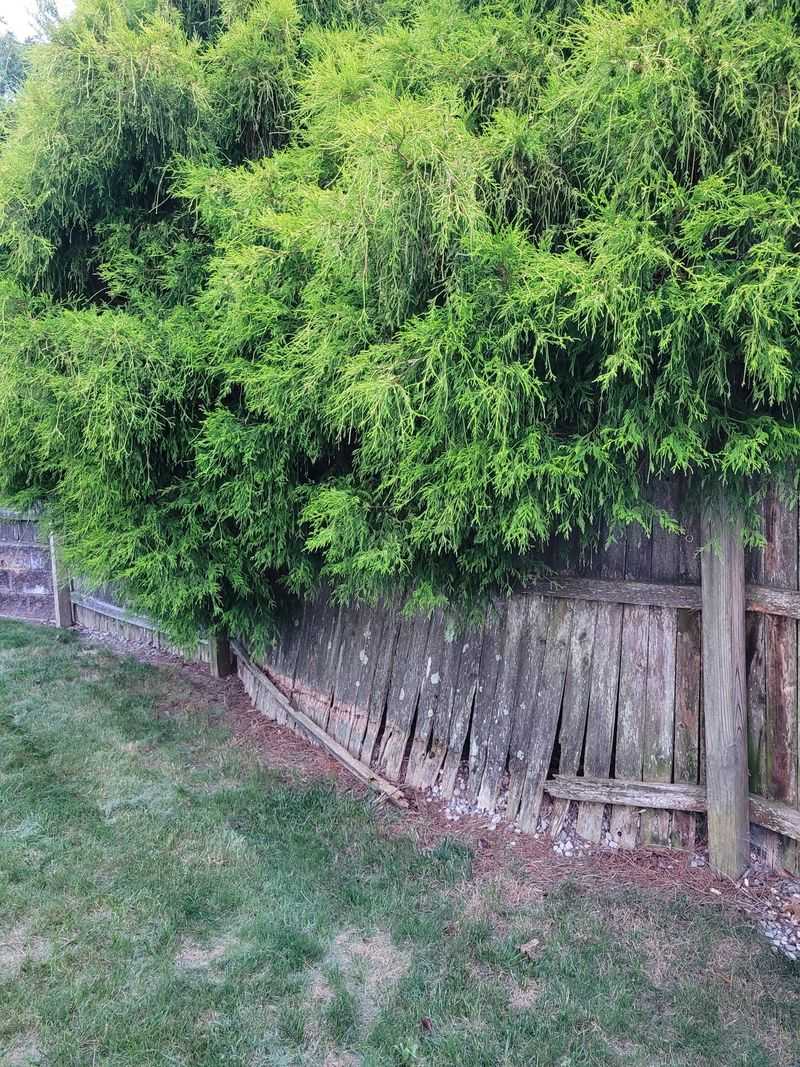
Illinois homeowners do have some power when branches cross onto their property.
You can legally trim any part of a hedgerow that hangs over your side of the property line.
This right applies to branches, leaves, and roots that invade your space and cause problems.
However, your trimming must stop exactly at the boundary between the two properties.
You cannot reach over the fence and cut branches that remain on your neighbor’s side.
Even if those branches will eventually grow over, you must wait until they actually cross the line.
When trimming, you must also avoid damaging or weakening the overall health of the hedgerow.
Cutting too much can harm the plant and make you responsible for the damage.
Some homeowners hire professional landscapers who understand these legal limits and can trim safely.
Taking photos before and after trimming provides evidence that you stayed within your rights.
This documentation becomes valuable if your neighbor complains or threatens legal action later.
Remember that your trimming rights come with the responsibility to act reasonably and avoid causing unnecessary harm.
Communication Prevents Most Legal Problems
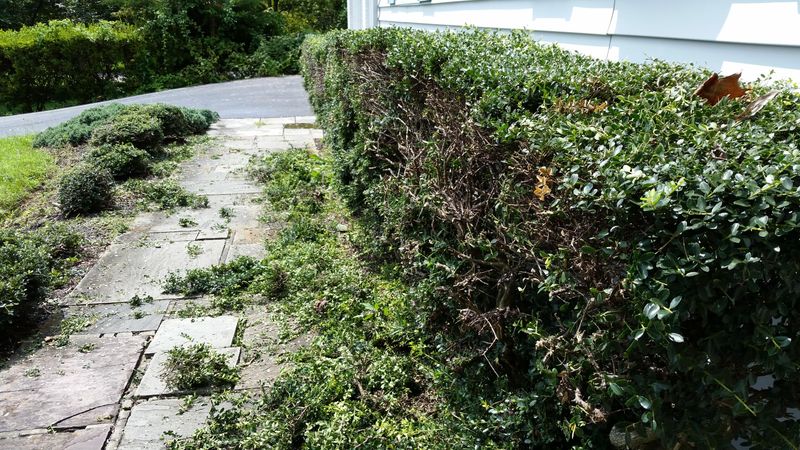
Talking to your neighbor before taking action solves most hedgerow disputes peacefully.
Many people don’t realize their plants have grown out of control until someone points it out.
Your neighbor might appreciate knowing about the problem and volunteer to trim the hedgerow themselves.
Your Illinois Garden Changes Every Week. Your Plan Should Too.
Gardening in Illinois changes quickly throughout the season. Every Friday you’ll receive a simple weekly plan showing exactly what to plant, prune, fertilize, harvest, and protect so you never miss the right timing.
Starting with a friendly conversation shows respect and often leads to a quick solution.
You can explain how the overgrowth affects your property without sounding angry or demanding.
Mentioning specific problems like blocked sunlight or falling debris helps your neighbor understand your concerns.
Some neighbors will even split the cost of hiring a professional to handle the trimming properly.
Written communication through a polite letter creates a record of your attempt to resolve things peacefully.
This documentation becomes important if you need to involve local authorities or courts later.
Illinois courts look favorably on homeowners who try to work things out before filing complaints.
Judges appreciate seeing evidence that you made reasonable efforts to communicate and compromise.
Building a cooperative relationship with your neighbor makes future property issues much easier to handle together.
Local Ordinances Add Extra Rules
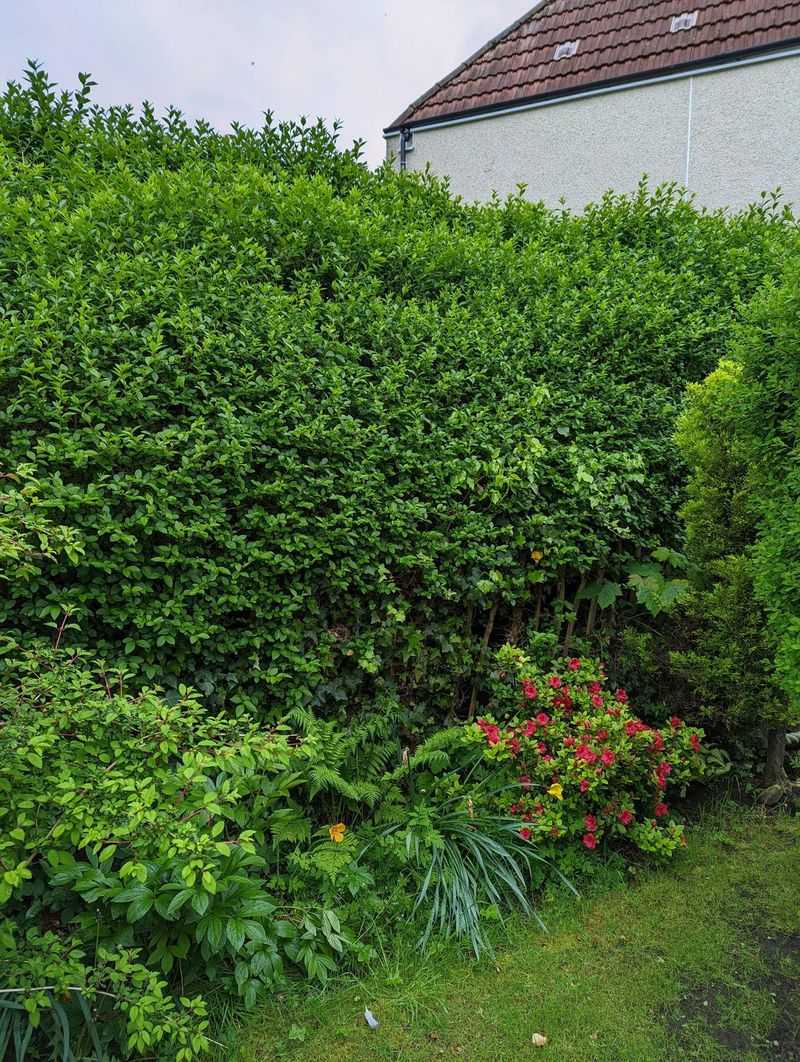
Cities and towns throughout Illinois create their own rules about plant maintenance and property upkeep.
These local ordinances often set maximum heights for hedges and require property owners to maintain their landscaping.
Your municipality might have specific regulations about how tall hedgerows can grow near property lines.
Some communities limit hedge height to six or eight feet to prevent disputes between neighbors.
Other areas require property owners to keep plants trimmed so they don’t block sidewalks or streets.
Checking your local ordinances gives you valuable information about what your neighbor must legally maintain.
If their hedgerow violates local rules, you can file a complaint with your city or village code enforcement office.
Code enforcement officers will inspect the property and issue warnings or citations if violations exist.
This approach lets local authorities handle the problem instead of you confronting your neighbor directly.
Many Illinois homeowners find this method less stressful than trying to resolve disputes on their own.
Your local government website usually posts ordinances online where you can read them anytime.
Understanding these rules empowers you to take appropriate action when a neighbor’s plants become a genuine problem.
Damage Claims Require Proof
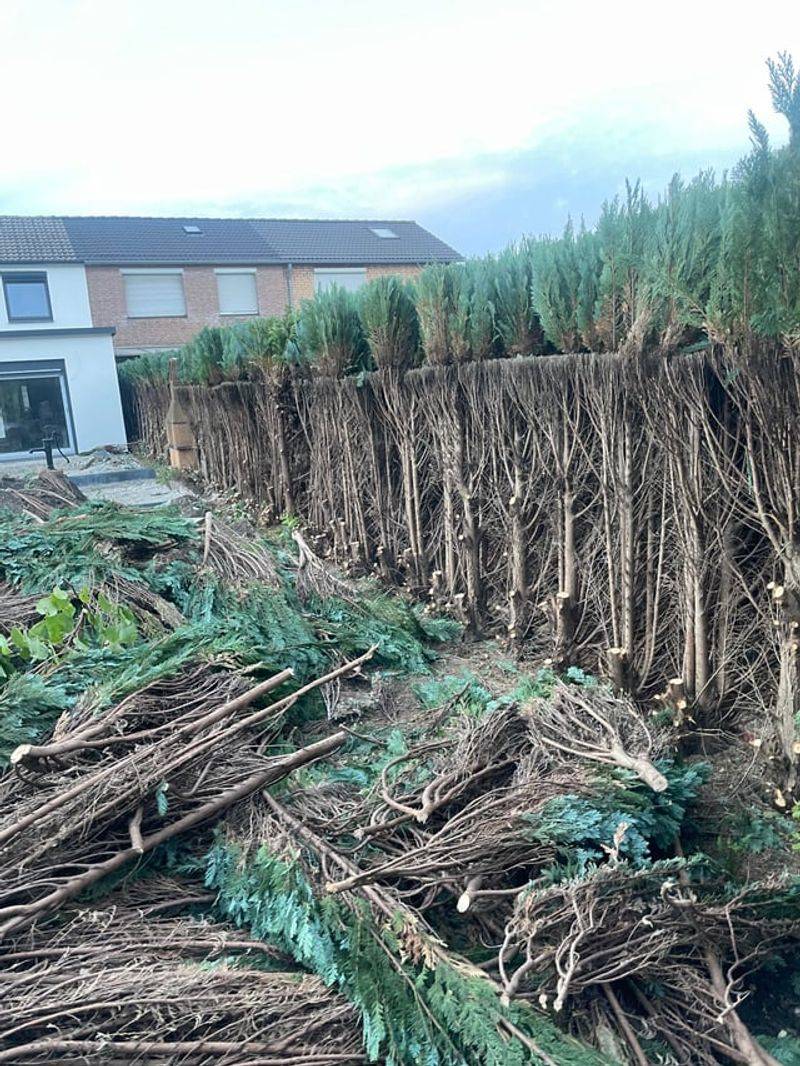
Proving that a hedgerow causes actual damage to your property strengthens your legal position significantly.
Illinois courts take property damage seriously when roots crack foundations or branches break fences.
You need clear evidence showing the direct connection between your neighbor’s plants and the harm to your property.
Photographs documenting the damage over time create a strong record for potential legal action.
Repair estimates from contractors show the financial cost of fixing problems caused by the overgrown hedgerow.
Some homeowners hire experts to examine root systems and confirm they belong to the neighbor’s plants.
This professional testimony becomes powerful evidence if you file a lawsuit seeking compensation for damages.
Illinois law allows you to recover repair costs when someone else’s property causes harm to yours.
However, you must prove the damage resulted from negligence or failure to maintain the hedgerow properly.
Simply disliking how the plants look doesn’t qualify as legal damage requiring compensation.
Courts focus on actual financial losses like broken pipes, cracked driveways, or damaged structures.
Keeping detailed records from the moment you notice problems protects your interests if disputes escalate later.
Mediation Offers A Middle Ground
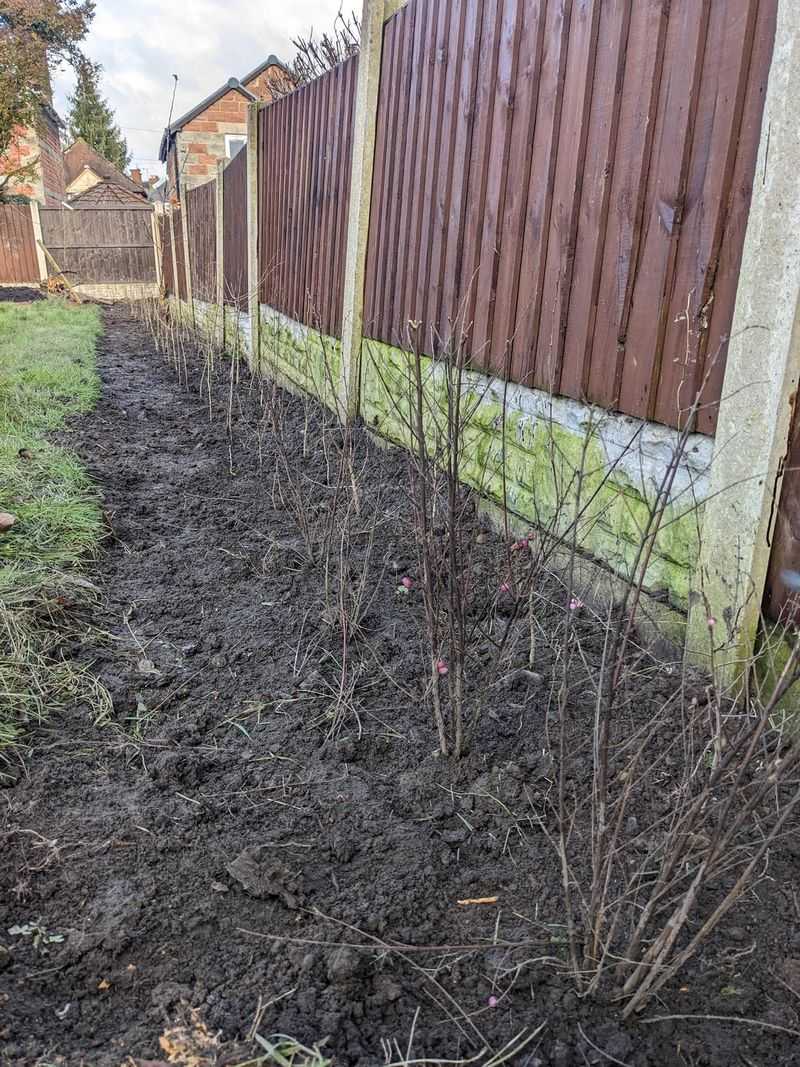
Community mediation services help neighbors resolve hedgerow disputes without expensive court battles.
Many Illinois counties offer free or low-cost mediation programs designed specifically for property disagreements.
A trained mediator guides both parties through a structured conversation to find solutions everyone can accept.
This process works well when neighbors want to maintain a peaceful relationship but can’t agree on their own.
Mediation sessions remain confidential, so you can speak freely without worrying about public records.
The mediator doesn’t take sides but helps both people understand different perspectives and explore compromise options.
Solutions might include shared trimming costs, agreed-upon maintenance schedules, or gradual hedgerow removal plans.
Both parties must agree to any solution reached through mediation for it to work.
This voluntary nature makes people more likely to follow through compared to court-ordered solutions.
Illinois judges often require mediation before allowing property disputes to proceed to trial.
Starting with mediation shows good faith and can speed up resolution if you eventually need court involvement.
This approach costs far less than hiring lawyers and typically resolves problems in weeks rather than months or years.
Small Claims Court Handles Minor Disputes
Small claims court provides an affordable option when hedgerow problems cause limited financial damage.
Illinois allows claims up to ten thousand dollars in small claims court without needing expensive lawyers.
This court system uses simplified procedures that regular people can navigate without legal training.
You can file a claim if your neighbor’s overgrown hedgerow damaged your fence, driveway, or other property.
The filing fee remains low, usually under one hundred dollars, making court access affordable for most homeowners.
Both you and your neighbor present evidence directly to a judge who decides the case fairly quickly.
Hearings typically happen within a few months of filing, much faster than regular civil court proceedings.
Judges in small claims court understand that most people aren’t legal experts and explain the process clearly.
Bringing photographs, repair estimates, and maintenance records helps the judge understand your situation completely.
If you win, the court orders your neighbor to pay for damages their hedgerow caused to your property.
Collecting the judgment can sometimes prove challenging, but Illinois provides enforcement tools to help winners get paid.
This option works best for straightforward cases with clear damage and reasonable financial claims.
Tree And Hedge Laws Differ Slightly
Illinois treats large trees somewhat differently than hedgerows when it comes to property rights and responsibilities.
Trees often receive more legal protection because they take decades to grow and provide significant environmental benefits.
Hedgerows consisting of multiple smaller shrubs face less strict protection under Illinois law.
Some municipalities consider hedgerows more like fences that property owners can modify more easily.
However, the basic principle remains the same for both trees and hedges regarding property lines.
You cannot remove plants rooted on your neighbor’s property regardless of whether they’re trees or shrubs.
The main difference appears in damage calculations when someone illegally removes protected plants.
Courts may award higher damages for mature trees compared to hedgerow shrubs because trees cost more to replace.
Understanding these distinctions helps you assess your situation more accurately when dealing with overgrown plants.
Some Illinois homeowners mistakenly believe they have more rights regarding hedges than trees, but boundaries matter most.
Consulting local ordinances reveals whether your community treats hedgerows and trees differently in specific situations.
This knowledge prevents costly mistakes based on incorrect assumptions about plant-related property laws.
Professional Help Protects Your Interests
Complicated hedgerow disputes sometimes require professional legal advice to protect your rights fully.
Real estate attorneys in Illinois specialize in property boundary issues and can explain your options clearly.
Many lawyers offer initial consultations for free or at low cost to help you understand your situation.
Professional advice becomes especially valuable when significant money or property damage is involved.
An attorney can review your evidence, assess the strength of your case, and recommend the best course of action.
They understand Illinois property law nuances that non-lawyers might miss when researching on their own.
Hiring a lawyer doesn’t always mean going to court right away.
Sometimes a formal letter from an attorney convinces your neighbor to address the hedgerow problem promptly.
Legal representation also helps if your neighbor threatens to sue you for trimming branches on your side.
Property surveyors provide another type of professional help by establishing exact boundary lines with legal precision.
Their official surveys settle disputes about where your property ends and your neighbor’s begins.
Investing in professional help early often saves money compared to making mistakes that lead to expensive lawsuits later.