13 Shade‑Loving Climbers Perfect For Pennsylvania Gardens With Little To No Sun
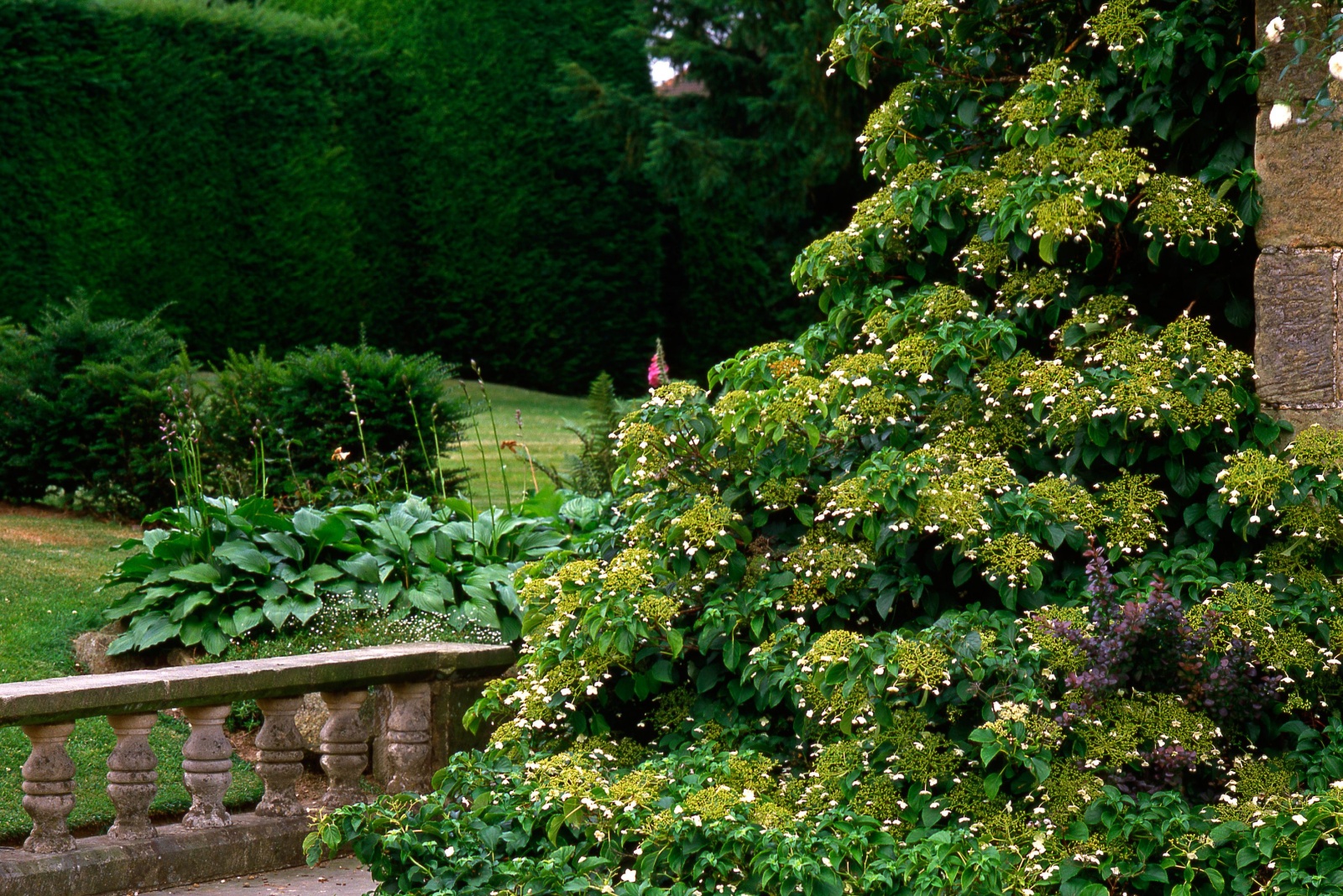
Pennsylvania gardens often feature shady spots beneath towering trees or along north-facing walls where sunshine rarely reaches.
These dim corners don’t have to remain bare and boring when you can transform them with climbing plants that actually prefer the shade.
From delicate blooms to lush foliage, shade-tolerant vines bring vertical beauty to those challenging areas where most sun-loving plants would struggle.
Discover climbing varieties that will flourish in your Pennsylvania garden’s shadiest spaces and turn those forgotten corners into stunning focal points.
1. Climbing Hydrangea Brings Elegant White Blooms To Dark Corners
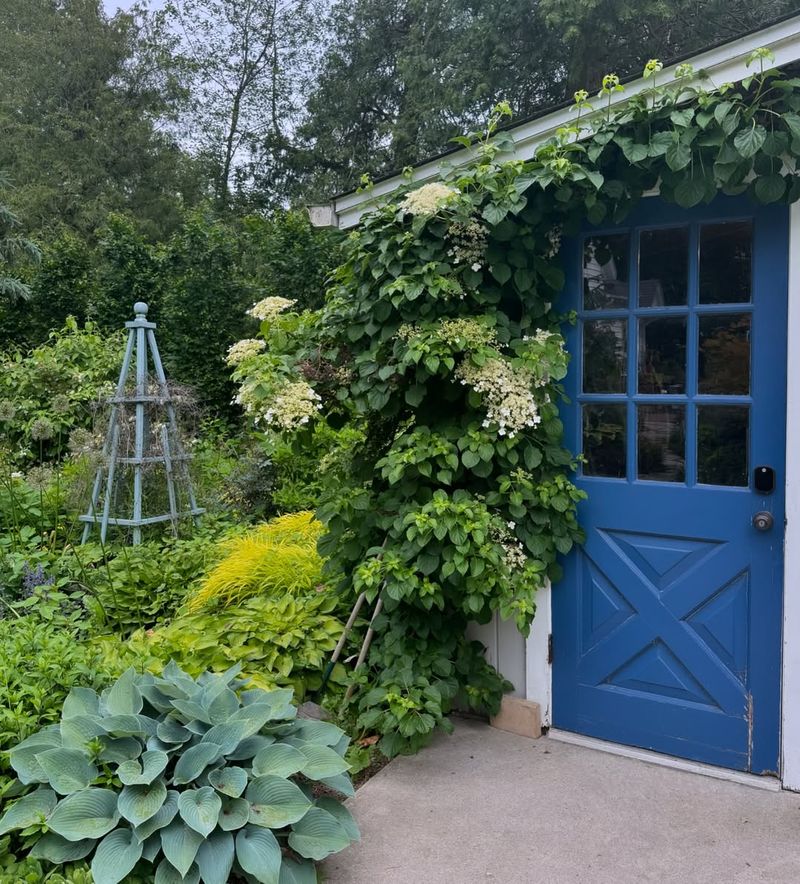
Climbing hydrangea stands out as one of Pennsylvania’s most reliable shade-loving vines, producing spectacular white flower clusters each summer.
This woody climber attaches itself to walls, fences, or tree trunks using aerial rootlets, eliminating the need for additional support structures.
Patience pays off with this plant since it often takes three to five years before flowering begins, but the wait proves worthwhile when those gorgeous blooms finally appear.
The glossy, heart-shaped leaves create a dense green backdrop that remains attractive even when flowers aren’t present.
Pennsylvania gardeners appreciate how this vine tolerates deep shade while still producing flowers, though partial shade encourages more abundant blooming.
Once established, climbing hydrangea requires minimal maintenance and can reach heights of 30 to 50 feet over time.
Winter interest comes from the peeling cinnamon-colored bark that adds texture to bare walls during colder months.
This adaptable climber handles Pennsylvania’s freezing winters without protection and thrives in the state’s naturally acidic soils.
Regular watering during the first few seasons helps establish strong roots that will support decades of growth.
Consider planting near shaded patios or along north-facing walls where few other flowering vines would succeed.
2. Virginia Creeper Offers Brilliant Fall Color Even Without Sunlight
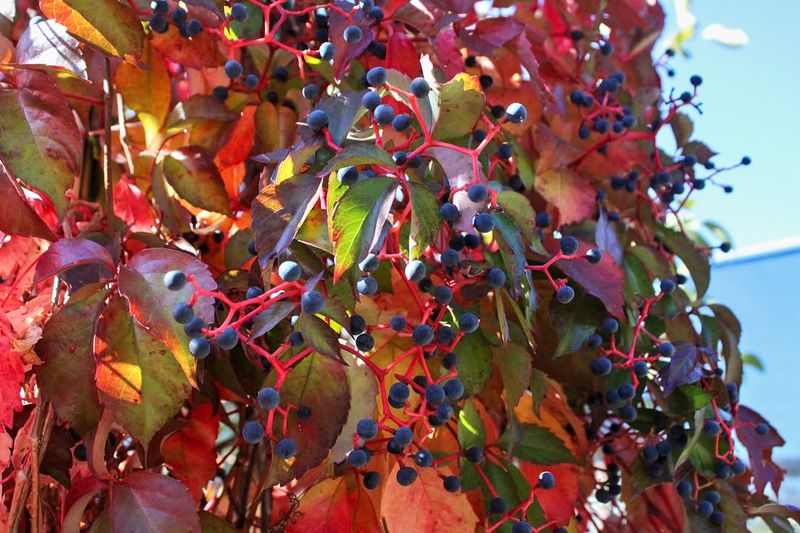
Native to Pennsylvania woodlands, Virginia creeper grows vigorously in shady conditions where it produces stunning autumn displays.
The distinctive five-leaflet compound leaves turn brilliant shades of crimson and burgundy each fall, creating breathtaking color in shadowy spots.
This fast-growing vine can quickly cover fences, arbors, or unsightly structures, making it perfect for hiding problem areas in your landscape.
Small greenish flowers appear in spring but go largely unnoticed, followed by dark blue berries that local birds eagerly devour.
Pennsylvania wildlife benefits greatly from this native plant, as it provides both food and shelter for numerous species.
Unlike poison ivy, which has three leaflets, Virginia creeper’s five-leaflet arrangement makes identification easy and safe.
Adhesive tendrils allow the vine to cling to almost any surface, though it may need occasional guidance when young.
Growth rates can reach 10 feet per year once established, so plan accordingly and provide adequate space for expansion.
This tough climber tolerates urban pollution, poor soil, and deep shade, making it ideal for challenging Pennsylvania garden situations.
Pruning in late winter controls size and encourages fresh growth that will produce even more spectacular fall color.
3. Boston Ivy Creates Living Walls That Thrive In Pennsylvania Shade
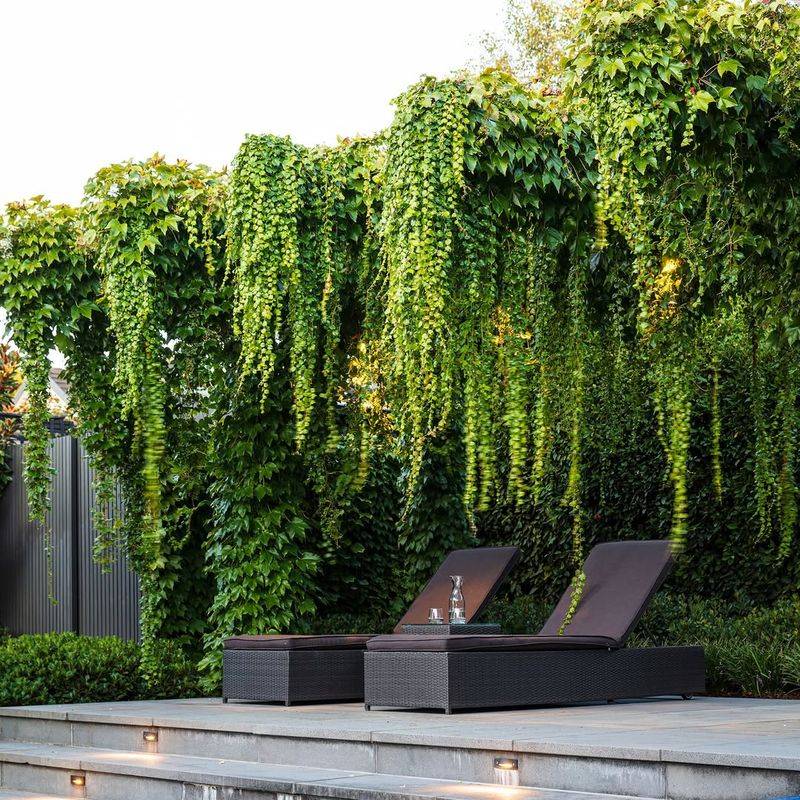
Boston ivy transforms plain walls into living tapestries of foliage, flourishing in the shadiest corners of Pennsylvania properties.
Your Pennsylvania Garden Changes Every Week. Your Plan Should Too.
Gardening in Pennsylvania changes quickly throughout the season. Every Friday you’ll receive a simple weekly plan showing exactly what to plant, prune, fertilize, harvest, and protect so you never miss the right timing.
The three-lobed leaves overlap like shingles, creating dense coverage that insulates buildings and reduces energy costs during summer months.
Adhesive pads at the tips of tendrils grip surfaces tightly, allowing this vine to scale brick, stone, or wood without additional support.
Spring growth emerges with a purplish tint before maturing to glossy green, providing subtle seasonal interest beyond the spectacular fall show.
Autumn brings a dramatic transformation when leaves shift through shades of scarlet, orange, and burgundy before dropping for winter.
Pennsylvania’s historic buildings often feature Boston ivy because it protects masonry from weather while adding architectural charm.
This climber grows rapidly once roots establish, potentially adding 10 feet of growth in a single season under favorable conditions.
Regular pruning around windows and doors prevents the vine from interfering with building access or blocking important features.
Cold-hardy throughout Pennsylvania, Boston ivy requires no winter protection and bounces back vigorously each spring.
Plant at the base of north-facing walls or beneath large trees where grass struggles and this adaptable vine will flourish instead.
4. Dutchman’s Pipe Vine Features Unusual Flowers And Heart-Shaped Leaves
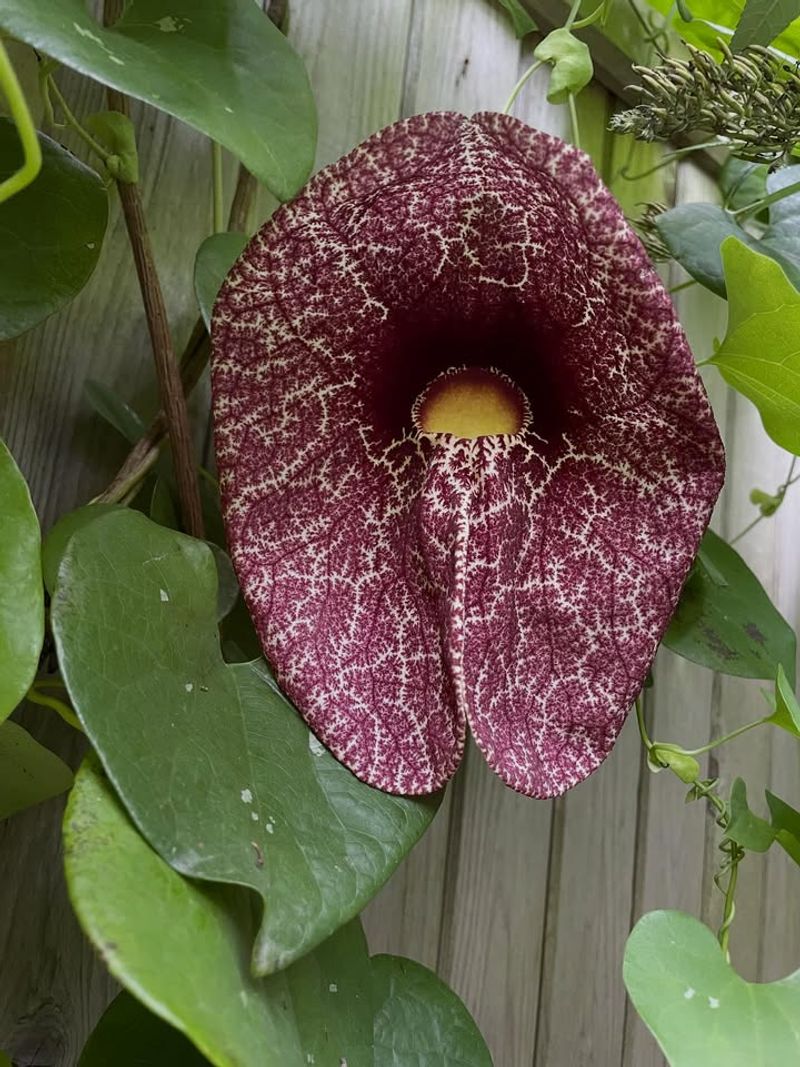
Dutchman’s pipe earns its quirky name from curved, pipe-shaped flowers that hide beneath massive heart-shaped leaves throughout summer.
This Pennsylvania native thrives in woodland shade where its bold foliage creates a tropical appearance despite being completely cold-hardy.
Each leaf can span 12 inches across, forming an overlapping canopy that provides excellent screening for privacy or hiding unattractive views.
The peculiar brownish-purple flowers attract pollinating flies rather than bees, using a scent that mimics rotting meat to lure their preferred visitors.
Pipevine swallowtail butterflies depend on this plant as their caterpillar host, making it valuable for Pennsylvania gardeners supporting native pollinators.
Vigorous growth reaches 15 to 30 feet in length, requiring sturdy support structures like arbors or pergolas to handle the weight.
Pennsylvania’s humid summers suit this vine perfectly, as it appreciates consistent moisture and protection from harsh afternoon sun.
Once established, Dutchman’s pipe requires little care beyond occasional pruning to control size and remove tangled growth.
Plant near shaded seating areas where you can appreciate the unique flowers up close and watch for visiting swallowtail butterflies.
This conversation-starter vine adds both ecological value and distinctive beauty to Pennsylvania shade gardens.
5. Japanese Hydrangea Vine Produces Fragrant Blooms In Low Light
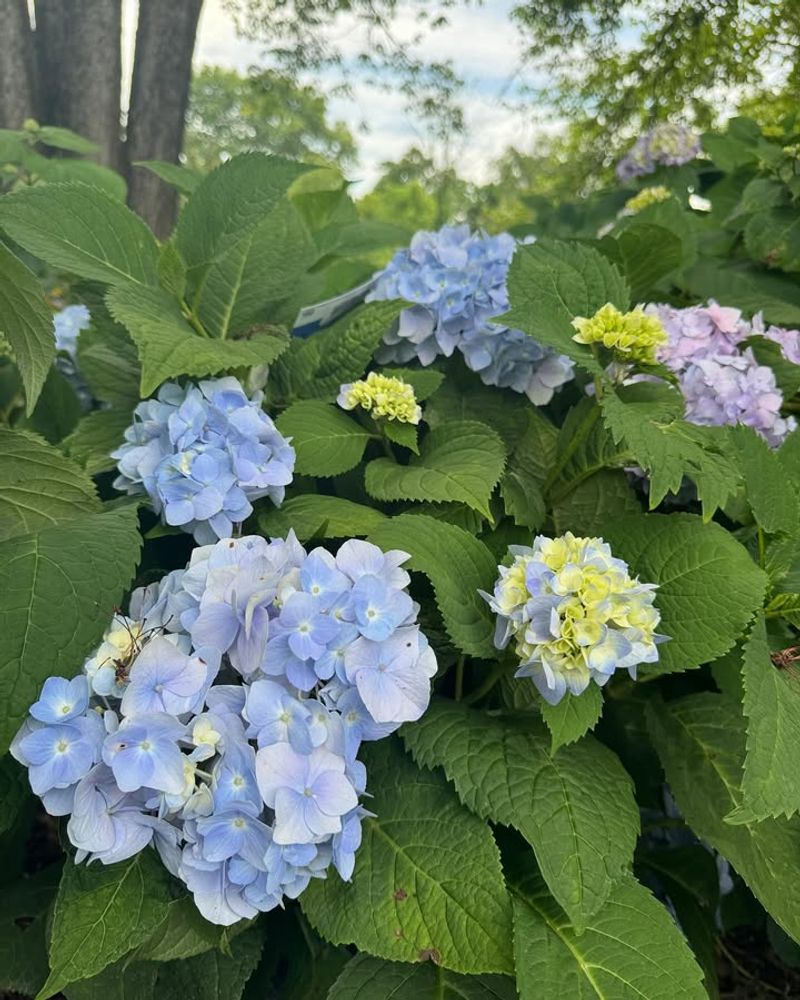
Japanese hydrangea vine resembles its climbing cousin but offers smaller size and delightfully fragrant white flowers that perfume shady Pennsylvania gardens.
The lacecap-style blooms appear in late spring and early summer, filling dim corners with sweet fragrance that attracts beneficial pollinators.
Growing to a more manageable 15 to 20 feet, this vine suits smaller Pennsylvania properties where space limitations make giant climbers impractical.
Aerial rootlets grip surfaces firmly, allowing the vine to ascend walls, fences, or tree trunks without requiring wires or trellises.
Dark green foliage remains attractive throughout the growing season, providing a handsome backdrop even after flowering concludes.
Pennsylvania gardeners value this climber for its refined appearance and ability to brighten shaded areas with both visual beauty and pleasant scent.
Slower growth compared to other climbing hydrangeas means less aggressive spreading and easier maintenance for busy homeowners.
Partial to full shade suits this vine best, though some morning sun won’t harm established plants in Pennsylvania’s climate.
Well-drained soil enriched with organic matter helps this Asian native adapt to Pennsylvania conditions and establish strong root systems.
Prune after flowering if needed to shape the vine or control its size within designated garden spaces.
6. English Ivy Provides Year-Round Evergreen Coverage In Pennsylvania Winters
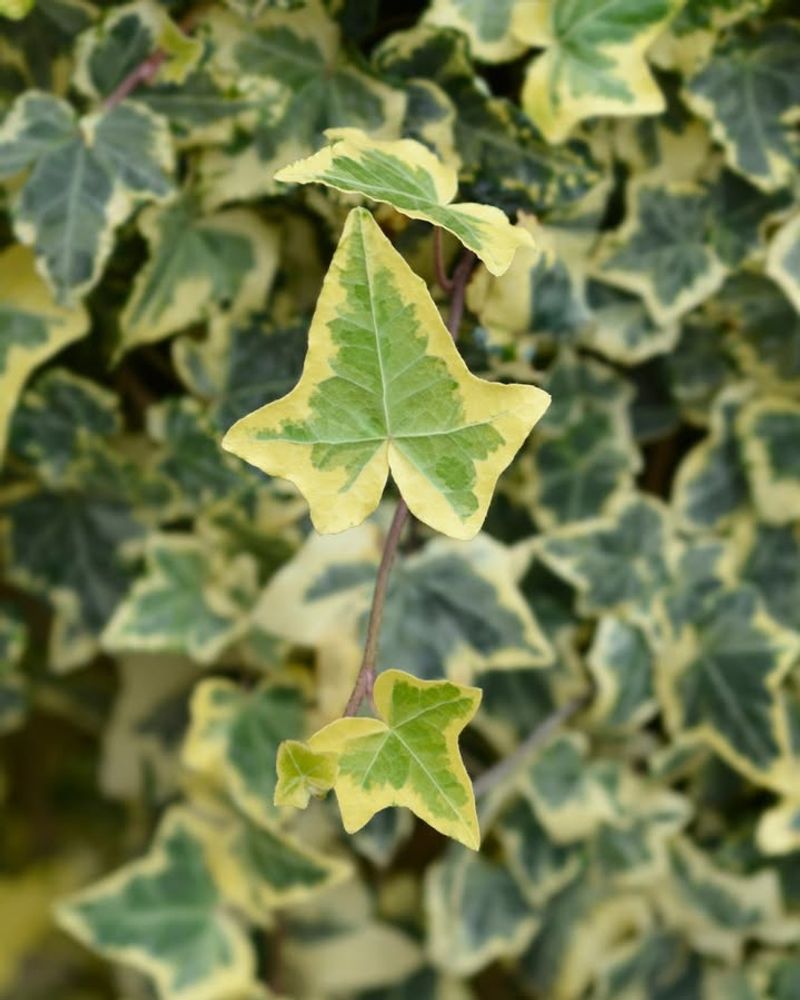
English ivy remains green throughout Pennsylvania’s coldest months, offering continuous coverage when deciduous vines have shed their leaves.
The classic lobed foliage creates elegant patterns against walls, fences, or tree trunks, adding Old World charm to shaded landscapes.
Adaptable to deep shade, this evergreen climber grows where almost nothing else will, solving difficult landscaping challenges with minimal fuss.
Small rootlets along the stems cling tenaciously to rough surfaces, allowing vertical growth without additional support structures.
Mature plants eventually produce small yellowish-green flowers followed by dark berries that feed Pennsylvania birds during lean winter months.
Growth rates vary depending on conditions, but established plants can add several feet annually while maintaining their dense appearance.
Pennsylvania gardeners should monitor English ivy carefully, as it can become invasive if allowed to escape into natural woodland areas.
Keep plantings confined to structures and away from native forest edges where it might outcompete indigenous vegetation.
Regular trimming maintains the desired shape and prevents the vine from growing too thick or heavy for its support surface.
Choose cultivars developed for cold hardiness to ensure reliable performance through Pennsylvania’s variable winter weather patterns.
7. Chocolate Vine Delights With Vanilla-Scented Spring Flowers
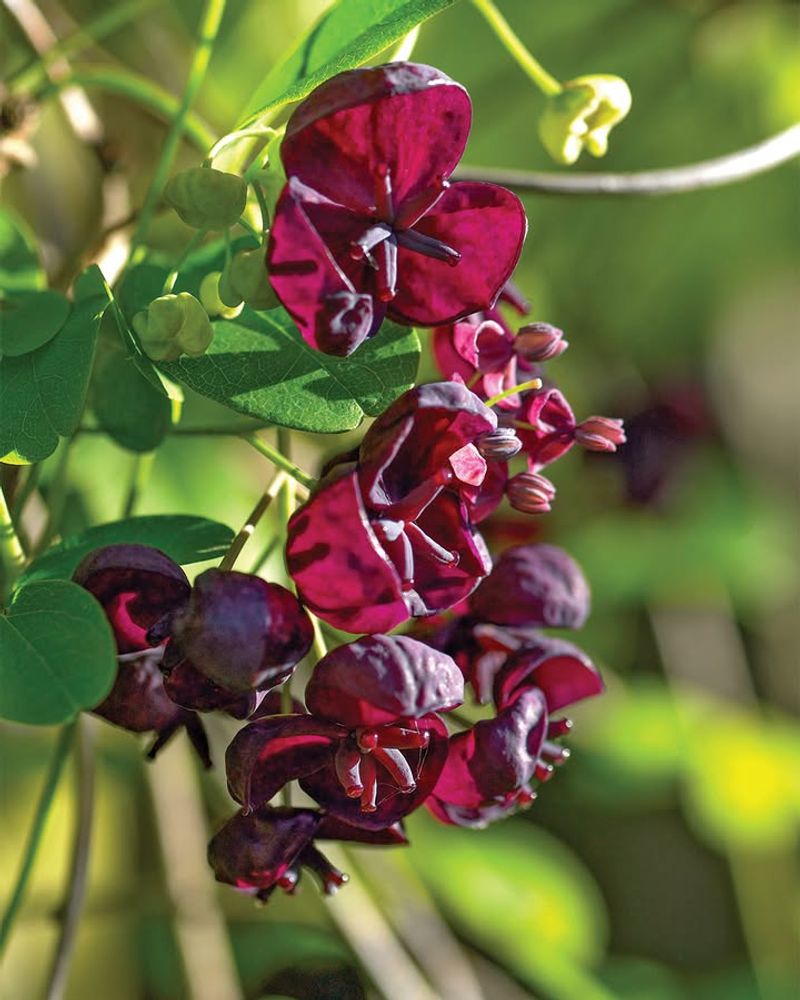
Chocolate vine gets its sweet name from the vanilla-chocolate fragrance that wafts from unusual purple-brown flowers each spring.
Pennsylvania gardeners treasure this semi-evergreen climber for its ability to bloom reliably in shady conditions where flowering vines often struggle.
Compound leaves with five rounded leaflets create an attractive texture that remains appealing long after the fragrant blooms have faded.
Fast growth reaches 15 to 30 feet quickly, making this Asian native perfect for covering arbors, pergolas, or unsightly chain-link fences.
The twining stems wrap around supports naturally, requiring no special training or tying to guide growth in desired directions.
Occasional edible purple fruits appear in fall when summers have been particularly warm, though Pennsylvania’s climate produces them inconsistently.
Partial shade suits chocolate vine best, though it tolerates deeper shade better than most flowering climbers available to Pennsylvania gardeners.
Cold-hardy throughout the state, this vine may experience some winter dieback in harsh years but rebounds vigorously come spring.
Plant near patios, decks, or windows where the delightful fragrance can be appreciated during the relatively brief blooming period.
Prune after flowering to control size and encourage bushier growth with more flowering stems for the following season.
8. Climbing Euonymus Adds Evergreen Interest With Variegated Foliage
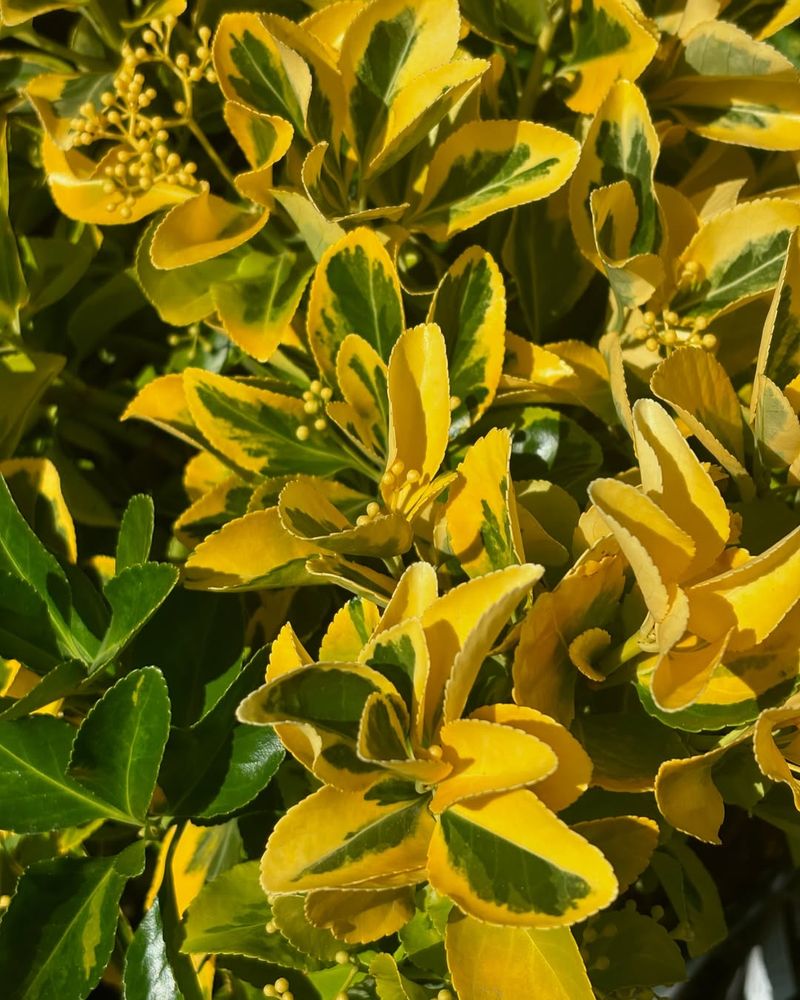
Climbing euonymus brightens shady Pennsylvania corners with colorful evergreen foliage that persists through all four seasons.
Variegated cultivars feature leaves edged in white, cream, or yellow, creating bright spots in dim areas where flowering plants won’t bloom.
This adaptable vine tolerates deep shade while maintaining its variegation better than many other colorful-leaved climbers available to Pennsylvania gardeners.
Aerial rootlets attach to rough surfaces like brick, stone, or wood, allowing the plant to climb walls without damaging most building materials.
Growth proceeds at a moderate pace, typically adding 3 to 6 feet annually once roots establish in Pennsylvania’s native soils.
Small greenish flowers appear in summer but contribute little ornamental value compared to the striking foliage display.
Pennsylvania winters may cause some leaf discoloration or browning, but plants recover quickly when spring warmth returns.
Plant climbing euonymus where year-round color matters most, such as near entryways or along frequently viewed walls and fences.
Regular pruning maintains compact growth and encourages fresh shoots with the brightest variegation patterns.
Avoid planting near natural areas, as some euonymus species can escape cultivation and compete with Pennsylvania’s native plants.
9. Carolina Jessamine Brightens Early Spring With Yellow Trumpet Flowers
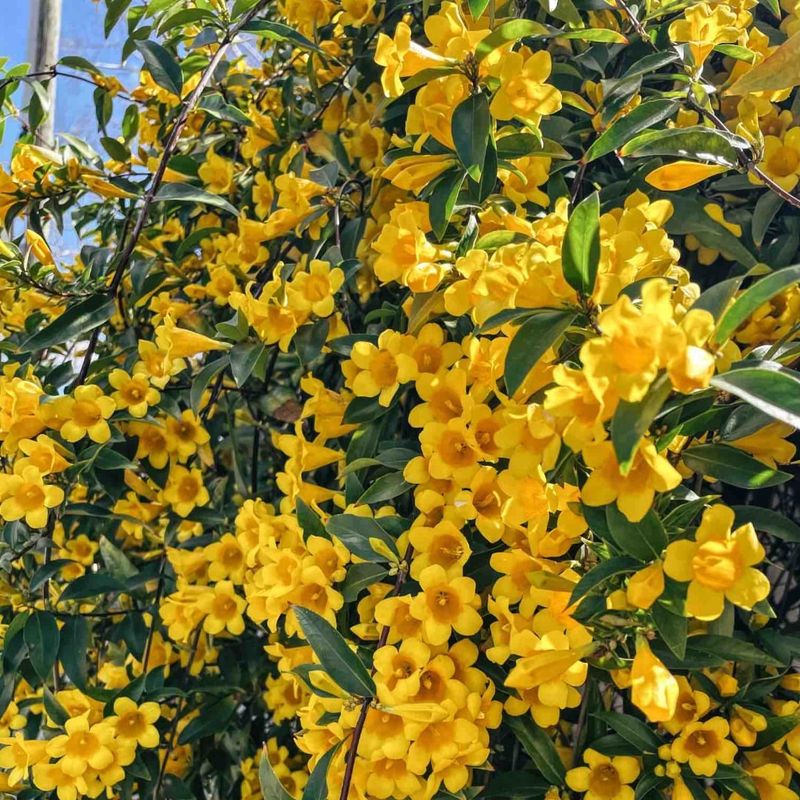
Carolina jessamine announces spring’s arrival in Pennsylvania gardens with cheerful yellow trumpet flowers that appear while many plants still sleep.
This southeastern native pushes the boundaries of its range in Pennsylvania, thriving in protected shady spots with good winter drainage.
Evergreen foliage remains attractive year-round, though harsh winters in northern Pennsylvania may cause some leaf browning or loss.
The twining stems wrap around supports like trellises, mailbox posts, or porch columns, adding vertical interest to small spaces.
Sweet fragrance from the tubular flowers attracts early-season pollinators, including hummingbirds beginning their northward spring migration through Pennsylvania.
Growth reaches 10 to 20 feet over time, creating manageable coverage that won’t overwhelm smaller garden structures or limited spaces.
Plant in locations protected from harsh winter winds and ensure excellent drainage to prevent root rot during Pennsylvania’s freeze-thaw cycles.
Partial shade suits Carolina jessamine better than deep shade, though it tolerates more darkness than most yellow-flowering vines.
All plant parts contain toxic compounds, so position away from areas where children or pets might be tempted to sample the flowers.
Prune immediately after flowering to shape the vine and remove any winter-damaged stems before new growth begins.
10. Variegated Porcelain Berry Offers Colorful Fruit In Shaded Spaces
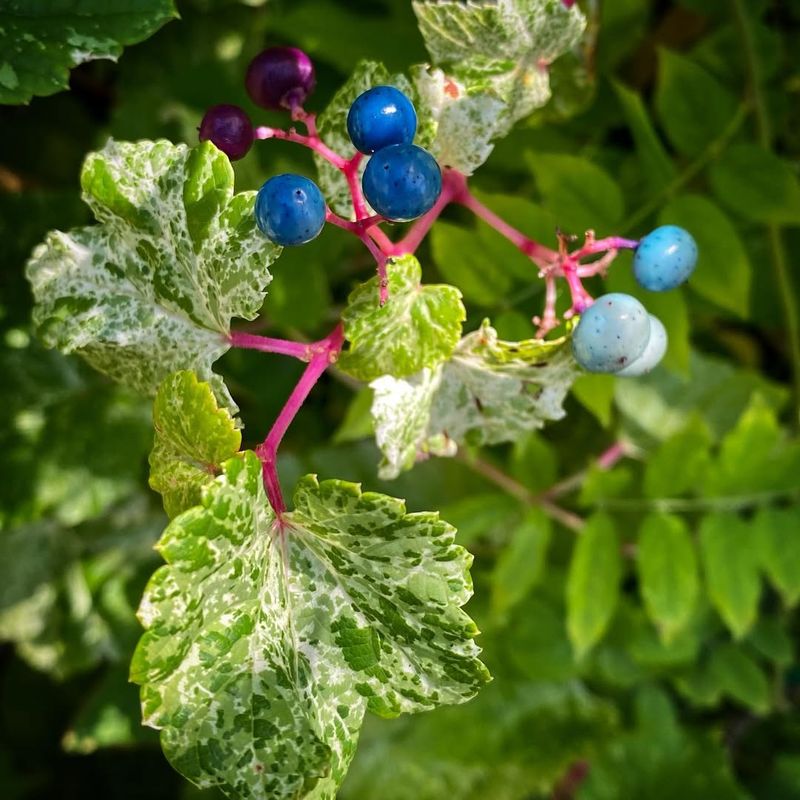
Variegated porcelain berry stands out among shade-loving climbers thanks to multicolored berries that shift from white to pink, lilac, and turquoise blue.
The foliage itself provides interest with white and pink splashes across green leaves, creating a bright appearance even before berries form.
Pennsylvania gardeners appreciate this fast-growing vine for quickly covering chain-link fences or screening unsightly views in shady areas.
Growth can reach 10 to 15 feet in a single season, so plant where vigorous spreading won’t create maintenance headaches or overwhelm neighboring plants.
The spectacular berries appear in late summer and fall, providing unique color when many shade gardens begin looking tired and drab.
Birds find the berries attractive, which can lead to unwanted seedlings appearing in unexpected locations around Pennsylvania properties.
Monitor this vine carefully and remove seedlings promptly, as the straight species has proven invasive in some Pennsylvania natural areas.
Choose variegated cultivars rather than plain green types, as they grow less aggressively while offering superior ornamental value.
Partial shade produces the best leaf coloration and berry display, though the vine tolerates deeper shade reasonably well.
Prune heavily in early spring to control size and encourage the colorful new growth that shows variegation most dramatically.
11. Crossvine Produces Tubular Flowers That Hummingbirds Cannot Resist
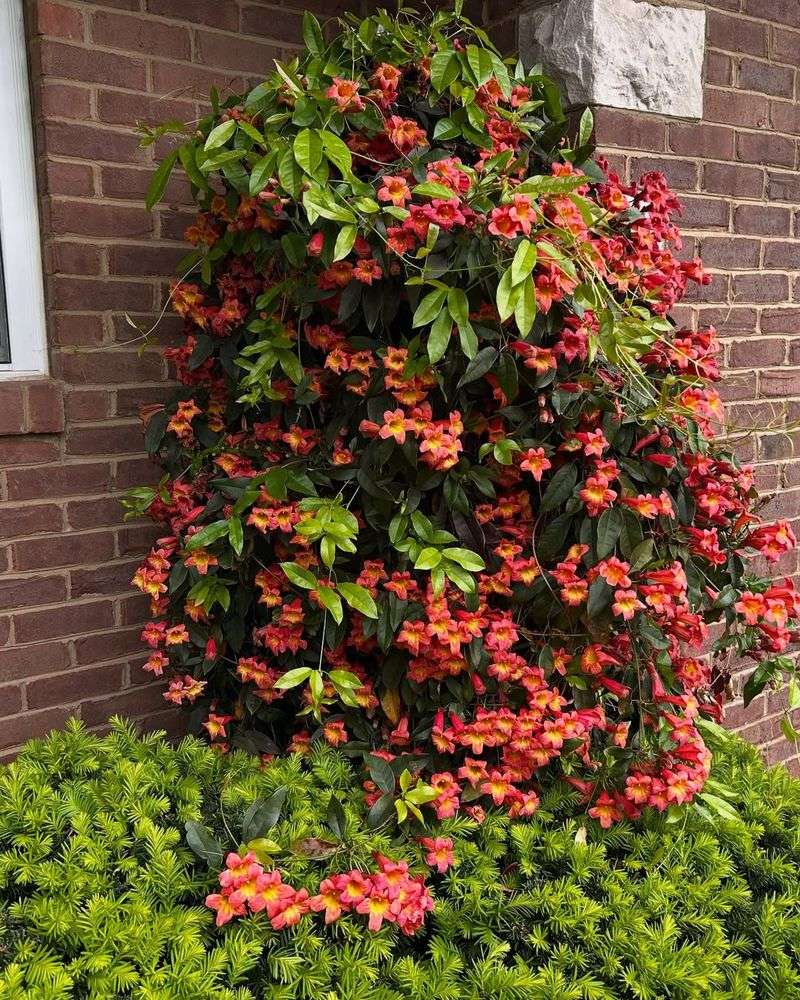
Crossvine earns attention in Pennsylvania shade gardens with clusters of trumpet-shaped flowers in shades of orange, red, and yellow.
This southeastern native performs well in the southern portions of Pennsylvania where winters remain relatively mild and summers stay humid.
Semi-evergreen foliage persists through winter in protected locations, though northern Pennsylvania gardeners may see complete leaf drop during harsh cold.
Hummingbirds visit the tubular blooms enthusiastically during spring migration, making this vine valuable for supporting these remarkable travelers.
Compound leaves consist of two leaflets plus a branching tendril that wraps around supports to pull the vine upward.
Growth reaches 20 to 40 feet over time, creating substantial coverage for large fences, arbors, or the trunks of mature shade trees.
The common name comes from the cross-shaped pattern visible when you slice through a mature stem crosswise.
Pennsylvania gardeners in warmer zones should try this underutilized native vine as an alternative to overplanted trumpet vine.
Partial shade produces the best flowering, though established plants tolerate deeper shade better than most red-flowering climbers.
Prune after flowering to control size and remove any winter-damaged stems that detract from the vine’s overall appearance.
12. Climbing Bleeding Heart Brings Delicate Pink Blooms To Shady Arbors
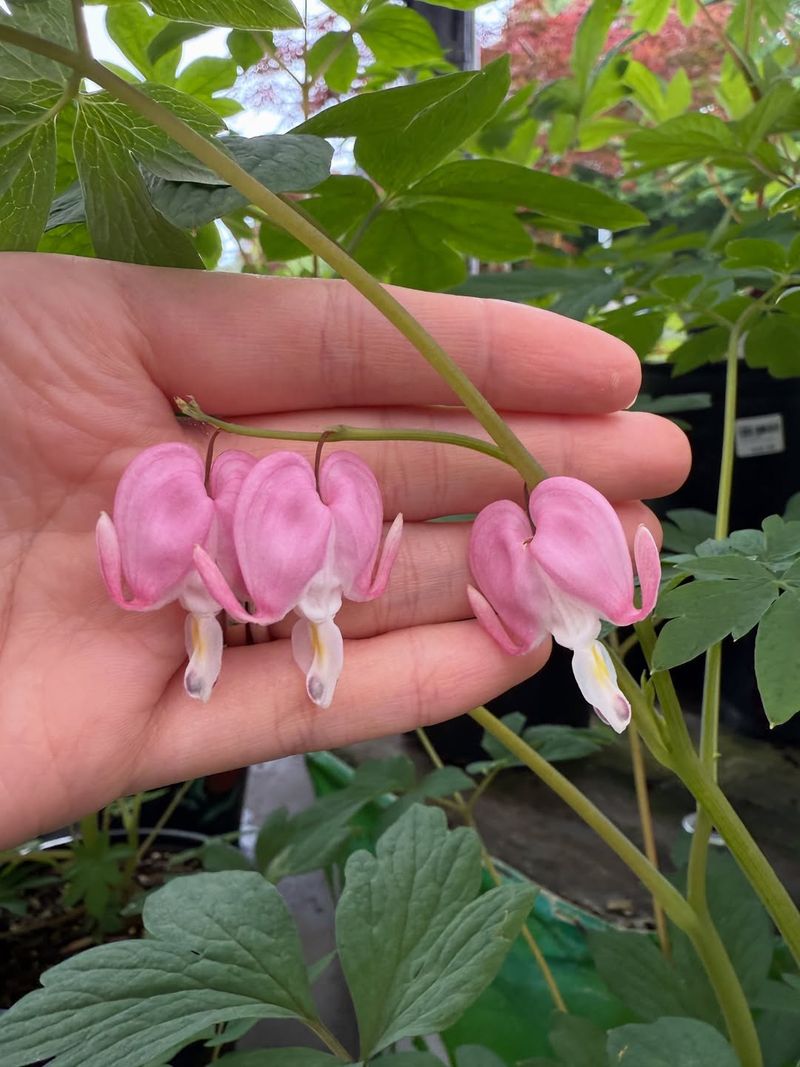
Climbing bleeding heart combines the beloved heart-shaped flowers of traditional bleeding heart with a vining habit perfect for vertical spaces.
This herbaceous climber produces strings of dangling pink or yellow blooms throughout summer, creating a romantic atmosphere in shady Pennsylvania gardens.
Ferny, delicate foliage provides an airy texture that contrasts beautifully with bold-leaved companions like hostas or large ferns.
Unlike woody vines, climbing bleeding heart emerges fresh from the ground each spring and reaches 6 to 12 feet before frost.
Leaf tendrils grasp chain-link fences, wire trellises, or neighboring plants, pulling the soft stems upward toward available light.
Pennsylvania’s cool spring weather encourages the longest blooming period, though plants may slow flower production during extreme summer heat.
Consistent moisture proves essential for success, as this vine dislikes dry soil and may go dormant early if conditions become too parched.
Plant in rich, organic soil amended with compost to retain moisture and provide the nutrients this vigorous grower needs.
Shade from buildings or large trees suits climbing bleeding heart perfectly, protecting it from Pennsylvania’s intense afternoon summer sun.
Combine with spring bulbs and early perennials that finish blooming before this vine reaches its full height and coverage.
13. American Bittersweet Displays Brilliant Orange Berries Through Pennsylvania Autumn
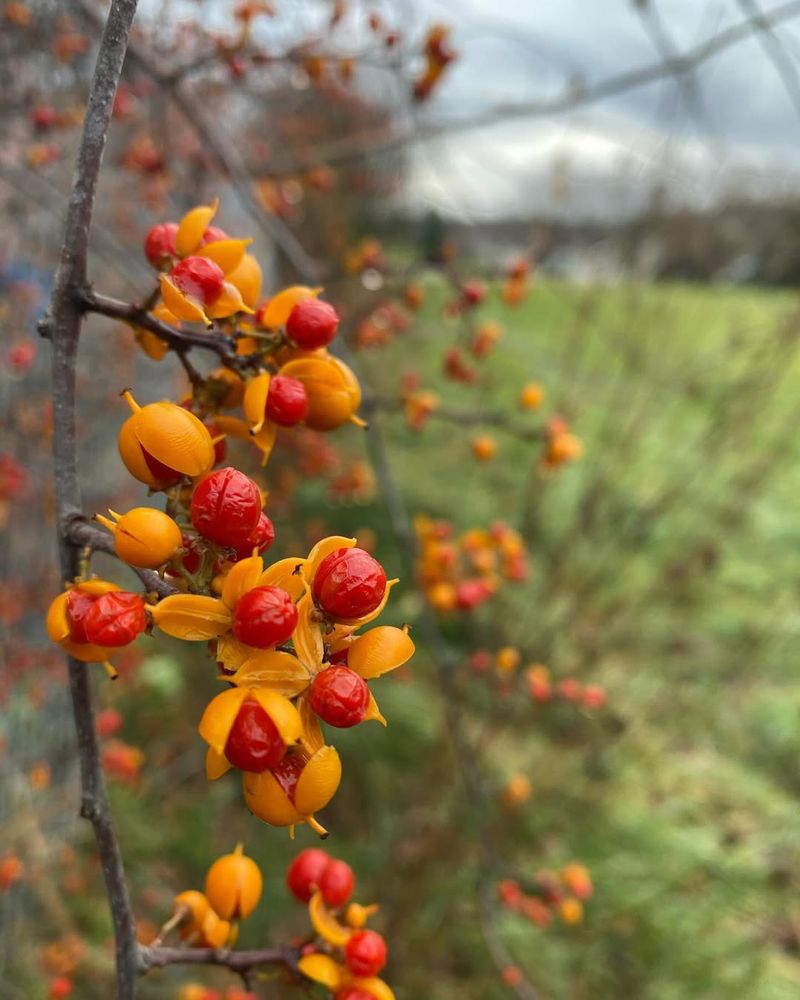
American bittersweet lights up Pennsylvania fall gardens when orange berry capsules split open to reveal brilliant red seeds inside.
This native twining vine grows vigorously in woodland shade, mimicking its natural habitat along Pennsylvania forest edges and stream banks.
Both male and female plants must be present for berry production, so purchase guaranteed female cultivars if fruit display matters most.
Rounded leaves turn soft yellow in autumn before dropping, creating a gentle color transition that complements the spectacular berry show.
Pennsylvania crafters value the berry-laden branches for fall wreaths and arrangements, though harvest carefully to avoid harming the vine.
Growth can become quite aggressive, potentially reaching 20 to 30 feet and requiring annual pruning to keep within bounds.
Plant American bittersweet rather than invasive Oriental bittersweet, which threatens Pennsylvania’s native forests and woodland ecosystems.
The berries persist into winter after leaves drop, providing food for birds and adding welcome color to otherwise bare landscapes.
Sturdy support structures work best, as mature vines develop substantial weight that can overwhelm flimsy trellises or weak fences.
Partial to full shade suits this adaptable native, making it perfect for challenging spots beneath large trees or along shaded property boundaries.