7 Foods You Should Never Put In A Bird Feeder In Wisconsin
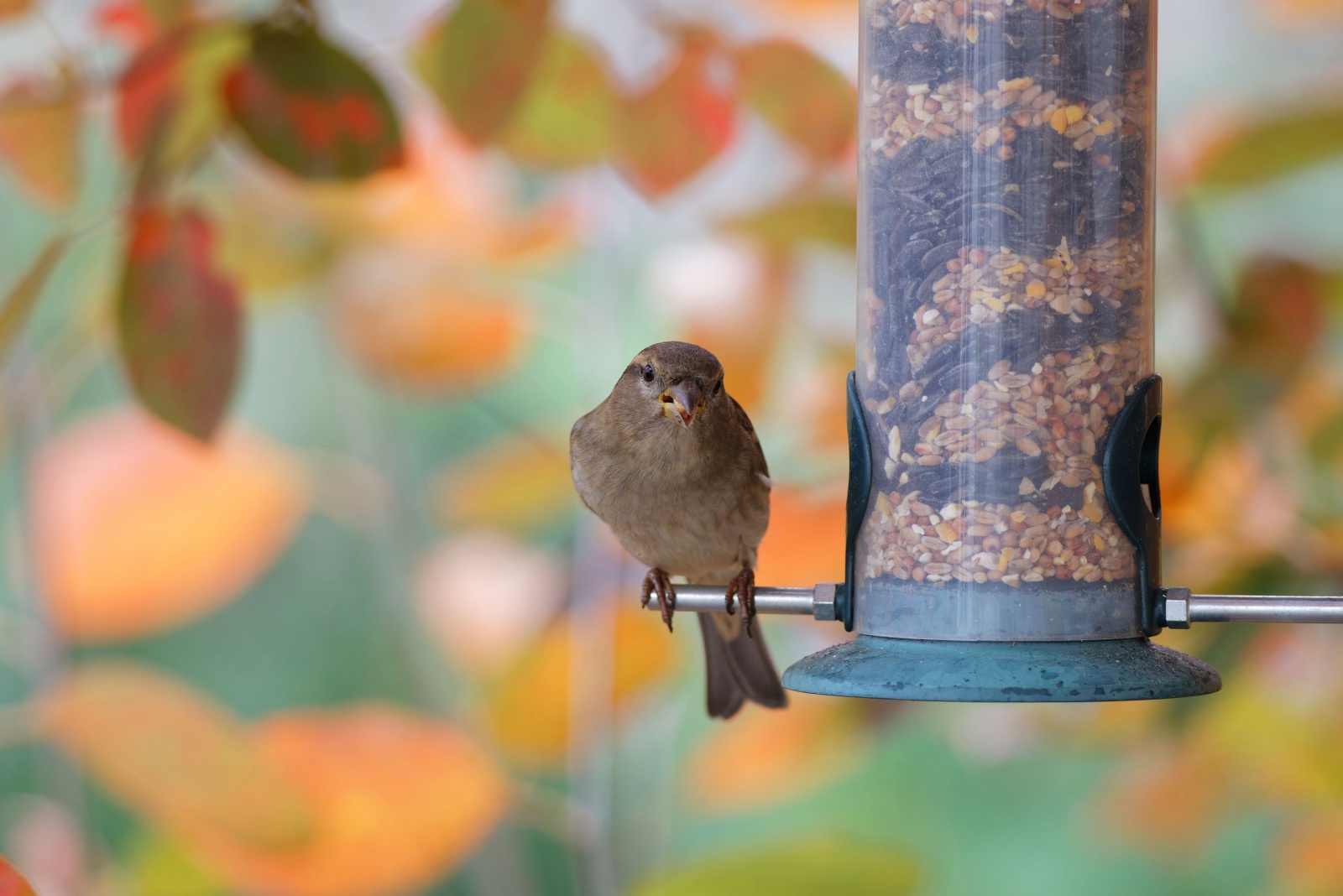
Many Wisconsin residents fill feeders through snowstorms and deep freezes, hoping to give local birds an energy boost.
A healthy feeding station can do exactly that, but only when stocked with safe, species-appropriate food.
Certain household scraps, processed treats, and moisture-prone items quietly pose risks that most people overlook.
Some products ferment quickly, others attract predators, and a few can even be toxic.
Avoiding these problem foods keeps the feeder active, keeps birds healthy, and keeps your winter yard from turning into a magnet for unwanted wildlife.
1. Bread And Baked Goods
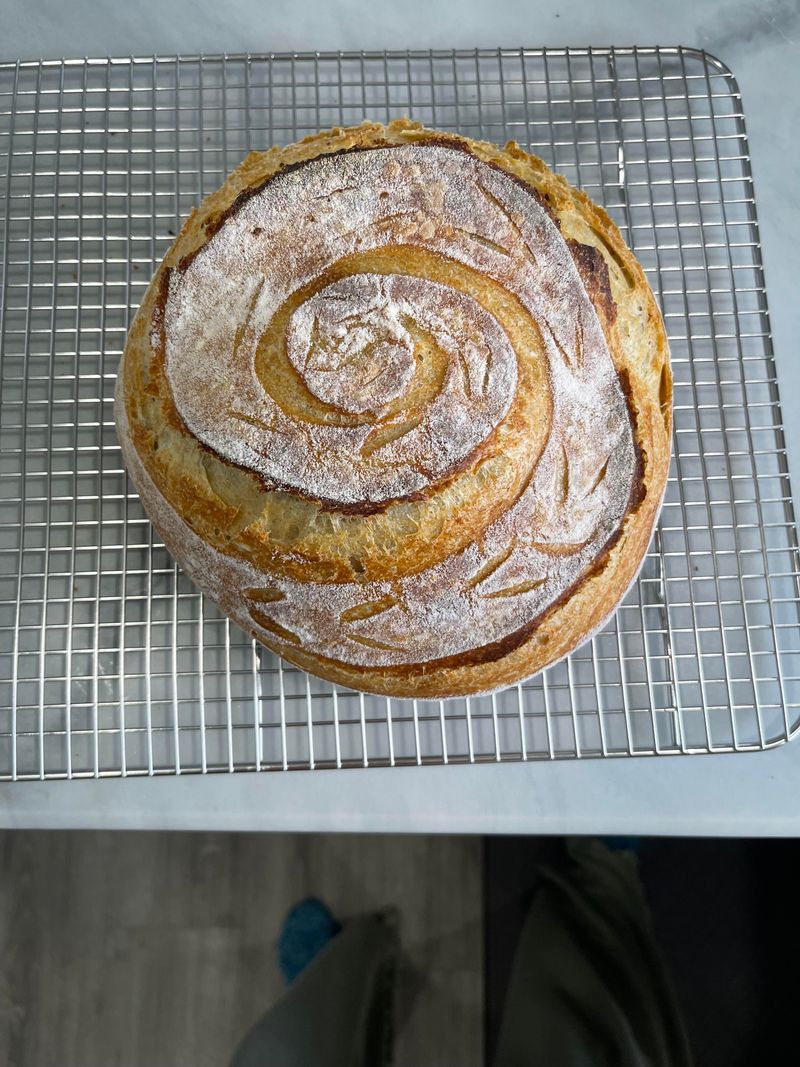
Many people assume tossing stale bread into a bird feeder is a helpful way to reduce waste while feeding wildlife.
Unfortunately, bread offers almost no nutritional value for birds and can actually cause serious health problems.
When birds fill up on bread, they miss out on the proteins, fats, and nutrients they need to survive Wisconsin’s challenging climate.
Bread can also swell in a bird’s stomach, causing discomfort and digestive issues that weaken them over time.
During Wisconsin winters, birds need high-energy foods to maintain body heat, and bread simply doesn’t provide adequate calories.
Moldy bread poses an even greater danger, as it contains toxins that can make birds seriously ill.
Young birds fed bread by well-meaning humans may develop malnutrition and bone deformities, a condition sometimes called “angel wing.”
Uneaten bread in feeders attracts rodents and other unwanted pests to your yard.
Instead of bread, offer sunflower seeds, suet, or nyjer seeds that provide the nutrition Wisconsin birds truly need.
Your local chickadees, nuthatches, and cardinals will appreciate the upgrade.
By skipping the bread basket, you’re making a real difference in supporting healthy bird populations across Wisconsin.
2. Salty Snacks And Processed Foods
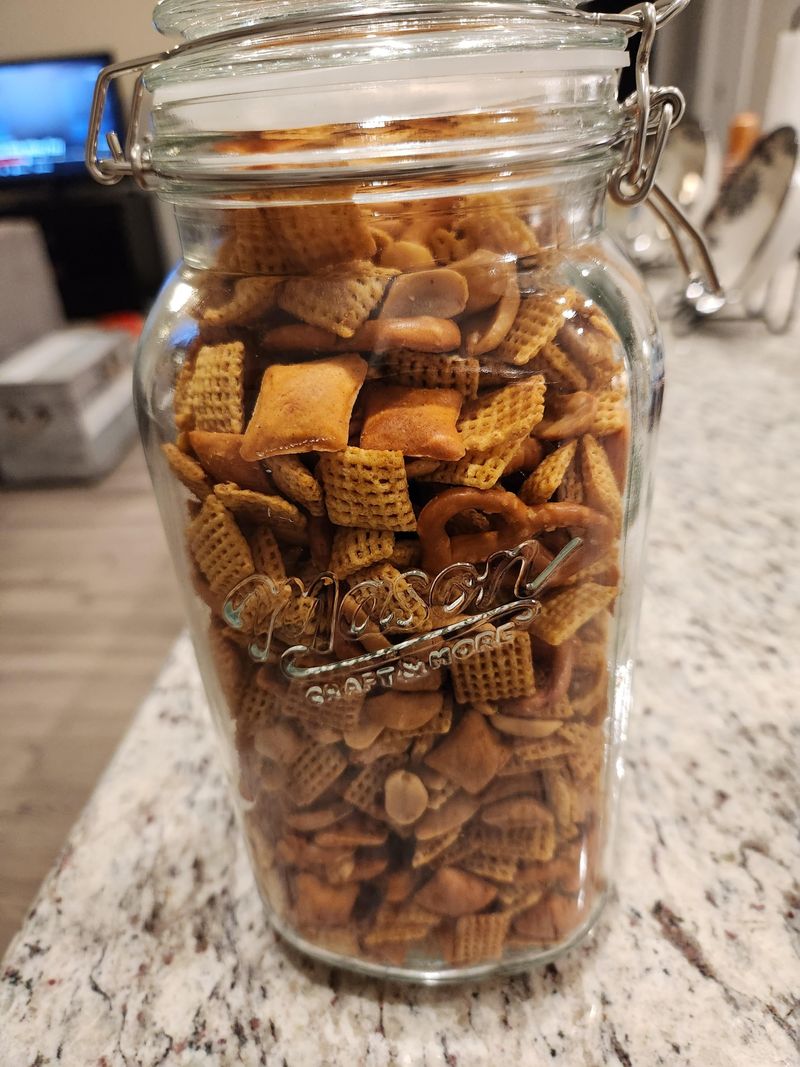
Potato chips, pretzels, and crackers might seem like convenient bird treats, but salt content makes them dangerous for our avian neighbors.
Birds have extremely limited ability to process sodium, and even small amounts can cause severe dehydration and organ failure.
Wisconsin’s winter conditions already stress birds’ bodies, and adding salt to their diet compounds these challenges significantly.
Processed snacks also contain preservatives, artificial flavors, and unhealthy fats that birds’ digestive systems weren’t designed to handle.
When birds consume salty foods, they become excessively thirsty, but finding unfrozen water sources in Wisconsin can be difficult during cold months.
This creates a dangerous cycle where dehydration becomes life-threatening quickly.
Symptoms of salt toxicity in birds include weakness, tremors, and neurological problems that prevent them from flying or foraging properly.
Even unsalted processed foods lack the essential nutrients that Wisconsin species like blue jays and woodpeckers require.
The artificial ingredients in these snacks can disrupt birds’ natural metabolism and reproductive systems.
Stick to natural, unsalted options like plain peanuts or seeds specifically formulated for wild birds.
Your feathered visitors will thrive when given foods that match their biological needs rather than human convenience snacks.
3. Chocolate And Candy

Everyone knows chocolate is toxic to dogs, but fewer people realize it’s equally dangerous for birds visiting Wisconsin feeders.
Your Wisconsin Garden Changes Every Week. Your Plan Should Too.
Gardening in Wisconsin changes quickly throughout the season. Every Friday you’ll receive a simple weekly plan showing exactly what to plant, prune, fertilize, harvest, and protect so you never miss the right timing.
Theobromine, the compound in chocolate that causes toxicity, affects birds’ cardiovascular and nervous systems rapidly.
Even tiny amounts can cause irregular heartbeat, hyperactivity, seizures, and other life-threatening symptoms in small birds.
Candy presents multiple hazards beyond just chocolate, including excessive sugar that disrupts birds’ natural energy balance.
Wisconsin birds evolved to obtain energy from seeds, insects, and berries, not refined sugars found in human sweets.
Consuming candy can lead to obesity, liver problems, and metabolic disorders that shorten birds’ lifespans considerably.
Sticky candies like caramels or taffy can also coat birds’ beaks and feathers, interfering with their ability to eat and fly properly.
Artificial colors and flavors in candy have no place in a bird’s diet and may cause allergic reactions or digestive upset.
Hard candies pose choking hazards for smaller Wisconsin species like chickadees and finches.
Rather than candy, provide natural sweet options like fruit pieces or berries that birds would encounter in their natural Wisconsin habitats.
Keeping chocolate and candy out of feeders protects birds from unnecessary suffering and ensures they stay healthy year-round.
4. Spoiled Or Moldy Seeds
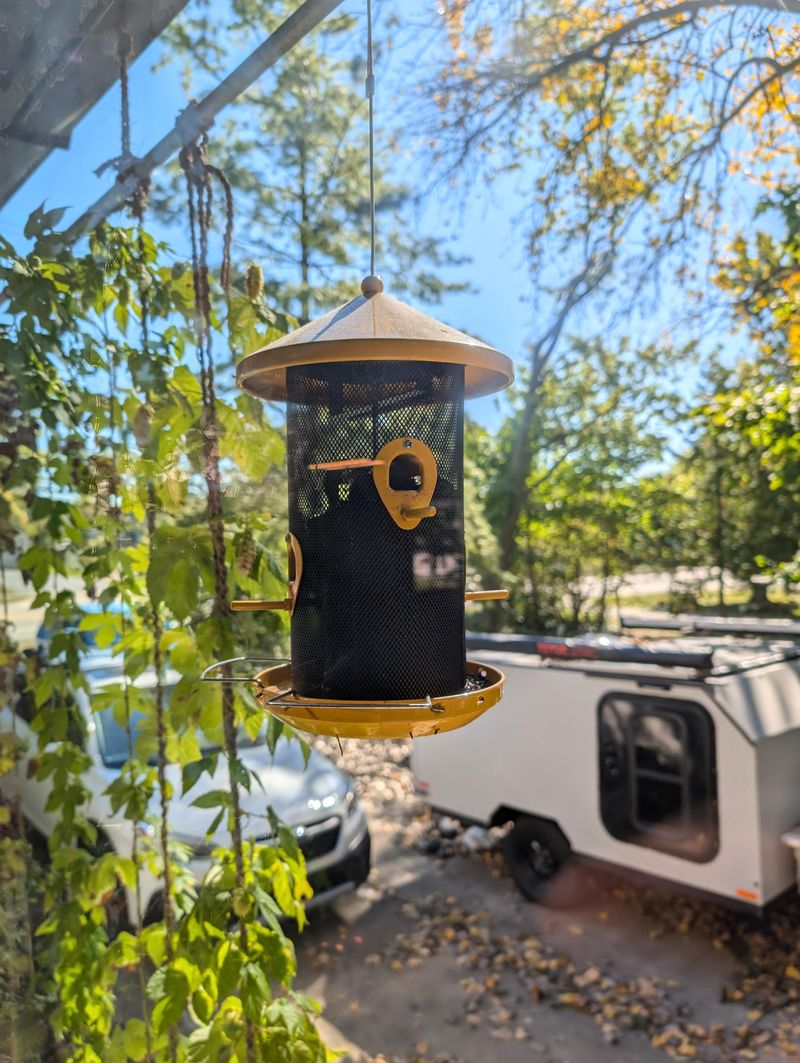
Discovering fuzzy mold growing on birdseed in your Wisconsin feeder means it’s time for immediate cleaning and replacement.
Moldy seeds contain aflatoxins and other mycotoxins that cause serious respiratory infections and liver damage in birds.
Wisconsin’s humid summers create perfect conditions for mold growth, especially when feeders aren’t cleaned regularly or protected from rain.
Birds that consume moldy seed may develop aspergillosis, a fungal infection that attacks their respiratory system and can spread through flocks.
Symptoms include difficulty breathing, lethargy, and loss of appetite, often proving fatal without immediate intervention.
Spoiled seeds also lose their nutritional value, providing empty calories rather than the fats and proteins Wisconsin birds need.
Rancid oils in old seeds can upset birds’ stomachs and discourage them from returning to your feeder.
Moldy feeders attract fewer desirable birds while drawing in rodents, insects, and other pests that spread disease.
Check your feeders weekly during Wisconsin’s growing season and after rainy periods for any signs of moisture or mold.
Store birdseed in airtight containers in cool, dry locations to prevent spoilage before it reaches your feeders.
Cleaning feeders with a diluted bleach solution every few weeks prevents mold buildup and keeps Wisconsin’s bird populations healthy and thriving.
5. Honey And Artificial Sweeteners
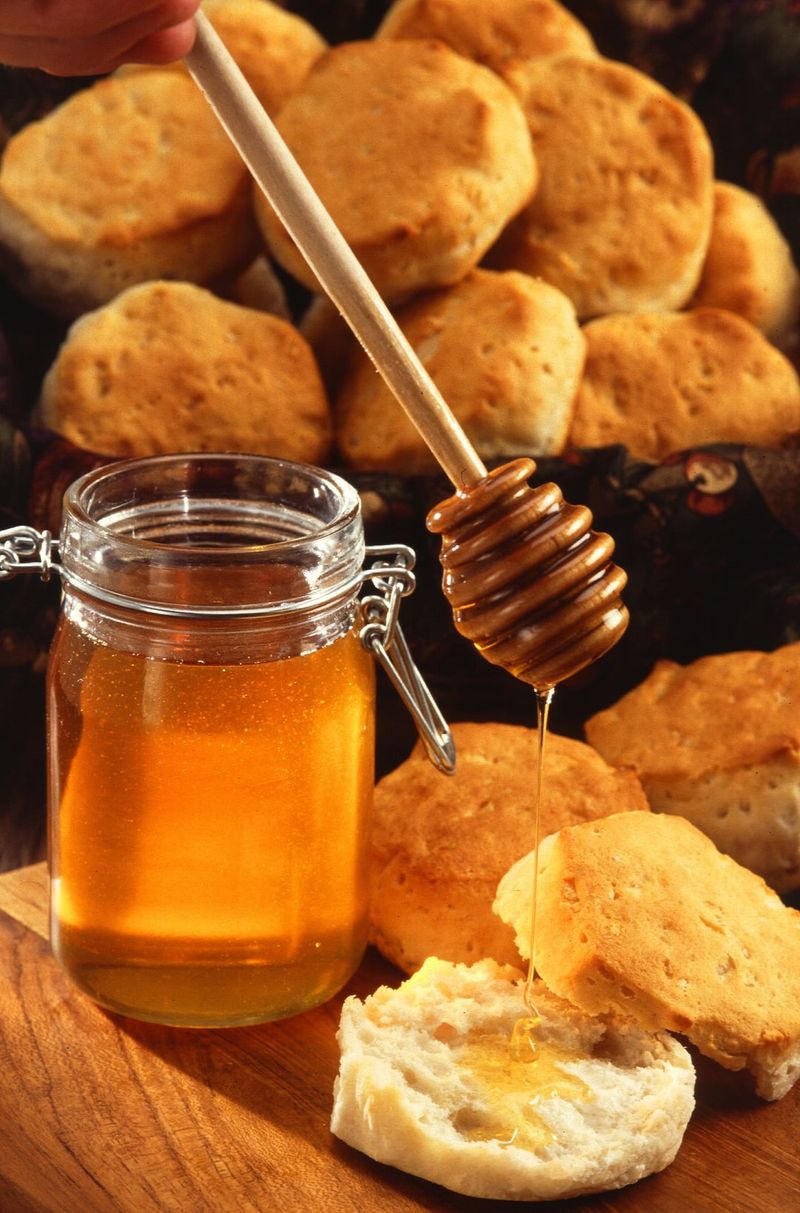
Honey might seem like a wholesome, natural choice for sweetening homemade bird treats or hummingbird nectar in Wisconsin.
Raw honey can harbor bacteria and fungal spores that cause dangerous infections in birds’ digestive tracts.
When exposed to air and moisture, honey ferments quickly, producing alcohol that birds cannot metabolize safely.
Crystallized honey becomes sticky and can gum up birds’ beaks, making it difficult for them to eat or preen their feathers properly.
Artificial sweeteners like aspartame, sucralose, and xylitol are even more problematic for Wisconsin’s feathered visitors.
These chemicals offer no nutritional benefit and may cause neurological problems or digestive distress in birds.
Xylitol, commonly found in sugar-free products, is particularly toxic and can cause rapid drops in blood sugar levels.
Birds lack the enzymes needed to break down artificial sweeteners, leading to accumulation of harmful compounds in their bodies.
For hummingbirds visiting Wisconsin during migration, plain white sugar dissolved in water (one part sugar to four parts water) provides safe energy.
Never add honey, artificial sweeteners, or food coloring to hummingbird feeders, as these additives cause more harm than good.
Keeping sweeteners out of all bird feeders ensures Wisconsin birds get clean, appropriate nutrition without unnecessary health risks.
6. Milk And Dairy Products
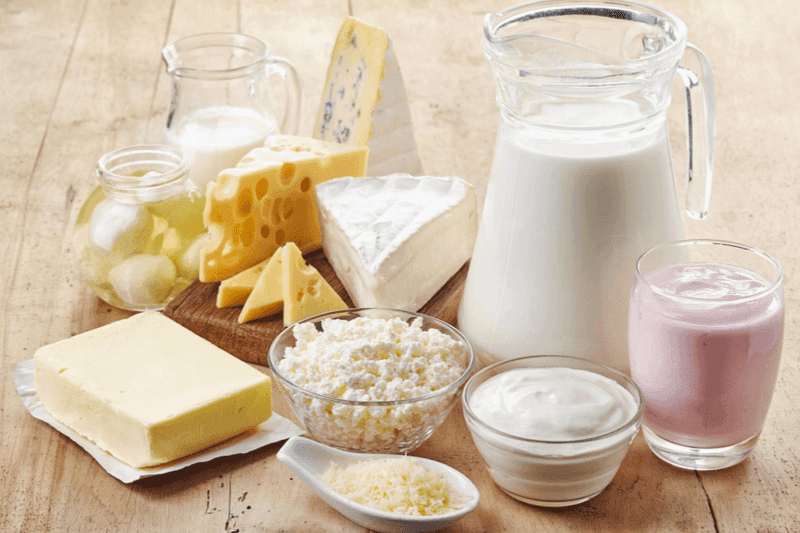
Offering milk or cheese to birds might seem like a protein-rich treat, but birds lack the enzyme lactase needed to digest dairy properly.
When birds consume dairy products, they experience severe digestive upset including diarrhea, cramping, and dehydration.
Wisconsin’s cold winters make dehydration especially dangerous, as birds already struggle to maintain proper hydration when water sources freeze.
Undigested lactose ferments in birds’ intestines, creating uncomfortable gas and potentially life-threatening blockages.
Dairy products spoil rapidly, especially during Wisconsin’s warm summer months, attracting flies, bacteria, and other contaminants to feeders.
Spoiled dairy becomes a breeding ground for harmful pathogens that can spread diseases through entire bird populations.
Cheese, yogurt, and other dairy items also contain high fat and salt levels inappropriate for birds’ dietary needs.
Some people mistakenly offer milk-soaked bread to baby birds, but this combination is doubly harmful and provides zero nutritional benefit.
Birds obtain all necessary calcium from seeds, insects, and grit rather than from dairy sources.
If you want to help Wisconsin birds with calcium needs, especially during nesting season, offer crushed eggshells instead.
Avoiding dairy products in feeders prevents unnecessary suffering and keeps birds’ digestive systems functioning properly throughout the year.
7. Bacon Grease And Cooking Fats
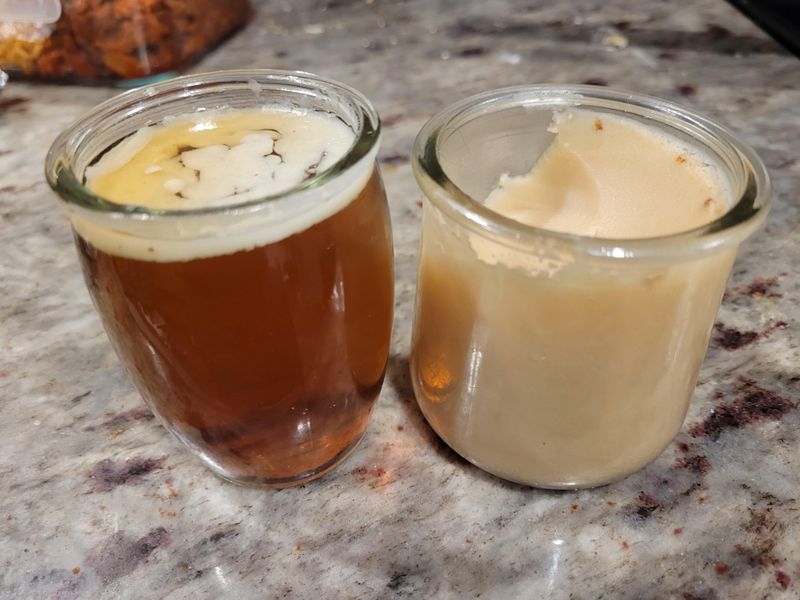
Some Wisconsin residents pour leftover bacon grease or cooking oils into feeders, thinking birds need extra fat during winter.
While birds do require high-fat foods for energy, processed cooking fats contain dangerous levels of salt, preservatives, and harmful compounds.
Bacon grease and similar products become rancid quickly, producing free radicals and toxins that damage birds’ organs over time.
These greasy substances coat birds’ feathers, destroying the waterproofing and insulation properties essential for surviving Wisconsin’s harsh weather.
When feathers lose their protective qualities, birds cannot regulate body temperature and may succumb to hypothermia even in mild conditions.
Greasy feeders also become slippery, making it difficult for birds to perch safely while eating.
The nitrates and nitrites used to cure bacon and other processed meats are toxic to birds in concentrated amounts.
Liquid fats drip onto birds’ plumage, requiring extensive preening that wastes precious energy needed for foraging and staying warm.
Instead of cooking fats, offer commercial suet cakes specifically formulated for wild birds visiting Wisconsin feeders.
High-quality suet provides clean, appropriate fats without the salt, chemicals, or mess associated with bacon grease.
Your woodpeckers, nuthatches, and other Wisconsin birds will get the energy they need without the health risks posed by processed cooking fats.