14 Fruit Trees That Are Not Worth Planting In Mississippi
Fruit trees sound like a dream come true, but in Mississippi, some are more trouble than harvest.
What grows well in one region can struggle badly in another, especially when humidity, heat, and soil conditions all work against the tree.
Many homeowners plant with high hopes, only to end up with weak growth, constant disease issues, or fruit that never fully ripens.
The disappointment usually does not show right away.
It builds over years of poor yields and ongoing problems that feel impossible to fix.
Mississippi’s climate is generous to some fruit trees and downright harsh to others.
Knowing which trees simply are not suited to local conditions can save time, money, and patience.
Sometimes the smartest choice is skipping the tree altogether and choosing something better adapted.
A good harvest starts with the right match between the tree and the land it is planted in.
1. Sweet Cherry
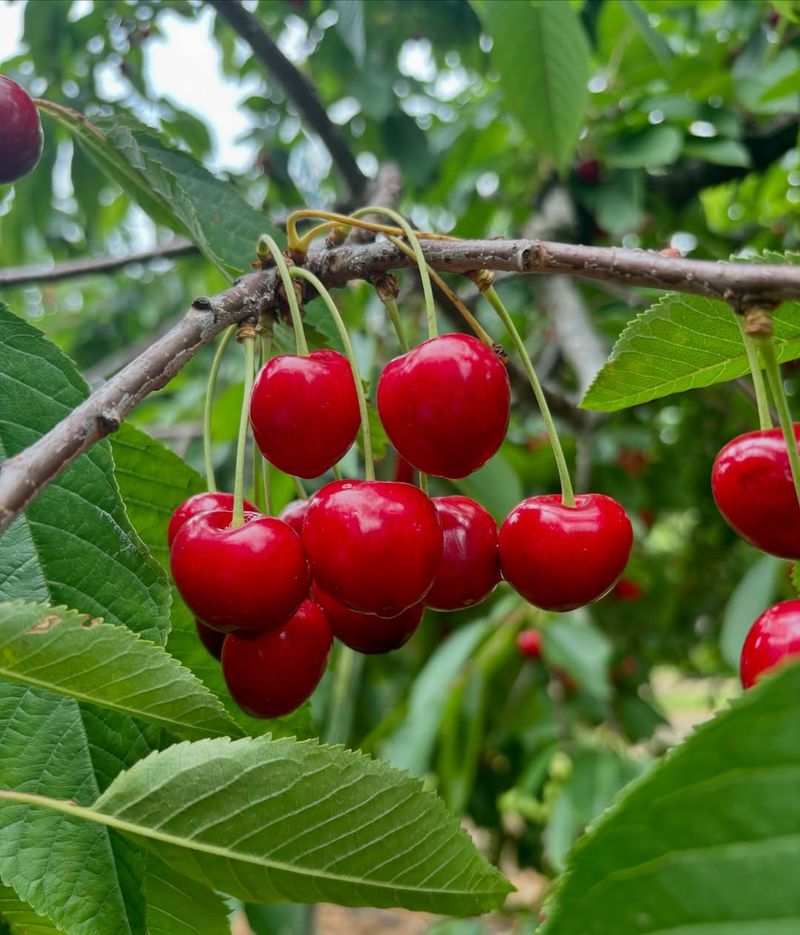
Sweet cherries might look beautiful in catalogs, but they face serious obstacles in Mississippi gardens.
High heat and oppressive humidity create the perfect breeding ground for fungal infections that attack leaves, branches, and fruit.
Brown rot and leaf spot diseases spread rapidly during Mississippi’s wet spring seasons, leaving gardeners frustrated with damaged crops.
Sweet cherries also need a significant number of chill hours—cold winter temperatures below 45 degrees—to produce fruit properly.
Most Mississippi regions simply don’t get cold enough for long enough periods to satisfy these requirements.
Without adequate chilling, trees produce few blossoms and even fewer cherries.
Maintenance becomes a constant battle against environmental stress.
Spraying fungicides regularly is necessary but expensive and time-consuming.
Even with intensive care, success rates remain disappointingly low.
The trees often appear stressed throughout the growing season, with yellowing leaves and sparse foliage.
Rather than the abundant harvests you might imagine, sweet cherry trees in Mississippi typically deliver minimal fruit and maximum frustration.
Native and adapted fruit options will reward your efforts far more reliably.
2. Sour Cherry
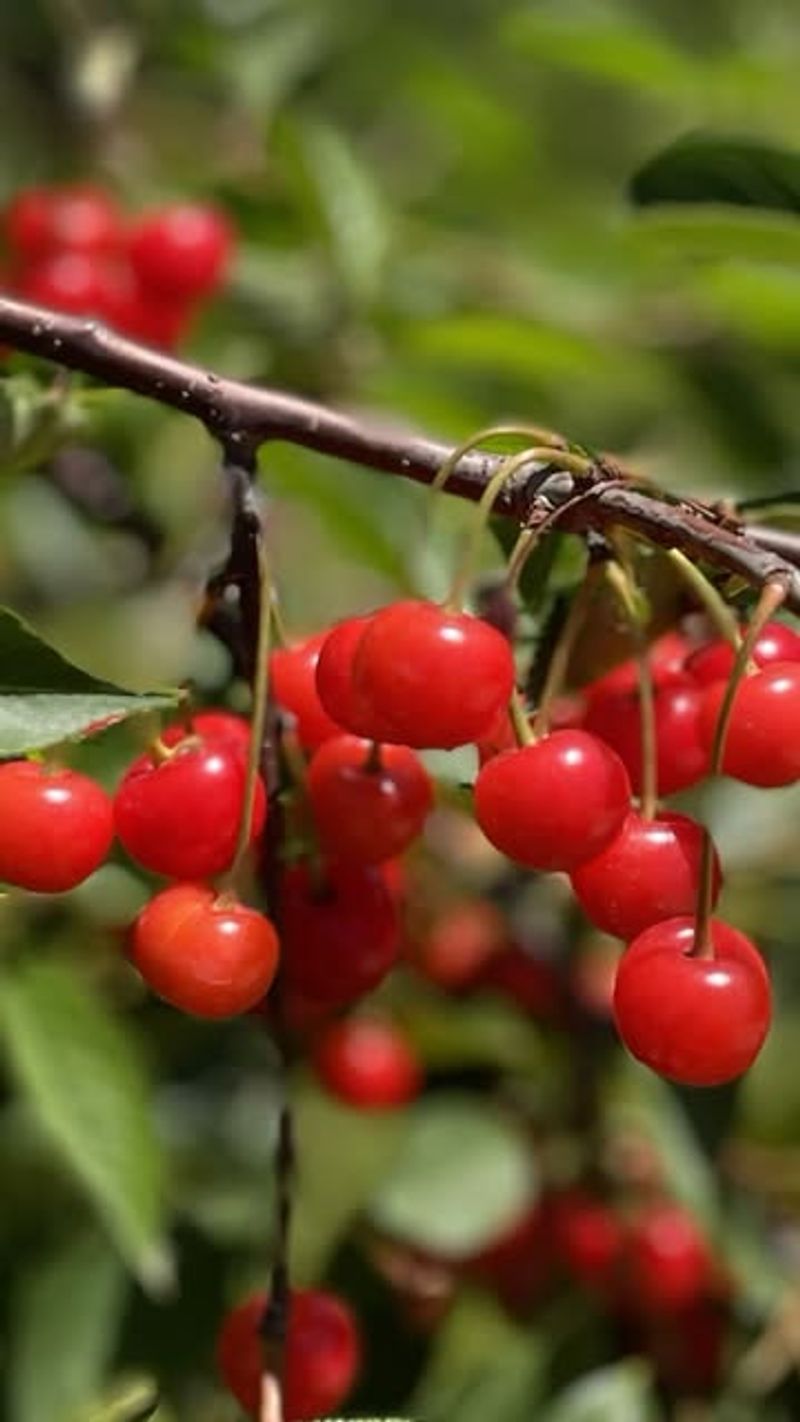
Sour cherries face many of the same challenges as their sweet cousins but with additional complications.
While slightly more tolerant of heat than sweet varieties, sour cherries still require substantial winter chill hours that Mississippi rarely provides.
Without proper dormancy periods, flower bud development suffers dramatically.
Trees may bloom sporadically or produce blossoms that fail to set fruit properly.
Fungal diseases remain relentless enemies in Mississippi’s humid environment.
Cherry leaf spot, powdery mildew, and brown rot attack aggressively throughout the growing season.
These pathogens thrive in warm, moist conditions that characterize Mississippi springs and summers.
Even when trees manage to produce some fruit, quality typically disappoints.
Cherries often develop poorly, remaining small and lacking the tartness that makes sour cherries valuable for cooking and baking.
The investment in purchasing, planting, and maintaining sour cherry trees rarely pays off in Mississippi gardens.
Your efforts would be better directed toward fruit trees naturally adapted to southern growing conditions.
Muscadine grapes or native plums offer similar culinary versatility with far greater chances of success in the Magnolia State’s challenging climate.
Your Mississippi Garden Changes Every Week. Your Plan Should Too.
Gardening in Mississippi changes quickly throughout the season. Every Friday you’ll receive a simple weekly plan showing exactly what to plant, prune, fertilize, harvest, and protect so you never miss the right timing.
3. Apple Trees Unsuitable Varieties
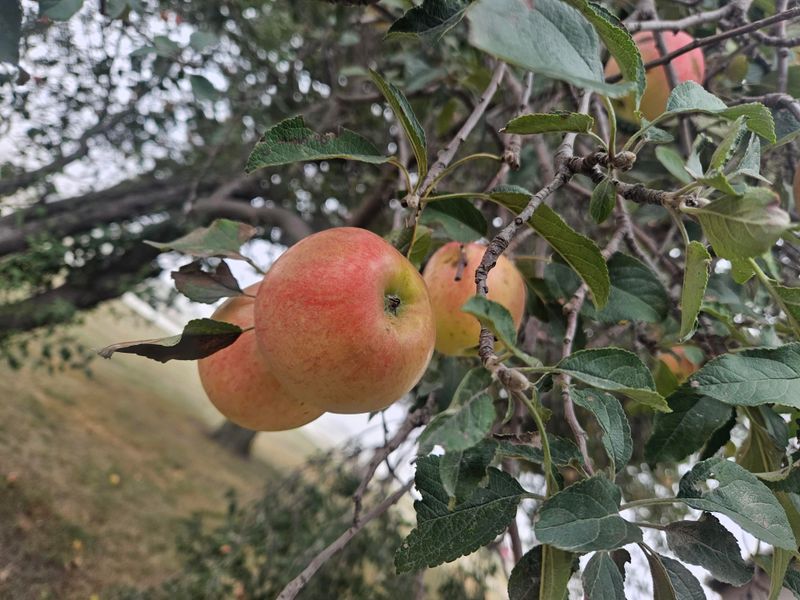
Walking through garden centers, you’ll find dozens of apple varieties that simply won’t succeed in Mississippi.
Standard apple cultivars bred for northern climates need 800 to 1,000 chill hours during winter dormancy.
Mississippi’s mild winters typically provide only 400 to 600 chill hours in most areas.
This mismatch leads to erratic blooming, poor fruit set, and disappointing harvests year after year.
Disease pressure compounds the chill hour problem significantly.
Apple scab, cedar apple rust, and fire blight thrive in Mississippi’s warm, humid springs.
Without constant vigilance and regular fungicide applications, these diseases quickly devastate susceptible varieties.
Fruit quality suffers even when trees manage to produce apples.
Misshapen fruits with blemishes and spots become the norm rather than the exception.
The crisp, beautiful apples you envision rarely materialize on unsuitable varieties.
Some low-chill apple varieties do exist for southern gardens, but most common cultivars sold at big-box stores fail miserably.
Research specifically adapted varieties like Anna, Dorsett Golden, or Ein Shemer if you’re determined to grow apples.
Otherwise, consider focusing on fruit trees naturally suited to Mississippi conditions for more rewarding results.
4. European Pear
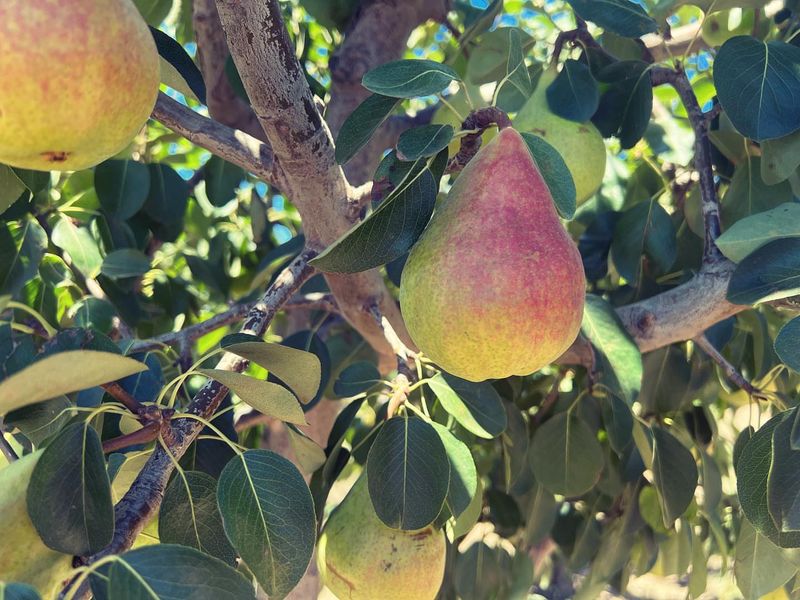
Fire blight poses such a devastating threat to European pears that planting them in Mississippi borders on futile.
This bacterial disease spreads rapidly during warm, wet spring weather—exactly the conditions Mississippi experiences regularly.
Infected branches develop a characteristic blackened, scorched appearance as if burned by fire.
The bacteria moves quickly through the tree, and entire limbs can succumb within days of infection appearing.
European pear varieties show extreme vulnerability to fire blight compared to Asian pear types.
Once established, the disease proves nearly impossible to control without aggressive pruning and copper sprays.
Even then, trees often decline progressively over several seasons.
Beyond disease issues, European pears struggle with Mississippi’s heat and humidity during fruit development.
Pears often ripen unevenly or develop gritty textures and poor flavor profiles.
The delicate, buttery texture that makes European pears desirable rarely develops properly in southern climates.
Maintenance requirements become overwhelming for most home gardeners.
Constant monitoring, precise pruning of infected wood, and multiple spray applications throughout the season exhaust both time and patience.
Asian pear varieties offer far superior disease resistance and adapt much better to Mississippi growing conditions while still providing delicious, crisp fruit.
5. Apricot
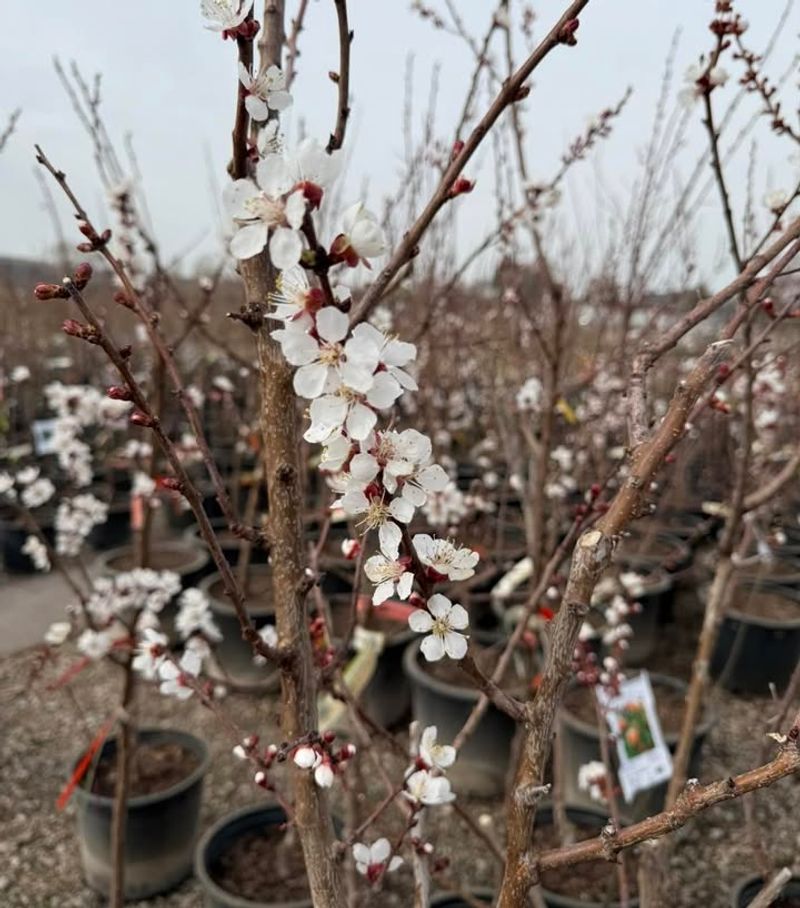
Apricots bloom beautifully early in spring, which creates their downfall in Mississippi gardens.
These trees break dormancy at the first hint of warm weather, often in late February or early March.
Unfortunately, Mississippi’s unpredictable spring weather frequently brings late frosts and freezes well into April.
A single cold night can destroy every blossom, eliminating any chance of fruit for that entire year.
This frustrating pattern repeats year after year in most Mississippi locations.
Gardeners watch their apricot trees burst into gorgeous bloom, only to see those flowers turn brown and drop after an unexpected cold snap.
Even when some blossoms survive, pollination becomes problematic during cool, wet spring conditions.
Humidity also causes significant problems for apricot fruit development.
Brown rot and other fungal diseases attack developing fruit aggressively in Mississippi’s moist climate.
Fruits often rot on the branch before reaching maturity.
The trees themselves may grow reasonably well, creating false hope for frustrated gardeners.
Healthy foliage and vigorous growth don’t translate into fruit production when environmental conditions work against successful pollination and fruit set.
After several fruitless seasons, most gardeners realize apricots simply aren’t worth the space they occupy in Mississippi landscapes.
6. Nectarine
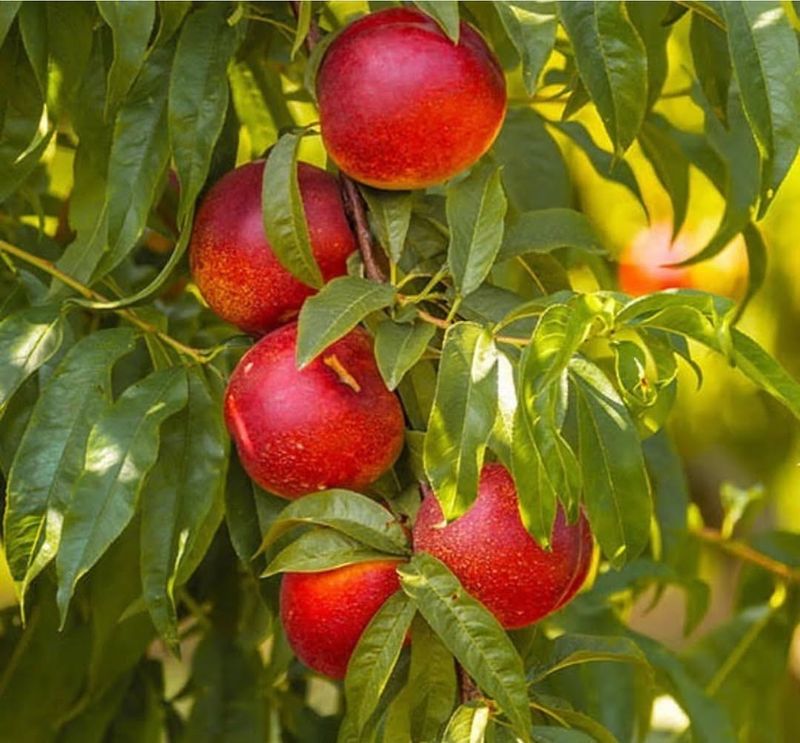
Nectarines struggle mightily against Mississippi’s humidity and pest pressure throughout the growing season.
Brown rot fungus attacks nectarines with particular ferocity in humid climates.
This disease causes fruit to rot rapidly, often just as they approach ripeness.
Fuzzy brown spores cover affected fruit, which then shrivel into hardened mummies on the branches.
The disease spreads quickly from fruit to fruit, sometimes destroying entire crops within days.
Curculio beetles present another serious challenge for nectarine growers.
These pests lay eggs in developing fruit, causing characteristic crescent-shaped scars.
Larvae tunnel through the flesh, making fruit inedible.
Controlling these beetles requires multiple insecticide applications timed precisely with fruit development.
Leaf curl disease also plagues nectarines in Mississippi, causing leaves to pucker, discolor, and drop prematurely.
Weakened trees become more susceptible to additional problems and produce progressively smaller crops over time.
The maintenance schedule for nectarines in Mississippi becomes overwhelming.
Multiple fungicide and insecticide applications throughout the season are necessary for any chance at success.
Even with intensive management, results often disappoint.
The smooth-skinned fruit that makes nectarines appealing also makes them more vulnerable to disease and pest damage than their fuzzy peach relatives.
7. Plum Unsuitable Varieties
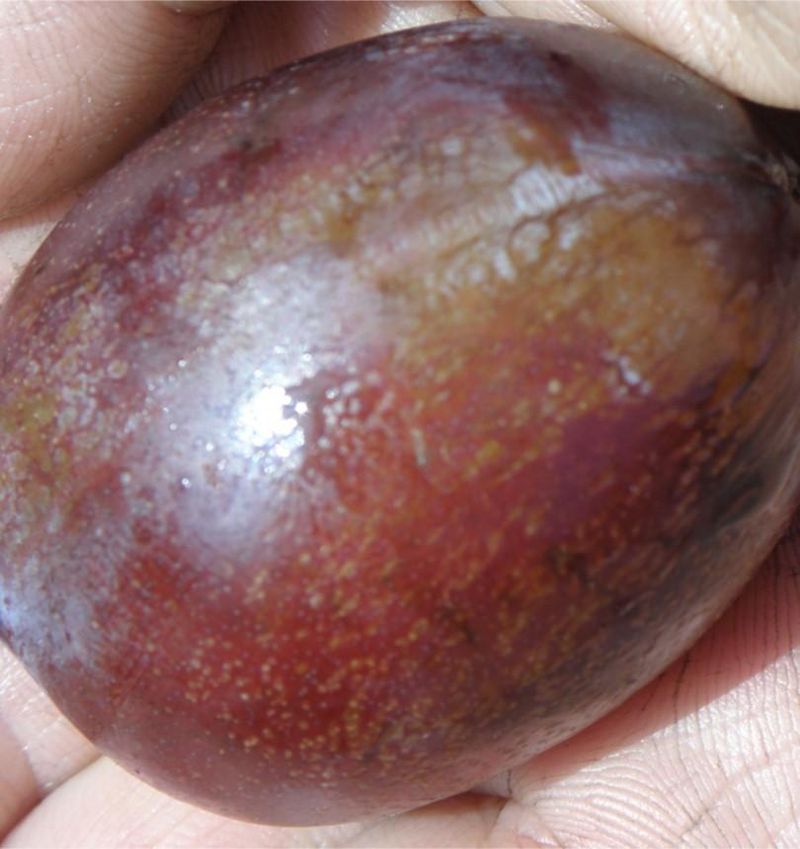
Japanese and European plum varieties face overwhelming disease challenges in Mississippi’s climate.
Black knot disease creates rough, black swellings on branches that girdle and weaken limbs over time.
This fungal infection spreads easily in humid conditions and proves difficult to control once established.
Affected branches must be pruned well below visible symptoms, often requiring removal of significant portions of the tree.
Brown rot attacks plum fruit with the same intensity it shows toward peaches and nectarines.
Fruits rot rapidly during ripening, especially during rainy periods.
The disease overwinters in mummified fruit and infected twigs, creating ongoing infection cycles year after year.
Plum curculio beetles damage developing fruit extensively, just as they do with other stone fruits.
The combination of disease and insect pressure makes successful plum production extremely challenging without intensive management.
Many Japanese and European plum varieties also require cross-pollination from compatible cultivars, adding complexity to successful fruit production.
Native American plum species and certain hybrid varieties bred specifically for southern conditions offer much better disease resistance and adaptation.
These alternatives produce reliably without the constant battle against fungal diseases and pests that plague unsuitable plum varieties in Mississippi gardens.
8. Sweet Almond
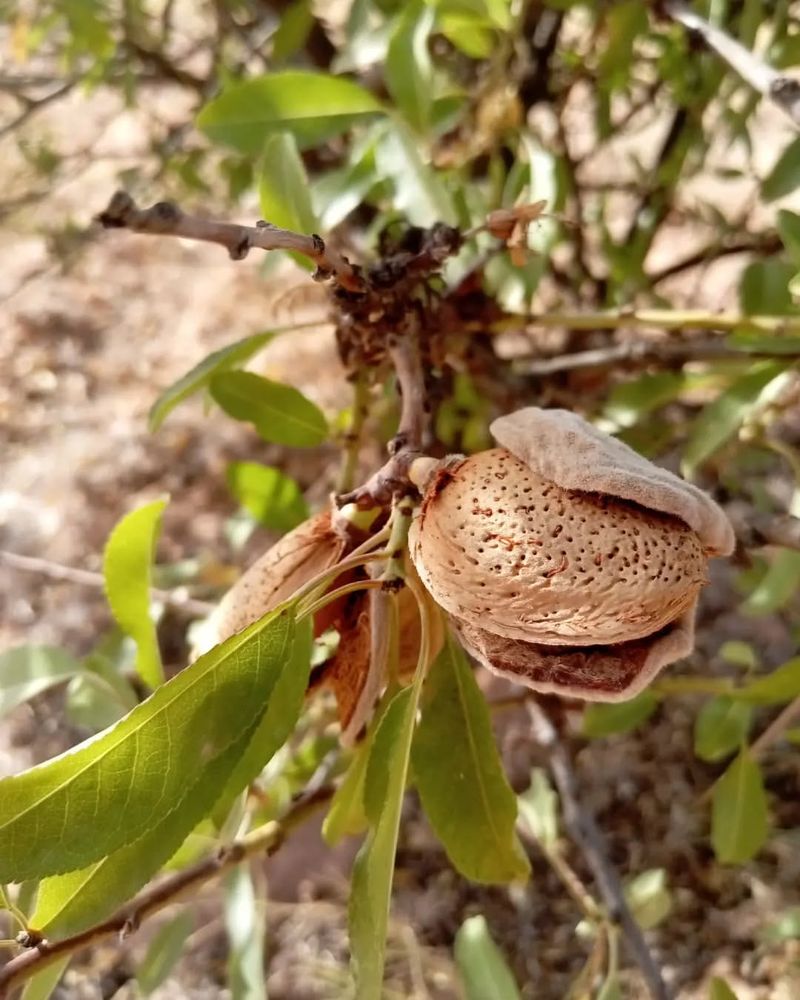
Almonds belong in California’s dry Mediterranean climate, not Mississippi’s humid environment.
These trees evolved in regions with hot, dry summers and cool, wet winters—the opposite of Mississippi’s pattern.
High humidity during the growing season promotes constant fungal disease problems that almond trees cannot tolerate.
Leaf curl diseases distort foliage, reducing the tree’s ability to photosynthesize effectively.
Almonds also bloom extremely early in spring, making them highly vulnerable to frost damage.
Even a brief cold snap during bloom time eliminates the entire potential crop.
Mississippi’s erratic spring weather creates an unreliable environment for successful nut production.
Rain during bloom further complicates matters by interfering with pollination.
Almonds require dry conditions during flowering for bees to transfer pollen effectively.
Wet Mississippi springs often prevent adequate pollination even when blossoms survive frost events.
The nuts themselves require dry conditions during maturation and harvest.
Mississippi’s summer rainfall and humidity cause developing nuts to rot or become moldy before reaching maturity.
Even if nuts form, they rarely develop the quality or quantity that makes almond growing worthwhile.
Climate incompatibility makes sweet almonds one of the poorest choices for Mississippi gardeners.
These trees will only bring disappointment and wasted garden space in the Magnolia State’s unsuitable growing conditions.
9. Fig Cold Sensitive Varieties
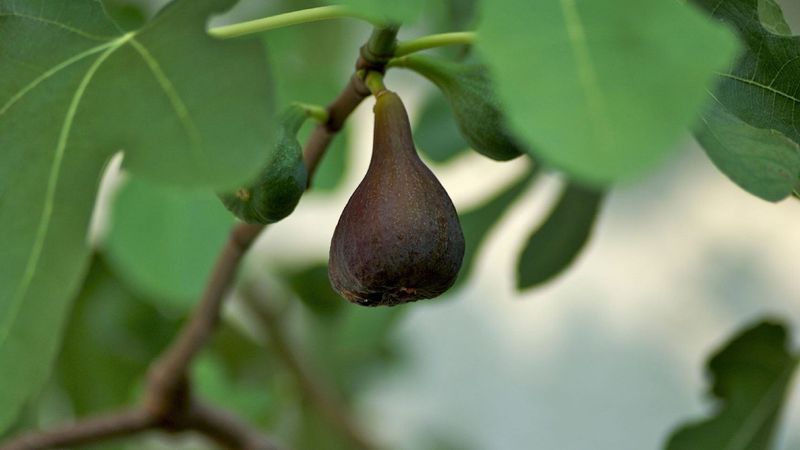
While some fig varieties thrive in Mississippi, cold-sensitive types face significant winter damage risks.
Varieties like Kadota, Calimyrna, and many other types bred for Mediterranean climates cannot tolerate Mississippi’s occasional hard freezes.
When temperatures drop into the teens or lower, these sensitive varieties suffer severe dieback.
Branches may freeze completely, forcing the tree to regrow from the roots the following spring.
This cycle of freeze damage and regrowth prevents the tree from developing mature wood necessary for heavy fruit production.
Figs produce best on established branches, so constant winter damage keeps trees in a perpetual juvenile state.
Crops remain small and unreliable year after year.
Even in milder Mississippi winters, cold-sensitive varieties may suffer tip damage that reduces fruiting potential.
The main crop that forms on previous season’s growth gets eliminated when branch tips freeze back.
Gardeners waste years waiting for cold-sensitive fig varieties to mature and produce well, only to see progress erased by a single harsh winter.
Cold-hardy varieties like Celeste, Brown Turkey, or LSU varieties bred specifically for the South offer reliable production without the frustration of repeated winter damage.
Choosing adapted fig varieties makes the difference between abundant harvests and disappointing results in Mississippi gardens.
10. Persimmon Asian Varieties
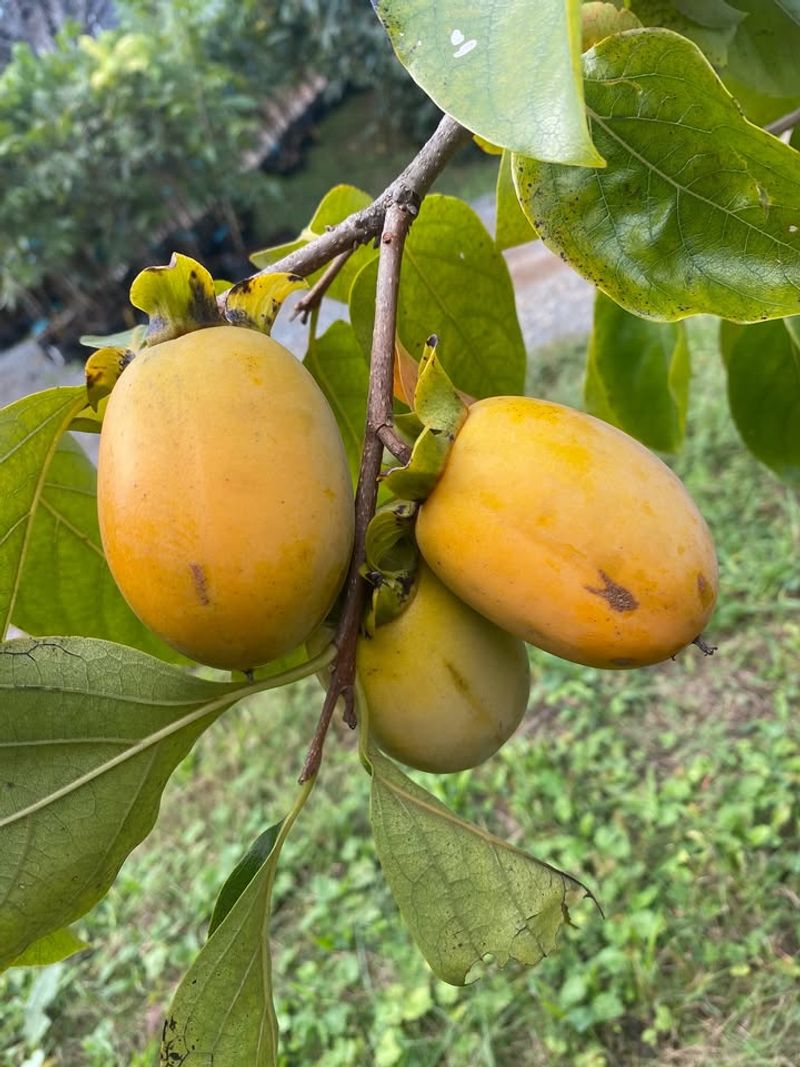
Asian persimmons produce spectacular fruit in ideal conditions but struggle compared to native types in Mississippi.
Many Asian varieties show marginal cold hardiness for Mississippi’s climate.
While not as sensitive as truly tropical fruits, they suffer damage during harsh winters that native American persimmons shrug off easily.
Branch dieback and trunk damage can occur during severe cold snaps, setting back tree development significantly.
Fruit drop presents another frustrating problem with many Asian persimmon varieties.
Immature fruit falls prematurely, often before developing proper size or sweetness.
This physiological issue worsens during stressful growing conditions, which Mississippi’s variable weather frequently provides.
Pollination requirements complicate growing certain Asian varieties.
Some need male pollinators for proper fruit set, while others produce seedless fruit only without pollination.
Getting the right combination can be tricky and frustrating.
Native American persimmons offer superior cold hardiness, better adaptation to Mississippi soils and climate, and reliable fruit production without the complications Asian varieties present.
While individual fruits are smaller, native persimmons produce abundantly and develop incredible sweetness after frost.
Improved native cultivars and hybrids provide larger fruit while maintaining the toughness and reliability that make native persimmons so valuable.
These adapted options make far better choices for Mississippi gardeners than temperamental Asian varieties.
11. Pomegranate
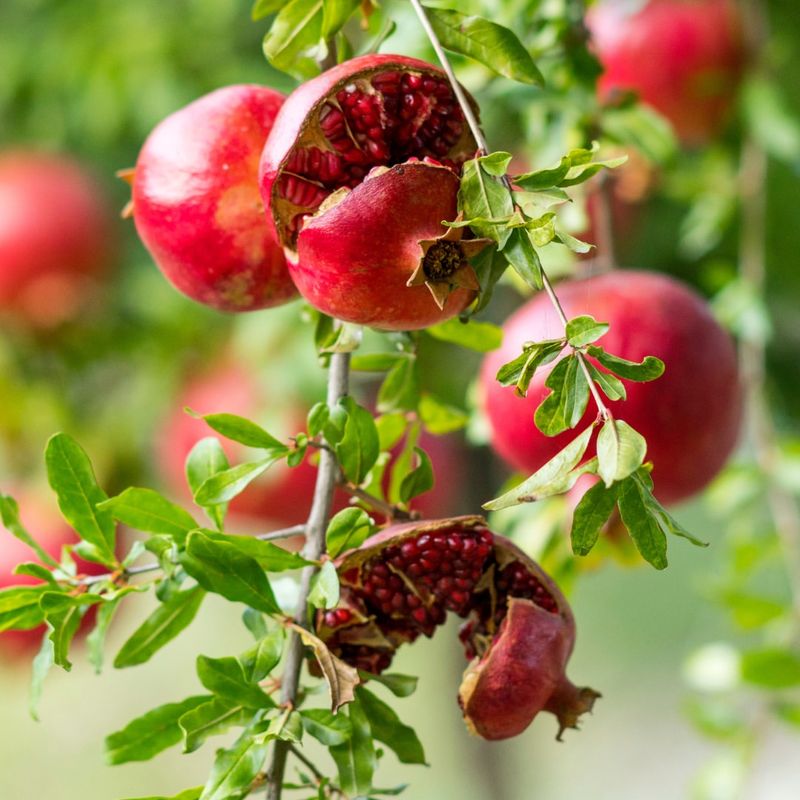
Pomegranates need consistent, predictable climates that Mississippi simply doesn’t provide.
These plants evolved in Mediterranean and Middle Eastern regions with distinct wet and dry seasons.
Mississippi’s unpredictable rainfall patterns and high summer humidity create stress that affects fruit quality and tree health.
Fruits often split and crack due to irregular moisture, especially when heavy rains follow dry periods.
Winter cold presents additional challenges for pomegranates in Mississippi.
While mature plants tolerate moderate cold, young trees and new growth suffer damage when temperatures drop into the low twenties or teens.
Northern Mississippi areas experience cold snaps that can seriously damage or eliminate pomegranate plantings.
Fungal diseases attack pomegranates more aggressively in humid climates than in their native dry regions.
Fruit rot, leaf spots, and branch diseases become persistent problems requiring regular management.
The fruit’s long ripening period exposes it to extended disease pressure in Mississippi’s humid late summer and fall.
Insect pests also find pomegranates attractive, with various beetles and bugs feeding on developing fruit.
Managing these pests adds another layer of complexity to an already challenging crop.
While pomegranates might survive in Mississippi gardens, they rarely thrive or produce the quality fruit that makes them worthwhile.
Better-adapted fruit options will reward your efforts more reliably.
12. Olive
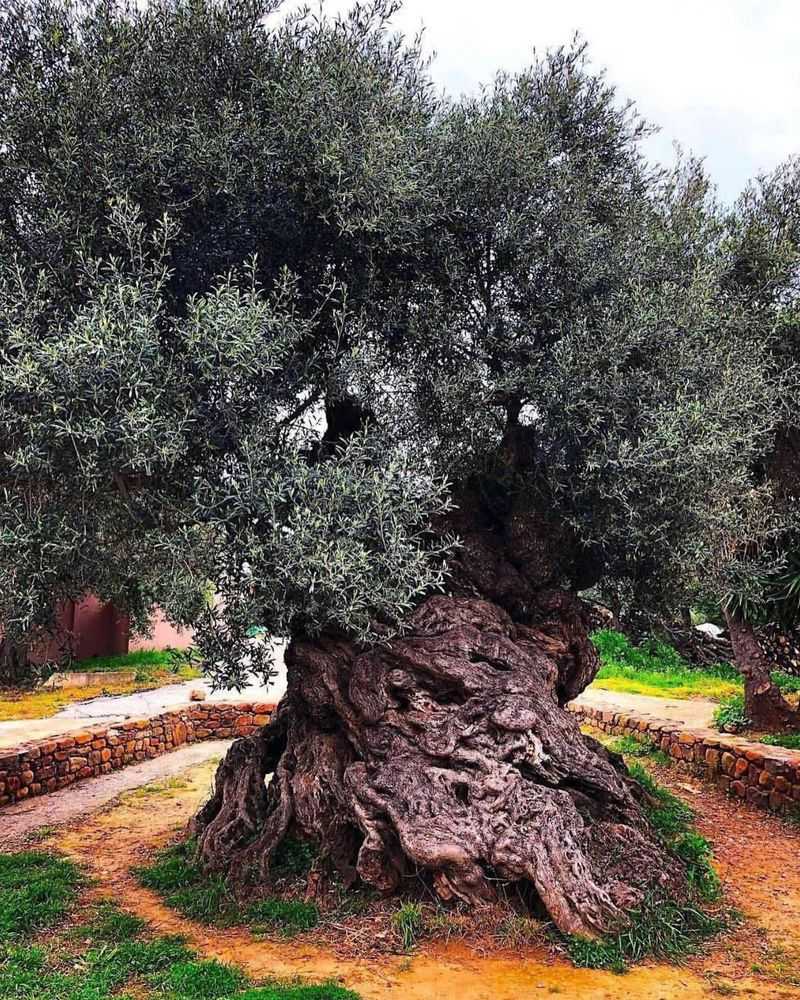
Olive trees represent perhaps the ultimate mismatch for Mississippi’s climate and soil conditions.
These Mediterranean natives require dry summers and mild, wet winters—exactly the opposite of Mississippi’s pattern.
High summer humidity promotes fungal diseases that olives have little natural resistance against.
Peacock spot and other leaf diseases attack aggressively in humid conditions, causing defoliation and weakening trees progressively.
Olives absolutely require well-drained soil and cannot tolerate wet feet.
Mississippi’s heavy clay soils and frequent rainfall create conditions that lead to root rot and other soil-borne diseases.
Even in raised beds with amended soil, maintaining adequate drainage proves challenging during Mississippi’s rainy periods.
Cold hardiness presents yet another obstacle.
While mature olive trees tolerate brief cold snaps, sustained freezing temperatures cause significant damage.
Many Mississippi areas experience winter conditions too harsh for reliable olive cultivation.
Even if trees survive, fruit production remains highly unlikely.
Olives need specific temperature patterns during flowering and fruit set that Mississippi’s climate doesn’t provide consistently.
The long curing process required to make olives edible adds complexity that most home gardeners find overwhelming.
Growing olives in Mississippi is an exercise in frustration rather than a path to harvest.
Save yourself disappointment and garden space by choosing fruit trees naturally adapted to southern growing conditions instead.
13. Peach Unsuitable Varieties
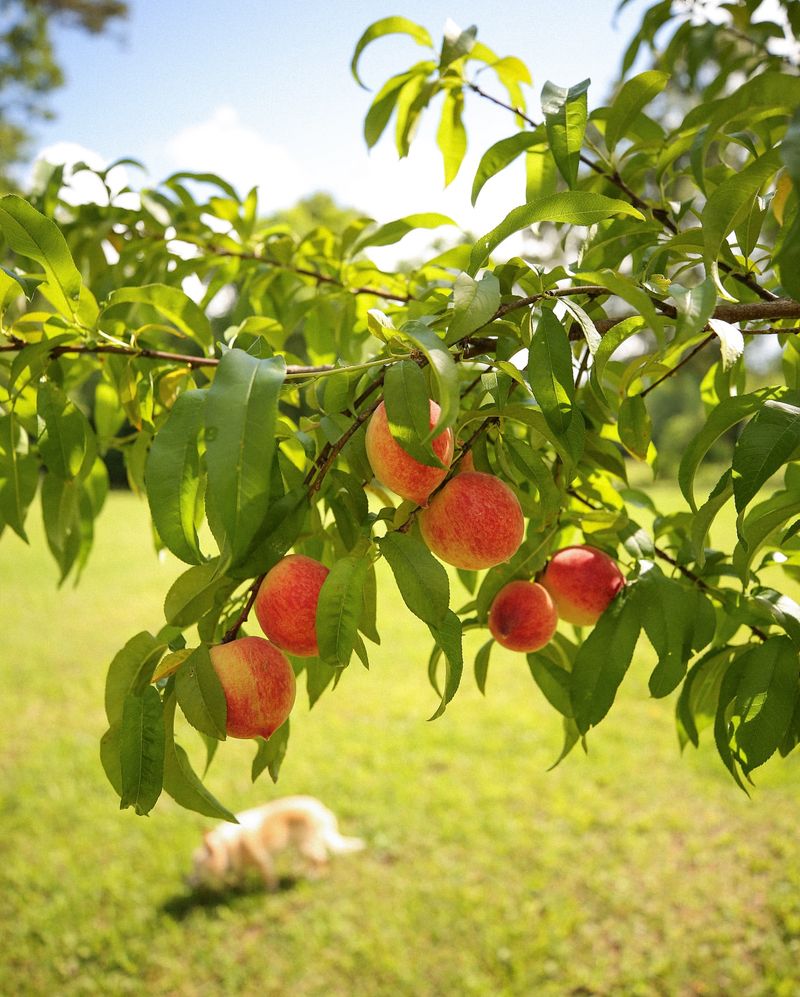
Peaches can succeed in Mississippi, but only specific disease-resistant varieties bred for southern conditions.
Standard peach varieties developed for northern and western climates face overwhelming disease pressure in Mississippi.
Peach leaf curl causes leaves to pucker, redden, and drop in spring, weakening trees significantly.
Brown rot attacks blossoms, twigs, and especially ripening fruit with devastating efficiency in humid conditions.
Bacterial spot disease creates another serious challenge.
This infection causes spots on leaves and fruit, with severe infections leading to defoliation and unmarketable fruit.
The bacteria spread rapidly during warm, rainy weather that characterizes Mississippi springs and summers.
Without intensive spray programs starting before bud break and continuing throughout the season, susceptible varieties fail spectacularly.
Even with regular fungicide and bactericide applications, controlling diseases on highly susceptible varieties becomes nearly impossible during particularly wet seasons.
The good news is that disease-resistant peach varieties bred specifically for the Southeast offer much better chances of success.
Varieties like Contender, Harvester, and several University releases show improved disease resistance while maintaining good fruit quality.
The key is avoiding standard varieties and choosing adapted types with proven performance in humid southern climates.
Planting the wrong peach variety guarantees frustration, while selecting resistant varieties appropriate for Mississippi makes homegrown peaches achievable and rewarding.
14. Mulberry Fruit Heavy Varieties
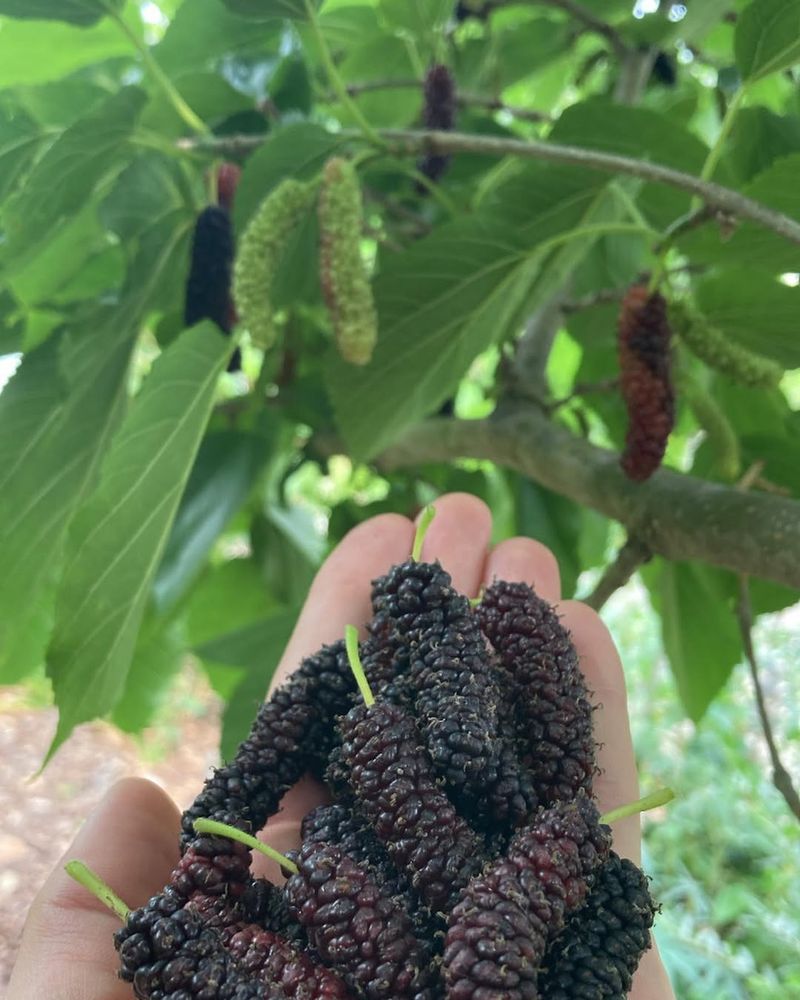
Mulberries grow vigorously in Mississippi—sometimes too vigorously for most residential landscapes.
Fruit-heavy varieties drop massive quantities of berries over extended periods during late spring and early summer.
These soft fruits stain everything they contact, including sidewalks, driveways, patios, cars, and outdoor furniture.
The purple stains prove remarkably difficult to remove and create ongoing maintenance headaches.
Birds feast on mulberries enthusiastically, which sounds positive until you consider the consequences.
Bird droppings containing mulberry seeds create purple messes throughout your property and beyond.
Birds spread seeds far and wide, leading to mulberry seedlings sprouting in unwanted locations across your landscape and neighborhood.
Mulberries show invasive tendencies in many regions.
Seedlings grow rapidly and prove difficult to eliminate once established.
They pop up in flower beds, along fence lines, and in natural areas, outcompeting native vegetation.
Some municipalities actually prohibit planting mulberries due to their weedy behavior.
The trees themselves grow large quickly, with aggressive root systems that can damage underground utilities, foundations, and paved surfaces.
Branches become brittle and break easily during storms, creating additional maintenance and safety concerns.
While fruitless mulberry varieties exist, fruit-heavy types create far more problems than their modest edible benefits justify in most Mississippi landscapes.
Better-behaved fruit trees offer harvests without the mess and invasive issues.