Costly Winter Exterior Mistakes New York Homeowners Often Make And How To Avoid Them
Winter in New York has a way of testing every inch of a home’s exterior.
Snow piles up, ice clings to gutters, and biting winds sneak into the smallest cracks.
Many homeowners push through the season on autopilot, only to discover that simple oversights have chipped away at their budget.
A loose shingle turns into a leak, clogged gutters send water where it does not belong, and forgotten maintenance ends up costing an arm and a leg.
Winter may be beautiful, but it rarely cuts anyone a break.
Small mistakes tend to snowball when cold weather settles in.
A quick shortcut in fall can turn into a major repair by spring.
Homeowners who keep a close eye on trouble spots stay miles ahead of those who shrug things off.
Smart habits go a long way, saving both time and money when the mercury drops.
A well cared for exterior stands strong through the toughest storms.
Homes that brace for winter with intention stay warm, dry, and free from costly surprises.
With a bit of awareness and steady upkeep, New Yorkers can keep winter from running the show and protect their homes until spring sunlight brings everything back to life.
1. Failing To Properly Seal Windows And Doors
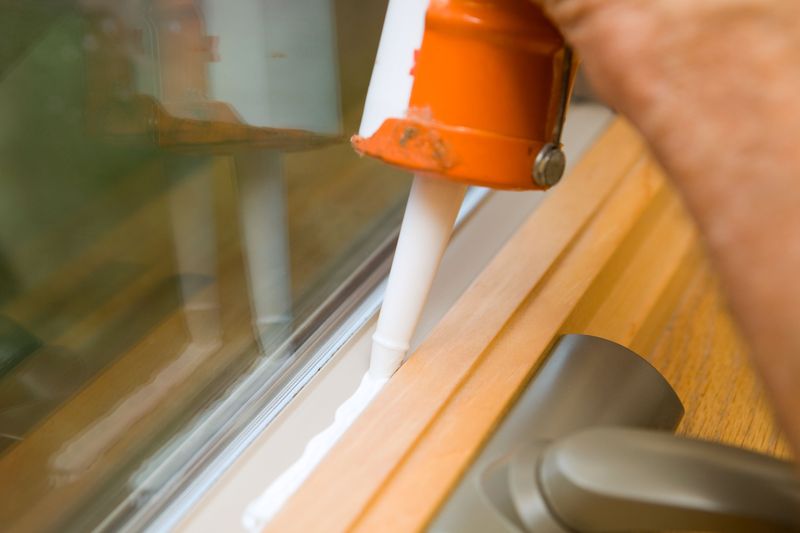
Air leaks around windows and doors waste more energy than most New York homeowners realize, sending heating costs through the roof during brutal winter months.
Small gaps and cracks might seem insignificant, but they allow cold air to rush inside while your expensive heated air escapes outdoors.
Your furnace works overtime trying to maintain comfortable temperatures, burning through fuel and money unnecessarily.
Weatherstripping deteriorates over time from constant use and exposure to temperature changes.
Old caulk cracks and shrinks, creating openings that grow larger each season.
These gaps also let moisture infiltrate your walls, which can lead to mold growth and wood rot that’s expensive to repair.
Check every window and door before winter sets in by holding a lit incense stick near the edges on a windy day.
If the smoke wavers or blows sideways, you’ve found a leak.
Replace worn weatherstripping with new adhesive-backed foam or rubber strips that create tight seals.
Apply fresh caulk around window frames where they meet your siding, and fill any visible cracks.
For doors, install or replace door sweeps along the bottom edges.
These affordable fixes typically pay for themselves within one heating season through reduced energy bills.
Your home stays warmer, your furnace runs less frequently, and you avoid moisture-related damage that could cost thousands to fix later.
2. Neglecting Roof Inspections And Repairs
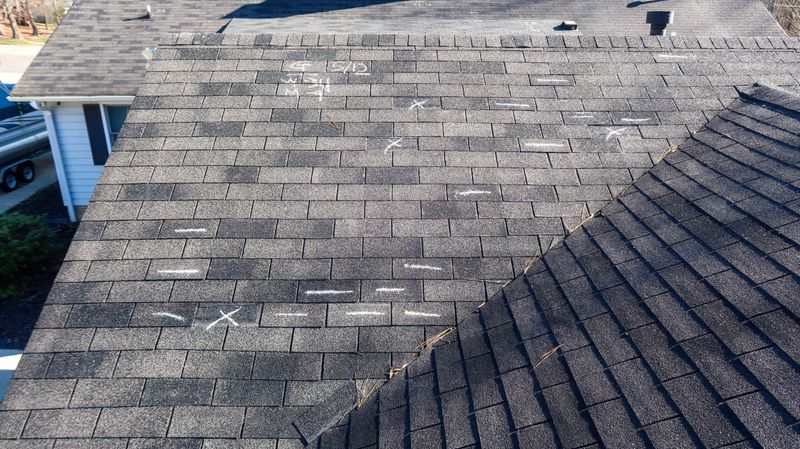
Your roof takes a beating during New York winters, yet many homeowners wait until they spot a leak before taking action.
By that point, damage has already spread beyond what’s visible from inside your home.
Missing shingles, loose flashing, and small cracks allow water and melting snow to penetrate your roof deck, causing rot and insulation damage.
Winter weather makes existing roof problems dramatically worse.
Your New York Garden Changes Every Week. Your Plan Should Too.
Gardening in New York changes quickly throughout the season. Every Friday you’ll receive a simple weekly plan showing exactly what to plant, prune, fertilize, harvest, and protect so you never miss the right timing.
Snow accumulation adds tremendous weight that stresses weak spots in your roof structure.
When snow melts during warmer days and refreezes at night, ice works its way under shingles and widens any existing gaps.
This freeze-thaw cycle repeats throughout the season, turning minor issues into major emergencies.
Schedule a professional roof inspection every fall before winter weather arrives in New York.
A trained eye can spot problems you’d miss from the ground, like damaged flashing around chimneys and vents or shingles that have lost their protective granules.
Addressing these issues in autumn costs far less than emergency repairs during a winter storm.
Replace missing or damaged shingles immediately.
Ensure flashing is secure around all roof penetrations.
Trim overhanging tree branches that could break under snow weight and damage your roof.
Consider installing heating cables in problem areas where ice dams typically form.
These preventive steps protect your biggest investment from winter’s harsh conditions.
3. Ignoring Gutter Cleaning Before Winter Arrives
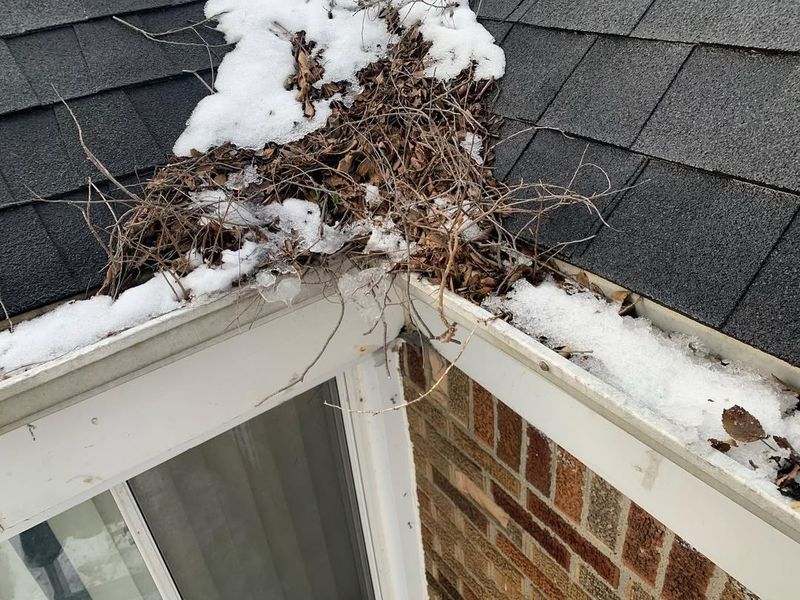
Clogged gutters rank among the most overlooked problems that New York homeowners face when preparing for winter weather.
Leaves, twigs, and debris accumulate throughout fall, creating blockages that prevent proper water drainage.
When temperatures drop and snow begins to melt, that trapped water has nowhere to go except into places it shouldn’t be.
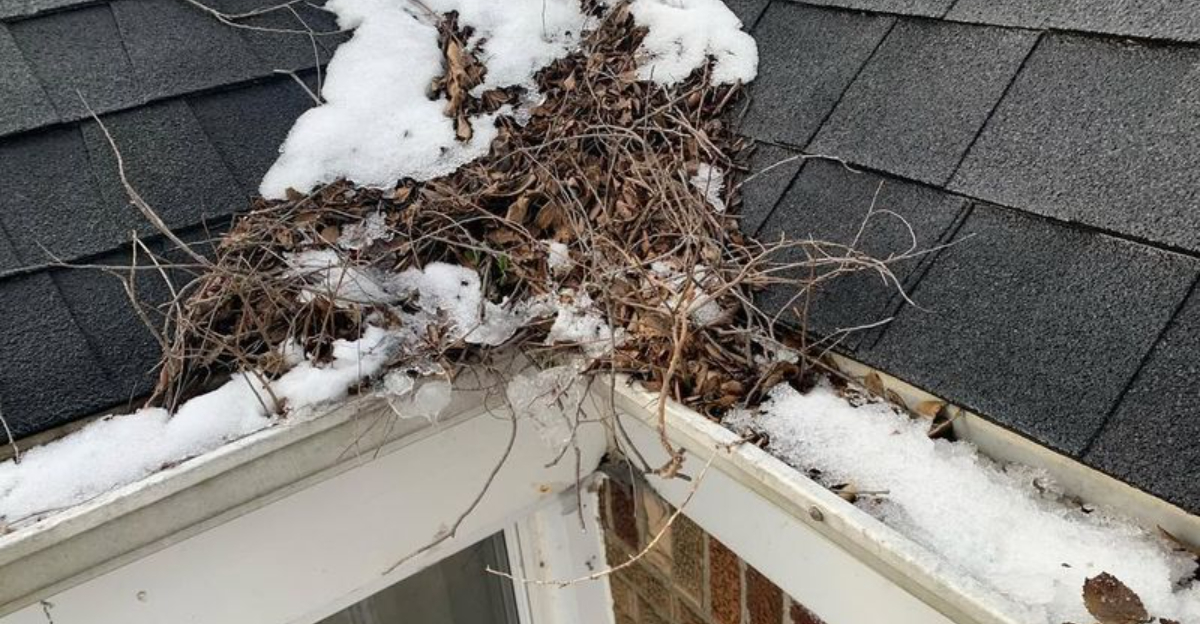
Ice dams form when water freezes inside blocked gutters, creating heavy chunks of ice that pull gutters away from your roofline.
The weight can damage fascia boards and cause gutters to sag or completely detach from your house.
Water then backs up under your roof shingles, leading to leaks inside your attic and walls.
Your foundation faces serious risk too when gutters overflow.
Water cascades down the side of your home and pools around the base, where it can seep into basement walls or crack your foundation as it freezes and expands.
In New York’s freeze-thaw cycles, this damage compounds quickly throughout winter.
Schedule a thorough gutter cleaning in late fall before the first snowfall.
Consider installing gutter guards to reduce future debris buildup.
Check that downspouts direct water at least six feet away from your foundation.
This simple maintenance task prevents thousands of dollars in potential water damage throughout the cold season.
4. Using Salt Excessively On Driveways And Walkways
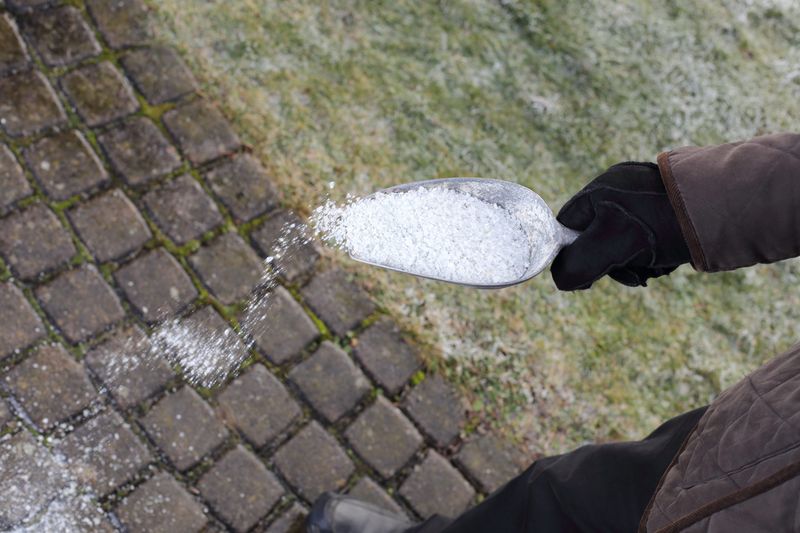
Rock salt seems like the perfect solution for melting ice on your driveway and sidewalks, but it causes hidden damage that costs New York homeowners dearly over time.
Salt corrodes concrete surfaces, creating pitting and scaling that weakens the structural integrity of your pavement.
Those small holes and rough patches you see after a few winters result from salt eating away at the concrete.
Your landscaping suffers too when salt runoff seeps into garden beds and lawn areas.
Plants and grass struggle to survive in soil contaminated with high salt concentrations.
Come spring, you’ll notice brown patches and withered plants along the edges where salt accumulated throughout winter.
Cars parked in your driveway face accelerated rust and corrosion on their undercarriages from salt exposure.
The metal components deteriorate faster, reducing your vehicle’s lifespan and resale value.
Salt also damages the finish on stamped or decorative concrete, ruining the appearance you paid extra to achieve.
Switch to calcium chloride or magnesium chloride products that work effectively at lower temperatures and cause less damage to concrete and vegetation.
Apply any ice melter sparingly, using only what’s necessary for safety.
Sand provides traction without chemical damage, though it requires sweeping up later.
Consider installing heated mats or cables on high-traffic areas to prevent ice formation without any chemicals.
Your concrete, plants, and car will thank you for making these smarter choices.
5. Leaving Garden Hoses Connected To Outdoor Faucets
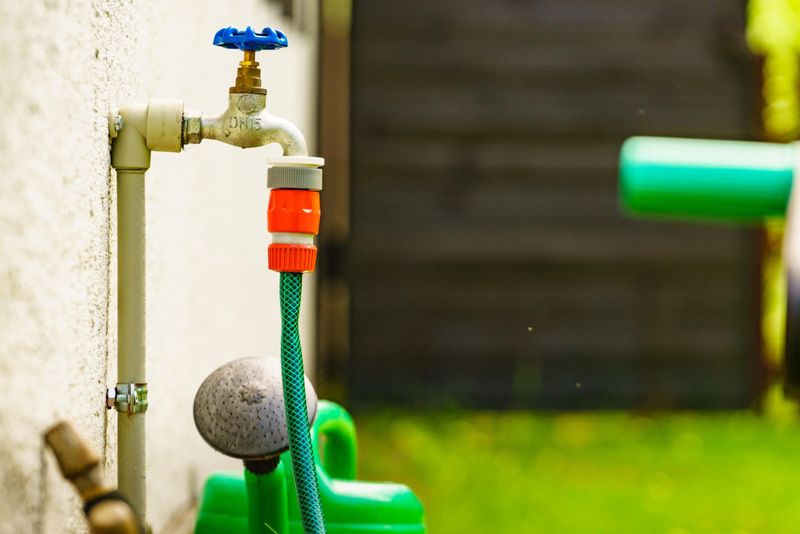
One of the simplest mistakes causes some of the most expensive plumbing disasters during New York winters.
Garden hoses left attached to outdoor faucets trap water inside the pipe, even after you think you’ve drained everything.
When temperatures plummet below freezing, that trapped water expands as it turns to ice, creating tremendous pressure inside your pipes.
Frozen pipes burst without warning, often in the middle of the coldest nights.
The real damage happens when temperatures rise and ice melts, releasing water that floods your basement or crawl space.
Homeowners sometimes don’t discover the problem until they see water stains or puddles days later.
Burst pipe repairs typically cost thousands of dollars, not counting damage to flooring, drywall, and belongings.
The pipe section most vulnerable to freezing sits inside your exterior wall where you can’t see it.
Ice expansion can crack pipes several feet back from the faucet itself.
This means repairs often require cutting into walls to access and replace damaged sections.
Disconnect all garden hoses before the first hard freeze arrives.
Drain water from hoses and store them in your garage or shed.
Turn off the interior shut-off valve that controls each outdoor faucet, then open the outside faucet to drain remaining water.
Install insulated faucet covers for extra protection during extreme cold snaps.
These quick tasks take just minutes but prevent catastrophic damage that could cost you thousands in emergency plumbing repairs.
6. Skipping Foundation Drainage Improvements
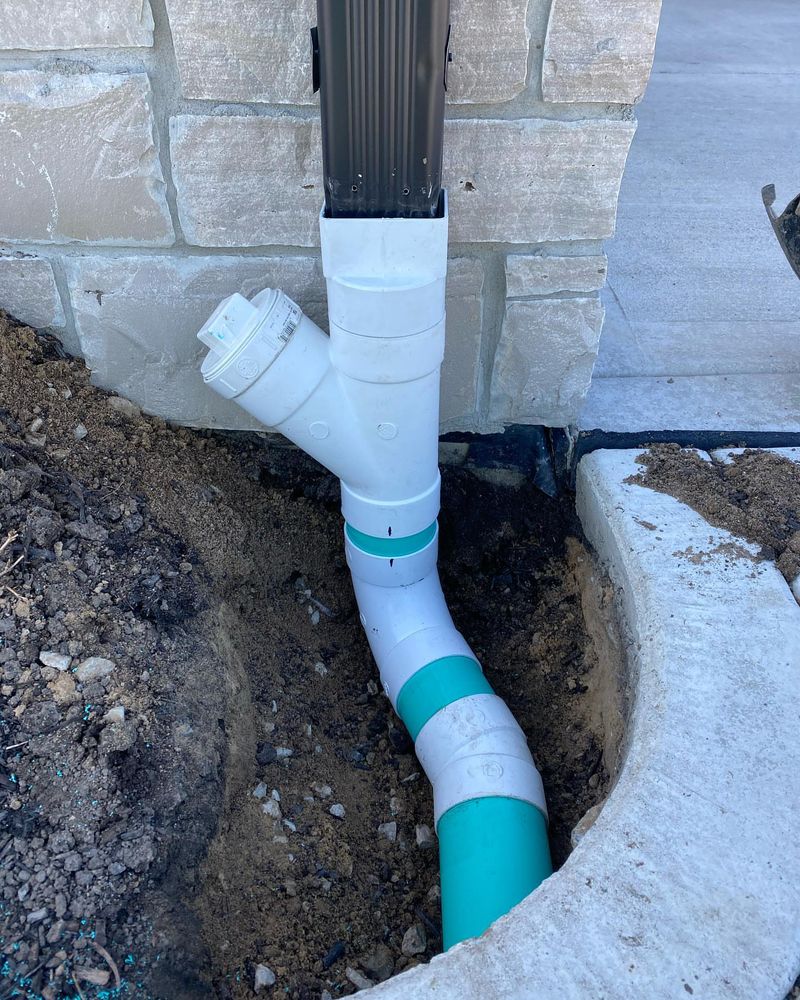
Water pooling around your foundation creates serious structural problems that worsen dramatically during New York’s freeze-thaw cycles.
Poor drainage allows water to accumulate against basement walls, where it seeps through cracks and porous concrete.
When that water freezes, it expands with incredible force, widening existing cracks and creating new ones throughout winter.
Foundation damage progresses slowly at first, making it easy to ignore until major problems develop.
Hairline cracks grow into gaps that compromise your home’s structural integrity.
Water infiltration leads to basement flooding, mold growth, and damage to finished spaces and stored belongings.
Repairing foundation damage ranks among the most expensive home repairs you’ll ever face.
The ground around your foundation should slope away from your house at a rate of at least six inches over ten feet.
Many New York homes settle over time, creating low spots where water collects instead of draining away.
Compacted soil near your foundation also prevents proper drainage.
Add soil around your foundation to create proper grading that directs water away from your house.
Install or extend downspout extensions to carry roof runoff at least six feet from your foundation.
Consider installing a French drain system if you have persistent drainage problems.
Apply waterproof sealant to basement walls as an extra barrier.
Check your sump pump before winter to ensure it’s working properly.
These improvements protect your foundation from freeze-thaw damage that could otherwise cost tens of thousands of dollars to repair.
7. Allowing Snow And Ice To Accumulate On Your Roof
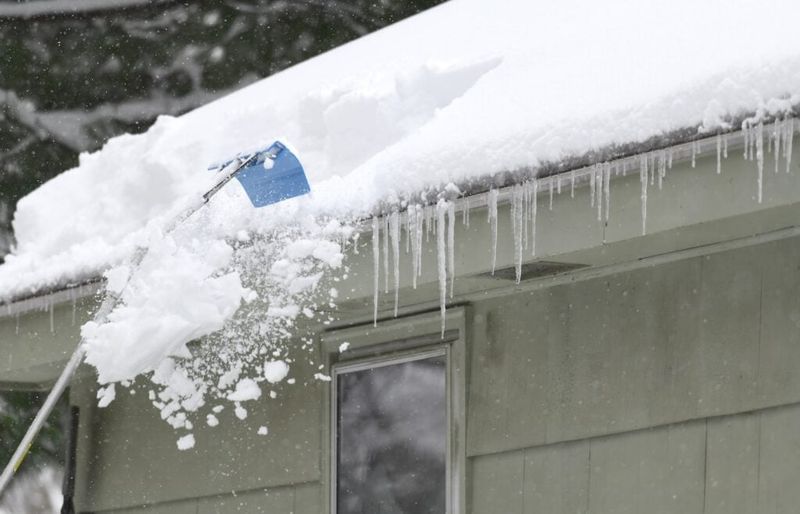
Heavy snow sitting on your roof after a New York storm might look picturesque, but it poses serious dangers that many homeowners underestimate.
Snow weighs much more than people realize, especially when it becomes waterlogged or turns to ice.
A cubic foot of wet snow can weigh up to 20 pounds, meaning your roof could be supporting several tons of extra weight after a major storm.
Older homes and those with structural issues face the greatest risk of roof collapse under heavy snow loads.
Warning signs include sagging ceiling tiles, cracks in interior walls, doors that suddenly stick or won’t close, and creaking sounds from your roof structure.
Ice dams form when heat escaping through your roof melts snow, which then refreezes at the colder eaves, creating barriers that trap water.
Removing snow from your roof requires caution to avoid damaging shingles or injuring yourself.
Never climb onto a snow-covered roof, as the surface becomes dangerously slippery.
Working at heights during winter conditions leads to serious accidents every year.
Use a roof rake with an extended handle to pull snow down from the ground safely.
Clear snow after every major storm rather than letting it accumulate throughout winter.
Focus on removing snow from the lower three to four feet of your roofline where ice dams typically form.
For steep roofs or heavy accumulation, hire professionals with proper safety equipment.
Improve attic insulation and ventilation to reduce heat loss that causes ice dams.
These steps prevent structural damage and protect your home throughout winter.
8. Forgetting To Protect Outdoor Fixtures And Equipment
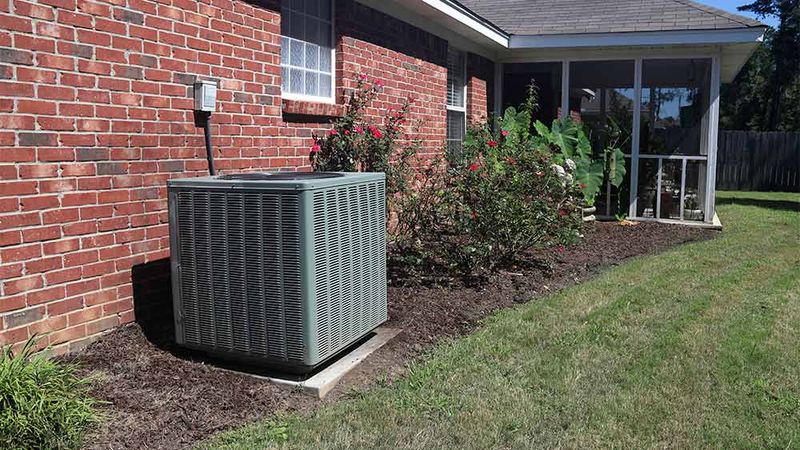
Outdoor fixtures and equipment suffer significant damage when left exposed to New York’s harsh winter conditions without proper protection.
Air conditioning units, outdoor furniture, grills, and decorative fixtures all deteriorate faster when subjected to freezing temperatures, ice, and snow.
Moisture penetrates small openings and freezes, cracking plastic components and corroding metal parts.
Your air conditioning unit’s delicate fins and coils are particularly vulnerable to damage from ice buildup and debris blown by winter winds.
Uncovered units accumulate leaves, ice, and snow that can damage internal components.
Spring arrives, and you discover your AC won’t work properly, requiring expensive repairs or replacement just when you need it most.
Outdoor furniture left uncovered fades, cracks, and warps from exposure to moisture and temperature extremes.
Wood furniture develops rot and mildew.
Metal fixtures rust and corrode.
Cushions become moldy and unusable.
Replacing these items costs hundreds or thousands of dollars when simple protection could have preserved them.
Cover your air conditioning unit with a breathable waterproof cover designed specifically for HVAC equipment.
Don’t use plastic tarps that trap moisture and cause more problems.
Store outdoor furniture in a garage, shed, or basement if possible.
Use weather-resistant furniture covers for items that must stay outside.
Drain and store garden hoses, sprinklers, and irrigation equipment.
Shut off and drain outdoor water features to prevent freeze damage.
Bring decorative planters and pottery indoors or elevate them to prevent ground moisture from seeping in.
These protective measures extend the life of your outdoor investments significantly.
9. Ignoring Proper Attic Insulation And Ventilation
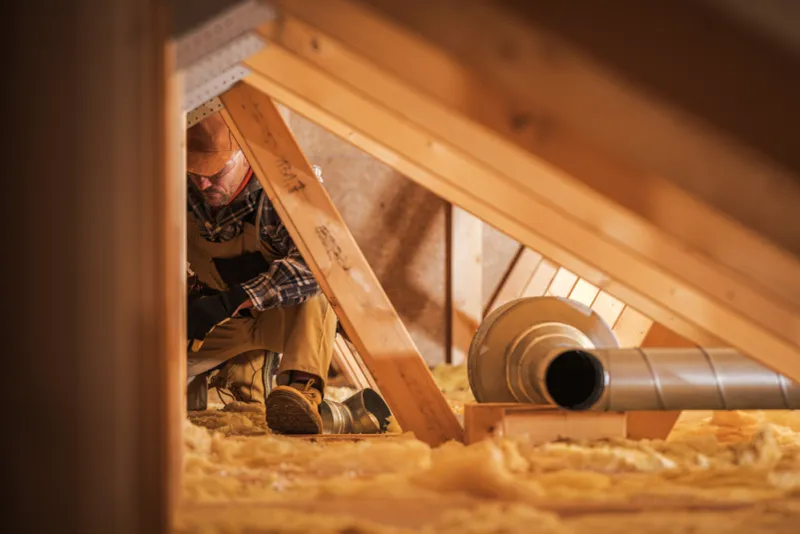
Inadequate attic insulation and poor ventilation create a cascade of winter problems that New York homeowners often don’t connect to their attic conditions.
Heat rises naturally, and when your attic lacks sufficient insulation, that expensive heated air escapes right through your roof.
Your heating system runs constantly trying to maintain comfortable temperatures, driving up energy bills throughout the cold months.
Heat escaping through your roof melts snow from underneath, creating the perfect conditions for ice dams to form along your eaves.
Water backs up under shingles and leaks into your home, damaging ceilings, walls, and insulation.
Poor ventilation traps moisture in your attic space, leading to mold growth and wood rot that compromises your roof structure.
Condensation forms when warm, moist air from your living space meets cold surfaces in an under-insulated attic.
That moisture soaks into insulation, reducing its effectiveness and creating conditions where mold thrives.
You might notice musty odors, water stains on ceilings, or frost buildup on the underside of your roof deck during winter.
Upgrade your attic insulation to at least R-49 for New York’s climate zone.
Ensure soffit vents remain clear and install proper ridge venting to allow air circulation.
Seal air leaks around recessed lights, plumbing stacks, and other penetrations.
Install baffles between rafters to maintain airflow while adding insulation.
Consider hiring an energy auditor to identify specific problem areas.
Proper attic insulation and ventilation reduce heating costs dramatically while preventing ice dams and moisture damage throughout winter.