9 Reasons California Gardeners Rotate Houseplants In Winter
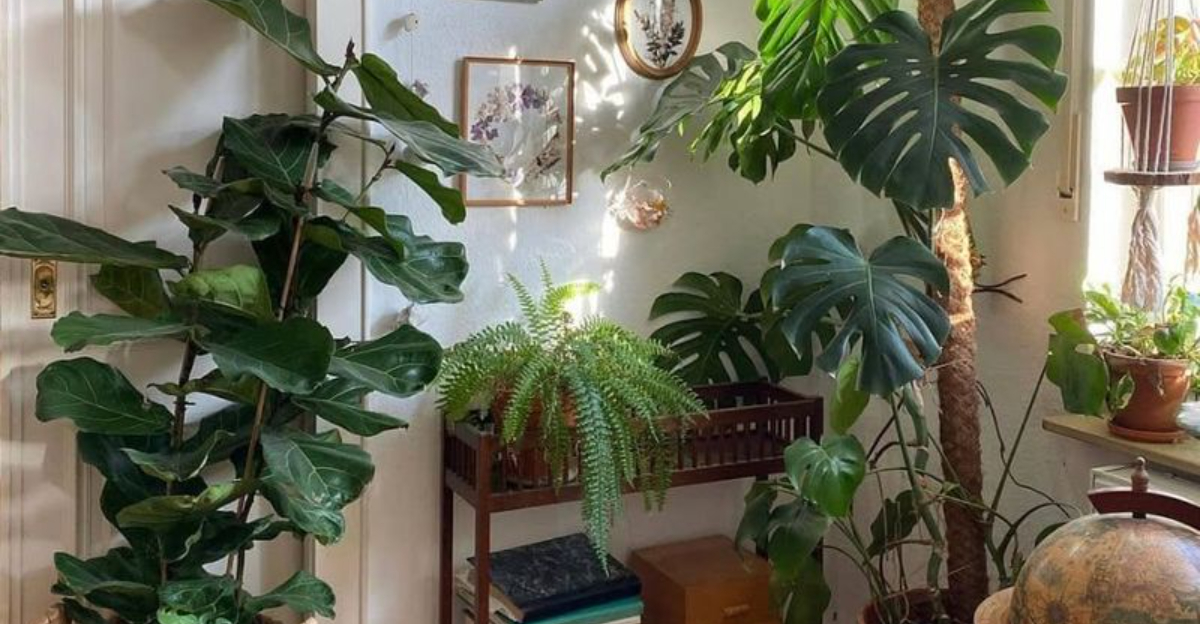
Winter may slow outdoor growth, but indoor plants keep reaching for the light.
California gardeners have learned that rotating houseplants during shorter winter days helps them grow evenly and stay healthy.
Sunlight enters homes at different angles in winter, which can cause plants to lean or stretch if left alone.
A simple turn every few weeks keeps growth balanced. Rotating plants also helps prevent weak stems and uneven leaf development.
In California, where indoor light can still be strong, this small habit makes a noticeable difference.
Gardeners often pair rotation with routine watering or cleaning, making plant care more consistent.
It is a quiet practice that pays off over time. Healthy houseplants do not usually happen by accident.
They reflect small, regular efforts that support steady growth even when days grow shorter.
1. Winter Sunlight Enters Homes At Lower Angles
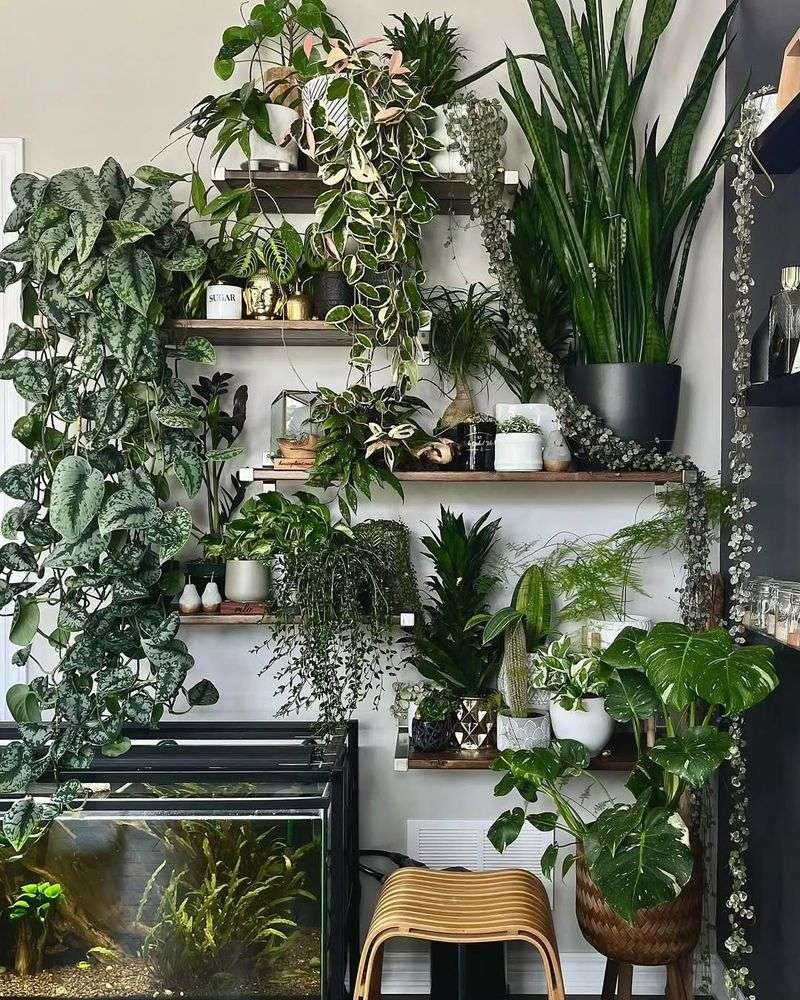
When winter arrives in California, the sun takes a different path across the sky than it does during summer months.
This seasonal shift means sunlight streams through your windows at much lower angles, creating dramatic differences in how light reaches your houseplants.
Instead of hitting plants evenly from above, winter rays come in sideways and concentrate on just one side of each pot.
Plants positioned near windows receive intense light on the side facing the glass while the opposite side stays in relative darkness.
This creates an imbalanced growing environment that can affect your plant’s overall health and appearance.
The side bathed in sunlight grows vigorously, while the shaded side struggles to keep up with photosynthesis demands.
California gardeners notice this effect more dramatically because our clear winter skies allow bright, direct sunlight to pour through windows for hours each day.
Without rotation, your plants develop lopsided growth patterns that become increasingly pronounced as winter progresses.
Regular turning ensures every part of your plant receives equal exposure to those precious winter rays, promoting uniform development across all sides and preventing one-sided growth that looks awkward and stresses the plant unnecessarily.
2. Shorter Days Slow Balanced Growth
Daylight hours shrink considerably during winter, even in sunny California where we’re blessed with relatively mild seasonal changes.
This reduction in available light affects how plants grow and develop throughout the colder months.
With fewer hours of photosynthesis each day, houseplants naturally slow their growth rate and become more selective about where they direct their energy.
Plants facing one direction consistently will channel their limited resources toward the side receiving the most light.
New leaves emerge predominantly on the window-facing side, creating an unbalanced appearance that becomes more obvious as weeks pass.
The shaded portions of the plant may produce smaller leaves or stop generating new growth altogether during this light-limited period.
Rotation gives every leaf and stem the opportunity to face the light source periodically, encouraging your plant to distribute its growth efforts more evenly around the entire structure.
This practice becomes especially important during shorter winter days when plants can’t afford to waste energy on unproductive sections.
By turning your pots regularly, you’re essentially telling your plant that all sides matter equally, prompting it to maintain balanced development even when daylight becomes scarce and precious.
Your California Garden Changes Every Week. Your Plan Should Too.
Gardening in California changes quickly throughout the season. Every Friday you’ll receive a simple weekly plan showing exactly what to plant, prune, fertilize, harvest, and protect so you never miss the right timing.
3. Uneven Light Can Weaken Stems
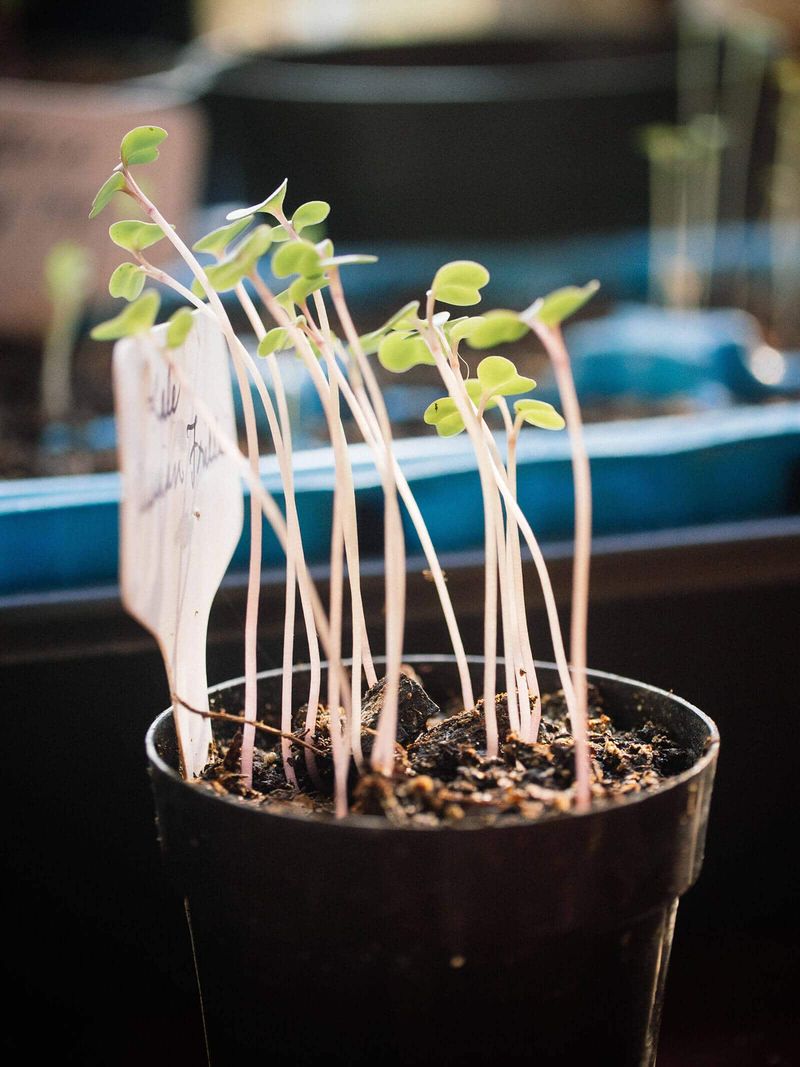
Structural strength in plants comes from balanced growth patterns where all sides develop proportionally and support each other effectively.
When one side of a plant receives significantly more light than others, it grows faster and heavier, creating an imbalance that weakens the overall structure.
The stem must work harder to support the weight of vigorous growth on one side while the underdeveloped opposite side offers little counterbalance.
This imbalance becomes particularly problematic during California winters when indoor heating systems can dry out plant tissues, making stems more brittle and susceptible to damage.
A lopsided plant with heavy growth on one side is more likely to develop weak spots in the stem that could eventually cause branches to bend or break under their own weight.
The problem compounds over time as the imbalance becomes more extreme with each passing week of uneven light exposure.
Rotation promotes even stem development by ensuring all sides experience similar light conditions throughout the winter months.
When growth distributes evenly around the entire plant, stems develop uniform strength and thickness that can support foliage without strain.
This balanced development creates sturdier, more resilient plants that can withstand the occasional bump or brush without suffering damage, making them healthier and longer-lived additions to your California home.
4. Windows Provide Strong Light On Only One Side
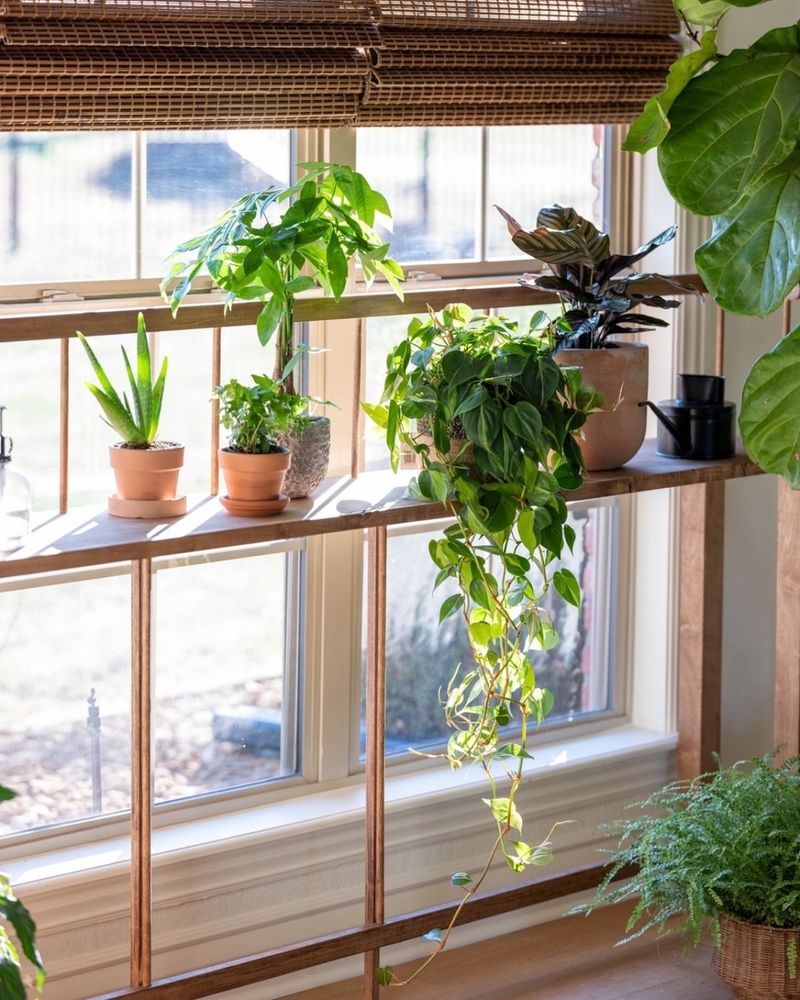
California architecture often celebrates natural light with expansive windows that fill rooms with sunshine, creating perfect conditions for houseplants in many ways.
However, this design feature also creates a challenge: light intensity drops dramatically as you move away from these bright windows.
Even a few feet of distance can mean the difference between brilliant illumination and relative dimness for your plants.
The side of your plant closest to the window receives direct, intense light that powers vigorous photosynthesis and growth.
Meanwhile, the opposite side exists in comparative shadow, receiving only reflected or ambient light that’s far less effective for plant processes.
This stark contrast creates growing conditions that vary wildly within the same pot, essentially forcing different parts of the same plant to adapt to completely different light environments.
Regular rotation solves this problem by cycling each portion of the plant through periods of bright exposure and relative rest.
Every leaf gets its turn in the spotlight, so to speak, ensuring that no part of the plant remains permanently disadvantaged by its position.
For California gardeners blessed with abundant window light, rotation transforms a potential problem into an asset, allowing you to harness that strong directional light while preventing the negative effects of one-sided exposure throughout the winter growing season.
5. Plants Naturally Lean Toward Light Sources
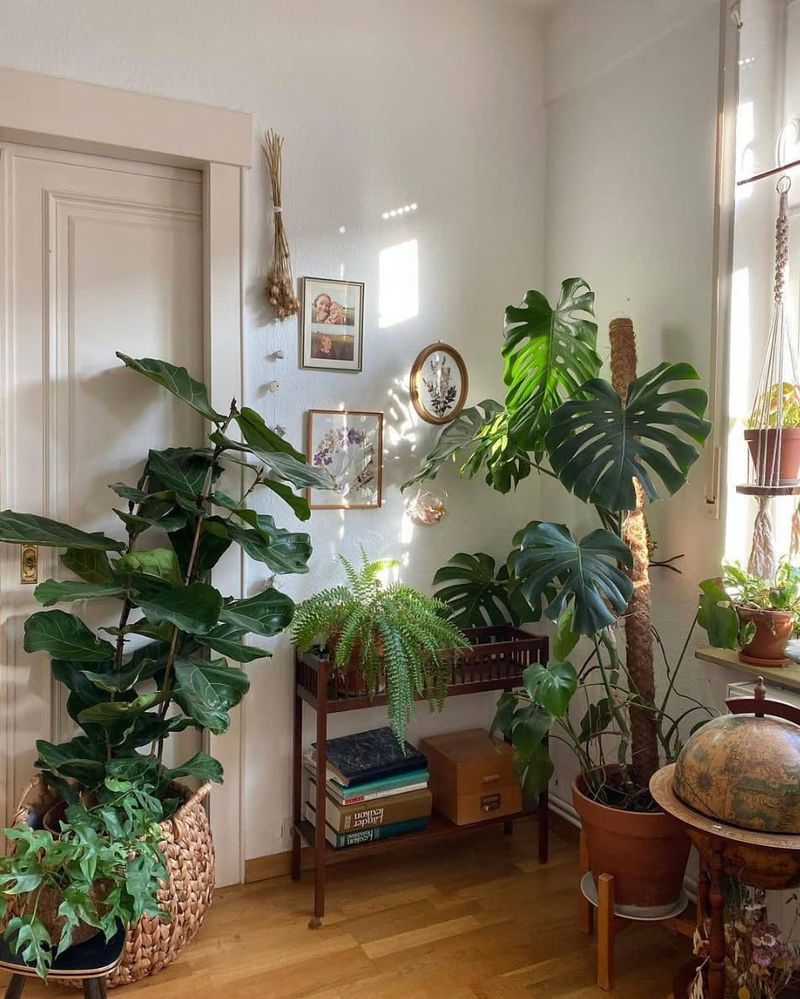
Phototropism is the scientific name for a plant’s natural tendency to grow toward light, and it’s a powerful force that shapes how your houseplants develop.
This built-in survival mechanism helps plants in nature find optimal light conditions for photosynthesis.
However, in our homes, this same instinct can cause plants to lean dramatically toward windows, creating awkward angles that strain stems and compromise structural integrity.
California homes often feature large windows that flood rooms with bright sunshine, making the phototropic response even more pronounced.
Your plants will literally bend and stretch toward these light sources, sometimes developing permanent curves that can’t be corrected later.
This leaning doesn’t just look unattractive—it also puts mechanical stress on stems and branches that weren’t designed to support foliage at such extreme angles.
Regular rotation counteracts this natural leaning tendency by constantly changing which side of the plant faces the strongest light.
When you turn your pots every week or two, plants grow upright because no single side dominates the light-seeking behavior.
This simple action prevents the development of permanent curves and helps maintain the attractive, symmetrical shape that makes houseplants such appealing additions to our living spaces throughout the winter season.
6. Rotation Helps Leaves Develop Even Color
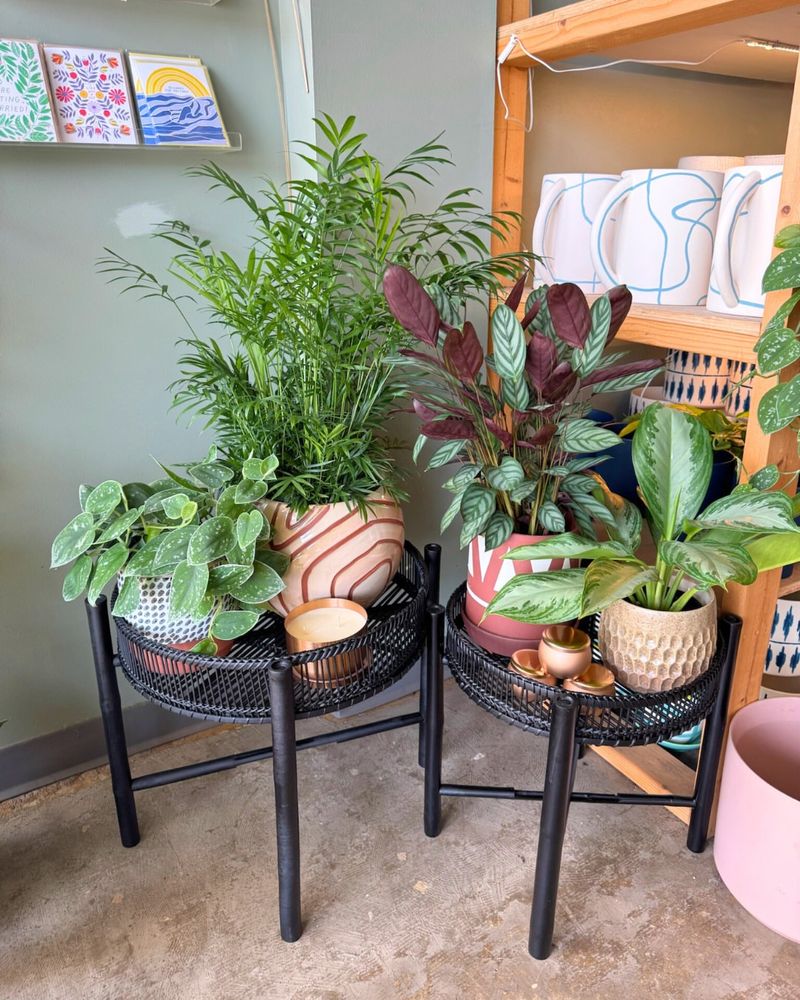
Leaf color tells you a lot about a plant’s health, and uneven coloration often signals that something isn’t quite right with growing conditions.
When leaves on one side of a plant receive abundant light while others remain shaded, they develop different chlorophyll concentrations that show up as color variations.
The sun-facing leaves might appear deep green and vibrant, while shaded leaves look pale, yellowish, or even develop brown stress spots from struggling to photosynthesize efficiently.
California’s bright winter sunshine can intensify these color differences, creating plants that look healthy on one side but stressed on the other.
Some leaves may also develop bleached areas from excessive light exposure, while their counterparts on the shaded side remain dull from insufficient illumination.
These color inconsistencies make your plant look unhealthy and unattractive, even if the overall specimen is actually doing reasonably well.
Turning your plants regularly ensures that all leaves experience similar light conditions over time, promoting uniform chlorophyll development and consistent coloring throughout the entire plant.
This practice prevents the formation of pale or discolored patches that detract from your plant’s appearance.
With regular rotation, every leaf develops that rich, even green color that signals optimal health and makes your indoor garden look professionally maintained throughout the winter months when you’re spending more time indoors enjoying your green companions.
7. It Improves Overall Plant Shape
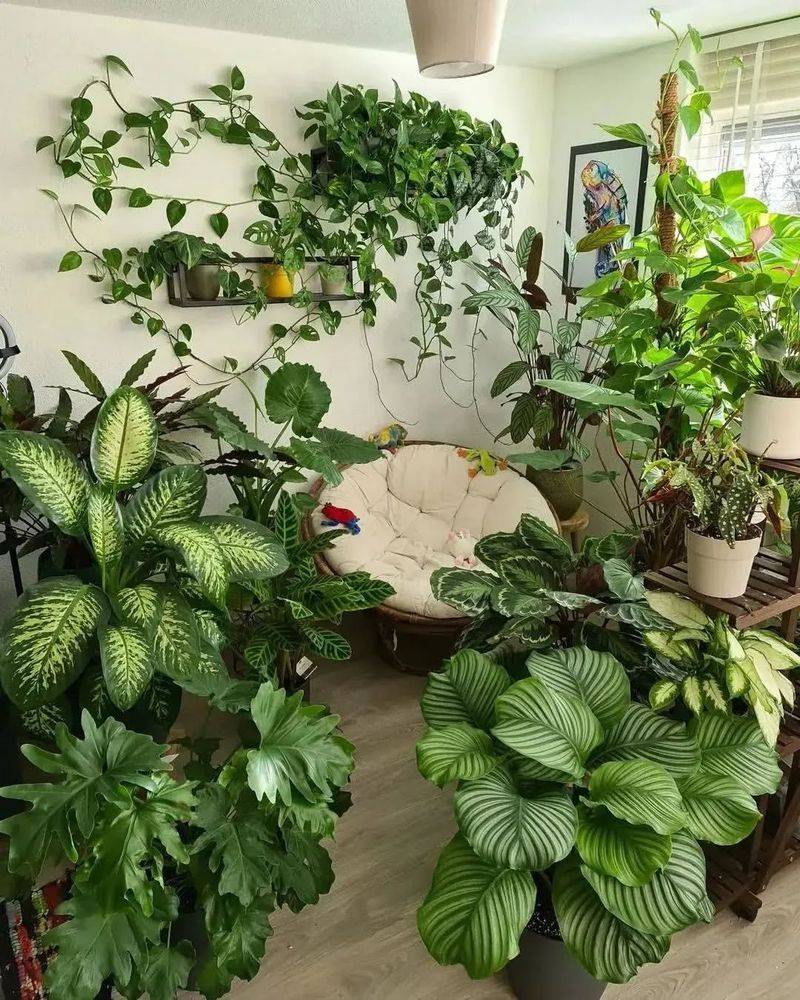
Symmetry and fullness are hallmarks of attractive houseplants that catch the eye and complement your interior design.
When plants grow evenly on all sides, they develop that rounded, lush appearance that makes them look professionally grown and carefully maintained.
This balanced shape isn’t just aesthetically pleasing—it also indicates that your plant is healthy and receiving appropriate care throughout the winter season.
Without rotation, plants develop irregular shapes that look sparse on one side and overgrown on the other, creating an awkward appearance that’s difficult to correct once established.
California gardeners who display their plants as focal points in living spaces particularly appreciate the difference that regular rotation makes in maintaining attractive forms.
A well-shaped plant commands attention for the right reasons, while a lopsided specimen just looks neglected.
By turning your pots consistently throughout winter, you’re essentially sculpting your plants into their most attractive forms without any pruning or intervention.
Each side gets equal opportunity to fill out and contribute to the overall silhouette, resulting in plants that look full and healthy from every angle.
This natural shaping method works with your plant’s growth patterns rather than against them, producing specimens that enhance your home’s ambiance and demonstrate your skill as a thoughtful, attentive plant caretaker during the challenging winter months.
8. Rotation Pairs Well With Winter Watering Checks
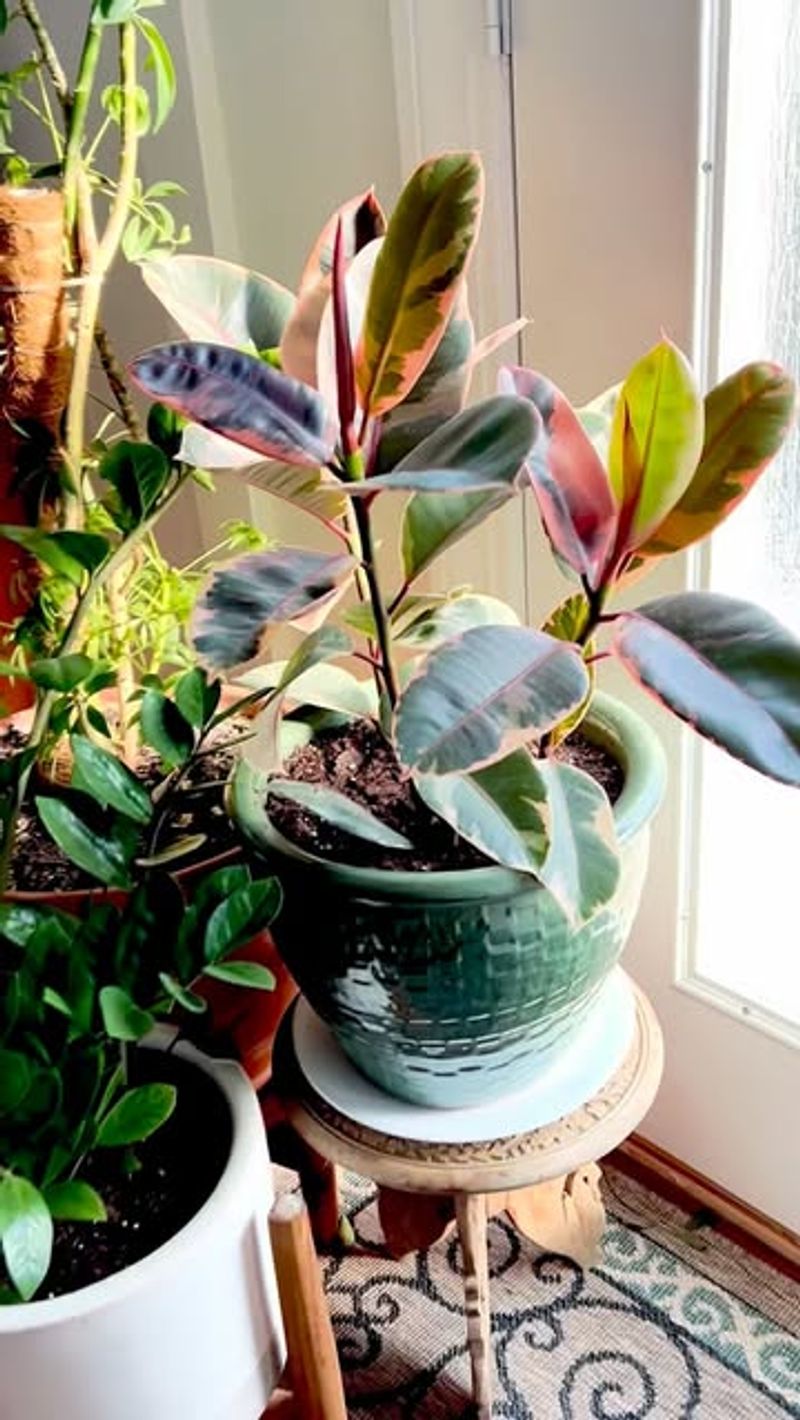
Winter plant care requires a different approach than summer maintenance, particularly when it comes to watering frequency and monitoring moisture levels.
California’s dry winter air and indoor heating systems create conditions that can dry out soil unpredictably, making regular checks essential for plant health.
Combining rotation with these necessary moisture assessments creates an efficient care routine that addresses multiple needs in one simple action.
When you pick up a pot to rotate it, you’re already handling the plant—the perfect opportunity to check soil moisture with your finger or observe the pot’s weight.
This combined approach saves time while ensuring you don’t overlook either task during busy winter weeks.
Many gardeners find that linking rotation with watering checks helps them maintain consistency, since one activity naturally reminds them to perform the other.
Establishing this paired routine also helps you notice other potential issues early, such as pest problems or unusual leaf changes that might require attention.
The close inspection that comes with regular rotation and watering checks means you’re less likely to miss early warning signs of trouble.
For California gardeners managing multiple houseplants throughout winter, this efficient combined approach makes comprehensive plant care manageable and sustainable, ensuring all your green friends receive the attention they need without requiring separate visits for each care task.
9. It Supports Health Without Changing Light Levels
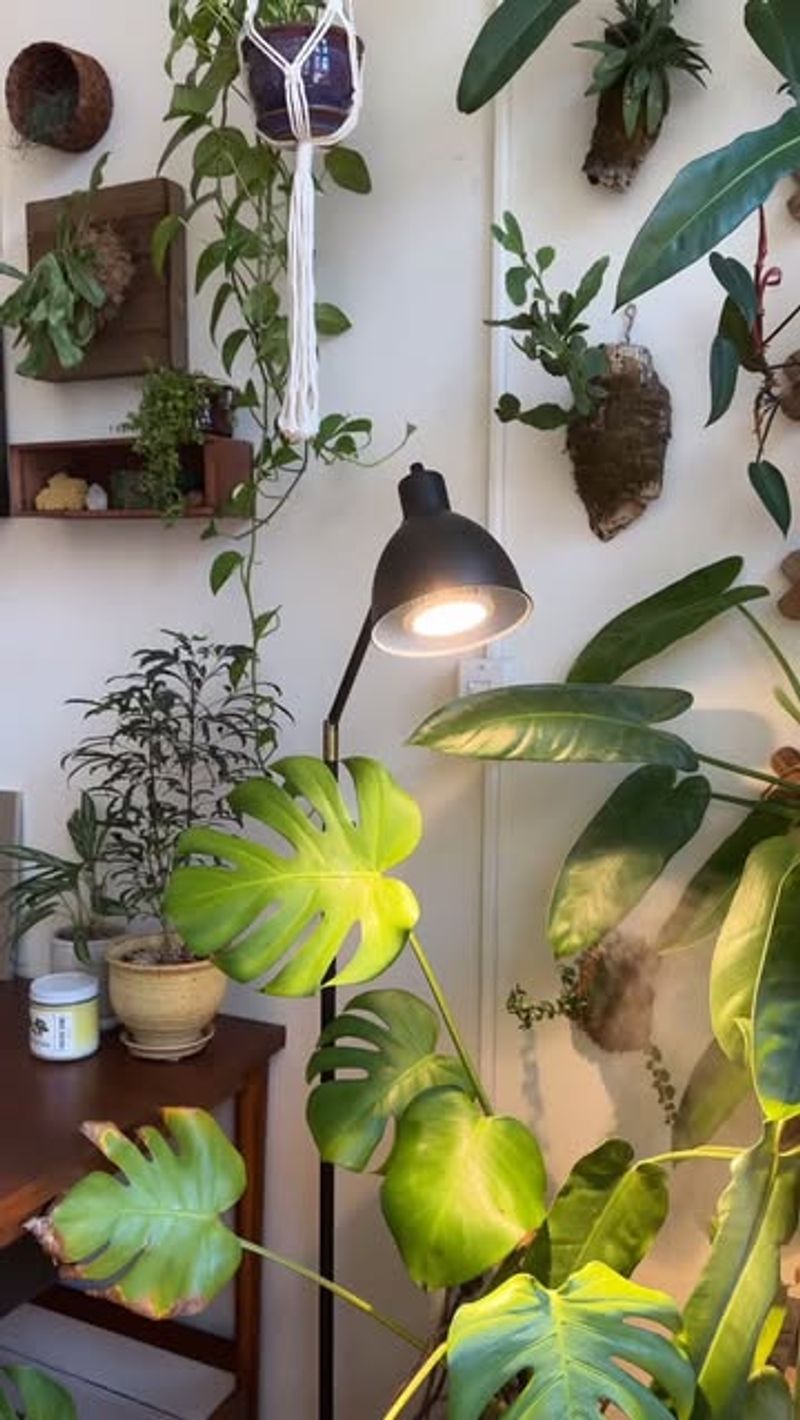
Moving large or established houseplants to new locations can be challenging, especially when you’ve found the perfect spot that provides ideal light conditions.
Heavy pots are difficult to relocate, and many plants are sensitive to sudden environmental changes that come with being moved to different rooms or windows.
Fortunately, rotation offers all the benefits of improved light distribution without requiring you to relocate your plants to entirely new positions.
Simply turning a plant in place—rotating it a quarter or half turn within its existing location—solves the uneven growth problem while maintaining the overall light exposure you’ve carefully selected.
This approach is particularly valuable for California gardeners with limited bright window space who can’t afford to move plants away from premium locations.
You’re optimizing the light your plant already receives rather than searching for better conditions elsewhere in your home.
This stay-in-place strategy also protects plants from the stress of adaptation that comes with relocation.
Plants acclimate to their specific environment, including subtle factors like temperature, humidity, and air circulation patterns that vary throughout a home.
By rotating rather than relocating, you maintain all these beneficial conditions while solving the directional light problem.
It’s the easiest possible solution that delivers maximum results with minimal effort—perfect for busy California gardeners who want healthy, beautiful plants without complicated care routines during winter.