11 Evergreen Shade Plants That Bring Light To Dark Spots In Pennsylvania Yards
Shady corners in Pennsylvania yards often feel flat and forgotten once other plants fade, yet the right evergreens can completely transform those dim spaces.
Tough, shade-loving varieties maintain rich color through every season, anchoring the landscape through snow, rain, and summer heat.
Their steady presence brightens the darkest pockets of a yard and creates structure that surrounding plants can build upon.
With thoughtful selection, even the most overlooked areas gain depth, texture, and year-round interest.
1. Japanese Pachysandra Transforms Bare Ground Into Lush Carpets
Ground covers solve problems that other plants simply cannot handle in deeply shaded areas.
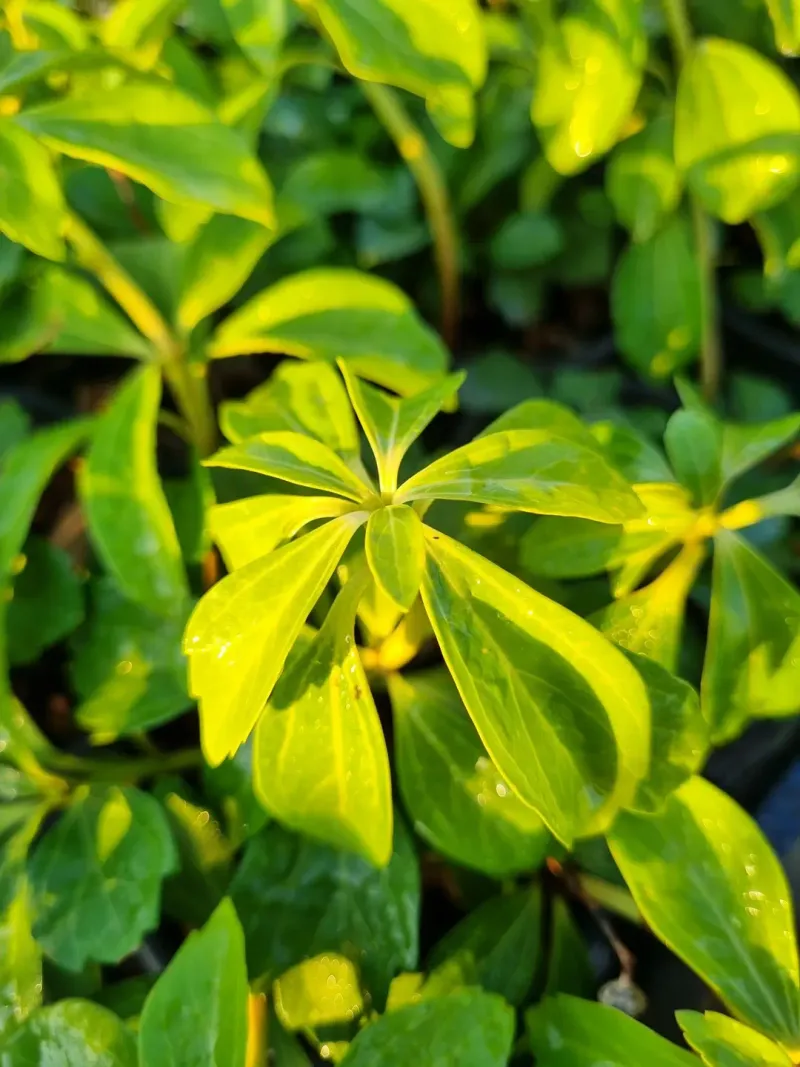
Japanese Pachysandra spreads quickly to create a thick, weed-suppressing mat that stays green all winter long.
This low-maintenance beauty grows only six to eight inches tall, making it ideal for planting under trees or along shaded walkways throughout Pennsylvania.
Its glossy leaves catch whatever light filters through, creating a bright appearance even in dim conditions.
Homeowners appreciate how this plant requires almost no care once established, tolerating dry shade better than most alternatives.
The small white flowers that appear in spring add a delicate touch without overwhelming the landscape.
Pachysandra works wonderfully around mature tree roots where grass struggles to survive.
In Pennsylvania gardens, this plant has proven itself reliable through harsh winters and humid summers alike.
Planting it in masses creates the most dramatic effect, turning problem areas into assets.
Dividing existing clumps every few years provides free plants to expand your coverage or share with neighbors.
This evergreen champion deserves consideration for any shaded space needing year-round greenery and texture.
2. Hellebore Blooms Brighten Winter Landscapes With Unexpected Color
Few plants dare to bloom when snow still lingers, but Hellebores laugh at winter’s chill.
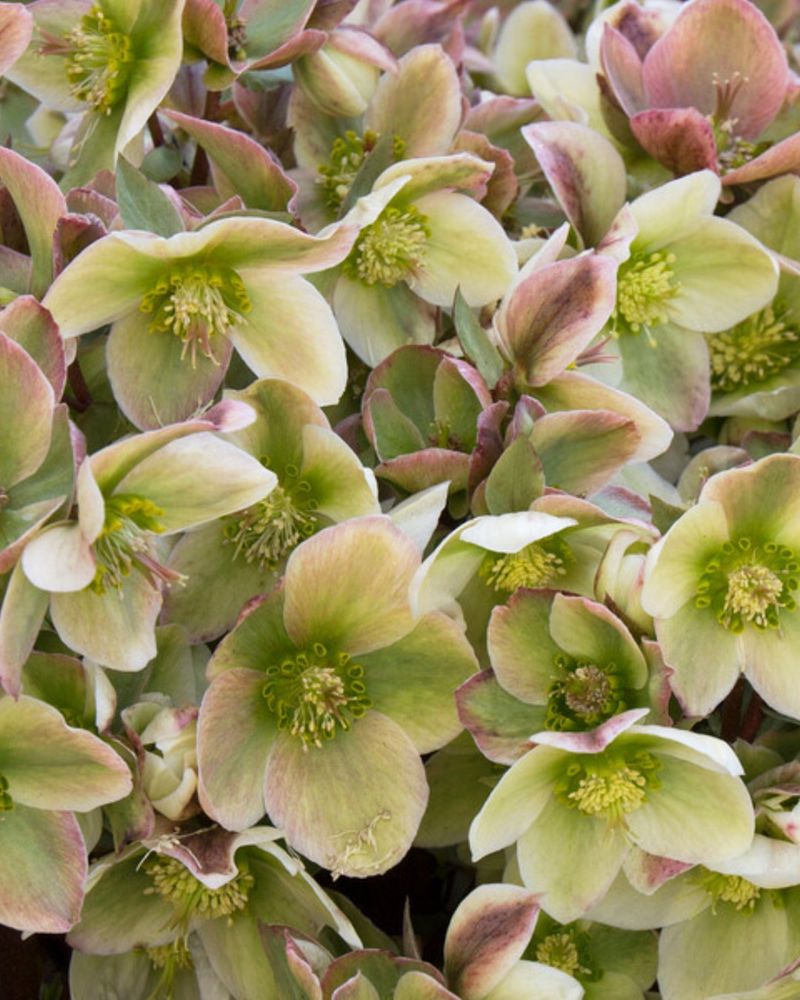
These remarkable evergreens produce stunning flowers from late winter through early spring, often pushing through frozen ground.
Their leathery leaves remain attractive throughout the year, providing structure and color when other plants have vanished.
Blooms range from pure white to deep purple, with many varieties featuring speckled or doubled petals that gardeners adore.
Pennsylvania shade gardens benefit tremendously from Hellebores because they thrive in the exact conditions most flowering plants reject.
Once established, these tough perennials ask for nothing except occasional removal of tattered old leaves.
Deer and rabbits avoid them completely, making them perfect for wooded properties where wildlife browsing poses constant challenges.
The flowers last for months rather than weeks, providing extended interest during the bleakest part of the year.
Combining different varieties creates a succession of blooms that can stretch from February through May.
Their deep green foliage contrasts beautifully with lighter ground covers or ferns planted nearby.
Gardeners who discover Hellebores often become collectors, seeking out rare colors and unique petal patterns.
3. Boxwood Hedges Provide Year-Round Structure And Formal Beauty
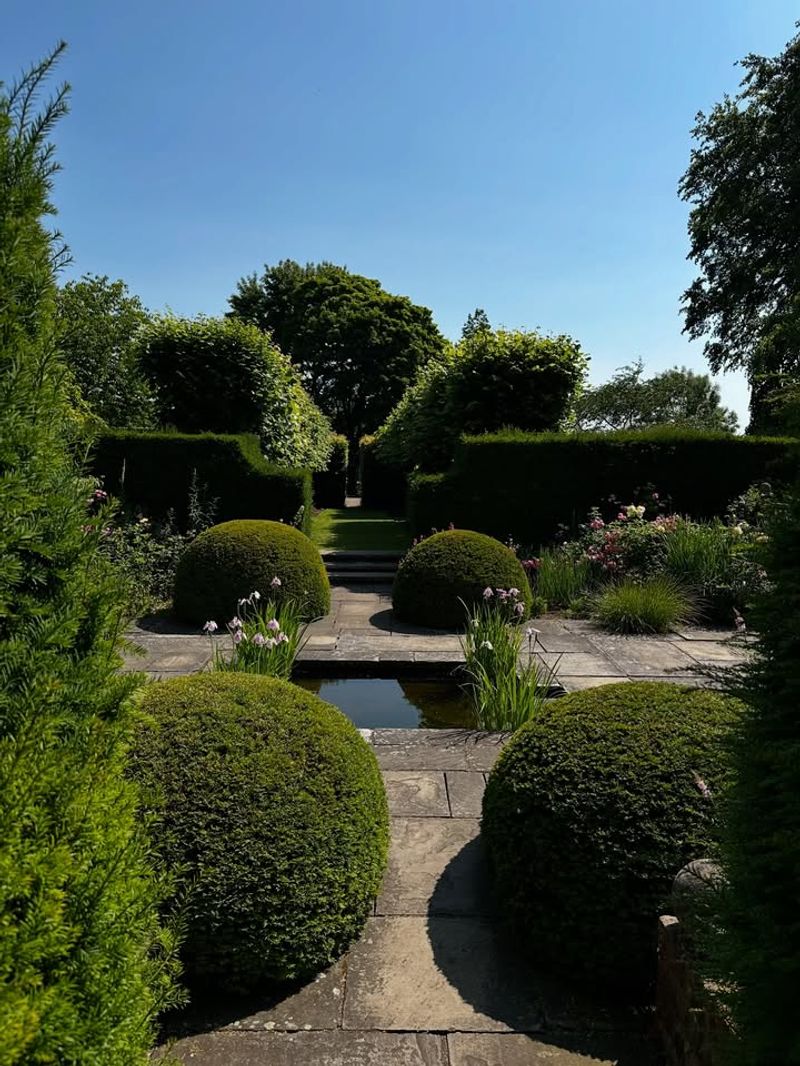
Structure matters in garden design, and boxwoods deliver it with timeless elegance.
These versatile evergreens adapt to shaping, creating formal hedges or whimsical topiaries that anchor landscape designs.
Their small, dense leaves stay vibrant green through Pennsylvania winters, providing visual interest when deciduous plants stand bare.
Your Pennsylvania Garden Changes Every Week. Your Plan Should Too.
Gardening in Pennsylvania changes quickly throughout the season. Every Friday you’ll receive a simple weekly plan showing exactly what to plant, prune, fertilize, harvest, and protect so you never miss the right timing.
Shade tolerance makes boxwoods exceptional for defining garden rooms beneath tree canopies or along north-facing walls.
Growth rates vary by cultivar, allowing gardeners to choose between fast-growing screens and compact border plants.
Many Pennsylvania homeowners use boxwoods to edge flower beds, creating crisp lines that remain attractive every season.
These shrubs tolerate pruning remarkably well, bouncing back from severe shaping without suffering lasting damage.
Winter protection from harsh winds helps prevent bronzing, a common issue in exposed locations.
Boxwoods planted in groups create mass and substance that single specimens cannot achieve alone.
Their fine texture contrasts beautifully with bold-leaved plants like hostas or large ferns.
Selecting disease-resistant varieties ensures longevity and reduces maintenance headaches down the road.
For gardeners seeking classic style with modern practicality, boxwoods remain an unbeatable choice.
4. Leucothoe Adds Graceful Arching Branches To Shaded Borders
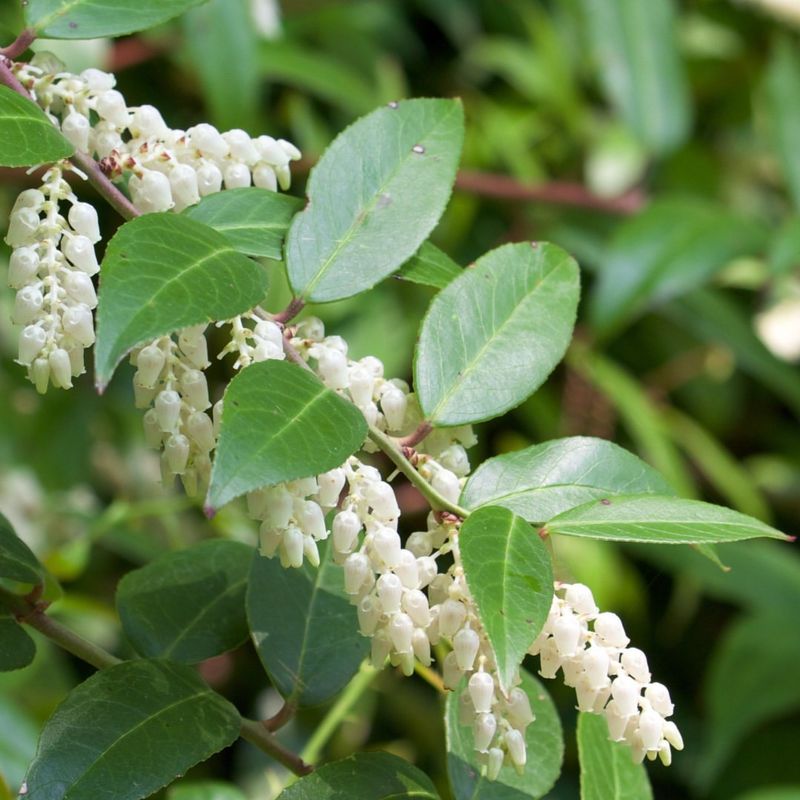
Arching branches create movement and grace that stiff, upright plants simply cannot match.
Leucothoe delivers this elegant form while maintaining evergreen foliage that looks fresh throughout the year.
Its glossy leaves emerge bronze-red in spring, mature to deep green, then develop burgundy tones as cold weather arrives.
This color-changing quality adds seasonal interest without requiring direct sunlight or complicated care.
Pennsylvania gardeners value Leucothoe for its ability to thrive in acidic soil beneath pine trees and other challenging locations.
The cascading habit makes it perfect for planting on slopes or beside retaining walls where branches can spill over edges.
Small white flowers dangle beneath the foliage in late spring, attracting pollinators to shaded areas often overlooked by bees.
Mature plants reach three to four feet tall and wide, filling space without overwhelming smaller gardens.
Pruning after flowering maintains shape and encourages fresh growth with the most vibrant color.
Combining Leucothoe with upright evergreens creates pleasing contrast in texture and form.
This underutilized shrub deserves wider recognition for its beauty and adaptability in Pennsylvania landscapes.
Once you see it in person, you will understand why landscape designers treasure this graceful performer.
5. Mountain Laurel Showcases Pennsylvania’s Native Flowering Evergreen Heritage
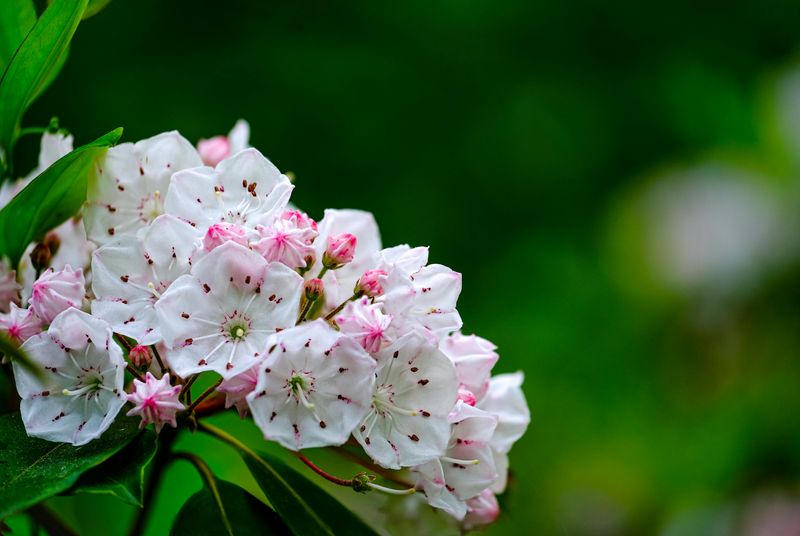
Pennsylvania’s state flower happens to be an exceptional evergreen shrub perfectly suited for shaded yards.
Mountain Laurel produces spectacular clusters of pink, white, or bi-colored blooms in late spring that look almost artificial in their geometric perfection.
The glossy leaves remain attractive year-round, providing structure and color when flowering finishes.
Native plants like this one support local ecosystems while requiring less maintenance than exotic alternatives.
Acidic soil conditions suit Mountain Laurel perfectly, making it ideal for planting beneath oak trees or alongside rhododendrons.
Mature specimens can reach eight feet tall, creating substantial screening even in partial shade.
Growth occurs slowly, so patience rewards gardeners with long-lived plants that become landscape anchors.
The twisted branches develop character with age, adding winter interest after flowers fade.
Pennsylvania wildlife benefits from Mountain Laurel, as its dense foliage provides shelter for birds and small mammals.
Combining different varieties extends the bloom period and creates a tapestry of color in woodland gardens.
Removing spent flower clusters directs energy toward next year’s display rather than seed production.
Celebrating native plants connects your garden to Pennsylvania’s natural heritage while creating stunning visual impact.
6. Japanese Pieris Offers Colorful New Growth And Cascading Flower Clusters
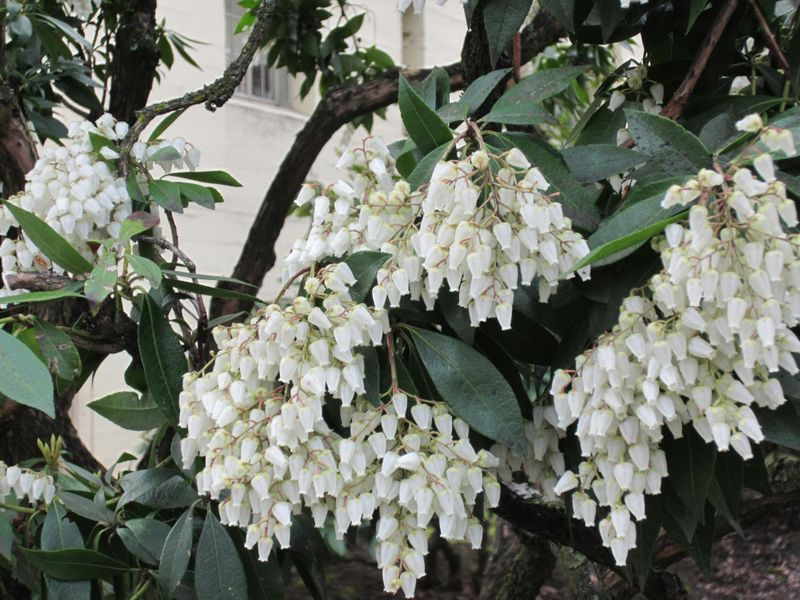
New growth that rivals flowers in brilliance makes Japanese Pieris a standout in spring shade gardens.
Emerging leaves unfurl in shades of scarlet, bronze, or cream depending on the cultivar you choose.
This vibrant display coincides with drooping clusters of white or pink bell-shaped flowers that resemble lily-of-the-valley.
The evergreen foliage transitions to glossy green as summer progresses, maintaining attractive appearance through all seasons.
Pennsylvania gardeners appreciate how Pieris tolerates the acidic soil common beneath mature trees and near foundations.
Compact varieties fit perfectly in smaller yards, while larger cultivars create substantial presence in woodland settings.
Protection from harsh winter winds prevents foliage damage and ensures the best spring color display.
Deer typically avoid Pieris, making it valuable for properties where browsing pressure limits plant choices.
The layered branching pattern creates architectural interest even when flowers and colorful growth are absent.
Pairing Pieris with spring bulbs creates a dynamic combination that announces winter’s end with enthusiasm.
Consistent moisture during establishment helps plants develop strong root systems that support vigorous growth.
This shrub transforms ordinary shaded corners into focal points that capture attention from early spring through winter.
7. Christmas Fern Brings Native Elegance To Pennsylvania Woodland Gardens
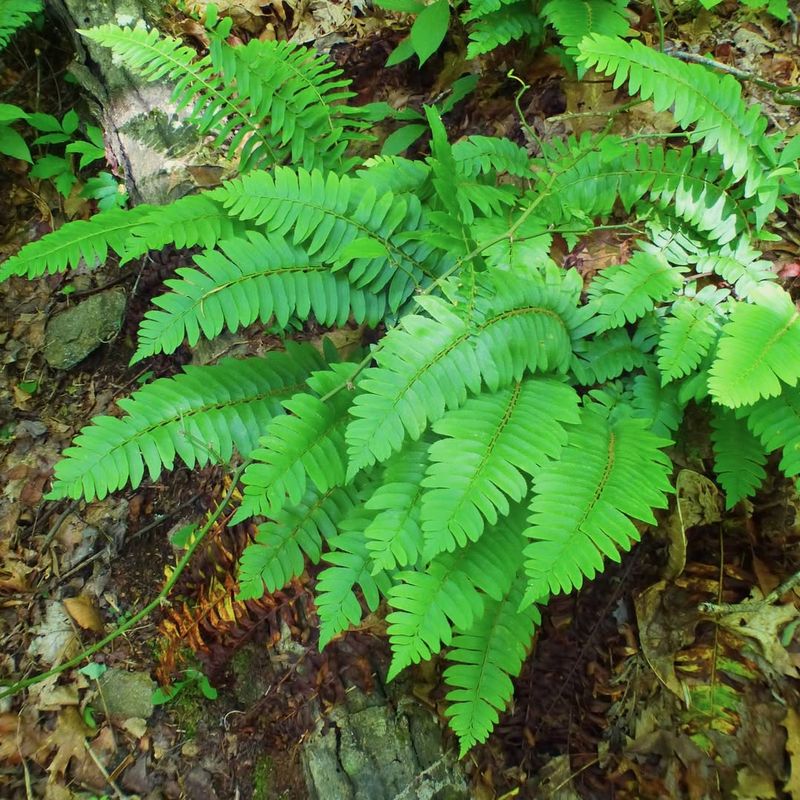
Ferns evoke woodland tranquility, and Christmas Fern delivers that atmosphere while staying green through winter.
Colonial settlers used these fronds for holiday decorations, giving the plant its festive common name.
The dark green fronds emerge in spring, unfurling into graceful arches that reach two feet tall by summer.
Unlike many ferns, this species keeps its foliage attractive through snow and ice, providing rare winter greenery.
Pennsylvania’s native woodlands feature Christmas Fern extensively, proving its perfect adaptation to local conditions.
Planting it in masses creates a lush, naturalistic groundcover that suppresses weeds while looking completely effortless.
The leathery texture of the fronds differs from delicate fern relatives, offering unique contrast in mixed plantings.
Dry shade challenges most ferns, but Christmas Fern tolerates these tough conditions once its roots establish.
Combining it with spring ephemerals creates layers of interest as wildflowers emerge through the fern foliage.
Wildlife appreciates the shelter Christmas Fern provides, particularly during harsh weather when cover becomes scarce.
Spores develop on the undersides of fertile fronds, creating interesting patterns that children love to examine.
Incorporating native plants like this strengthens your garden’s ecological value while reducing maintenance demands significantly.
8. Rhododendron Delivers Bold Flowers And Substantial Evergreen Presence
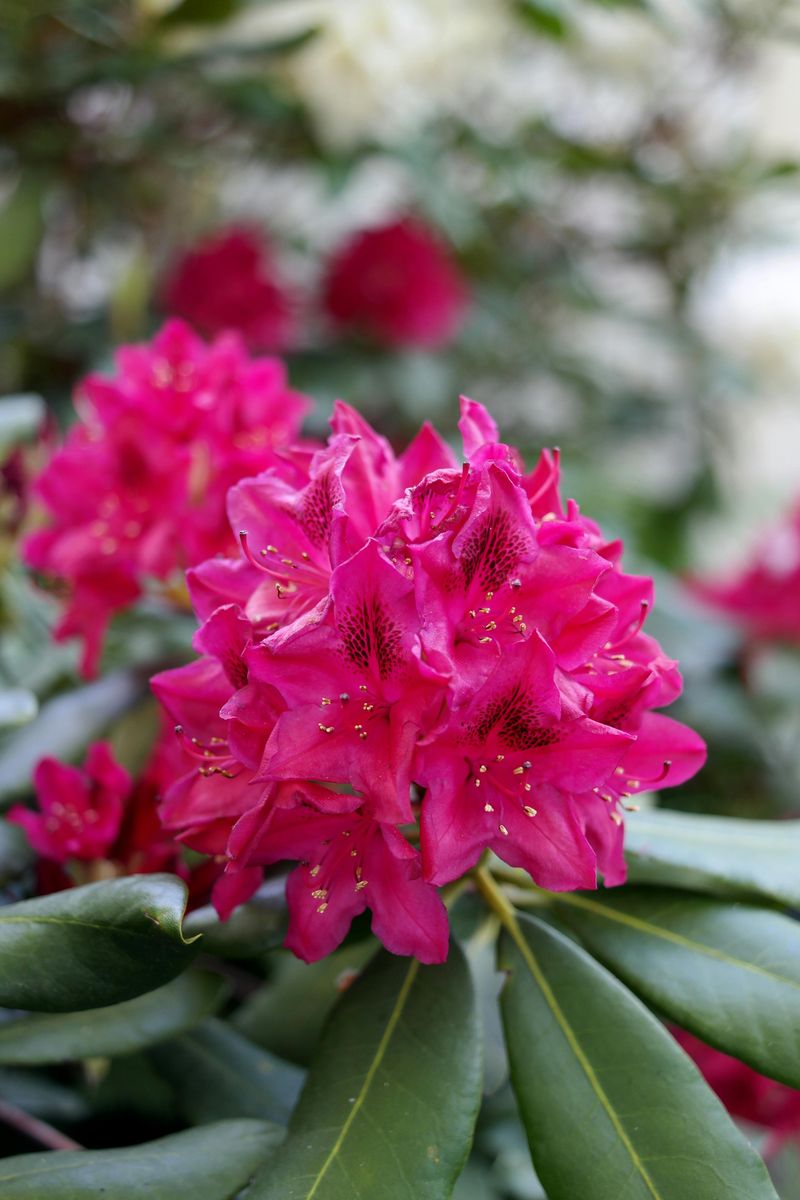
Bold impact comes naturally to rhododendrons, which combine massive flower trusses with substantial evergreen foliage.
These shrubs create instant presence in shaded areas, filling space with both visual weight and color.
Blooms appear in late spring, ranging from pure white through pink, purple, and even yellow depending on variety.
The large, leathery leaves remain attractive year-round, though they curl during extreme cold as a protective mechanism.
Acidic soil requirements match perfectly with Pennsylvania’s woodland conditions, especially beneath oak and pine trees.
Mature specimens can reach six to eight feet tall, creating natural privacy screens that never lose their leaves.
Shallow root systems mean rhododendrons appreciate mulch layers that conserve moisture and moderate soil temperature.
Pennsylvania’s humidity supports rhododendron health, though proper air circulation prevents disease problems.
Removing spent flower clusters immediately after blooming encourages better displays the following year.
Companion planting with smaller evergreens creates layered interest that looks professionally designed.
Winter protection from drying winds helps prevent foliage damage that can mar appearance until new growth emerges.
Selecting cold-hardy varieties ensures success even during Pennsylvania’s harshest winters, when temperatures plummet unexpectedly.
9. Inkberry Holly Provides Fine-Textured Evergreen Screening For Wet Shade
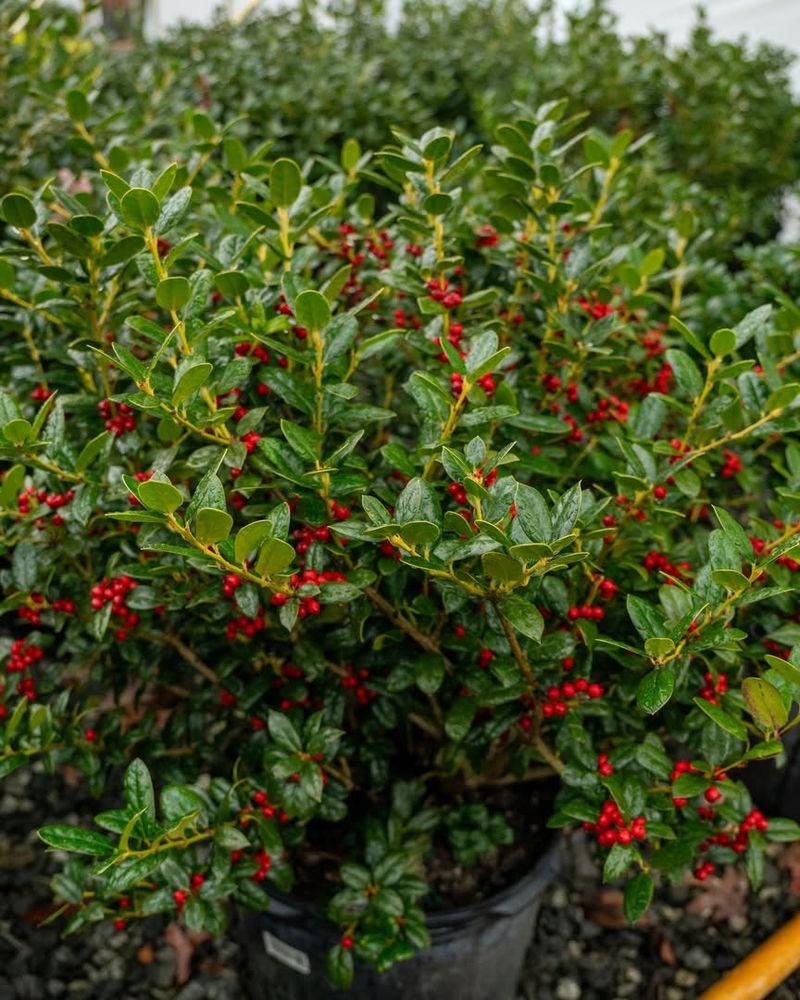
Wet, shaded spots challenge most plants, but Inkberry Holly thrives where others struggle.
This native evergreen develops into a rounded shrub with fine-textured foliage that stays attractive through every season.
Small black berries appear on female plants in fall, providing food for birds throughout winter months.
The compact growth habit makes Inkberry perfect for foundation plantings or low hedges in Pennsylvania yards.
Unlike traditional hollies with spiny leaves, this species features smooth edges that are safe around walkways and play areas.
Tolerating salt spray and urban pollution makes it valuable for challenging locations near streets or driveways.
Natural form requires minimal pruning, though shearing creates formal shapes if desired for specific design purposes.
Pennsylvania gardeners value how Inkberry adapts to various soil types, from sandy to clay, as long as moisture remains adequate.
The dark green foliage creates excellent backdrop for brighter plants like variegated hostas or flowering perennials.
Planting in groups of three or more creates mass that makes stronger visual impact than single specimens.
This underappreciated native deserves wider use in landscapes seeking low-maintenance evergreen solutions for problem areas.
Once established, Inkberry asks for nothing except occasional removal of wayward branches to maintain desired shape.
10. Yew Shrubs Offer Versatile Evergreen Solutions For Deep Shade
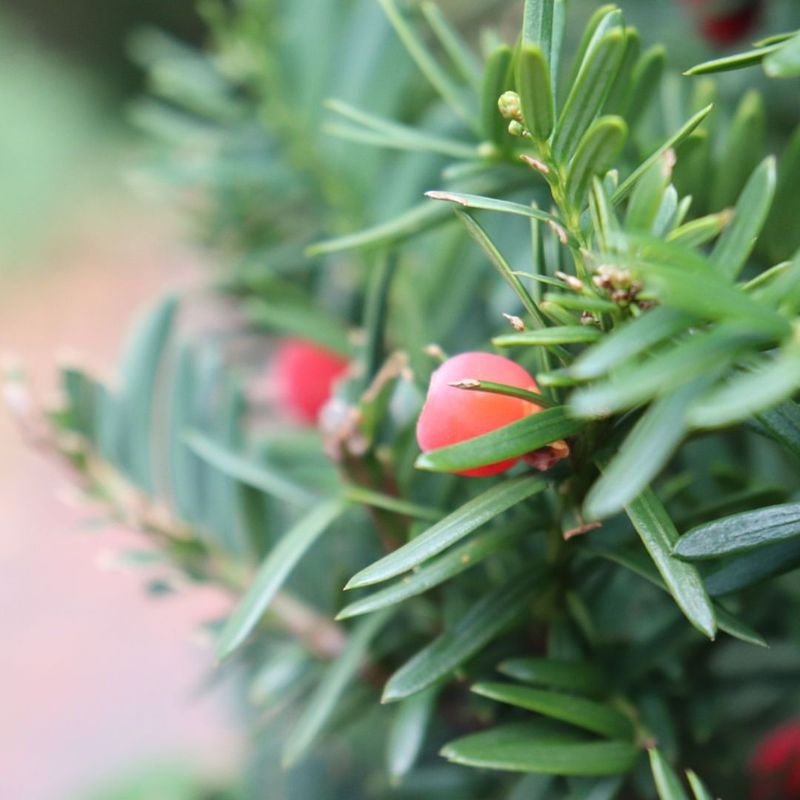
Deep shade defeats most evergreens, but yews accept these challenging conditions with remarkable grace.
The dark green needles create dense texture that looks formal and refined throughout the year.
Spreading or upright forms offer design flexibility, accommodating everything from ground covers to tall hedges.
Pennsylvania landscapes benefit from yew’s tolerance of heavy pruning, which allows creative shaping and size control.
Red berries appear on female plants in fall, adding unexpected color to shaded areas often lacking bright hues.
These shrubs tolerate the dry shade beneath mature trees better than almost any other broadleaf or needled evergreen.
Slow growth means less maintenance over time, though young plants may need patience to reach desired size.
Combining different yew varieties creates textural interest through variations in needle color and growth habit.
Urban conditions rarely bother yews, making them excellent choices for city gardens with limited sunlight.
Winter color remains consistently dark green, providing reliable backdrop when deciduous plants stand bare.
Deer browse yews heavily in some areas, so protection may be necessary in locations with high wildlife pressure.
For gardeners seeking traditional elegance with modern adaptability, yews deliver proven performance in Pennsylvania’s toughest shade.
11. Foamflower Creates Delicate Groundcover With Charming Spring Blooms
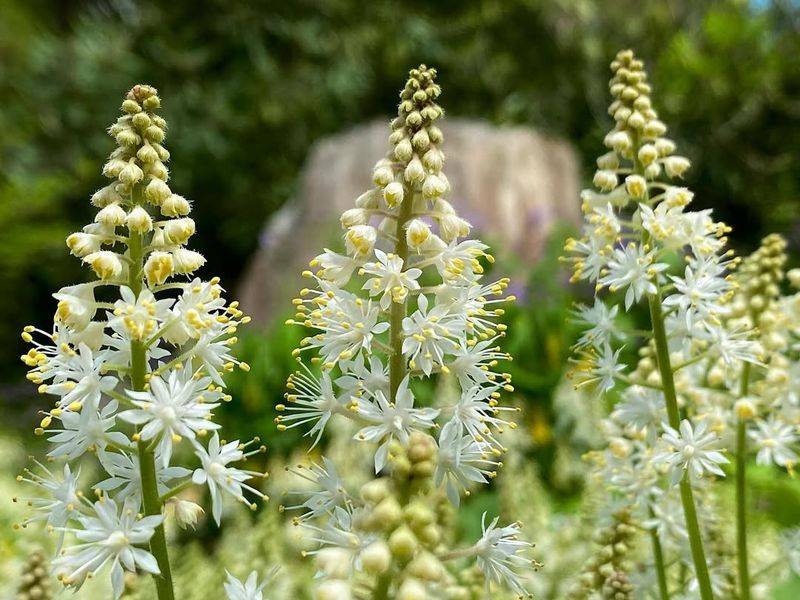
Delicate beauty and tough constitution rarely combine, but Foamflower manages both with effortless charm.
This native ground cover produces clouds of white or pink flowers on wiry stems that rise above the foliage in spring.
The semi-evergreen leaves develop burgundy markings in fall, creating interest that persists through mild Pennsylvania winters.
Spreading slowly by runners, Foamflower eventually forms colonies that suppress weeds while looking completely natural.
Woodland gardens benefit tremendously from this plant’s ability to thrive in dry shade once established.
The fuzzy flower spikes attract early-season pollinators, supporting beneficial insects when food sources remain scarce.
Mounding varieties stay more compact than spreading types, offering options for different landscape situations and space constraints.
Pairing Foamflower with spring bulbs creates layered displays that maximize visual impact in shaded areas.
Pennsylvania gardeners appreciate how little care this native requires, asking only for occasional division to maintain vigor.
The maple-shaped leaves add textural interest even when flowers are absent during summer and fall months.
Planting beneath deciduous trees works perfectly, as Foamflower tolerates the transition from spring sun to summer shade.
Discovering this native gem often leads gardeners to explore other indigenous plants that offer similar beauty and resilience.