12 Yard Features That Michigan Neighborhoods Are Moving Closer To Banning Soon
As Michigan communities grow and neighborhoods continue refining their identity, more local leaders and HOAs are rethinking what belongs in a front or backyard.
What used to be considered harmless—like overgrown lawns or storing old equipment outdoors—is now drawing attention as cities tighten aesthetic and safety standards.
Residents are also seeing more rules shaped by environmental concerns, drainage needs, and efforts to maintain property values.
And while not every change becomes a statewide rule, many of these restrictions start small: one city tests a new ordinance, another follows, and soon it becomes a trend across counties.
For homeowners, understanding which yard features may fall under new scrutiny can prevent unexpected citations or costly corrections later on.
Whether you’re planning a landscape update or simply keeping your yard in good standing, knowing what might land on future ban lists helps you stay ahead of shifting community expectations while maintaining a clean, safe, and neighbor-friendly property.
1. Overgrown Grass And Weeds Above Local Height Limits
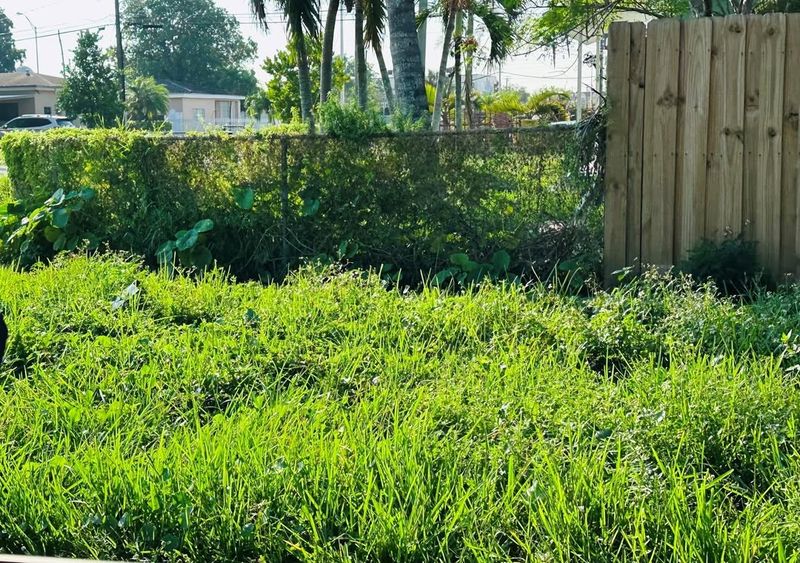
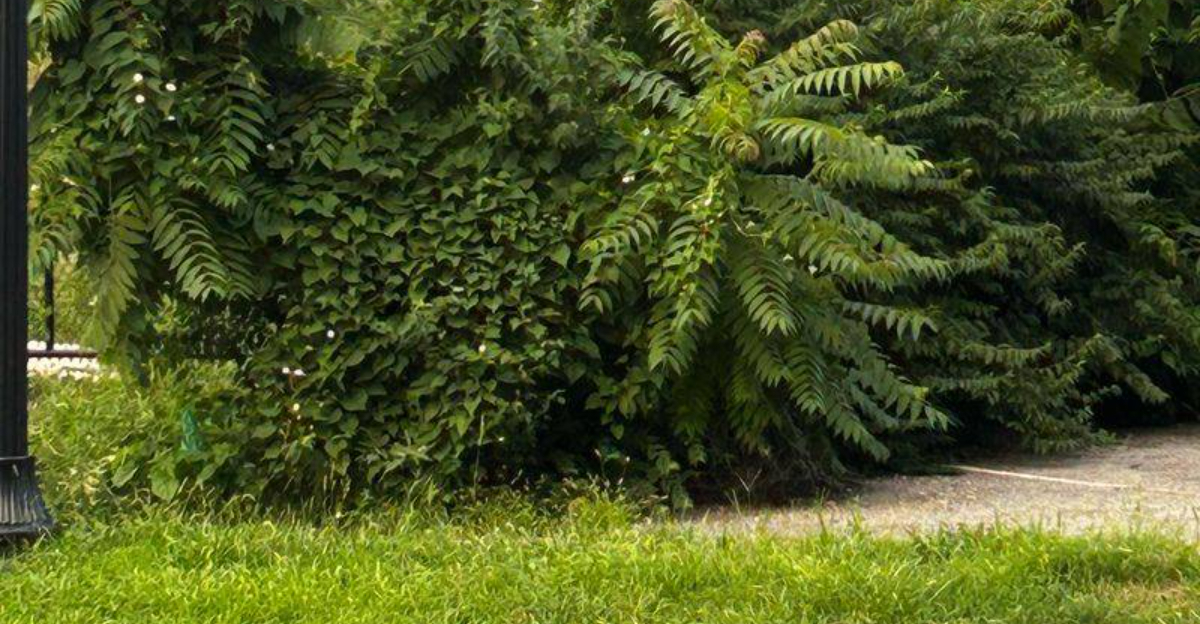
Lawn enforcement officers in Michigan aren’t messing around anymore when it comes to grass height.
Most cities across the state maintain strict ordinances requiring homeowners to keep grass and weeds below six to eight inches, and violations can result in hefty fines or even city-contracted mowing at the owner’s expense.
What started as occasional enforcement has become a priority for code compliance departments statewide.
Neighbors are increasingly reporting overgrown properties, viewing them as eyesores that drag down surrounding home values and invite pests like rodents and ticks.
Communities are also concerned about fire hazards during dry summer months when tall, dried vegetation can ignite easily.
Some cities have begun using drone technology to spot violations from above, making it harder for homeowners to fly under the radar.
If you’re planning a vacation or dealing with health issues that make yard maintenance difficult, consider hiring a lawn service or asking a trusted neighbor for help.
Keeping your grass trimmed isn’t just about following rules—it’s about being a considerate member of your community and protecting your property investment.
Regular mowing also promotes healthier turf and discourages weed growth naturally.
2. Junk, Debris, Or Tire Storage In Yards
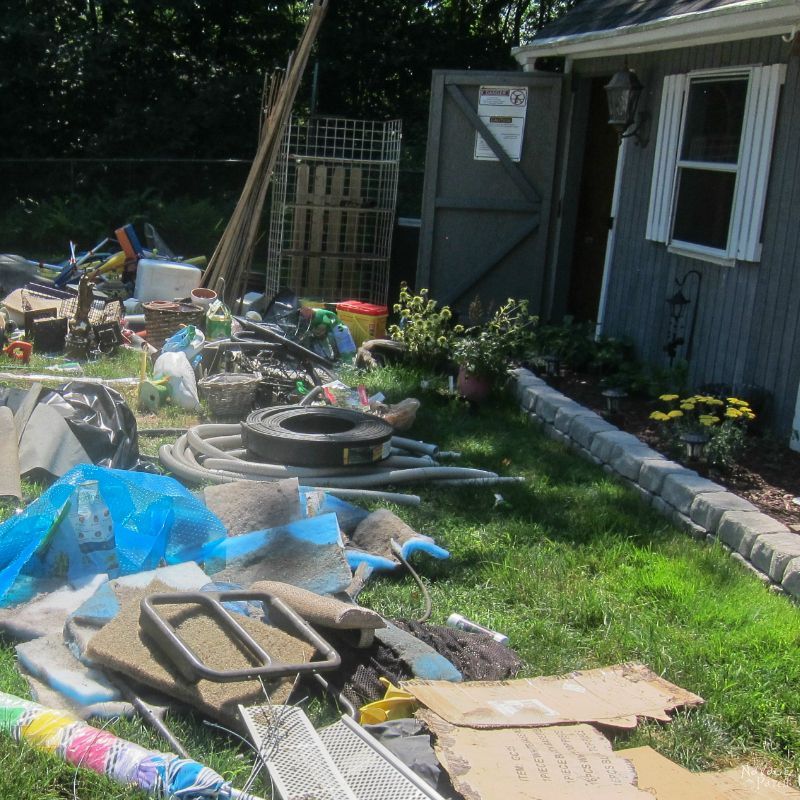
Nothing screams “neighborhood eyesore” quite like a yard filled with old tires, broken appliances, or random piles of junk.
Michigan municipalities have long had blight ordinances on the books, but enforcement is ramping up as communities work to improve curb appeal and property values.
Cities are hiring dedicated code enforcement officers and encouraging residents to report violations through easy-to-use online portals and mobile apps.
What you might consider temporary storage—a stack of tires waiting for disposal or construction materials for a future project—can quickly become a code violation if left visible for too long.
Many ordinances specify that yards must be kept free of junk, refuse, and debris, with violators facing escalating fines and potential liens on their property.
Beyond the legal issues, accumulated junk attracts unwanted wildlife, creates breeding grounds for mosquitoes, and sends a signal that a neighborhood is declining.
Your Michigan Garden Changes Every Week. Your Plan Should Too.
Gardening in Michigan changes quickly throughout the season. Every Friday you’ll receive a simple weekly plan showing exactly what to plant, prune, fertilize, harvest, and protect so you never miss the right timing.
If you need to store materials temporarily, consider renting a storage unit or using your garage.
For items you no longer need, take advantage of local recycling programs, bulk trash pickup days, or donation centers.
A clean yard benefits everyone and helps maintain the character of Michigan neighborhoods.
3. Unpermitted Or Noncompliant Fences
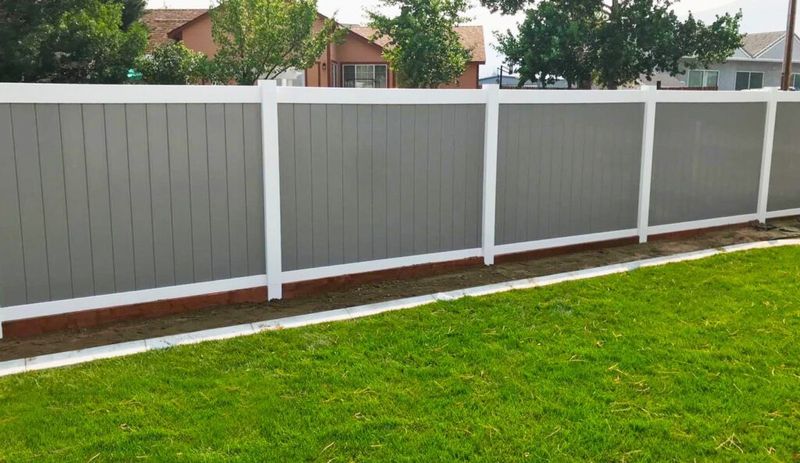
Fences can enhance privacy and security, but they’re also subject to increasingly strict regulations across Michigan.
Many homeowners are surprised to learn that their dream fence requires a permit and must meet specific height, placement, and material requirements.
Front yard fences are particularly scrutinized, with most communities limiting them to three or four feet in height to maintain open sightlines and neighborhood character.
Side and rear yard fences typically have more flexibility, but even these must be set back a certain distance from property lines and roadways.
Materials matter too—some HOAs and municipalities ban chain-link fencing in front yards or require that the finished side face outward toward neighbors and streets.
Corner lots face even tighter restrictions because fences can obstruct driver visibility at intersections, creating safety hazards.
Before installing any fence, check with your local building department and review your HOA covenants if applicable.
Unpermitted fences can result in removal orders, fines, and complications when selling your home.
Taking the time to follow proper procedures ensures your fence will stand the test of time—and scrutiny from code enforcement.
Good fences make good neighbors, but only when they’re built right.
4. Recreational Vehicles, Campers, And Trailers Parked In Yards Or Driveways For Extended Time
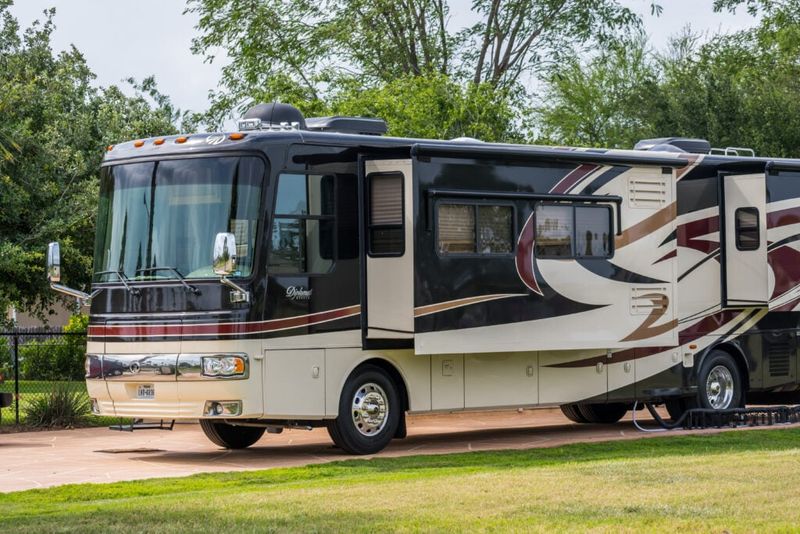
That shiny new RV might be your ticket to weekend adventures, but it could also become a source of neighborhood tension.
Across Michigan, municipalities are cracking down on visible RV, camper, and trailer storage, especially when vehicles remain parked in driveways or yards for extended periods.
Many ordinances limit street and driveway parking of recreational vehicles to 24 or 48 hours for loading and unloading purposes only.
Some communities ban front-yard RV parking entirely, requiring vehicles to be stored in backyards behind privacy fences or at off-site storage facilities.
The reasoning behind these rules is straightforward: large vehicles can obstruct sightlines, dominate the streetscape, and make neighborhoods feel cluttered or commercialized.
HOAs are particularly strict about RV storage, with some imposing fines that escalate daily until the vehicle is removed.
If you own an RV, research storage options before purchase—monthly storage fees are a reality for many Michigan RV owners.
Some homeowners have built or expanded garages specifically to accommodate their recreational vehicles, which keeps them out of sight and protected from the elements.
Always check local ordinances and HOA rules before parking that camper in your driveway for the season.
5. Front Yard Vegetable Gardens In HOA-Controlled Neighborhoods

Growing your own vegetables is rewarding, sustainable, and increasingly popular among Michigan homeowners.
However, if you live in an HOA-controlled neighborhood, your dream of front-yard tomatoes might clash with community covenants.
Many HOAs are tightening restrictions on edible gardens in front yards, viewing them as inconsistent with the manicured, ornamental landscaping they aim to maintain.
While Michigan state law doesn’t ban front yard gardens, HOAs operate under private contracts that homeowners agree to when purchasing property.
Some associations prohibit vegetable gardens in front yards entirely, while others require them to be designed with aesthetic appeal in mind—think raised beds with neat borders rather than sprawling rows of crops.
The conflict often centers on differing values: some homeowners prioritize food security and environmental stewardship, while others worry about property values and neighborhood uniformity.
If you’re passionate about growing vegetables, consider installing them in your backyard or exploring container gardening options on patios and decks.
Before planting, review your HOA documents carefully and consider proposing a compromise, such as incorporating edible plants into ornamental beds.
Community gardens are another excellent alternative, offering shared space for gardening enthusiasts.
6. Excessive Outdoor Lighting That Spills Into Neighboring Homes
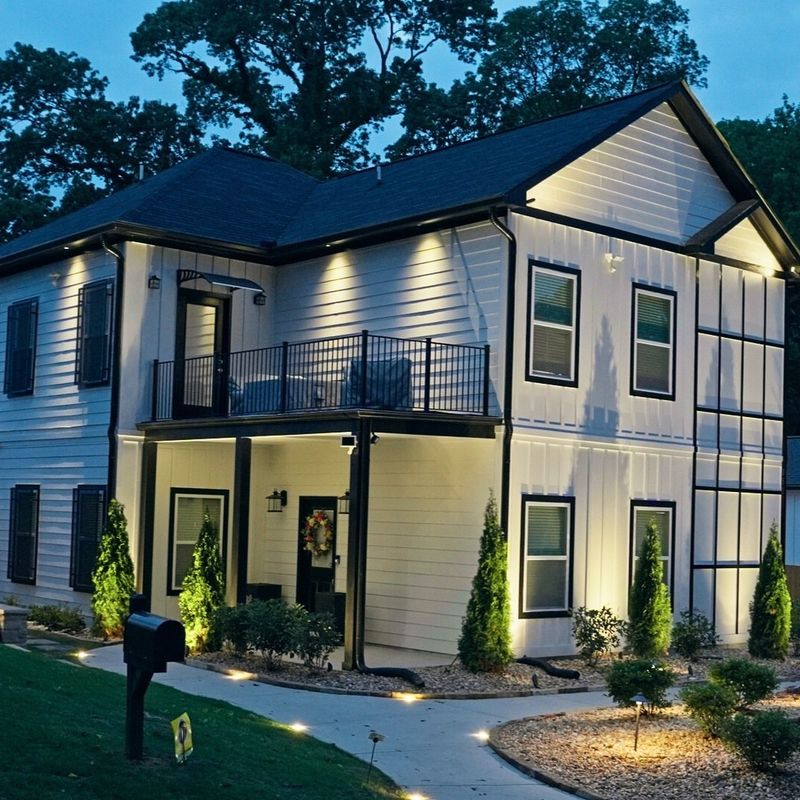
Security lighting helps homeowners feel safe, but when those lights blaze into neighboring windows all night, they become a nuisance.
Michigan cities like Ann Arbor and East Lansing have adopted light trespass ordinances, and more communities are following suit as residents complain about disrupted sleep and diminished quality of life.
Light pollution isn’t just annoying—it affects wildlife, wastes energy, and can even impact human health by interfering with natural sleep cycles.
Modern motion-sensor lights and shielded fixtures offer effective security without bathing entire neighborhoods in harsh glare.
Municipalities are increasingly requiring that outdoor lighting be directed downward and contained within property boundaries.
Some ordinances specify maximum brightness levels measured in lumens or require lights to be turned off during certain hours.
If your neighbor’s floodlights are keeping you awake, you may have legal recourse under local nuisance laws.
For homeowners installing new lighting, choose fixtures with hoods or shields that focus light where it’s needed without spilling onto adjacent properties.
Timer switches and smart lighting systems allow you to balance security needs with neighborly consideration.
Good lighting design enhances safety while respecting the peaceful enjoyment of surrounding homes.
7. Large Decorative Objects, Yard Art, Or Structures That Obstruct Sight Lines
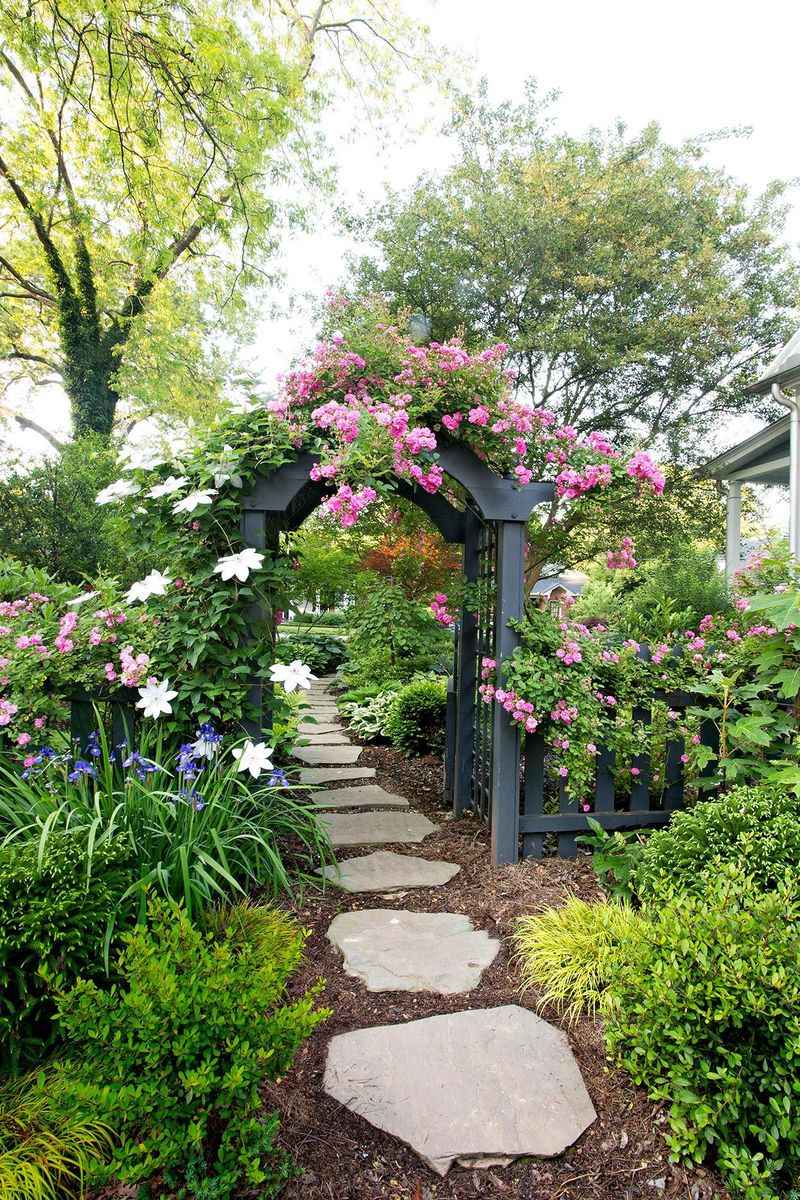
Yard art adds personality and charm to any property, but when decorations obstruct visibility, they become safety hazards.
Michigan municipalities are increasingly regulating large decorative objects, especially those near intersections, driveways, and sidewalks where clear sightlines are essential.
Corner properties face the strictest scrutiny because decorations can block drivers’ views of oncoming traffic, pedestrians, or cyclists.
What seems like a harmless garden gnome collection or artistic metal sculpture might violate local ordinances if it creates a visibility triangle issue.
Many cities define specific setback requirements for decorative objects based on their height and proximity to roadways.
Code enforcement officers assess whether yard art could contribute to accidents or near-misses, and they have authority to require removal or relocation.
Some homeowners have received violation notices for seasonal decorations that remained up too long or grew too large.
If you love expressing yourself through yard art, keep pieces away from street corners and ensure they don’t exceed height limits near roadways.
Placing decorations in side or backyards gives you more creative freedom while avoiding potential conflicts.
Remember that what’s visible from the street is subject to community standards, so balance personal expression with safety and neighborhood harmony.
8. Sidewalk Or Driveway Conditions Considered Trip Hazards
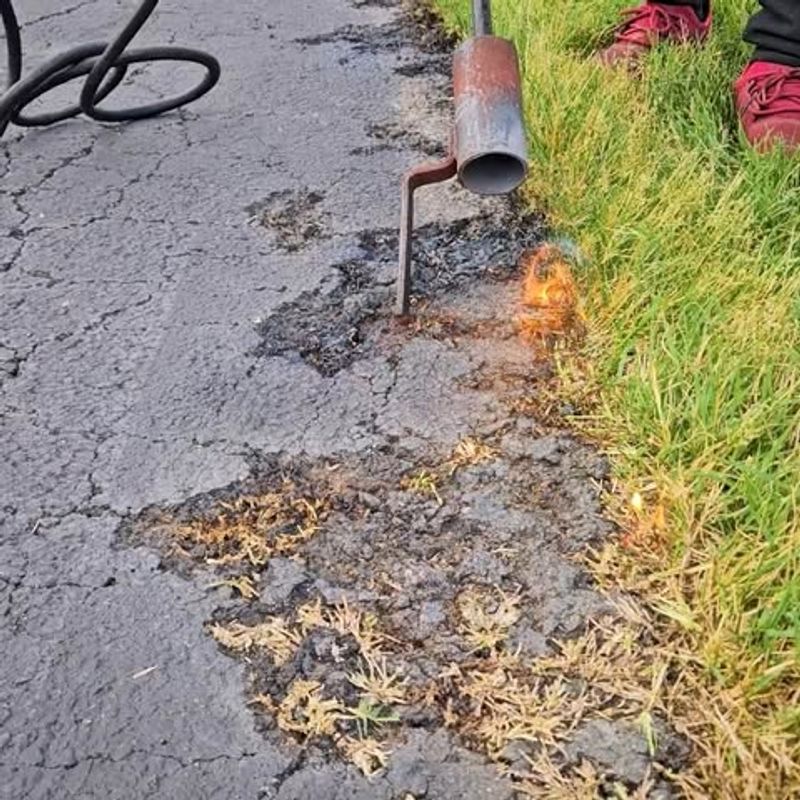
Cracked, heaving, or crumbling sidewalks and driveways aren’t just unsightly—they’re liability nightmares waiting to happen.
Michigan municipalities are shifting toward stricter enforcement of sidewalk and driveway maintenance requirements, with some cities conducting regular inspections and issuing repair orders.
Property owners are typically responsible for maintaining sidewalks adjacent to their homes, even though the sidewalk may technically be in the public right-of-way.
Trip hazards can result in serious injuries, and injured parties may sue property owners for negligence if they fail to maintain safe walking surfaces.
Winter freeze-thaw cycles are particularly brutal on Michigan concrete, causing slabs to shift, crack, and create uneven surfaces.
Tree roots pushing up sidewalk sections are another common culprit, requiring both tree management and concrete repair.
Some municipalities offer cost-sharing programs to help homeowners afford sidewalk repairs, recognizing the financial burden involved.
Ignoring repair notices can result in the city completing the work and placing a lien on your property for the costs.
Regular inspection and prompt repair of minor cracks can prevent more expensive problems down the road.
Consider hiring a licensed contractor to assess your sidewalks and driveways annually, especially before harsh winter weather arrives.
9. Invasive Or Hazardous Trees Near Property Lines Or Road Easements
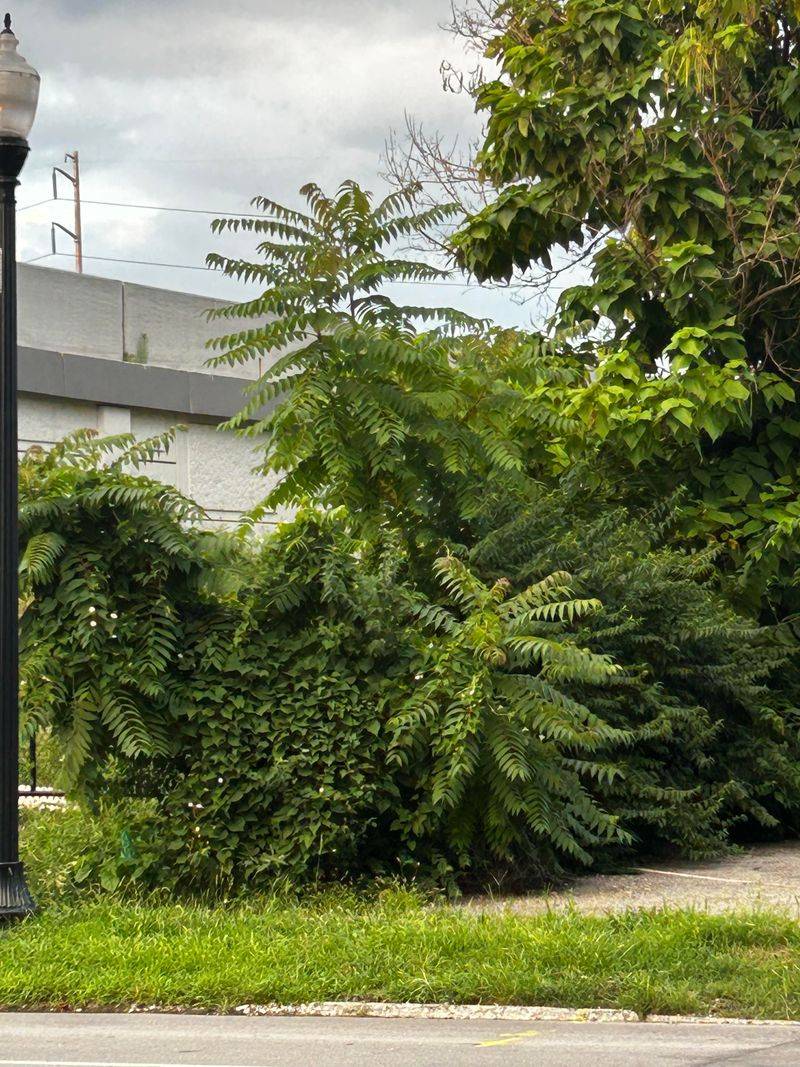
Trees add beauty and value to Michigan properties, but certain species and locations can create serious problems for homeowners and municipalities alike.
Communities are tightening regulations around invasive species like Norway maple, autumn olive, and tree of heaven, which outcompete native plants and disrupt local ecosystems.
Hazardous trees—those with structural issues, aggressive root systems, or overhanging branches that threaten power lines and roadways—are also under increased scrutiny.
Property owners may be required to remove or trim trees that drop excessive debris, block traffic visibility, or damage public sidewalks and utilities.
Some municipalities maintain lists of prohibited tree species and require permits before planting trees near property lines or road easements.
Ash trees affected by emerald ash borer infestations have become particular concerns, with many cities mandating removal to prevent spread.
Root systems that buckle sidewalks or invade sewer lines can result in expensive repairs and liability issues.
Before planting new trees, research appropriate species for your location and ensure adequate clearance from utilities, structures, and property boundaries.
Regular professional inspections can identify potential hazards before they become emergencies.
Healthy, well-placed trees are assets, but the wrong tree in the wrong spot becomes a costly burden.
10. Fire Pits Without Proper Safety Clearance

Backyard fire pits create wonderful gathering spaces for roasting marshmallows and enjoying cool Michigan evenings.
However, improper placement and use can lead to dangerous situations, prompting municipalities to update and strengthen open-burning regulations.
Many cities now require fire pits to be located a minimum distance from structures, property lines, and overhanging vegetation—typically at least 15 to 25 feet.
Portable fire pits must often meet the same standards as permanent installations, and some communities ban them altogether during dry conditions or air-quality alerts.
The rise in wildfire concerns and increasing awareness of air pollution have made fire pit regulations a priority for fire departments statewide.
Some municipalities require permits for recreational fires, while others limit burning to specific hours or prohibit it in certain neighborhoods entirely.
Using accelerants, burning garbage or treated wood, and leaving fires unattended are commonly prohibited practices that can result in fines or citations.
Always keep a water source or fire extinguisher nearby and never leave a fire burning when you go inside.
Check your local fire department’s website for current regulations and burn bans before lighting up.
Responsible fire pit use keeps everyone safe while preserving this beloved outdoor tradition.
11. Unscreened Outdoor Storage (Tools, Equipment, Building Materials)

Storing lawn equipment, tools, and building materials outdoors might seem practical, but visible outdoor storage is increasingly frowned upon in Michigan neighborhoods.
Cities and HOAs are adopting stricter rules requiring storage items to be screened from view or kept in enclosed structures like sheds and garages.
The goal is maintaining aesthetic uniformity and preventing neighborhoods from taking on a cluttered, unkempt appearance.
What you consider temporary storage—lumber for a weekend project or a wheelbarrow left by the garage—might violate local ordinances if visible from the street.
Many regulations specify that storage must be behind the front building line or enclosed by fencing that matches neighborhood standards.
Visible storage can attract theft, create tripping hazards, and signal to potential buyers that a neighborhood lacks cohesive standards.
Investing in a quality shed or storage cabinet keeps your tools organized, protected from weather, and compliant with local rules.
For larger equipment like riding mowers or snow blowers, consider building or expanding your garage.
Some homeowners use attractive screening fences or landscape plantings to conceal necessary outdoor storage while maintaining curb appeal.
A little planning goes a long way toward keeping your property both functional and visually appealing to neighbors and code enforcement alike.
12. Unmaintained Yard Structures (Dilapidated Sheds, Broken Playsets, Leaning Fences)
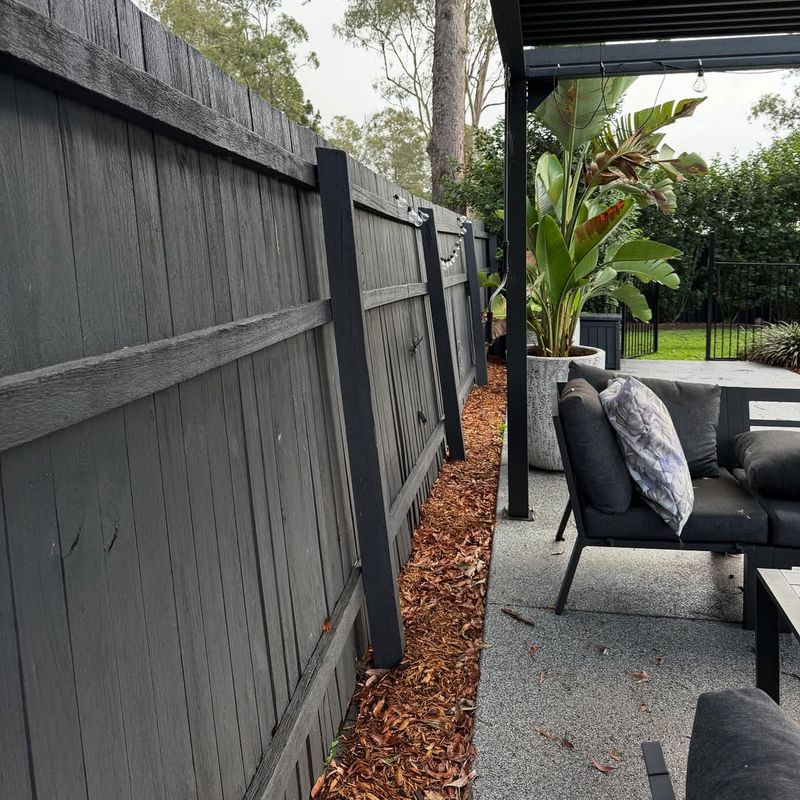
That old shed that’s slowly collapsing or the playset your kids outgrew years ago might seem harmless, but they’re increasingly classified as blight by Michigan municipalities.
Unmaintained structures detract from neighborhood appearance, pose safety risks, and can harbor pests or become attractive nuisances for curious children.
Code enforcement departments are expanding their definitions of blight to include any structure in visible disrepair, requiring property owners to repair or remove them.
Leaning fences that no longer serve their purpose and broken playsets with rusted components are common targets for violation notices.
Sheds with damaged roofs, rotting walls, or missing doors not only look bad but can also collapse during storms, potentially damaging neighboring properties.
Many homeowners don’t realize that letting structures deteriorate can result in escalating fines and forced removal at their expense.
Regular maintenance and prompt repairs extend the life of yard structures and keep your property compliant with local standards.
If a structure has outlived its usefulness, consider dismantling it properly or hiring a junk removal service.
Replacing an old shed with a new, well-maintained one can actually increase your property value.
Keeping your yard structures in good condition shows pride in your property and respect for your neighbors’ investment in the community.