How Nebraska Residents Create Wildlife Corridors In Their Gardens

Nebraska gardeners are getting pretty creative these days, and it’s amazing how many are turning their yards into little pathways that help local wildlife move around more safely.
You start noticing how simple choices—like native plants or a small tucked-away corner—can suddenly make a yard feel welcoming to birds, pollinators, and even the shy visitors you hardly ever see.
It’s one of those ideas that feels good the moment you try it, and you might find yourself thinking about how your garden could become part of that gentle flow too.
1. Native Plant Borders Along Property Lines
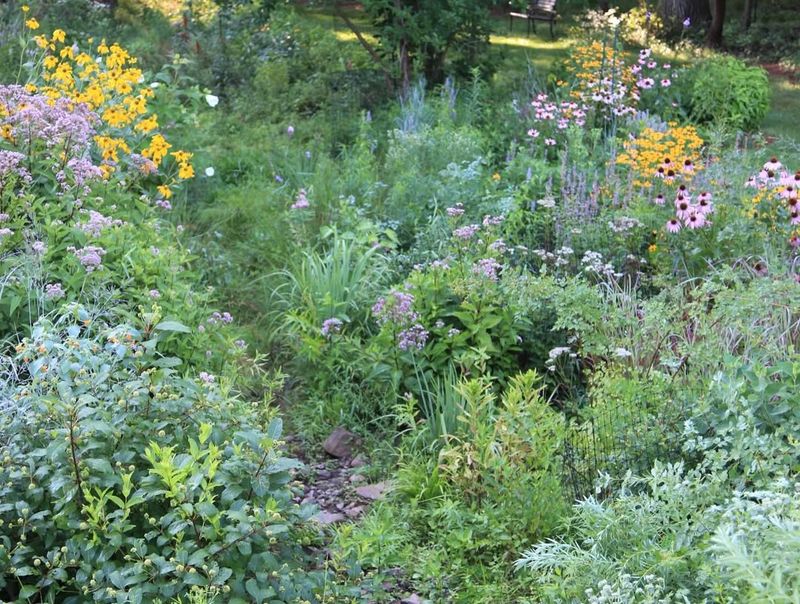
Planting native species along your fence creates natural highways for creatures traveling through Nebraska neighborhoods looking for resources and safe passage routes daily.
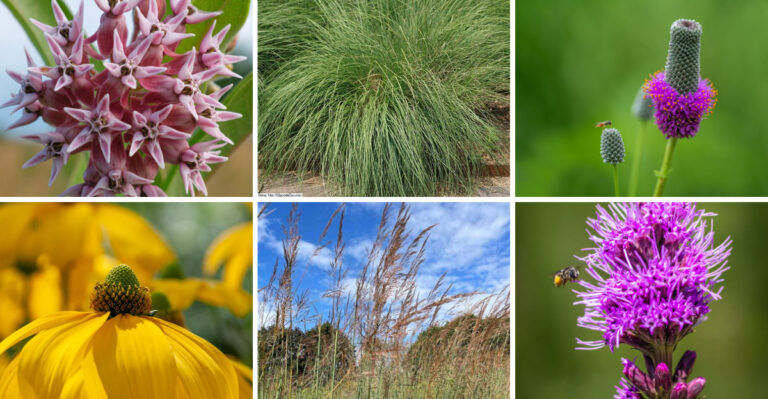
Wild bergamot, coneflowers, and little bluestem grass provide food and shelter while requiring far less water than typical lawn areas throughout summer months here.
Birds and butterflies recognize these familiar plants instantly, stopping to rest and refuel as they move between feeding grounds across the local landscape consistently.
Property line plantings also offer privacy for homeowners while creating dense cover where small mammals can hide from predators during their nighttime journeys safely.
Choose a variety of heights and bloom times to ensure something is always flowering or producing seeds for hungry visitors throughout growing seasons statewide.
Spacing plants closely together forms continuous pathways rather than isolated islands, which animals often avoid crossing through open spaces between garden features unnecessarily.
Many Nebraska gardeners report seeing more songbirds, rabbits, and beneficial insects within weeks of establishing these living borders around their residential properties successfully.
2. Layered Vegetation From Ground To Canopy
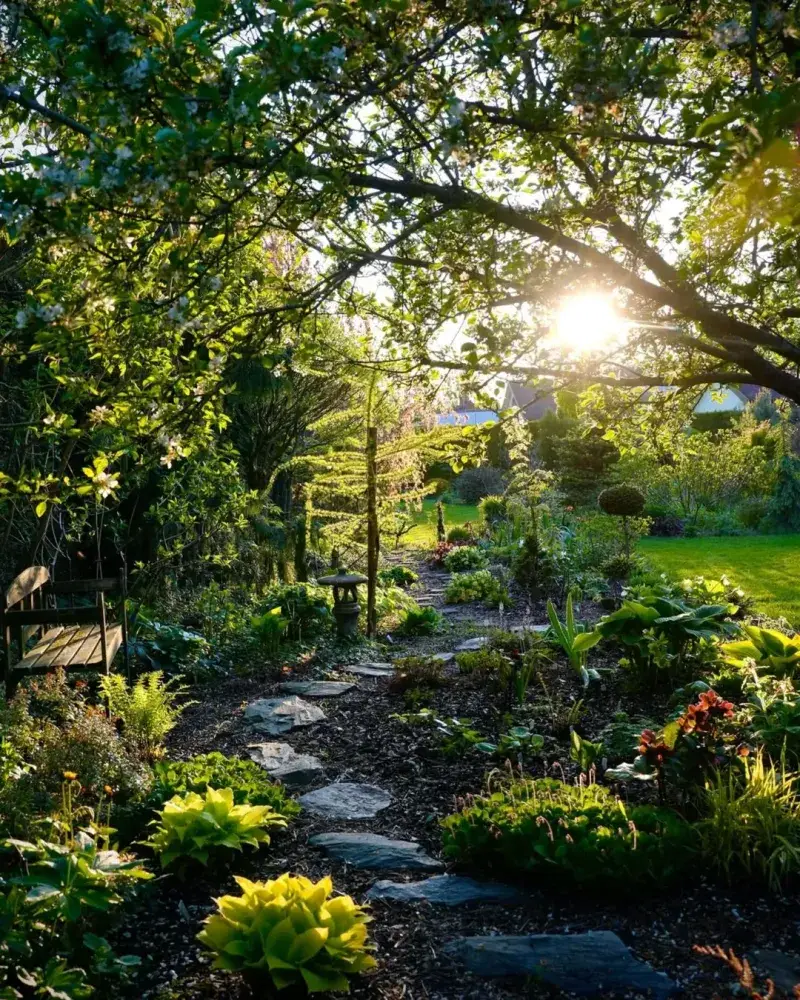
Mimicking forest structure by including groundcovers, shrubs, and trees creates vertical spaces where different species find exactly what they need in Nebraska gardens daily.
Ground-dwelling toads and salamanders prefer moist leaf litter beneath serviceberry bushes, while warblers hunt insects in the middle canopy layers above them constantly.
This approach maximizes habitat value in limited space by offering multiple niches within a single garden area rather than just one flat mowed surface.
Bur oaks and hackberry trees provide upper-level perches and nesting sites, while chokecherry shrubs fill the middle zone with berries for migrating thrushes here.
Creeping phlox and wild ginger spread across the ground, holding moisture and providing cover for beetles, spiders, and other invertebrates throughout dry periods.
Nebraska residents find that layered plantings reduce maintenance time since plants naturally shade out weeds and create their own mulch from falling leaves annually.
Watching different animals use different levels of your garden throughout the day becomes an endless source of entertainment and education for families statewide.
3. Reduced Lawn Areas With Meadow Patches
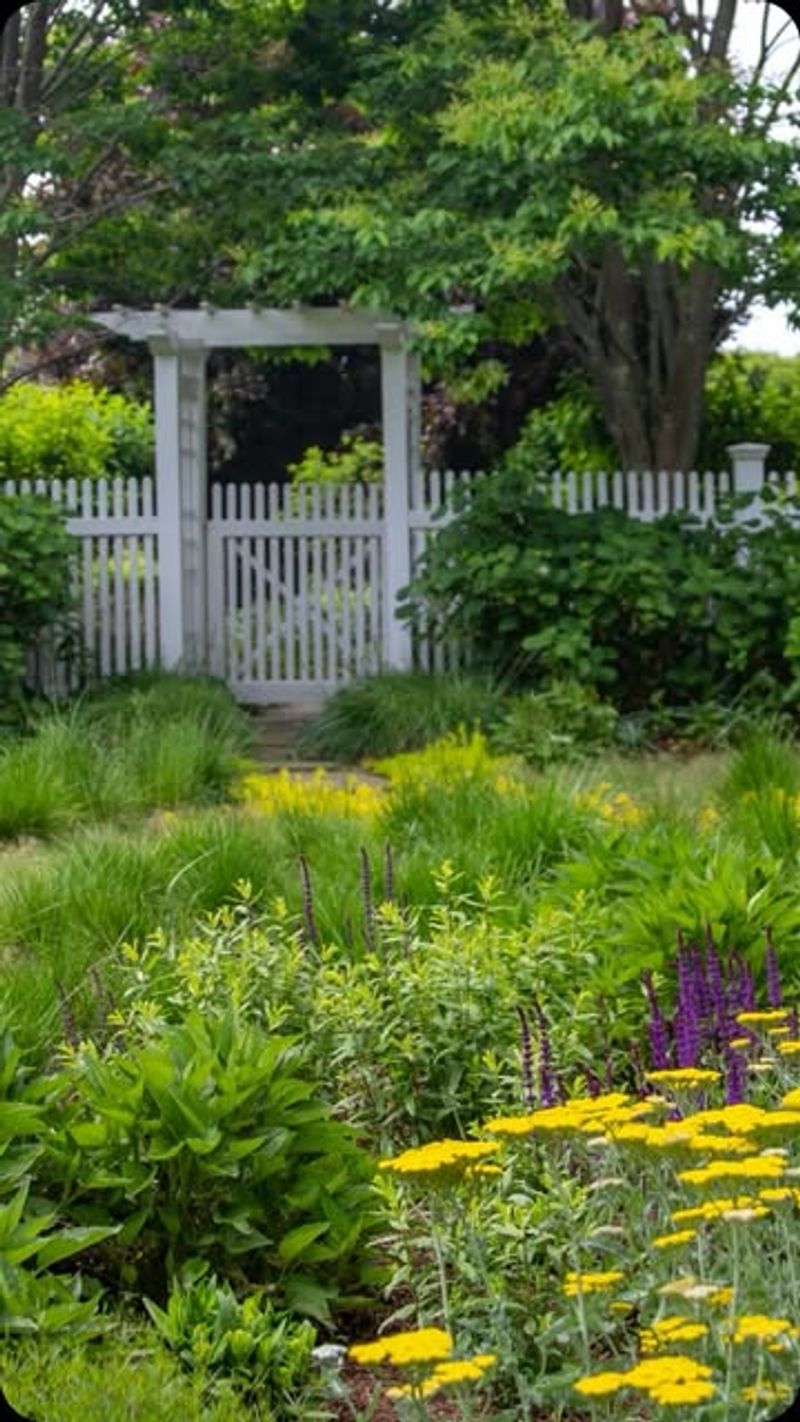
Converting portions of turf into mini-meadows gives grassland species safe corridors through suburban areas where development has fragmented their original habitats across Nebraska recently.
Mowing less frequently allows native grasses and wildflowers to bloom, attracting pollinators while providing seed heads for sparrows and finches during winter months reliably.
These unmowed sections require almost no maintenance compared to weekly lawn care, saving time, fuel, and water while supporting biodiversity in residential neighborhoods effectively.
Your Nebraska Garden Changes Every Week. Your Plan Should Too.
Gardening in Nebraska changes quickly throughout the season. Every Friday you’ll receive a simple weekly plan showing exactly what to plant, prune, fertilize, harvest, and protect so you never miss the right timing.
Meadow patches connect isolated habitat fragments, letting butterflies and small mammals move between yards without crossing dangerous expanses of bare pavement or mowed grass.
Nebraska gardeners often start with just one corner or strip along a driveway, gradually expanding their meadow areas as they see results firsthand.
Sideoats grama, prairie dropseed, and black-eyed Susans create beautiful textured landscapes that change appearance with every season and weather pattern throughout the year.
Neighbors frequently ask questions and start their own meadow projects after seeing how much wildlife activity increases in yards with these natural features installed.
4. Water Features With Gradual Edges
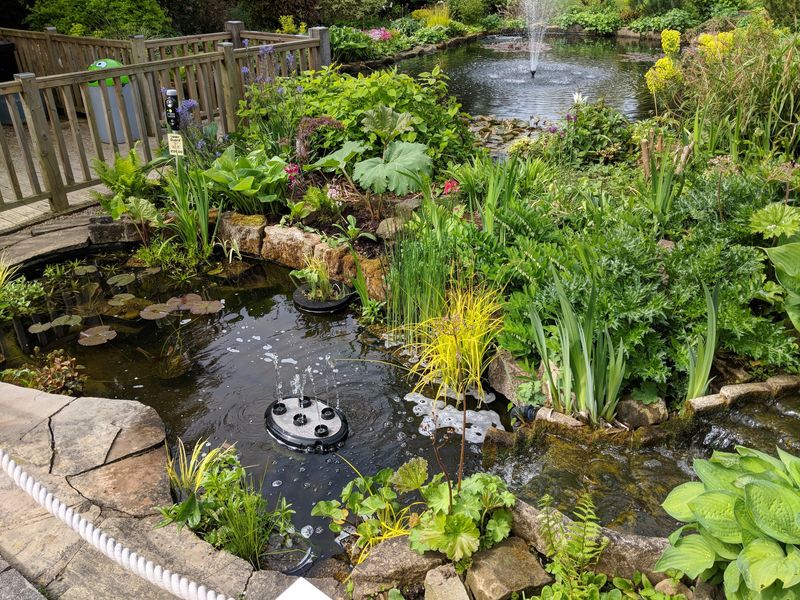
Installing ponds or birdbaths with gentle slopes allows animals of all sizes to safely access water without risking injury in deeper areas across Nebraska properties.
Shallow edges let butterflies land and drink, while frogs can easily enter and exit without becoming trapped in steep-sided containers or concrete structures unfortunately.
Moving water from fountains or small waterfalls creates sound that attracts birds from considerable distances, drawing them into your garden corridor system reliably.
Rocks placed at varying heights within the water provide perching spots for dragonflies and resting places for bees during hot Nebraska afternoons regularly.
Native aquatic plants like arrowhead and water plantain offer cover for tadpoles and aquatic insects while filtering the water naturally without chemical treatments.
Even a simple shallow dish refilled daily becomes a vital resource during drought periods when natural water sources dry up across the state temporarily.
Positioning water features near dense plantings gives nervous animals quick escape routes if predators approach, making them more likely to visit your garden repeatedly.
5. Brush Piles And Log Arrangements
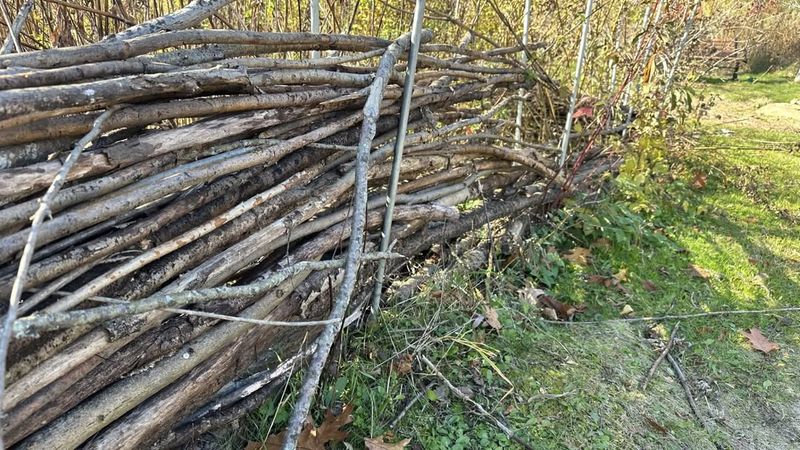
Stacking branches and logs in quiet corners creates instant shelter for rabbits, chipmunks, and ground-nesting birds moving through Nebraska gardens seeking temporary refuge daily.
Rather than hauling away pruned branches, thoughtful placement turns yard waste into valuable habitat structures that decompose slowly while supporting fungi and invertebrates continuously.
Salamanders and snakes use the cool, moist spaces between logs as daytime retreats before emerging at night to hunt insects throughout residential areas safely.
These features cost nothing to create and require zero maintenance once established, making them among the easiest wildlife corridor elements for busy homeowners.
Topping brush piles with evergreen boughs provides winter cover for songbirds sheltering from harsh Nebraska winds and predators during the coldest months annually.
Insects colonize dead wood quickly, attracting woodpeckers and other insect-eating birds that help control pest populations in nearby vegetable gardens and ornamental plantings naturally.
Positioning several brush piles across your property creates a network of safe stopping points where animals can rest while traveling longer distances through the neighborhood.
6. Continuous Hedgerows Instead Of Fences

Planting dense shrub rows provides privacy and boundaries while creating protected travel lanes for wildlife moving through developed areas across Nebraska communities year-round.
Mixed species hedgerows offer varied food sources and nesting opportunities that single-species plantings cannot match, supporting greater biodiversity within limited linear spaces effectively.
American plum, wild rose, and red osier dogwood create impenetrable thickets where small birds nest safely away from cats and larger predators throughout breeding seasons.
Unlike solid fences, living hedgerows allow air and light to filter through while still defining property lines and screening unwanted views from neighboring yards.
Nebraska residents find that hedgerows require trimming only once or twice annually compared to constant fence repairs and painting required by traditional wooden structures.
Berries and seeds produced by hedgerow plants provide food for dozens of species, from cedar waxwings to fox squirrels, throughout fall and winter.
Connecting your hedgerow with neighbors’ plantings creates unbroken corridors stretching across multiple properties, dramatically increasing their value for wildlife movement and habitat connectivity statewide.
7. Rock Walls And Stone Features
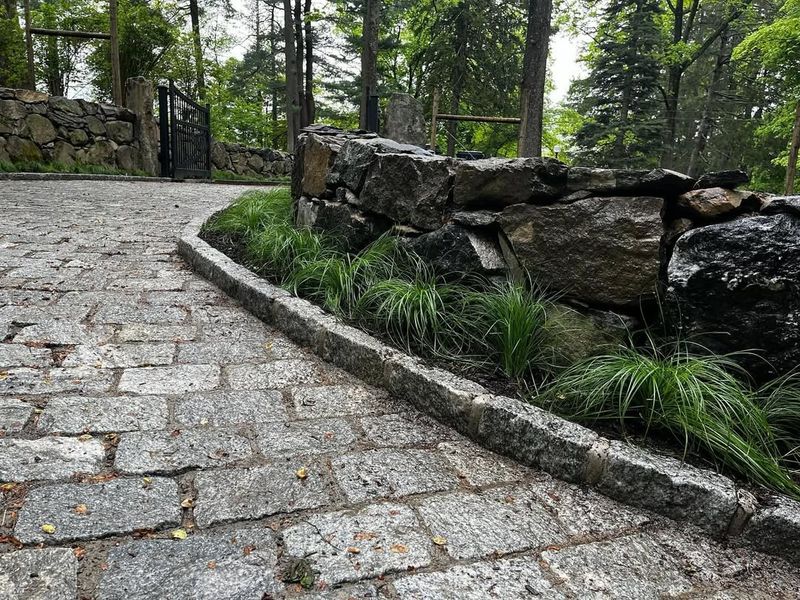
Stacking stones without mortar creates countless crevices where lizards, toads, and beneficial insects find shelter during their movements across Nebraska gardens throughout warm months.
Rocks absorb heat during the day and release it slowly at night, creating microclimates that extend activity periods for cold-blooded creatures in spring and fall.
These permanent structures require no maintenance once installed and actually improve with age as mosses and small plants colonize the gaps between individual stones.
Garter snakes and brown snakes use rock walls as hunting grounds, controlling slug and insect populations while remaining hidden from larger predators overhead constantly.
Positioning stone features along pathways or garden edges guides wildlife movement while adding visual interest and natural beauty to landscape designs across residential properties.
Native stone collected from Nebraska fields or purchased locally blends seamlessly with regional aesthetics while providing authentic habitat features that animals instinctively recognize.
Combining rock walls with nearby plantings creates complex habitat edges where biodiversity concentrations reach their highest levels within managed garden spaces throughout the state.
8. Dark Sky Lighting Practices
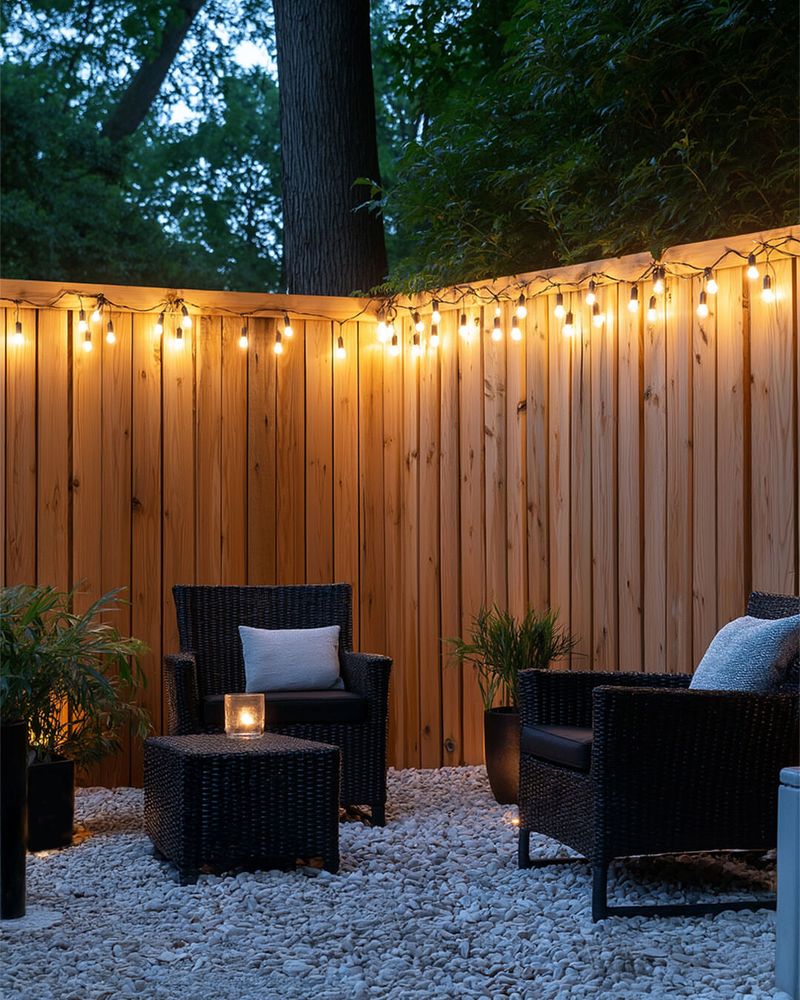
Reducing outdoor lighting or using downward-directed fixtures helps nocturnal animals navigate safely through Nebraska neighborhoods without disorientation from excessive artificial illumination nightly.
Moths, bats, and owls rely on darkness to hunt and migrate, becoming confused by bright lights that disrupt their natural behaviors and movement patterns.
Motion-activated lights provide security when needed while keeping gardens dark most of the time, allowing night-shift wildlife to use your property as corridor.
Warm-colored bulbs cause less disruption to animal vision and behavior than harsh white or blue lights commonly used in many residential security systems.
Nebraska gardeners report seeing more fireflies, nighthawks, and flying squirrels after switching to darker, more wildlife-friendly lighting around their homes and outbuildings recently.
Shielding lights so they point downward rather than upward or outward prevents light pollution from spilling into adjacent properties and natural areas unnecessarily.
Coordinating with neighbors to reduce collective lighting creates larger dark corridors that benefit entire populations of nocturnal species moving through developed landscapes throughout the region.
9. Pesticide-Free Garden Management
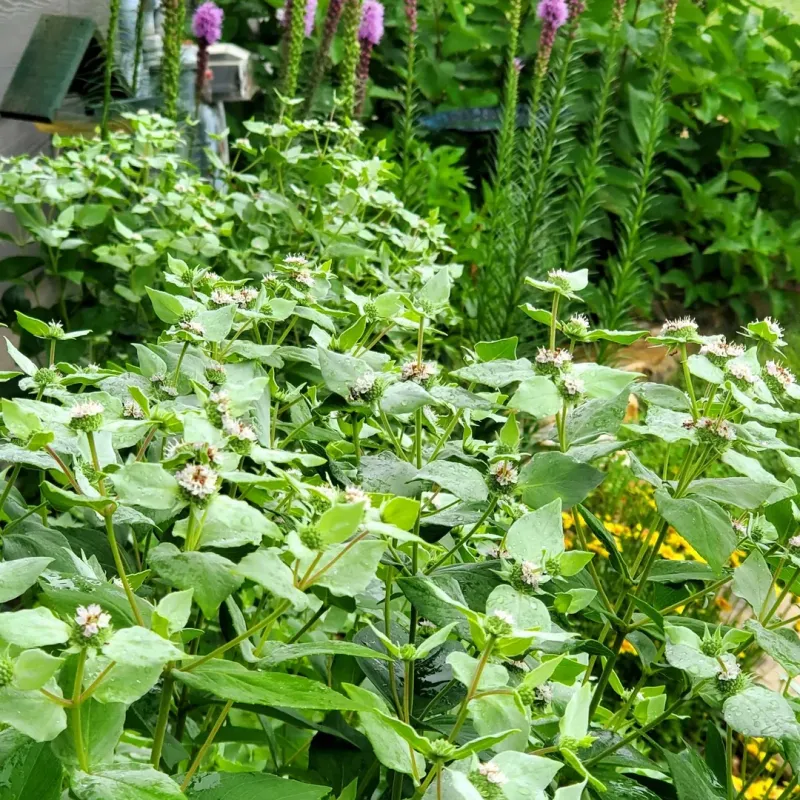
Eliminating chemical pesticides allows insect populations to thrive, which in turn supports the birds, bats, and other creatures that depend on them across Nebraska.
Healthy insect communities form the foundation of functional wildlife corridors, providing essential food for animals traveling through your garden during migration and breeding periods.
Ladybugs, lacewings, and parasitic wasps naturally control pest species when given a chance, reducing the need for human intervention in balanced garden ecosystems.
Chemical residues can persist in soil and water, poisoning animals far from the application site as toxins move through food webs and contaminate resources.
Nebraska residents practicing organic methods report fewer pest problems over time as beneficial species establish stable populations that keep potential pests in check naturally.
Accepting some leaf damage as normal creates healthier gardens overall, with robust plants that support more wildlife than sterile, chemically maintained landscapes ever could.
Sharing your pesticide-free approach with neighbors encourages wider adoption, creating safer corridors spanning multiple properties where wildlife can forage without exposure to harmful substances.
10. Seasonal Food Sources Throughout The Year
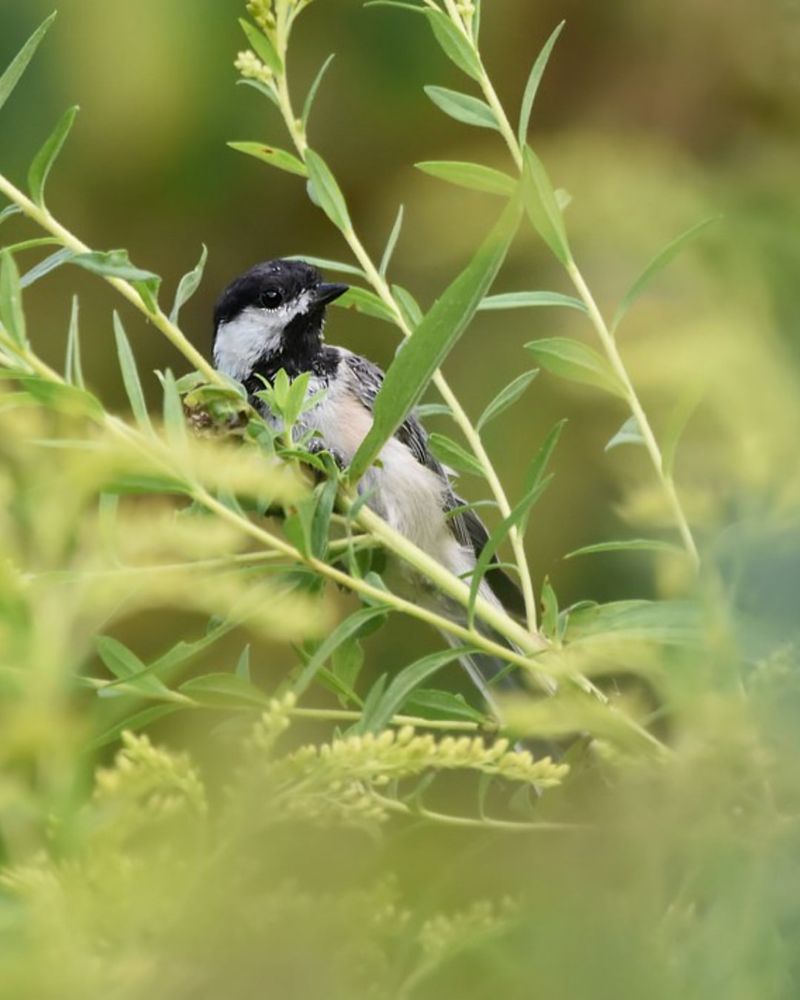
Planning gardens with staggered bloom times and fruit production ensures wildlife finds resources during every season as they move through Nebraska landscapes continuously.
Early spring flowers like pasque flower and wild plum provide critical nectar when migrating butterflies and newly emerged bees desperately need energy after winter.
Summer berries from serviceberries and elderberries feed breeding birds raising hungry nestlings, while fall asters and goldenrods fuel monarch butterflies heading south annually.
Leaving seed heads standing through winter provides food for finches and sparrows when snow covers the ground and other resources become scarce statewide.
Persistent fruits on sumac and winterberry remain available during the coldest months, offering emergency nutrition for robins and waxwings during harsh weather events.
Nebraska gardeners who plan for year-round food availability see consistent wildlife activity rather than seasonal peaks followed by empty periods when nothing blooms.
Diverse plantings with overlapping resource availability create reliable corridors that animals learn to depend on, returning year after year and bringing their offspring along established routes.