6 Spots Where Peonies Struggle In Pennsylvania Gardens
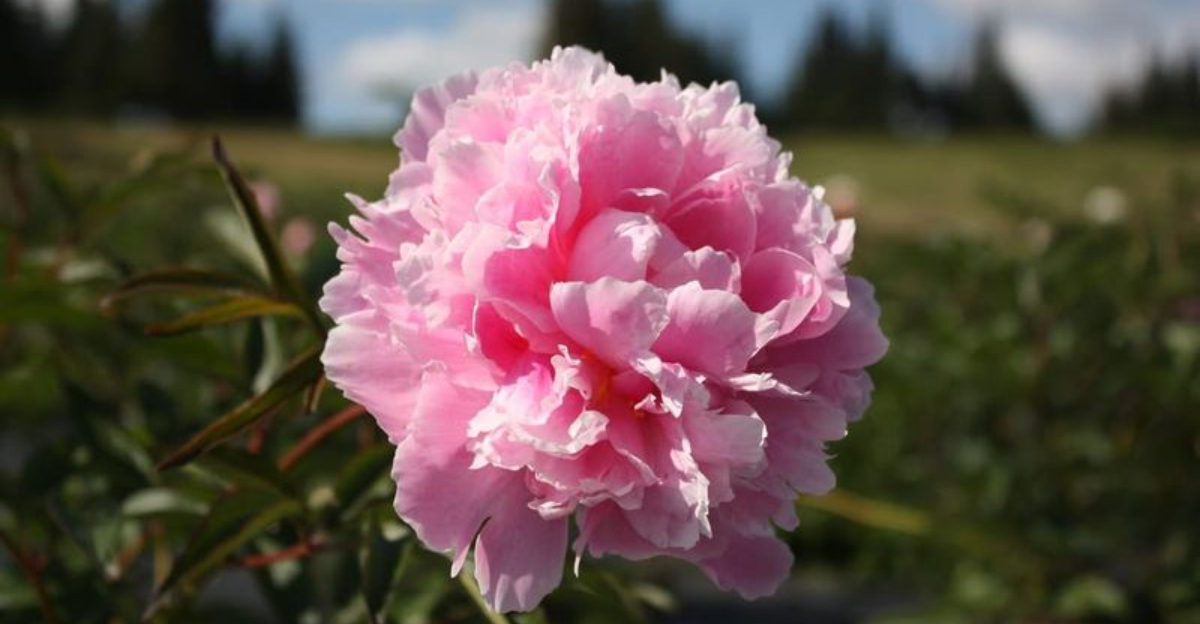
Peonies bring old fashioned charm to Pennsylvania gardens, filling spring air with rich blooms and a sweetness that feels straight out of a storybook.
Still, these beloved plants can turn stubborn in the wrong spot.
A peony may look ready to burst with color, yet one poor placement can leave it sitting tight with buds that never open or leaves that wilt long before summer heat arrives.
Some corners of a yard act like magnets for trouble, holding too much shade, too much moisture, or soil that drags the plant down.
Gardeners who adore peonies often learn this lesson the hard way.
A simple shift of a few feet can make the difference between a plant that thrives and one that sulks year after year.
Peonies like elbow room, sunlight, and conditions that keep their roots steady.
Put them in a spot that fights these needs, and they push back with silence rather than blooms.
Understanding the trouble zones saves both time and heartache.
Once you know which areas hold peonies back, the whole garden becomes easier to shape.
A well placed peony rewards patience with a show that stops neighbors in their tracks and reminds you why these flowers are worth the effort.
1. Deep Shade Under Mature Trees
Mature trees create dense canopies that block precious sunlight from reaching plants below, and peonies absolutely need sunshine to perform their best.
While these flowering perennials might produce some foliage in shady conditions, you’ll rarely see the abundant blooms that make peonies so special.
Most peony varieties require at least six hours of direct sunlight daily to develop strong stems and produce flowers.
Pennsylvania gardens often feature beautiful old oak, maple, and walnut trees that provide wonderful shade for relaxing on hot summer days.
Unfortunately, the ground beneath these trees becomes a challenging environment for sun-loving plants like peonies.
The thick leaf canopy filters out most direct light, leaving only dappled shadows that shift throughout the day.
Beyond the lighting issue, mature tree roots compete aggressively for water and nutrients in the soil, making it even harder for peonies to establish themselves.
Consider planting your peonies away from large trees where they can receive morning and afternoon sun without obstruction.
If you’re determined to garden near trees, choose the south or west side where sunlight exposure is typically better.
Hostas, ferns, and astilbe are much better choices for those deeply shaded areas under Pennsylvania’s magnificent old trees.
Save your peonies for sunnier spots where they can truly shine and reward you with armfuls of beautiful blooms each spring season.
2. Low-Lying Areas With Poor Drainage
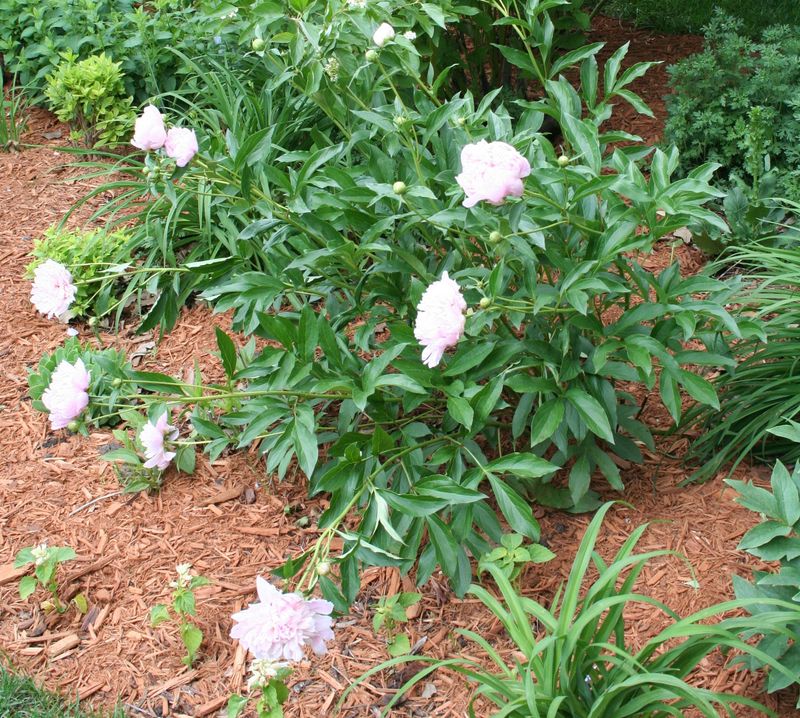
Standing water after rainstorms signals a serious problem for peonies, which absolutely cannot tolerate soggy roots for extended periods.
Low spots in Pennsylvania yards naturally collect water runoff from higher ground, creating conditions that quickly damage peony root systems.
When soil stays waterlogged, roots cannot access the oxygen they need and begin to rot.
Pennsylvania receives abundant rainfall throughout the growing season, with spring storms often dumping several inches in just a few hours.
Your Pennsylvania Garden Changes Every Week. Your Plan Should Too.
Gardening in Pennsylvania changes quickly throughout the season. Every Friday you’ll receive a simple weekly plan showing exactly what to plant, prune, fertilize, harvest, and protect so you never miss the right timing.
Properties with clay-heavy soil, which is common in many Pennsylvania counties, drain especially slowly and hold moisture much longer than sandy or loamy ground.
If you notice water pooling in certain areas of your garden after heavy rains, those spots are unsuitable for peonies.
The problem becomes even worse during Pennsylvania’s occasional wet springs when the ground never fully dries out between storms.
Peony roots need well-drained soil that allows excess moisture to move away quickly while still retaining enough water for the plant’s needs.
Before planting peonies in questionable areas, test drainage by digging a hole about one foot deep and filling it with water.
If the water doesn’t drain within a few hours, you’ll need to improve that location or choose a different spot.
Building raised beds filled with quality soil mix provides an excellent solution for low-lying areas where you really want to grow peonies despite drainage challenges in your Pennsylvania garden.
3. Spots With Intense Afternoon Sun And Heat
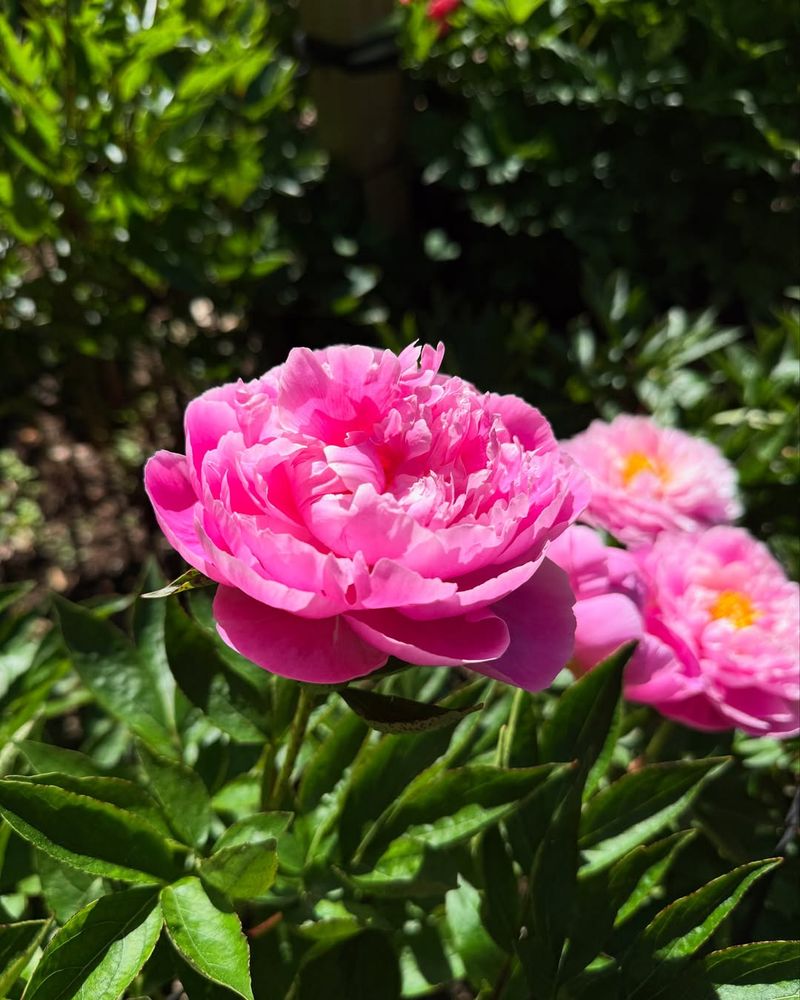
Scorching afternoon heat can actually stress peonies, especially when combined with reflected heat from nearby walls, patios, or driveways.
While peonies definitely need plenty of sunlight, there’s such a thing as too much intensity during Pennsylvania’s warmest summer days.
South-facing locations that bake in unrelenting afternoon sun from June through August can cause peony flowers to fade quickly and petals to become papery.
Pennsylvania summers have become increasingly hot in recent years, with temperatures regularly climbing into the upper 80s and 90s during July and August.
Peonies bloom in late spring and early summer, but the plants continue growing throughout the season and can suffer when exposed to excessive heat.
Areas near brick walls, stone patios, or asphalt driveways create especially challenging microclimates because these surfaces absorb heat during the day and radiate it back at night.
This prevents the cooling that plants normally experience after sunset, putting additional stress on your peonies.
The ideal location for peonies in Pennsylvania gardens receives bright morning sun and some afternoon sun, but with a bit of relief during the hottest part of the day.
Planting on the east side of your property or where tall perennials provide some afternoon filtering works wonderfully.
If your only sunny spots face south or west, consider adding a deciduous tree that will provide light afternoon shade without blocking morning sun that peonies crave for healthy growth and beautiful blooms.
4. Right Next To Foundation Walls
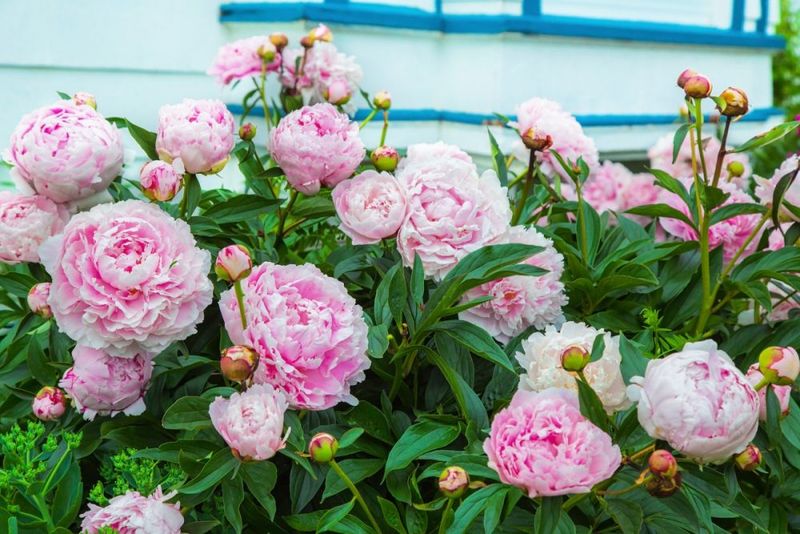
Foundation plantings seem like a natural choice for showcasing beautiful peonies, but the area immediately adjacent to your house creates several hidden problems.
Building foundations alter soil conditions in ways that negatively impact peony health and performance over time.
The concrete or stone foundation itself radiates heat during summer months, creating warmer and drier conditions than peonies prefer.
Additionally, the roof overhang on most Pennsylvania homes extends far enough to block significant rainfall from reaching plants placed right against the house.
This means your peonies might not receive adequate natural moisture even during rainy periods, requiring you to water more frequently than plants located further from the structure.
Construction debris often gets buried near foundations during building, leaving concrete chunks, wood scraps, and compacted soil that restrict root growth.
Peonies develop extensive root systems that need room to spread, and they struggle when forced to grow in the limited, poor-quality soil often found in these locations.
Basement walls can also affect soil temperature, keeping the ground either too warm or too cool depending on whether your basement is heated or unheated.
Pennsylvania’s freeze-thaw cycles already challenge plants near foundations where snow piles up and melts repeatedly throughout winter.
Instead of placing peonies directly against your house, position them at least three to four feet away from the foundation.
This distance allows adequate air circulation, normal rainfall to reach the roots, and plenty of room for the root system to develop properly in your Pennsylvania garden.
5. Beneath Roof Drip Lines And Downspouts
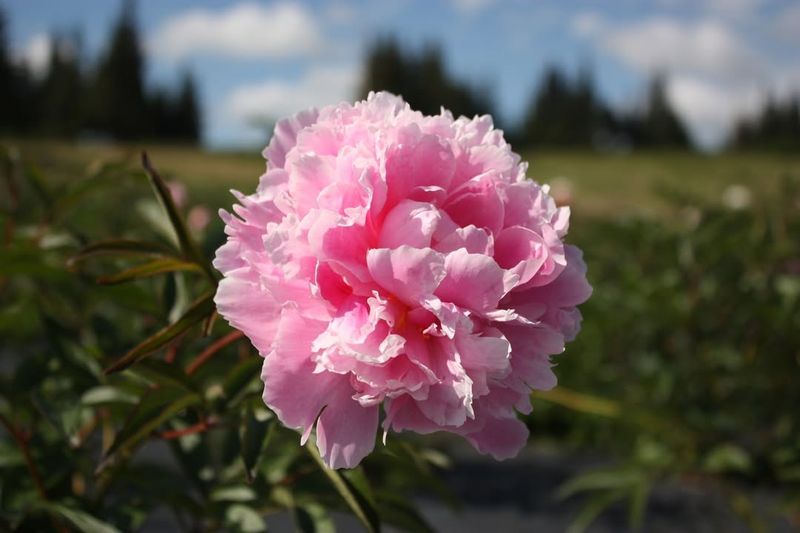
Water cascading from roofs during Pennsylvania rainstorms creates surprisingly forceful streams that can damage plants and oversaturate soil.
The area directly beneath roof edges where gutters overflow or where downspouts empty receives intense water volume during even moderate rainfall.
A single inch of rain falling on an average roof concentrates hundreds of gallons of water into just a few discharge points around your home.
Peonies positioned in these zones get repeatedly pounded by heavy water flow that can break stems, knock off developing buds, and compact soil around roots.
The force of water dropping from a two-story Pennsylvania home is especially damaging to tender spring growth when peonies are sending up new shoots.
Beyond the physical damage, these locations suffer from the same drainage problems as other low-lying areas, with soil becoming waterlogged after every storm.
Even if your gutters work properly, they still channel enormous amounts of water to specific spots that become miniature swamps.
Many Pennsylvania homeowners notice erosion beneath downspouts where topsoil washes away, exposing roots and creating uneven ground.
This constant soil disturbance prevents peonies from establishing the stable root systems they need to thrive for decades.
Before planting peonies anywhere near your roofline, observe how water behaves during rainstorms to identify problem areas.
Install proper downspout extensions that carry water well away from planting beds, or choose a completely different location for your peonies where they won’t face these challenging conditions throughout the growing season in Pennsylvania.
6. Areas With Heavy Competition From Aggressive Plants
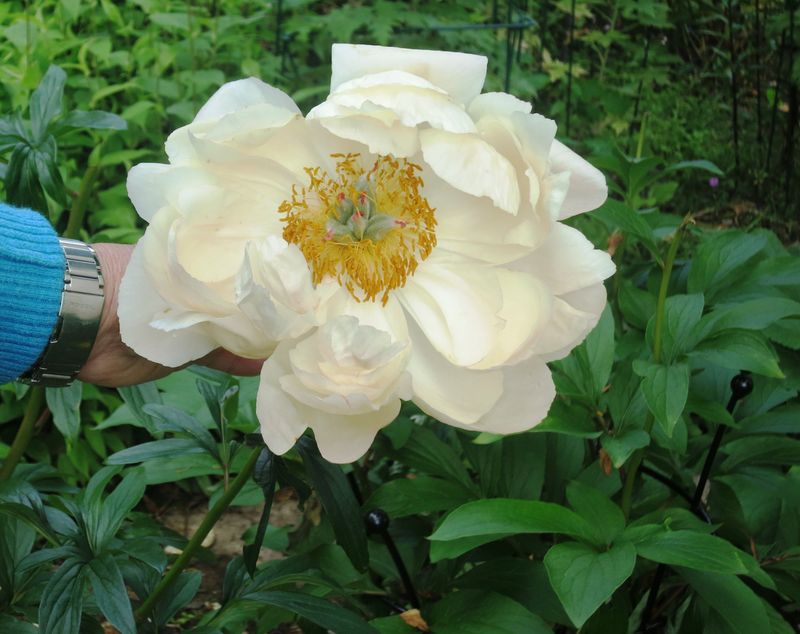
Fast-spreading groundcovers and aggressive perennials can quickly overwhelm peonies, stealing nutrients, water, and growing space that these flowers need.
While mixed plantings create beautiful garden displays, peonies prefer having some personal space rather than battling constantly with pushy neighbors.
Plants like bishop’s weed, ribbon grass, and creeping bellflower spread rapidly through Pennsylvania gardens, sending runners that invade peony root zones.
Once aggressive plants establish themselves around peonies, they compete for every drop of water and bit of fertilizer you provide.
The peony’s energy goes toward fighting for survival rather than producing those gorgeous blooms you planted them for in the first place.
Pennsylvania gardeners often discover too late that certain plants marketed as attractive groundcovers become invasive nightmares that require constant management.
Even well-behaved plants can create problems when placed too close together, as peonies need air circulation to prevent fungal diseases common in humid Pennsylvania summers.
Thick plantings trap moisture around peony stems and leaves, creating perfect conditions for botrytis and other problems.
Peonies perform best when given at least two to three feet of clear space in all directions, allowing their natural form to develop fully.
Consider surrounding your peonies with low-maintenance mulch rather than other plants, or choose well-behaved companions like catmint, salvia, or daylilies that won’t spread aggressively.
If you’re dealing with existing aggressive plants in your Pennsylvania garden, remove them completely before planting peonies, as even small root fragments can regenerate and cause future headaches for your prized flowers.