How Arizona Gardeners Can Get Their Yards Ready For 2026
Arizona gardeners are already looking ahead, and getting a yard ready for 2026 feels a lot more fun when you treat it as a fresh start instead of a chore.
You start noticing little things that could use a tweak—sunny corners, tired soil, plants that need shifting—and suddenly the whole yard feels full of possibilities again.
It’s the kind of planning that sparks excitement, and you might catch yourself imagining how much better everything will look once those small changes start adding up.
1. Test Your Soil Before Planting Anything New

Knowing what nutrients your soil contains helps you choose plants that will actually grow well in your specific yard conditions right from the start.
Arizona soil tends to be alkaline and lacks organic matter, which means many plants struggle without proper amendments added to help them flourish successfully.
Testing kits are available at local garden centers throughout the state, and they provide quick results that show pH levels and nutrient deficiencies clearly.
Once you understand your soil composition, you can add compost, sulfur, or other materials to create better growing conditions for vegetables and flowers alike.
Many Arizona gardeners skip this step and then wonder why their plants look weak or produce poor results despite regular watering and care efforts.
Professional testing services also exist if you want detailed analysis, though home kits work perfectly fine for most backyard gardening needs in Arizona.
Better soil means healthier roots, stronger plants, and far less frustration when you expect your garden to produce beautiful blooms or tasty vegetables.
Taking time to test now saves money later because you will not waste cash on plants that cannot survive in your yard naturally.
Healthy soil creates a foundation for everything else you plant, making this simple test one of the smartest moves any Arizona gardener can make.
2. Install Drip Irrigation To Save Water
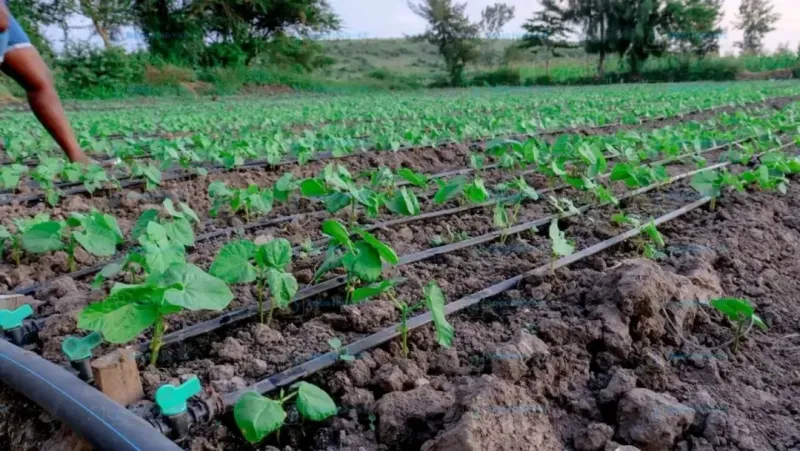
Water conservation matters tremendously in Arizona, where every drop counts and traditional sprinklers waste precious resources through evaporation and overspray that misses plants entirely.
Drip systems deliver moisture directly to plant roots, reducing water use by up to fifty percent compared to overhead watering methods used in typical yards.
Setting up a drip system might seem complicated at first, but most hardware stores sell kits with everything you need and easy instructions included.
You can customize the layout to fit your garden beds, containers, and landscaping perfectly, ensuring each plant gets exactly the moisture it requires daily.
Arizona summers are brutal, and drip irrigation keeps plants hydrated without creating wet foliage that can lead to fungal problems in the intense desert heat.
Timers automate watering schedules, so you never forget to water or accidentally overwater, which is especially helpful during busy weeks or vacation trips away.
Many Arizona municipalities offer rebates for installing water-efficient irrigation, making this upgrade even more affordable for homeowners looking to save money and resources together.
Plants grow stronger with consistent moisture delivered right where they need it most, and you will notice improved growth and fewer stressed plants overall.
Your Arizona Garden Changes Every Week. Your Plan Should Too.
Gardening in Arizona changes quickly throughout the season. Every Friday you’ll receive a simple weekly plan showing exactly what to plant, prune, fertilize, harvest, and protect so you never miss the right timing.
Switching to drip irrigation is an investment that pays off through lower water bills and healthier gardens that thrive throughout Arizona’s challenging climate.
3. Choose Native Plants That Thrive In Heat
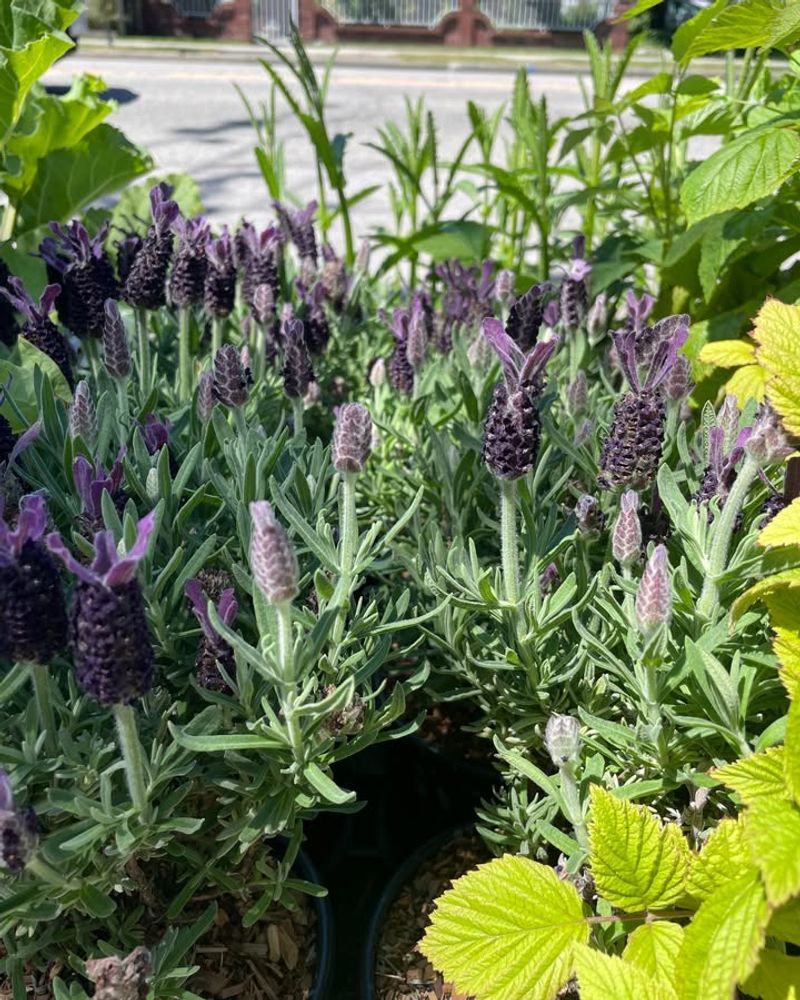
Native plants have adapted over thousands of years to survive Arizona’s extreme temperatures, low rainfall, and unique soil conditions without requiring constant human intervention.
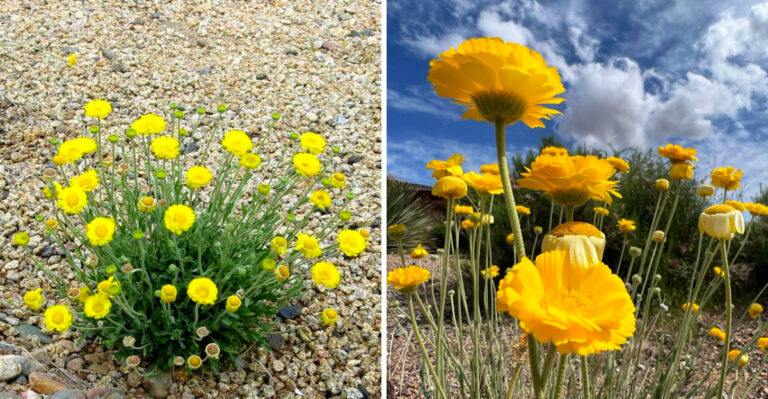
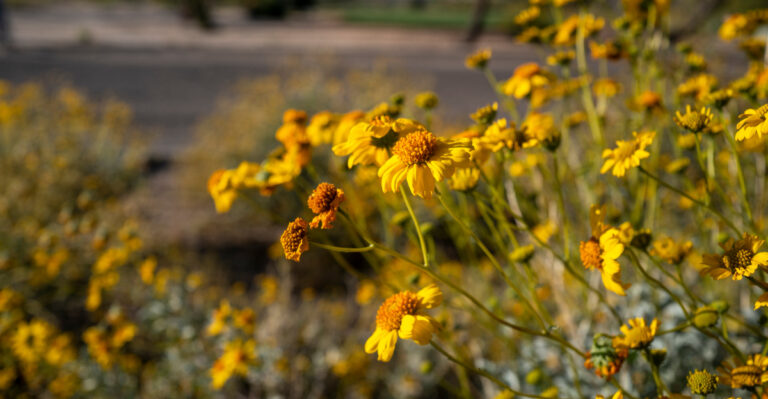
Choosing species like penstemon, desert marigold, and brittlebush means less watering, less fertilizing, and fewer pest problems compared to plants from other climates entirely.
These plants provide food and habitat for local wildlife, including hummingbirds, butterflies, and beneficial insects that help keep your garden ecosystem balanced and healthy.
Many native Arizona plants bloom spectacularly in spring, creating stunning displays of color that rival any traditional flower garden found in wetter regions nationwide.
Nurseries throughout the state now stock excellent selections of native species, making it easier than ever to find beautiful options for your specific yard conditions.
Once established, native plants require minimal care, freeing up your time for other activities while still enjoying a gorgeous yard that looks great year-round.
They also help preserve Arizona’s natural heritage and support biodiversity, which benefits the entire local environment and future generations who will enjoy these spaces.
Replacing water-hungry lawns and exotic ornamentals with natives reduces your environmental footprint significantly while creating a landscape that feels authentically connected to the desert.
Arizona gardeners who embrace native plants discover that working with nature instead of against it makes gardening far more enjoyable and successful overall.
4. Apply Mulch To Protect Soil And Roots

Mulching your garden beds creates a protective barrier that keeps soil cooler during Arizona’s scorching summer months when ground temperatures can become dangerously hot for roots.
Organic mulches like shredded bark or compost also break down slowly, adding valuable nutrients back into the soil and improving its structure over time naturally.
A layer of mulch reduces evaporation dramatically, helping soil retain moisture longer so you can water less frequently and still keep plants healthy and hydrated.
Weeds struggle to grow through mulch, which means less time pulling unwanted plants and more time enjoying your beautiful Arizona garden instead of fighting it.
Applying mulch around trees, shrubs, and flower beds gives your yard a neat, finished appearance while providing practical benefits that improve plant health significantly.
In Arizona, inorganic mulches like gravel or decomposed granite work wonderfully too, especially in areas where you want a desert aesthetic that complements native landscaping.
Keep mulch a few inches away from plant stems and tree trunks to prevent rot and pest problems that can develop when moisture stays trapped.
Replenishing mulch annually ensures continuous benefits, and the effort required is minimal compared to the advantages you gain in plant health and water savings.
Arizona gardeners who mulch consistently notice stronger plants, fewer weeds, and lower water bills, making this simple task one of the most effective things you can do.
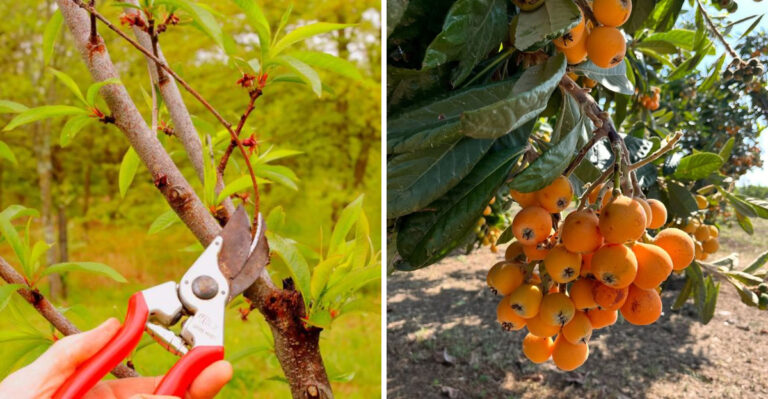
5. Prune Trees And Shrubs Before Spring Growth
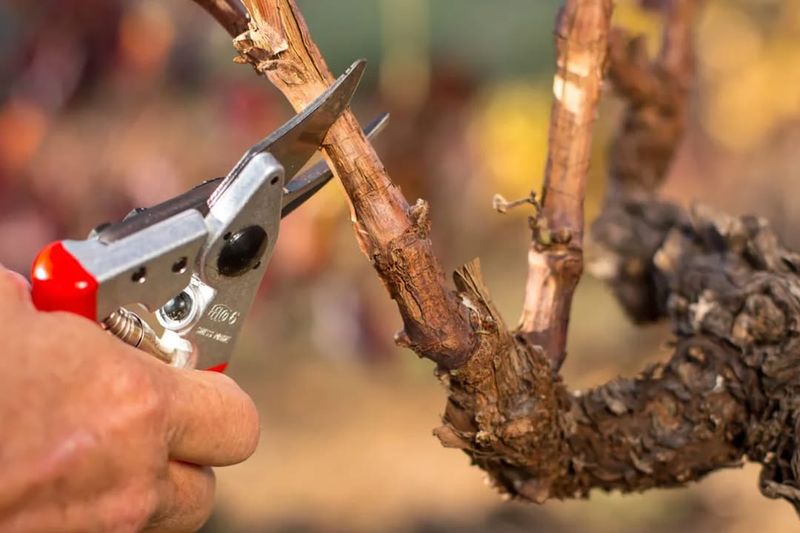
Pruning during late winter or early spring removes dead or damaged branches before new growth begins, helping plants focus energy on healthy development throughout the season.
Arizona trees and shrubs benefit from careful trimming that improves air circulation, reduces disease risk, and creates attractive shapes that enhance your overall landscape design beautifully.
Removing crossing branches prevents future damage and makes plants stronger, while thinning dense growth allows sunlight to reach interior leaves, promoting better overall plant health.
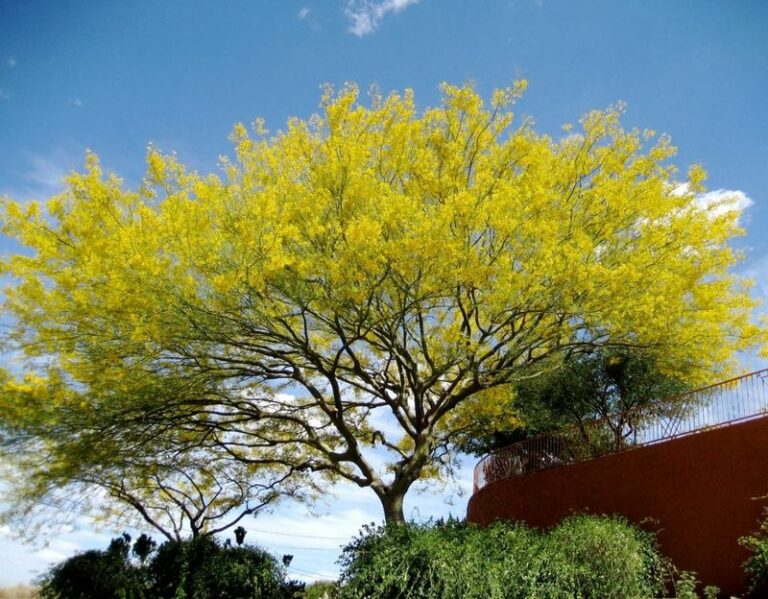
Many flowering desert plants bloom on new wood, so pruning at the right time encourages more abundant flowers that make your Arizona yard stunning.
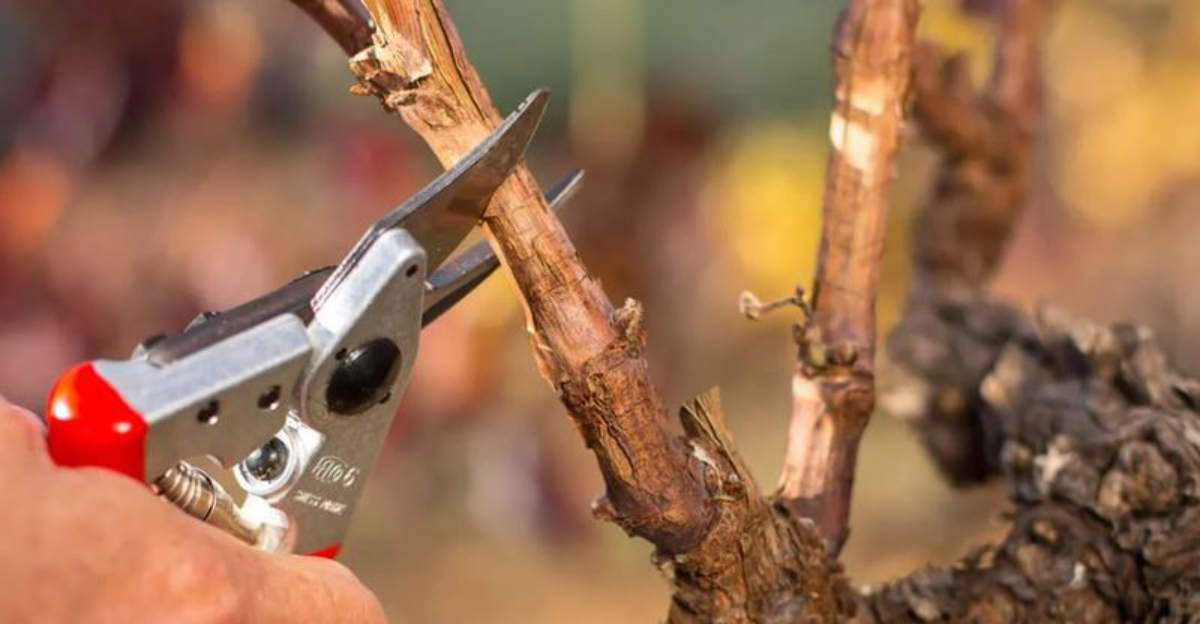
Sharp, clean tools make pruning easier and reduce the chance of spreading diseases between plants, so always disinfect your shears before moving to another specimen.
Avoid heavy pruning during hot summer months because Arizona heat stresses plants, and fresh cuts can expose them to sunburn and excessive moisture loss quickly.
Understanding each plant’s specific pruning needs helps you avoid mistakes that could reduce flowering or harm growth, so research before you start cutting branches.
Professional arborists can help with large trees if you feel unsure about tackling big jobs yourself, ensuring safety and proper technique for valuable landscape specimens.
Well-pruned plants look better, grow stronger, and resist pests and diseases more effectively, making this maintenance task essential for Arizona gardeners preparing for success.
6. Add Compost To Improve Soil Quality
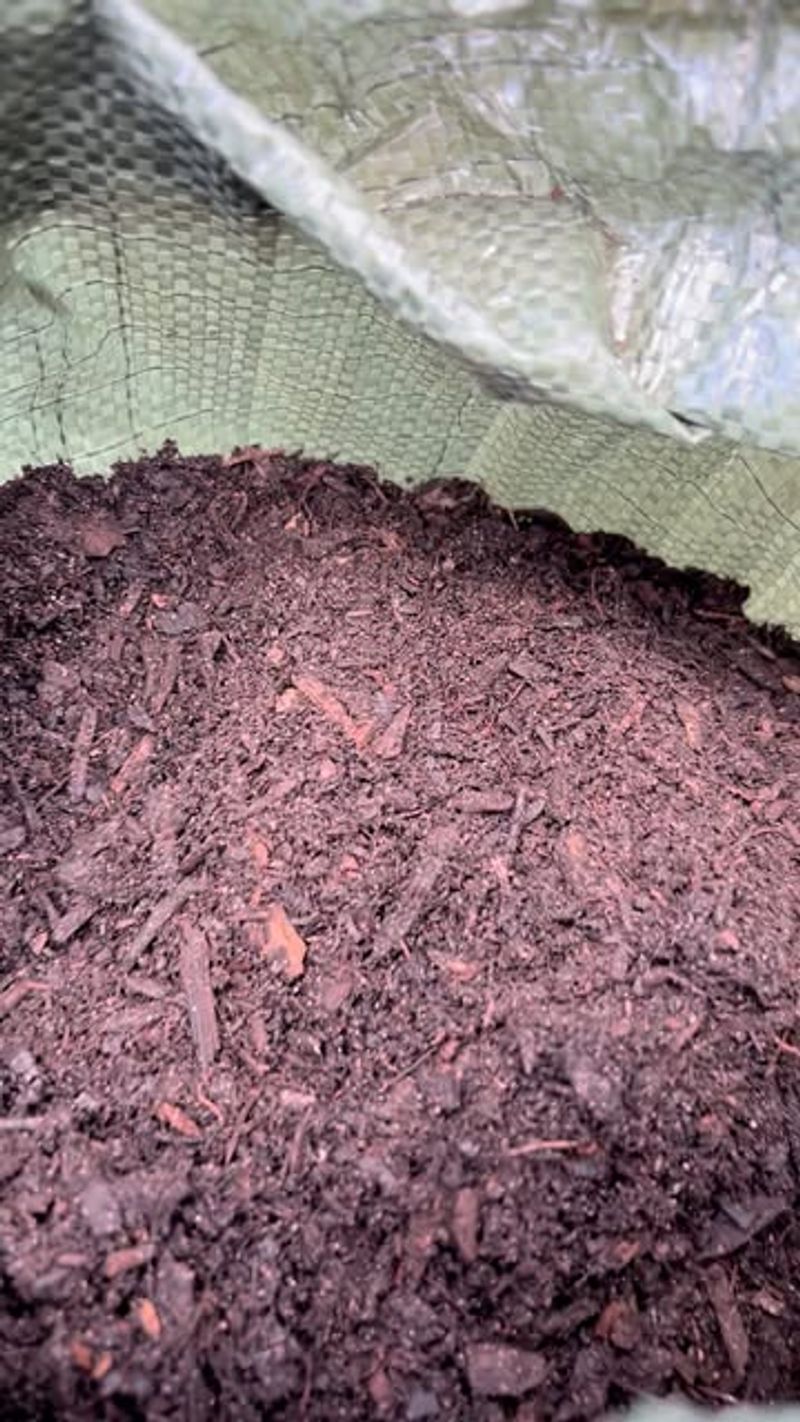
Compost transforms Arizona’s nutrient-poor soil into a rich growing medium that supports healthy plant roots, improves drainage, and helps soil retain moisture more effectively overall.
Creating your own compost from kitchen scraps and yard waste is easy, inexpensive, and environmentally friendly, turning waste into valuable garden gold for your yard.
Mixing compost into planting beds before adding new plants gives roots the best possible start, providing nutrients and beneficial microorganisms that support vigorous growth immediately.
Even established plants benefit from a compost top-dressing applied around their base, slowly releasing nutrients as it breaks down throughout the Arizona growing season.
Compost improves soil structure, making heavy clay soils drain better and sandy soils hold moisture longer, which is particularly helpful in Arizona’s varied soil conditions.
Local municipalities and garden centers throughout the state often sell affordable compost, or you can build a simple bin to make your own continuously.
Healthy soil filled with organic matter supports earthworms and beneficial bacteria that create a thriving underground ecosystem, making plants naturally more resistant to stress and pests.
Arizona gardens enriched with compost require less fertilizer because nutrients are already present in the soil, saving money and reducing chemical use in your yard.
Adding compost regularly is one of the simplest, most effective ways to ensure your Arizona garden stays productive, beautiful, and healthy for many years ahead.
7. Plan For Shade In Your Garden Design
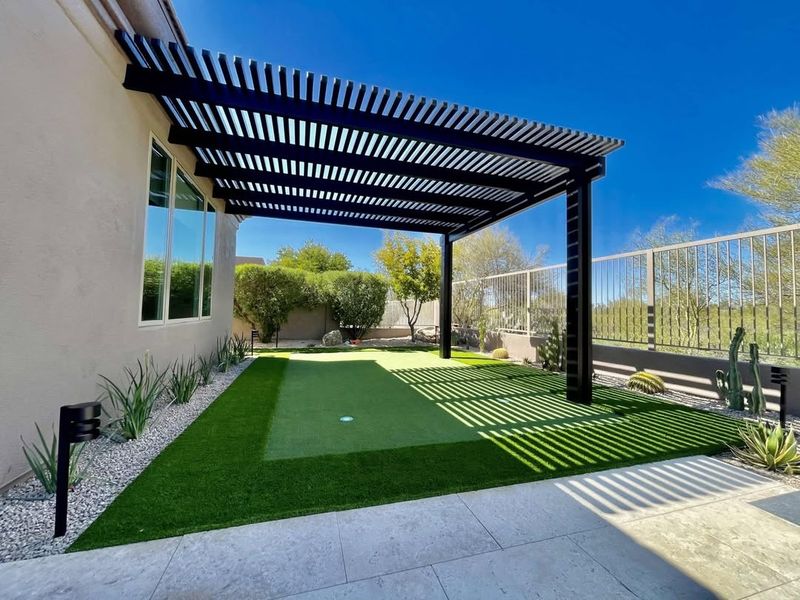
Creating shaded areas in your Arizona yard protects delicate plants from intense afternoon sun and provides comfortable outdoor spaces where you can actually enjoy your garden.
Shade cloth, pergolas, and strategically placed trees reduce temperatures significantly, making it possible to grow vegetables and flowers that would otherwise struggle in full desert sun.
Many beautiful plants thrive in partial shade, including ferns, hostas, and certain flowering perennials that add variety and interest to Arizona gardens with protected microclimates.
Shade structures also extend outdoor living areas, allowing you to relax, dine, or entertain outside even during hot months when unshaded spaces become unbearable.
Planning shade placement carefully ensures you maximize cooling benefits while still allowing enough sunlight for sun-loving plants that need bright conditions to flourish properly.
Arizona gardeners who incorporate shade into their designs discover that their yards become more functional, attractive, and enjoyable throughout the year, not just winter months.
Deciduous trees provide summer shade while allowing winter sun through bare branches, offering seasonal temperature control that makes your yard comfortable and energy-efficient year-round.
Installing shade early in the year gives plants time to adjust and structures time to settle before summer heat arrives in full force.
Thoughtful shade planning transforms harsh Arizona landscapes into lush, inviting gardens where both plants and people can thrive comfortably together throughout every season.
8. Check Irrigation Systems For Leaks And Damage
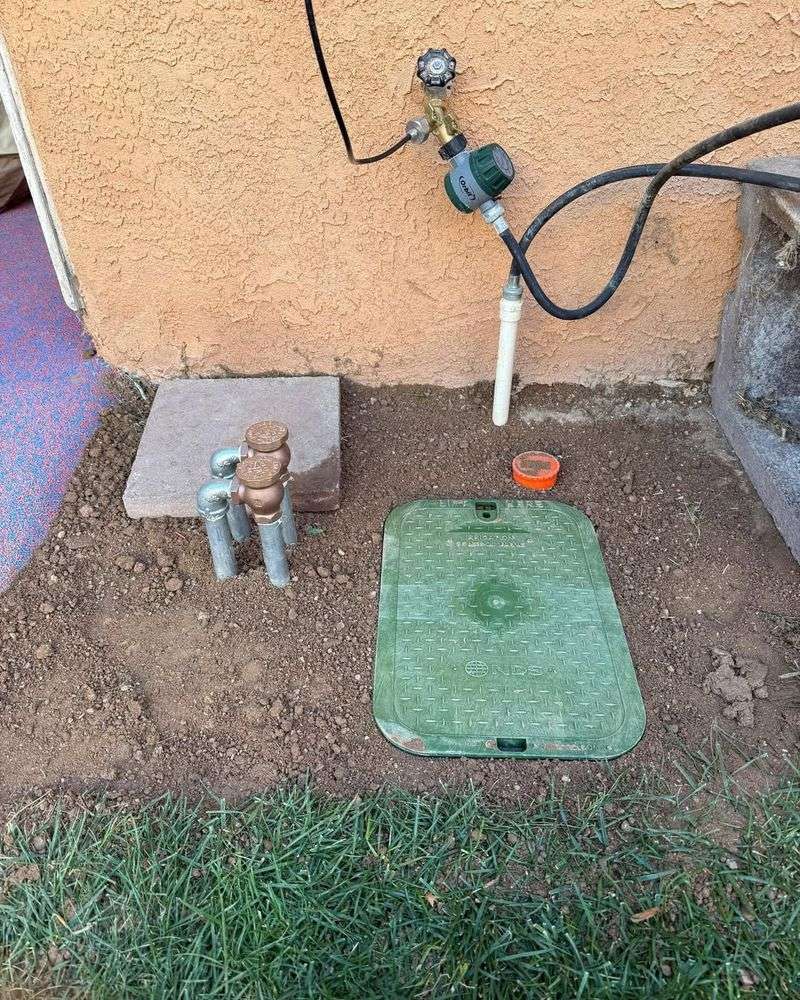
Inspecting your irrigation system before the growing season begins prevents water waste, ensures even coverage, and helps you catch small problems before they become expensive repairs.
Arizona’s intense sun and temperature swings can crack pipes, damage emitters, and cause connections to loosen, leading to leaks that waste water and money unnecessarily.
Walking through your yard while the system runs reveals wet spots, dry patches, and malfunctioning sprinkler heads that need adjustment or replacement for proper operation.
Cleaning clogged emitters and filters improves water flow and ensures each plant receives adequate moisture, preventing some areas from drowning while others remain bone dry.
Checking timers and controllers ensures your watering schedule matches current weather conditions and plant needs, avoiding overwatering during cooler months or underwatering during Arizona summers.
Repairing leaks promptly saves significant amounts of water over time, which is especially important in Arizona where water conservation is both environmentally responsible and legally encouraged.
Many irrigation problems are simple fixes that require only basic tools and a little time, making this maintenance task accessible to most homeowners without professional help.
Upgrading old components to more efficient models during your inspection can improve system performance and reduce water use, paying for itself through lower utility bills quickly.
Arizona gardeners who maintain their irrigation systems enjoy healthier plants, lower water costs, and the peace of mind that comes from knowing their system works efficiently.
9. Plant Cool-Season Vegetables Early In The Year
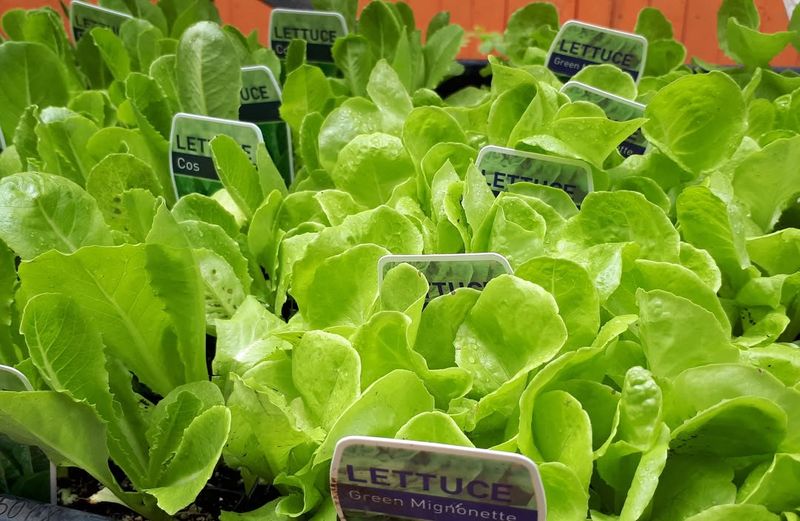
Arizona’s mild winters create perfect conditions for growing lettuce, broccoli, carrots, and other cool-season crops that struggle in hot weather found during summer months.
Starting vegetable seeds or transplants in January or February gives plants time to mature before temperatures climb too high and cause them to bolt.
Cool-season gardening in Arizona produces abundant harvests when much of the country is still buried under snow, giving you fresh, homegrown produce months earlier.
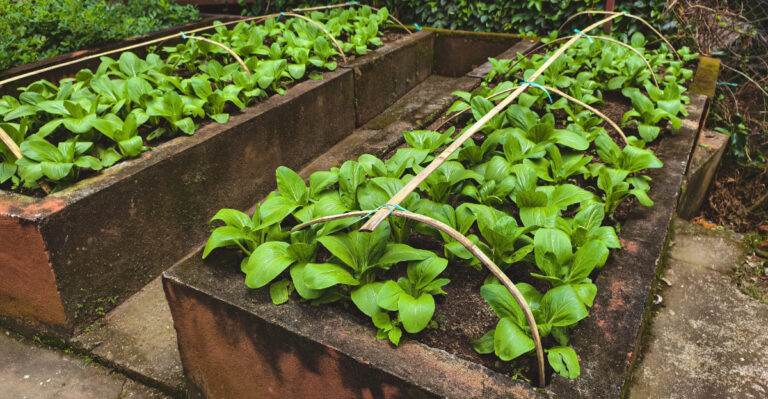
Raised beds warm up quickly in Arizona sunshine, extending the growing season and providing better drainage that prevents root rot in vegetable plants during occasional rains.
Protecting young seedlings with row covers on cold nights ensures they survive occasional frosts that can occur in Arizona during winter and early spring months.
Succession planting every few weeks provides continuous harvests rather than one big crop all at once, keeping your kitchen supplied with fresh vegetables constantly.
Arizona gardeners who take advantage of the cool season enjoy delicious, nutritious vegetables without the pest pressure and heat stress that plague summer gardens elsewhere.
Choosing varieties specifically bred for desert conditions improves success rates, as these plants tolerate Arizona’s unique combination of temperature swings and low humidity better.
Cool-season vegetable gardening is rewarding, productive, and surprisingly easy in Arizona when you time plantings correctly and provide consistent care throughout the growing period.
10. Create A Maintenance Schedule For The Entire Year
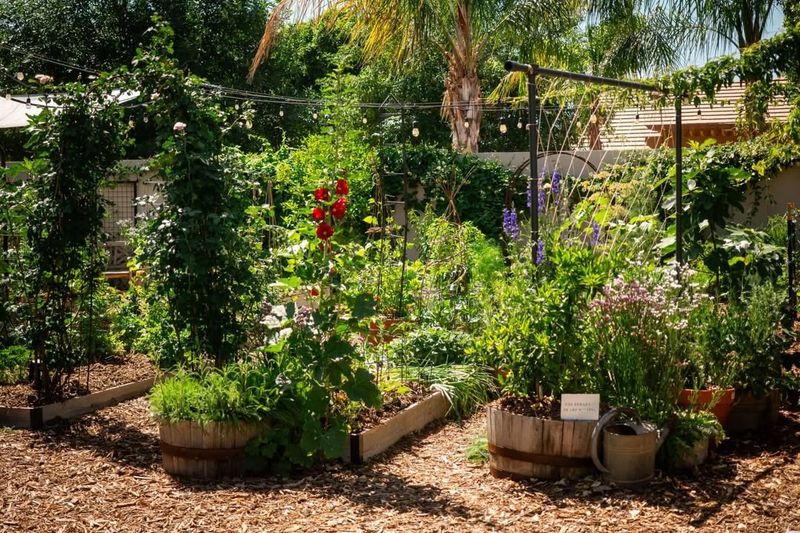
Organizing garden tasks by month helps you stay on top of essential maintenance, ensuring nothing gets forgotten during busy periods when life gets hectic.
Arizona’s unique climate means traditional gardening calendars from other regions do not apply here, so creating a schedule specific to desert conditions is crucial.
Planning ahead allows you to order seeds, schedule pruning, and prepare beds at optimal times, maximizing success and minimizing wasted effort on poorly timed tasks.
Breaking big projects into smaller monthly tasks makes gardening feel manageable rather than overwhelming, especially for Arizona homeowners with large yards or ambitious landscaping goals.
A maintenance schedule reminds you when to fertilize, mulch, prune, and plant, creating a rhythm that keeps your garden healthy and attractive throughout every season.
Tracking what you do each year helps you learn from successes and mistakes, improving your gardening skills and results with each passing Arizona growing season.
Digital calendars, smartphone apps, or simple paper planners all work well, so choose whatever system you will actually use consistently throughout the year ahead.
Scheduling regular garden walks to check plant health, irrigation function, and pest problems catches issues early when they are easiest to address effectively and inexpensively.
Arizona gardeners who plan ahead enjoy more beautiful, productive yards with less stress and frustration, making gardening the enjoyable hobby it should always be.