Yard Features California Neighborhoods Are Considering Banning In The Near Future
California neighborhoods have long balanced creativity with caution when it comes to landscaping.
From drought conditions to wildfire risks to citywide beautification goals, local leaders often review what belongs in yards and what might cause problems for the community.
As these conversations evolve, more attention is being placed on yard features that waste water, create noise, generate heat, or block visibility.
Some restrictions come from city councils; others begin with HOAs or environmental groups pushing for cleaner, safer communities.
The result is a patchwork of rules that continue to tighten year by year.
For homeowners, staying informed about what may soon fall under new limits can prevent surprises later on.
Whether you’re updating your landscape or simply maintaining what you have, understanding these emerging trends helps ensure your yard remains compliant while still reflecting your personal style.
California’s changing landscaping standards are shaping neighborhoods in real time—and the next round of updates may be right around the corner.
Large Areas Of Non-Functional Turf Grass
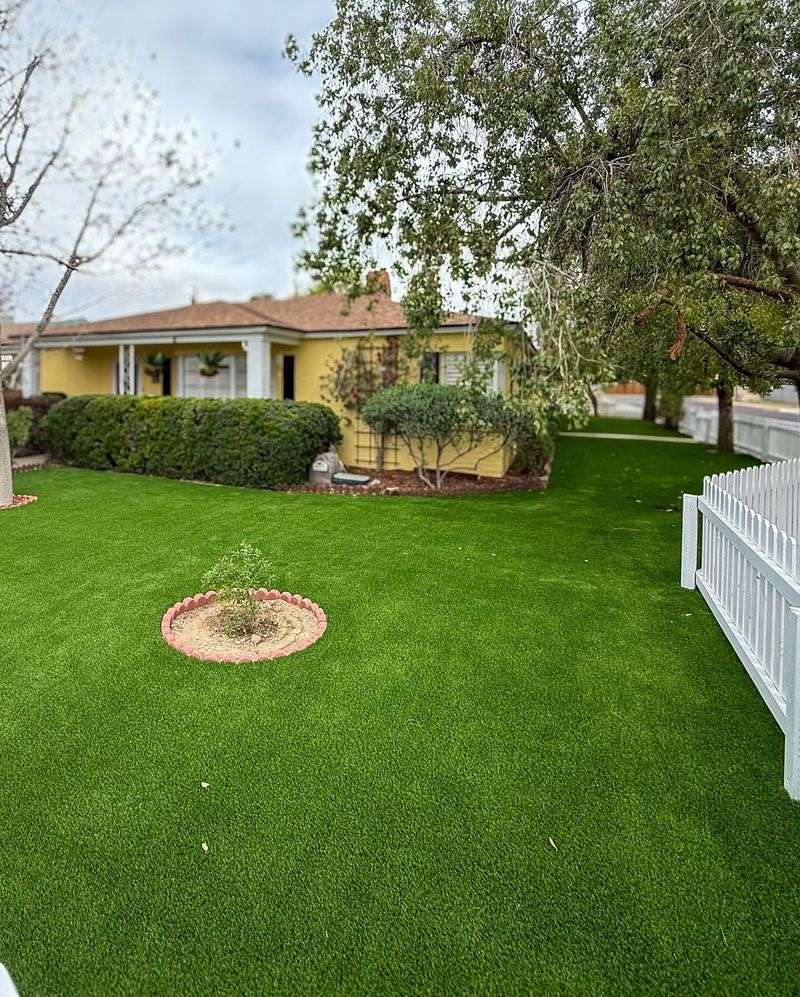
Water districts throughout California are taking a hard look at traditional lawns that serve no real purpose beyond appearance.
Purely decorative grass expanses consume massive amounts of water in a state where every drop counts.
As droughts become more frequent and severe, communities are questioning whether ornamental turf is worth the environmental cost.
Many local water agencies now offer rebates to homeowners who replace grass with drought-tolerant landscaping.
These programs reflect a broader shift in attitudes about what constitutes an attractive yard.
Native plants, succulents, and mulched areas are gaining popularity as stylish alternatives.
Some municipalities are drafting ordinances that would limit the percentage of yard space covered by traditional grass.
Exemptions might apply to functional areas like play spaces for children or pet zones.
The goal is not to eliminate grass entirely but to discourage wasteful, decorative-only lawns that strain water resources.
Homeowners who resist these changes may face higher water rates or fines for excessive use.
The message is clear: California yards need to adapt to a drier future.
Beautiful landscaping and water conservation can coexist with thoughtful planning and plant selection.
Gas-Powered Leaf Blowers
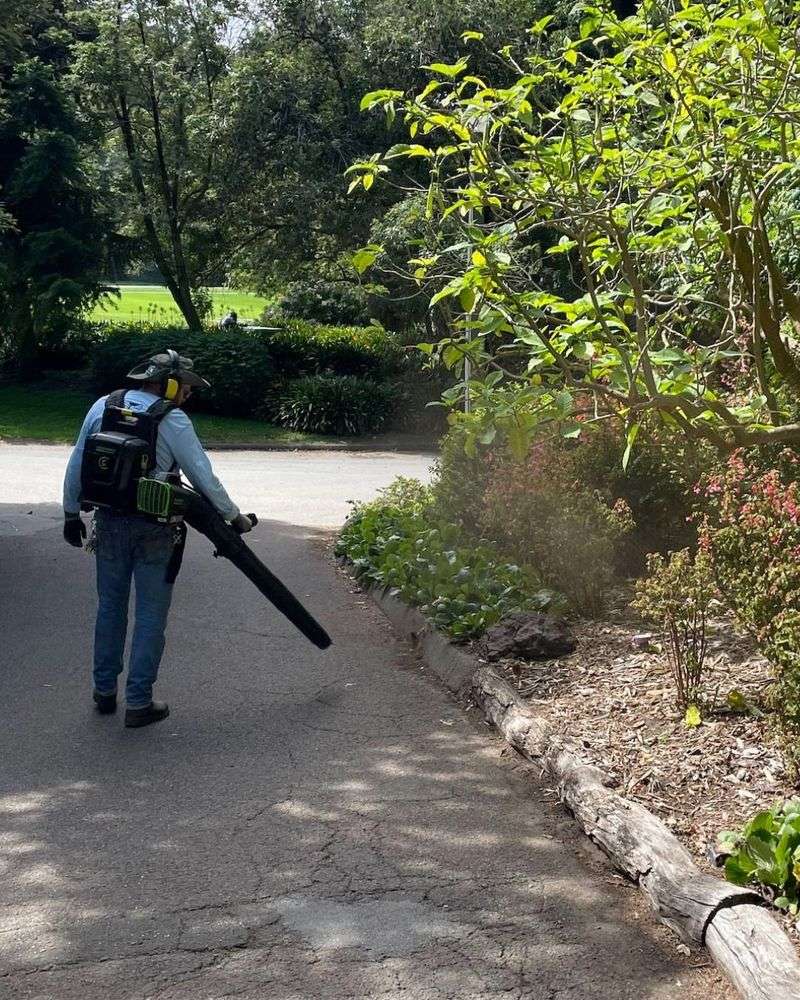
The high-pitched whine of gas-powered leaf blowers has become one of the most controversial sounds in California neighborhoods.
Cities like Los Angeles, Pasadena, and Ojai have already implemented restrictions or outright bans on these noisy machines.
More communities are following suit as residents demand quieter, cleaner alternatives.
These devices produce significant noise pollution that disrupts work-from-home schedules, disturbs naps, and interrupts peaceful weekends.
Beyond the racket, gas blowers emit harmful pollutants that contribute to poor air quality.
Studies show that one hour of gas blower use can produce emissions equivalent to driving a car hundreds of miles.
Electric and battery-powered alternatives have improved dramatically in recent years, offering comparable power with far less noise and zero direct emissions.
Professional landscapers are gradually transitioning to these quieter tools, though some resist due to cost and habit.
Proposed bans typically include grace periods to help businesses make the switch.
Your California Garden Changes Every Week. Your Plan Should Too.
Gardening in California changes quickly throughout the season. Every Friday you’ll receive a simple weekly plan showing exactly what to plant, prune, fertilize, harvest, and protect so you never miss the right timing.
Enforcement varies by city, with fines ranging from warnings to several hundred dollars for repeat violations.
Some areas restrict usage to certain hours rather than banning them completely.
The trend is unmistakable: the days of gas-powered leaf blowers dominating California yards are numbered.
Decorative Yard Lighting That Causes Light Pollution
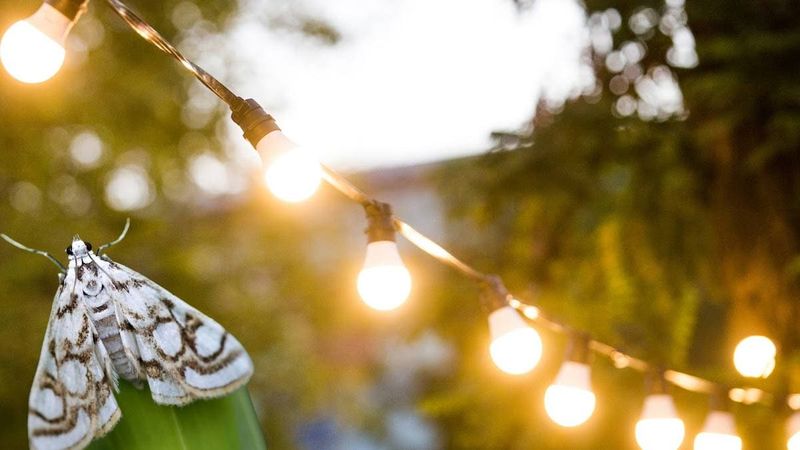
Stargazing has become increasingly difficult in California as residential light pollution brightens night skies.
Decorative yard lighting, while attractive, often spills beyond property lines and disrupts natural darkness.
Dark-sky ordinances are expanding across the state to address this growing concern.
Excessive outdoor lighting affects more than just astronomy enthusiasts.
Wildlife depends on natural light cycles for navigation, reproduction, and feeding behaviors.
Bright yard lights can disorient birds, confuse insects, and disrupt the nocturnal activities of various species.
Human health also suffers when artificial light intrudes into bedrooms and disrupts sleep patterns.
Neighbors forced to install blackout curtains because of someone else’s landscape lighting understandably feel frustrated.
New regulations often require shields or downward-facing fixtures that direct light only where needed.
Compliant lighting can still create beautiful nighttime ambiance while respecting neighbors and the environment.
Warm-toned LEDs with motion sensors offer security without constant glare.
Some communities are establishing maximum brightness levels measured in lumens or requiring lights to shut off by certain hours.
Homeowners planning new outdoor lighting should check local ordinances before installation.
What seems like an attractive enhancement today could become a code violation tomorrow as more California neighborhoods embrace dark-sky principles.
Rock Landscaping That Increases Heat Reflection
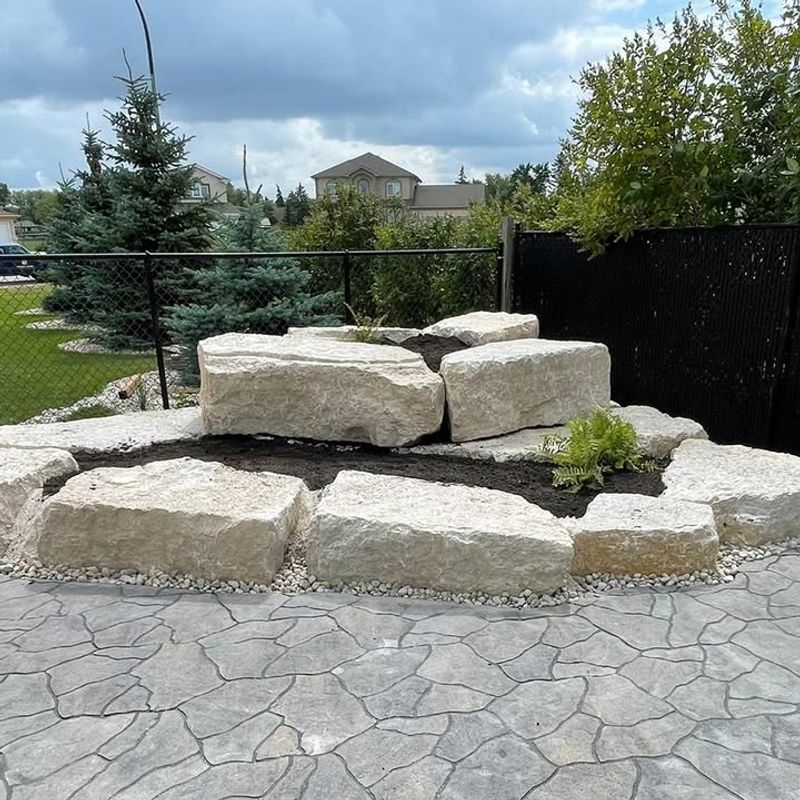
White and light-colored decorative rocks became popular as a low-maintenance, water-free landscaping option.
However, these reflective surfaces create unintended consequences that fire-prone communities are now addressing.
Heat amplification from rock mulch can raise temperatures around homes and increase wildfire risk.
Reflective landscaping materials absorb and radiate heat throughout the day and well into the evening.
This creates uncomfortable microclimates that make outdoor spaces unusable during warm months.
The extra heat also stresses nearby plants and increases cooling costs for homes.
In areas already vulnerable to wildfires, the additional heat can dry out vegetation and create tinderbox conditions.
Some fire safety experts recommend organic mulches or gravel in darker, less reflective colors.
These alternatives provide similar weed suppression and low maintenance without the heat amplification problem.
Certain communities are evaluating restrictions on the percentage of yard space that can be covered with reflective rock.
Guidelines might specify darker stone colors or require mixing rocks with heat-absorbing plants.
The goal is to maintain landscaping flexibility while reducing fire danger and heat island effects.
Homeowners in fire zones should consult local fire departments before installing extensive rock landscaping.
What works in coastal areas may be inappropriate for inland or hillside properties.
Smart material choices can keep yards attractive while supporting community safety goals.
Front Yard Vegetable Gardens In Certain HOA Neighborhoods
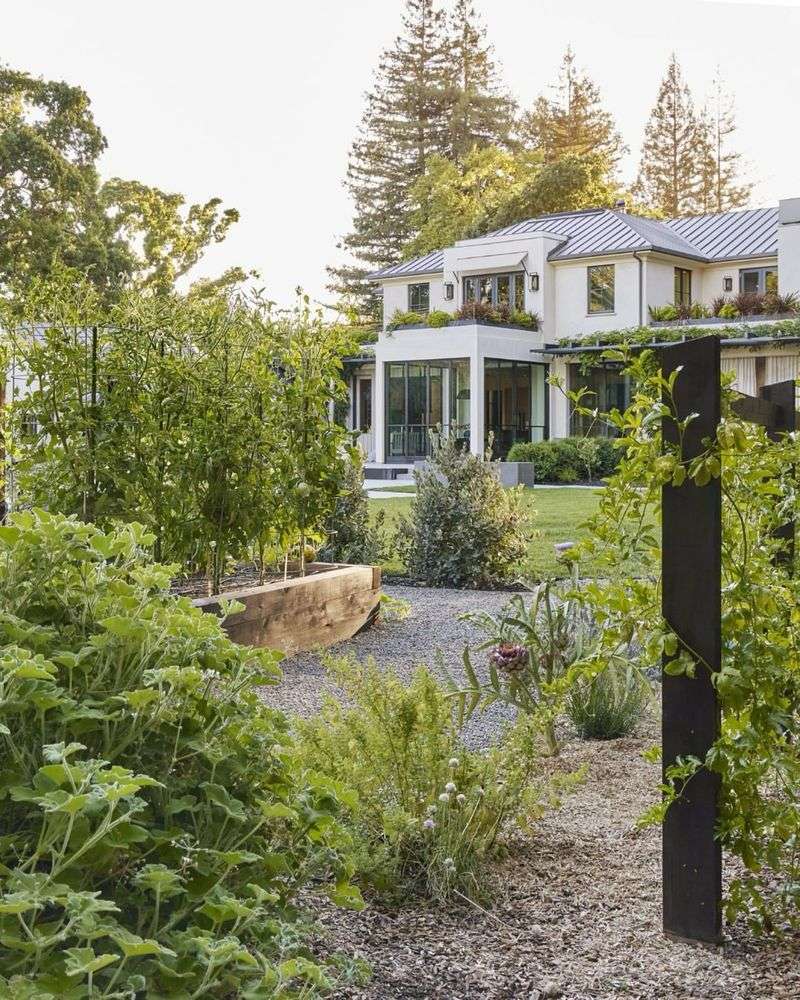
Growing your own food makes sense for health, sustainability, and budget reasons.
Yet many California homeowners associations continue to prohibit vegetable gardens in front yards.
These restrictions prioritize uniform appearance over self-sufficiency and environmental benefits.
The conflict between food gardening and aesthetic rules has sparked legal battles and community debates across the state.
Some homeowners have received fines or removal orders for tomato plants and herb gardens visible from the street.
Advocates argue that edible landscaping can be just as attractive as ornamental plantings when properly designed.
A few California cities have passed ordinances protecting the right to grow food in front yards, overriding HOA restrictions.
These laws typically require gardens to be maintained and not create safety hazards or nuisances.
The movement reflects growing recognition that food security and sustainability should take priority over purely decorative standards.
HOAs that maintain front yard vegetable bans face increasing pressure to modernize their rules.
Some are compromising by allowing edible plants that also have ornamental value, like blueberry bushes or colorful chard.
Others are updating covenants to permit well-maintained raised beds or container gardens.
Homeowners considering front yard vegetables should review their HOA documents carefully and attend board meetings to advocate for rule changes.
The tide is slowly turning toward more flexible policies that balance community appearance with practical gardening.
Tall Privacy Hedges Blocking Street Visibility
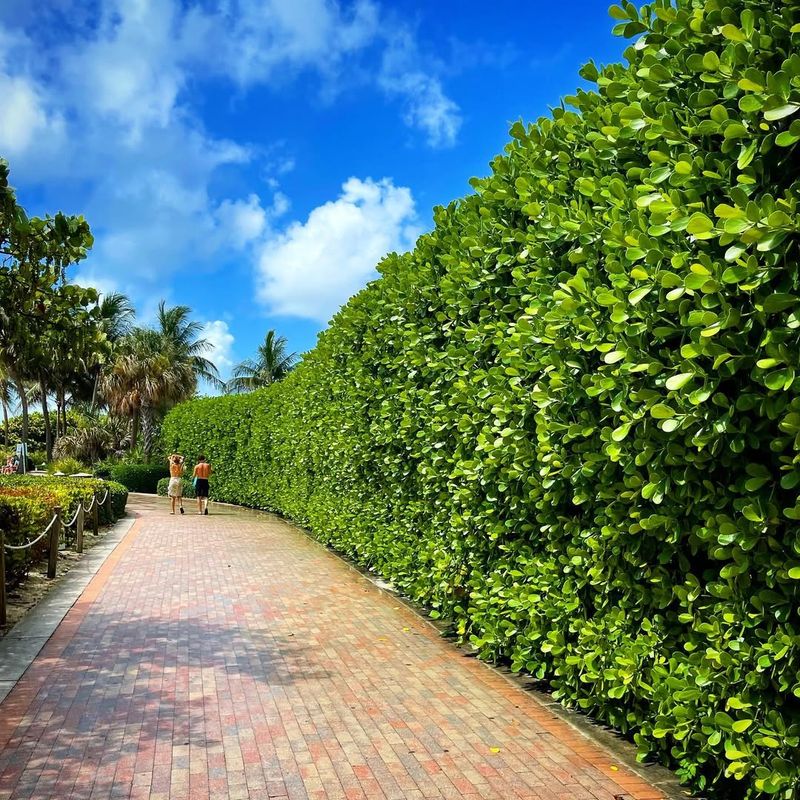
Privacy is precious, but hedges that block driver visibility create serious safety hazards.
Cities across California regularly review complaints about overgrown vegetation near intersections and driveways.
Sight line ordinances exist in most communities, though enforcement varies considerably.
The problem typically occurs at corner properties where tall hedges prevent drivers from seeing oncoming traffic, pedestrians, or cyclists.
Even mid-block driveways become dangerous when hedges grow so high that drivers cannot see down the sidewalk before backing out.
These situations have led to accidents, near-misses, and frustrated neighbors.
Most municipal codes specify maximum heights for vegetation within triangular sight zones at corners and driveway entrances.
Common limits range from 30 to 42 inches in these critical areas.
Away from intersections, hedges may be allowed to grow taller, sometimes up to six or eight feet.
Property owners who ignore warnings about overgrown hedges may receive citations and fines.
In extreme cases, cities can trim vegetation at the owner’s expense.
More communities are strengthening enforcement as traffic safety becomes a priority.
Smart homeowners maintain their hedges proactively rather than waiting for complaints.
Privacy can be achieved with strategic planting that keeps sight lines clear where they matter most.
Consulting with a landscape designer familiar with local codes can help balance privacy desires with safety requirements and community regulations.
Invasive Plants Listed By California Department Of Food & Agriculture
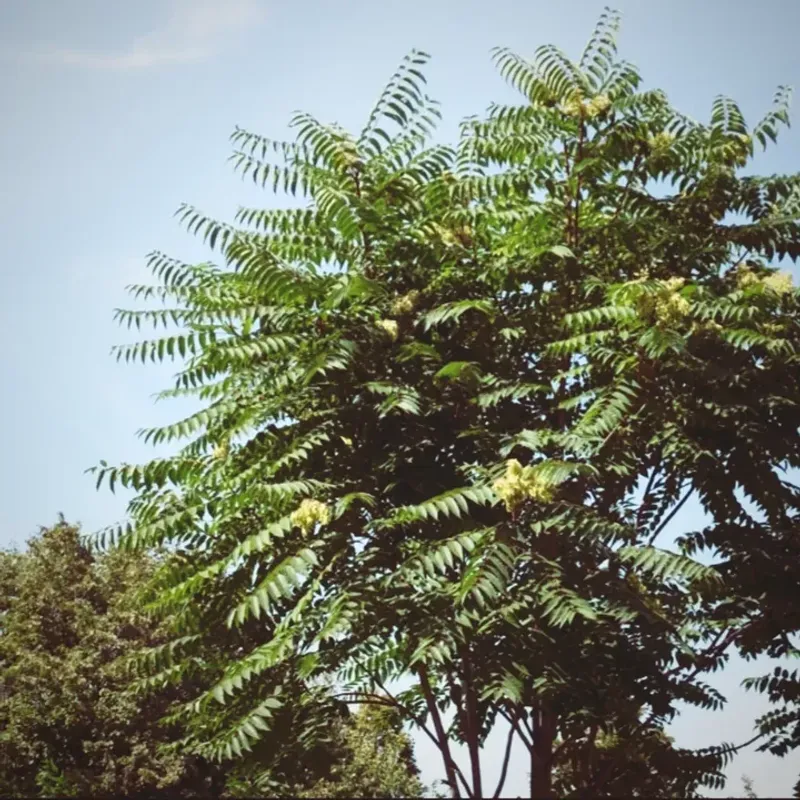
That beautiful pampas grass swaying in the breeze might seem harmless, but California regulators see it differently.
Invasive species like pampas grass, tree of heaven, and fountain grass are facing increased restrictions across the state.
These plants spread aggressively, crowd out native species, and create fire hazards.
The California Department of Food and Agriculture maintains lists of invasive plants that threaten ecosystems and agriculture.
Local jurisdictions are adopting ordinances that prohibit planting these species and sometimes require removal of existing specimens.
Enforcement often begins with education, giving property owners time to replace banned plants with appropriate alternatives.
Invasive plants typically thrive because they lack natural predators and outcompete native vegetation for resources.
They can alter soil chemistry, increase wildfire fuel loads, and reduce habitat quality for native wildlife.
The long-term ecological damage far outweighs any short-term aesthetic appeal.
Homeowners should check current invasive species lists before purchasing new plants for their yards.
Many attractive native and non-invasive alternatives provide similar visual effects without environmental risks.
Nurseries are increasingly labeling plants to help consumers make informed choices.
Removing established invasive plants can be challenging, as many spread through underground roots or prolific seeds.
Professional help may be necessary for complete eradication.
The investment protects property values and contributes to California’s broader environmental health, making it worthwhile despite the initial cost and effort.
Unpermitted Fences, Gates, Or Walls
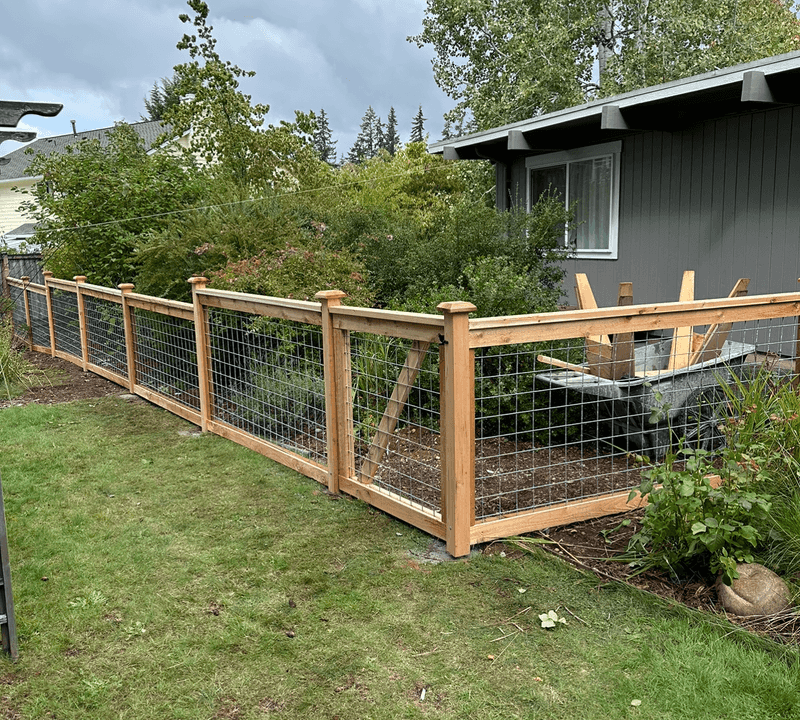
Building a fence seems straightforward until you discover the complex web of regulations governing height, materials, and placement.
Many California cities actively cite homeowners for fences that violate local codes, even if the structures have existed for years.
Increased enforcement is catching property owners by surprise.
Height restrictions are the most common issue, with front yard fences typically limited to three or four feet and backyard fences to six feet.
These limits balance privacy needs with community aesthetics and safety concerns.
Corner properties face additional restrictions to maintain sight lines for traffic.
Material requirements vary by neighborhood and may prohibit certain types of chain link, barbed wire, or electrified fencing in residential areas.
Some communities have design standards requiring specific styles that match neighborhood character.
Historic districts often impose even stricter rules about fence appearance and materials.
The permit process exists to ensure fences comply with setback requirements, utility easements, and property line locations.
Skipping permits can lead to expensive mistakes if fences must be moved or rebuilt.
Fines for unpermitted fences can reach hundreds of dollars, plus the cost of bringing the structure into compliance.
Before installing any fence, gate, or wall, homeowners should consult their city’s planning or building department.
HOAs may impose additional restrictions beyond municipal codes.
Getting proper permits upfront saves money and headaches compared to dealing with violations after construction is complete.
Excessive Artificial Turf Installations
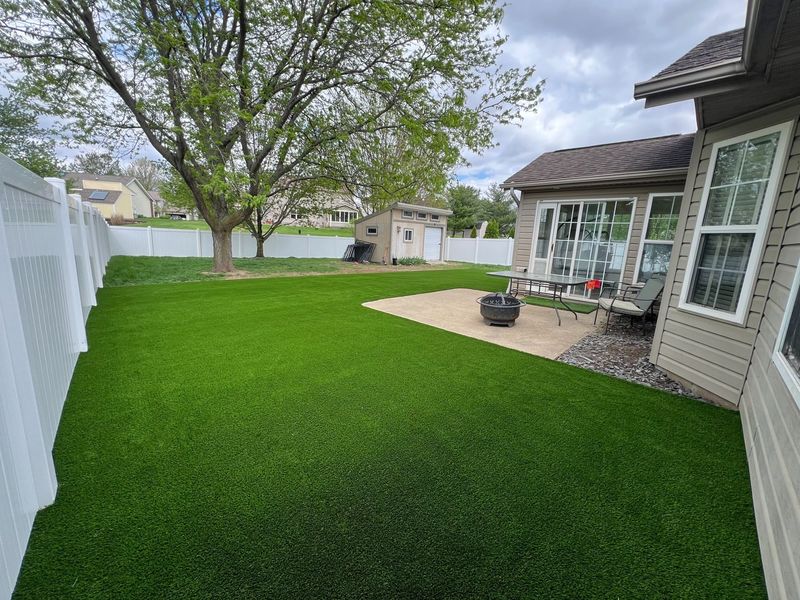
Artificial turf seemed like the perfect solution to California’s water crisis when it first gained popularity.
However, municipalities are now evaluating limits on synthetic grass due to unexpected environmental and health concerns.
The material that promised water savings brings its own set of problems.
Artificial turf absorbs and radiates heat much more intensely than natural grass, creating uncomfortable surface temperatures that can exceed 150 degrees on hot days.
This heat island effect makes yards unusable during summer months and increases cooling costs for nearby homes.
Children and pets can burn their feet on synthetic surfaces that look invitingly green.
Environmental issues include plastic waste, as artificial turf eventually degrades and must be replaced, typically ending up in landfills.
The rubber infill used in many products contains chemicals that can wash into storm drains and waterways.
Unlike natural grass, artificial turf provides no habitat for beneficial insects or soil organisms.
Runoff problems occur because synthetic surfaces are impermeable, preventing rainwater from soaking into the ground.
This increases flooding risk and reduces groundwater recharge.
Some communities are considering limits on the percentage of yard space that can be covered with artificial turf.
Homeowners attracted to low-maintenance landscaping should explore alternatives like native groundcovers, mulched areas, or drought-tolerant grass varieties.
These options conserve water while avoiding the drawbacks of artificial turf and remaining compliant with evolving regulations.
Unscreened Trash Cans Or Storage Areas
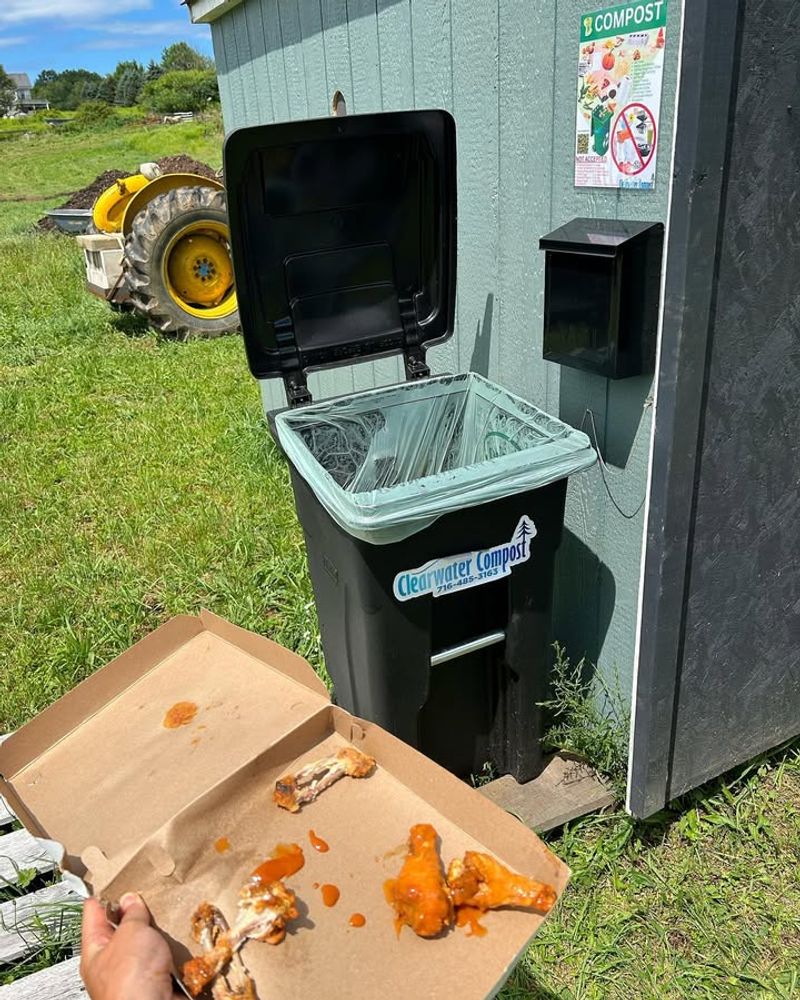
Trash bins, recycling containers, and yard equipment stored in plain view have become targets of stricter neighborhood regulations.
Many California communities already require screening for these items, and enforcement is intensifying.
The push reflects growing emphasis on curb appeal and property values.
Visible trash cans attract pests, create odors, and detract from neighborhood appearance.
Some homeowners leave bins on the curb for days after collection, while others store them permanently in front yards.
Neighbors understandably object when their view includes someone else’s garbage containers.
Municipal codes increasingly require bins to be stored in garages, side yards, or behind screening structures when not at collection points.
Acceptable screening might include fences, walls, landscaping, or purpose-built enclosures that match the home’s architecture.
The goal is to keep necessary items accessible while maintaining neighborhood aesthetics.
Storage of lawn equipment, hoses, pots, and other yard materials faces similar scrutiny.
What homeowners view as convenient access, neighbors see as clutter that brings down property values.
Code enforcement officers respond to complaints by issuing warnings and, eventually, fines for non-compliance.
Creating attractive storage solutions can actually enhance yard functionality while satisfying regulations.
A well-designed bin enclosure or storage shed keeps items protected from weather and out of sight.
Many hardware stores and online retailers offer screening options at various price points, making compliance achievable for most budgets and yard configurations.
Large Decorative Structures Without Permits
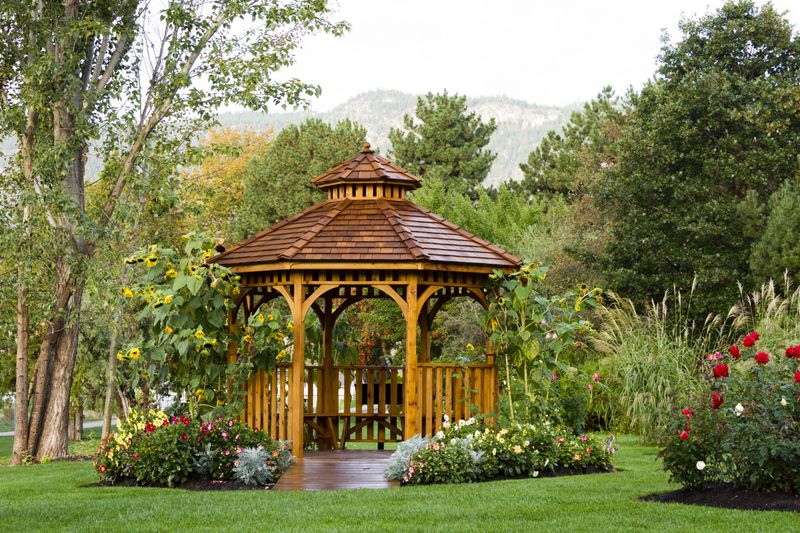
Artistic expression in your yard is wonderful until that sculpture or pergola requires a building permit you never obtained.
California cities are cracking down on oversized decorative structures that appear without proper approvals.
What starts as a creative enhancement can become a costly code violation.
Size matters when it comes to yard structures, with most cities requiring permits for anything above certain dimensions.
Pergolas, gazebos, arbors, and other shade structures typically need permits if they exceed 120 square feet or certain height limits.
Large sculptures, monuments, and decorative walls may also trigger permit requirements depending on their size and permanence.
The permit process ensures structures meet setback requirements, don’t obstruct sight lines, and comply with height restrictions.
Inspectors verify that heavy items are properly anchored and won’t become hazards during earthquakes or high winds.
These regulations protect both the property owner and the surrounding community.
Homeowners associations often impose additional restrictions on yard art and structures beyond municipal codes.
Some HOAs prohibit certain styles, colors, or themes regardless of size.
Checking both city and HOA rules before installation prevents expensive mistakes.
Unpermitted structures can complicate property sales, as inspectors and title companies may flag them during transactions.
Retroactively obtaining permits often costs more than doing it right initially.
When planning significant decorative additions, consulting with the local planning department first saves time, money, and potential legal headaches down the road.
Certain Fire-Hazard Landscaping Near Homes
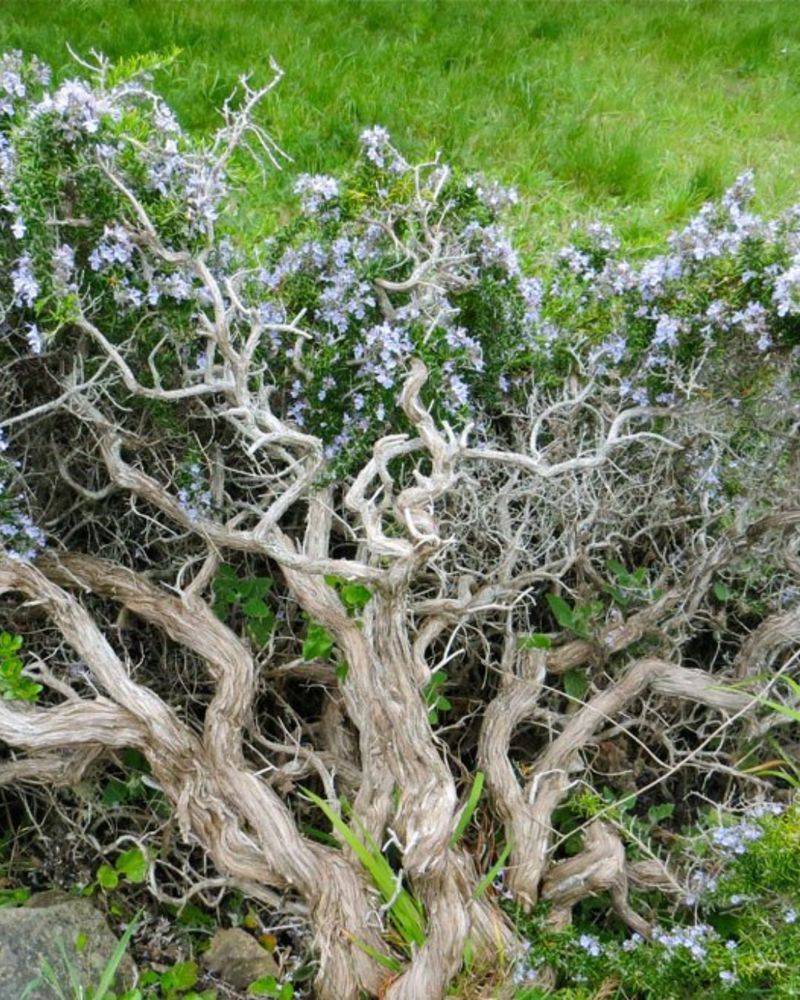
Wildfire risk has transformed landscaping from a purely aesthetic decision into a life-safety issue for many California homeowners.
Communities in fire-prone zones are implementing stricter rules about what can be planted near structures.
Flammable plants and materials that once seemed harmless now face potential bans.
Defensible space regulations require homeowners to maintain zones of reduced fire fuel around buildings.
The immediate five feet surrounding structures must be kept clear of flammable vegetation, mulch, and debris.
This zone often prohibits wood mulch, certain shrubs, and plants with high oil content like juniper and eucalyptus.
Beyond the immediate zone, additional areas extending 30 to 100 feet from homes require careful plant selection and maintenance.
Vegetation must be properly spaced, regularly pruned, and kept free of debris.
Violations can result in fines and mandatory abatement at the owner’s expense.
Some fire districts are moving beyond recommendations to outright bans on specific high-risk plants within certain distances of structures.
Palm trees, bamboo, and ornamental grasses may be prohibited due to their tendency to carry embers or burn intensely.
These rules evolve as communities learn from each fire season’s lessons.
Homeowners in wildfire zones should consult local fire departments about approved plant lists and landscaping requirements.
Fire-resistant landscaping can still be beautiful while providing crucial protection.
The investment in appropriate plants and maintenance is far less than rebuilding after a preventable structure fire.
Excessive Water Features Or Fountains
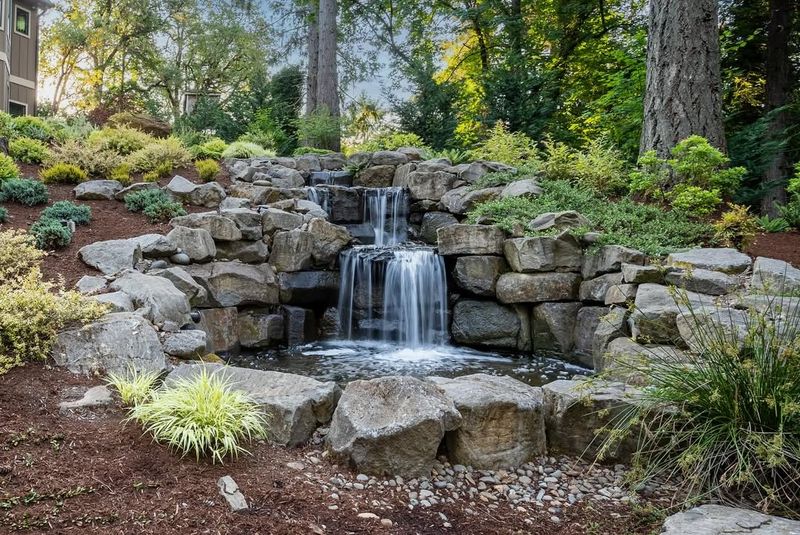
The soothing sound of flowing water adds tranquility to any yard, but decorative fountains are under scrutiny during California’s ongoing water challenges.
Communities are evaluating restrictions on water features that serve purely aesthetic purposes.
As conservation becomes mandatory rather than voluntary, ornamental water use faces tighter limits.
Many fountains lose significant water to evaporation, especially during hot, dry weather when water is scarcest.
A medium-sized fountain can lose dozens of gallons weekly, multiplying across thousands of homes to create substantial waste.
This consumption is increasingly viewed as indefensible when residents face mandatory cutbacks for essential uses.
Some water districts are proposing tiered restrictions that would limit or prohibit decorative water features during drought conditions.
Recirculating systems fare better than continuous-flow designs, but even these lose water to evaporation.
Fountains that serve functional purposes, like aerating ponds for fish health, might receive exemptions.
Homeowners with existing fountains should ensure they use recirculating pumps and cover water surfaces when possible to reduce evaporation.
Consider running fountains only during cooler parts of the day or special occasions rather than continuously.
Some residents are converting decorative fountains to dry features with river rocks or plants.
Before installing a new water feature, check current and proposed water-use regulations in your area.
What’s permitted today might be restricted tomorrow as drought conditions persist.
Drought-friendly alternatives like succulent gardens or rock features can provide visual interest without consuming precious water resources.
Parking Vehicles On Lawns Or Unpaved Surfaces
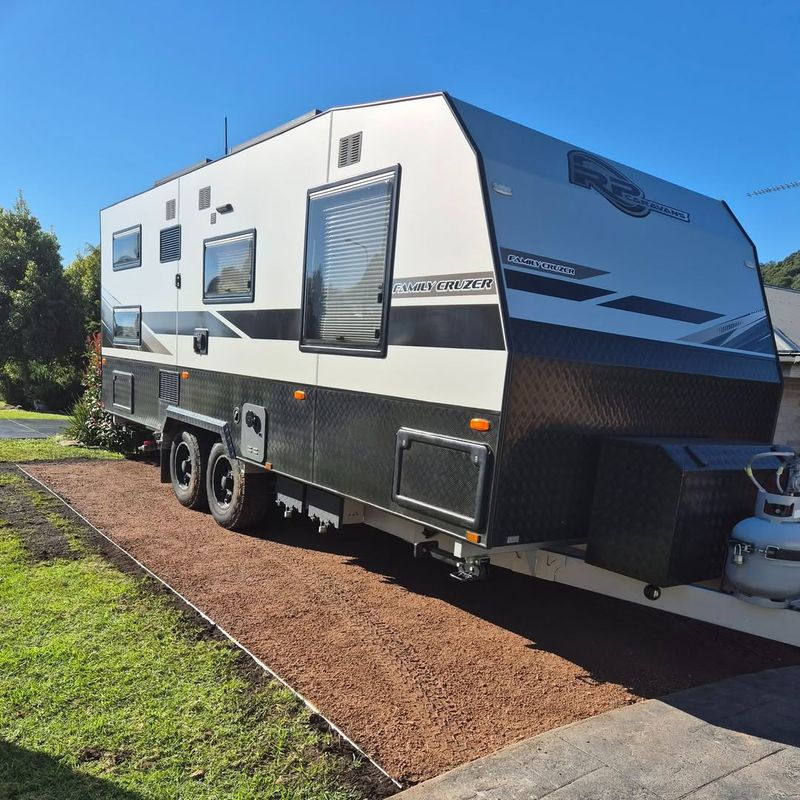
Parking cars, boats, or RVs on front lawns has long been prohibited in many California cities, and surrounding communities are adopting similar policies.
These regulations address concerns about neighborhood appearance, environmental damage, and property values.
Enforcement is becoming more consistent as communities prioritize curb appeal.
Vehicles parked on grass create unsightly ruts, destroy vegetation, and compact soil.
Oil, coolant, and other fluids can leak onto the ground, contaminating soil and potentially reaching groundwater.
The visual impact of cars scattered across lawns gives neighborhoods a neglected appearance that affects everyone’s property values.
Most ordinances require vehicles to be parked on approved surfaces like concrete, asphalt, or properly installed pavers.
These surfaces must often be permitted and meet drainage requirements to prevent runoff problems.
Gravel may or may not be acceptable depending on local codes and how it’s installed.
Recreational vehicles, boats, and trailers face additional restrictions in many communities.
They may be prohibited from parking in front yards entirely or limited to short periods for loading and unloading.
Some neighborhoods require these items to be stored in garages, backyards, or off-site facilities.
Homeowners receiving citations for lawn parking should act quickly to avoid escalating fines.
Creating proper parking surfaces requires permits but adds value and functionality to properties.
For those without space for additional parking, exploring nearby storage facilities may be necessary to comply with increasingly strict regulations.