Why Georgia Homeowners Should Think Twice Before Removing Possums From Their Yards
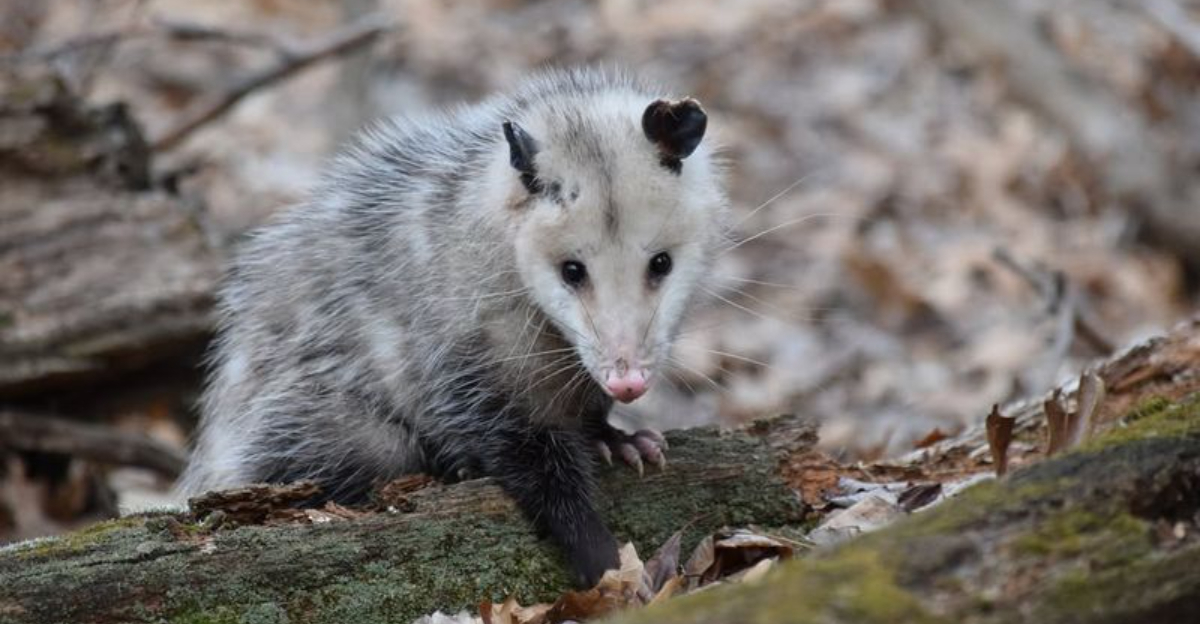
Possums often get a bad reputation, but in Georgia, these gentle nighttime wanderers play a surprisingly helpful role in neighborhood ecosystems.
They eat ticks, slugs, roaches, fallen fruit, and even venomous snakes—making them one of the most effective natural pest-control animals around.
Many homeowners assume they’re dangerous or destructive, but possums are shy, low-risk, and far less threatening than most backyard visitors.
Removing them can actually make pest issues worse or disrupt the local balance.
And because they rarely carry rabies and seldom confront people, they pose little threat to families or pets.
Before deciding to chase a possum off your property, it’s worth knowing just how beneficial they can be.
Understanding their behavior helps homeowners see them not as nuisances, but as quiet workers supporting a healthier yard.
In many cases, simply letting them pass through is the best—and easiest—choice.
Possums Eat Ticks By The Thousands
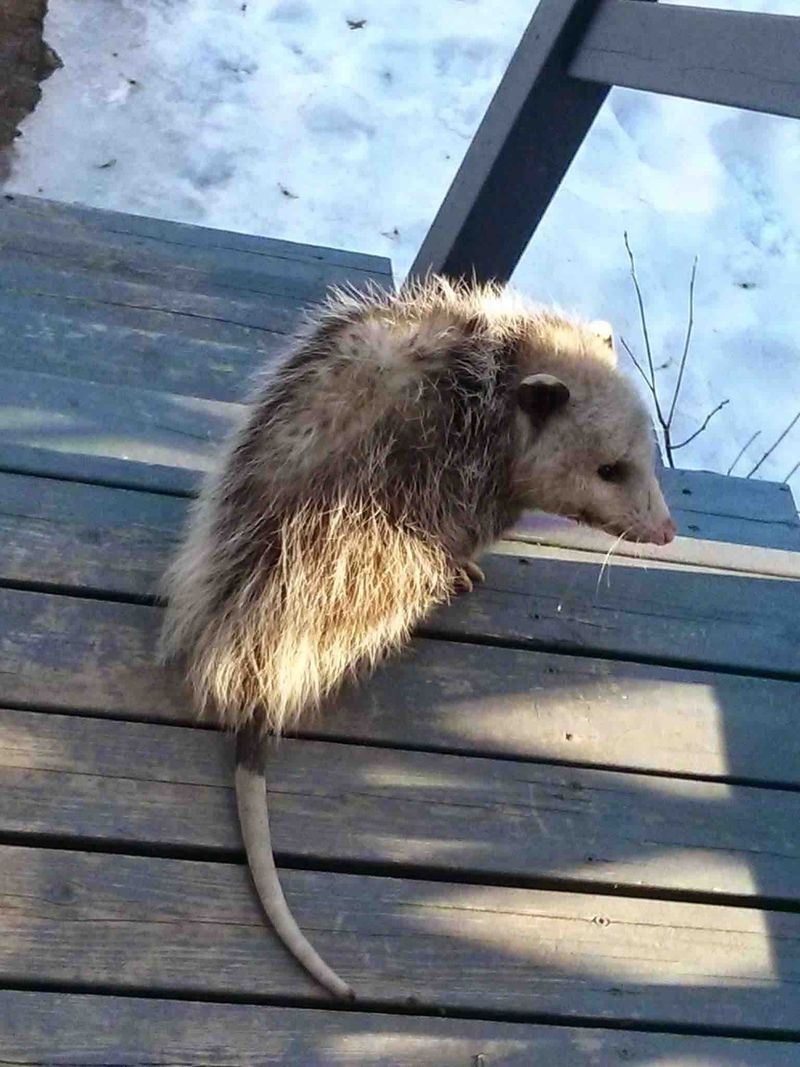
Ticks pose serious health threats across Georgia, spreading Lyme disease and other nasty illnesses to people and pets.
A single possum can consume up to 5,000 ticks during one season, acting like a four-legged vacuum cleaner for these dangerous parasites.
As possums wander through your yard at night, ticks latch onto their fur hoping for a meal, but the possum grooms itself constantly and eats most of the hitchhikers.
This natural tick control happens without any chemicals, traps, or expensive pest control services.
Georgia summers bring heavy tick activity, especially in wooded areas and tall grass where families and pets love to play.
By allowing possums to patrol your property, you’re reducing the tick population significantly and protecting your loved ones from tick-borne diseases.
Think of possums as free, eco-friendly pest management workers who clock in every evening.
They don’t need payment, training, or supervision—just a safe space to roam.
Studies show that possums are incredibly efficient at finding and eating ticks compared to other wildlife.
Their grooming habits and slow movements through vegetation make them perfect tick hunters.
Removing possums from your yard means losing this valuable service and potentially facing higher tick numbers.
Next time you spot a possum, remember it’s probably saving you from dozens of tick bites.
They Are Natural Pest Control For Roaches, Snails, And Rodents
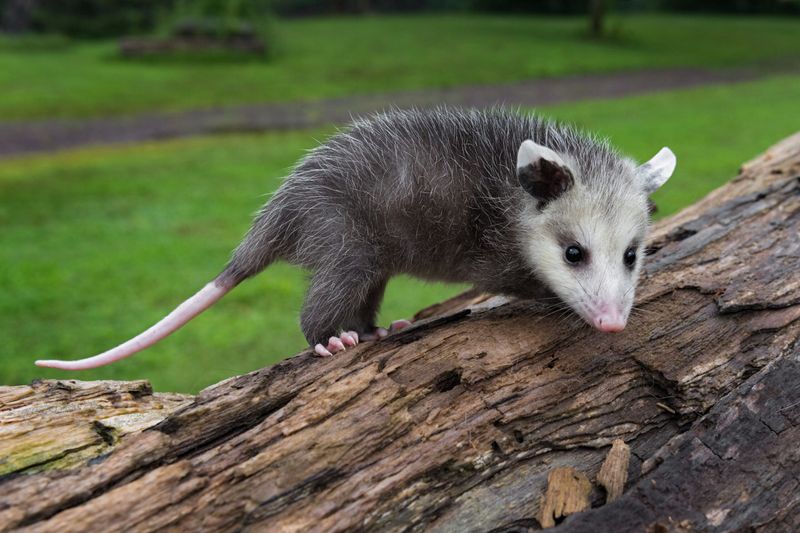
Nobody wants roaches scuttling across their kitchen floor or snails munching through their garden plants.
Possums have a varied diet that includes many common household pests, making them excellent natural exterminators.
They hunt down cockroaches, beetles, snails, slugs, and even small rodents that might otherwise invade your home or damage your landscaping.
Unlike chemical pesticides that can harm beneficial insects, pets, or children, possums target pests selectively and safely.
Georgia’s warm, humid climate creates perfect conditions for roaches and other unwanted critters to thrive year-round.
Having a possum regularly patrol your property keeps these pest populations under control without you lifting a finger.
Possums are opportunistic feeders, meaning they’ll eat whatever pests are most available in your yard.
Your Georgia Garden Changes Every Week. Your Plan Should Too.
Gardening in Georgia changes quickly throughout the season. Every Friday you’ll receive a simple weekly plan showing exactly what to plant, prune, fertilize, harvest, and protect so you never miss the right timing.
If you have a roach problem near your garbage area, the possum will focus there.
If snails are destroying your hostas, the possum will snack on those instead.
This adaptive hunting behavior makes possums incredibly effective at addressing whatever pest issue you’re facing.
Commercial pest control can cost hundreds of dollars annually, but possums work for free.
They’re active at night when many pests emerge, giving them perfect timing to intercept problems before they grow.
Encouraging possums to visit your yard creates a balanced ecosystem where pests stay manageable naturally.
They Rarely Carry Rabies
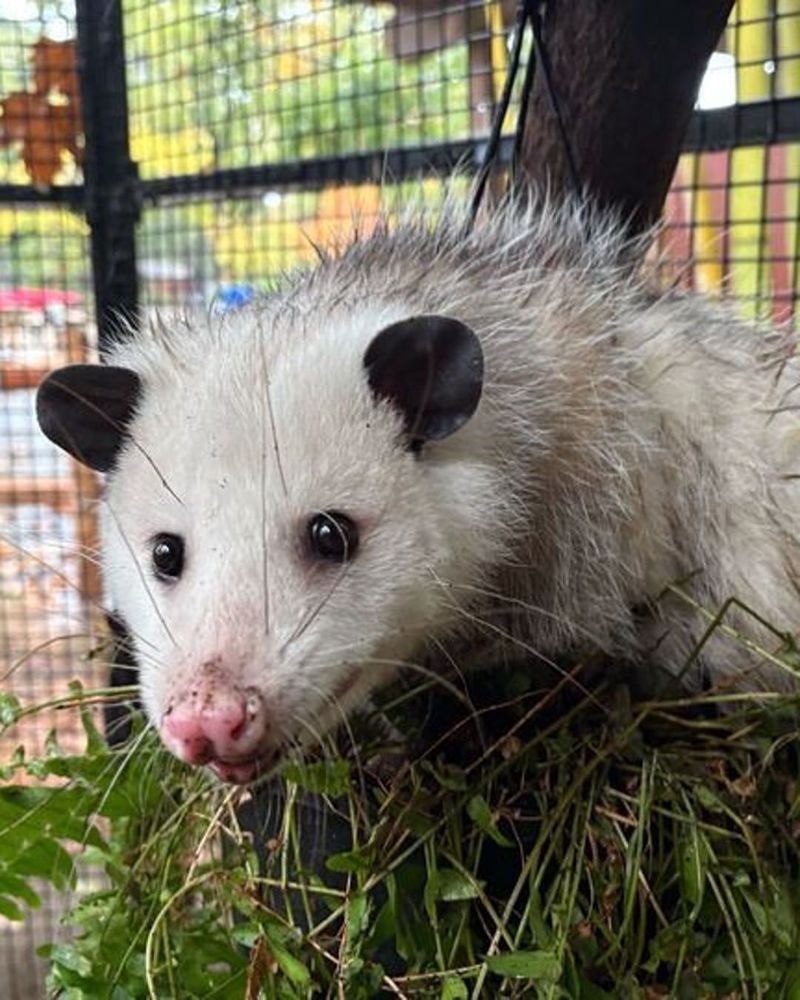
Rabies is a terrifying disease that affects many wild animals, but possums are remarkably resistant to it.
Their body temperature runs lower than most mammals—around 94 to 97 degrees Fahrenheit—which makes it extremely difficult for the rabies virus to survive and replicate.
This biological quirk means possums are far less likely to carry rabies than raccoons, bats, foxes, or skunks.
Many homeowners fear wild animals because of rabies risk, but possums are actually among the safest wildlife visitors you can have.
Georgia has documented cases of rabies in various wildlife species, but possum cases are incredibly rare.
When you see a possum in your yard, you’re looking at an animal that poses minimal disease risk to your family and pets.
Compare this to raccoons, which frequently carry rabies and can be aggressive when cornered.
Possums, by contrast, avoid conflict and prefer to escape or play possum when threatened.
Their gentle nature combined with low rabies risk makes them ideal neighbors.
Some people mistake a possum’s defensive hissing and drooling for signs of rabies, but these are just bluffing behaviors to scare away threats.
A truly rabid animal acts confused, aggressive, and uncoordinated—behaviors possums rarely display.
Understanding the science behind possum immunity to rabies should ease concerns about having them nearby.
They’re much safer than many people realize.
Possums Help Clean Up Fallen Fruit And Yard Debris
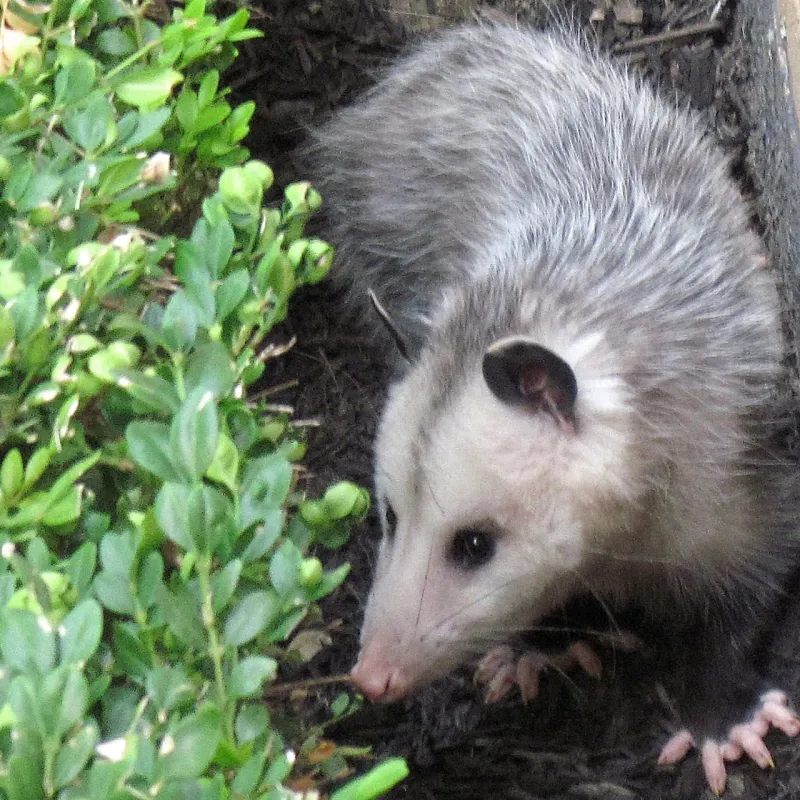
Peach trees, apple trees, and berry bushes are common in Georgia yards, but fallen fruit creates problems if left to rot.
Decaying fruit attracts flies, wasps, ants, and rats looking for an easy meal.
Possums love eating overripe and fallen fruit, cleaning up this potential pest magnet before it becomes a bigger issue.
By consuming spoiled fruit, possums prevent the fermentation smells that draw unwanted visitors to your property.
Georgia’s fruit-growing season means many homeowners deal with constant fruit drop that’s tedious to clean manually.
Possums handle this chore naturally, working through the night to clear your yard of fallen produce.
They also eat other organic debris like mushrooms, nuts, and plant matter that might otherwise clutter your landscape.
This scavenging behavior keeps your yard tidier and reduces the labor you’d spend raking and bagging waste.
Fruit left on the ground can also harbor mold and bacteria that spread to healthy plants.
Possums interrupt this cycle by removing contaminated fruit before disease spreads.
Their digestive systems break down organic material efficiently, returning nutrients to the soil through their droppings.
Think of possums as nature’s cleanup crew, working for free while you sleep.
They tackle jobs that would otherwise require your time, energy, and possibly money if pests moved in.
Next time you see fallen peaches disappearing overnight, thank your neighborhood possum.
They Reduce Snake Populations
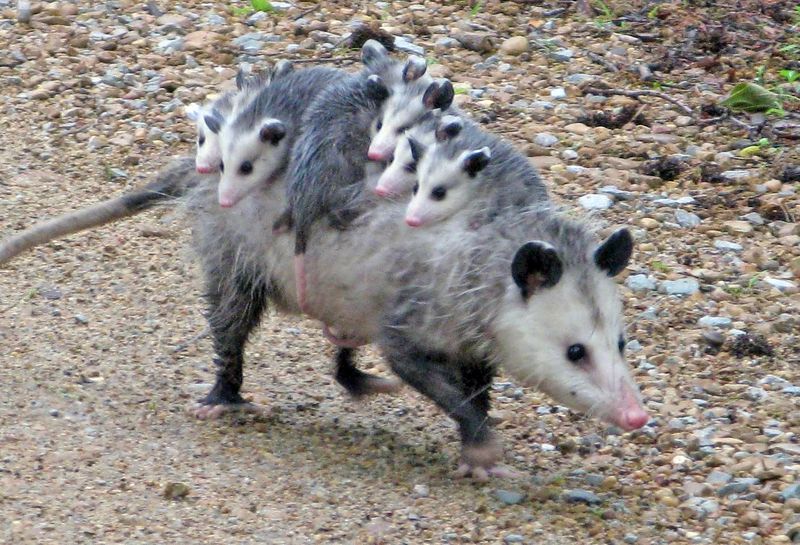
Georgia is home to venomous snakes like copperheads, cottonmouths, and rattlesnakes that can pose real dangers to families and pets.
Possums are surprisingly brave when encountering snakes and will actually hunt them when given the chance.
Their thick fur and quick reflexes provide some protection against snake strikes, though they’re not completely immune to venom.
Possums compete with snakes for food sources like rodents and insects, naturally reducing the snake population in your area.
When possums patrol your property regularly, snakes often move elsewhere to find easier hunting grounds.
This territorial effect happens without you needing to handle dangerous reptiles yourself or hire expensive snake removal services.
Many Georgia homeowners worry about snakes hiding in woodpiles, under porches, or near garden beds where children play.
Having possums around creates a natural deterrent that makes your yard less attractive to snakes.
Possums also eat snake eggs when they find them, preventing future generations from hatching near your home.
While possums won’t eliminate every snake, they significantly reduce the likelihood of frequent snake encounters.
Their presence creates a more balanced ecosystem where no single predator or prey species dominates.
For families concerned about venomous snake bites, encouraging possums to visit offers peace of mind.
You’re essentially hiring a natural security guard who works the night shift protecting your property from slithering intruders.
They Are Harmless And Non-Aggressive

Despite their somewhat scary appearance with sharp teeth and rat-like tails, possums are actually gentle creatures that avoid confrontation.
When threatened, possums would much rather flee than fight, and they’ll only show their teeth as a last-resort bluff.
Their famous “playing possum” behavior is an involuntary response to extreme fear, where they essentially faint and appear lifeless to predators.
This defensive strategy proves how non-aggressive possums truly are—they’d rather fake their own demise than attack.
Georgia families with children and pets can feel safe knowing possums won’t initiate conflicts or chase anyone.
Compare this to raccoons, which can become aggressive when protecting food or young, or opossums’ distant relatives like rats that bite when cornered.
Possums simply want to find food and shelter, then move along without causing trouble.
Even mother possums with babies on their backs will retreat rather than defend aggressively.
Their slow, waddling movement makes them easy to spot and avoid if you prefer not to interact.
Possums don’t carry diseases that commonly transfer to humans, and they groom themselves constantly to stay clean.
Many people who initially feared possums grew to appreciate them after observing their timid, peaceful nature.
They’re not interested in entering your home, attacking pets, or causing property damage.
Possums mind their own business, making them among the most harmless wildlife visitors your Georgia yard will ever host.
Possums Support Local Ecosystems By Scavenging
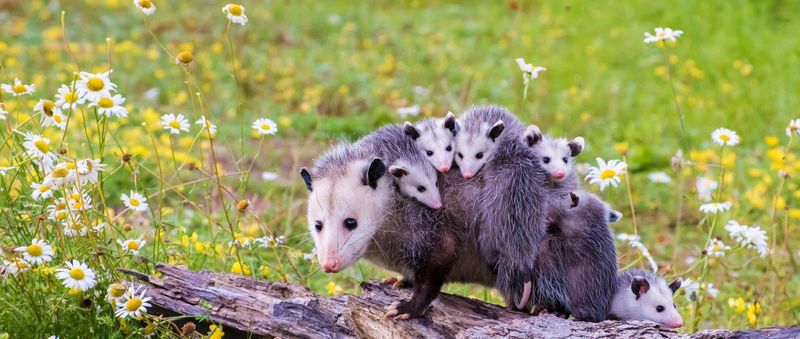
Nature has a way of recycling everything, and possums play a crucial role in this process as dedicated scavengers.
They eat carrion—animals that have passed—which prevents the spread of disease that occurs when organic matter decomposes improperly.
By consuming these remains quickly, possums stop bacteria, parasites, and foul odors from developing in your yard.
Georgia’s warm climate speeds decomposition, making this cleanup service especially valuable during hot summer months.
Without scavengers like possums, yards would face more flies, maggots, and disease-carrying insects attracted to decaying matter.
Possums have strong stomach acids that neutralize many harmful bacteria, making them perfect for this sanitation role.
They also eat roadside remains, reducing hazards and unpleasant sights along Georgia’s rural roads and suburban streets.
This scavenging behavior supports the entire local ecosystem by returning nutrients to the soil and preventing disease spread to other wildlife.
Possums work alongside vultures, beetles, and other decomposers to keep environments healthy and balanced.
Their nighttime activity means this cleanup happens while you sleep, with no unpleasant sights or smells lingering during daylight hours.
Removing possums from your area disrupts this natural sanitation system, potentially leading to more pest problems and health hazards.
They’re essentially free waste management workers who prevent problems before they start.
Appreciating possums means understanding their important role in maintaining healthy, clean outdoor spaces for everyone.
Removing Them Often Doesn’t Work Long Term
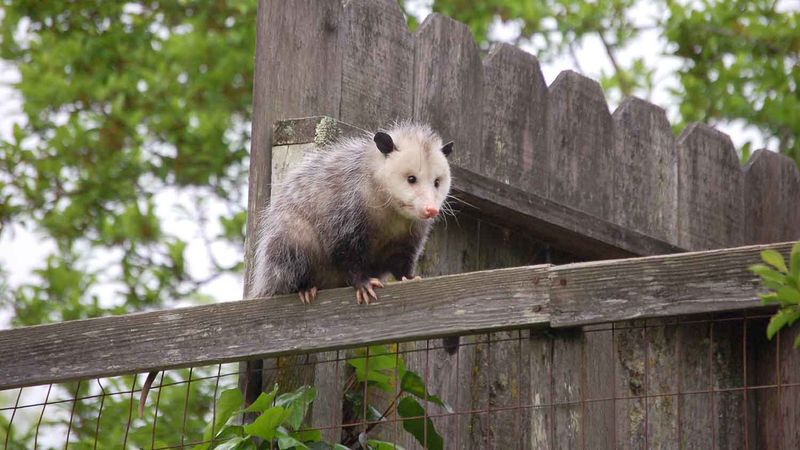
Many homeowners spend money on traps and removal services only to find another possum moving in weeks later.
This frustrating cycle happens because if your property offers food, water, and shelter, wildlife will naturally be attracted regardless of removal efforts.
Possums have territories, and when one is removed, neighboring possums quickly expand into the newly available space.
Georgia’s abundant possum population means there’s always another one ready to claim vacant territory.
Professional removal might cost anywhere from fifty to several hundred dollars depending on the service, yet it rarely provides permanent solutions.
The money spent on removal would be better invested in securing garbage cans, sealing entry points, or addressing whatever attracts wildlife initially.
Possums are also highly mobile and can travel several miles searching for suitable habitat.
Even if you clear your immediate area, possums from surrounding neighborhoods will eventually discover your yard.
This makes removal a temporary fix that doesn’t address underlying attractants.
Some homeowners trap and remove possums repeatedly, spending significant money and time without achieving lasting results.
A smarter approach involves accepting possums as beneficial neighbors and making minor adjustments to coexist peacefully.
Secure trash bins, don’t leave pet food outside, and seal crawl spaces—these steps prevent problems without expensive, ineffective removal.
Understanding that removal rarely works long-term helps homeowners make more practical, cost-effective decisions about wildlife management.
Relocating Possums Is Illegal Or Discouraged In Many Georgia Areas
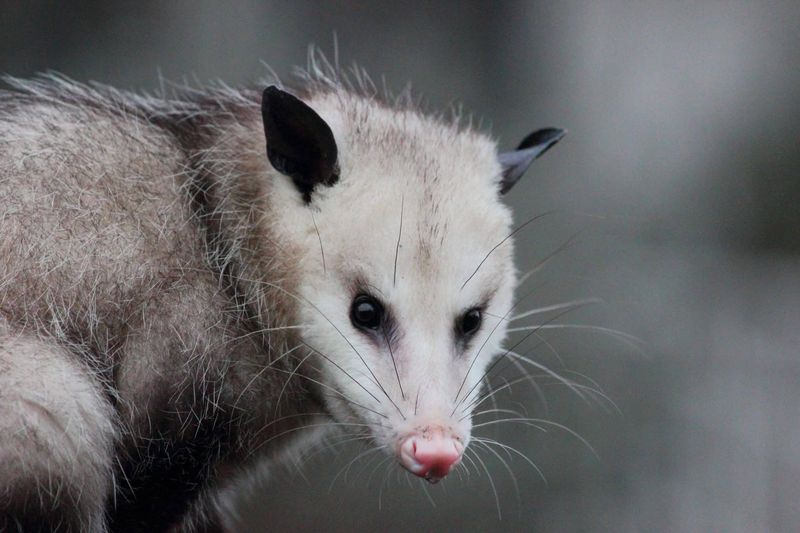
Georgia Department of Natural Resources has specific regulations about trapping and relocating wildlife that many homeowners don’t realize exist.
Relocating possums without proper permits can be illegal, and even when allowed, it’s strongly discouraged by wildlife experts.
Relocated animals face extremely low survival rates because they’re suddenly placed in unfamiliar territory without established food sources or shelter.
They must compete with resident wildlife already established in the area, often leading to starvation or vulnerability to predators.
Relocation also spreads diseases to new areas and disrupts established ecosystems that were previously balanced.
Georgia DNR emphasizes that relocation rarely solves problems and often creates suffering for the relocated animal.
Many people believe they’re being humane by relocating possums to parks or rural areas, but research shows this actually decreases the animal’s chances of survival significantly.
Mother possums relocated away from their territory may leave behind dependent babies who won’t survive without her.
Legal consequences for improper wildlife relocation can include fines and other penalties depending on local ordinances.
The most humane and legal approach involves learning to coexist with possums rather than attempting removal or relocation.
If possums are accessing areas where they’re unwanted, exclusion methods like sealing entry points work better than relocation.
Understanding Georgia’s wildlife regulations helps homeowners make informed, legal, and ethical decisions.
Before taking action against possums, research local laws and consider whether coexistence might be the better path.
They Help Protect Gardens By Eating Slugs And Beetles
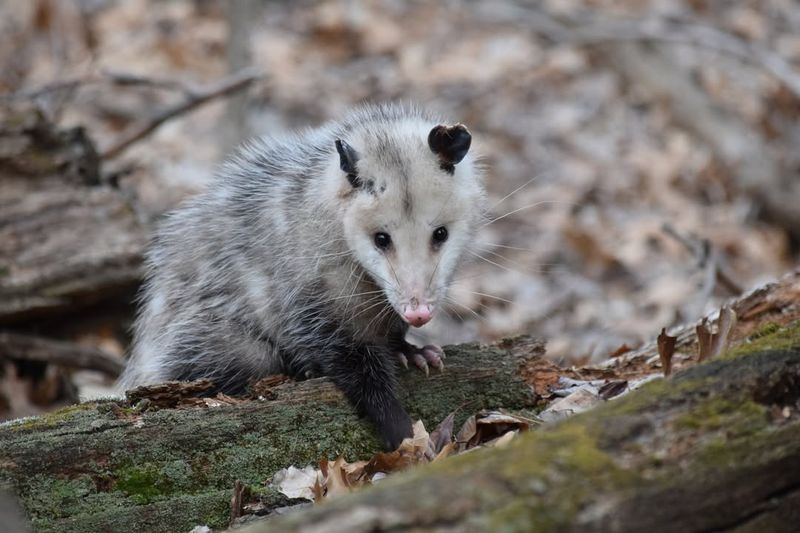
Georgia gardeners know the frustration of watching slugs devour tender lettuce leaves and beetles destroy beautiful flowers overnight.
Possums love munching on these garden pests, providing natural protection for your vegetable beds and ornamental plants.
Slugs and snails leave slimy trails and chew irregular holes in leaves, causing significant damage to gardens you’ve worked hard to cultivate.
Possums patrol gardens at night when these pests are most active, intercepting them before major damage occurs.
They also eat Japanese beetles, June bugs, and other destructive insects that plague Georgia gardens during growing season.
Chemical pesticides can harm beneficial insects like bees and ladybugs while also posing risks to pets and children.
Possums offer targeted pest control that doesn’t involve any chemicals or environmental harm.
Many organic gardeners specifically welcome possums because they align with chemical-free growing philosophies.
Watching your garden thrive without constant pest battles makes the gardening experience more enjoyable and less frustrating.
Possums won’t eat your vegetables directly—they’re much more interested in the protein-rich insects and slugs hiding among the plants.
Some gardeners even create welcoming spaces near gardens to encourage possum visits without inviting them into planting beds.
A small water source and some natural shelter nearby keeps possums close enough to patrol for pests while respecting your growing areas.
Appreciating possums as garden allies changes how you view these helpful creatures wandering through your yard at night.