10 Reasons To Sprinkle Baking Soda On Your Georgia Lawn This Winter
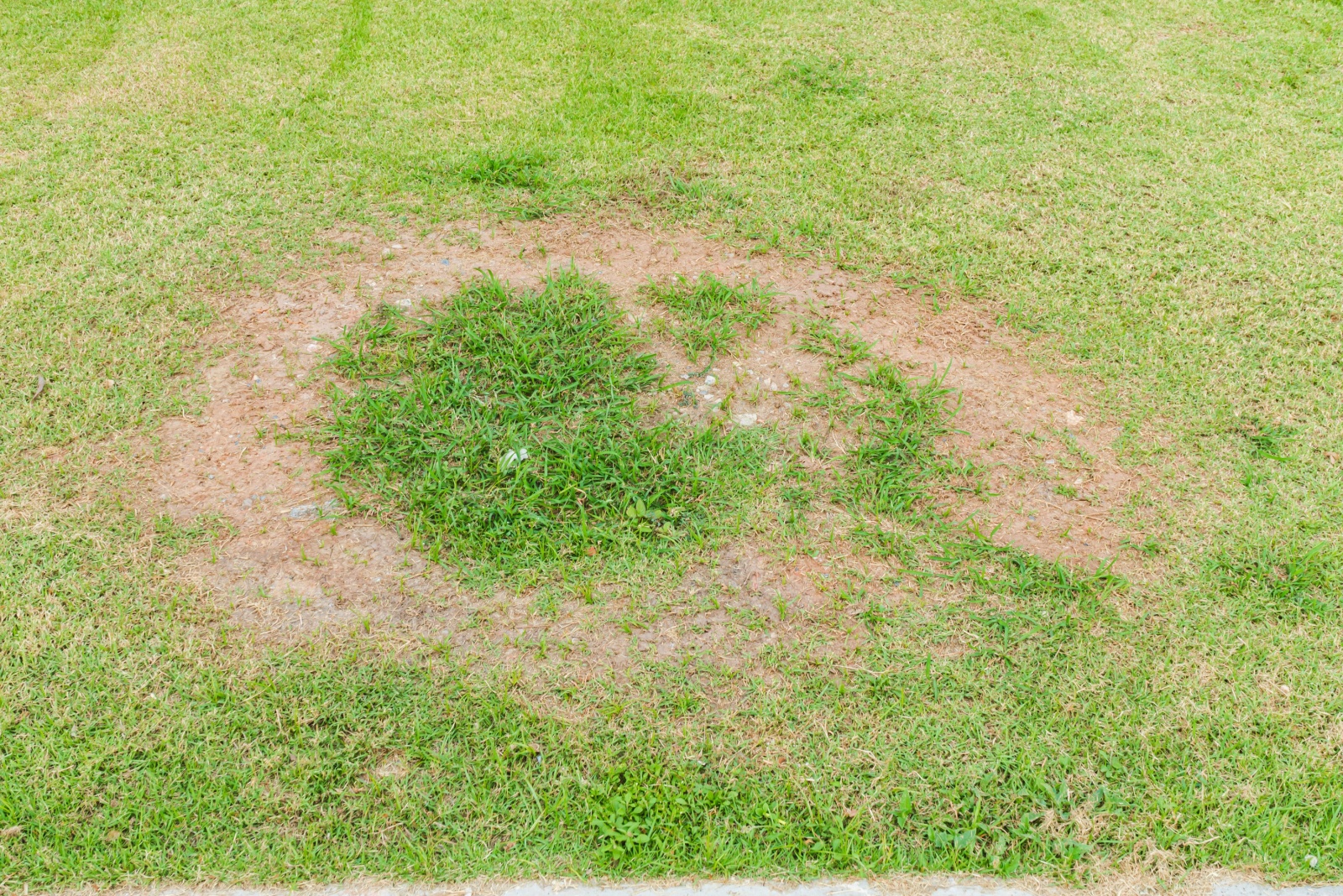
A Georgia winter often leaves you confused about your lawn’s true condition.
The grass shifts into muted tones, thin spots appear without warning, and damp soil hides problems that refuse to reveal themselves until spring.
You walk across the yard and sense trouble underfoot, yet answers feel out of reach.
Cold nights settle in, warm afternoons follow, and the ground reacts in unpredictable ways that test your patience.
At some point, you look for a simple method that grants a measure of control again.
A basic box of baking soda offers that possibility.
A light dusting across problem areas restores balance in the soil, discourages unwanted fungi, and supports stronger growth once warm weather returns.
You notice subtle changes first, then clear improvement as the season advances.
A pantry staple suddenly feels like a quiet ally in your winter lawn routine, and you gain confidence as your yard begins to respond.
1. Balance Your Soil’s pH Levels Naturally
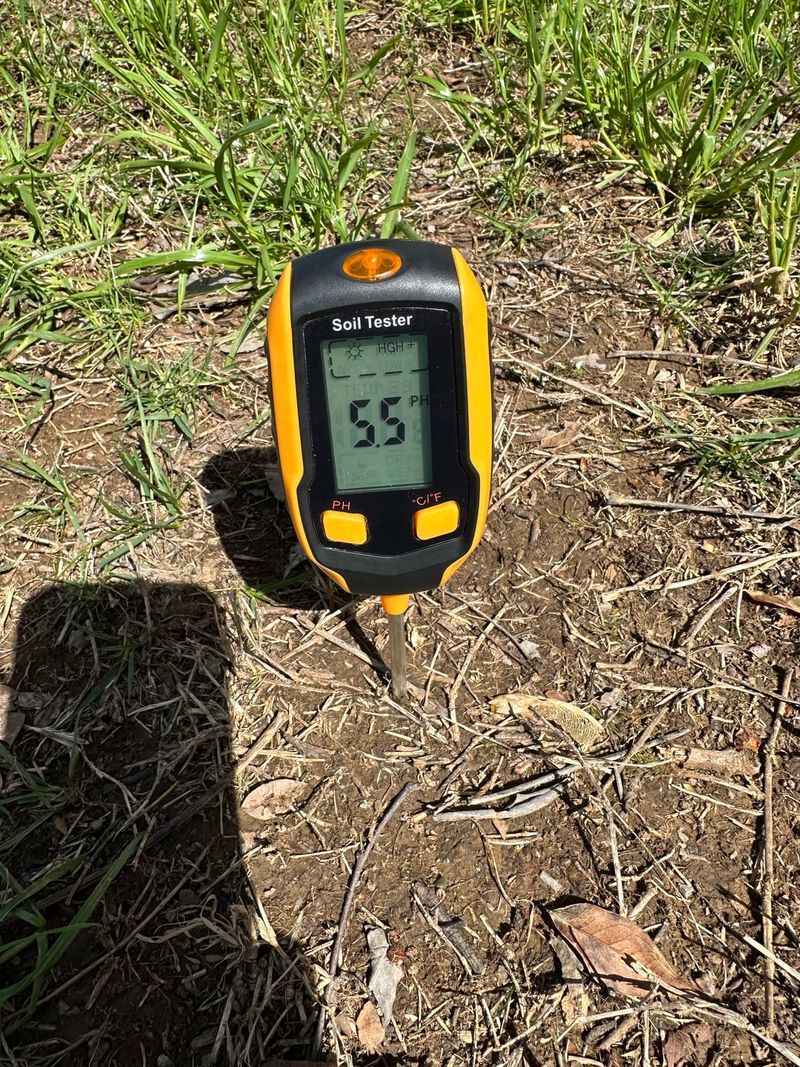
Georgia lawns often struggle with acidic soil conditions that prevent grass from absorbing nutrients properly.
Baking soda acts as a gentle alkalizing agent that can raise pH levels without harsh chemicals.
When your soil becomes too acidic, grass roots cannot take in essential minerals like nitrogen, phosphorus, and potassium.
Winter application gives the baking soda time to work into the soil gradually before spring growth begins.
Most grass types prefer a pH between 6.0 and 7.0, and baking soda can help you reach that sweet spot.
Testing your Georgia soil first helps you determine exactly how much baking soda your lawn needs.
A light sprinkling every few weeks during winter months can make a noticeable difference by springtime.
Unlike lime, which takes months to change pH, baking soda works more quickly and predictably.
Balanced pH means healthier grass that can better resist disease, drought, and pest problems.
Your neighbors will wonder why your Georgia lawn looks so much greener come March.
2. Control Moss Growth Without Harsh Chemicals
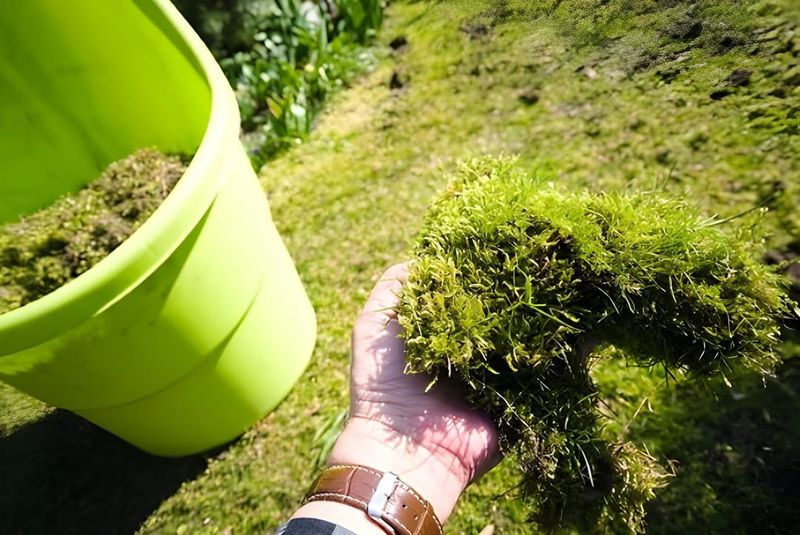
Shady spots in Georgia yards often develop thick moss patches during the damp winter season.
Moss thrives in acidic, compacted soil where grass struggles to grow properly.
Sprinkling baking soda directly onto mossy areas creates an environment moss cannot tolerate.
The alkaline nature of sodium bicarbonate disrupts moss growth while remaining safe for surrounding grass.
Within a few days, you’ll notice the moss turning brown and drying out naturally.
Once the moss withers, you can rake it away and overseed those bare spots for better coverage.
This method works particularly well in Georgia’s mild winters when moss grows most aggressively.
Unlike chemical moss removers, baking soda won’t harm pets, children, or beneficial insects in your yard.
Regular applications throughout winter can prevent moss from returning to problem areas.
Combining baking soda treatment with improved drainage and sunlight exposure gives even better long-term results for Georgia homeowners.
3. Reduce Fungal Diseases Before Spring
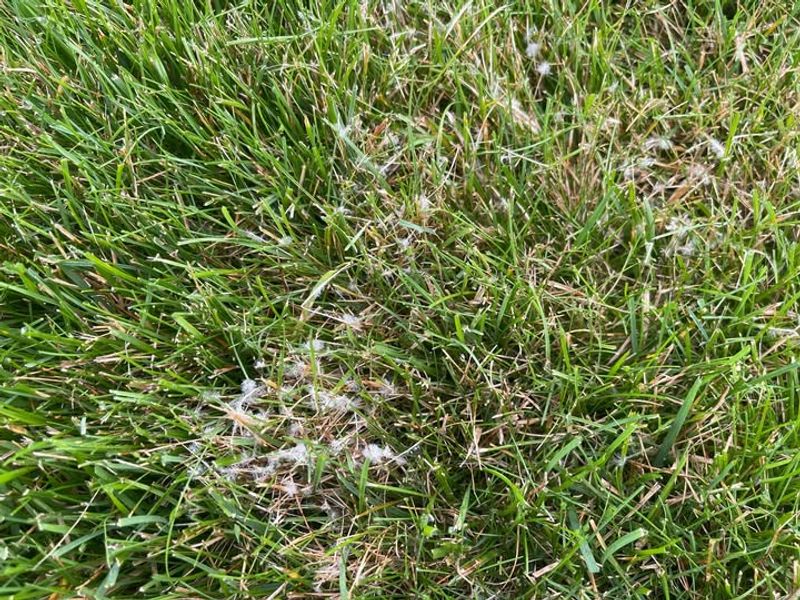
Fungal infections love Georgia’s humid winter conditions and can devastate lawns before you even notice the problem.
Your Georgia Garden Changes Every Week. Your Plan Should Too.
Gardening in Georgia changes quickly throughout the season. Every Friday you’ll receive a simple weekly plan showing exactly what to plant, prune, fertilize, harvest, and protect so you never miss the right timing.
Baking soda changes the pH on leaf surfaces, making it harder for fungal spores to germinate and spread.
Common lawn diseases like dollar spot, brown patch, and powdery mildew struggle to survive in alkaline environments.
Preventive winter applications can stop fungal problems before they become visible in spring.
Mix baking soda with water in a sprayer for even coverage across your entire Georgia lawn.
The antifungal properties of sodium bicarbonate have been recognized by gardeners for generations.
This natural approach costs pennies compared to commercial fungicides that may contain questionable ingredients.
Winter treatment is especially effective because fungal spores lie dormant, waiting for warm weather to activate.
By creating unfavorable conditions now, you protect your grass from springtime outbreaks.
Healthy grass entering the growing season means less time and money spent fighting diseases later.
4. Neutralize Pet Urine Spots Effectively
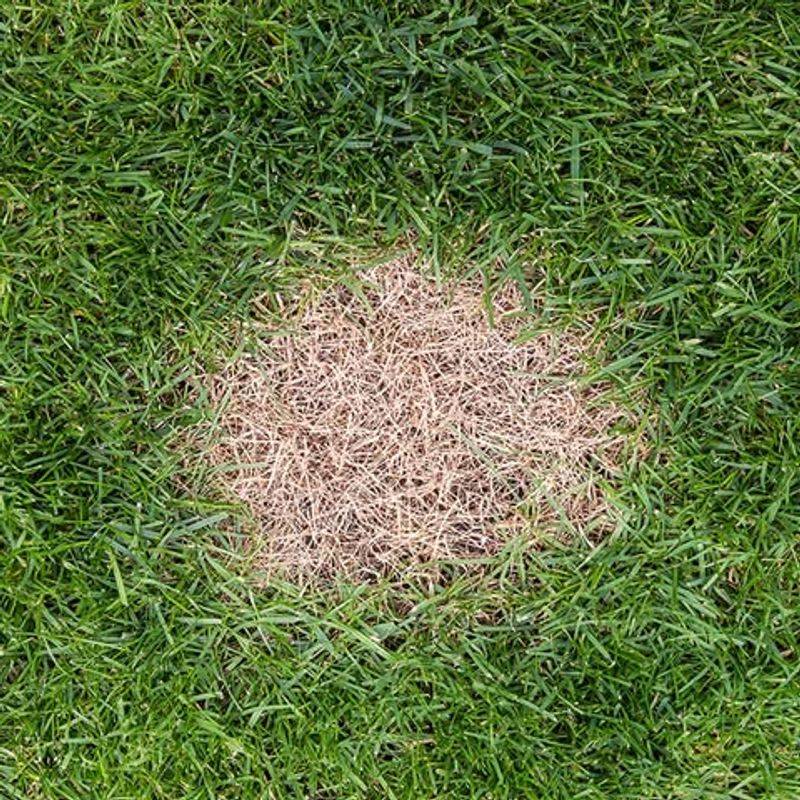
Dog owners across Georgia know the frustration of yellow urine spots that ruin an otherwise beautiful lawn.
Pet urine creates highly acidic and salty conditions that burn grass roots and leave unsightly brown patches.
Baking soda neutralizes the acidity and helps flush away excess salts when applied to affected areas.
Winter is an ideal time to treat accumulated damage from months of pet bathroom breaks.
Sprinkle a generous amount directly on each spot, then water it in thoroughly to reach the root zone.
The sodium bicarbonate works to restore normal pH levels so grass can recover and regrow.
Many Georgia homeowners see noticeable improvement within just a few weeks of consistent treatment.
This method is completely safe for your pets, unlike some commercial products that contain potentially harmful chemicals.
Regular applications throughout winter can repair old damage and prevent new spots from becoming permanent.
Come spring, those ugly patches will green up along with the rest of your Georgia yard.
5. Improve Soil Drainage In Clay-Heavy Areas
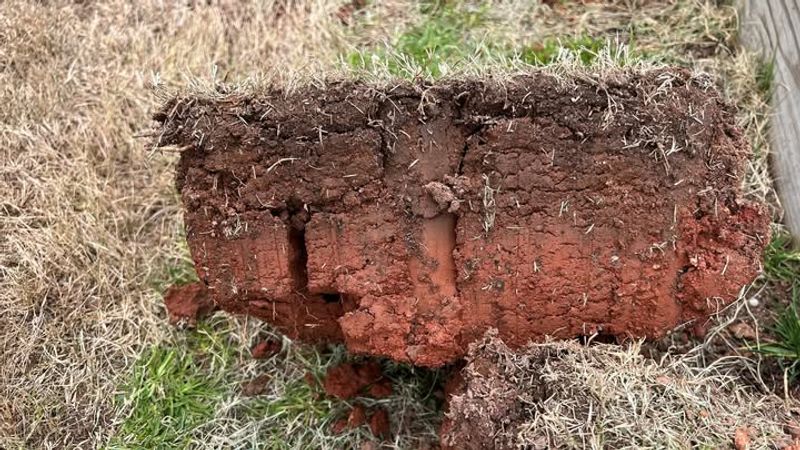
Many Georgia properties sit on heavy clay soil that holds water and suffocates grass roots.
Poor drainage leads to soggy spots, fungal growth, and weak grass that cannot establish deep root systems.
Baking soda helps break down clay particles and improve soil structure over time.
When applied during winter, it has months to work into the soil before spring rains arrive.
Better soil structure means water can penetrate deeper instead of pooling on the surface.
This allows oxygen to reach grass roots, which is essential for healthy growth and disease resistance.
Combine baking soda with core aeration for even more dramatic improvements in Georgia’s challenging clay soils.
The sodium in baking soda causes clay particles to separate slightly, creating tiny spaces for air and water movement.
Over several winter applications, you’ll notice water absorbs more quickly after rain or irrigation.
Healthier soil structure means your Georgia lawn can finally thrive instead of just survive.
6. Freshen Up Lawn Odors From Organic Matter
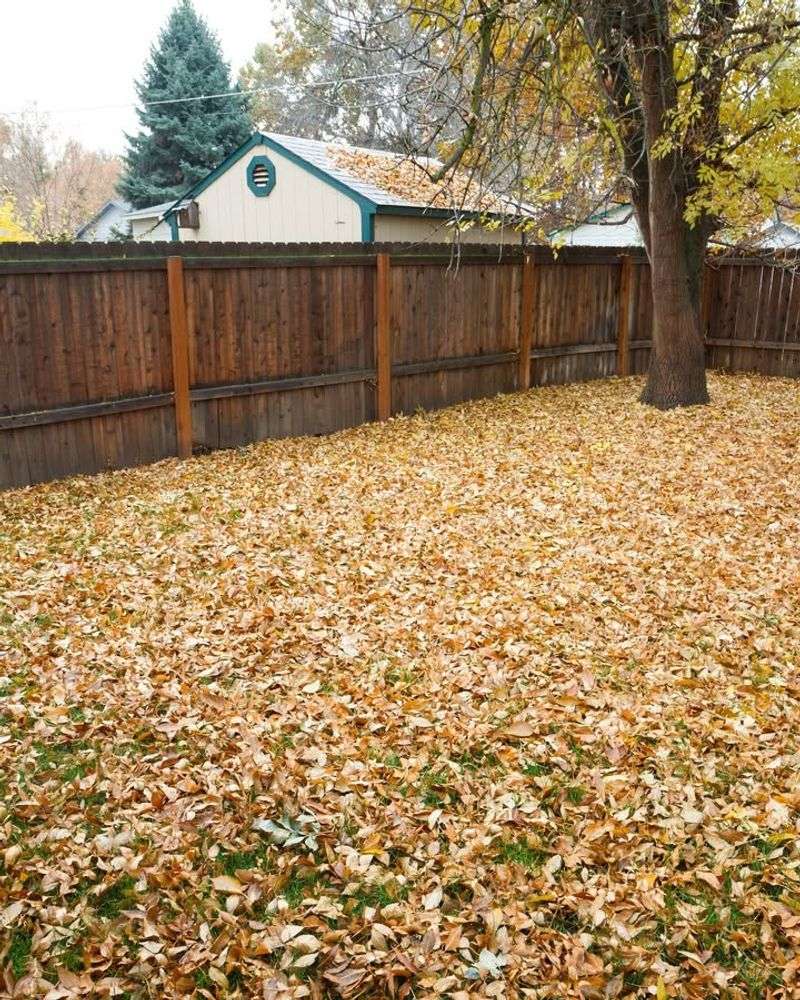
Decomposing leaves, thatch buildup, and wet conditions can create unpleasant smells in Georgia yards during winter.
Baking soda is famous for neutralizing odors in refrigerators, and it works the same magic on lawns.
The powder absorbs and neutralizes the acids produced by decaying organic material.
A light sprinkling across your entire lawn eliminates musty smells without masking them with artificial fragrances.
This is especially helpful if you have areas where leaves collect or where drainage is poor.
Winter rains activate the baking soda, spreading its odor-fighting power throughout the affected areas.
Neighbors walking past your Georgia property will notice the difference, even if they can’t explain why.
The same properties that neutralize odors also help speed up the decomposition of organic matter.
Faster breakdown means nutrients return to the soil more quickly, feeding your grass naturally.
Your outdoor spaces become more pleasant for winter activities, and your lawn benefits from the treatment too.
7. Discourage Weeds From Taking Hold
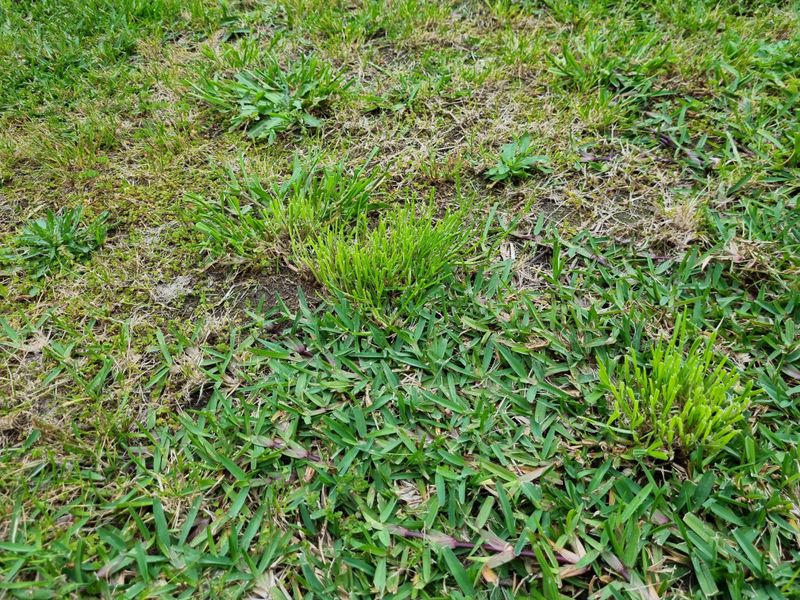
Winter weeds like henbit, chickweed, and wild onions love to invade Georgia lawns when grass goes dormant.
These opportunistic plants thrive in the cooler temperatures and compete with your grass for resources.
Baking soda creates soil conditions that favor grass over many common weed species.
Most weeds prefer acidic soil, so raising the pH slightly gives your grass a competitive advantage.
Sprinkling baking soda around weed-prone areas during winter can prevent new weeds from germinating.
Existing weeds may struggle to spread when the soil chemistry shifts away from their preferred conditions.
This natural approach works best when combined with proper mowing height and healthy grass density.
Georgia homeowners appreciate that baking soda won’t harm desirable plants or contaminate groundwater like some herbicides.
Consistent winter applications help establish grass dominance before spring growing season begins.
Fewer weeds mean less time spent pulling, spraying, or worrying about what’s growing in your Georgia yard.
8. Prepare Grass For Spring Fertilization
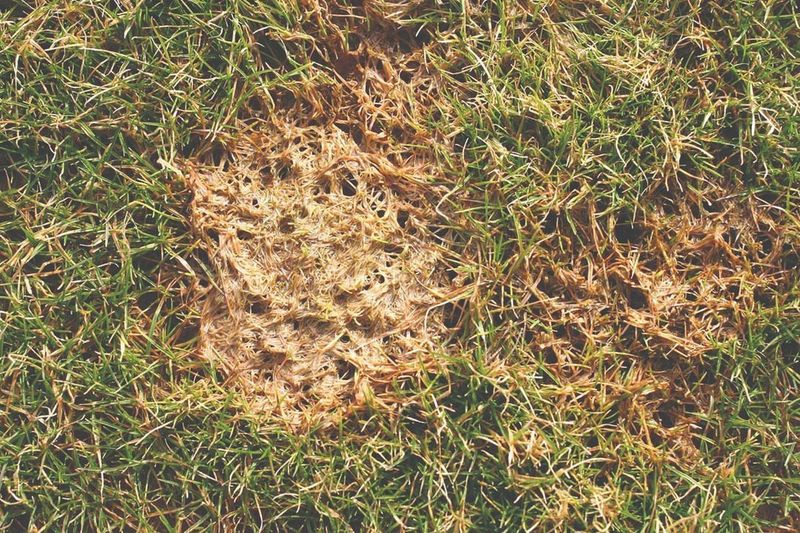
Fertilizer works best when soil conditions allow grass roots to absorb nutrients efficiently.
Applying baking soda during Georgia’s winter months creates optimal pH conditions before spring feeding begins.
When soil is too acidic, expensive fertilizers become locked up and unavailable to grass plants.
Correcting pH problems now means your spring fertilizer investment will deliver much better results.
Think of baking soda as preparing the table before serving a meal to your hungry lawn.
Georgia’s winter weather provides perfect conditions for baking soda to integrate thoroughly with soil particles.
By the time you apply fertilizer in March or April, your lawn will be ready to absorb every bit of nutrition.
This preparation step is often overlooked but can make the difference between mediocre and exceptional results.
Grass that can access nutrients properly grows thicker, greener, and more resilient to stress.
Your Georgia lawn will respond to spring feeding like never before, giving you the lush yard you’ve always wanted.
9. Combat Winter Lawn Compaction Issues
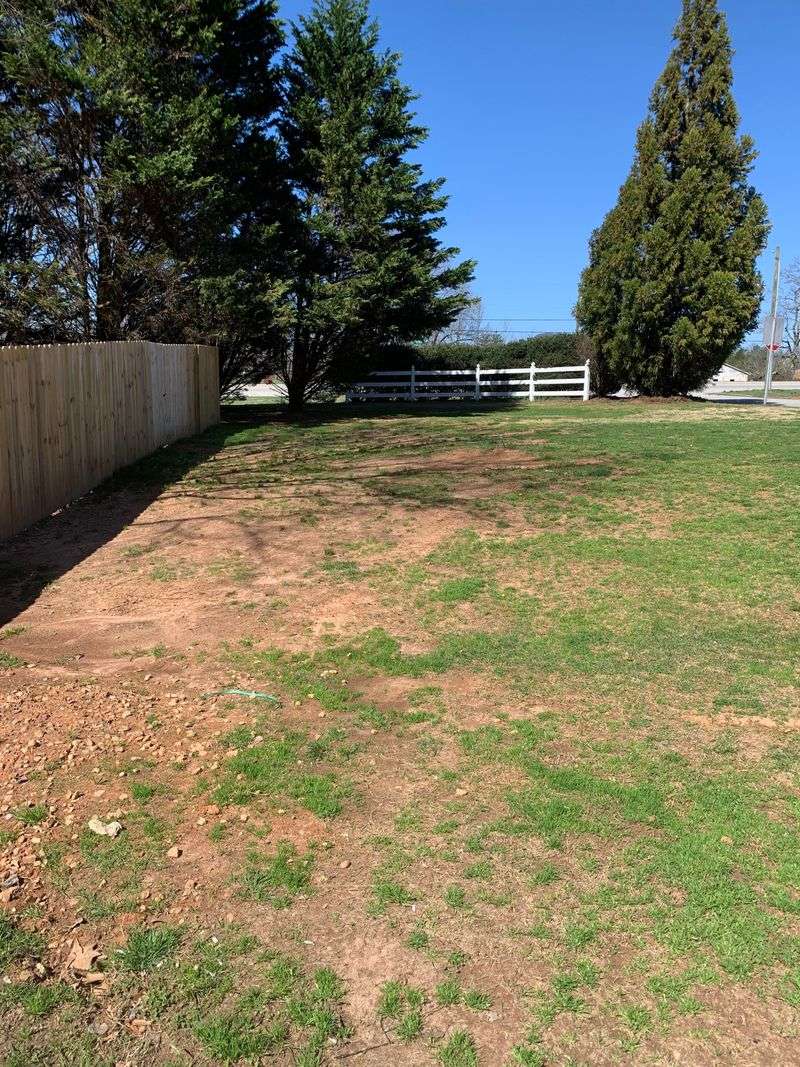
Foot traffic, heavy rains, and Georgia’s clay-rich soil create serious compaction problems during winter months.
Compacted soil prevents water, air, and nutrients from reaching grass roots where they’re needed most.
Baking soda helps loosen soil structure by interacting with clay particles and organic matter.
When sodium bicarbonate dissolves in winter moisture, it works between soil particles to reduce binding.
This creates tiny channels that allow roots to penetrate deeper and spread more effectively.
Better root development during winter means stronger grass that can handle summer heat and drought.
Georgia homeowners often notice improved grass density in areas that receive regular baking soda treatment.
Combining this approach with mechanical aeration gives even more impressive results for severely compacted areas.
The treatment is gentle enough to use throughout winter without damaging dormant grass.
By spring, your Georgia lawn will have softer, more receptive soil that supports vigorous new growth.
10. Enhance Overall Lawn Recovery And Resilience
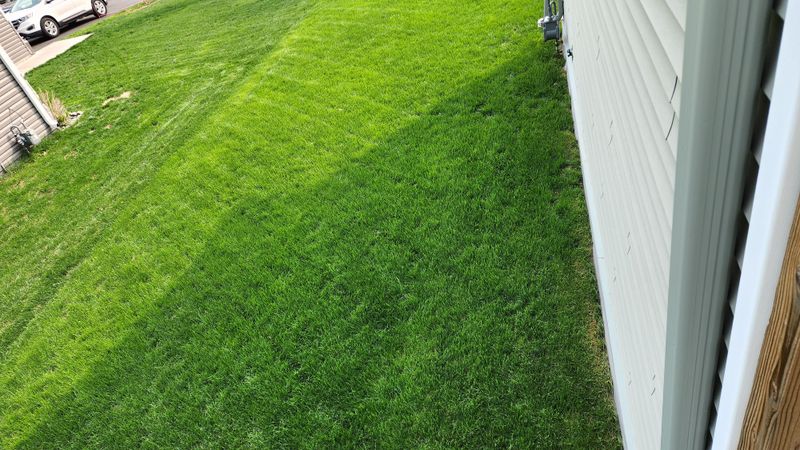
Winter treatments set the stage for how your Georgia lawn will perform throughout the entire year.
Baking soda addresses multiple soil health issues simultaneously, creating a foundation for long-term success.
Grass that enters spring with balanced pH, reduced disease pressure, and improved soil structure grows more vigorously.
Stronger grass develops deeper roots, thicker blades, and better resistance to heat, drought, and foot traffic.
Georgia’s challenging summers are much easier for lawns that received proper winter preparation.
The small investment of time and money in baking soda applications pays dividends for months to come.
Neighbors will ask about your secret when your lawn greens up faster and looks healthier than theirs.
This natural approach builds soil health rather than just treating surface symptoms like many chemical products.
Over multiple seasons, consistent winter baking soda treatments create a self-sustaining cycle of lawn improvement.
Your Georgia property becomes the showcase yard you’ve always dreamed of, and it all starts with simple winter care.