How Wildlife Oasis Gardens Are Taking Over Virginia Yards
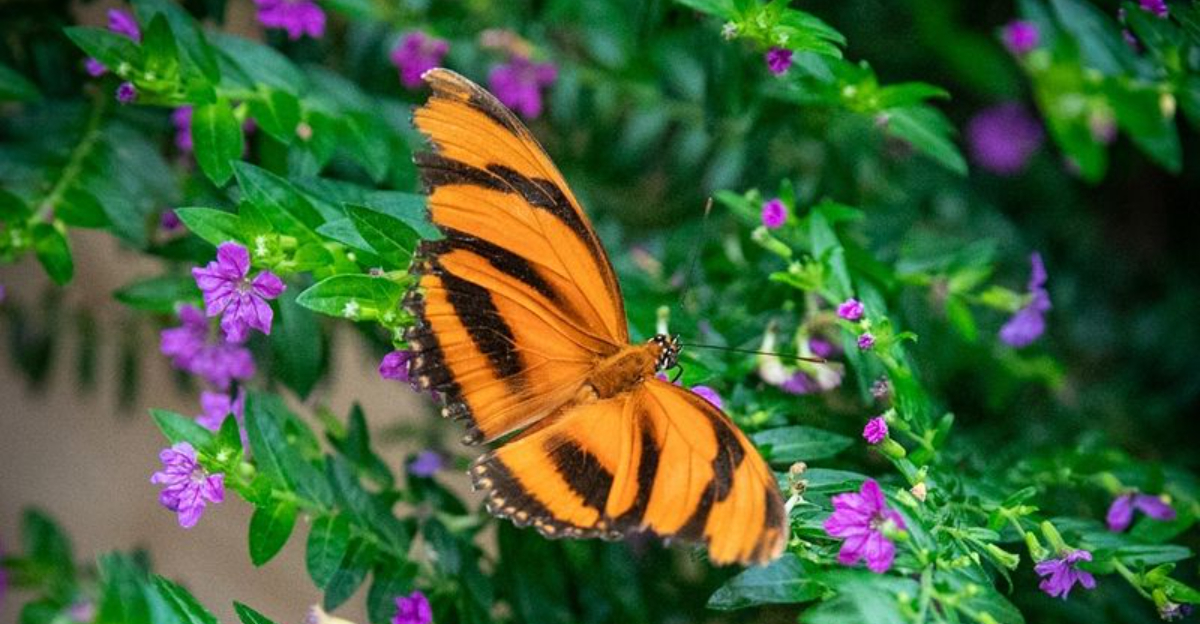
Virginia yards now shift toward a new style of landscaping that feels alive at every turn.
You notice butterflies drift across native blooms, songbirds dart through layered shrubs, and small mammals explore pockets of shelter that once held empty mulch beds.
A quiet revolution moves through neighborhoods as homeowners trade traditional lawns for vibrant wildlife oasis gardens.
The change reflects a desire for resilience, beauty, and ecological balance in a state that embraces four distinct seasons and an extraordinary range of native species.
Each yard that adopts this approach gains deeper color, stronger biodiversity, and a natural rhythm that enriches daily life.
You witness it in your own community as lawns fade from dominance and dynamic habitats rise in their place.
A simple shift in design philosophy reshapes entire blocks, and Virginia yards step into a new identity filled with motion, color, and purpose.
Native Plants Replace Traditional Lawns
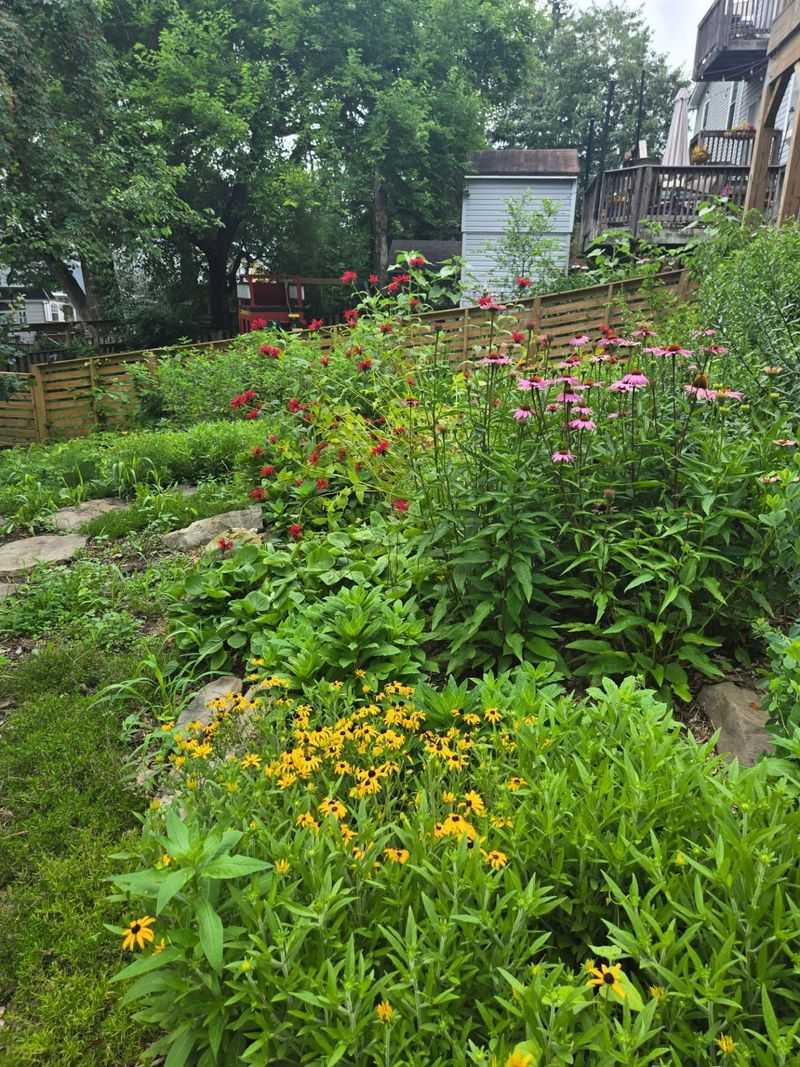
Virginia homeowners are ripping out grass and planting native species that support local ecosystems better than any imported variety ever could.
Plants like Virginia bluebells, black-eyed Susans, and coneflowers provide nectar for pollinators while requiring far less water and maintenance than traditional turf.
These gardens work with the local climate instead of fighting against it.
Lawn mowers sit idle in garages as wildflower meadows take their place, saving time, money, and fossil fuels.
Native plants have deep root systems that prevent erosion and filter rainwater naturally.
Virginia gardeners report spending less time on yard work and more time watching wildlife.
Children grow up learning about local ecology right in their backyards.
Property values often increase because buyers appreciate unique, sustainable landscapes.
The transition happens gradually, with homeowners converting one section at a time.
Local garden centers now stock more native options than ever before.
Community workshops teach Virginians which plants thrive in their specific region.
The movement spreads as neighbors notice the beauty and benefits of natural landscaping.
Bird Feeders And Baths Create Gathering Spots
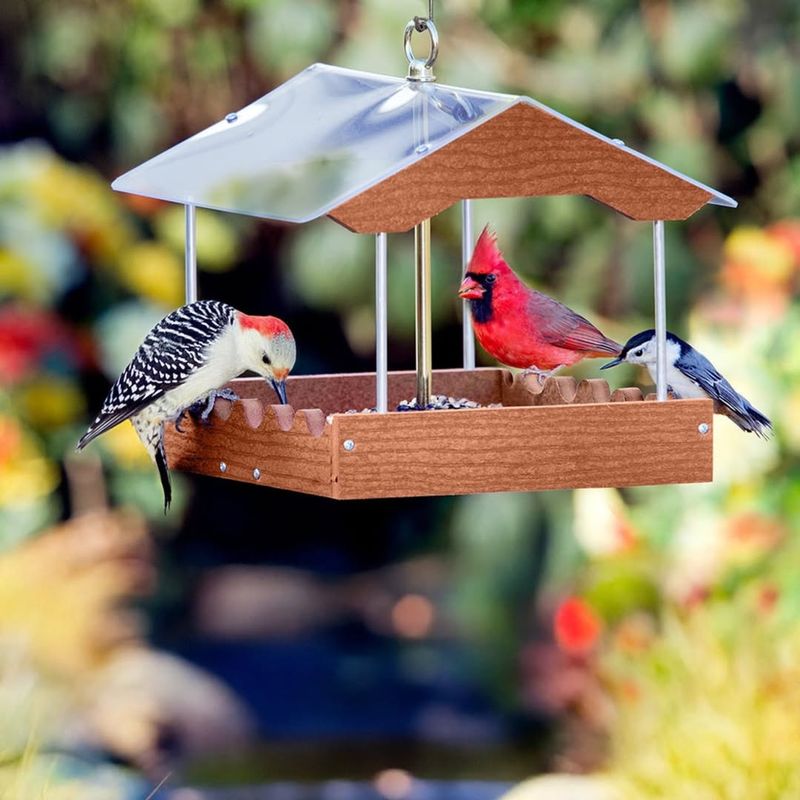
Strategic placement of feeders and water sources transforms ordinary yards into bustling wildlife hubs where birds congregate throughout the seasons.
Cardinals, chickadees, and goldfinches visit multiple times daily when they know reliable food and water await them.
Virginia residents position these stations near windows for perfect viewing opportunities.
Bird baths need cleaning every few days, but the effort rewards watchers with entertaining splashing sessions.
Different feeder types attract different species, creating diverse avian communities.
Tube feeders work well for small songbirds, while platform feeders accommodate larger visitors.
Fresh water becomes especially critical during Virginia summers when natural sources dry up.
Adding rocks to baths gives insects safe landing spots for drinking.
Homeowners discover that bird activity increases dramatically when water and food appear together.
Children learn to identify species by sight and sound through regular observation.
Photography enthusiasts capture stunning images without leaving home.
The simple additions turn backyards into peaceful sanctuaries where nature comes to life.
Butterfly Gardens Bloom With Color
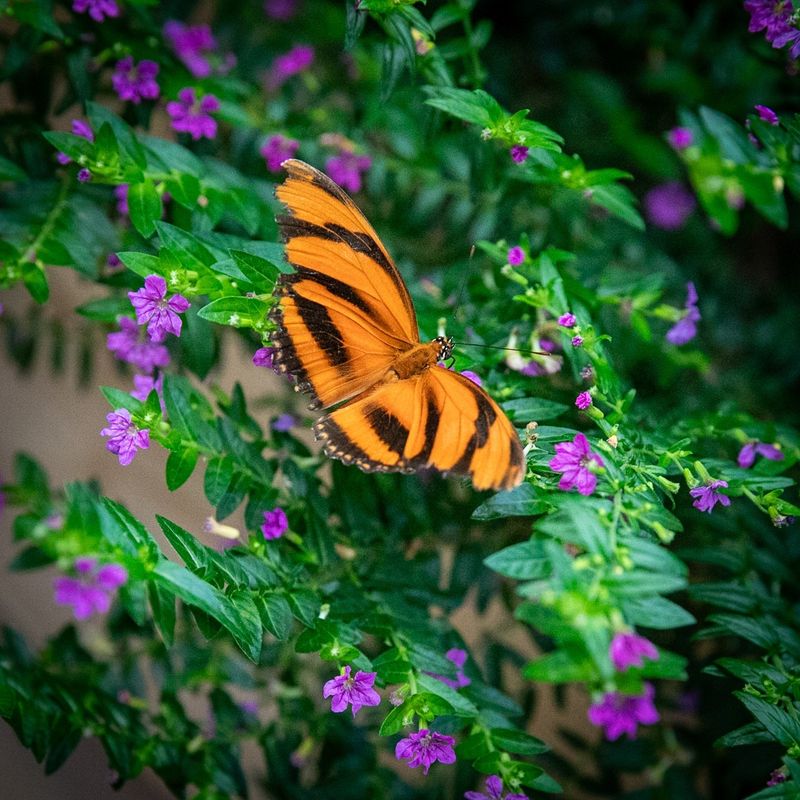
Monarch butterflies and swallowtails dance through Virginia gardens specifically designed to meet their nectar and host plant needs.
Your Virginia Garden Changes Every Week. Your Plan Should Too.
Gardening in Virginia changes quickly throughout the season. Every Friday you’ll receive a simple weekly plan showing exactly what to plant, prune, fertilize, harvest, and protect so you never miss the right timing.
Milkweed stands as the essential plant for monarchs, providing the only food source for their caterpillars.
Gardeners plant multiple varieties to ensure blooms from spring through fall.
Zinnias, lantana, and butterfly bush add pops of color while serving as nectar stations.
Virginia’s climate supports dozens of butterfly species when the right plants are available.
Flat-topped flowers work best because they provide landing platforms for feeding.
Homeowners avoid pesticides completely since chemicals harm the very creatures they want to attract.
Caterpillars munch on leaves, and gardeners celebrate the damage as signs of success.
Chrysalises appear on stems and fences, offering front-row seats to metamorphosis.
Children watch in wonder as butterflies emerge and dry their wings.
These gardens create corridors that help butterfly populations migrate and thrive.
The colorful visitors reward gardeners with movement, beauty, and the satisfaction of supporting threatened species.
Pollinator Pathways Connect Neighborhoods
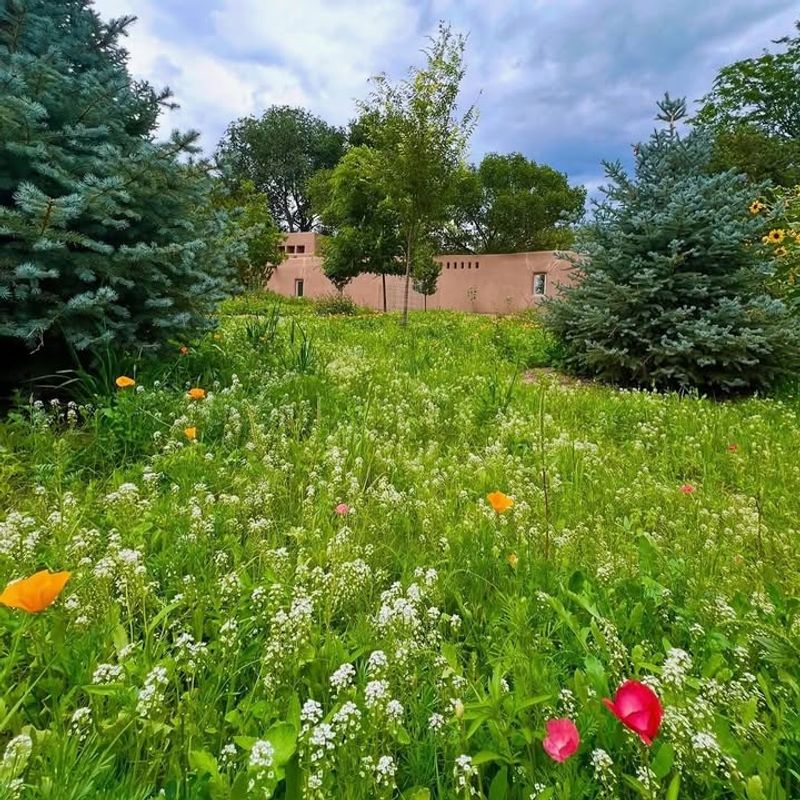
Neighbors coordinate their planting efforts to create continuous corridors of flowering plants that support bees, butterflies, and other pollinators across entire subdivisions.
Individual gardens become stepping stones in a larger network when homeowners work together.
Virginia communities organize planting days where residents share seeds and knowledge.
Pollinators travel farther and find more resources when gardens connect rather than stand isolated.
Native bees need pollen from multiple plant species to maintain healthy populations.
Subdivisions that embrace this approach see increased pollinator diversity within a single growing season.
Front yards become part of the pathway, making the movement visible to everyone.
Homeowner associations update guidelines to encourage wildlife-friendly landscaping instead of restricting it.
Maps show which properties participate, inspiring others to join the network.
Local honey production increases when beekeepers place hives near these corridors.
Virginia Extension offices provide free resources for communities starting pollinator pathway projects.
The collaborative approach strengthens neighborhood bonds while benefiting the environment.
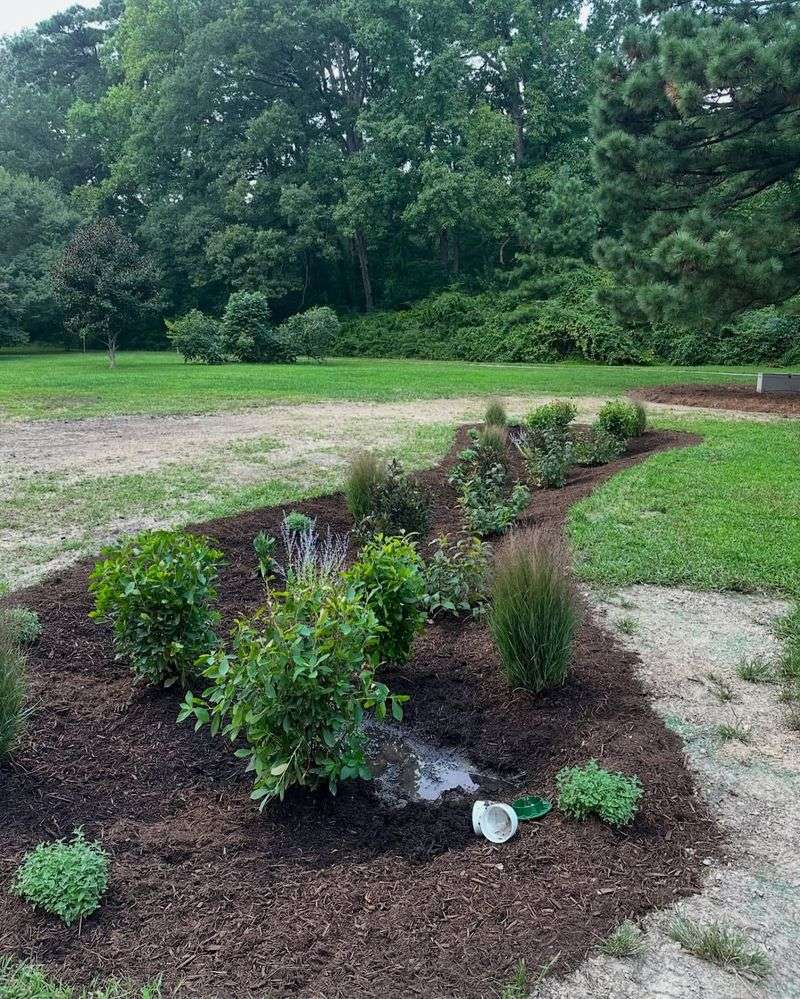
Rain Gardens Manage Water Naturally
Neighbors coordinate their planting efforts to create continuous corridors of flowering plants that support bees, butterflies, and other pollinators across entire subdivisions.
Individual gardens become stepping stones in a larger network when homeowners work together.
Virginia communities organize planting days where residents share seeds and knowledge.
Pollinators travel farther and find more resources when gardens connect rather than stand isolated.
Native bees need pollen from multiple plant species to maintain healthy populations.
Subdivisions that embrace this approach see increased pollinator diversity within a single growing season.
Front yards become part of the pathway, making the movement visible to everyone.
Homeowner associations update guidelines to encourage wildlife-friendly landscaping instead of restricting it.
Maps show which properties participate, inspiring others to join the network.
Local honey production increases when beekeepers place hives near these corridors.
Virginia Extension offices provide free resources for communities starting pollinator pathway projects.
The collaborative approach strengthens neighborhood bonds while benefiting the environment.
Brush Piles Provide Essential Shelter
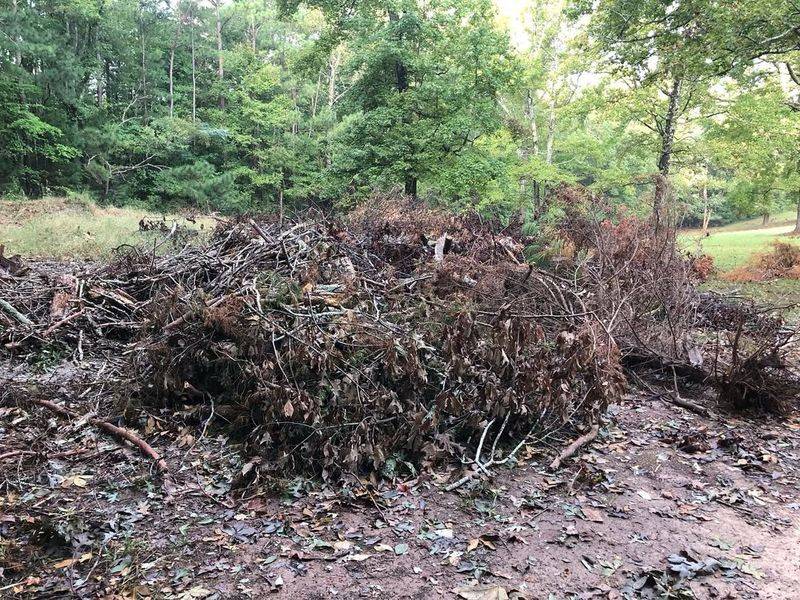
Stacked branches and logs create safe havens where small mammals, reptiles, and ground-dwelling birds find protection from predators and harsh weather.
What might look like yard waste becomes prime real estate for rabbits, chipmunks, and Carolina wrens.
Virginia gardeners position brush piles in back corners or along property edges.
Larger branches go on the bottom to create open spaces underneath where animals can move freely.
Smaller twigs fill the top, providing dense cover.
Toads and salamanders use these structures as cool, moist hiding spots during hot summers.
Birds forage for insects that colonize the decomposing wood.
The piles break down slowly, adding organic matter back into the soil.
Homeowners refresh them periodically with prunings from trees and shrubs.
Children enjoy checking for wildlife visitors while learning to observe without disturbing.
Snakes find hunting opportunities and shelter in well-constructed piles.
The simple addition costs nothing but provides immense value to backyard ecosystems.
Virginia wildlife rehabilitators recommend brush piles as one of the easiest habitat improvements anyone can make.
Withered Trees Become Wildlife Condos

Standing snags and fallen logs host incredible biodiversity, with woodpeckers excavating nest holes that later shelter owls, flying squirrels, and chickadees.
Virginia homeowners who once removed every fallen branch now recognize their ecological value.
Insects colonize the wood, attracting woodpeckers that hammer out cavities for raising young.
After woodpeckers move on, secondary cavity nesters move right in.
Fungi and beetles break down the wood, recycling nutrients back into the soil.
Salamanders and spiders hunt in the moist spaces beneath bark.
Safety comes first, so homeowners keep snags away from structures and power lines.
A standing trunk with branches removed poses minimal risk while maximizing wildlife value.
Logs placed on the ground create habitat for different species than standing snags.
Virginia forests naturally contain fallen and standing timber in various decay stages.
Backyard oases mimic this pattern on a smaller scale.
The practice challenges traditional ideas about tidy yards but rewards observers with remarkable wildlife encounters.
Neighbors often ask questions, creating opportunities to share knowledge about habitat needs.
Night-Blooming Plants Attract Moths
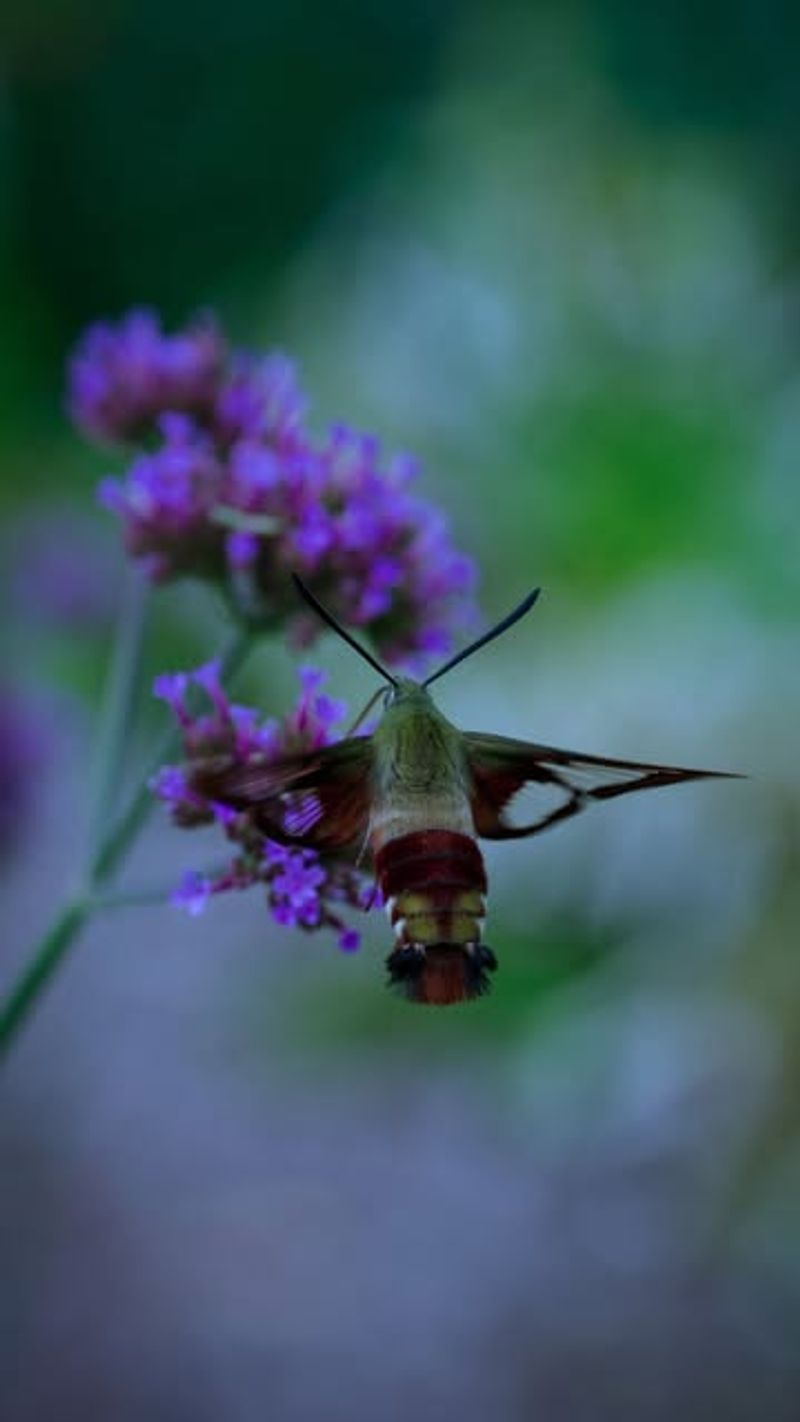
Evening primrose, moonflower, and night-blooming jasmine release fragrances after sunset, drawing moths that pollinate while most people sleep.
Luna moths and sphinx moths perform the same pollination services as daytime butterflies but go largely unnoticed without the right plants.
Virginia gardeners who add these species discover a whole new world of nocturnal activity.
White and pale-colored blooms show up best in darkness, guiding moths to nectar sources.
Strong scents compensate for limited visibility during nighttime hours.
Bats hunt moths above these gardens, adding another layer of wildlife activity.
Families enjoy evening garden walks, using flashlights to spot visitors on flowers.
Moths serve as important food sources for birds raising nestlings in spring and summer.
Caterpillars of night-flying moths feed on various native plants, supporting the food web.
The gardens offer beauty and function around the clock instead of shutting down at dusk.
Photographers capture stunning images of moths with cameras and patient observation.
Virginia’s mild evenings make outdoor moth-watching comfortable for much of the year.
Stone Walls And Rock Piles Shelter Reptiles
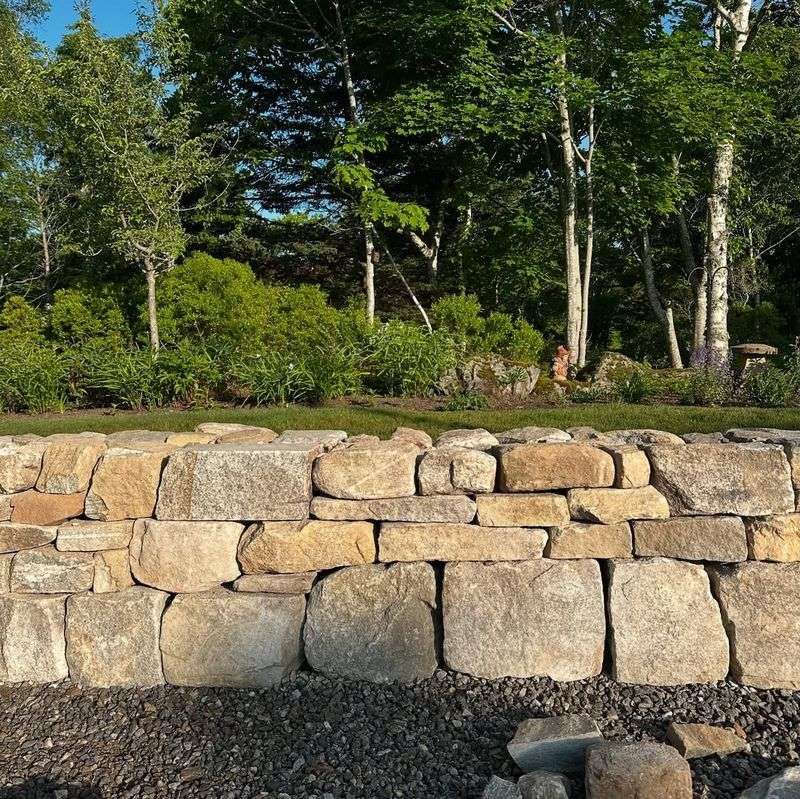
Stacked stones create sunbathing spots and cool retreats where lizards, snakes, and salamanders regulate their body temperatures throughout the day.
Virginia’s native fence lizards and five-lined skinks appear quickly once suitable habitat exists.
Rocks absorb heat during sunny days and release it slowly, creating warm microclimates.
Crevices between stones provide hiding places from predators and extreme temperatures.
Homeowners build low walls along property borders or create decorative rock features in garden beds.
Native ferns and sedges soften the edges while providing additional cover.
Garter snakes and ringneck snakes hunt for slugs and insects around the rocks.
Children delight in spotting lizards doing pushups on warm stone surfaces.
The structures require no maintenance once built and last for decades.
Winter hibernation happens in deep crevices where temperatures remain stable.
Moss and lichens colonize north-facing surfaces, adding visual interest and tiny habitat niches.
Virginia’s abundance of natural stone makes this addition affordable and locally sourced.
The simple feature dramatically increases reptile and amphibian populations in suburban yards.
Meadow Areas Replace Unused Lawn Sections
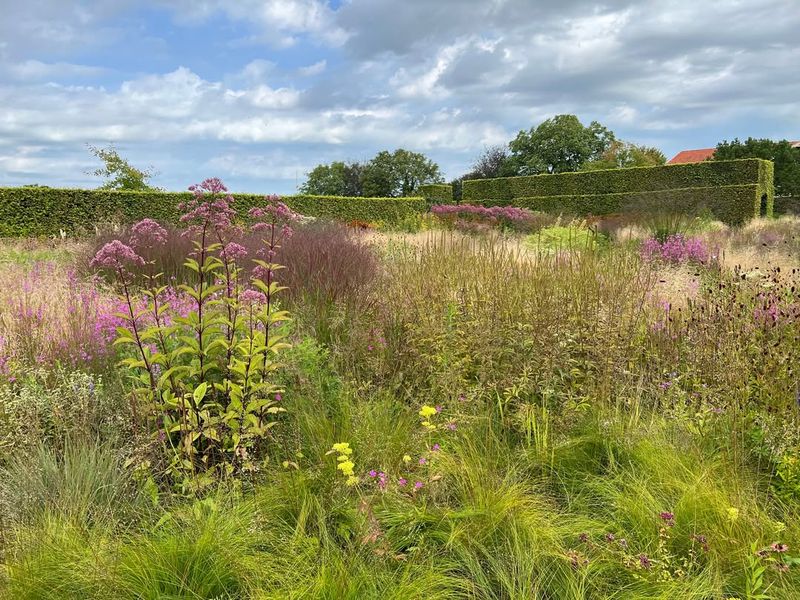
Unmowed sections filled with native grasses and wildflowers provide cover and food for countless insects, small mammals, and ground-nesting birds.
Families discover they actually use only a small portion of their lawn for recreation.
Converting the rest to meadow reduces mowing time by half or more.
Little bluestem, switchgrass, and Indian grass create beautiful textures that change with seasons.
Wildflowers dot the grasses with color from spring through fall.
Virginia field sparrows and eastern meadowlarks return to suburban areas when suitable habitat appears.
Grasshoppers, crickets, and countless other insects thrive in the diverse plant community.
Mowed paths wind through the meadow, creating walking trails and visual interest.
Seeds from native plants feed birds during winter months when other food becomes scarce.
The meadow requires just one or two mowings per year to prevent woody plant invasion.
Neighbors initially question the approach but often convert their own lawns after seeing the results.
Virginia Extension agents provide seed mixes specifically designed for different regions of the state.
The transformation turns unused space into productive wildlife habitat.
Nesting Boxes Supplement Natural Cavities
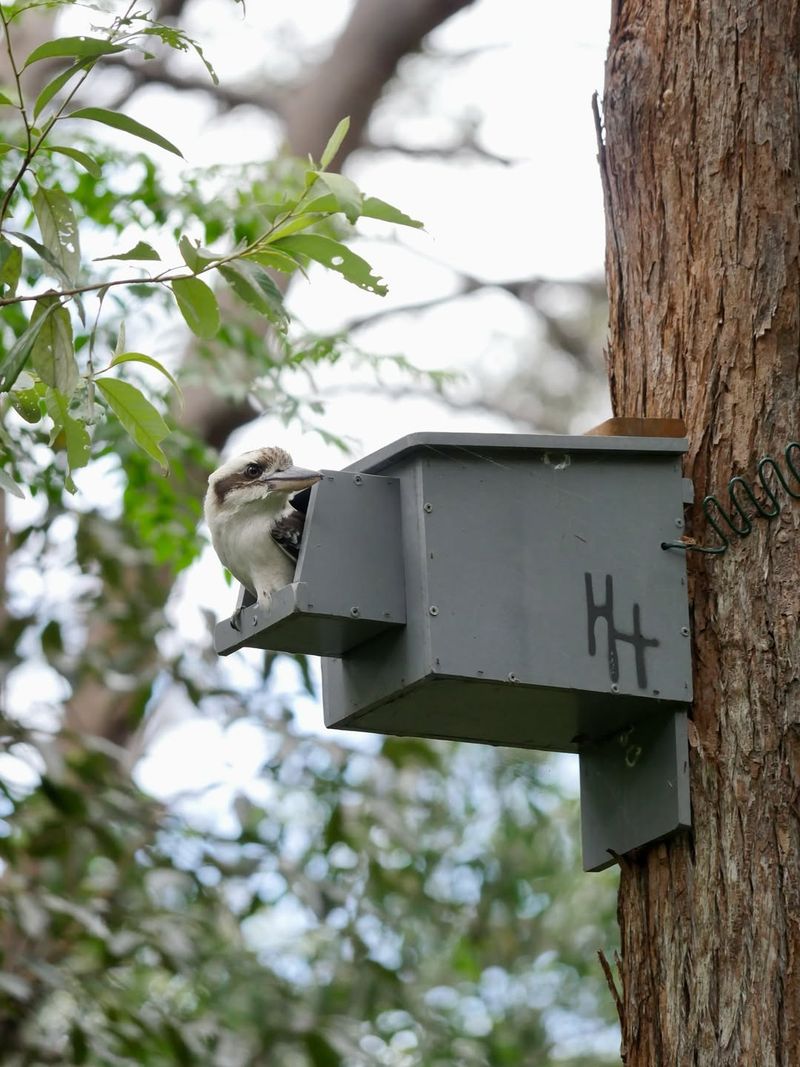
Wooden boxes with specific entrance hole sizes attract bluebirds, chickadees, and nuthatches that struggle to find natural nesting sites in developed areas.
Virginia bluebird populations rebounded dramatically thanks to nest box programs started decades ago.
Homeowners mount boxes on poles or trees at appropriate heights for different species.
Entrance holes measuring 1.5 inches accommodate bluebirds while excluding larger, aggressive starlings.
Chickadees and titmice prefer smaller 1.25-inch openings.
Boxes face away from prevailing winds and receive morning sun but afternoon shade.
Families watch parents make hundreds of feeding trips daily once eggs hatch.
Cleaning boxes after each nesting season prepares them for the next year’s residents.
Some species raise multiple broods per summer when conditions are favorable.
Fledglings often return to the same yards where they hatched to raise their own families.
Virginia Bluebird Society provides detailed plans and mounting advice for beginners.
The boxes cost little to build or purchase but provide enormous benefits to cavity-nesting birds.
Watching a successful nesting cycle from start to finish creates lasting memories for children and adults alike.
Composting Stations Support Soil Health
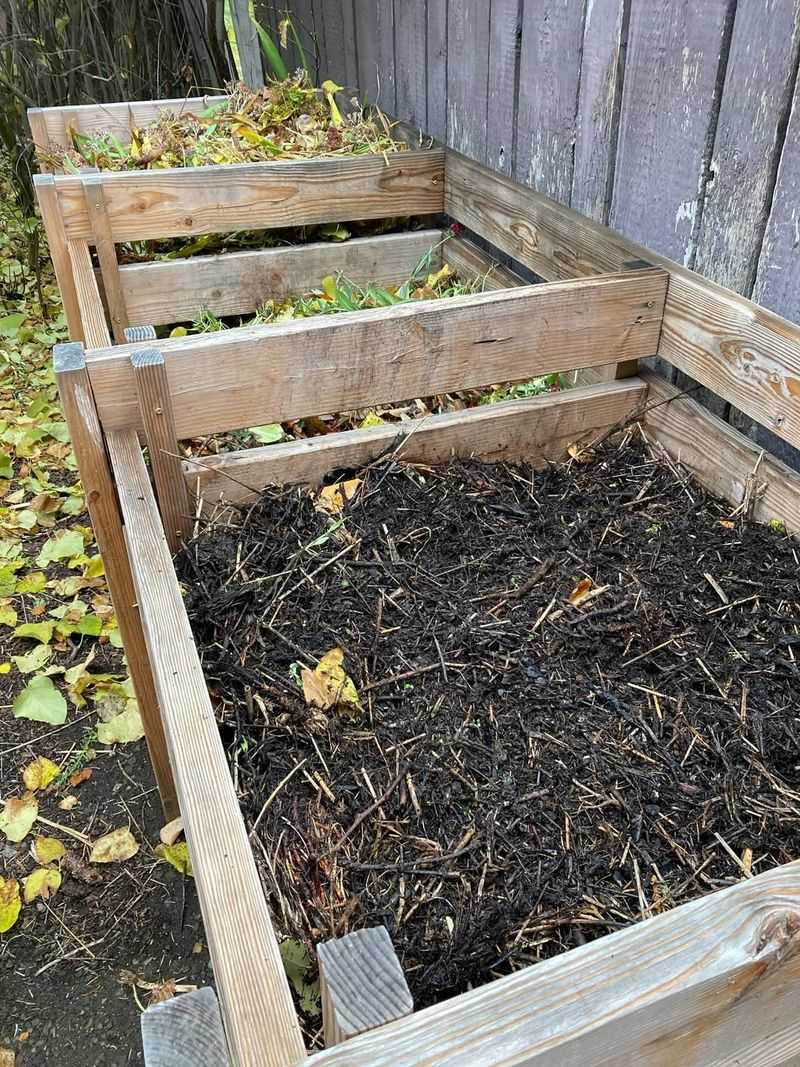
Kitchen scraps and yard trimmings transform into nutrient-rich soil amendments that feed plants without synthetic fertilizers while attracting beneficial decomposers.
Virginia gardeners reduce waste headed to landfills while creating perfect growing medium for native plants.
Three-bin systems allow material to progress through decomposition stages efficiently.
Worms, beetles, and countless microorganisms break down organic matter into dark, crumbly compost.
Birds visit piles regularly to hunt for insects working in the decomposing material.
Proper ratios of green and brown materials prevent odors and speed decomposition.
Finished compost spreads around plants improves soil structure and water retention.
Native plants thrive in soil enriched with compost rather than chemical fertilizers.
The process closes the loop, with garden waste feeding future garden growth.
Children learn about decomposition cycles and soil food webs through hands-on observation.
Virginia’s humid climate speeds decomposition compared to drier regions.
Turning piles every few weeks incorporates oxygen and accelerates the process.
The sustainable practice saves money while supporting the entire backyard ecosystem from the ground up.