7 Winter Bedding Plants That Keep South Carolina Gardens In Bloom
Winter in South Carolina rarely brings a full stop to the garden.
While many plants slow down, a smart selection of winter bedding plants keeps the show going when others call it quits.
I have seen gardens that refuse to fade, even as cool air settles in and daylight grows shorter.
These plants step up like reliable friends, filling beds with steady color and fresh life when most landscapes turn quiet and bare.
There is something uplifting about seeing blooms hold their ground through winter.
It feels like nature tossing a wink your way on a chilly morning.
Winter bedding plants thrive in South Carolina’s mild cold snaps, shrugging off cool nights and rewarding patience with color that lasts.
They soften empty spaces, brighten walkways, and keep gardens from looking forgotten until spring arrives.
I find that winter flowers bring balance to the season.
They remind me that growth does not stop just because the calendar says winter.
With the right plants in place, a South Carolina garden keeps its rhythm year round.
Beds stay lively, spirits stay high, and the garden continues to feel like a place worth lingering in, even when the air carries a bite.
1. Pansies
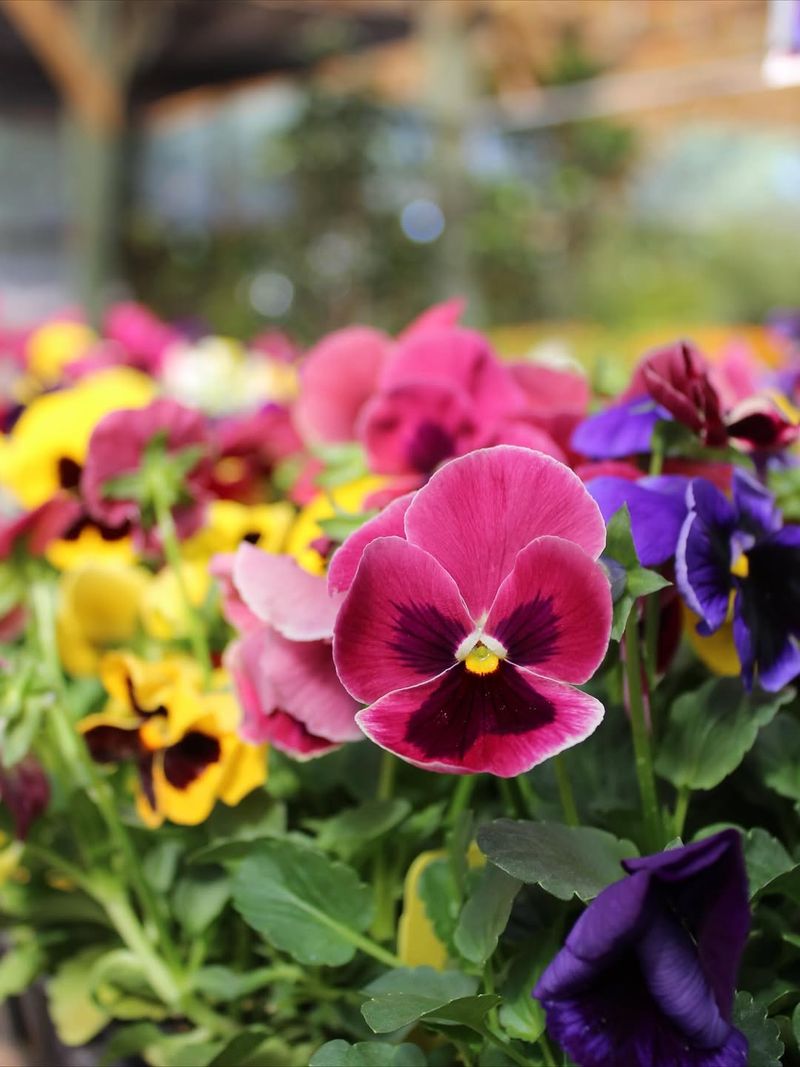
Pansies stand as the undisputed champions of South Carolina winter gardens, bringing cheerful faces to flower beds when most other plants have retreated.
Their trademark blooms feature bold patterns that look like little painted faces, appearing in nearly every color you can imagine.
Garden centers across the Palmetto State stock these reliable performers from October through early spring.
What makes pansies particularly suited for South Carolina is their ability to handle temperature swings that can happen throughout winter.
A warm afternoon might reach 65 degrees, then drop to freezing overnight, but pansies bounce back beautifully.
Plant them in well-drained soil where they’ll receive at least six hours of sunlight daily for the best flower production.
Regular deadheading encourages continuous blooming, though many gardeners find them low-maintenance even without constant attention.
Water them when the top inch of soil feels dry, being careful not to overwater during rainy winter periods.
Pansies work wonderfully in containers on porches, along walkways, or massed in large garden beds for maximum visual impact.
Their compact size makes them perfect for layering in front of taller winter plants or filling gaps between shrubs.
Feed them monthly with a balanced fertilizer to keep blooms coming strong through February and March.
Many South Carolina gardeners consider fall pansy planting an essential ritual, knowing these dependable bloomers will carry their gardens through the coldest months with style and grace.
2. Snapdragons
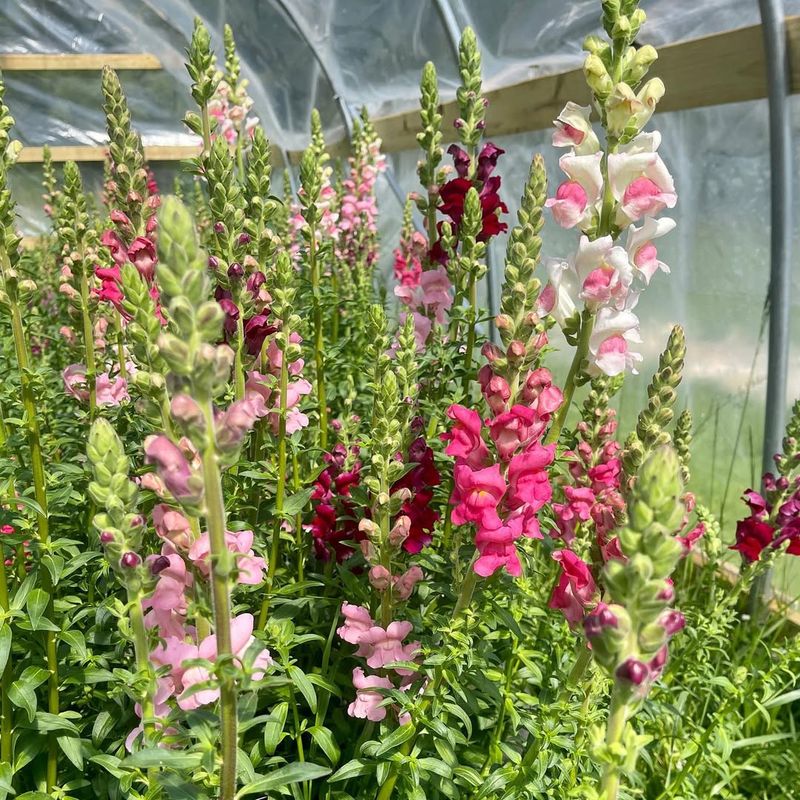
Vertical interest becomes scarce in winter landscapes, which makes snapdragons absolutely invaluable for South Carolina gardeners seeking height and drama.
These cottage garden favorites produce tall spikes covered in tubular flowers that children love to pinch open and closed like dragon mouths.
Colors range from soft pastels to vibrant reds, creating stunning focal points in winter beds.
Cool weather brings out the best in snapdragons, making them ideal for the Palmetto State’s moderate winters.
Your South Carolina Garden Changes Every Week. Your Plan Should Too.
Gardening in South Carolina changes quickly throughout the season. Every Friday you’ll receive a simple weekly plan showing exactly what to plant, prune, fertilize, harvest, and protect so you never miss the right timing.
They actually prefer temperatures between 40 and 70 degrees, which describes most South Carolina winter days perfectly.
Plant them in October or November for blooms that last well into spring.
Full sun locations work best, though they’ll tolerate partial shade in warmer regions of the state.
Their sturdy stems rarely need staking, even when they reach heights of two feet or more.
Snapdragons attract beneficial pollinators even during winter, bringing life and movement to your garden.
Cut them for indoor arrangements, as they make excellent vase flowers that last over a week.
Removing spent flower spikes encourages side shoots to develop, giving you even more blooms throughout the season.
Space plants about eight inches apart to allow good air circulation, which helps prevent fungal issues during humid South Carolina winters.
Their upright growth habit makes them perfect for the back of borders or creating colorful screens along fences and walls.
3. Dianthus
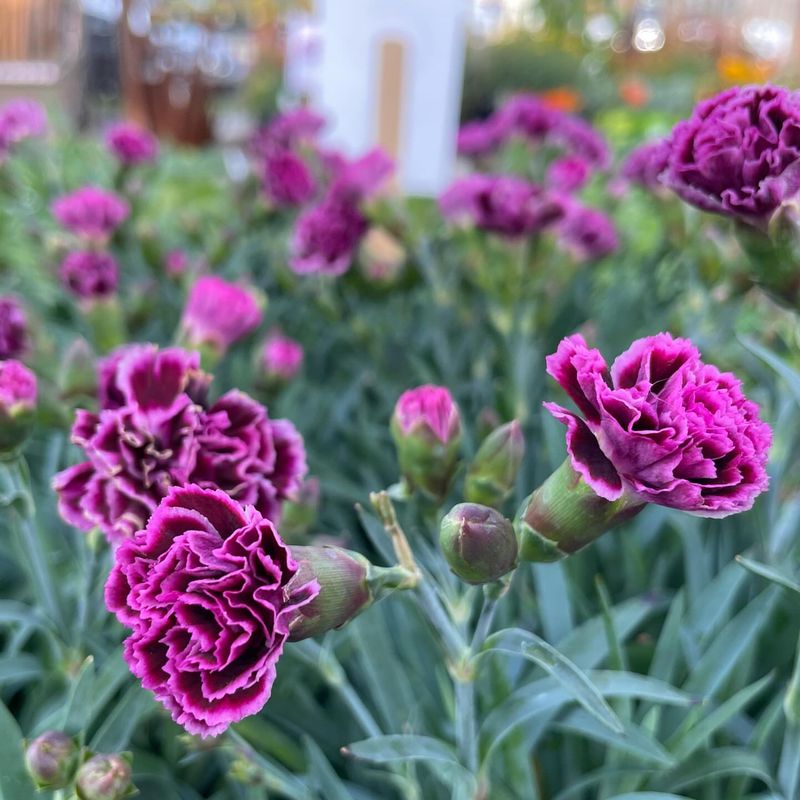
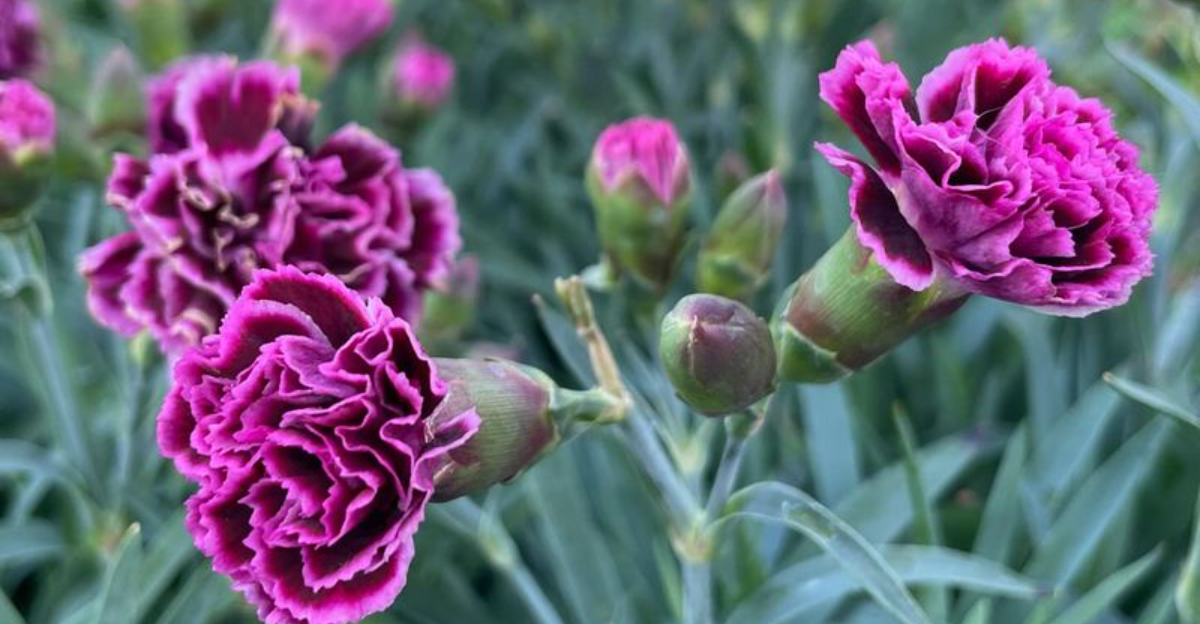
Spicy fragrance wafts from dianthus blooms on sunny winter afternoons, offering a sensory experience most gardeners don’t expect during cold months.
These charming flowers feature frilled petals in shades of pink, red, white, and bicolors that look almost hand-painted.
Their silvery-blue foliage provides year-round interest, even when flowers take brief breaks between bloom cycles.
South Carolina’s winter climate suits dianthus perfectly, as they thrive in cool temperatures and actually struggle when summers turn hot and humid.
Plant them in well-drained locations, as soggy soil can cause problems faster than cold temperatures ever will.
Raised beds work wonderfully for dianthus throughout the Palmetto State.
Their compact, mounding growth habit makes them excellent edging plants along pathways or at the front of mixed borders.
Gardeners appreciate how dianthus stays tidy without constant pruning or shaping.
Simply snip off faded blooms to encourage fresh flowers to appear.
Container plantings benefit enormously from dianthus, as their trailing varieties spill gracefully over pot edges.
Mix them with other winter bloomers for combinations that last from November through April in most South Carolina locations.
Water sparingly during winter, allowing soil to dry slightly between waterings.
Their drought tolerance once established makes them practical choices for busy gardeners who can’t fuss over plants constantly.
The clove-like scent intensifies on warm days, making garden walks particularly pleasant during South Carolina’s mild winter afternoons.
4. Ornamental Kale And Cabbage
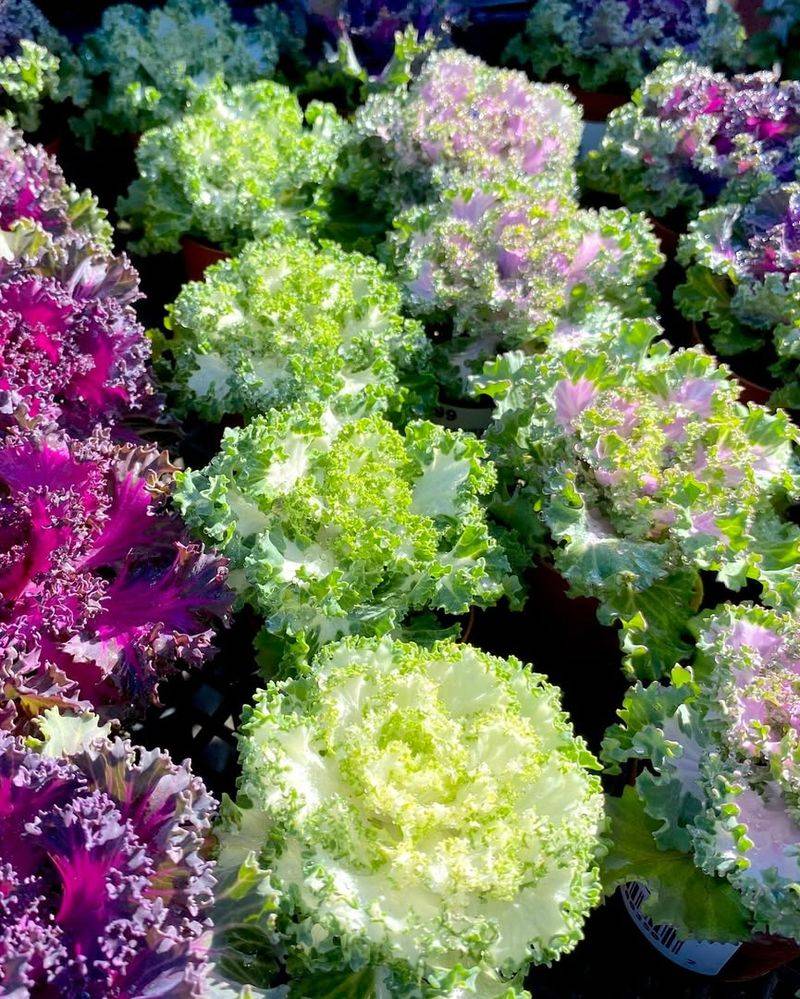
Bold foliage takes center stage when ornamental kale and cabbage enter South Carolina winter gardens, offering texture and color that intensifies as temperatures drop.
These stunning plants aren’t grown for eating but for their spectacular rosettes of ruffled leaves in purple, pink, white, and green combinations.
Cold weather actually improves their coloring, making them more vibrant with each frost.
Gardeners throughout the Palmetto State rely on these architectural plants to create focal points in winter beds and containers.
Their substantial size fills spaces quickly, making them perfect for replacing tired summer annuals.
Plant them in October for the best results, giving roots time to establish before the coldest weather arrives.
Full sun brings out the most intense colors, though they’ll grow in partial shade with slightly less vibrant hues.
Ornamental kale features deeply frilled, fancy leaves, while ornamental cabbage shows smoother, rounded foliage.
Both types work beautifully in South Carolina’s winter climate, tolerating temperatures well below freezing without complaint.
Mass plantings create stunning displays that look almost tropical despite the season.
Use them in large containers near entryways where their bold patterns can be appreciated up close.
They pair wonderfully with pansies and violas, creating combinations with both flowers and striking foliage.
Water regularly but ensure good drainage, as standing water can cause problems even for these tough plants.
Their low maintenance requirements and long-lasting beauty make them favorites among South Carolina gardeners who want maximum impact with minimal effort.
5. Violas
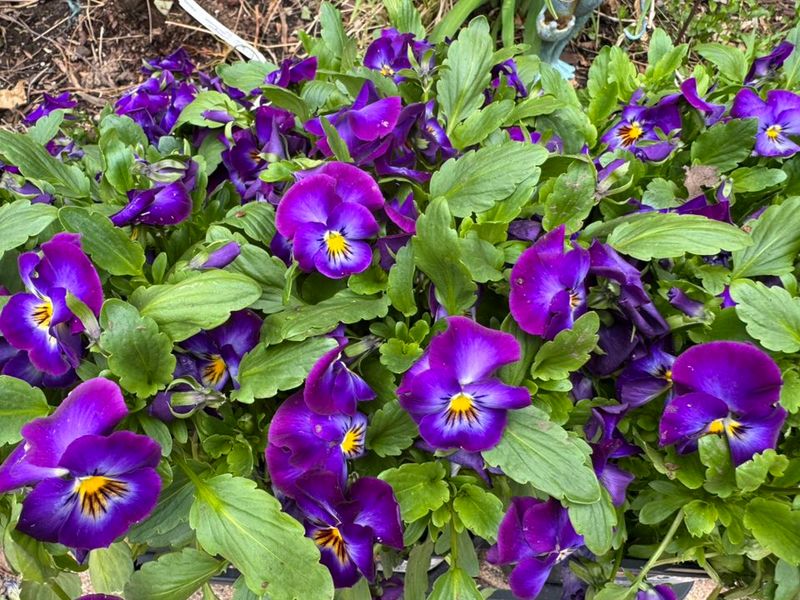
Smaller cousins to pansies, violas pack enormous flower power into compact plants that bloom prolifically throughout South Carolina winters.
Their dainty flowers appear in such abundance that plants often become completely covered in color.
While individual blooms measure smaller than pansy flowers, violas make up for size with sheer quantity.
Cold tolerance runs exceptionally high in violas, making them reliable performers even during the occasional hard freeze that hits the Palmetto State.
They bounce back quickly after cold snaps that might slow down other winter bloomers.
Gardeners love how violas spread and fill in spaces, creating carpets of color in beds and containers.
Their trailing habit makes them outstanding choices for hanging baskets and window boxes.
Plant them densely for immediate impact, spacing them just four to six inches apart.
They’ll weave together quickly, creating seamless displays.
Violas self-clean better than pansies, meaning spent flowers drop off naturally without constant deadheading.
This characteristic makes them perfect for busy South Carolina gardeners who want beautiful results without daily maintenance.
Their cheerful colors include yellows, purples, blues, and whites, often with delicate markings that reward close inspection.
Mix different colored violas together for tapestry effects, or keep plantings monochromatic for sophisticated displays.
They work wonderfully as groundcovers beneath spring bulbs, hiding fading foliage while adding continuous color to South Carolina gardens from fall through spring.
6. Cyclamen
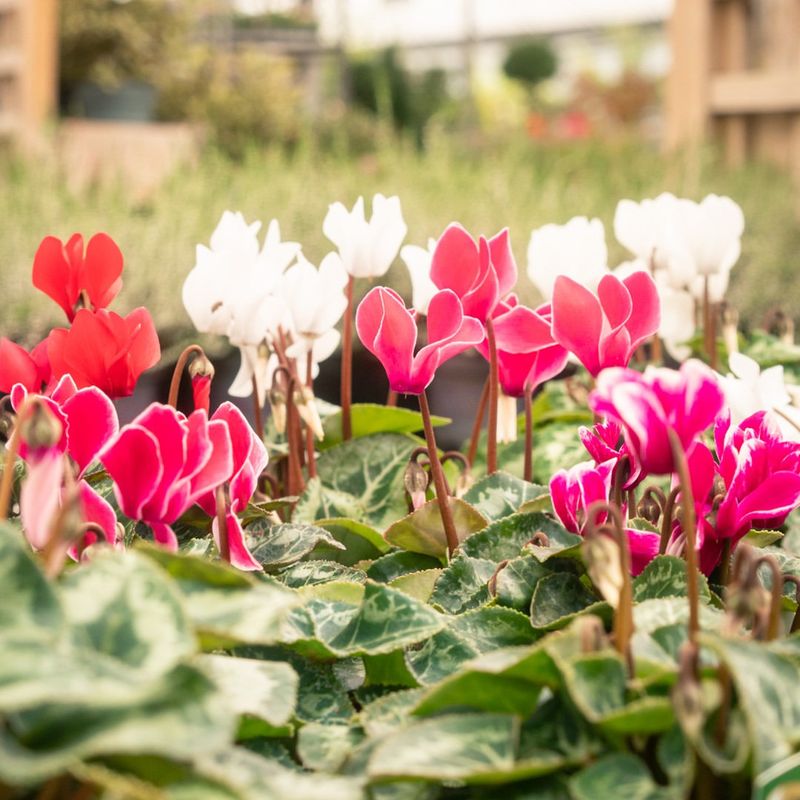
Shade gardens come alive when cyclamen enter the scene, bringing delicate butterfly-like flowers to spots where few other winter plants will bloom.
Their upswept petals seem to flutter above attractive heart-shaped leaves that often feature silver marbling.
Both foliage and flowers contribute beauty, making cyclamen valuable even between bloom cycles.
South Carolina’s coastal and midland regions provide ideal conditions for hardy cyclamen varieties that tolerate winter temperatures beautifully.
Plant them under trees, along shaded foundations, or in woodland garden settings where they’ll naturalize over time.
Well-drained soil rich in organic matter suits them best, mimicking their native forest floor habitats.
Avoid planting cyclamen too deeply, as their tubers should sit at or just below the soil surface.
Once established, they require minimal care and will often return year after year in Palmetto State gardens.
Their compact size makes them perfect for containers on shaded patios and porches.
Colors include shades of pink, red, white, and purple, each bringing elegance to winter landscapes.
Water cyclamen carefully, keeping soil moist but never soggy, as wet conditions can cause tuber problems.
They appreciate South Carolina’s winter rainfall but benefit from supplemental watering during dry spells.
Deer typically avoid cyclamen, making them smart choices for South Carolina gardens where wildlife browsing causes problems.
Their refined appearance and shade tolerance fill an important niche for gardeners seeking winter color in challenging locations throughout the state.
7. Stock Flowers
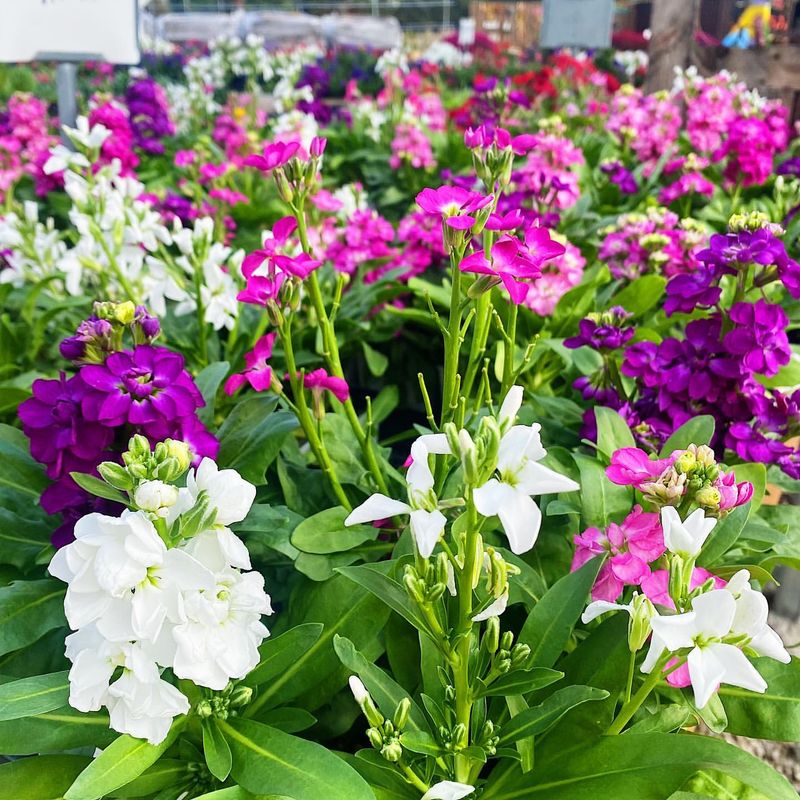
Heavenly fragrance distinguishes stock flowers from nearly every other winter bedding plant available to South Carolina gardeners.
Their sweet, spicy scent carries on the breeze, perfuming entire garden areas and making them treasured additions near windows and outdoor living spaces.
Dense flower spikes packed with blooms appear in white, pink, purple, and red shades.
Cool weather brings out the strongest fragrance in stock flowers, making them perfectly suited for Palmetto State winters.
Plant them in fall for blooms that begin in late winter and continue through early spring.
Full sun locations work best, though they’ll tolerate light afternoon shade in warmer parts of South Carolina.
Their upright growth habit adds valuable vertical interest to winter beds and borders.
Cut stock flowers freely for indoor arrangements, as they last well in vases and fill homes with their wonderful scent.
Cutting actually encourages more stems to develop, giving you continuous flowers for both garden and home.
Space plants about ten inches apart to allow good air movement, which helps prevent moisture-related issues during humid South Carolina winters.
Stock flowers prefer rich, well-drained soil amended with compost or other organic matter.
Feed them monthly with balanced fertilizer to support their prolific blooming habits.
Their old-fashioned charm and incredible fragrance make them favorites among gardeners who remember them from grandmother’s gardens.
Modern varieties offer improved cold tolerance and longer bloom periods, making stock flowers even better suited for contemporary South Carolina winter gardens than ever before.