Brighten Minnesota Winters With These 10 Indoor Plants
Minnesota winters have a way of settling in and sticking around.
Short days, long nights, and gray skies can make even the coziest home feel a bit heavy.
When snow piles up and stepping outside feels like a chore, indoor plants step in as quiet mood lifters.
A splash of green on a windowsill or a leafy plant in the corner can change the whole feel of a room.
It is like bringing a piece of spring inside while winter still runs the show outdoors.
Indoor plants work magic without making a fuss.
They soften sharp lines, add life to still spaces, and make rooms feel warmer even when the temperature drops.
Watching new leaves unfold during the coldest months offers a small sense of progress, a reminder that growth never truly stops.
Some plants thrive in low light, others enjoy the dry indoor air that comes with heating systems, making them perfect companions through the long season.
A home filled with greenery feels more balanced and welcoming.
Plants pull attention away from icy windows and bare landscapes, creating pockets of comfort that invite you to linger.
With the right indoor plants in place, Minnesota winters lose some of their bite, and everyday spaces feel brighter, calmer, and more alive until spring finally returns.
1. Snake Plant
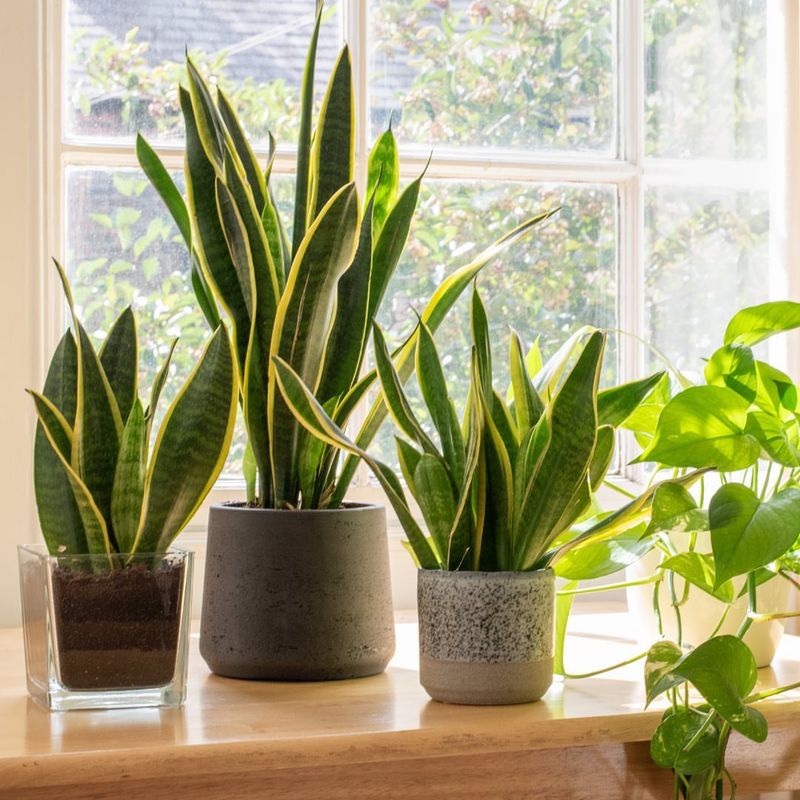
Snake plants are practically indestructible, making them perfect for anyone who worries about keeping plants alive through Minnesota’s harsh winter months.
These striking plants feature tall, sword-shaped leaves with beautiful patterns that add architectural interest to any room.
They can survive in low light conditions, which is especially helpful during those short winter days when natural sunlight is scarce.
One remarkable quality is their ability to tolerate neglect better than most houseplants.
You can forget to water them for weeks, and they’ll still look fantastic.
Snake plants actually prefer dry soil between waterings, so the lower humidity in heated Minnesota homes works in their favor.
They’re also excellent air purifiers, removing toxins like formaldehyde and benzene from indoor spaces.
Place your snake plant anywhere from bright indirect light to shadowy corners, and it will adapt beautifully.
The thick, fleshy leaves store water efficiently, helping the plant survive extended periods without attention.
For busy families or beginners, this plant offers maximum visual impact with minimum effort throughout the winter season.
2. Pothos
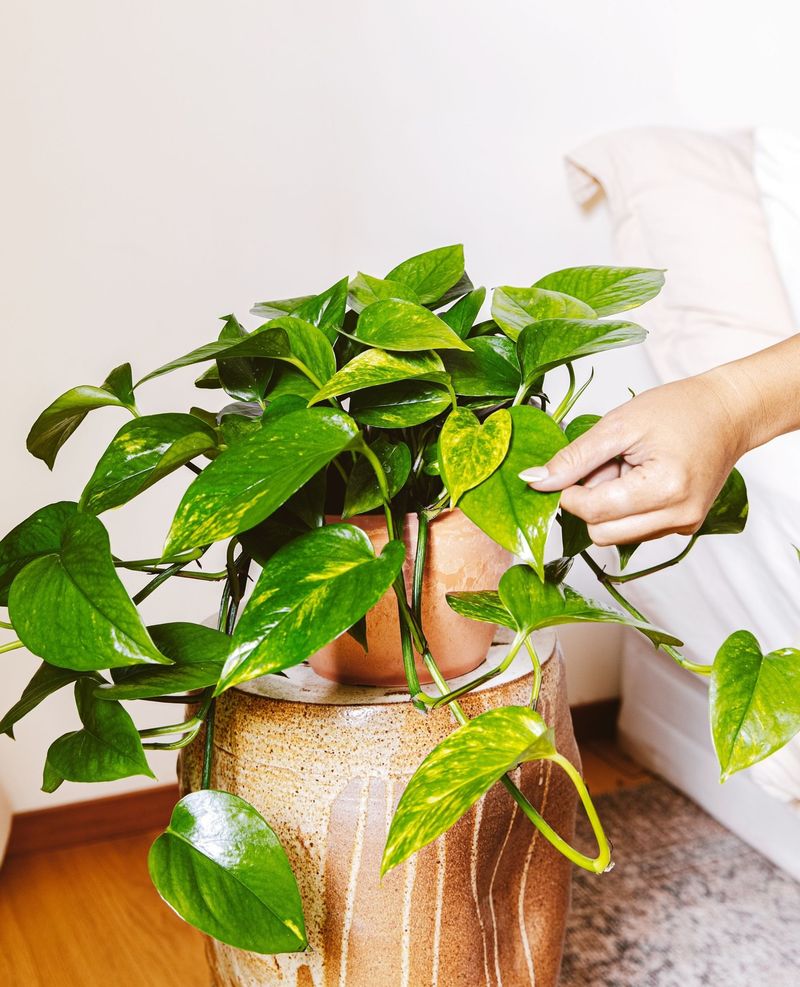
With heart-shaped leaves that cascade gracefully from shelves or hanging baskets, pothos brings a tropical feel to cold Minnesota interiors.
This versatile vine grows quickly and forgives almost any mistake you might make as a plant owner.
Low light doesn’t bother it, irregular watering schedules won’t phase it, and it actually thrives in the typical conditions of heated homes during winter.
Pothos comes in several stunning varieties, including golden pothos with yellow variegation, marble queen with white splashes, and neon pothos with bright chartreuse leaves.
Each variety adds its own personality to your space while requiring the same easy care.
The trailing vines can grow several feet long, creating beautiful living curtains of greenery that soften hard edges and add warmth to rooms.
Your Minnesota Garden Changes Every Week. Your Plan Should Too.
Gardening in Minnesota changes quickly throughout the season. Every Friday you’ll receive a simple weekly plan showing exactly what to plant, prune, fertilize, harvest, and protect so you never miss the right timing.
You can train the vines along walls, let them drape from high shelves, or keep them trimmed for a bushier appearance.
Another bonus is how easily pothos propagates in water, meaning you can create new plants from cuttings to spread throughout your Minnesota home or share with friends during the long winter months.
3. Spider Plant
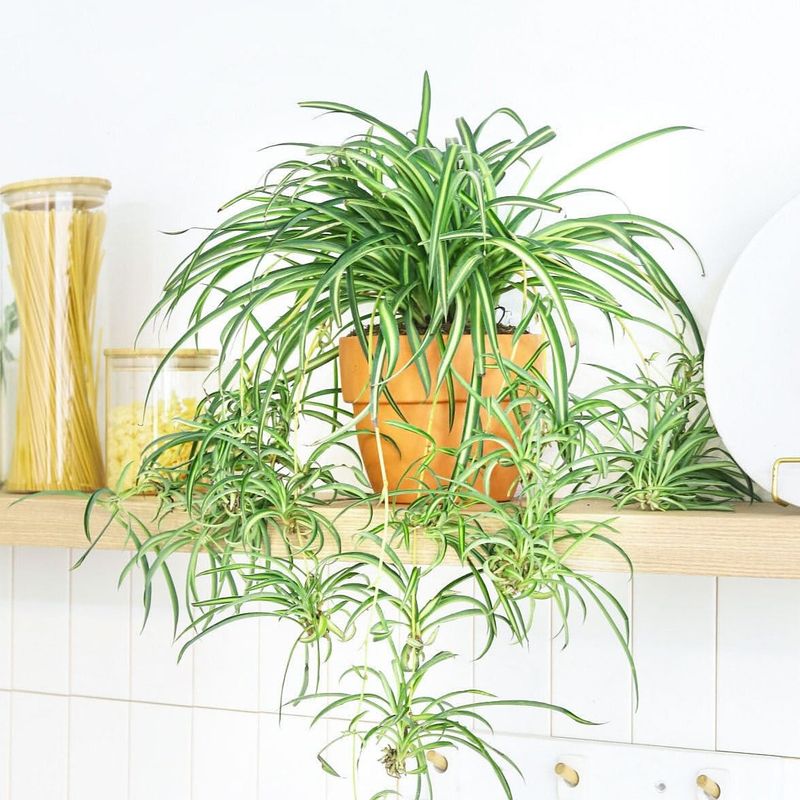
Spider plants earned their popularity by being nearly impossible to mess up, even for complete beginners facing their first Minnesota winter with houseplants.
The arching leaves create a fountain-like display that looks elegant on plant stands, in hanging baskets, or perched on shelves.
Green and white striped foliage adds visual interest without needing flowers to look attractive.
What makes spider plants truly special is their ability to produce baby plants, called spiderettes, that dangle from long stems like tiny green spiders on silk threads.
These babies can be left attached for a fuller look or removed and potted to create new plants.
They adapt well to various light conditions, though they prefer bright indirect light to maintain their vibrant stripes.
During Minnesota winters, placing them near windows helps them stay happy without requiring special grow lights.
Spider plants also rank among the best air-purifying houseplants, removing carbon monoxide and other pollutants from indoor air.
They tolerate a wide range of temperatures and humidity levels, making them perfect for homes with fluctuating heating conditions throughout the cold season.
4. Peace Lily
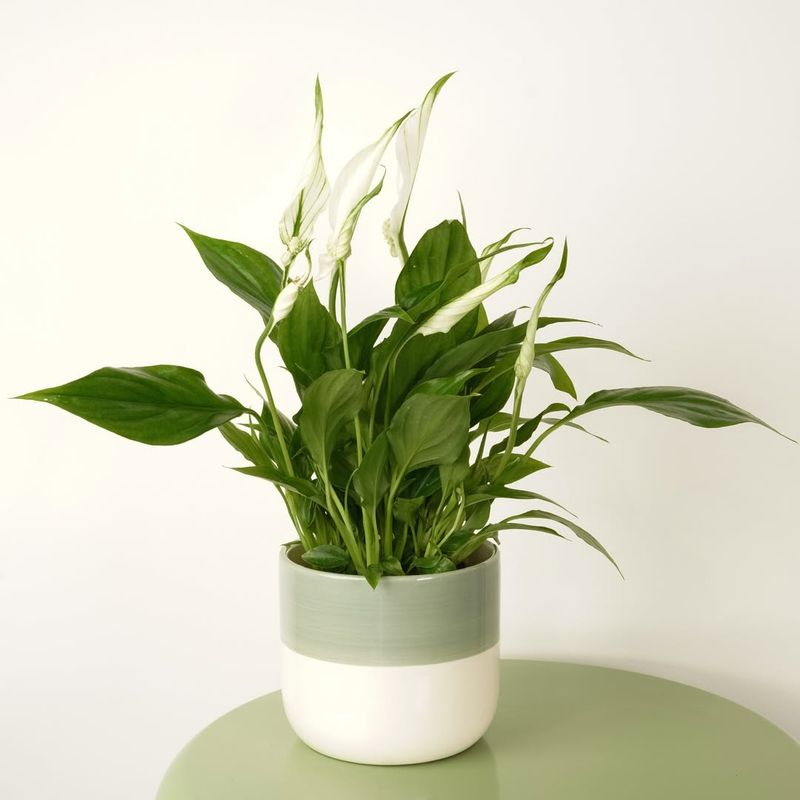
Peace lilies bring elegance to winter spaces with their glossy green leaves and stunning white flowers that bloom even in lower light conditions.
Unlike many flowering plants that need bright sunlight to produce blooms, peace lilies can flower in the shadier corners of your Minnesota home during winter.
The white spathes emerge like graceful flags above the foliage, adding a touch of sophistication to any room.
These plants communicate their needs clearly by drooping when thirsty, then perking right back up after watering.
This visual signal helps prevent both under and overwatering, making care straightforward even for inexperienced plant owners.
Peace lilies prefer consistently moist soil but not waterlogged conditions, and they appreciate the moderate temperatures found in most homes.
They also excel at removing airborne toxins, including ammonia, benzene, and formaldehyde, making your indoor air cleaner during months when windows stay closed.
The only downside is that peace lilies are toxic to pets if ingested, so keep them out of reach of curious cats and dogs.
With proper placement, they’ll reward you with lush growth and periodic blooms throughout Minnesota’s coldest months.
5. ZZ Plant
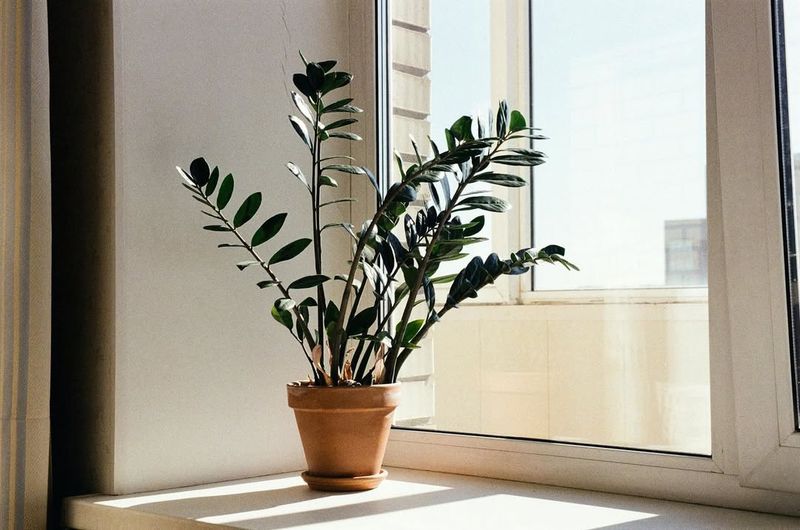
ZZ plants look so perfect and shiny that people sometimes mistake them for artificial plants, but they’re very much alive and incredibly tough.
The thick, waxy leaves reflect light beautifully, brightening up darker corners of Minnesota homes where other plants might struggle during short winter days.
Their upright growth habit and symmetrical appearance give them a sculptural quality that works in both modern and traditional spaces.
Drought tolerance is a superpower for ZZ plants, thanks to their thick rhizomes that store water underground.
You can water them sparingly throughout winter, sometimes only once or twice a month, and they’ll continue looking gorgeous.
They tolerate extremely low light conditions better than almost any other houseplant, making them ideal for offices, bathrooms, or rooms with small windows.
ZZ plants also handle temperature fluctuations well, so drafty Minnesota homes won’t cause them stress.
Growth happens slowly but steadily, with new shoots emerging from the soil like glossy green spears.
This slow growth means less maintenance and pruning, perfect for people who want beautiful plants without constant attention during busy winter months when everyone has enough to worry about already.
6. Rubber Plant
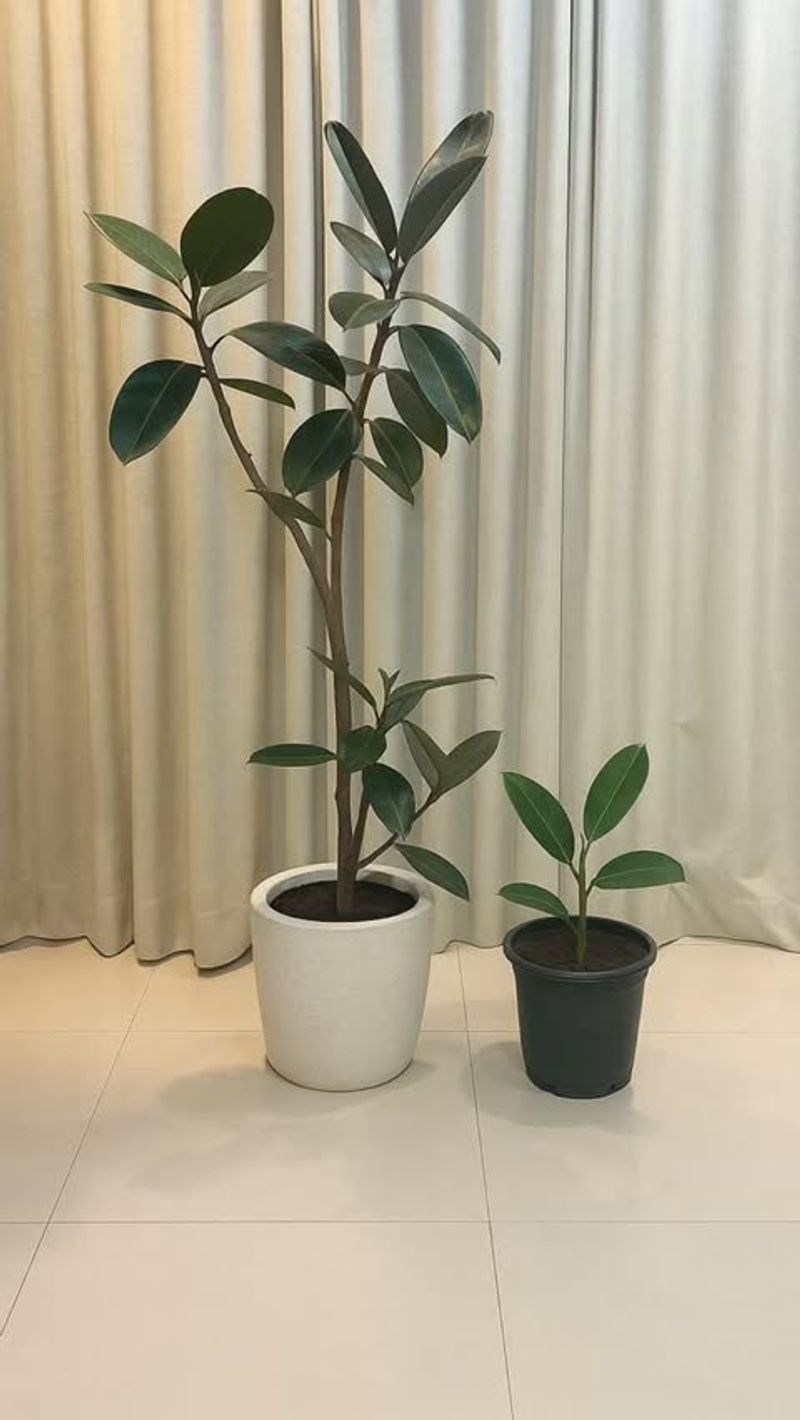
Rubber plants make bold statements with their large, glossy leaves that can reach impressive sizes when given proper care through Minnesota winters.
The thick, leathery foliage comes in various colors, from deep burgundy to variegated cream and green, allowing you to choose the perfect match for your home decor.
Each leaf emerges wrapped in a red sheath that eventually falls away, revealing the new growth underneath.
These plants prefer bright, indirect light but can adapt to medium light conditions, making them flexible for different rooms in your home.
They grow upward rather than outward, so they work well in corners or beside furniture without taking up too much floor space.
Rubber plants like their soil to dry out slightly between waterings, which aligns perfectly with the drier conditions inside heated Minnesota homes during winter.
Wiping dust off their large leaves occasionally keeps them looking their best and helps them photosynthesize more efficiently.
As they mature, rubber plants can become impressive floor specimens that anchor a room’s design.
Their air-purifying abilities are excellent, and their presence adds a tropical, sophisticated vibe that contrasts beautifully with snowy views outside your windows.
7. Philodendron
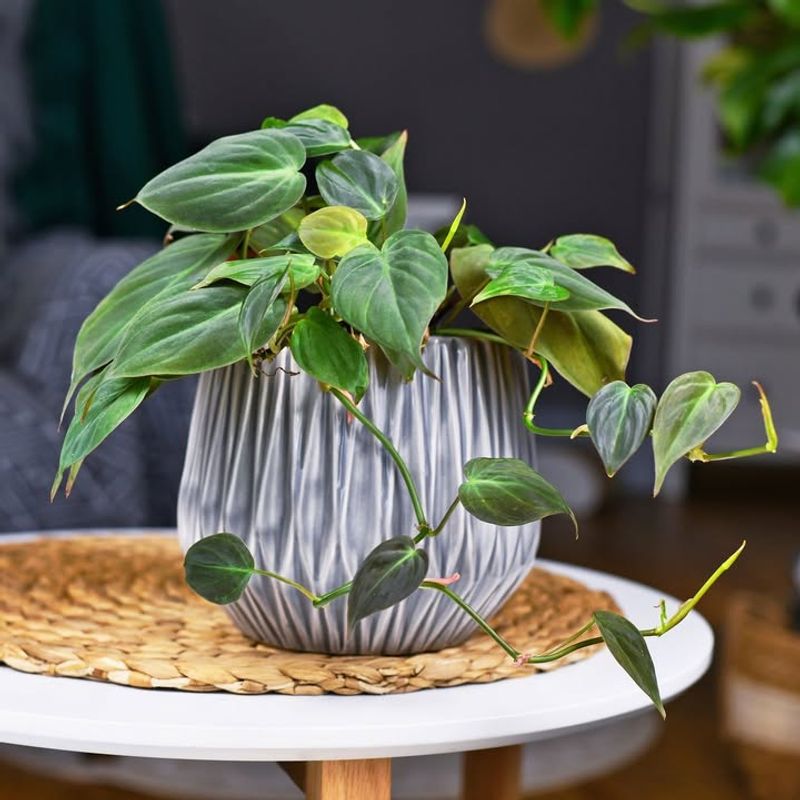
Philodendrons are classic houseplants that have brightened homes for generations, and they remain popular because they’re so reliable during Minnesota’s challenging winters.
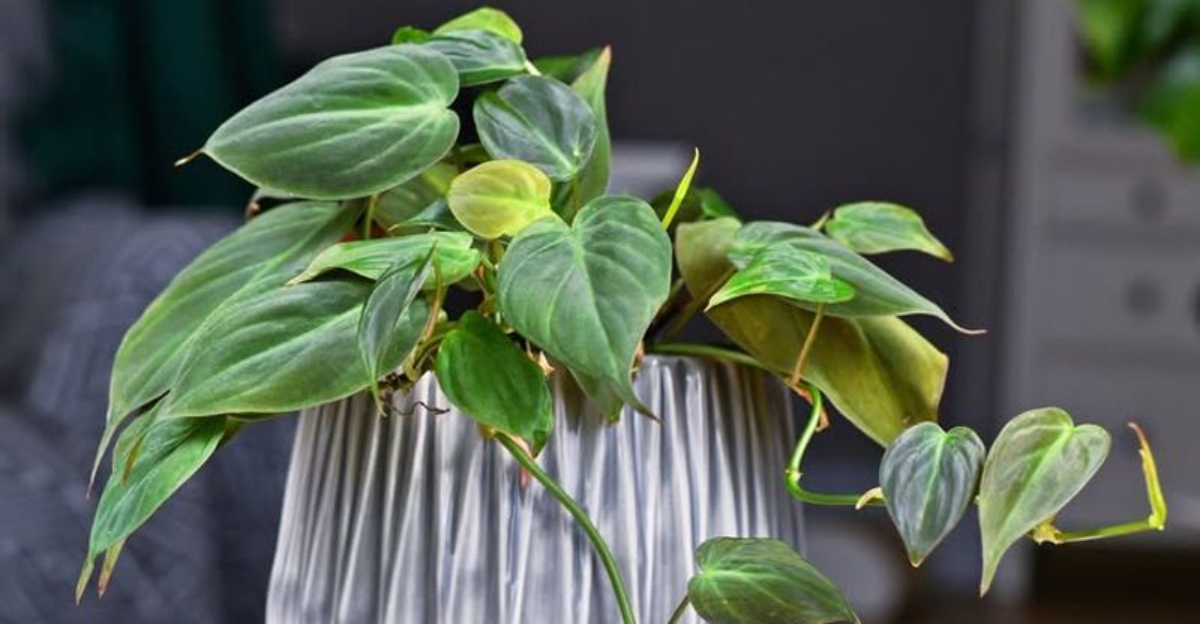
Heart-leaf philodendrons feature charming, heart-shaped leaves on vining stems that can be trained to climb or allowed to trail gracefully.
The glossy green foliage catches light beautifully, adding life to any space regardless of your decorating style.
These plants tolerate a wide range of light conditions, from bright indirect to quite dim, making them adaptable to whatever space you have available.
They signal when they need water by having leaves that feel slightly less firm, but they bounce back quickly after a good drink.
Philodendrons appreciate average household temperatures and humidity levels, so they don’t require special conditions or equipment to thrive.
During winter, they grow more slowly but continue looking healthy and attractive without demanding extra attention.
You can propagate philodendrons easily by taking stem cuttings and rooting them in water, creating new plants to expand your indoor garden or give as gifts.
Their forgiving nature and attractive appearance make them perfect companions for anyone wanting to add more greenery to their Minnesota home during the coldest, darkest months of the year.
8. Aloe Vera
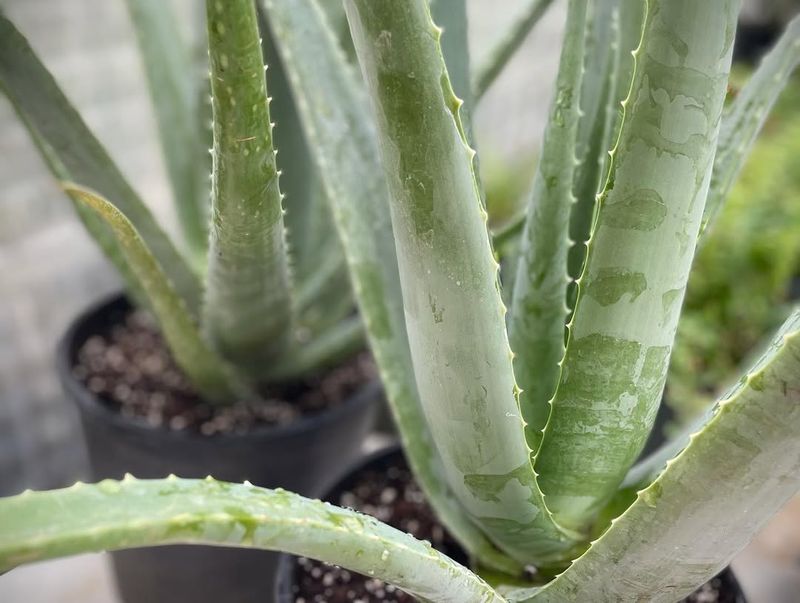
Aloe vera plants offer both beauty and practical benefits, storing healing gel inside their thick, fleshy leaves while looking attractive on Minnesota windowsills.
The succulent nature of aloe means it stores water in its leaves, making it incredibly drought-tolerant and perfect for forgetful waterers or busy households during winter.
The rosette growth pattern creates an appealing geometric shape that looks tidy and organized.
Aloe prefers bright light, so placing it near a south-facing window during Minnesota’s short winter days helps it stay healthy and compact.
The plant actually enjoys the cooler temperatures near windows, unlike many tropical houseplants that prefer warmer spots.
When someone gets a minor burn or skin irritation, you can break off a leaf and apply the soothing gel directly to the affected area.
This practical use makes aloe more than just decorative; it’s like having a natural first-aid kit growing in your home.
Aloe produces baby plants called pups around its base, which can be separated and potted individually to create new plants.
The minimal watering requirements during winter make aloe ideal for people who travel or simply prefer low-maintenance houseplants that still look interesting and attractive year-round.
9. Jade Plant
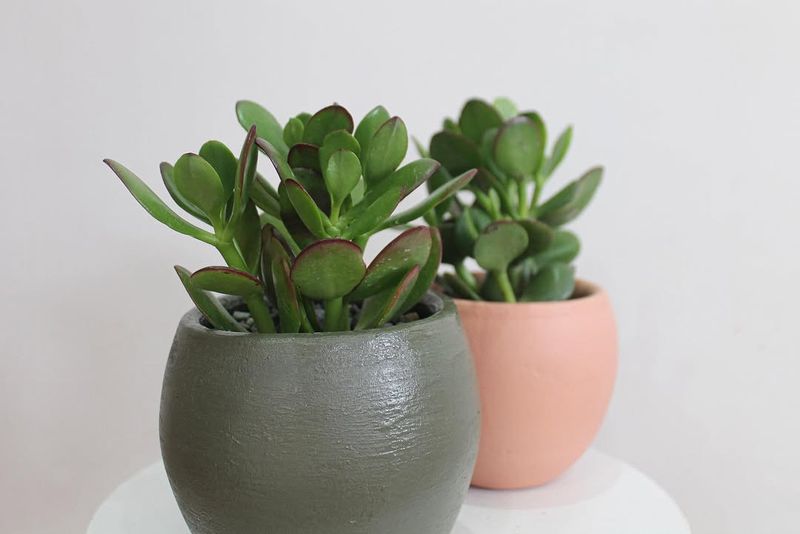
Jade plants develop character over time, growing thick trunks and branching patterns that resemble miniature trees inside your Minnesota home.
The plump, oval leaves store water efficiently, allowing jade plants to survive extended periods without watering during winter months when you might forget or travel.
Their succulent nature means they actually prefer the drier air that comes with heated indoor spaces.
These plants can live for decades with proper care, becoming family heirlooms passed down through generations.
As they age, their trunks thicken and become woody, creating bonsai-like specimens that look increasingly impressive with each passing year.
Jade plants prefer bright light and can even handle some direct sun, making them perfect for sunny windowsills where other plants might get scorched.
They grow slowly and maintain compact shapes without requiring frequent pruning or special attention.
Many people consider jade plants symbols of good luck and prosperity, making them meaningful additions to homes beyond their aesthetic appeal.
During Minnesota winters, their sturdy presence and evergreen appearance provide constant visual interest.
Watering jade plants sparingly, allowing soil to dry completely between waterings, prevents root problems and keeps them healthy throughout the cold season when growth naturally slows down.
10. Chinese Evergreen
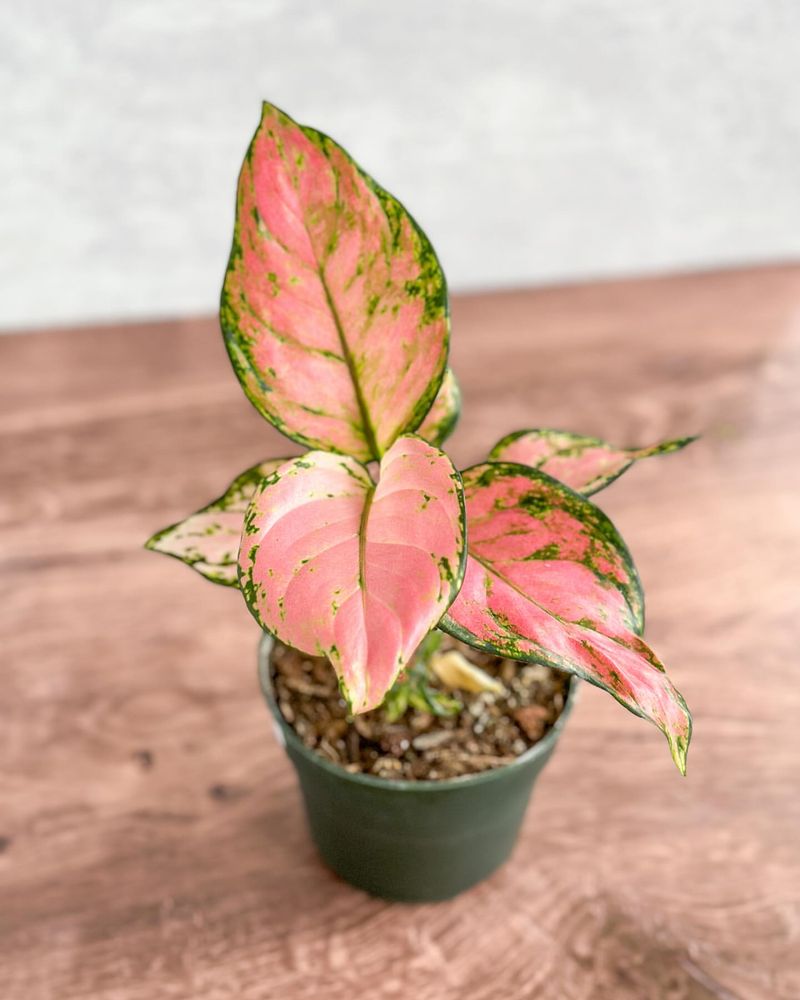
Chinese evergreens rank among the most tolerant houseplants for challenging conditions, thriving in the low light and dry air typical of Minnesota homes during winter.
The stunning foliage patterns range from silvery-green to deep emerald with pink or red accents, depending on the variety you choose.
These colorful leaves provide visual interest without needing flowers, brightening rooms even when outdoor gardens lie dormant under snow.
Chinese evergreens grow slowly and maintain manageable sizes, making them perfect for desks, shelves, or side tables where space is limited.
They rarely need repotting and tolerate being slightly rootbound without showing stress.
These plants prefer consistently moist soil but forgive occasional neglect, bouncing back from minor care mistakes that might harm more sensitive species.
They also handle temperature fluctuations better than many houseplants, important in homes where heating systems create variable conditions.
The air-purifying qualities of Chinese evergreens help remove toxins from indoor environments, contributing to healthier air quality when windows stay closed for months.
Their ability to thrive in offices with fluorescent lighting translates well to Minnesota homes during dark winter months when natural light is scarce and weak throughout most of the day.