10 Animals In Your Georgia Yard That Carry A Quiet Message Of Hope
Georgia yards often feel calm on the surface, yet they quietly buzz with life and meaning.
A bird perched on a fence, a deer passing through at dawn, or a butterfly drifting across the garden can feel like small moments that slip by too easily.
Still, these visitors often carry more weight than meets the eye.
In times when days feel heavy or routines grow dull, their presence can act like a gentle tap on the shoulder, reminding homeowners that nature keeps moving forward.
Many of these animals show resilience in simple ways.
They adapt to heat, storms, and changing seasons without much fuss.
Watching them return again and again sends a steady message of endurance and balance.
A rabbit nibbling calmly or a cardinal flashing red against green leaves can lift spirits faster than expected.
These quiet encounters speak in their own language, offering comfort without saying a word.
A Georgia yard becomes more than grass and soil when wildlife passes through.
It turns into a place of reflection and renewal.
Paying attention to these subtle signs can shift perspective, proving that hope does not always arrive loud and bold.
Sometimes it slips in softly, carried on wings, paws, or gentle movement through the trees.
1. The Eastern Bluebird
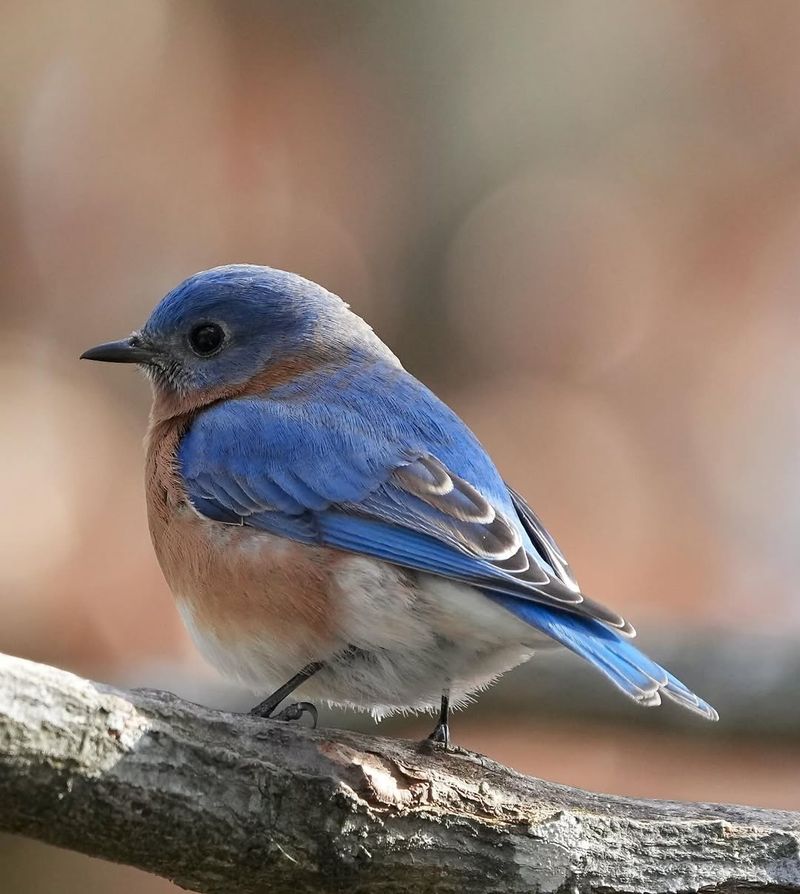
Bright blue feathers catch your eye the moment an Eastern Bluebird lands on your fence post in Georgia.
This cheerful bird represents renewal because it often appears in spring when everything feels fresh and possible.
Bluebirds faced serious population troubles decades ago but bounced back thanks to conservation efforts, proving that recovery is always within reach.
Their songs sound like gentle whistles that float across Georgia yards on warm afternoons.
Males show off vibrant blue backs while females wear softer blue-gray tones, but both bring equal beauty to your outdoor space.
They love open areas with scattered trees, which makes suburban Georgia neighborhoods perfect for them.
Watching a bluebird family raise their young teaches patience and dedication.
Parents make countless trips to the nest box, bringing insects to hungry babies who eventually learn to fly.
The whole process shows how small, consistent efforts lead to amazing transformations.
These birds prefer cavities for nesting, so putting up a bluebird house in your Georgia yard invites them to stay.
Once they settle in, you’ll notice their presence lifts your mood every single day.
Their return each season reminds us that good things come back around when we create welcoming spaces.
2. The Monarch Butterfly
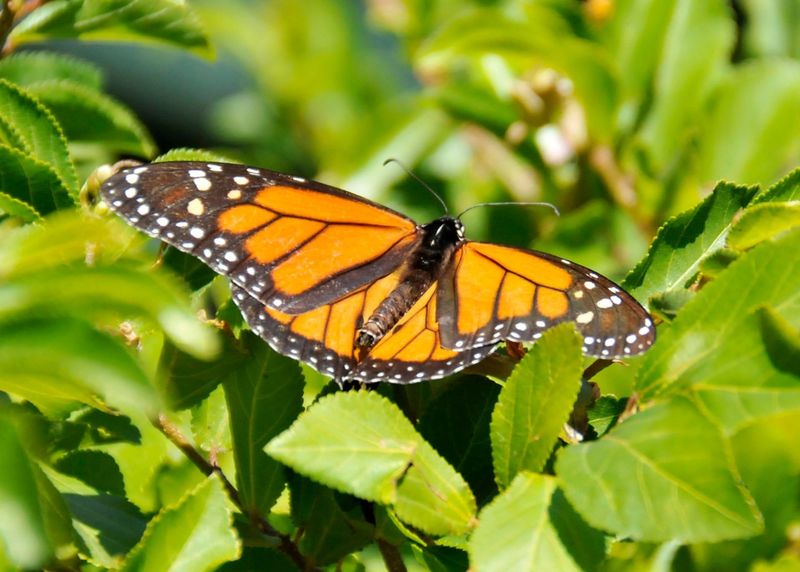
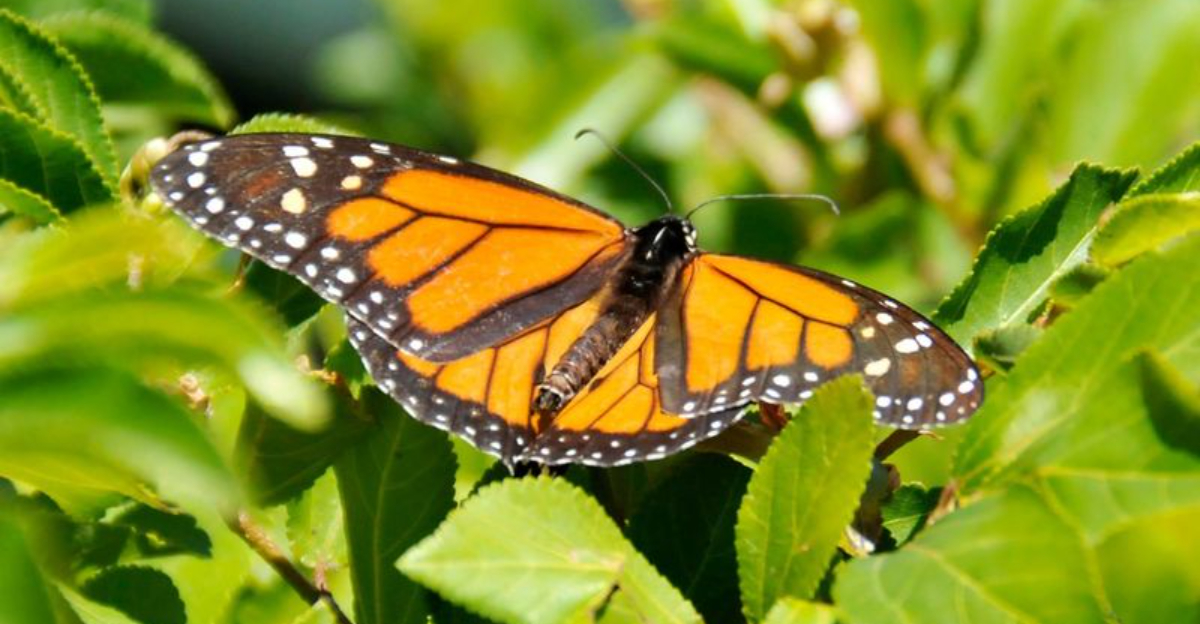
Orange wings trimmed with black borders make Monarch butterflies impossible to miss in Georgia gardens.
These delicate travelers complete one of nature’s most incredible journeys, flying thousands of miles between Mexico and North America.
Their migration proves that even the smallest creatures can accomplish extraordinary feats through determination.
Monarchs start as tiny eggs on milkweed plants, then transform into striped caterpillars before entering their chrysalis stage.
The complete metamorphosis takes just weeks, showing how dramatic change can happen faster than we expect.
Georgia yards with milkweed become vital rest stops during their long journey north each spring.
Your Georgia Garden Changes Every Week. Your Plan Should Too.
Gardening in Georgia changes quickly throughout the season. Every Friday you’ll receive a simple weekly plan showing exactly what to plant, prune, fertilize, harvest, and protect so you never miss the right timing.
Every Monarch you spot represents multiple generations working toward a common goal.
Individual butterflies only live a few weeks, except for the special generation that makes the full migration journey.
This cycle demonstrates how each small contribution matters in the bigger picture of survival and success.
Planting milkweed and nectar flowers in your Georgia yard helps these hopeful messengers continue their ancient pattern.
You become part of their story when you provide food and shelter along their route.
Watching them flutter from bloom to bloom reminds us that beauty and strength often come in surprisingly fragile packages.
3. The Ruby-Throated Hummingbird
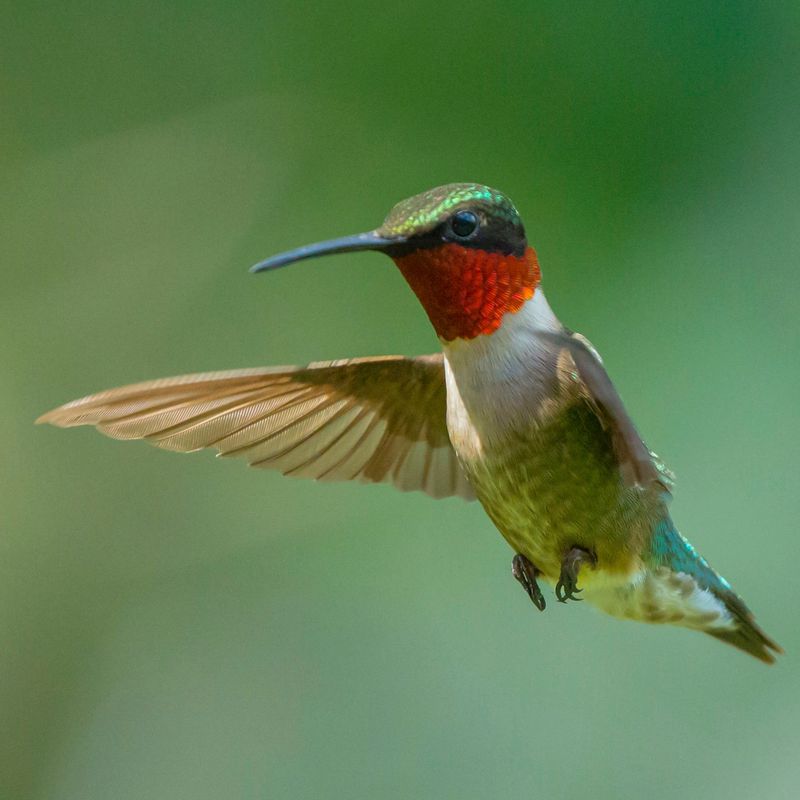
Hovering in midair like a tiny helicopter, the Ruby-throated Hummingbird seems to defy gravity itself.
Males flash brilliant red throat patches that shimmer like jewels when sunlight hits them just right.
These fearless birds migrate across the Gulf of Mexico despite weighing less than a nickel, proving courage isn’t measured by size.
Their wings beat around 53 times per second, creating that distinctive humming sound that gives them their name.
This incredible energy output requires them to eat constantly throughout the day, visiting hundreds of flowers in Georgia yards.
They teach us that staying active and nourished keeps us moving forward even when challenges seem overwhelming.
Ruby-throats arrive in Georgia during spring, bringing excitement and anticipation to anyone watching for their return.
Setting up red feeders filled with sugar water creates a reliable food source that keeps them coming back.
The moment you spot that first hummingbird of the season feels like receiving a personal message that winter has truly ended.
These birds defend their territory with surprising aggression, chasing away much larger birds without hesitation.
Their boldness reminds us to stand up for what matters, regardless of who or what seems more powerful.
Watching them dart between flowers in your Georgia yard brings instant joy and wonder to ordinary moments.
4. The American Robin
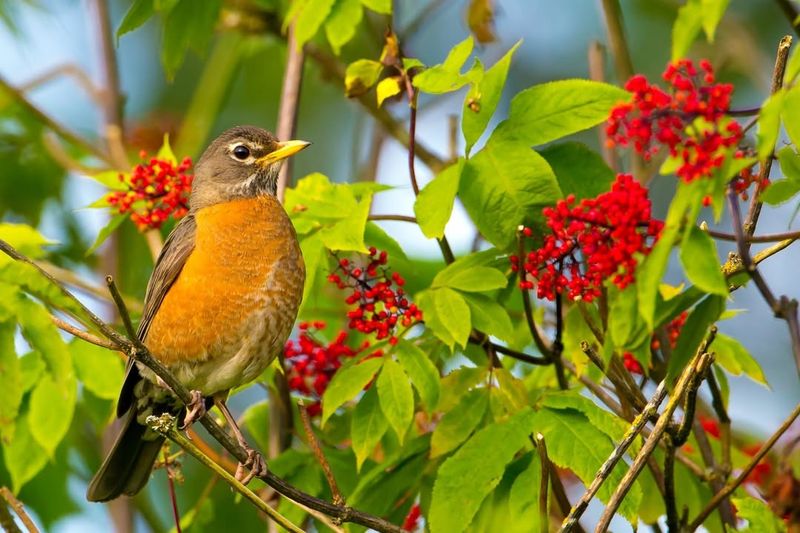
Rusty orange breasts make American Robins easy to recognize as they hop across Georgia lawns hunting for earthworms.
Many people consider their arrival a sure sign that warmer weather has settled in for good.
Actually, some robins stay in Georgia year-round, but they become more visible and vocal when spring officially arrives.
Robins build sturdy mud-lined nests in trees, shrubs, and sometimes surprising spots like porch lights or garage shelves.
Females lay beautiful blue eggs that have inspired artists and poets for generations.
The color of those eggs represents fresh starts and new possibilities waiting to hatch.
These birds demonstrate remarkable problem-solving skills when searching for food across Georgia yards.
They tilt their heads not to listen for worms but to see them better with their sharp eyesight.
This clever hunting technique shows how looking at situations from different angles helps us find solutions we might otherwise miss.
Robin families often raise multiple broods throughout the spring and summer in Georgia.
Parents work together tirelessly, sharing responsibilities and supporting each other through the demanding process.
Their partnership and persistence remind us that teamwork and dedication help us overcome exhausting challenges and achieve rewarding results that make all the effort worthwhile.
5. The Eastern Box Turtle
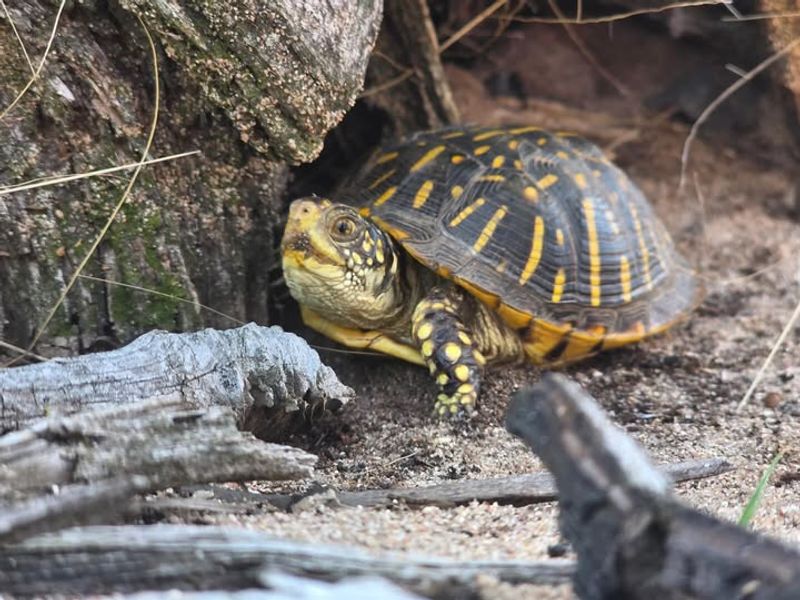
Slow and steady wins the race, as the Eastern Box Turtle proves every single day in Georgia yards.
These ancient-looking reptiles can live over 100 years, carrying their homes on their backs wherever they wander.
Their longevity teaches us that taking life at a measured pace often leads to lasting success and fulfillment.
Box turtles feature stunning shell patterns with yellow, orange, and brown markings that make each individual unique.
Males typically have red eyes while females have brown eyes, adding another layer of interest to these fascinating creatures.
When threatened, they completely seal themselves inside their shells, demonstrating the importance of having strong boundaries and safe spaces.
Finding a box turtle crossing your Georgia yard feels like discovering hidden treasure.
They spend much of their time in the same small area throughout their entire lives, showing deep attachment to home.
This loyalty to place reminds us that roots matter and familiar surroundings provide comfort during uncertain times.
These turtles face habitat loss and road dangers, yet they persist in Georgia neighborhoods that offer suitable shelter.
If you spot one, resist the urge to relocate it because they know their territory intimately.
Simply appreciate the encounter as a reminder that patience, persistence, and staying true to yourself leads to a long, meaningful life filled with quiet wisdom.
6. The Carolina Chickadee
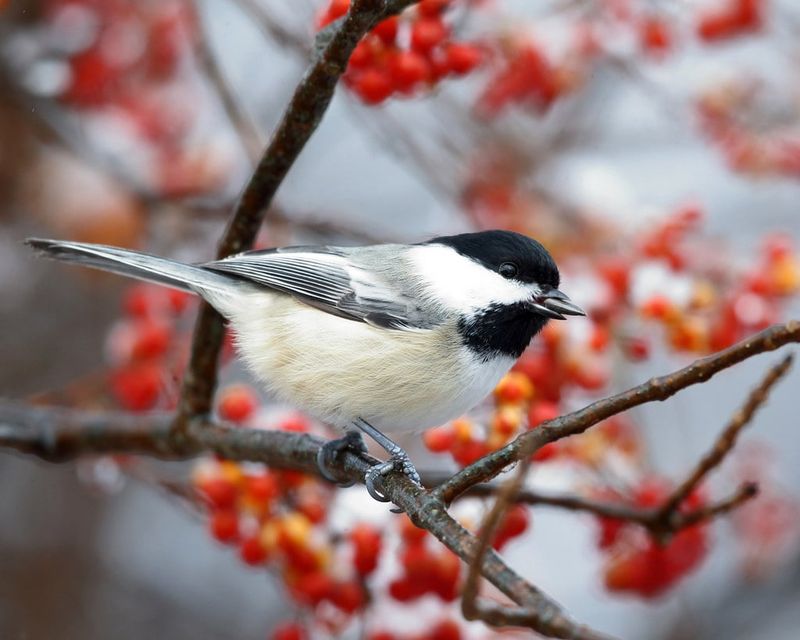
Cheerful and curious, the Carolina Chickadee brings constant entertainment to Georgia yards with its acrobatic antics.
These tiny birds with black caps and white cheeks seem fearless, often approaching humans more closely than other species.
Their friendly nature reminds us that openness and curiosity lead to richer experiences and unexpected connections.
The chickadee’s distinctive call sounds exactly like its name, making it one of the easiest birds to identify by sound alone.
They also produce complex alarm calls that warn other birds about specific threats, showing impressive communication skills.
This vocal ability demonstrates how clear, honest communication helps communities stay safe and informed.
During winter months in Georgia, chickadees form mixed flocks with other small bird species for better survival.
They cache food in hundreds of different hiding spots and remember each location with remarkable accuracy.
Their planning ahead and cooperation with others teaches valuable lessons about preparation and community support.
Chickadees remain active and vocal even during the coldest Georgia winter days when other birds stay hidden.
Their energy and enthusiasm never seem to fade, regardless of weather conditions or seasonal challenges.
Watching them flit from branch to feeder and back again reminds us to maintain our spark and keep moving forward with optimism, no matter what circumstances we face in our daily lives.
7. The Painted Lady Butterfly
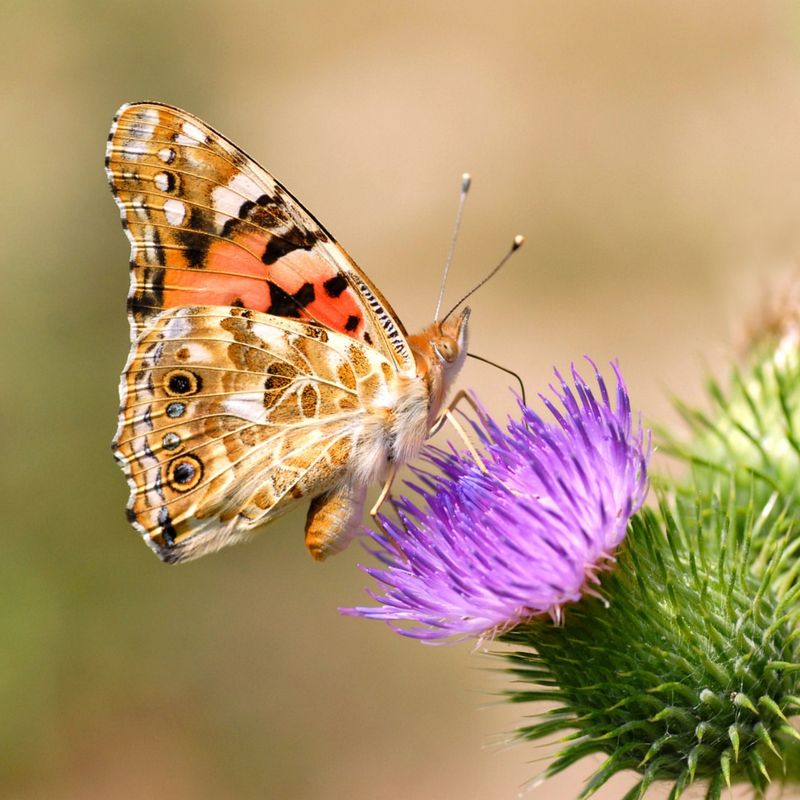
Delicate yet determined, Painted Lady butterflies travel incredible distances to reach Georgia gardens each year.
Their orange, black, and white wing patterns create an intricate design that looks hand-painted by nature itself.
These butterflies can be found on every continent except Antarctica, making them true citizens of the world who adapt to countless environments.
Unlike Monarchs with their specific milkweed requirement, Painted Ladies aren’t picky eaters during their caterpillar stage.
They munch on thistles, mallows, and many other plants common in Georgia yards.
This flexibility shows how being adaptable opens up more opportunities and increases chances for success in changing conditions.
Painted Ladies sometimes arrive in Georgia in massive numbers, filling the air with fluttering wings during migration events.
These population booms happen unpredictably, creating magical moments that feel like gifts from nature.
Their sudden abundance reminds us that life can surprise us with unexpected blessings when we least anticipate them.
Each Painted Lady you see has overcome numerous obstacles including weather, predators, and exhaustion during its journey.
Despite their fragile appearance, they possess remarkable endurance and determination.
Observing them rest on flowers in your Georgia yard offers a gentle reminder that rest is essential for completing long journeys, and that taking breaks doesn’t mean giving up on your destination or dreams.
8. The Eastern Cottontail Rabbit
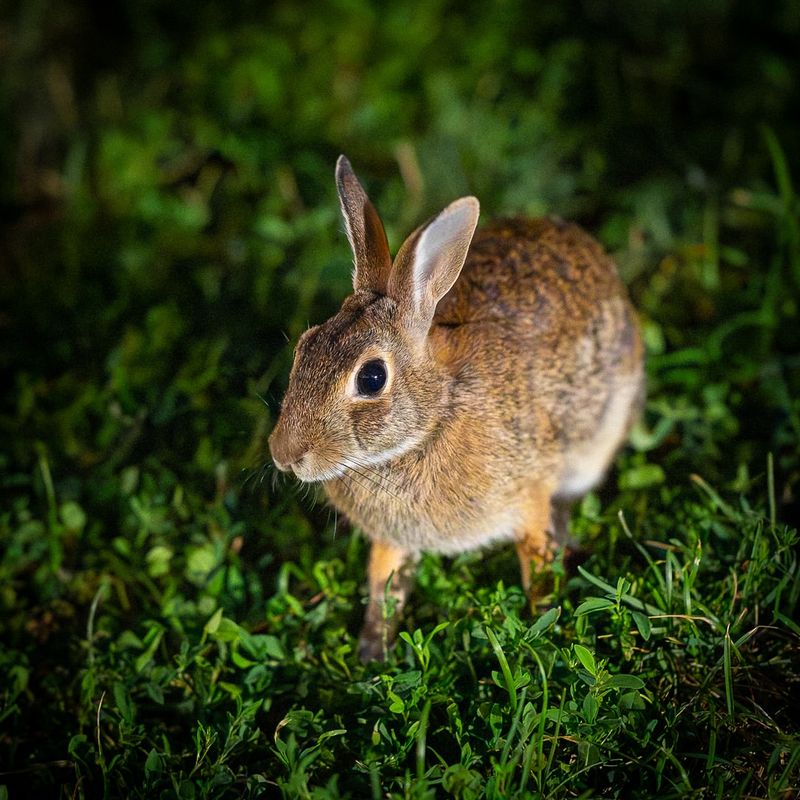
Fluffy white tails bobbing through Georgia yards signal the presence of Eastern Cottontail rabbits.
These adorable mammals have thrived alongside humans, finding suburban landscapes perfect for their needs.
Their ability to flourish in developed areas shows how adaptation and flexibility help us succeed even when our environment changes dramatically.
Cottontails remain most active during dawn and dusk, quietly nibbling grass and clover when most people aren’t watching.
If you spot one, it might freeze completely still, relying on camouflage before suddenly zigzagging away at surprising speed.
This combination of patience and quick action demonstrates knowing when to wait and when to move decisively.
Female cottontails create shallow nests lined with fur and grass right in Georgia yards, often in surprisingly open locations.
They visit babies only twice daily to avoid attracting predators, showing that sometimes love means giving space rather than constant hovering.
The young rabbits grow incredibly fast, becoming independent within just a few weeks.
These rabbits represent fertility and abundance in many cultures, symbolizing life’s ability to multiply and spread.
Seeing them peacefully grazing in your Georgia yard reminds us that simple pleasures like food, shelter, and safety are worth celebrating.
Their presence suggests that your outdoor space provides what living creatures need to feel secure and thrive in their natural behaviors and patterns.
9. The Green Anole Lizard
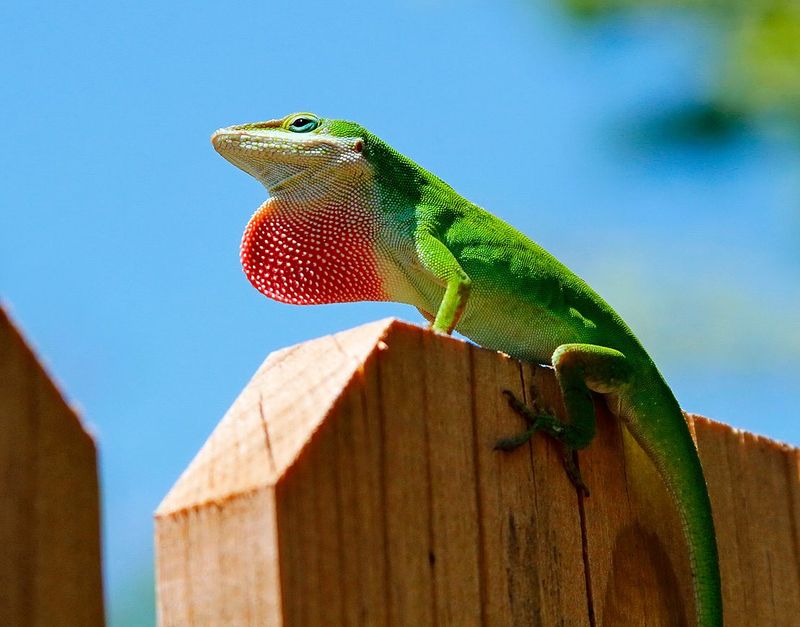
Bright green scales help these small lizards blend perfectly into Georgia’s lush vegetation during warm months.
Green anoles can change color from vibrant green to brown depending on temperature, mood, and surroundings.
This remarkable ability teaches us that adapting our approach to different situations isn’t being fake but rather being smart and responsive.
Males display bright pink throat fans called dewlaps to attract females and establish territory.
Watching them bob their heads and flash these colorful flags provides endless entertainment in Georgia yards.
Their confident displays remind us that showing our true colors and expressing ourselves boldly can lead to meaningful connections.
These lizards face competition from invasive brown anoles but continue holding their ground in many Georgia locations.
Native green anoles prefer higher perches in trees and shrubs while brown anoles stick to ground level.
This niche separation demonstrates how finding your unique space and strengths helps you succeed despite increased competition.
Green anoles eat countless mosquitoes, flies, and other insects that bother people enjoying Georgia yards.
They’re completely harmless to humans and actually provide valuable pest control services for free.
Appreciating their presence instead of fearing them shows how understanding nature’s balance helps us recognize allies we might otherwise overlook or misunderstand in our shared outdoor spaces and living environments.
10. The Northern Cardinal
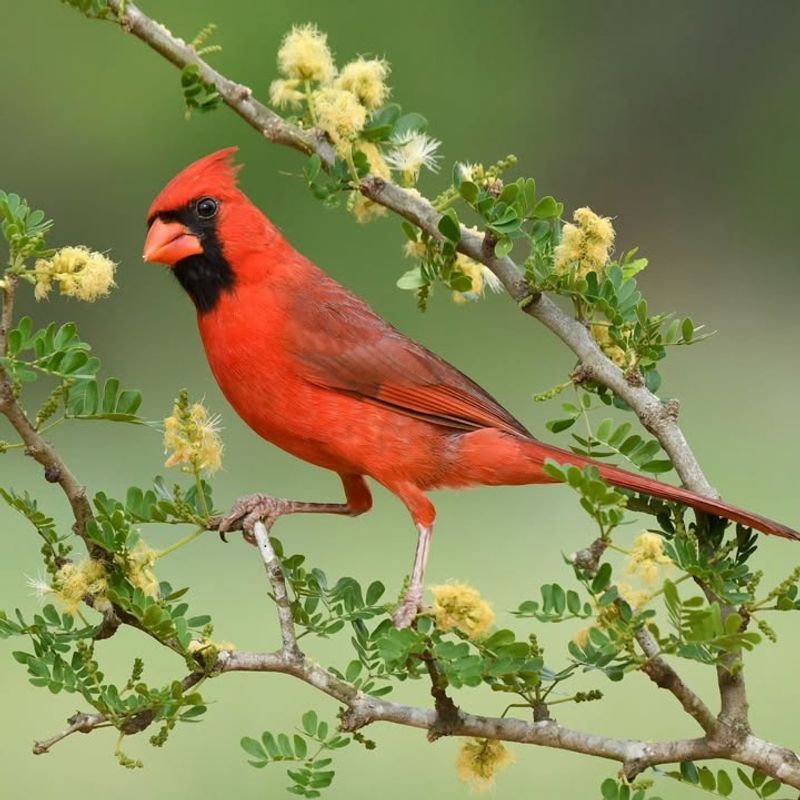
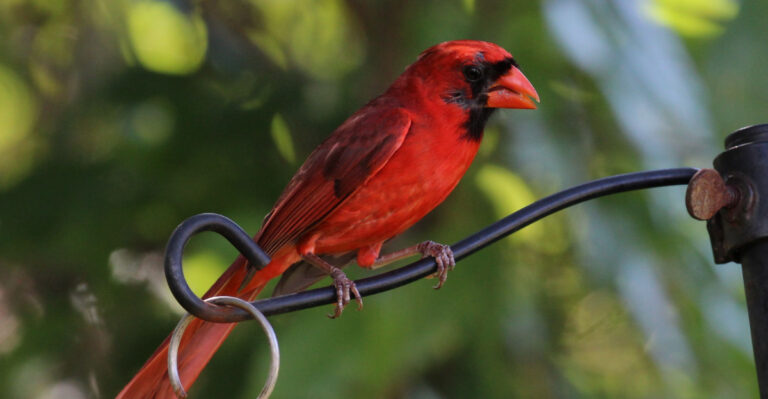
Brilliant red feathers make male Northern Cardinals impossible to miss against Georgia’s green landscapes.
These stunning birds don’t migrate, instead staying put year-round and bringing color to even the grayest winter days.
Their constant presence reminds us that some sources of beauty and joy remain reliable no matter what season we’re experiencing.
Female cardinals wear more subdued brown tones with reddish highlights, but their beauty deserves equal appreciation.
Both males and females sing complex songs, unlike many bird species where only males vocalize.
This equality in voice and partnership shows how everyone has something valuable to contribute regardless of appearance.
Cardinals mate for life, and you’ll often see pairs together in Georgia yards throughout the year.
They share parenting duties and even feed each other during courtship in touching displays of affection.
These devoted relationships demonstrate that commitment and mutual support create lasting bonds that weather all storms.
Many people believe seeing a cardinal means a loved one is sending a message or watching over them.
Whether you hold this belief or not, spotting these magnificent birds certainly lifts spirits and creates moments of wonder.
Their bold color, cheerful songs, and faithful presence in Georgia yards make them perfect ambassadors of hope, reminding us daily that beauty, loyalty, and brightness exist even during our darkest and most challenging personal moments.