11 Unusual Garden Ideas California Homeowners Are Using To Transform Their Yards
California homeowners are rethinking the traditional lawn—and the results are anything but ordinary.
From drought pressures to rising water costs and a growing love for outdoor living, yards across the state are turning into creative, functional, and eye-catching spaces that reflect both lifestyle and climate.
Instead of grass-heavy landscapes, many homeowners are embracing bold designs that save water, invite wildlife, and double as extensions of the home.
These yards aren’t just places to look at anymore—they’re spaces to relax, entertain, grow food, and make a statement.
What makes these gardens unusual isn’t just how they look, but how intentionally they’re designed for California living.
Fire-wise layouts, desert-inspired textures, edible features, and artistic hardscaping are reshaping neighborhoods from San Diego to Sonoma.
Some ideas feel straight out of a design magazine, while others come from clever DIY experimentation.
Here are 11 unusual garden ideas California homeowners are using to transform their yards, proving that with the right vision, even the smallest or driest outdoor space can become something truly special.
1. Vertical Succulent Walls
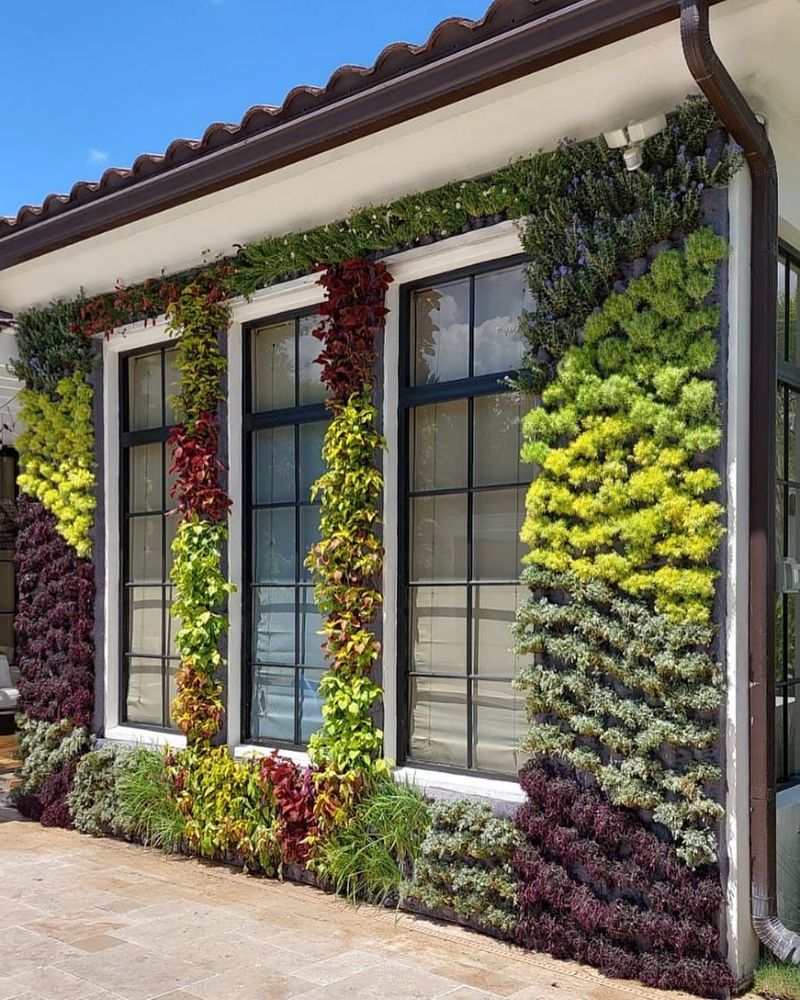
Succulents mounted vertically create living artwork that saves precious ground space while making bold visual statements on fences, walls, or standalone frames throughout your property.
These installations work beautifully in California’s climate because succulents naturally thrive with minimal water, making them perfect for homeowners looking to reduce consumption during drought periods.
Installation involves securing a frame with mesh backing, adding soil pockets, and carefully planting varieties like echeveria, sedum, and sempervivum in creative patterns and color combinations.
Maintenance remains surprisingly simple since most succulents need watering only once or twice monthly, and their slow growth means less trimming and fussing over time.
Vertical gardens also provide excellent insulation for exterior walls, helping keep homes cooler during California’s hot summer months while reducing energy costs significantly throughout the year.
Homeowners love mixing different textures and colors to create gradient effects, geometric patterns, or even recognizable shapes that become neighborhood conversation starters and Instagram-worthy backdrops.
This approach transforms boring walls into stunning focal points that require far less maintenance than traditional flower beds while staying green and vibrant year-round regardless of season.
2. Edible Landscaping Integration
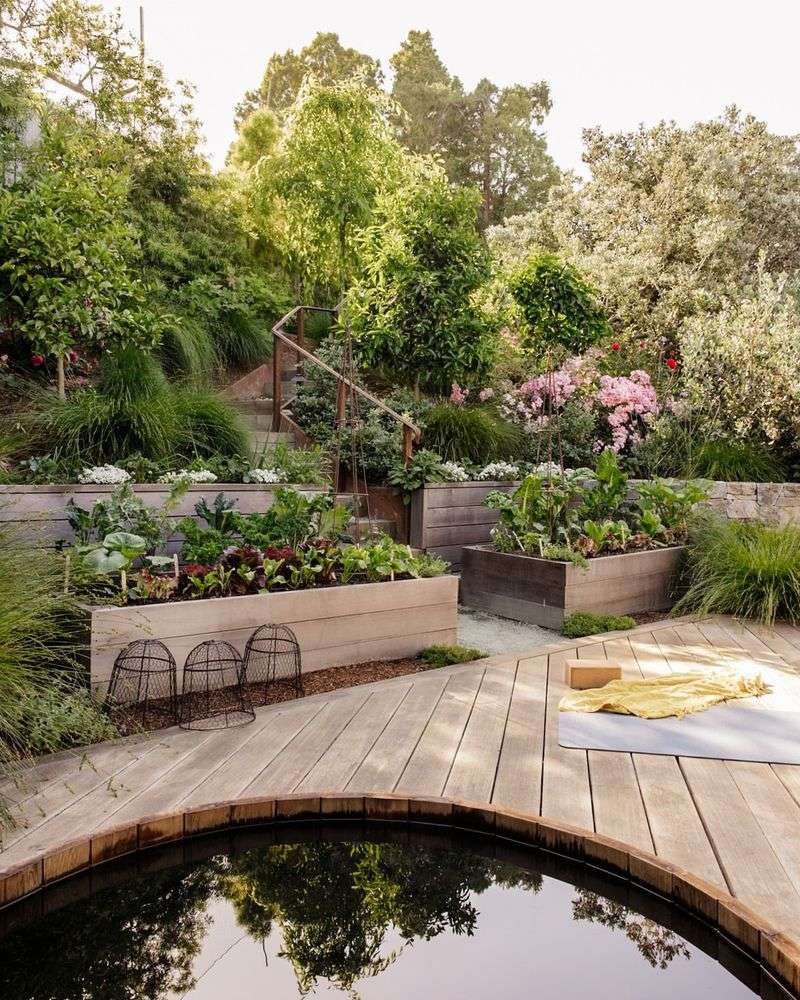
Blending vegetables, herbs, and fruit trees directly into ornamental landscapes creates gardens that look gorgeous while producing fresh food for your family’s table throughout the growing season.
California’s extended growing season allows homeowners to harvest year-round, with cool-season crops like kale and lettuce thriving in winter while tomatoes and peppers dominate summer months.
Artichokes make stunning architectural plants with silvery foliage, while blueberry bushes offer spring flowers, summer fruit, and brilliant fall color that rivals any purely decorative shrub available.
Rainbow chard adds pops of bright stems in red, yellow, and orange, creating visual interest along pathways where traditional annuals might otherwise go completely unnoticed by visitors.
Fruit trees trained as espaliers against sunny walls save space while producing abundant harvests, and their structured forms add sophisticated design elements to otherwise plain exterior surfaces.
Your California Garden Changes Every Week. Your Plan Should Too.
Gardening in California changes quickly throughout the season. Every Friday you’ll receive a simple weekly plan showing exactly what to plant, prune, fertilize, harvest, and protect so you never miss the right timing.
Mixing edibles with flowers also confuses pests naturally, reducing the need for chemical interventions while attracting beneficial insects that help pollinate and protect your entire garden ecosystem.
This practical approach means your landscape works harder, providing beauty, food, and environmental benefits all at once without requiring significantly more effort than conventional ornamental planting schemes.
3. Decomposed Granite Pathways
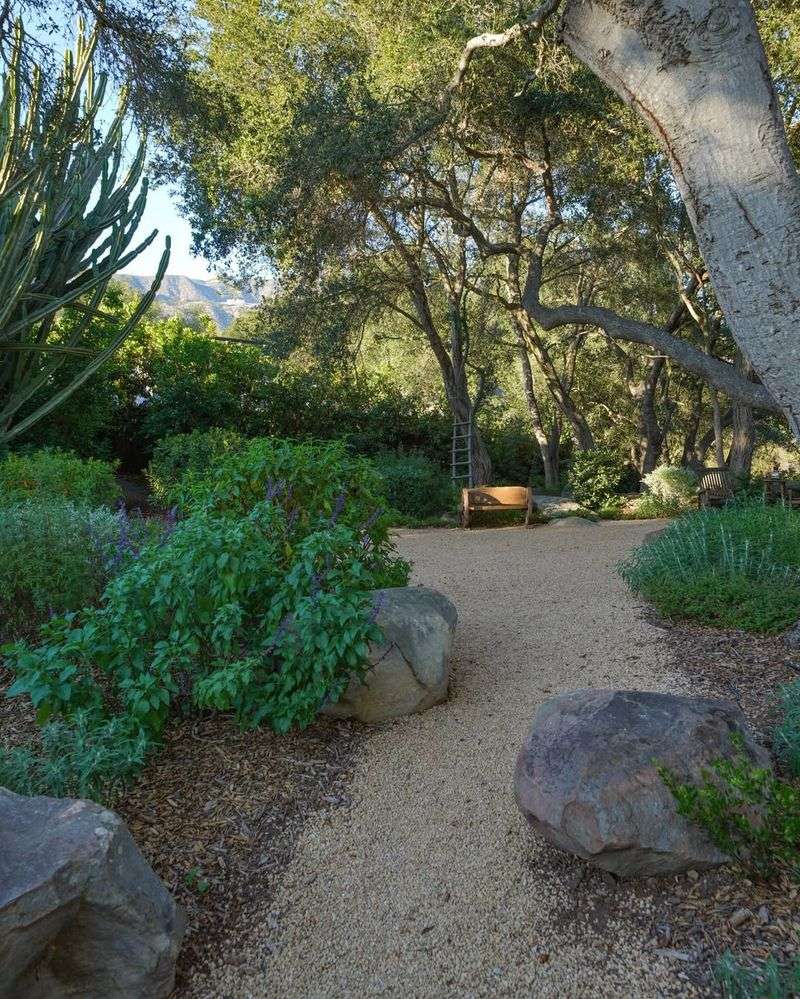
Crushed granite creates permeable pathways that allow rainwater to soak into the ground rather than running off, helping recharge California’s stressed groundwater supplies while looking naturally elegant.
Available in colors ranging from golden tan to reddish brown and cool gray, decomposed granite complements virtually any landscape style from Mediterranean to modern minimalist designs.
Installation costs significantly less than concrete or pavers, and the material compacts firmly underfoot, creating stable surfaces that feel solid without the harshness of traditional hardscaping options.
Unlike solid surfaces, these pathways stay cooler in summer heat because they don’t absorb and radiate warmth the way concrete does, making barefoot walks more comfortable.
Maintenance involves occasional raking to keep surfaces smooth and adding thin layers every few years to maintain depth, but overall upkeep remains minimal compared to alternatives.
The natural appearance blends seamlessly with drought-tolerant plantings, creating cohesive designs that feel like they’ve always belonged in California’s landscape rather than imposed upon it artificially.
Homeowners appreciate how quickly these pathways can be installed and modified, allowing garden designs to evolve over time without requiring expensive demolition or permanent commitment to layouts.
4. Greywater Irrigation Systems
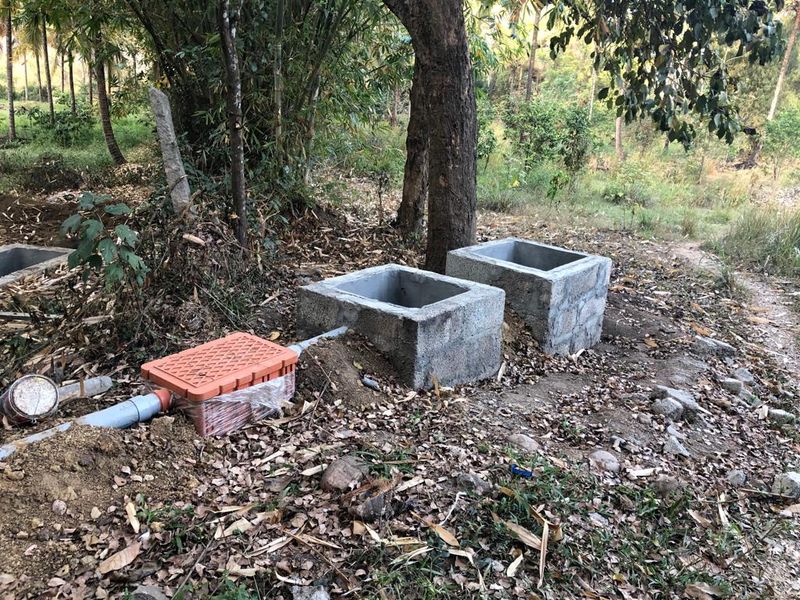
Capturing water from washing machines, showers, and sinks to irrigate gardens reduces household water usage by thousands of gallons annually while keeping landscapes healthy during drought restrictions.
California regulations now make greywater systems easier to install legally, with simple systems requiring no permits if they follow basic guidelines about plant types and distribution methods.
Basic setups direct laundry water through hoses to mulch basins around fruit trees, ornamental shrubs, and other deep-rooted plants that benefit from the extra moisture and nutrients.
More sophisticated systems include filtration and distribution networks that automatically water entire landscapes, though these require professional installation and proper design to function safely and effectively.
Using biodegradable, plant-safe soaps ensures the water nourishes rather than harms your garden, and many brands now specifically market products as greywater-safe for environmentally conscious consumers.
Homeowners report dramatic reductions in water bills while maintaining lush gardens even during mandatory watering restrictions, making this investment pay for itself within just a few years.
This sustainable approach feels especially satisfying because it puts wastewater to productive use rather than sending it down the drain, aligning perfectly with California’s conservation values.
5. Gabion Wall Features
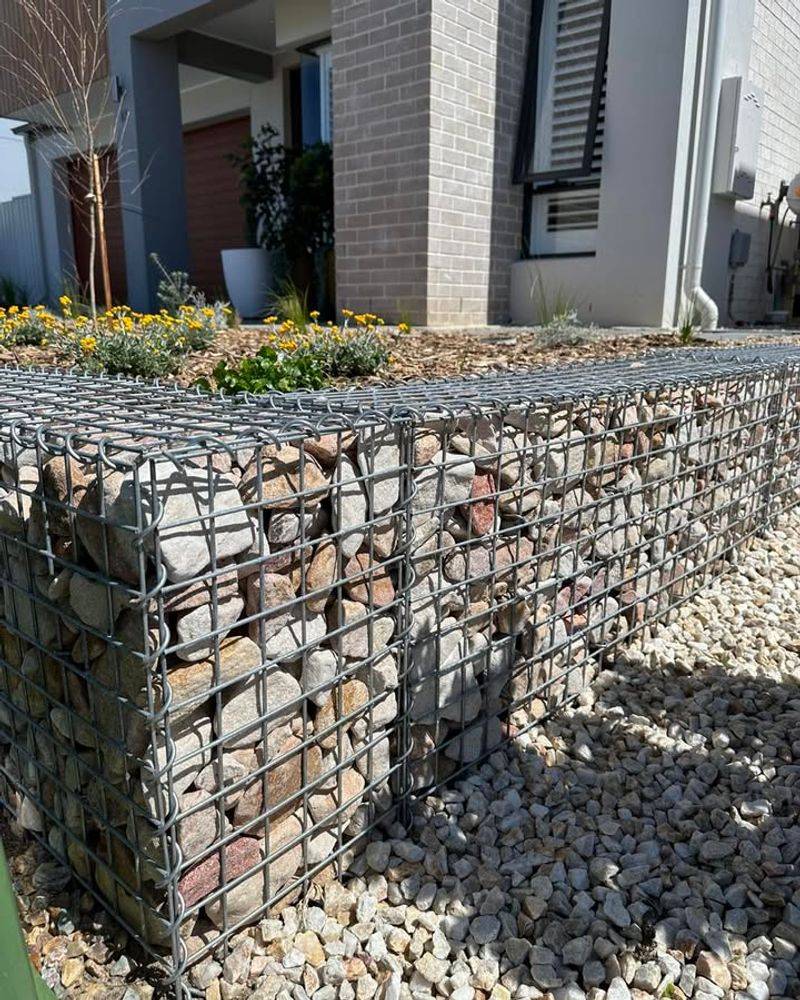
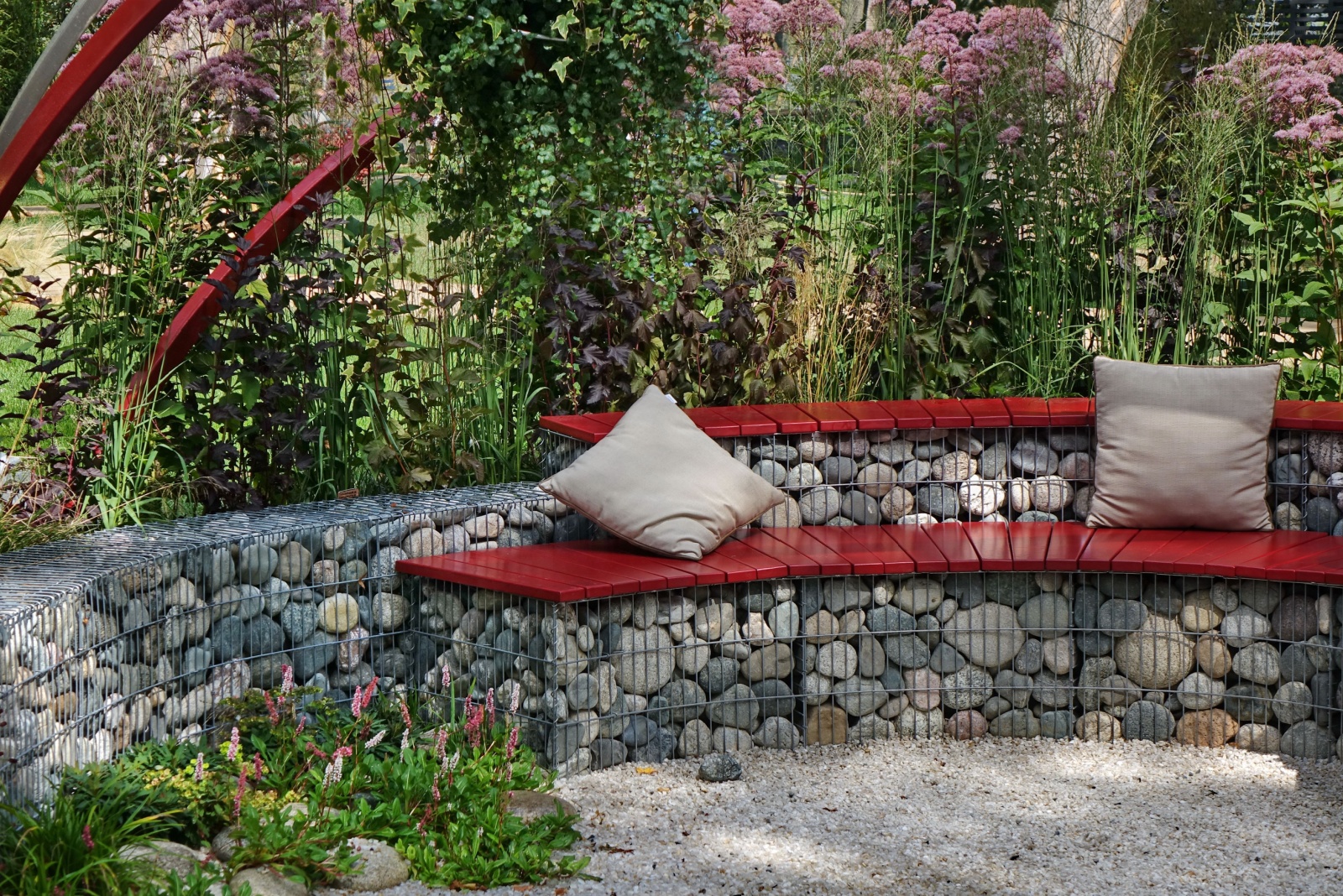
Wire cages filled with rocks create stunning retaining walls, garden borders, and sculptural elements that add industrial-chic character while solving practical slope and erosion problems effectively.
Gabion structures allow water to drain through naturally, preventing the pressure buildup that causes traditional retaining walls to fail over time, making them ideal for hillside properties.
Filling options range from uniform river rocks for polished looks to mixed stones for rustic appeal, and some homeowners even incorporate colored glass or unique materials for personalized designs.
Installation can be a DIY project for smaller applications, though larger retaining walls benefit from professional engineering to ensure stability and proper construction techniques throughout the building process.
These features blend beautifully with California’s natural landscape, echoing the rocky terrain found in coastal and mountain regions while providing habitat for beneficial lizards and small creatures.
Gabion walls also absorb and slowly release heat, creating microclimates that can protect tender plants from frost or provide warmth for heat-loving species in cooler coastal areas.
The combination of functionality, durability, and distinctive appearance makes gabions increasingly popular among homeowners seeking alternatives to conventional concrete or wood retaining structures that require frequent maintenance.
6. Native Plant Meadows
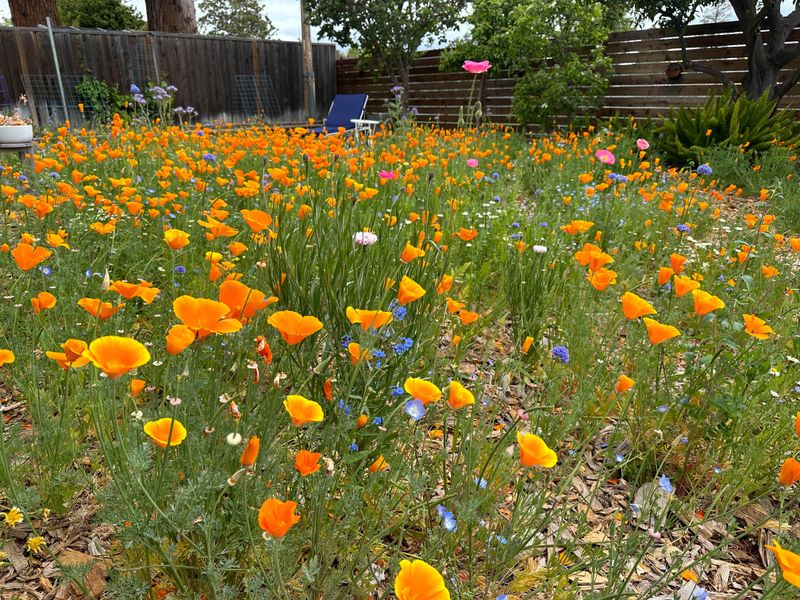
Replacing traditional lawns with native wildflowers and grasses creates low-maintenance landscapes that support local pollinators while requiring dramatically less water than conventional turf grass varieties.
California poppies, lupines, clarkia, and native bunch grasses provide seasonal color changes that keep meadows interesting throughout the year without constant replanting or intensive care routines.
Once established, these plantings survive on rainfall alone in most California regions, eliminating the need for supplemental irrigation that wastes water and increases utility bills unnecessarily.
Meadows also provide essential habitat for native bees, butterflies, and beneficial insects that have lost ground as urbanization replaces their natural environments with sterile lawns and pavement.
Homeowners can mow pathways through meadows to create walking routes while leaving most areas natural, balancing accessibility with the wild aesthetic that makes these landscapes so appealing.
Initial establishment requires weed management and patience as natives develop deep root systems, but the long-term payoff includes years of beauty with minimal intervention or expense.
This approach particularly appeals to environmentally conscious Californians who want landscapes that work with nature rather than against it, creating ecological value beyond mere decoration or curb appeal.
7. Outdoor Living Rooms
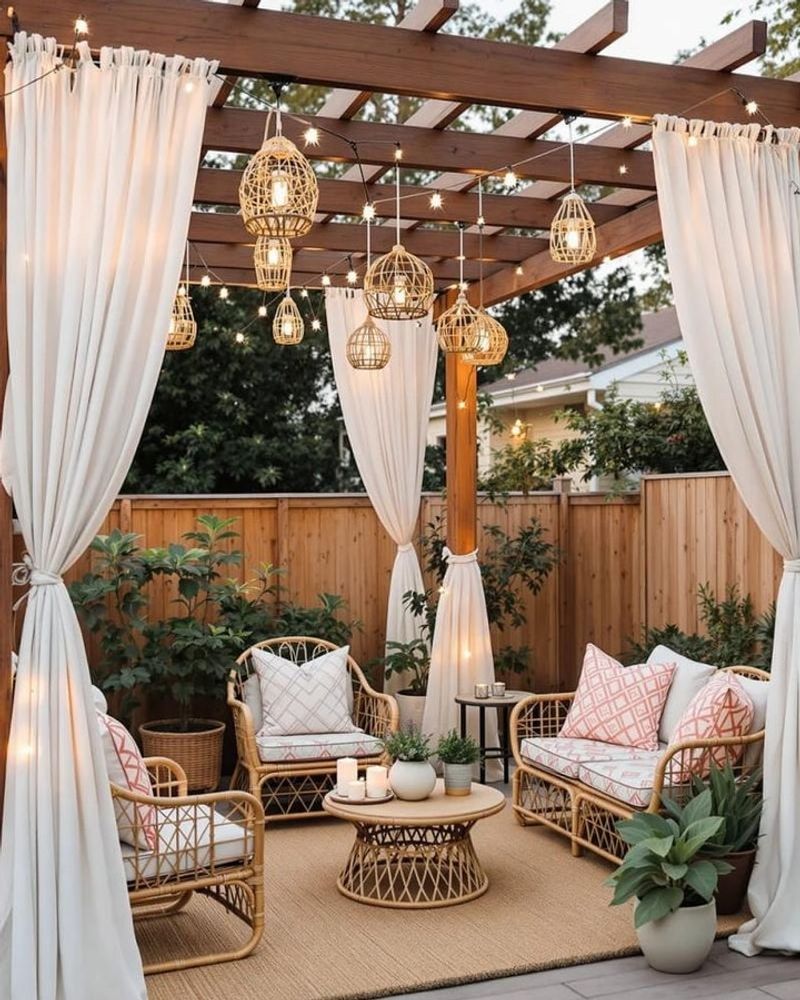
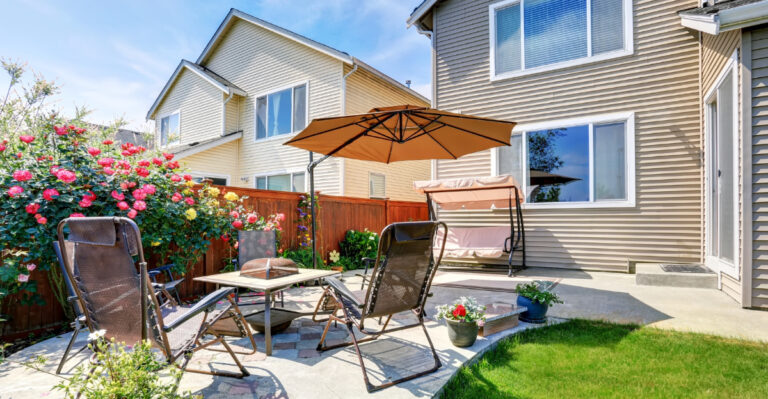
Creating fully furnished outdoor spaces with comfortable seating, weather-resistant rugs, and ambient lighting transforms yards into extensions of interior living areas perfect for California’s mild climate.
These spaces function as year-round gathering spots for families and friends, featuring everything from sectional sofas to dining tables, making outdoor time more comfortable and encouraging increased use.
Strategic placement under pergolas or shade structures provides protection from intense sun while maintaining the open-air feeling that makes outdoor living so appealing in temperate regions.
Incorporating fire pits or outdoor heaters extends usability into cooler evenings and winter months, allowing homeowners to enjoy their investments throughout all four seasons without retreating indoors.
Outdoor kitchens or beverage stations eliminate constant trips inside, making entertaining effortless and encouraging hosts to spend more time with guests rather than shuttling between spaces.
Landscaping around these areas with fragrant plants like lavender and jasmine enhances the sensory experience, while strategic plantings provide privacy from neighbors without requiring solid fencing.
The investment in quality outdoor furniture and thoughtful design pays dividends in increased property value and dramatically improved quality of life that makes California living truly special.
8. Rain Gardens and Bioswales
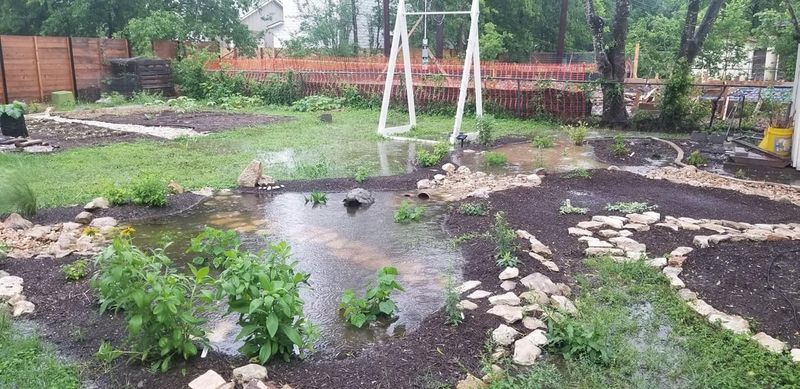
Shallow planted depressions capture and filter stormwater runoff from roofs and driveways, preventing pollution from reaching storm drains while recharging groundwater supplies that California desperately needs.
These features support water-loving native plants that thrive in periodic flooding followed by dry periods, creating beautiful landscapes that serve important environmental functions beyond mere decoration.
Proper design includes grading that directs water into the depression and soil amendments that enhance infiltration, ensuring water soaks in rather than standing stagnant or flowing away.
Rain gardens typically drain within 24 hours after storms, preventing mosquito breeding while giving plants the deep watering they need to develop robust root systems over time.
Homeowners appreciate the dual benefits of managing drainage problems while creating attractive planted areas that require no supplemental irrigation once established, saving water and maintenance effort.
These systems also filter pollutants like oil and fertilizers before they reach waterways, contributing to cleaner oceans and bays that benefit all Californians and marine ecosystems statewide.
Cities increasingly encourage rain gardens through rebate programs and simplified permitting, recognizing their value in managing stormwater sustainably while reducing strain on aging infrastructure systems throughout urban areas.
9. Sculptural Metal Garden Art
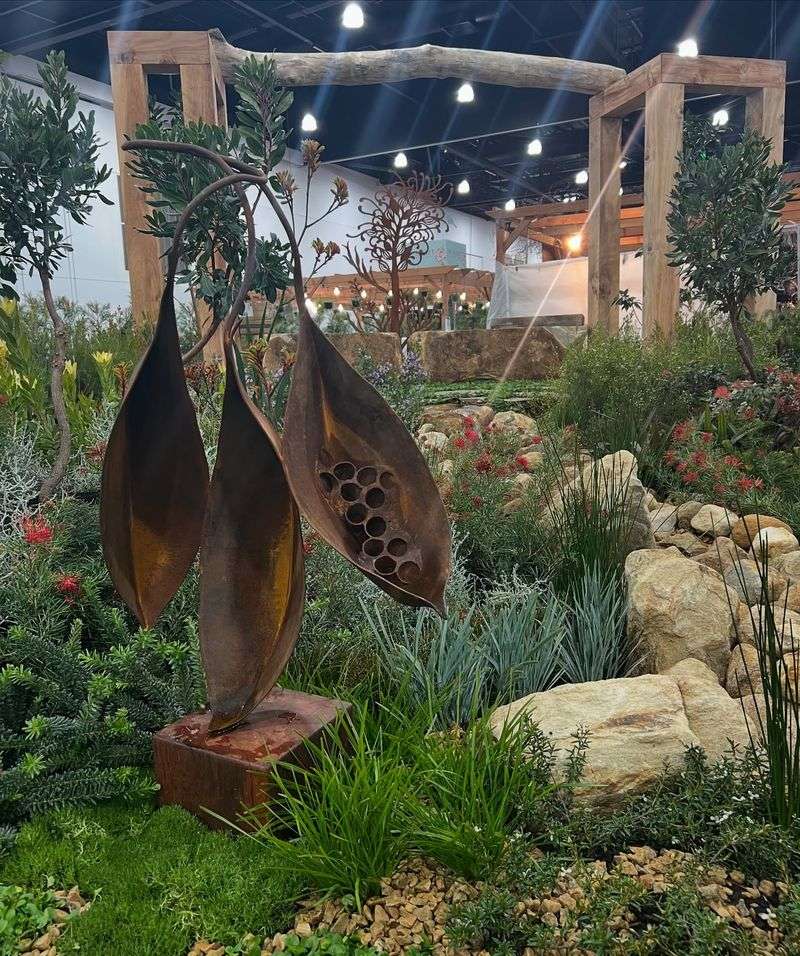
Bold metal sculptures and artistic installations add personality and focal points that make gardens memorable while reflecting individual style in ways plants alone cannot achieve effectively.
Rusted steel pieces develop beautiful patinas over time, creating warm earth tones that complement California’s natural landscape while requiring zero maintenance to maintain their distinctive weathered appearance.
Functional art like decorative trellises, artistic gates, or sculptural water features combine beauty with purpose, maximizing value by serving multiple roles within the overall landscape design scheme.
Commissioning local artists creates unique pieces that no neighbor will duplicate, and supporting regional craftspeople adds meaning beyond the aesthetic value of the finished installations themselves.
Metal art provides year-round interest that doesn’t fade with seasons, maintaining visual impact even when deciduous plants lose leaves or perennials wither during dormant periods.
Strategic placement creates sight lines that draw eyes through gardens, encouraging exploration and making spaces feel larger by establishing visual destinations that pull attention to different areas.
These statement pieces often become beloved garden features that homeowners name and treasure, developing emotional connections that transcend typical landscaping elements and becoming part of family stories.
10. Permeable Paver Patios
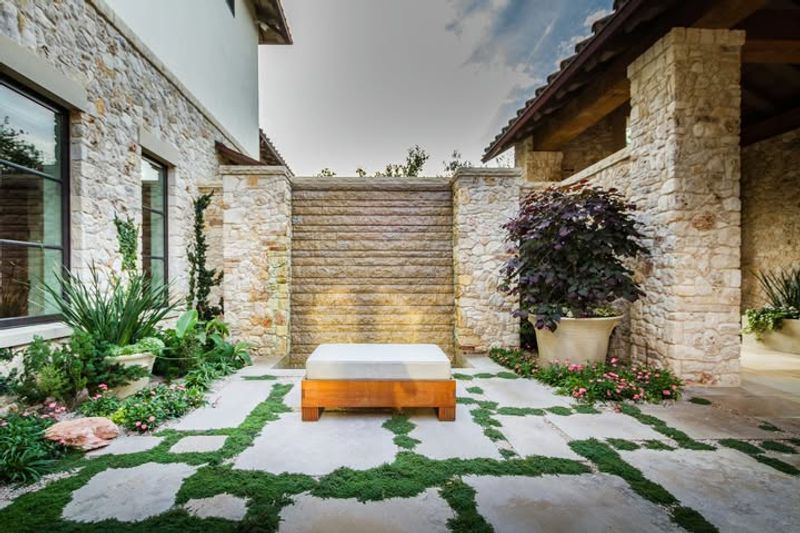
Pavers installed with gaps that allow water infiltration combine the functionality of hardscaping with environmental benefits, reducing runoff while creating attractive outdoor living surfaces for entertaining.
Gaps can be filled with gravel, sand, or low-growing plants like dymondia or creeping thyme that tolerate foot traffic while adding softness and visual interest to otherwise hard surfaces.
This approach helps homeowners meet increasingly strict impervious surface regulations in many California communities while creating patios that feel more integrated with surrounding gardens than solid concrete slabs.
Permeable surfaces stay cooler than solid pavement because water evaporating from gaps provides natural cooling, making barefoot use more comfortable during hot summer months throughout the state.
Installation requires proper base preparation with gravel layers that facilitate drainage, but the long-term performance and environmental benefits justify the additional upfront effort and material costs involved.
These patios also reduce the risk of flooding and standing water during winter rains, improving usability and preventing damage to outdoor furniture or structures near the hardscaped areas.
Combining functionality with sustainability appeals strongly to environmentally conscious California homeowners who want outdoor spaces that align with their values while remaining beautiful and highly usable year-round.
11. Moonlight Gardens
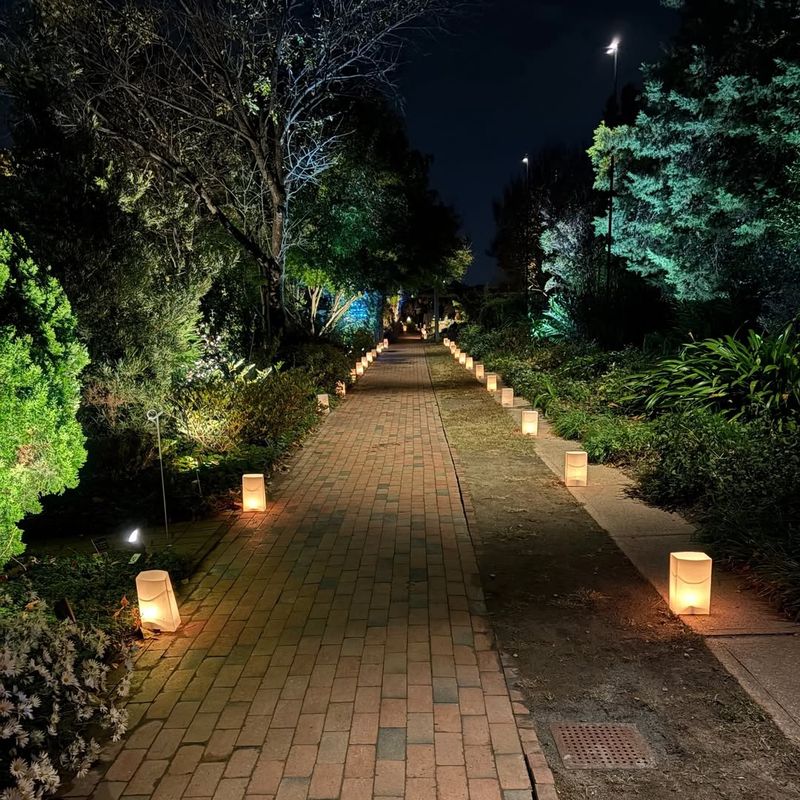
Gardens designed specifically for evening enjoyment feature white and pale-colored flowers, silver foliage, and strategic lighting that create magical nighttime spaces perfect for California’s outdoor lifestyle.
White blooms from plants like evening primrose, night-blooming jasmine, and angel’s trumpet glow in moonlight and reflect artificial lighting, creating luminous effects impossible to achieve with darker colors.
Many white-flowered species release intense fragrances after dark to attract nighttime pollinators, filling gardens with perfume that enhances the sensory experience of evening relaxation outdoors.
Silver and gray foliage from plants like dusty miller, artemisia, and lamb’s ear catches and reflects light beautifully, maintaining visibility and interest even in dim conditions.
Subtle landscape lighting placed low and directed upward highlights plants without creating glare, establishing ambiance that makes outdoor spaces feel intimate and inviting after sunset arrives.
These gardens particularly suit homeowners who work during daylight hours and primarily enjoy their yards during evenings and weekends when traditional gardens might fade into darkness.
Creating spaces specifically designed for nighttime use maximizes the value of outdoor areas in California’s pleasant climate, where comfortable evening temperatures encourage outdoor activities long after dark.