Venomous Creatures North Carolina Residents Should Know For Yard And Outdoor Safety
North Carolina’s mild climate and diverse landscapes make it a haven for wildlife—including several venomous species that residents should recognize.
While most of these animals prefer to avoid people, accidental encounters can happen in yards, gardens, trails, or wooded areas.
Knowing which species live in the state is the first step in staying safe.
From snakes camouflaged in leaf litter to spiders hiding in outdoor storage, understanding their habits and appearance helps homeowners avoid unwanted surprises.
These creatures play important ecological roles, but respecting their space is essential for preventing bites or stings.
With the right awareness, residents can enjoy the outdoors confidently while keeping themselves and their families safe.
Recognizing venomous species also helps reduce fear by replacing myths with accurate information, turning caution into confidence.
Copperhead (Agkistrodon Contortrix)
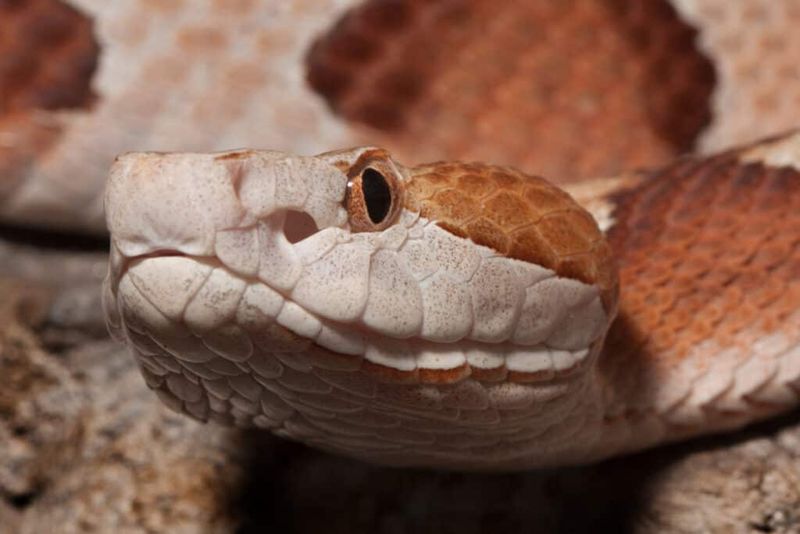
Copperheads reign as the most frequently encountered venomous snake across North Carolina, making them a genuine concern for homeowners.
Their copper-colored heads and hourglass-shaped bands make them somewhat distinctive, yet they blend remarkably well with leaf litter and garden mulch.
You’ll often find these snakes lounging in woodpiles, tucked beneath garden debris, or basking near stone walls during warmer months.
What makes copperheads particularly tricky is their tendency to freeze when threatened rather than slither away like many other snakes.
This defensive behavior means you might step dangerously close before realizing one is there.
Their venom causes significant pain and swelling but rarely results in serious medical complications when treated promptly.
Prevention starts with keeping your yard tidy and free of hiding spots that attract these snakes.
Remove leaf piles, stack firewood away from your home, and wear sturdy boots when working in gardens or wooded areas.
If you spot a copperhead, give it plenty of space and contact a wildlife professional for safe removal.
Teaching children to recognize their distinctive pattern and to never approach any snake can prevent most encounters from turning into emergencies.
Timber Rattlesnake (Crotalus Horridus)

Timber rattlesnakes carry an air of ancient wilderness wherever they appear, with their bold chevron patterns and unmistakable rattle serving as nature’s warning system.
These impressive reptiles prefer forested mountain regions and rocky outcrops throughout the state, though they occasionally wander into rural properties adjacent to wooded areas.
Unlike their copperhead cousins, timber rattlers typically announce their presence with that distinctive buzzing sound when they feel cornered.
Reaching lengths of up to five feet, these snakes command respect and caution from anyone who crosses their path.
They hunt small mammals and birds, which means they’re actually beneficial for controlling rodent populations around your property.
Their venom packs considerably more punch than a copperhead’s, making medical attention absolutely essential after any bite.
Hikers and outdoor enthusiasts should stay on cleared trails and watch where they place their hands when climbing over rocks or logs.
Timber rattlesnakes are generally non-aggressive and prefer to avoid human contact entirely, so most encounters happen when people accidentally get too close.
If you hear that telltale rattle, freeze first, locate the snake, then back away slowly without making sudden movements.
Your North Carolina Garden Changes Every Week. Your Plan Should Too.
Gardening in North Carolina changes quickly throughout the season. Every Friday you’ll receive a simple weekly plan showing exactly what to plant, prune, fertilize, harvest, and protect so you never miss the right timing.
Never attempt to capture or relocate these protected snakes yourself—they’re vital to North Carolina’s ecosystem and deserve our respectful distance.
Eastern Diamondback Rattlesnake (Crotalus Adamanteus)

Standing as America’s largest and most formidable rattlesnake species, the eastern diamondback commands attention with its impressive size and striking diamond patterns.
Thankfully for most North Carolinians, these magnificent serpents remain quite rare and confined primarily to the southeastern coastal regions of the state.
Their preference for sandy habitats, longleaf pine forests, and coastal scrublands keeps them away from most residential areas.
When fully grown, these rattlesnakes can exceed six feet in length and possess a thick, muscular build that seems almost prehistoric.
The distinctive diamond-shaped patterns along their backs, outlined in cream or yellow, make them unmistakable when you know what to look for.
Their venom is potent and delivered in large quantities, making any encounter with this species a serious medical emergency requiring immediate professional care.
Coastal property owners should maintain clear sight lines around buildings and avoid creating brush piles that might attract these snakes.
Eastern diamondbacks are generally docile and will rattle vigorously before striking, giving you fair warning to retreat.
Their populations have declined significantly due to habitat loss, so spotting one is actually quite uncommon these days.
If you’re fortunate enough to observe one from a safe distance, consider it a rare glimpse of North Carolina’s wild heritage.
Pigmy Rattlesnake (Sistrurus Miliarius)
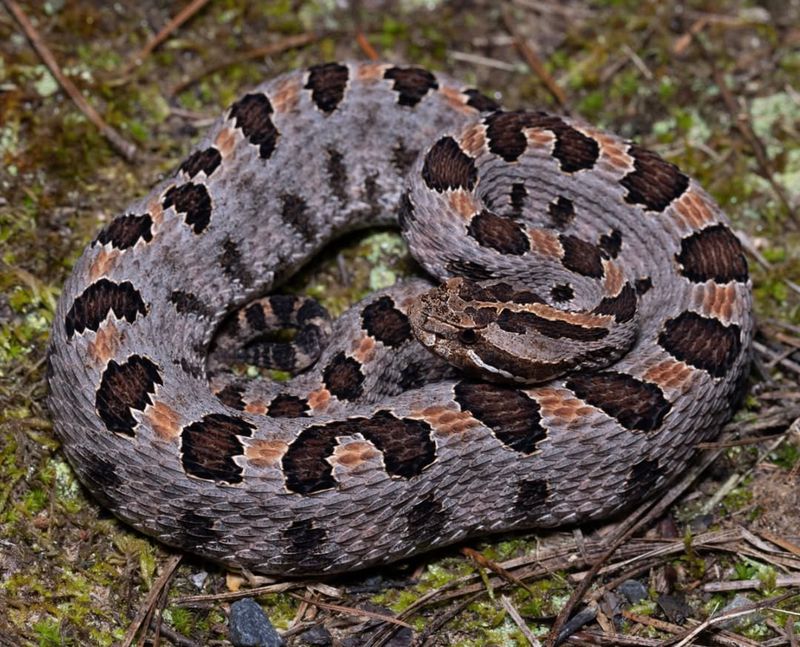
Don’t let the diminutive size fool you—pigmy rattlesnakes pack venom and attitude into their compact 15 to 20-inch frames.
These small but feisty snakes inhabit the Sandhills region and Coastal Plain, where they blend seamlessly into pine needle carpets and sandy soils.
Their miniature rattle produces a sound so faint it’s often compared to an insect’s buzz, which means you might not hear the warning before getting too close.
Pigmy rattlesnakes sport gray or reddish-brown coloring with dark blotches running down their backs, making them masters of camouflage in their preferred habitats.
They’re ambush predators who wait motionless for small prey, which means they rarely move out of your way like larger snakes might.
While their venom is less potent than their larger rattlesnake relatives, bites still cause considerable pain, swelling, and require medical evaluation.
Gardeners and homeowners in their range should exercise caution when reaching into low shrubs or working around ground-level plantings.
These little snakes have surprisingly grumpy temperaments and won’t hesitate to strike if they feel threatened.
Wearing gloves and using tools rather than bare hands when clearing brush or moving debris can prevent most accidental encounters.
Their small size makes them particularly dangerous to curious pets, so keep dogs and cats supervised in areas where pigmy rattlesnakes live.
Cottonmouth / Water Moccasin (Agkistrodon Piscivorus)
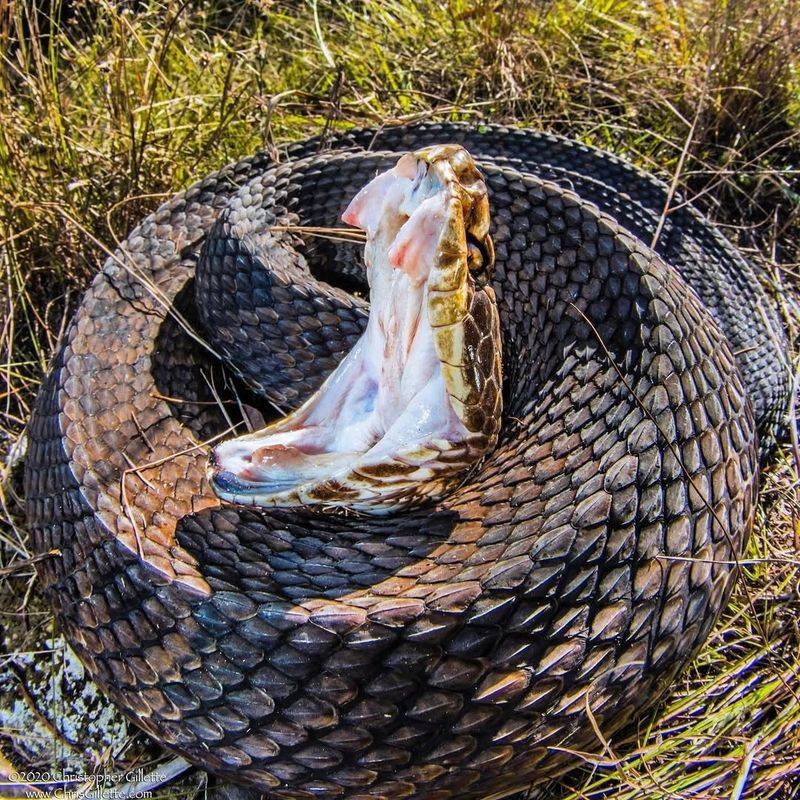
Named for the startling white interior of its mouth, which it displays dramatically when threatened, the cottonmouth is North Carolina’s only semi-aquatic venomous snake.
These thick-bodied serpents patrol swamps, pond edges, creeks, and ditches throughout the eastern part of the state, often basking on logs or swimming with their heads above water.
Unfortunately, many harmless water snakes get mistaken for cottonmouths, leading to unnecessary panic and sometimes harmful reactions toward beneficial wildlife.
True cottonmouths have distinctive blocky heads, vertical pupils, and a facial pit between their eye and nostril that helps them detect warm-blooded prey.
Their bodies range from olive to black, sometimes with faint banding that becomes less visible with age.
When approached, they typically stand their ground rather than fleeing, coiling up and gaping their mouths wide to reveal that cotton-white warning.
Anyone fishing, kayaking, or working near water should watch where they step and avoid reaching into submerged logs or vegetation blindly.
Cottonmouths are generally less aggressive than their reputation suggests and would much rather be left alone to hunt fish and frogs.
If you encounter one near your property’s water feature or pond, give it wide berth and wait for it to move along naturally.
Teaching family members to identify the difference between cottonmouths and harmless water snakes prevents unnecessary fear while maintaining appropriate caution.
Black Widow Spider (Latrodectus Mactans)
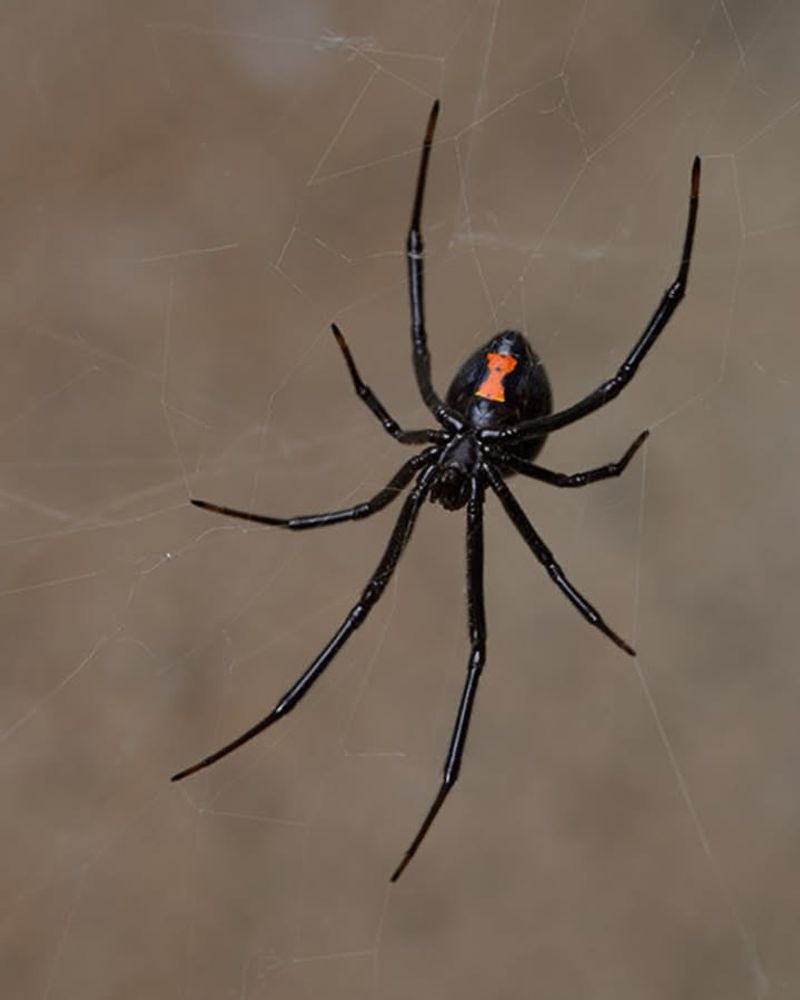
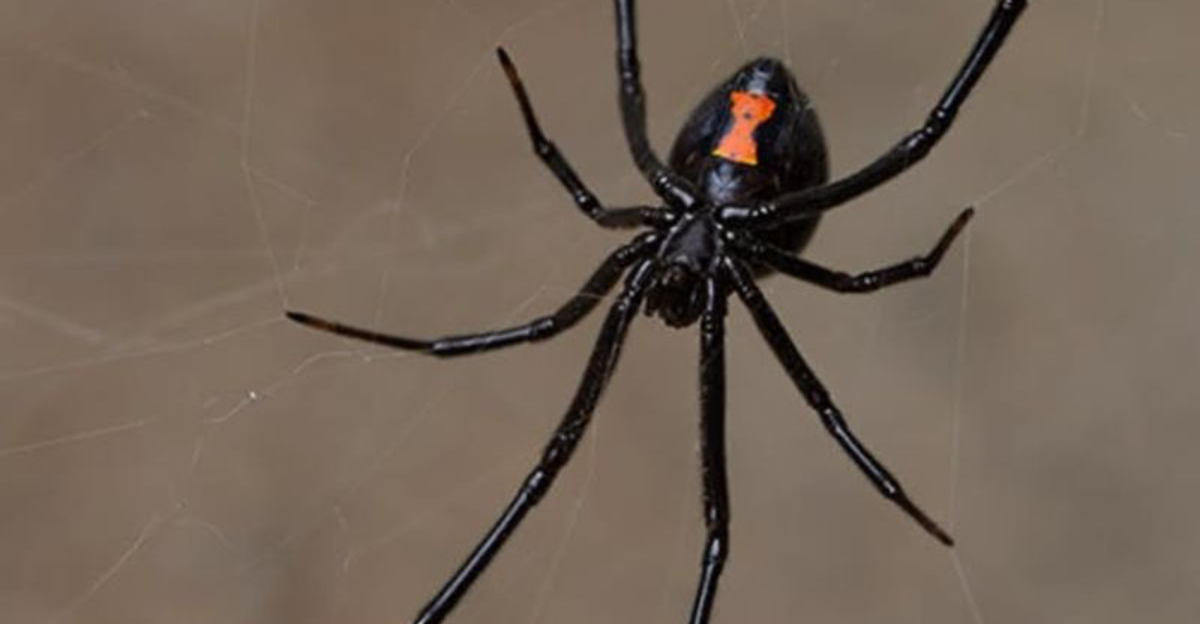
With her glossy black body and distinctive red hourglass marking, the black widow spider has earned a fearsome reputation that’s partly deserved and partly exaggerated.
These shy arachnids prefer dark, undisturbed spaces like the underside of outdoor furniture, inside rarely-used sheds, beneath deck boards, and tucked into woodpiles.
Female black widows are the ones to watch for, as males are much smaller and lack potent venom.
Black widows create irregular, tangled webs that feel unusually strong when you accidentally walk through them.
They’re actually quite timid and bite only when trapped against skin or accidentally squeezed—most bites happen when people put on gloves or shoes without checking inside first.
The venom affects the nervous system and can cause muscle cramps, pain, and other symptoms that require medical attention, though serious complications are uncommon with modern treatment.
Prevention is straightforward: shake out gardening gloves, shoes, and clothing that’s been stored outside before wearing them.
Regularly clean under porch furniture, behind storage items, and around door frames where these spiders like to hide.
Use a flashlight to inspect dark corners before reaching in, and wear gloves when moving firewood or garden materials.
If you spot a black widow in your yard, you can carefully relocate her using a container and long stick, or simply avoid that area and let her be—she’s actually eating other pests you don’t want around.
Brown Recluse Spider (Loxosceles Reclusa)
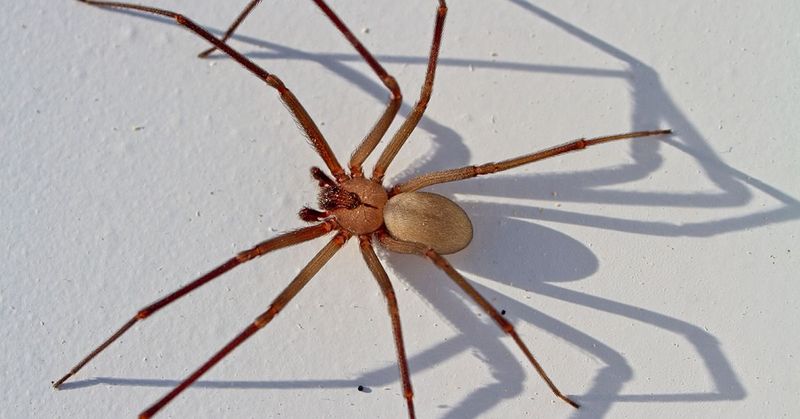
The brown recluse lives up to its name by avoiding the spotlight and preferring quiet, undisturbed corners where humans rarely venture.
This spider’s presence in North Carolina remains somewhat debated among experts, though confirmed sightings do occur, particularly in western counties.
The distinctive violin-shaped marking on its back has earned it the nickname “fiddleback spider,” though this marking alone isn’t always reliable for identification.
Brown recluses are surprisingly small, with bodies about the size of a quarter when legs are included, and they sport a uniform tan to brown coloring.
Unlike most spiders who have eight eyes arranged in rows, brown recluses have just six eyes arranged in three pairs.
Their venom can cause tissue damage that’s slow to heal, though severe reactions are far less common than scary internet stories might suggest.
These spiders gravitate toward cardboard boxes, stored clothing, closets, attics, and garages where they can hunt other small insects in peace.
Before moving stored items that have sat undisturbed for months, tap boxes and shake out fabrics to give any hidden spiders a chance to escape.
Most bites occur when people unknowingly trap the spider against their skin while dressing or reaching into storage areas.
Keeping storage areas organized and regularly disturbed makes them less attractive to these reclusive arachnids, and sealing cracks where they might enter reduces encounters even further.
Eastern Bark Scorpion (Centruroides Vittatus)
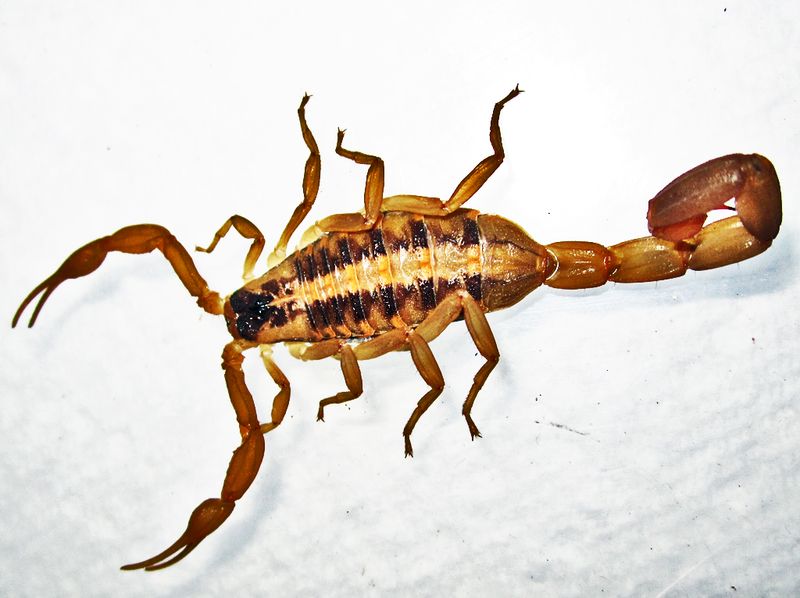
Scorpions in North Carolina surprise many residents who assume these creatures only inhabit desert landscapes out west.
The eastern bark scorpion makes its home primarily in the western mountain counties, where it hunts insects at night and hides under rocks, bark, and outdoor debris during daylight hours.
These pale yellow to tan arachnids grow to about two inches long and carry their curved tails with stingers poised over their backs in classic scorpion fashion.
While their appearance might trigger alarm, eastern bark scorpions deliver stings comparable to a wasp—painful and temporarily unpleasant but rarely dangerous to healthy adults.
They’re actually quite beneficial for controlling other pest insects around your property, though that’s small comfort when you find one in your shoe.
Scorpions glow bright blue-green under ultraviolet light, which makes nighttime detection with a blacklight flashlight both easy and oddly entertaining.
Preventing scorpion encounters means eliminating hiding spots near your home’s foundation by clearing leaf litter, stacking firewood away from buildings, and sealing gaps under doors.
Always shake out shoes, gloves, and clothing left outside overnight before putting them on.
If you’re moving rocks, lumber, or other materials that have been sitting on the ground, wear sturdy gloves and watch where you place your hands.
Western North Carolina residents should simply accept these little arthropods as occasional neighbors and take sensible precautions rather than worrying excessively.
Stinging Caterpillars (Puss, Saddleback, Io Moth Caterpillars)
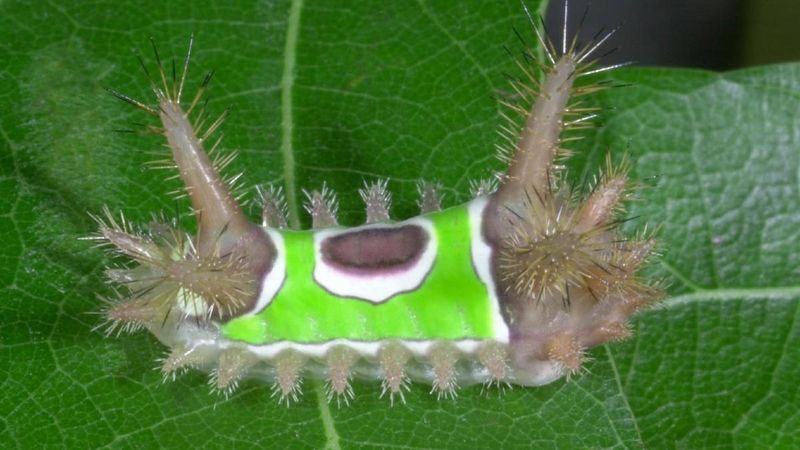
Not all garden dangers slither or scuttle—some crawl slowly along leaves and branches while sporting surprisingly beautiful but treacherous defenses.
Several caterpillar species in North Carolina have evolved venomous spines that deliver intensely painful stings when touched, even through thin clothing.
The puss caterpillar looks deceptively soft and fuzzy like a tiny Persian cat, while the saddleback sports a distinctive brown and green pattern with prominent spines along its sides.
These caterpillars hide on the undersides of leaves, tree trunks, and shrubs throughout summer and early fall, waiting to transform into moths.
The venom in their hollow spines causes immediate burning pain, redness, and sometimes nausea or more severe reactions in sensitive individuals.
Children are particularly vulnerable because they’re naturally curious and might pick up interesting-looking caterpillars without realizing the danger.
Teach kids the golden rule: look but never touch any fuzzy, spiny, or brightly colored caterpillar they encounter outdoors.
Gardeners should wear gloves when pruning shrubs or handling plants where these caterpillars commonly feed, including oak, elm, and various ornamental plants.
If someone gets stung, carefully remove any visible spines using tape pressed against the skin, then wash the area and apply ice to reduce pain and swelling.
Most stings resolve within a few hours, though the initial discomfort can be quite memorable and serves as an excellent teaching moment about respecting nature’s warning colors.