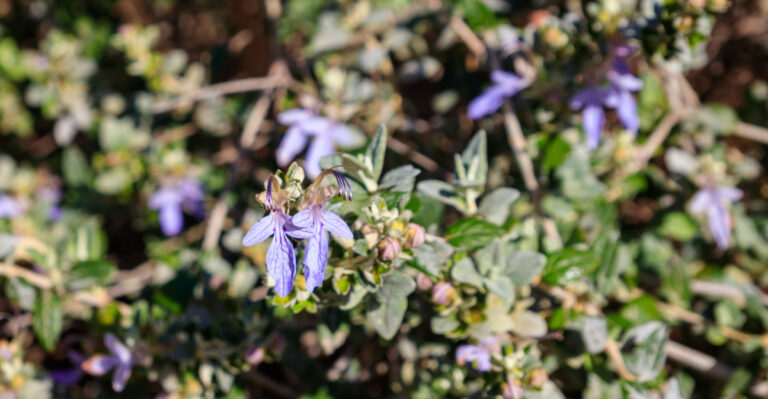
Yard Features In California That May Soon Be Added To Local Ban Lists
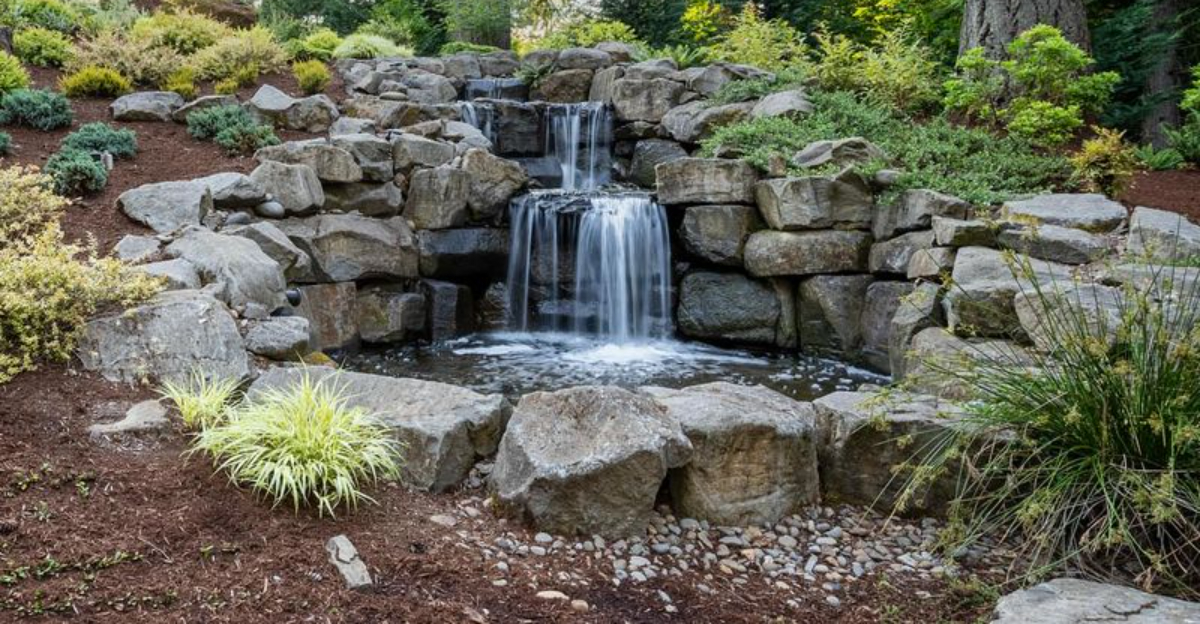
California’s mix of drought challenges, wildfire threats, and growing urban communities has pushed many cities to reconsider what belongs in a front or backyard.
As environmental priorities shift, several yard features—once seen as stylish or harmless—are now viewed as wasteful, unsafe, or disruptive.
From water-heavy lawns to heat-reflective landscaping to noise-producing equipment, local leaders are taking a closer look at how everyday yard choices affect neighborhoods.
Some restrictions are already in place in certain cities, and others are under active discussion as communities explore ways to reduce water use, control noise, and improve overall safety.
For homeowners, understanding these emerging trends makes it easier to plan landscaping that remains compliant for years to come.
Staying informed not only prevents headaches—it helps build neighborhoods that reflect California’s evolving values and environmental needs.
Large Decorative Lawns That Waste Water
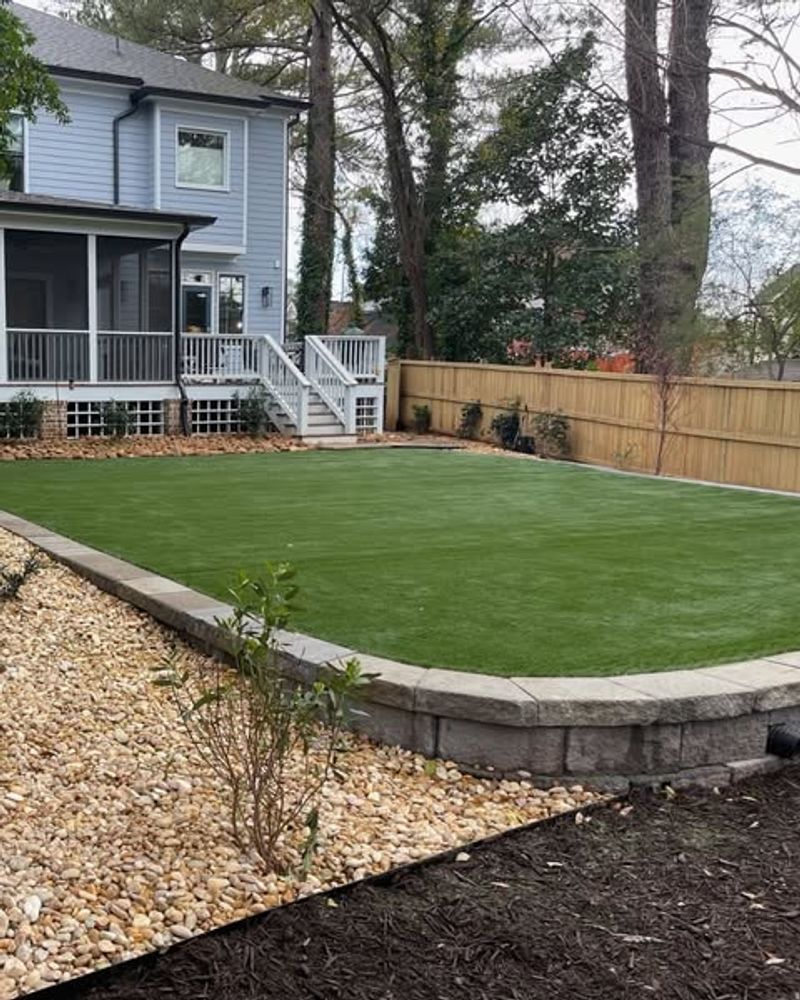
Water scarcity has become one of California’s most pressing challenges, and expansive ornamental grass is now under serious scrutiny.
Communities throughout the state are adopting ordinances that limit or completely prohibit non-functional turf in front yards and public-facing areas.
These policies target lawns that serve no recreational purpose but consume thousands of gallons annually.
Homeowners who maintain large decorative lawns may soon face fines or mandatory removal requirements.
Many cities already offer rebate programs that pay residents to replace grass with drought-tolerant plants, gravel pathways, or native landscaping.
The goal is to reduce overall water consumption while still keeping neighborhoods attractive.
Switching away from thirsty turf can actually lower your monthly water bill and reduce maintenance time.
Native plants and succulents require far less attention than traditional grass, and they support local pollinators too.
As regulations tighten, early adopters will avoid last-minute scrambles to comply.
If you love the look of greenery, consider installing smaller patches of grass in high-use areas like play zones.
Pair them with mulch, decomposed granite, or flowering groundcovers to create visual interest without the water waste.
Planning ahead now will keep your yard beautiful and compliant for years to come.
Gas-Powered Leaf Blowers
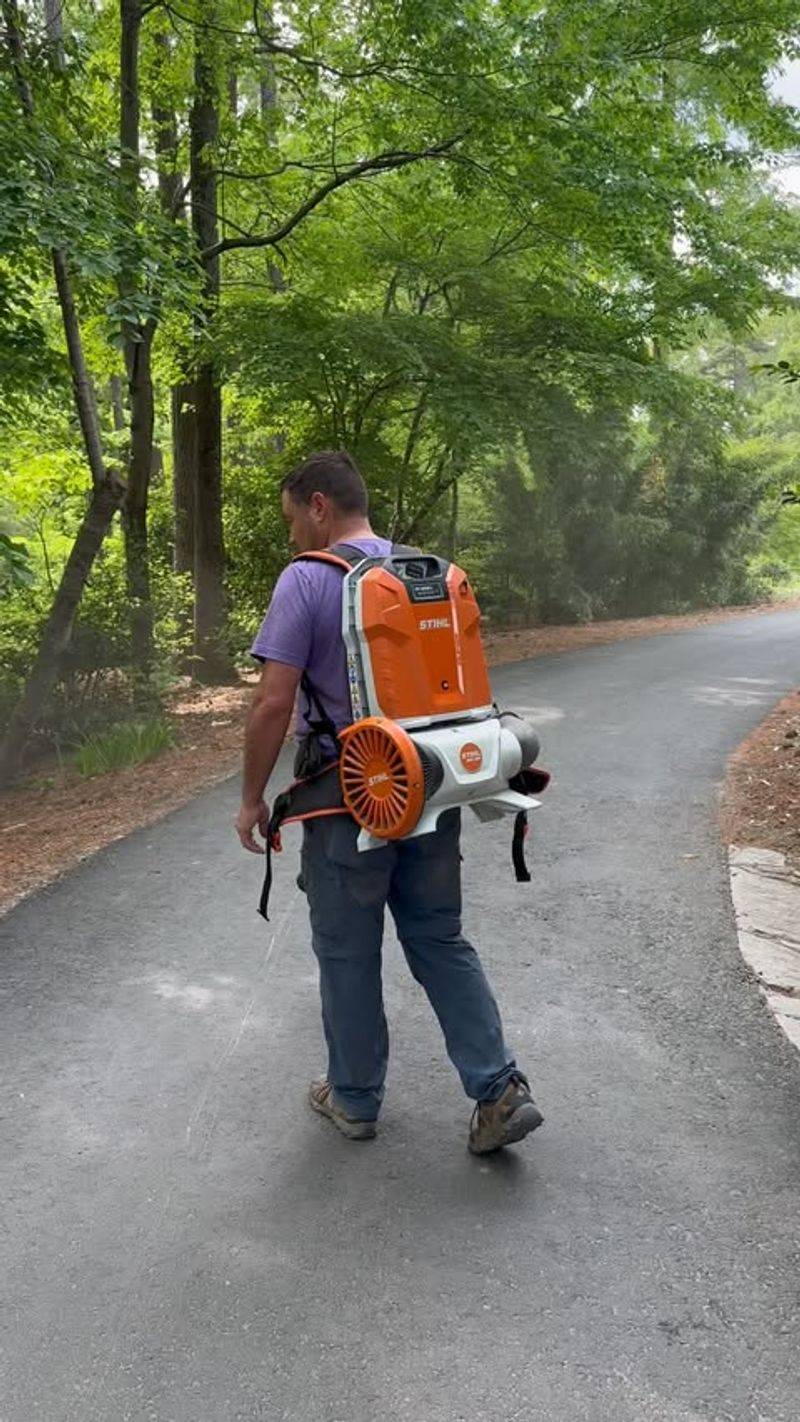
Noise pollution and air quality concerns have put gas-powered leaf blowers in the crosshairs of California regulators.
Dozens of cities, including Los Angeles and San Francisco, have already enacted full or partial bans on these machines.
The two-stroke engines emit harmful pollutants that contribute to smog and respiratory problems, especially in densely populated areas.
Professional landscapers and homeowners alike are being pushed toward battery-powered alternatives.
Modern electric blowers offer comparable power without the deafening roar or toxic exhaust fumes.
Some municipalities provide rebates or trade-in programs to help residents and businesses make the switch affordably.
Beyond environmental benefits, quieter equipment improves quality of life for entire neighborhoods.
Early morning yard work no longer disturbs sleeping families or remote workers trying to focus.
Electric models also require less maintenance since there are no spark plugs, fuel filters, or carburetors to clean.
If your city hasn’t passed restrictions yet, it’s likely only a matter of time.
Investing in electric tools now means you won’t be caught off guard when new rules take effect.
Your California Garden Changes Every Week. Your Plan Should Too.
Gardening in California changes quickly throughout the season. Every Friday you’ll receive a simple weekly plan showing exactly what to plant, prune, fertilize, harvest, and protect so you never miss the right timing.
Plus, you’ll enjoy a cleaner, quieter yard routine that your neighbors will definitely appreciate.
Transitioning away from gas power is becoming the new standard across California, so embracing the change early puts you ahead of the curve.
Excessive Outdoor Lighting That Causes Light Pollution
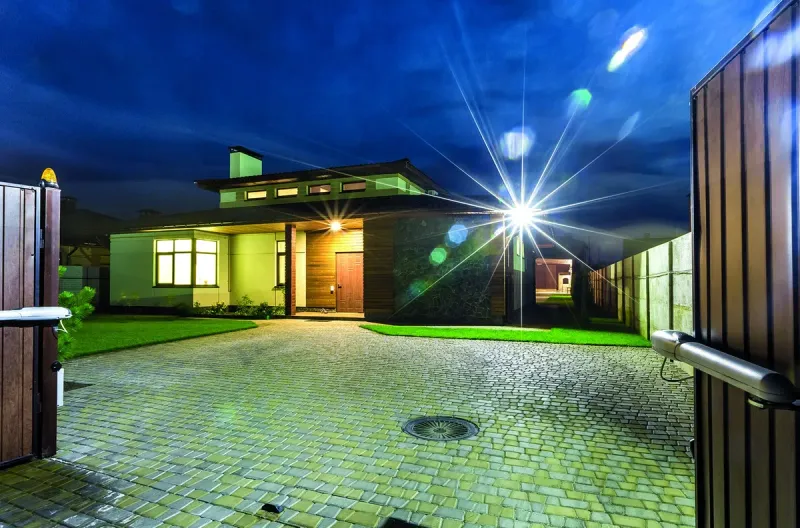
Overlighting your yard might seem like a good security measure, but it can create serious problems for neighbors and wildlife.
Bright floodlights, uplighting, and poorly aimed fixtures contribute to light pollution that disrupts natural ecosystems and human sleep cycles.
California communities are increasingly adopting dark-sky ordinances to limit the intensity, direction, and hours of outdoor lighting.
These regulations often require downward-facing fixtures, motion sensors, and timers to minimize unnecessary illumination.
Upward-facing lights that cast beams into the sky are particularly problematic because they obscure starlight and confuse nocturnal animals.
Homeowners who ignore these rules may face fines or mandatory fixture replacements.
Switching to compliant lighting doesn’t mean sacrificing safety or curb appeal.
Warm-toned LED fixtures with shields or hoods provide targeted illumination exactly where you need it.
Motion-activated lights offer security without keeping your entire property lit all night long.
Reducing light pollution also lowers your electricity bill and extends the lifespan of your bulbs.
Your neighbors will appreciate not having glaring lights streaming through their bedroom windows at midnight.
Wildlife, including beneficial insects and birds, will also benefit from a more natural nighttime environment.
Check your local regulations to see if dark-sky rules are already in place or under consideration.
Making small adjustments now can save you from costly retrofits later while creating a more peaceful outdoor space.
Rock Or Gravel Landscaping That Increases Heat Reflection
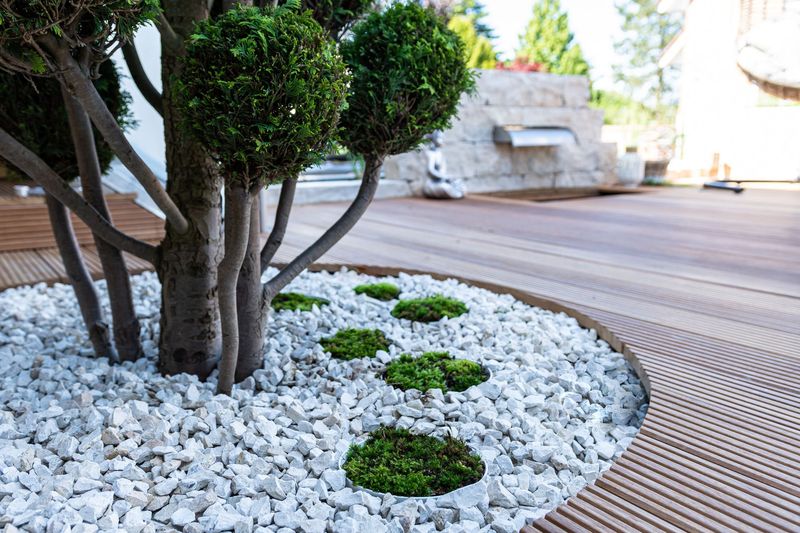
Gravel and rock landscaping became popular as a low-maintenance, water-wise alternative to traditional lawns.
However, certain types of reflective stone can actually worsen the urban heat island effect by bouncing sunlight back into the air.
White or light-colored rocks are the biggest culprits, raising ambient temperatures in yards and surrounding areas.
In fire-prone regions, excessive heat retention can dry out nearby vegetation and increase wildfire risk.
Some communities are now discussing restrictions on large expanses of reflective hardscape, especially in front yards visible from the street.
The goal is to balance water conservation with heat management and fire safety.
Darker stones, mulch, or decomposed granite absorb less heat and create a cooler microclimate around your home.
Mixing hardscape with shade trees and drought-tolerant plants further reduces surface temperatures.
Strategic placement of rocks under plants or along pathways provides the drainage benefits without turning your yard into a heat trap.
If you already have light-colored gravel, consider replacing it gradually with more heat-friendly materials.
Adding shade structures like pergolas or awnings can also help mitigate heat reflection.
These changes not only keep your yard cooler but also make outdoor spaces more comfortable during California’s long, hot summers.
Staying informed about emerging regulations will help you make landscaping choices that meet both environmental and safety standards.
Artificial Turf Used Over Large Spaces
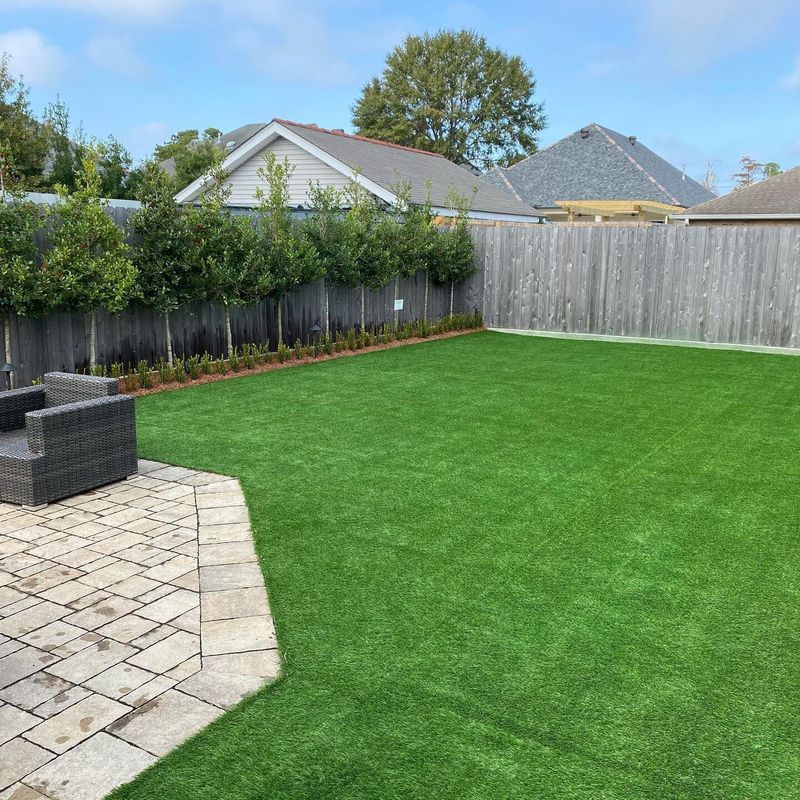
Synthetic grass seemed like the perfect solution to California’s water woes, offering green lawns without irrigation.
But concerns about heat retention, plastic breakdown, and stormwater runoff have sparked a new wave of scrutiny.
Artificial turf can reach scorching temperatures on sunny days, making it uncomfortable or even unsafe for kids and pets.
Microplastic shedding is another growing worry, as tiny particles wash into storm drains and eventually reach waterways.
Unlike natural grass, synthetic surfaces don’t absorb rainwater, which can overload drainage systems and increase flooding risk.
Some cities are now considering limits on the total square footage of artificial turf allowed per property.
If you’re thinking about installing synthetic grass, smaller applications like pet runs or high-traffic areas make more sense than covering your entire yard.
Pair artificial turf with permeable pavers and native plantings to maintain some natural water absorption.
Choose products with infill materials that reduce heat buildup and are less likely to shed microplastics.
Natural alternatives like clover lawns, native groundcovers, or mulched play areas offer cooling benefits and environmental advantages.
They support pollinators, improve soil health, and create a more dynamic landscape.
As regulations evolve, homeowners who diversify their landscaping will be better positioned to adapt.
Balancing convenience with environmental responsibility is key to making smart choices that won’t require costly changes down the road.
Tall Privacy Hedges Blocking Road Or Sidewalk Visibility
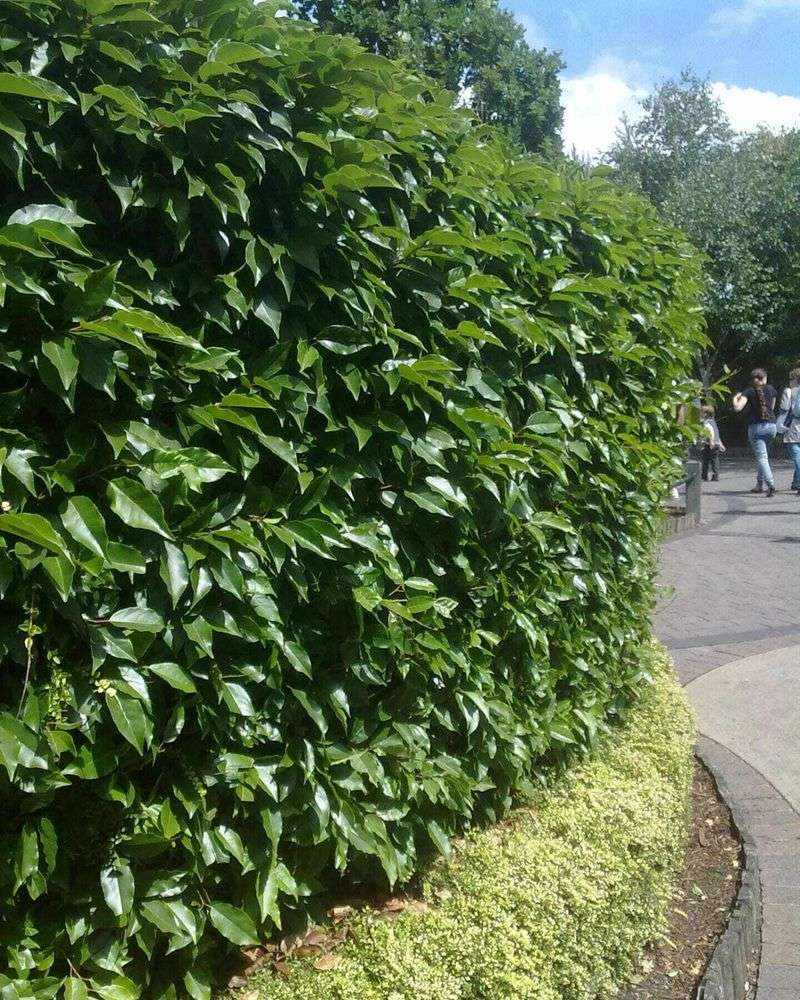
Privacy hedges offer a natural way to screen your yard from neighbors and street traffic, but they can create serious safety hazards when they grow too tall.
Overgrown shrubs at driveway exits, street corners, or along sidewalks block sightlines for drivers, cyclists, and pedestrians.
This increases the risk of accidents, especially in neighborhoods with narrow streets or heavy foot traffic.
Many California cities already have height restrictions for corner plantings, typically limiting them to three feet within a certain distance from intersections.
Enforcement is becoming stricter, with code officers issuing warnings and fines for non-compliant hedges.
In some cases, homeowners are required to remove or drastically trim vegetation that poses a visibility threat.
Maintaining proper sightlines doesn’t mean sacrificing privacy entirely.
Planting hedges further back from property lines or using layered landscaping can provide screening without blocking views.
Consider shorter plants near the street and taller ones closer to your home for a balanced approach.
Regular trimming keeps hedges healthy and ensures they don’t creep into restricted zones over time.
If you’re planning new plantings, check local regulations before choosing species that grow tall quickly.
Proactive maintenance and smart placement will keep your yard private and safe.
Ignoring visibility rules can lead to fines, mandatory removals, and potential liability if an accident occurs.
Taking a few minutes to measure and trim your hedges is a small effort that protects everyone in your community.
Invasive Plants On The California Invasive Species List
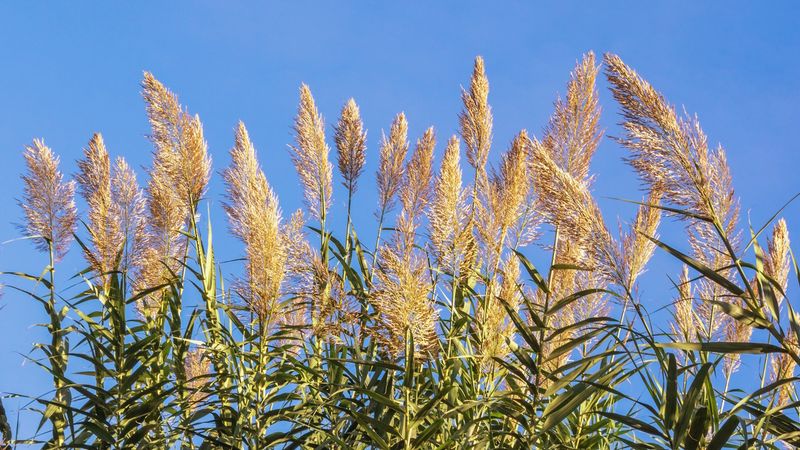
Pampas grass, fountain grass, and tree of heaven might look attractive, but they’re ecological troublemakers.
These invasive species spread aggressively, crowding out native plants and disrupting local ecosystems.
California maintains an official invasive species list, and many municipalities are expanding local bans to prevent further damage.
Invasive plants often lack natural predators, allowing them to dominate landscapes and reduce biodiversity.
They can also increase fire risk, as many invasives produce dense, dry foliage that ignites easily.
Removing established invasive plants is costly and labor-intensive, which is why prevention through bans is becoming more common.
If you have invasive species in your yard, consider replacing them with native alternatives that support local wildlife.
California native plants are adapted to the climate, require less water, and provide food and habitat for birds, butterflies, and beneficial insects.
Many nurseries now label plants as native or invasive to help homeowners make informed choices.
Some cities offer free removal programs or rebates for replacing invasives with natives.
Taking advantage of these resources can save you money while improving your yard’s ecological value.
Before planting anything new, research whether it’s on the invasive list to avoid future compliance issues.
Choosing native plants isn’t just about following rules—it’s about creating a healthier, more resilient landscape.
Your yard can become a haven for local wildlife while staying in line with evolving regulations.
Parking Vehicles On Lawns Or Unpaved Surfaces
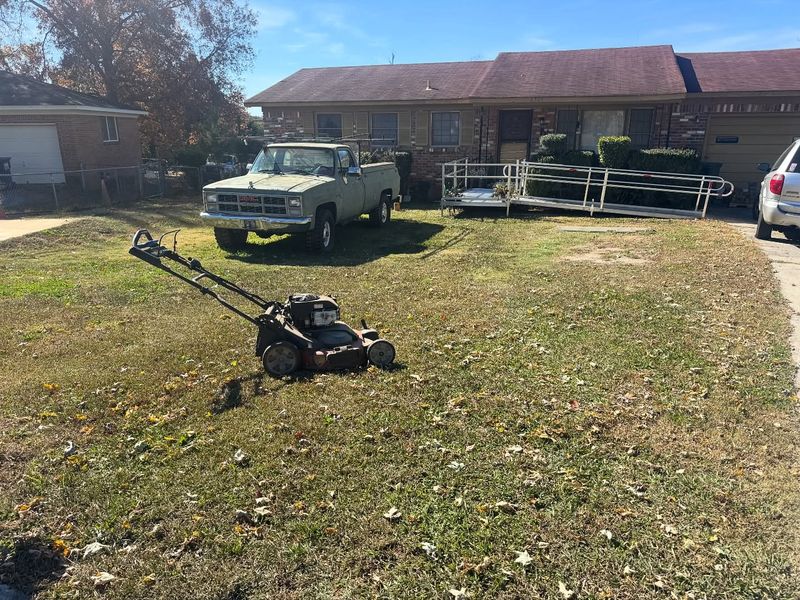
Parking cars, trucks, or RVs on your lawn might seem convenient, but it’s becoming increasingly prohibited across California.
Vehicles on grass or unpaved surfaces compact soil, destroy vegetation, and create unsightly dead zones.
They also contribute to stormwater pollution by preventing rainwater from soaking into the ground naturally.
Oil, coolant, and other fluids can leak from parked vehicles, contaminating soil and eventually reaching local waterways.
Many cities now enforce ordinances that require all vehicle parking to occur on paved driveways, garages, or designated parking pads.
Violators may receive warnings, fines, or even towing notices.
If you need extra parking space, consider installing a permeable paver driveway extension or gravel parking pad with proper edging.
These solutions provide stable surfaces while allowing water to filter through, reducing runoff.
Check with your city about permit requirements before starting any driveway expansion project.
Keeping vehicles off your lawn also preserves curb appeal and maintains property values throughout your neighborhood.
Dead grass patches and tire ruts make homes look neglected and can lower overall neighborhood aesthetics.
Investing in proper parking surfaces protects your landscape and keeps you compliant with local codes.
If you’re storing recreational vehicles or trailers, look into nearby storage facilities or designated RV parking areas.
Respecting parking regulations helps maintain the character and environmental health of your community.
Oversized Sheds, Pergolas, Or Yard Structures Installed Without Permits
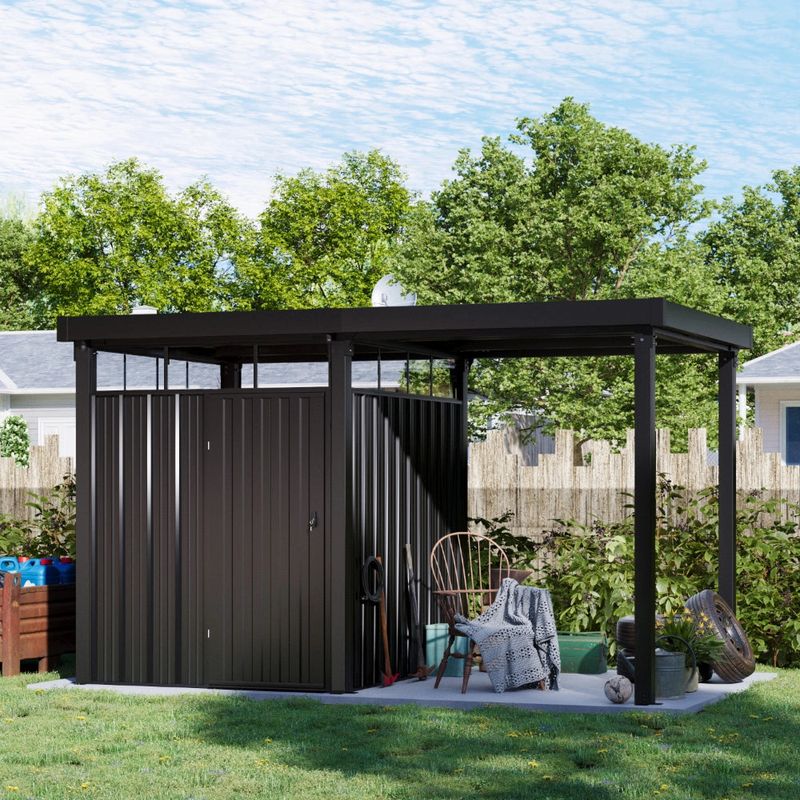
That dream pergola or storage shed might seem like a simple weekend project, but many California cities require permits for structures over certain sizes.
Building without proper approvals can result in fines, mandatory removal, or costly retrofits to meet code requirements.
Enforcement is becoming stricter as cities crack down on unpermitted construction that violates setback rules, height limits, or safety standards.
Permit requirements exist to ensure structures are safe, properly anchored, and don’t encroach on utility easements or property lines.
Even decorative features like large pergolas or gazebos may need approval if they exceed size thresholds or include electrical wiring.
Ignoring these rules can complicate future home sales, as buyers may demand proof of permitted work.
Before building, check with your city’s planning or building department to determine whether a permit is needed.
The application process typically involves submitting plans, paying fees, and scheduling inspections.
While it adds time to your project, it protects you from legal headaches and ensures your structure is built correctly.
If you’ve already installed something without a permit, consider applying for retroactive approval before enforcement actions begin.
Many cities offer amnesty programs or simplified processes for bringing existing structures into compliance.
Addressing the issue proactively is always cheaper and less stressful than dealing with code violations.
Planning ahead and following the rules might seem tedious, but it safeguards your investment and keeps your property legally sound.
Unscreened Trash Bins, Storage Areas, Or Equipment
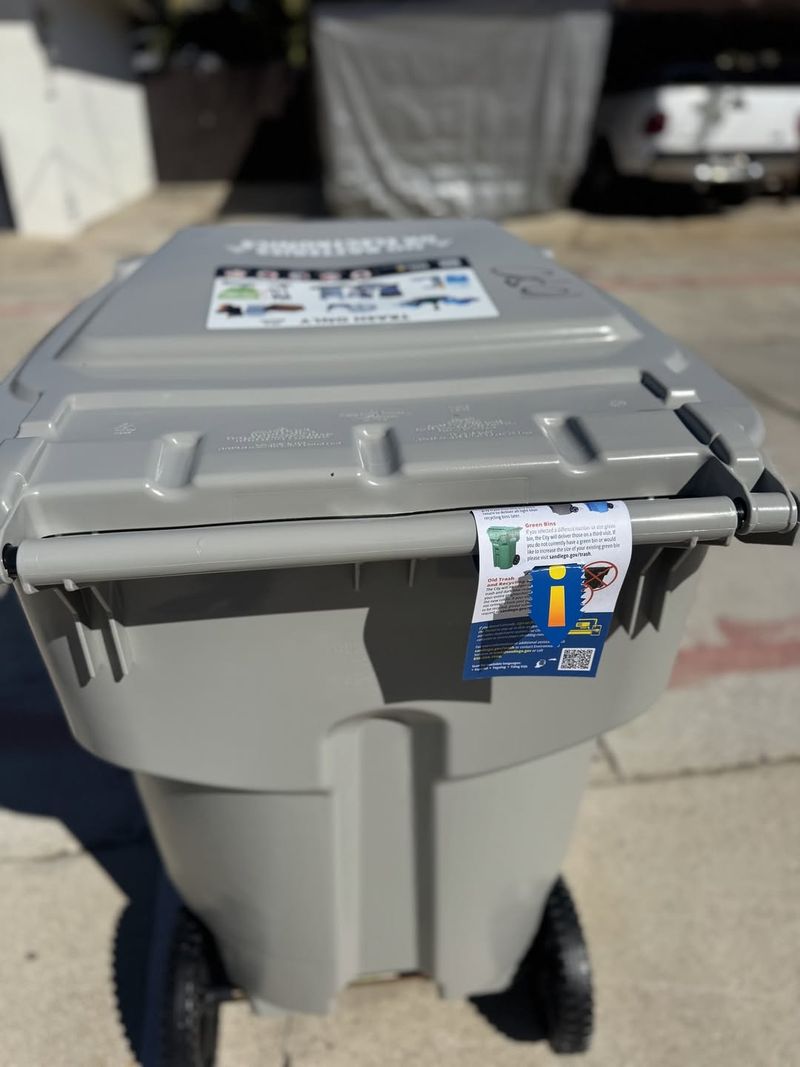
Visible trash bins, garden tools, and equipment can detract from neighborhood aesthetics and violate local zoning codes or HOA rules.
Many California communities now require screening or enclosure of waste containers and outdoor storage areas.
These regulations aim to maintain property values and create visually cohesive streetscapes.
Screening requirements vary by city but often involve fences, walls, or landscaping that hides bins from street view.
Some ordinances specify minimum heights, materials, or distances from property lines.
Homeowners who fail to comply may receive notices, fines, or even liens against their property.
Creating an attractive screening solution doesn’t have to be expensive or complicated.
Lattice panels, wooden enclosures, or strategically placed shrubs can effectively hide bins while adding visual interest to your yard.
Many home improvement stores sell ready-made trash bin enclosures that meet most code requirements.
Proper screening also keeps animals from rummaging through garbage and reduces odors that might bother neighbors.
It creates a cleaner, more organized appearance that benefits everyone on your street.
If you’re unsure about local rules, check with your city or HOA before making changes.
Taking the time to screen storage areas shows respect for your community and protects your property from potential violations.
A little effort upfront can save you from enforcement actions and maintain the character of your neighborhood.
Fire-Hazard Landscaping Within Defensible Space Zones
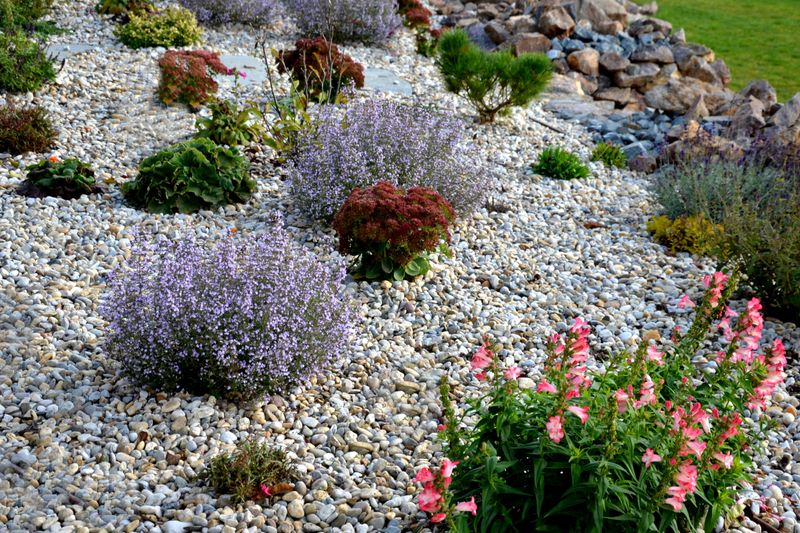
Wildfire risk is an ever-present reality for many California homeowners, especially those in hillside or rural areas.
State law already requires defensible space around structures, but local jurisdictions are tightening rules about specific plants and materials allowed in fire zones.
Flammable shrubs like juniper, ornamental grasses, and certain mulches are increasingly restricted near homes.
Defensible space regulations typically divide your property into zones with different vegetation management requirements.
The first zone, usually within five feet of structures, may prohibit all vegetation except low-growing succulents or require non-combustible materials like gravel.
Farther zones allow carefully spaced, fire-resistant plants that are regularly pruned and watered.
Ignoring these rules can result in fines, mandatory abatement, and even denial of fire insurance coverage.
During fire season, inspectors actively patrol high-risk areas and issue citations for non-compliance.
More importantly, proper defensible space can be the difference between your home surviving or being lost in a wildfire.
Fire-resistant landscaping doesn’t have to be ugly or barren.
Many native California plants, including manzanita, toyon, and ceanothus, offer beauty and wildlife value while being relatively fire-safe when properly maintained.
Hardscaping with stone pathways, patios, and retaining walls creates attractive firebreaks.
Investing in compliant landscaping protects your property, your family, and your neighbors.
Check with your local fire department or CalFire for specific guidelines and plant recommendations for your area.
Water Features Or Fountains That Do Not Recycle Water
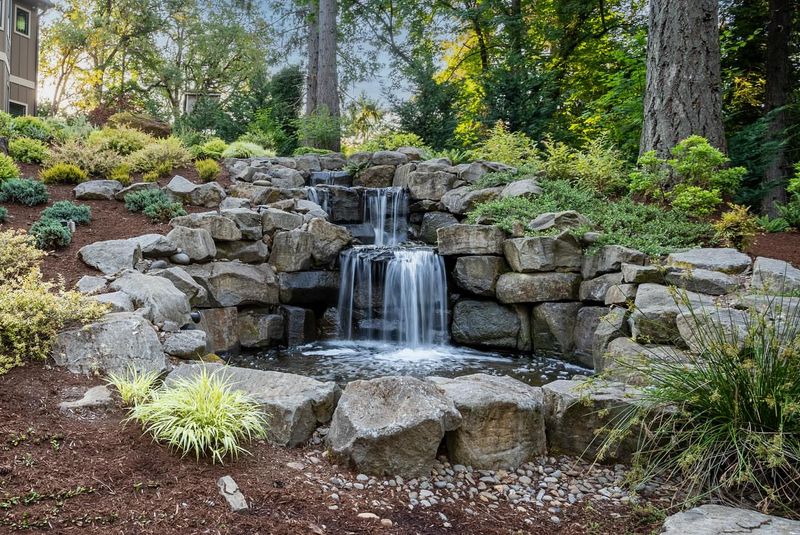
The soothing sound of flowing water makes fountains a popular yard feature, but non-recirculating designs are falling out of favor fast.
During California’s ongoing drought struggles, ornamental fountains that waste fresh water are being targeted by conservation regulations.
Cities may soon restrict or ban fountains that don’t recycle water through closed-loop systems.
Traditional fountains that constantly draw fresh water and drain it away can waste hundreds of gallons per week.
This is simply unsustainable in a state facing chronic water shortages and mandatory conservation targets.
Recirculating fountains use pumps to continuously cycle the same water, requiring only occasional refills to replace evaporation losses.
Converting an existing fountain to recirculating operation is often straightforward and affordable.
Most require only a submersible pump, a reservoir basin, and basic plumbing connections.
The water savings and lower utility bills quickly offset the initial investment.
If you’re planning a new water feature, choose designs specifically built for recirculation from the start.
Solar-powered pumps offer even greater efficiency and eliminate electrical costs entirely.
Adding a fountain cover or locating it in partial shade reduces evaporation and extends the time between refills.
Water features can still be part of your landscape—they just need to be designed responsibly.
By embracing recirculating systems now, you’ll stay ahead of regulations while enjoying the beauty and tranquility fountains provide.
Outdoor Fire Pits And Wood-Burning Features In Smoke-Sensitive Areas
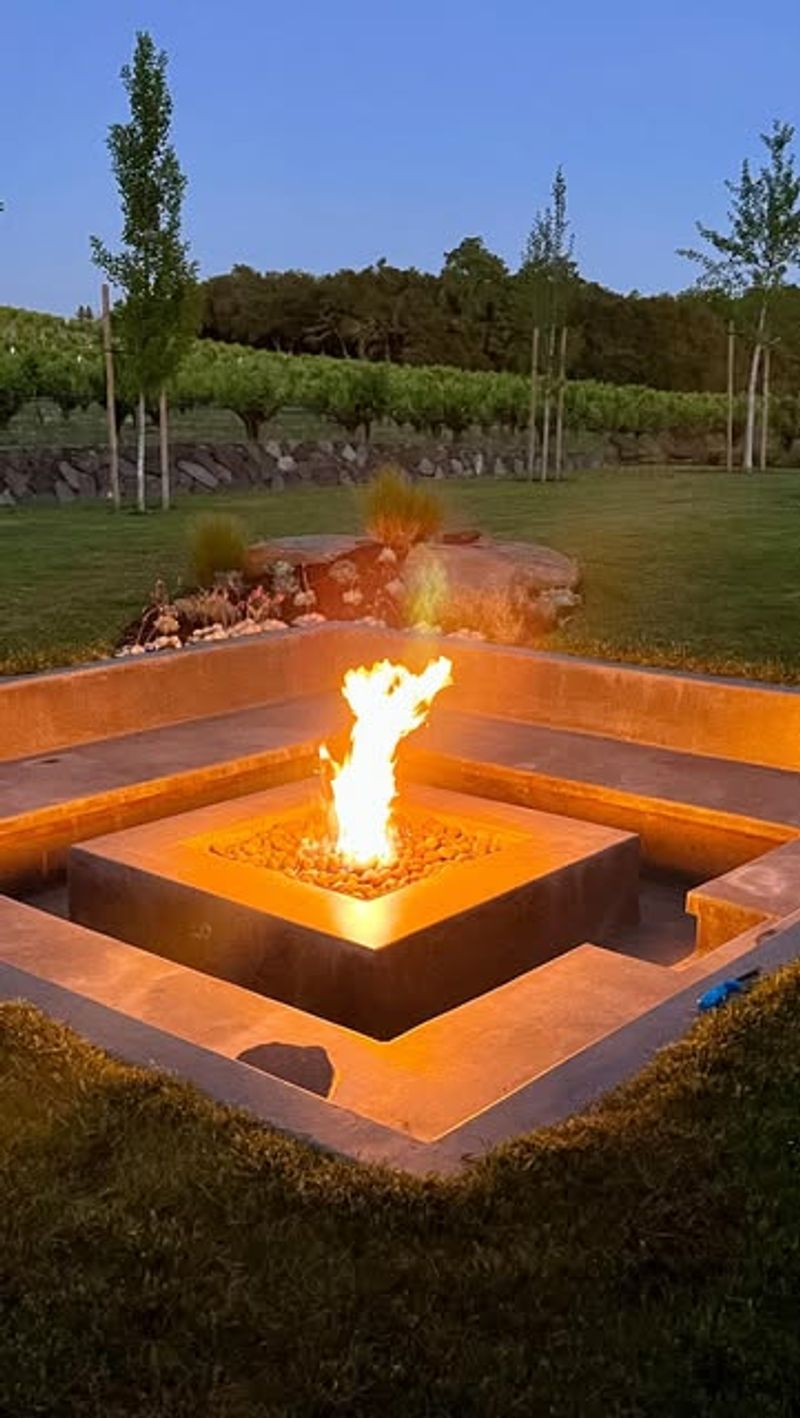
Cozy evenings around a backyard fire pit are a California tradition, but air quality concerns are prompting stricter regulations.
Wood-burning features release particulate matter and pollutants that worsen smog and trigger respiratory problems, especially in already smoke-sensitive regions.
Air quality management districts routinely restrict wood burning during high-pollution days, and some cities are considering permanent limitations on backyard fire pits.
Restrictions typically increase during fire season when any open flame poses additional wildfire risk.
Even small fire pits can send embers flying, potentially igniting dry vegetation or structures.
Homeowners who violate burn bans may face steep fines and liability for any fires that result.
Gas or propane fire pits offer a cleaner-burning alternative that produces no smoke or flying embers.
They’re easier to control, require less cleanup, and can often be used even when wood-burning restrictions are in effect.
Many modern designs provide the same ambiance and warmth as traditional wood fires without the pollution.
If you prefer the authentic experience of wood fires, check local regulations before lighting up.
Some areas allow fire pits only with special permits or during specific seasons.
Always keep a hose or fire extinguisher nearby and never leave fires unattended.
Adapting to cleaner-burning options protects air quality and reduces fire risk for everyone in your community.
Staying informed about local rules ensures your outdoor gatherings remain safe, legal, and enjoyable.
Decorative Gravel Or Landscaping That Blocks Stormwater Flow
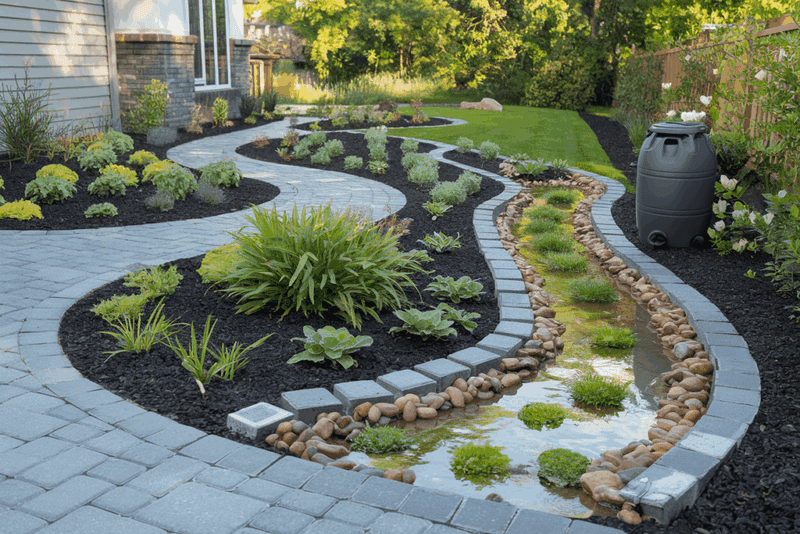
Hardscape materials like gravel, pavers, and decorative stone have become landscaping staples, but improper installation can create serious drainage problems.
When these materials block natural stormwater flow or redirect runoff onto neighboring properties, they violate local stormwater management regulations.
California cities are updating codes to prevent hardscapes that contribute to flooding, erosion, or water quality degradation.
Improperly graded gravel beds can channel rainwater toward foundations, causing structural damage and moisture intrusion.
When runoff is forced onto sidewalks or neighbors’ yards, it creates liability issues and community conflicts.
Permeable materials and proper grading are essential to maintaining natural drainage patterns.
If you’re planning new hardscaping, consult with a landscape professional who understands local drainage requirements.
Permeable pavers, decomposed granite, and properly spaced gravel allow water to filter through rather than running off.
Installing French drains, swales, or rain gardens can help manage excess water while adding attractive landscape features.
Existing hardscape that causes drainage problems may need retrofitting with drainage channels, catch basins, or modified grading.
Addressing these issues proactively prevents costly water damage and keeps you compliant with evolving stormwater rules.
Your neighbors will appreciate not having your runoff flooding their property.
Responsible hardscaping balances aesthetics with functionality and environmental stewardship.
Planning drainage carefully from the start saves money and headaches while protecting your property and community.