How Mold Forms Under Mulch After Heavy Maryland Rains And What Homeowners Should Know
Maryland’s weather can flip from dry to drenched overnight, and when heavy rains hit, mulch beds become the perfect environment for mold growth.
What looks like harmless mulch on the surface can trap moisture underneath, creating warm, damp pockets where fungi thrive.
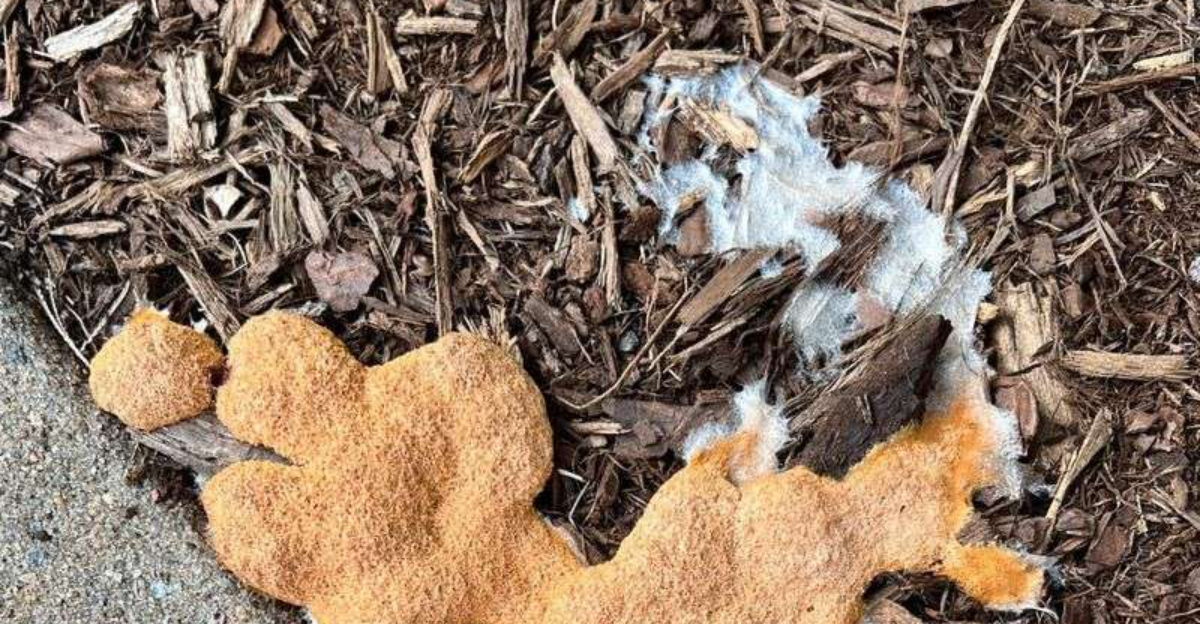
Many homeowners notice white, yellow, or slimy patches rising through the mulch after a storm and wonder where it came from.
Mold under mulch isn’t unusual, but it is often a sign of drainage issues, thick mulch layers, or compacted soil that struggles to breathe.
While most mulch mold isn’t dangerous, it can spread quickly and affect plant health if ignored.
Knowing why it forms and how to prevent it helps Maryland homeowners keep their garden beds healthy, especially during the region’s frequent rainy spells.
With a few simple changes, that hidden mold layer can be prevented before it ever appears.
Why Wet Mulch Turns Into A Mold Magnet After Maryland Storms
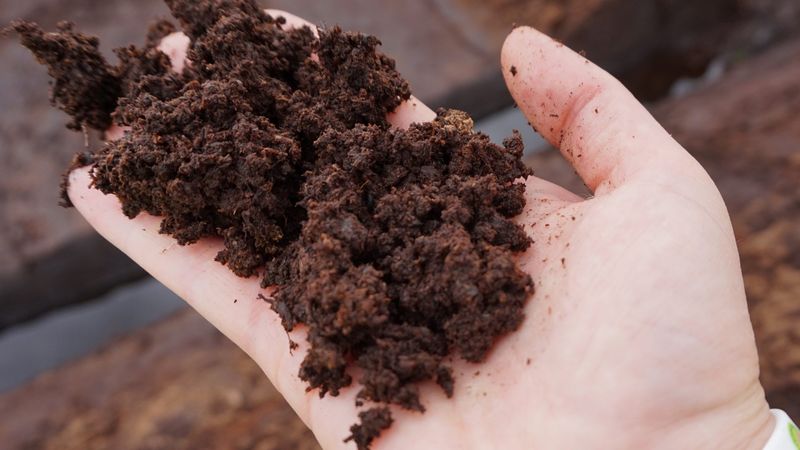
Mulch soaks up water like a sponge, and when Maryland storms dump several inches of rain in just a few hours, that organic material becomes saturated beyond its normal capacity.
Once the mulch is thoroughly wet, it creates a dark, damp environment where mold spores thrive.
These tiny spores are always floating in the air, just waiting for the right conditions to settle down and grow.
The combination of moisture, warmth, and organic matter provides everything mold needs to flourish.
Wood chips, shredded bark, and other mulch materials are made of plant fibers that mold loves to feed on.
Without proper airflow, the moisture gets trapped beneath the surface layers.
This lack of circulation means the mulch stays wet for days or even weeks after a storm passes through.
Maryland’s humid summer climate makes the problem even worse because the air itself holds extra moisture.
When you add heavy rain to already humid conditions, mulch beds become perfect mold magnets that can develop fuzzy white or yellow growth within just 48 hours of a major storm.
What Maryland Homeowners Miss When They Don’t Check Under Mulch
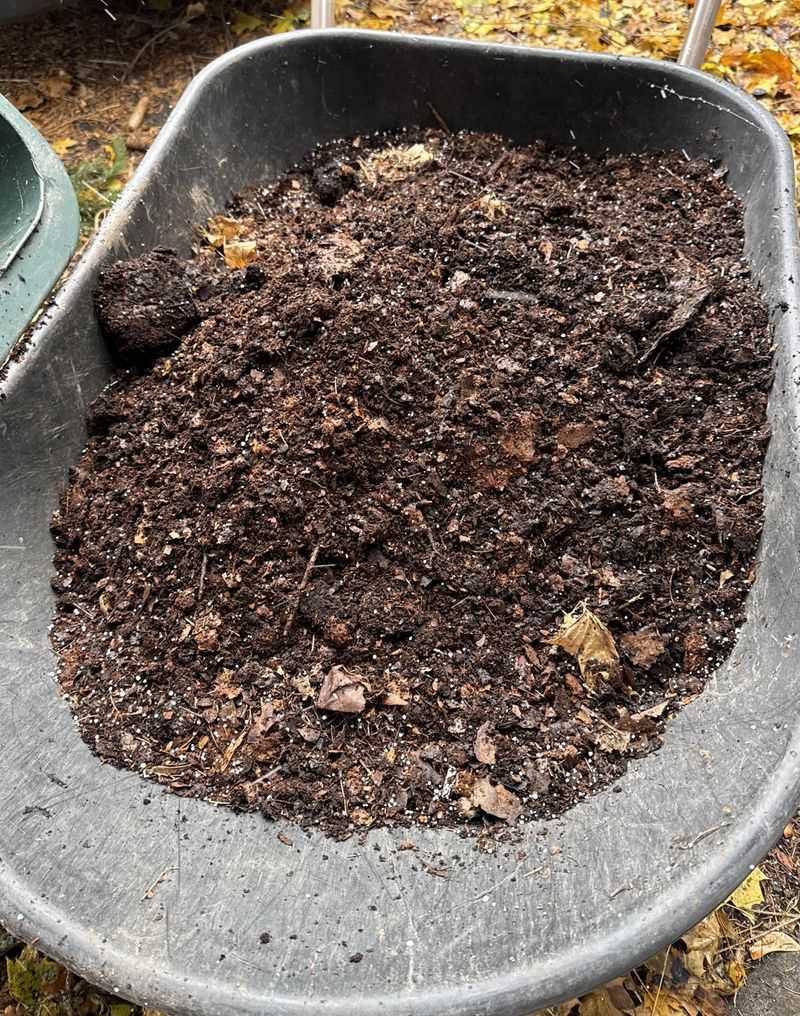
Most people only look at the top surface of their mulch and assume everything underneath is fine.
That’s a mistake because the real action happens in the hidden layers where moisture collects and air doesn’t reach.
When you lift up a handful of mulch after a heavy rain, you might be surprised to find white, fuzzy growth or slimy patches clinging to the underside.
These signs indicate that mold has already established itself and is actively breaking down the organic material.
Homeowners who skip regular inspections miss early warning signs that could prevent bigger problems later.
Mold doesn’t just stay in one spot—it spreads through the mulch bed and can eventually affect plant roots and soil health.
Compacted mulch layers also go unnoticed when you don’t dig in and check.
Compaction prevents water from draining properly and creates pockets where mold can thrive undisturbed.
Taking a few minutes every week or two to gently pull back some mulch and peek underneath gives you valuable information about what’s really happening in your garden beds and helps you catch mold before it becomes a widespread issue.
Your Maryland Garden Changes Every Week. Your Plan Should Too.
Gardening in Maryland changes quickly throughout the season. Every Friday you’ll receive a simple weekly plan showing exactly what to plant, prune, fertilize, harvest, and protect so you never miss the right timing.
How Heavy Rains Create The Perfect Conditions For Mulch Mold
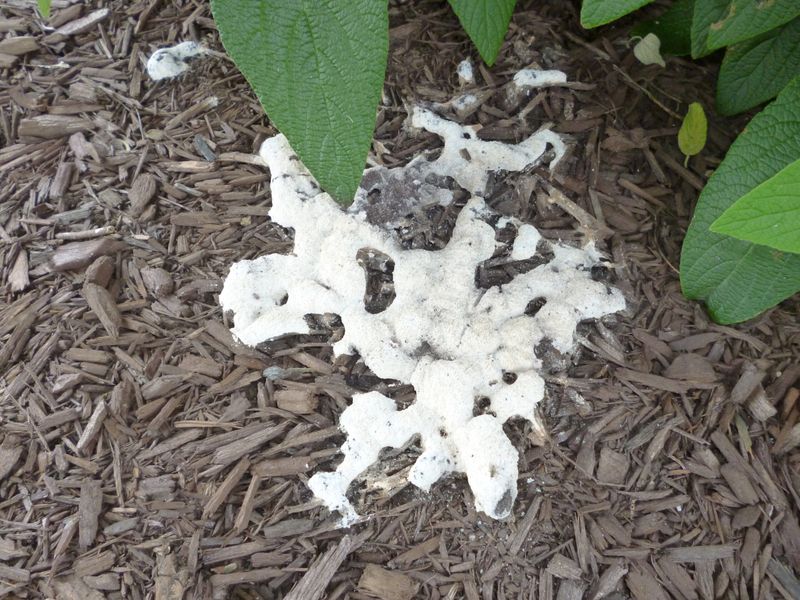
Heavy rains saturate mulch completely, filling every air pocket with water and leaving no room for oxygen to circulate.
Mold spores need moisture to germinate, and a soaking rain provides exactly that trigger.
Temperature plays a role too—spring and summer storms in Maryland often come with warm weather that speeds up mold growth.
When temperatures hover between 65 and 85 degrees, mold can colonize wet mulch incredibly fast.
The organic matter in mulch serves as food for mold, and when it’s wet, the material becomes soft and easy for fungi to break down.
This decomposition process is natural, but heavy rains accelerate it dramatically.
Poor drainage makes the situation even more challenging because water pools on top of the mulch or gets trapped underneath.
Without a way for excess water to escape, the mulch stays waterlogged for extended periods.
Maryland’s clay-heavy soils don’t absorb water quickly, so rain tends to sit on the surface rather than soaking in.
This creates a perfect storm of conditions where mulch remains constantly damp, warm, and full of nutrients that mold needs to explode in growth within just days of a major rainfall event.
The Hidden Reason Mold Spreads Fast In Maryland Flower Beds

Flower beds often have poor drainage because they’re planted in low spots or areas where water naturally collects during storms.
When rain hits these beds, it has nowhere to go except sit and soak into the mulch.
Many Maryland yards have compacted soil from years of foot traffic or construction work, and this compaction prevents water from draining down into deeper soil layers.
Instead, moisture stays trapped right where the mulch sits, creating a perpetually damp environment.
Flower beds are also typically surrounded by edging or borders that can trap water inside like a shallow bowl.
While these borders look nice and keep mulch in place, they also prevent excess water from flowing away after heavy rains.
Plants in flower beds need regular watering, which adds even more moisture to the mulch layer.
When you combine irrigation with heavy rainfall, the mulch never gets a chance to dry out properly between watering cycles.
Mold spreads quickly in these conditions because the spores can travel through the connected mulch layer from one damp spot to another.
Once mold establishes itself in one corner of a flower bed, it can colonize the entire area within a week or two, especially when drainage issues keep the mulch consistently wet throughout the growing season.
Why Thick Mulch Layers Make Mold Even Worse After Rain
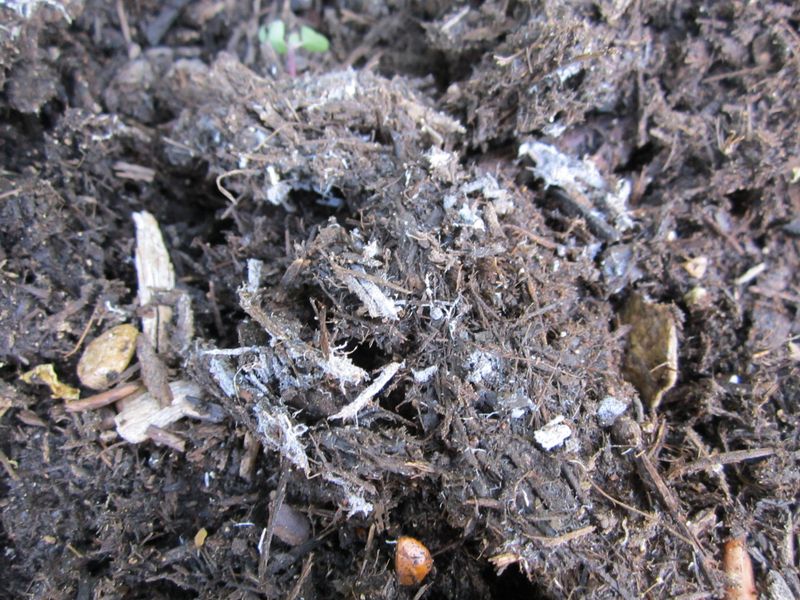
Applying mulch too thick is a common mistake that creates serious mold problems because the bottom layers never get enough air circulation to dry out.
Experts recommend two to three inches of mulch, but many homeowners pile on four, five, or even six inches thinking more is better.
Thick mulch layers trap moisture against the soil surface and prevent evaporation from happening naturally.
When rain soaks through, the water gets stuck in the lower layers with no escape route.
The weight of thick mulch also causes compaction, which squeezes out air pockets and creates dense, oxygen-poor zones where mold thrives.
These compacted areas become slimy and matted together, forming a perfect habitat for fungal growth.
Heat builds up inside thick mulch layers during warm Maryland summers, and this warmth combined with trapped moisture creates an incubator effect.
Mold grows faster in warm, wet conditions, so thick mulch essentially speeds up the whole process.
When you pull back an overly thick mulch layer after a rainstorm, you’ll often find the bottom completely covered in white or yellow mold while the top looks relatively normal.
This hidden growth can continue unchecked for months if the mulch depth isn’t corrected, leading to ongoing problems that affect both your plants and soil quality underneath.
The Simple Moisture Trap That Starts Mold Under Mulch
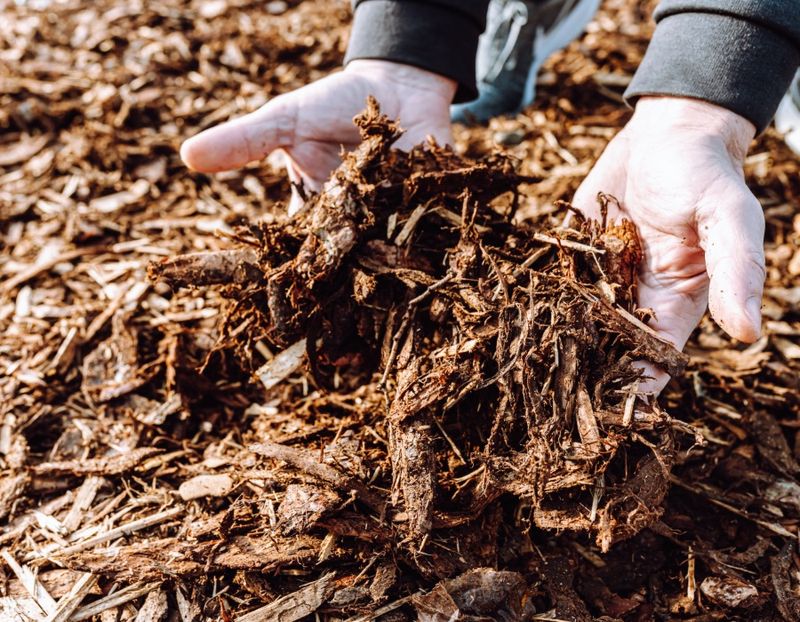
Compacted mulch creates a moisture trap that kicks off the entire mold growth cycle in your garden beds.
When mulch gets packed down from rain, foot traffic, or simply settling over time, it loses the loose, fluffy texture that allows air and water to move through freely.
This compaction forms a barrier that prevents water from draining down into the soil below.
Instead, moisture gets trapped in the mulch layer itself, creating a perpetually damp zone that never fully dries out between rain events.
You can actually see this moisture trap in action after a heavy rain when you notice steam rising from your mulch beds on a sunny morning.
That steam is water trying to evaporate, but much of it stays trapped in the compacted layers below.
The trapped moisture provides exactly what mold spores need to germinate and grow.
Within 24 to 48 hours of a heavy rain, mold can begin colonizing the damp, compacted mulch.
Breaking up compacted mulch with a rake or garden fork helps restore airflow and allows water to drain properly.
This simple maintenance task prevents the moisture trap from forming and significantly reduces your chances of developing serious mold problems after Maryland’s frequent summer storms that dump several inches of rain in short periods.
What Mold Under Mulch Really Says About Your Soil Health
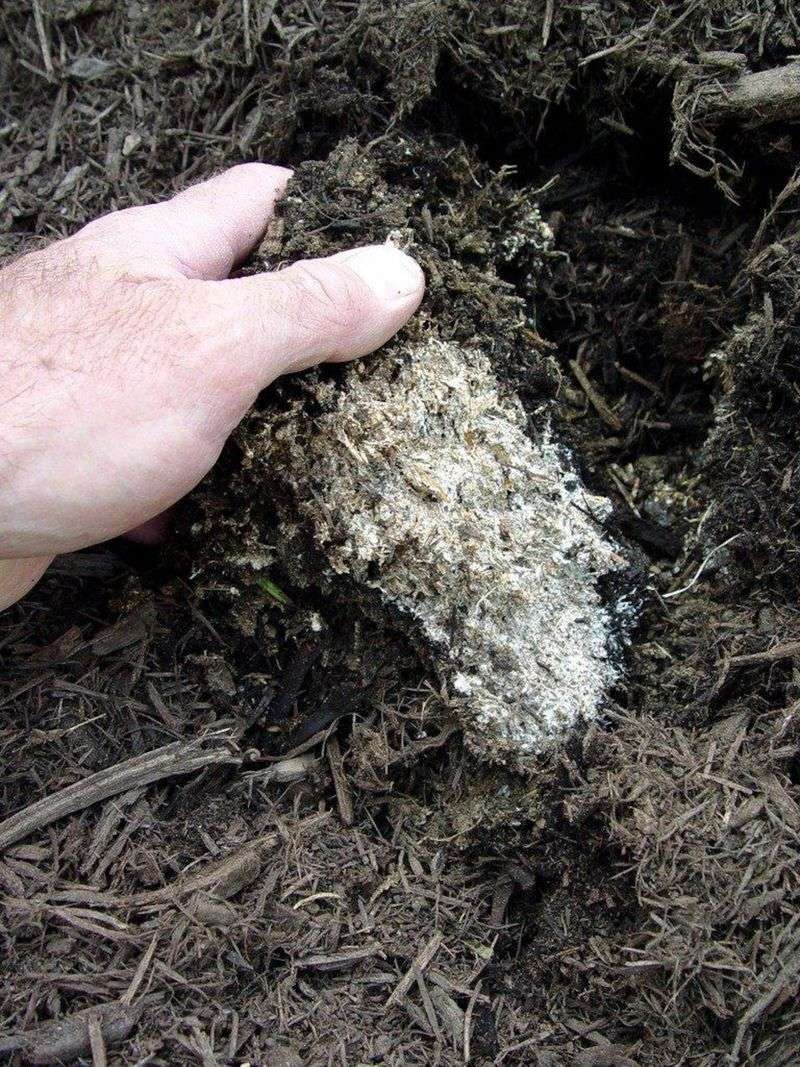
Mold growing under your mulch isn’t always a bad sign—it actually indicates that decomposition is happening, which is a natural part of healthy soil building.
Fungi break down organic matter and release nutrients that plants can use.
However, excessive mold growth suggests that conditions are out of balance.
Too much moisture, poor drainage, or overly thick mulch layers create an environment where fungi dominate and beneficial soil organisms struggle to survive.
Healthy soil has a diverse community of bacteria, fungi, earthworms, and other creatures working together.
When mold takes over, it can crowd out these beneficial organisms and disrupt the natural balance your plants depend on.
Some types of mold are harmless saprophytes that simply eat organic matter, while others can produce compounds that inhibit plant growth.
Paying attention to mold patterns helps you understand what’s happening beneath the surface.
If you notice mold appearing repeatedly in the same spots after every rain, it’s a signal that those areas have drainage issues or soil compaction problems that need attention.
Addressing these underlying soil health issues will reduce mold problems naturally while also creating better growing conditions for your plants and encouraging a more balanced ecosystem in your garden beds throughout the year.
Rainy Weather And Mulch Mold Go Hand In Hand In Maryland
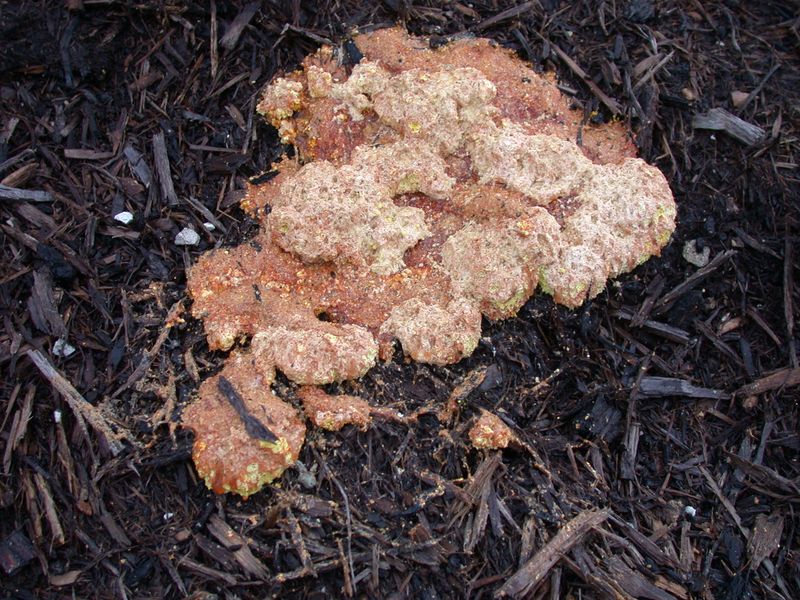
Maryland’s climate brings frequent thunderstorms during spring and summer, with some areas receiving 40 to 45 inches of rain annually.
This consistent rainfall creates ongoing challenges for homeowners trying to maintain healthy mulch beds.
When rain falls several times a week, mulch never gets a chance to dry out completely between storms.
This constant dampness means mold spores always have the moisture they need to grow and spread.
The state’s humidity levels stay high even between rainstorms, especially during summer months when humidity often exceeds 70 percent.
This ambient moisture in the air keeps mulch from drying out as quickly as it would in drier climates.
Coastal areas near the Chesapeake Bay face even more moisture challenges because sea breezes bring additional humidity inland.
Homeowners in these regions often notice mold problems developing faster than those living in drier western parts of the state.
Understanding that Maryland’s rainy weather naturally promotes mold growth helps you set realistic expectations and plan appropriate maintenance.
Rather than trying to eliminate mold completely, focus on managing moisture levels through proper mulch depth, good drainage, and regular fluffing to promote air circulation that helps mulch dry out between the frequent rain events that characterize Maryland’s growing season.
How To Spot Mulch Mold Before It Spreads Through The Garden
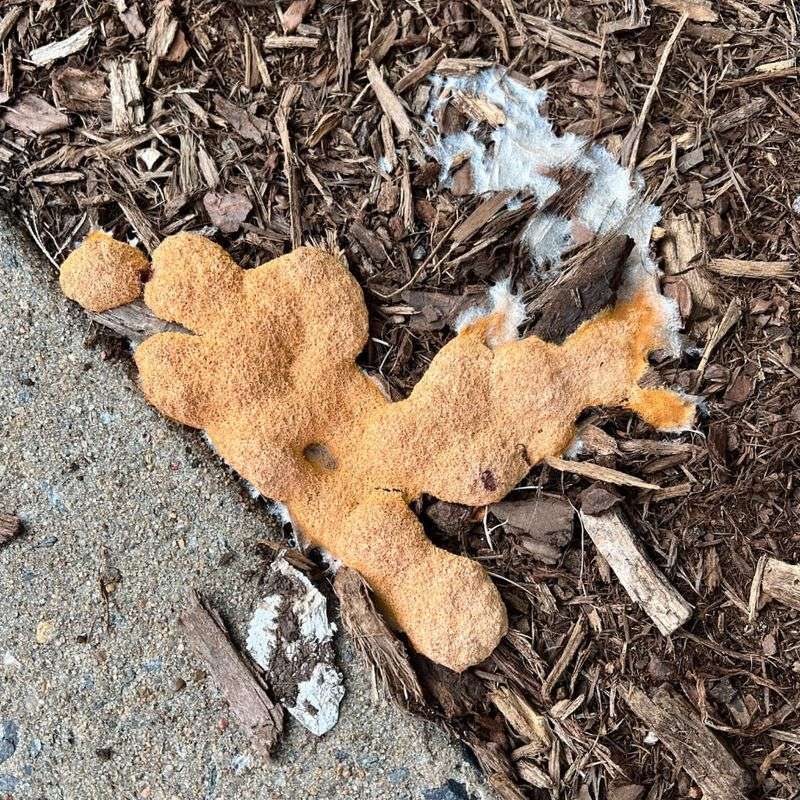
Early detection makes all the difference when it comes to managing mulch mold, and knowing what to look for helps you catch problems before they get out of control.
Start by checking your mulch beds a day or two after heavy rains.
Look for white, yellow, or orange fuzzy growth on the surface or just beneath the top layer of mulch.
These bright colors stand out against the dark brown mulch and indicate active mold colonies.
Lift up handfuls of mulch in different areas of your beds to inspect the underside and check for slimy or matted patches.
Healthy mulch should feel slightly damp but not soggy, and it should separate easily in your hands.
Pay attention to musty or sour smells coming from your mulch beds, as these odors often signal mold growth before you can see visible signs.
Your nose can be an excellent early warning system.
Focus your inspections on areas with poor drainage, thick mulch layers, or spots that stay shaded most of the day.
These locations are most likely to develop mold problems first and can serve as indicators of conditions throughout your landscape that need attention before mold colonizes your entire garden.
The Mistake That Makes Mulch Mold A Repeat Problem After Rain
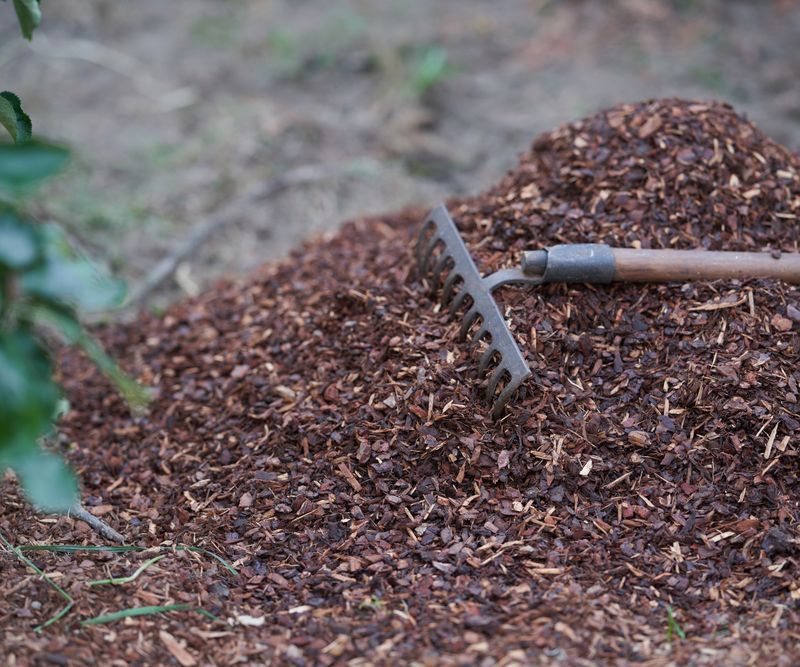
Piling mulch directly against plant stems and tree trunks is the single biggest mistake that creates ongoing mold problems in Maryland gardens.
This practice, called “volcano mulching,” traps moisture right where plants are most vulnerable.
When mulch touches plant stems, it holds water against the bark or stem tissue, creating a constantly damp environment.
This moisture doesn’t just promote mold growth—it can also lead to rot and other issues that harm your plants.
The trapped moisture and resulting mold growth prevent proper air circulation around the base of plants.
This stagnant air creates conditions where fungi can flourish and spread to nearby mulch areas after every rainstorm.
Many homeowners repeat this mistake every time they refresh their mulch, unknowingly setting themselves up for continuous mold problems throughout the growing season.
Breaking this habit is essential for long-term mold management.
Always leave a gap of two to three inches between mulch and plant stems or tree trunks.
This simple spacing allows air to circulate freely, lets water drain away from plants, and prevents the moisture buildup that triggers mold growth.
Making this one change dramatically reduces repeat mold problems and creates healthier conditions for your plants after every Maryland rainstorm.