A Common Winter Mulch Mistake Many Minnesota Gardeners Are Making This Season
Winter in Minnesota demands careful timing, especially when it comes to mulching garden beds.
Many gardeners rush to mulch early, hoping to protect their plants before the cold sets in.
But covering beds too soon—or piling mulch too deeply—can create the opposite effect.
Mulching before the ground freezes traps warmth in the soil, encouraging plants to break dormancy early.
Once a deep freeze or rapid temperature drop hits, tender roots and crowns suffer damage that may not show until spring.
Snowmelt, fluctuating temperatures, and prolonged cold spells all make mulch timing more important in Minnesota than in many other states.
This single mistake can mean the difference between a thriving garden and one that struggles to come back after winter.
Knowing when and how to mulch can save gardeners time, money, and frustration as the season unfolds.
The Mulch Timing Mistake Putting Minnesota Gardens At Risk This Winter
Timing is everything when it comes to winter mulch, yet so many gardeners jump the gun.
Applying mulch before the ground has fully frozen keeps soil temperatures warmer than they should be during late fall.
This warmth tricks plant roots and crowns into thinking spring is near, causing them to break dormancy way too early.
When Minnesota’s inevitable hard freeze arrives, those tender new growths get caught off guard and suffer serious damage.
The whole point of winter mulch is to insulate the soil after it freezes, not to keep it warm beforehand.
Wait until you’ve had several nights of hard frost and the ground feels solid to the touch.
A good rule of thumb is to mulch after Thanksgiving, when temperatures have consistently dropped and stayed low.
This patience protects your perennials, roses, and other sensitive plants from the rollercoaster of freeze-thaw cycles Minnesota is famous for.
Rushing this step undoes all the careful preparation you put into your garden during the growing season.
Mark your calendar and resist the urge to mulch too soon, even if your neighbors are already doing it.
Your plants will thank you come spring when they emerge healthy and strong.
Why Early Mulching Causes More Winter Damage Than You Think In Minnesota
Early mulch application creates a dangerous thermal blanket that holds onto autumn warmth far longer than nature intended.
When you pile on mulch while soil temperatures are still above freezing, you’re essentially creating a cozy insulated environment that prevents proper hardening off.
Plants need exposure to gradually cooling temperatures to prepare their cells for winter dormancy.
Without this natural transition, their tissues remain soft and vulnerable to rupture when the real cold finally penetrates.
Minnesota’s unpredictable weather patterns make this especially risky, as a warm week in November can be followed by subzero temperatures overnight.
That sudden temperature drop hits unprepared plants like a sledgehammer, causing cellular damage that won’t show up until spring.
Early mulch also keeps the soil moist longer, which can encourage fungal growth and rot around plant crowns during those in-between weeks.
Your Minnesota Garden Changes Every Week. Your Plan Should Too.
Gardening in Minnesota changes quickly throughout the season. Every Friday you’ll receive a simple weekly plan showing exactly what to plant, prune, fertilize, harvest, and protect so you never miss the right timing.
The moisture combined with warmth creates perfect conditions for disease organisms to thrive.
Instead of protecting your plants, you’ve accidentally created a breeding ground for problems.
Waiting until the ground is truly frozen eliminates these risks entirely.
The frozen soil acts as the first layer of insulation, and your mulch becomes the second protective barrier.
How Minnesota Gardeners Accidentally Wake Plants Too Soon With Mulch
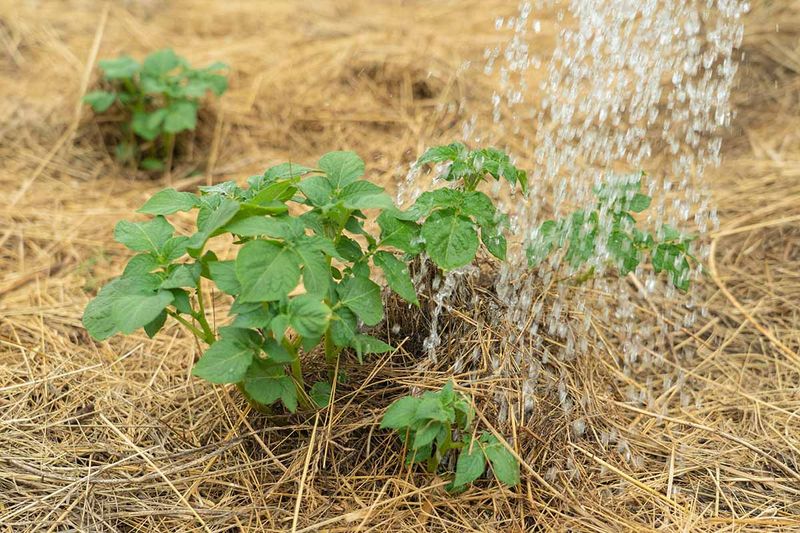
Plants have internal clocks that respond to temperature cues from the soil around their roots.
When mulch goes down too early, it maintains higher soil temperatures that signal plants to stay active or even start new growth.
Perennials that should be settling into deep dormancy instead send out fresh shoots or keep their metabolic processes running.
This is particularly problematic for plants like peonies, hostas, and spring bulbs that need a true cold period to perform well.
Once these plants have been fooled into premature activity, they become extremely vulnerable to cold injury when winter really sets in.
Their cellular structure isn’t properly prepared for freezing, so ice crystals can form inside plant tissues and cause irreversible damage.
You might not notice the problem until spring arrives and your plants fail to emerge or come up looking weak and stunted.
The solution is surprisingly simple: wait for consistent freezing temperatures before applying any winter mulch.
Check the soil temperature a few inches down—it should feel cold and firm, not just frosty on top.
This ensures your plants have received the proper signals to enter true dormancy before you add that protective layer.
Patience in autumn translates directly to vigor in spring.
The Mulch Pile Problem That Leads To Rot In Minnesota Gardens
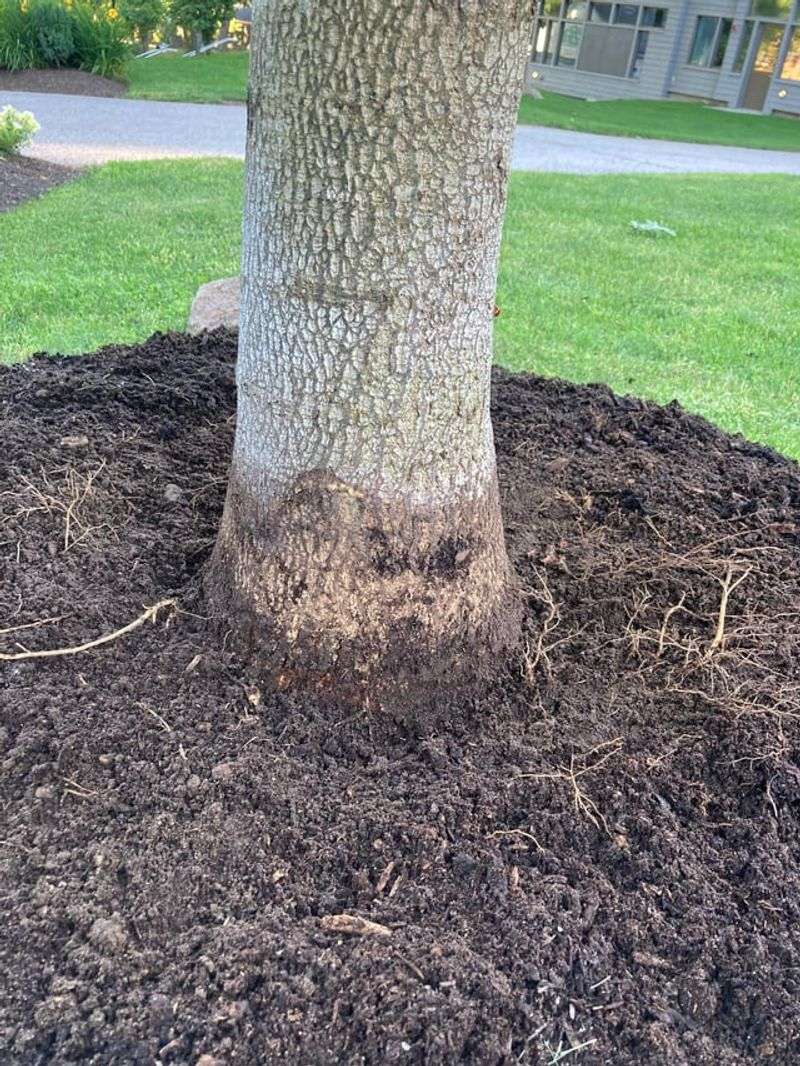
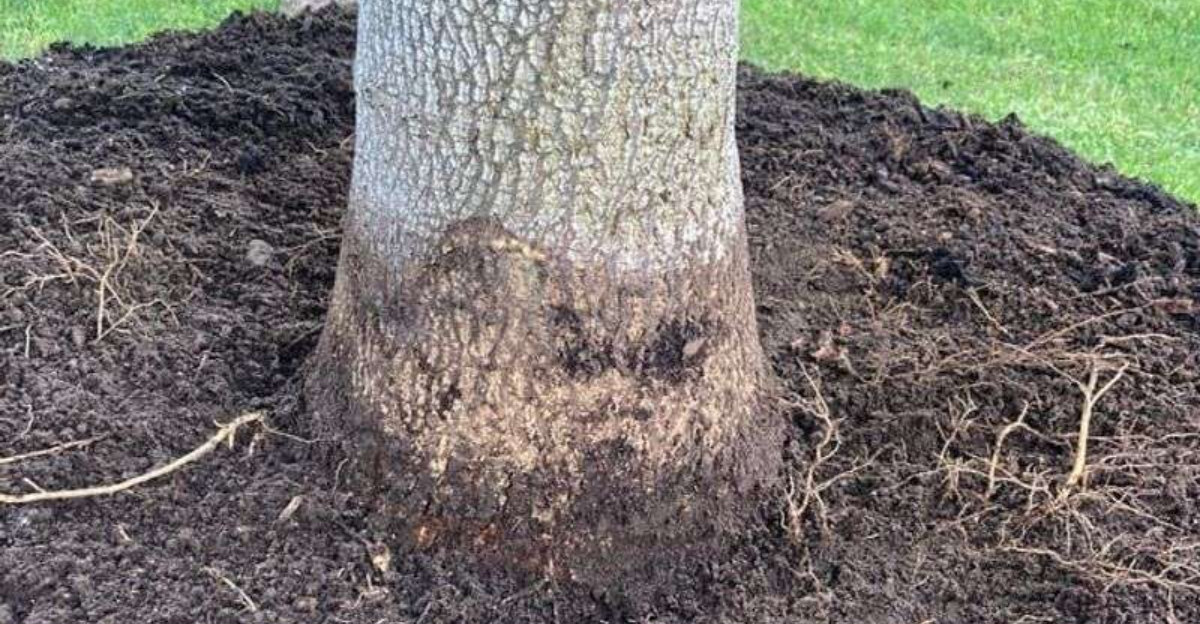
Many gardeners think more mulch equals more protection, but piling it high around plant stems is a recipe for disaster.
When mulch touches the crown or bark of plants, it creates a constantly moist environment that encourages rot and fungal infections.
This is especially true during Minnesota winters when snow melts and refreezes repeatedly, creating cycles of wet and cold.
The moisture trapped against plant tissue softens bark and crown tissue, making it easy for disease organisms to invade.
Woody plants like roses, shrubs, and small trees are particularly susceptible to this type of damage.
A thick mulch volcano around the base also provides perfect nesting material and shelter for mice and voles.
These rodents tunnel through the mulch and gnaw on bark and roots all winter long, causing extensive damage you won’t discover until spring.
The proper technique is to keep mulch pulled back several inches from plant stems and crowns.
Think of creating a donut shape rather than a volcano—mulch around the root zone but leave breathing room at the center.
A layer of two to four inches is plenty for insulation without creating moisture problems.
This simple adjustment protects plants from both rot and hungry rodents.
Why Heavy Mulch Layers Backfire During Harsh Minnesota Winters
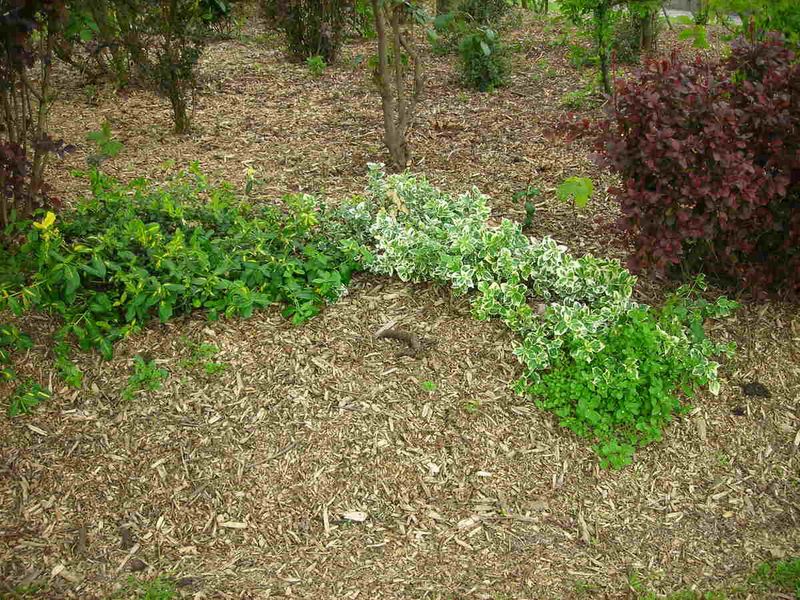
Thicker isn’t always better when it comes to winter mulch in Minnesota’s challenging climate.
A layer deeper than four inches can actually work against you by trapping too much warmth and moisture beneath it.
This creates an environment where soil temperatures fluctuate more dramatically than they would with lighter coverage or even no mulch at all.
Heavy mulch also compacts under the weight of snow and ice, forming a dense mat that prevents air circulation.
Without proper air exchange, anaerobic conditions develop that can suffocate plant roots and encourage harmful bacteria.
When spring arrives, thick mulch takes much longer to warm up and dry out, delaying soil warming and plant emergence.
Your garden essentially stays locked in winter mode while lightly mulched or unmulched areas spring to life.
Another downside is that heavy mulch provides excellent habitat for slugs, insects, and disease organisms to overwinter in large numbers.
Come spring, you’ll have a population explosion of pests right where your plants are trying to grow.
The ideal winter mulch depth for Minnesota gardens is two to four inches—enough to moderate soil temperature swings without creating problems.
This moderate layer insulates frozen ground without interfering with natural processes or inviting trouble.
The Simple Winter Mulch Rule Most Minnesota Gardeners Forget
There’s one golden rule for winter mulching in Minnesota that gets overlooked time and time again: mulch after the freeze, not before.
This simple guideline prevents nearly all the common problems associated with winter mulch application.
The ground needs to freeze solid first so that plants are fully dormant and soil temperatures have stabilized at winter levels.
Once this happens, your mulch layer acts as an insulating blanket that keeps the ground consistently frozen rather than warming it up.
Consistent temperatures are what plants need most during winter—not warmth, but stability.
When soil stays frozen, plants remain safely dormant without the stress of repeated freezing and thawing cycles.
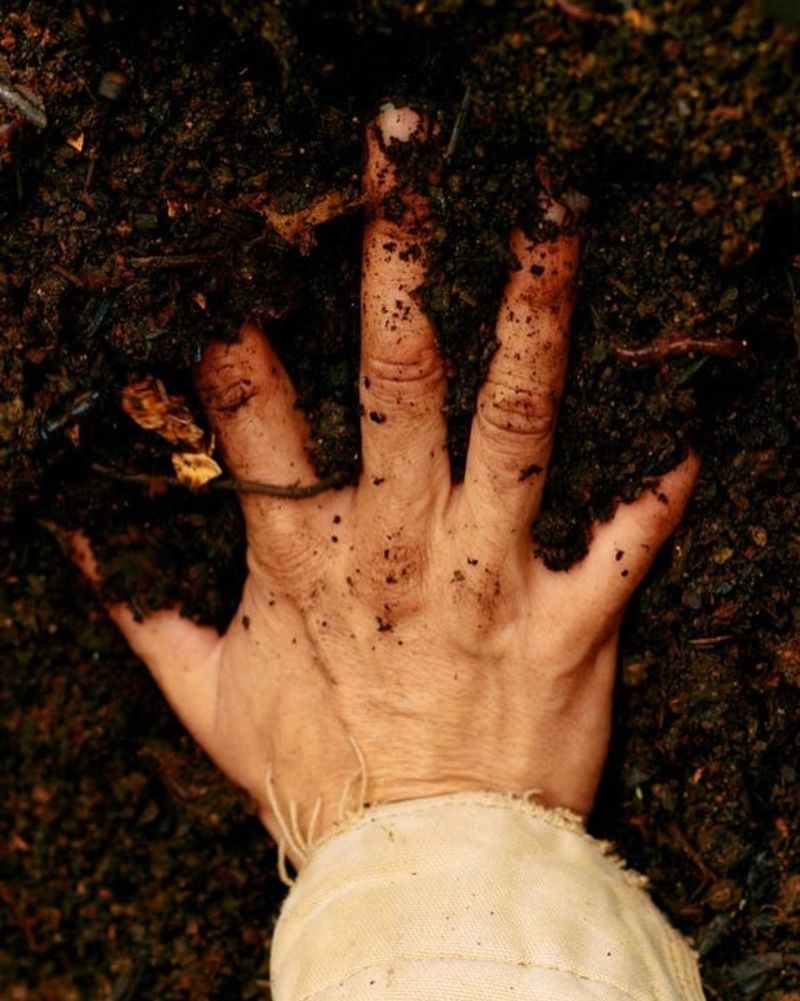
To check if it’s time to mulch, push your finger into the soil in several spots around your garden.
If the ground is hard and frozen at least an inch or two down, you’re ready to apply mulch.
If it still feels soft or yields easily to pressure, wait another week or two and check again.
Minnesota gardeners should typically plan for mid-to-late November, though this varies depending on your specific location and the year’s weather patterns.
Following this one simple rule will transform your winter mulching results and lead to healthier, more vigorous plants come spring.
How Mistimed Mulch Triggers Freeze Damage In Minnesota Flower Beds
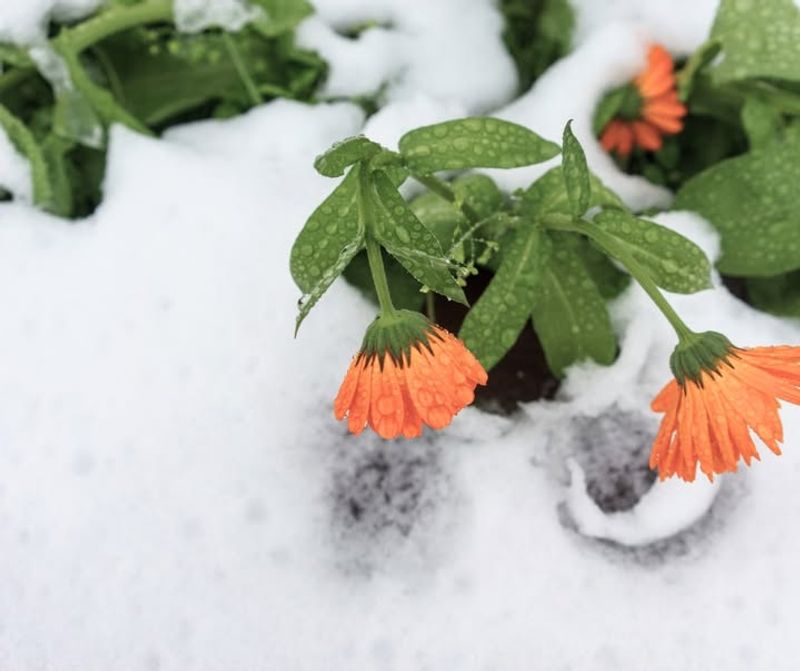
Flower beds filled with perennials are especially vulnerable to damage from poorly timed mulch application.
Perennials need to experience gradual temperature drops that trigger their natural dormancy processes at the cellular level.
When mulch goes down too early, it interferes with this hardening-off period, leaving plants soft and unprepared for severe cold.
The first hard freeze then causes ice crystals to form inside plant cells, rupturing membranes and destroying tissue.
You might see this damage manifest as blackened foliage, mushy crowns, or plants that simply fail to emerge the following spring.
Certain perennials like delphiniums, lupines, and coneflowers are particularly sensitive to this type of injury.
The damage often isn’t visible until months later when you’re expecting fresh growth and get nothing instead.
Proper timing eliminates this risk by allowing plants to fully harden off before you add protective mulch.
Once dormancy is complete and the ground is frozen, mulch serves its intended purpose of maintaining stable cold temperatures.
This prevents the damaging freeze-thaw cycles that heave plants out of the ground and expose roots to drying winter winds.
Your flower beds will reward proper timing with robust spring growth and abundant blooms throughout the growing season.
The Hidden Winter Hazard Inside Over Mulched Minnesota Gardens
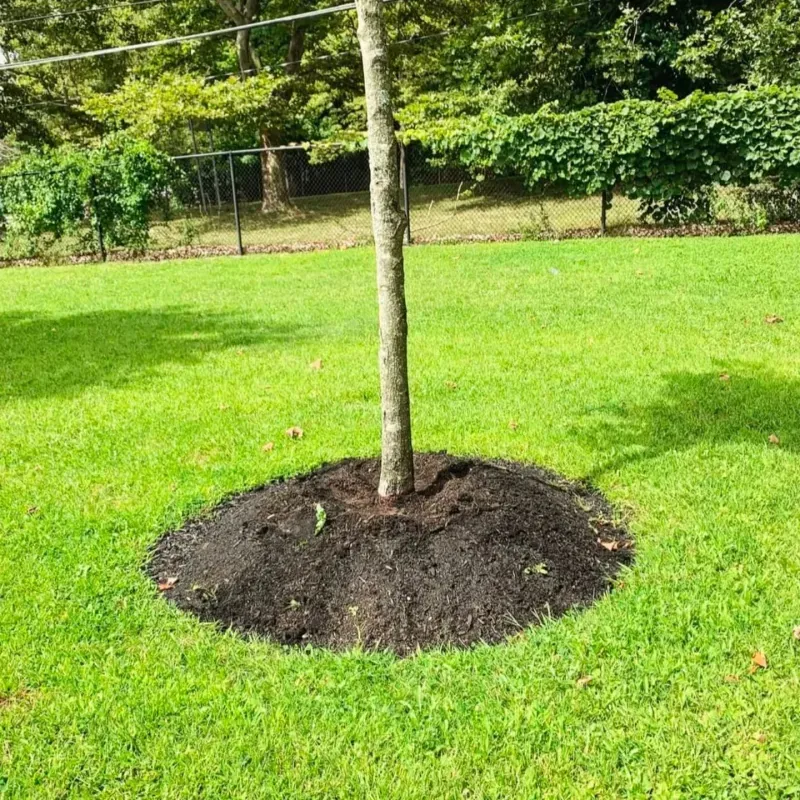
Beneath thick layers of winter mulch, an invisible threat often lurks that many gardeners never consider until it’s too late.
Voles, mice, and other small rodents view deep mulch as prime real estate for winter housing.
The insulating properties that protect plant roots also create warm, dry tunnels perfect for rodent nests and highways.
These creatures don’t just live in your mulch—they actively feed on plant roots, bark, and bulbs all winter long.
A single family of voles can girdle multiple shrubs and perennials before you even know they’re there.
The damage typically appears as stripped bark at the soil line or plants that suddenly collapse in spring despite looking healthy.
When you pull back the mulch, you’ll find extensive tunnel systems and gnaw marks that tell the whole unfortunate story.
Preventing this problem requires keeping mulch layers moderate—no more than three or four inches deep.
Also pull mulch back from direct contact with plant stems and trunks, creating a clear zone that rodents are less likely to cross.
Some gardeners place hardware cloth cylinders around especially valuable plants before mulching for added protection.
Regular winter checks of your garden beds can help you spot rodent activity early before extensive damage occurs.
Why Mulching After The Freeze Matters Most In Minnesota
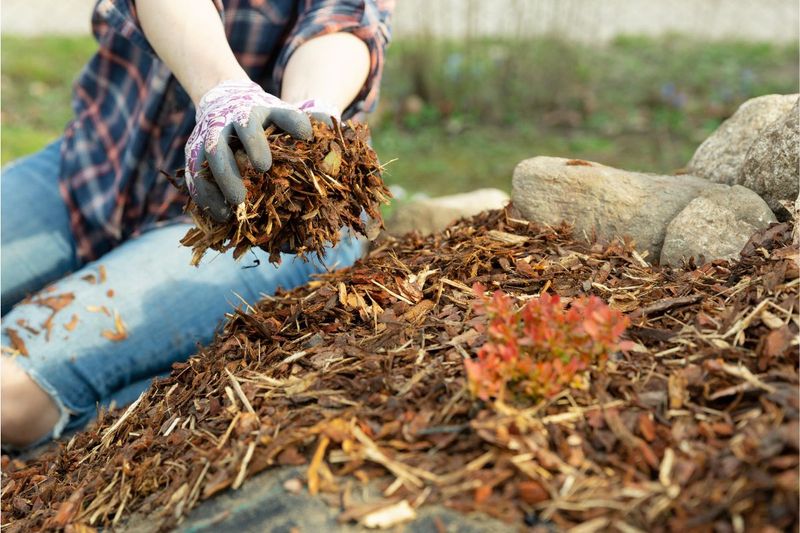
Minnesota’s climate presents unique challenges that make post-freeze mulching not just helpful but essential for garden success.
The state experiences some of the most dramatic temperature swings in the country, with warm spells interrupting otherwise cold winters.
These fluctuations cause soil to freeze and thaw repeatedly, which heaves plants out of the ground and exposes their roots to harsh conditions.
Mulch applied after the ground freezes acts as a temperature buffer that keeps soil consistently frozen regardless of air temperature changes above.
This steady state protects plant crowns and roots from the physical stress of heaving and the drying effects of winter wind.
Without this protection, shallow-rooted perennials and newly planted specimens often fail to survive until spring.
The timing also ensures that beneficial insects and plant tissues have properly prepared for winter dormancy before you seal everything in.
Early mulch can trap insects that should have migrated deeper into the soil or found other overwintering sites.
It can also prevent proper moisture drainage from plant crowns, leading to ice formation right where it causes the most harm.
Waiting for the freeze gives nature time to complete its preparations before you add your layer of protection.
This partnership between natural processes and your gardening efforts produces the healthiest, most resilient plants.
The Winter Mulch Fix That Saves Minnesota Plants From Sudden Temperature Swings
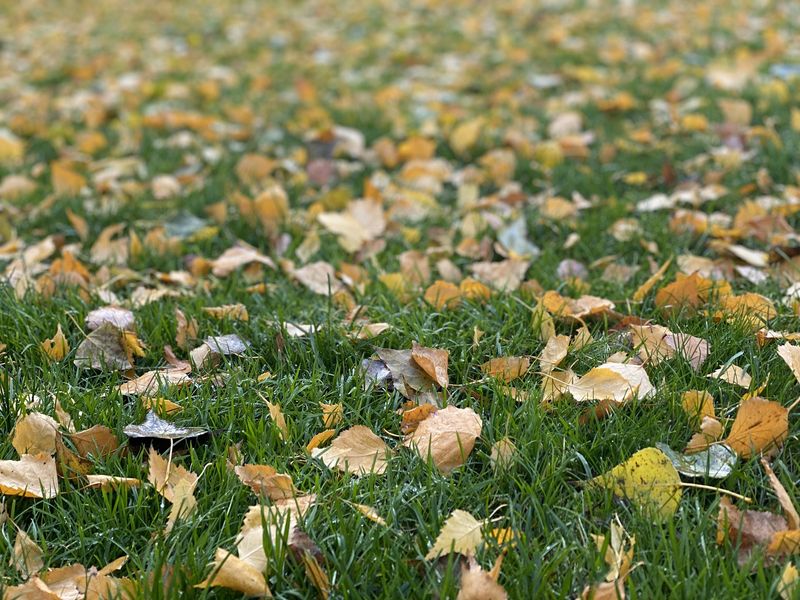
Once you understand the problems, the solution becomes beautifully straightforward and remarkably effective.
Wait until you’ve had at least a week of nighttime temperatures consistently below freezing and the ground is solid.
Then apply a two-to-four-inch layer of mulch evenly across your garden beds, keeping it pulled back from plant stems and crowns.
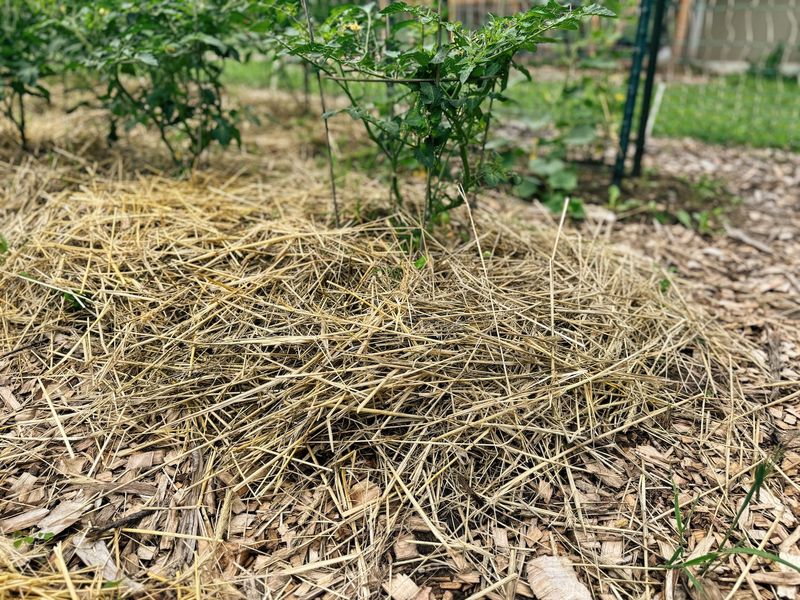
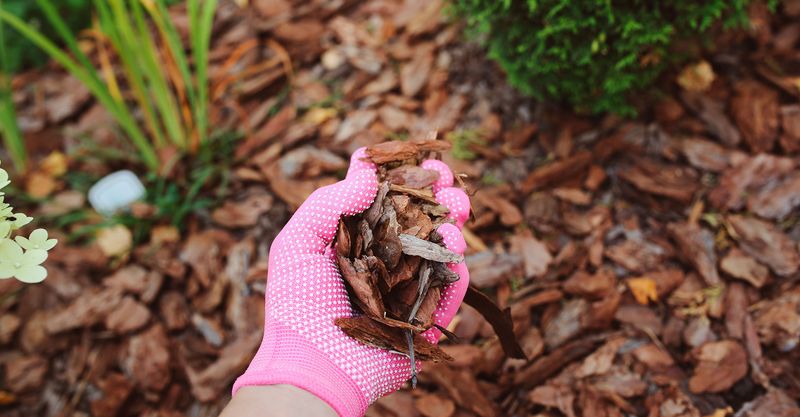
Use materials like shredded leaves, straw, or wood chips that allow some air circulation while still providing insulation.
This moderate layer moderates soil temperature without creating the moisture and pest problems associated with excessive mulch.
The frozen ground beneath acts as your first layer of insulation, and the mulch becomes the second protective barrier.
Together, they keep soil temperatures stable even when Minnesota’s weather goes on its typical wild rides.
Your plants remain safely dormant, protected from both extreme cold and damaging thaw periods that can occur during warm spells.
In spring, pull back mulch gradually as temperatures warm to allow soil to heat up and plants to emerge naturally.
This complete approach—proper timing, appropriate depth, and correct placement—addresses all the common mulching mistakes in one simple practice.
Implementing this fix transforms winter from a time of anxiety about plant survival into a season of confidence and rest.