7 Places Where Peonies Struggle Most In Ohio Backyards
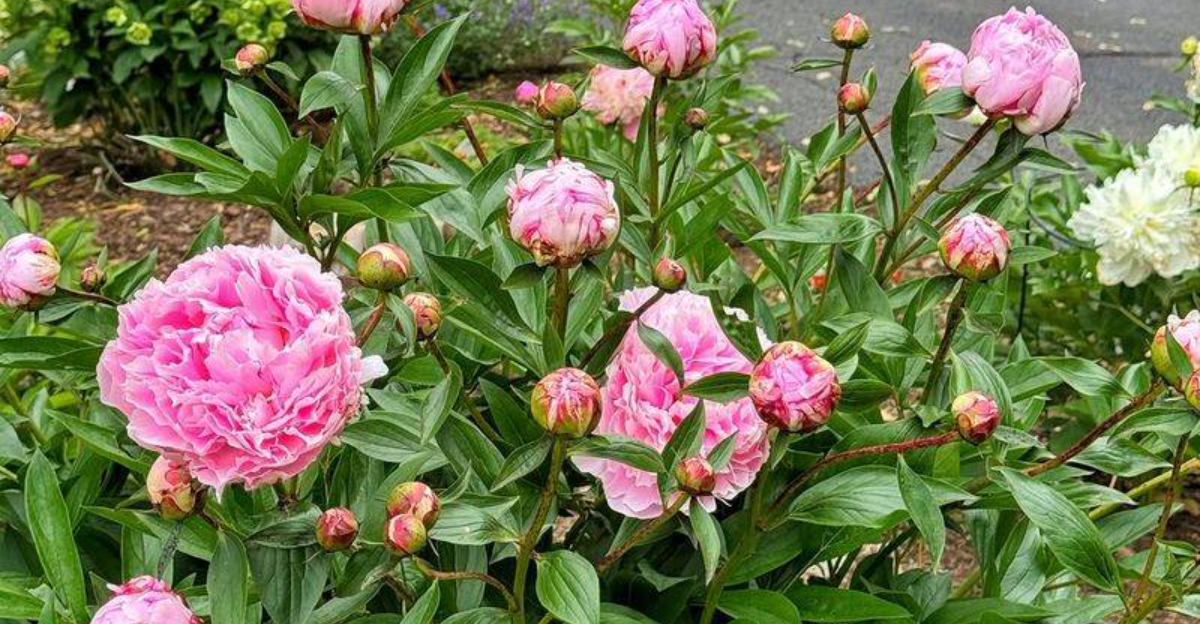
Peonies are beloved for their lush blooms, but they can be surprisingly particular about where they grow—especially in Ohio’s varied climate.
When planted in the wrong location, peonies may refuse to bloom, develop disease problems, or struggle to establish strong roots.
Issues like poor drainage, heavy shade, and restricted airflow can all limit their performance.
Because peonies are long-lived plants, choosing the right planting spot is essential for long-term success.
Understanding where they struggle most helps gardeners avoid years of disappointment and ensures these classic flowers reach their full potential in Ohio gardens.
1. Heavy Shade Under Trees Or Near Tall Shrubs

Sunlight acts like food for peonies, and without enough of it, these plants simply cannot perform at their best.
Most peony varieties need at least six full hours of direct sunlight each day to produce those stunning blooms everyone loves.
When planted beneath mature trees or tucked behind tall shrubs, peonies end up competing for light and usually lose the battle.
The symptoms of too much shade show up quickly in peony plants.
Stems become thin and floppy, unable to support the weight of even small buds.
Leaves may look healthy and green, but the plant puts all its energy into reaching for light instead of making flowers.
Many Ohio gardeners make this mistake when they first plant peonies, thinking a little dappled shade will be fine.
Unfortunately, what seems like partial shade in early spring often becomes heavy shade once trees leaf out completely.
By June, when peonies should be showing off their best blooms, shaded plants might only produce one or two sad flowers.
Tree roots create another challenge beyond just blocking sunlight.
They steal moisture and nutrients from the soil, leaving peonies struggling to find what they need.
Even watering more frequently cannot make up for this underground competition.
If you already have peonies in a shady spot, consider moving them in fall to a sunnier location.
Choose an area that gets morning through early afternoon sun for the healthiest plants.
Your peonies will thank you with armloads of gorgeous blooms next spring.
2. Wet Or Poorly Drained Soil

Ohio’s spring weather can be wonderfully unpredictable, but all that rain creates serious problems for peonies planted in low spots or heavy clay soil.
These flowers evolved in well-drained mountain regions, so their roots absolutely hate sitting in water.
When soil stays soggy for more than a day or two, peony roots begin to suffer from lack of oxygen.
Root problems develop quickly in poorly drained areas, even before you notice anything wrong aboveground.
The first signs might be yellowing leaves or wilting stems that seem odd since the soil is clearly moist.
Eventually, the entire plant weakens and stops growing, with roots turning soft and mushy underground.
Clay soil is particularly troublesome in many Ohio backyards because it holds water like a sponge.
After heavy spring storms, puddles may linger for hours or even days in areas with clay.
Peonies planted in these spots never quite thrive, even in years with normal rainfall.
Your Ohio Garden Changes Every Week. Your Plan Should Too.
Gardening in Ohio changes quickly throughout the season. Every Friday you’ll receive a simple weekly plan showing exactly what to plant, prune, fertilize, harvest, and protect so you never miss the right timing.
Testing drainage is easy before you plant peonies in a new location.
Simply dig a hole about twelve inches deep, fill it with water, and watch how quickly it drains.
If water remains after six hours, that spot needs serious soil improvement before peonies will succeed there.
Raised beds offer an excellent solution for gardeners dealing with drainage challenges.
Building beds six to eight inches high and filling them with amended soil creates the perfect environment.
Your peonies will reward you with vigorous growth and plenty of spectacular flowers each spring.
3. Areas With Thick Mulch Piled Over The Crown

Mulch seems like a gardener’s best friend, helping retain moisture and suppress weeds around plants.
But peonies have one very specific requirement that makes heavy mulching a recipe for disaster.
Their growing points, called crowns, must sit no more than two inches below the soil surface to bloom properly.
When enthusiastic gardeners pile mulch around peonies in fall or spring, they often bury the crown too deeply without realizing it.
A nice thick layer of mulch might measure three, four, or even five inches deep.
This extra depth tricks the peony into thinking it has been planted too far underground.
The result is a healthy-looking plant that simply refuses to bloom year after year.
Foliage emerges beautifully each spring, growing lush and green throughout the season.
Yet when bloom time arrives, there are no buds, no flowers, and plenty of gardener frustration.
Ohio winters are not harsh enough to require heavy mulch protection for established peonies.
A light one-inch layer applied after the ground freezes provides plenty of winter protection.
Come spring, pull back any mulch that has settled around the base of the plant.
If you suspect your peonies are buried too deeply, carefully dig around the crown in early fall.
Gently lift the entire plant and replant it at the correct depth, with eyes just below the surface.
Mark the spot so you remember not to pile mulch there next year.
Within two seasons, your properly planted peony should reward your efforts with abundant blooms.
4. Spots Too Close To Foundations Or Fences
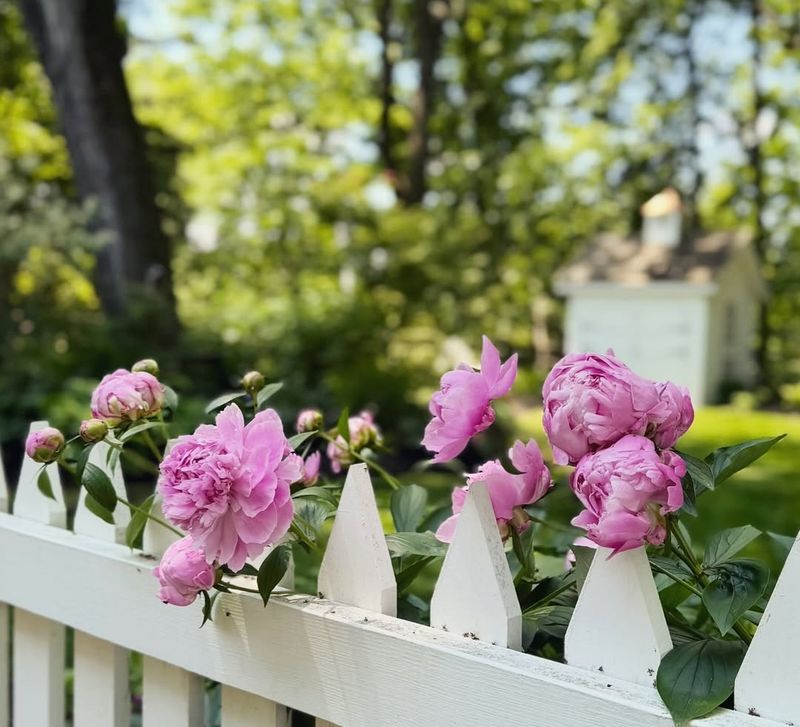
Tucking plants snugly against a foundation or fence might seem like smart use of backyard space, but peonies need breathing room to stay healthy.
Air circulation plays a crucial role in preventing fungal diseases that love Ohio’s humid spring weather.
When peonies sit too close to solid structures, air cannot move freely around their stems and leaves.
Botrytis blight becomes a major headache for peonies growing in cramped quarters.
This fungal disease appears as brown spots on leaves, blackened buds that fail to open, and general plant decline.
Spores spread easily in still, damp air, exactly the conditions found near walls and fences.
Foundation plantings create additional challenges beyond just poor airflow.
Soil near house foundations tends to be drier and often contains construction debris or rubble.
Reflected heat from sunny walls can also stress peonies during hot Ohio summers.
Fences block wind from one direction, creating pockets of stagnant air that trap moisture around plants.
Morning dew takes longer to evaporate from peony leaves when air cannot circulate freely.
This extended moisture period gives fungal spores extra time to germinate and infect plant tissue.
Smart spacing makes all the difference for peony health and longevity.
Plant them at least three feet away from any solid structure to ensure adequate air movement.
This distance also gives you room to walk around plants for maintenance and cutting flowers.
Your peonies will grow fuller and more symmetrical with space on all sides, producing more blooms with far fewer disease problems.
5. New Garden Beds Where Soil Was Recently Disturbed
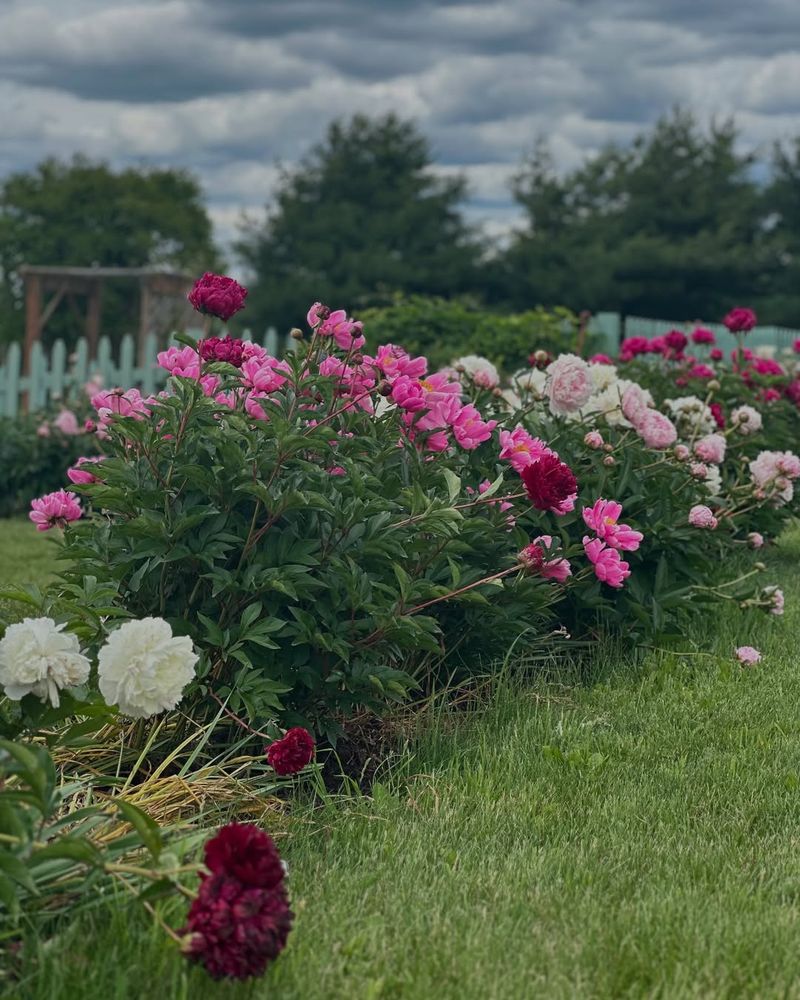
Patience is not always easy for gardeners, especially when starting a new garden bed or redesigning an existing space.
Fresh soil looks inviting and ready for planting, but peonies have strong opinions about being moved or planted in newly worked ground.
These long-lived perennials prefer to settle into one spot and stay there for decades.
Moving established peonies almost always results in a blooming strike for at least one season, sometimes two.
The plants focus all their energy on growing new roots and getting established in their new location.
Flower production takes a backseat during this adjustment period, leaving gardeners wondering what went wrong.
Newly prepared beds present their own set of challenges even for freshly purchased peony roots.
Disturbed soil contains air pockets that can dry out roots or cause them to settle unevenly.
Soil structure takes time to stabilize after tilling, and peonies respond better to firm, settled earth.
Ohio’s freeze-thaw cycles in winter can heave newly planted peonies right out of the ground in loose soil.
This movement damages tender new roots and pushes crowns too close to the surface.
By spring, plants may look healthy but will struggle to bloom because their root systems never fully established.
Whenever possible, prepare new peony beds several weeks before planting to let soil settle naturally.
Water the area thoroughly and let it rest, allowing soil particles to nestle together.
Fall planting works especially well because peonies have months to establish roots before facing summer heat.
Your patience during the first year or two will be rewarded with decades of reliable, stunning blooms.
6. Locations With Afternoon Sun Scorch In Hot Parts Of Ohio
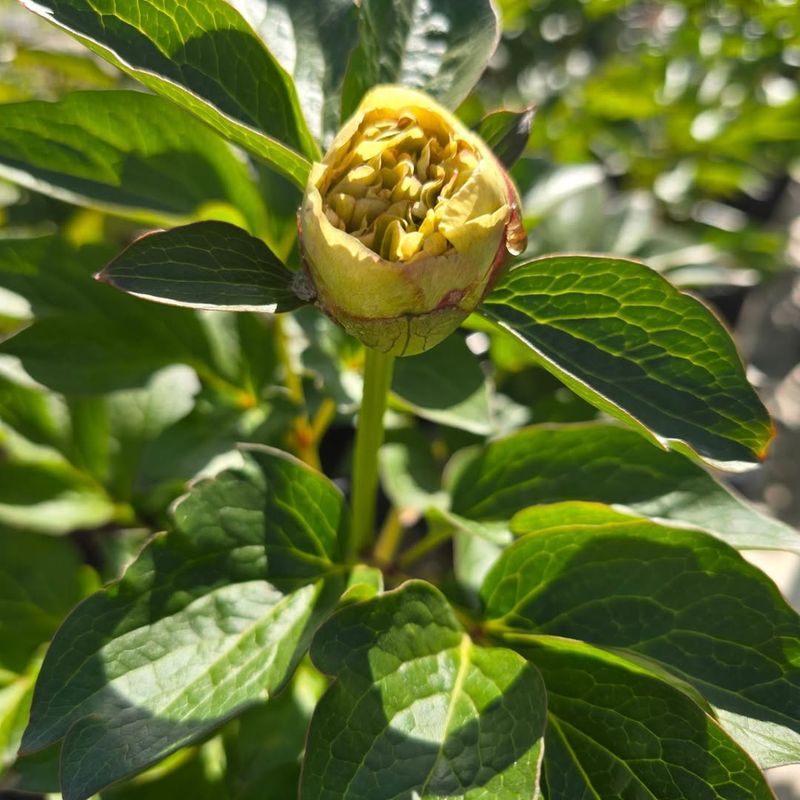
While peonies absolutely need plenty of sunlight to bloom well, too much of a good thing can cause real problems in certain parts of Ohio.
Southern and central regions of the state experience hotter, more intense summer weather than northern areas.
Afternoon sun during June and July can be brutal, especially when combined with high humidity.
Leaf scorch appears as brown, crispy edges on peony foliage, starting with the tips and working inward.
Entire leaves may eventually turn brown and look burned, even though the plant receives adequate water.
This damage is purely from intense sunlight and heat stress, not from drought or disease.
Peonies suffering from sun scorch put less energy into storing nutrients for next year’s blooms.
Damaged leaves cannot photosynthesize efficiently, weakening the entire plant over time.
While the plant will likely survive, bloom quality and quantity may decline in following seasons.
Western-facing locations receive the most intense afternoon sun, particularly from 2 PM until sunset.
This is exactly when summer temperatures peak and sunlight is most damaging to sensitive plants.
Even heat-tolerant peony varieties can struggle when exposed to this combination of factors.
Morning sun provides all the light peonies need without the scorching intensity of afternoon rays.
Eastern exposures or spots that receive shade after 2 PM offer ideal conditions in warmer parts of Ohio.
If you only have western-facing space available, consider planting taller perennials nearby to cast light afternoon shade.
This protection allows peonies to receive enough sun for blooming while avoiding the worst heat stress.
7. Low-Lying Frost Pocket Areas

Spring arrives unevenly across Ohio backyards, and some spots remain colder longer than others due to landscape features and elevation changes.
Low-lying areas act as frost pockets where cold air settles and lingers on chilly nights.
Peonies emerge early from winter dormancy, making them vulnerable to late spring freezes that can ruin the entire bloom season.
Cold air behaves like water, flowing downhill and pooling in the lowest spots available.
Even a gentle slope in your backyard can create temperature differences of several degrees between high and low points.
On clear, calm nights in April and May, frost may form in low areas while higher ground remains frost-free.
Peony shoots push through the soil as soon as temperatures warm slightly in early spring.
These tender new stems and developing buds contain lots of water that freezes easily when temperatures drop below 32 degrees.
Once frozen, the cellular damage is permanent, causing buds to turn black and stems to collapse.
The frustrating part about frost damage is that the plant itself usually survives just fine.
Foliage continues growing throughout the season, looking perfectly healthy and normal.
But those damaged buds will never open, leaving you with a bloomless plant despite all your careful planning.
Identifying frost pockets before planting saves years of disappointment with peonies.
Observe your backyard on cool spring mornings to see where frost lingers longest.
Choose higher ground or mid-slope locations for peonies, avoiding valleys and depressions.
This simple site selection strategy protects your investment and ensures spectacular blooms every single spring.