Holiday Poinsettia Mistakes Colorado Homeowners Often Make Without Knowing

Poinsettias brighten Colorado homes during the holidays, but their delicate nature can lead to problems if they aren’t cared for properly.
Cold drafts, dry indoor air, too little light, or too much water can quickly turn a healthy plant into a wilting one.
Colorado’s winter climate—with freezing outdoor temperatures and heated indoor spaces—creates unique challenges that many homeowners don’t realize.
Small mistakes, like placing a poinsettia near a door or forgetting to remove decorative foil, can lead to leaf drop or root issues.
Learning the most common pitfalls makes it easy to keep poinsettias vibrant throughout the season and beyond.
Letting Cold Air Hit The Plant During Transport
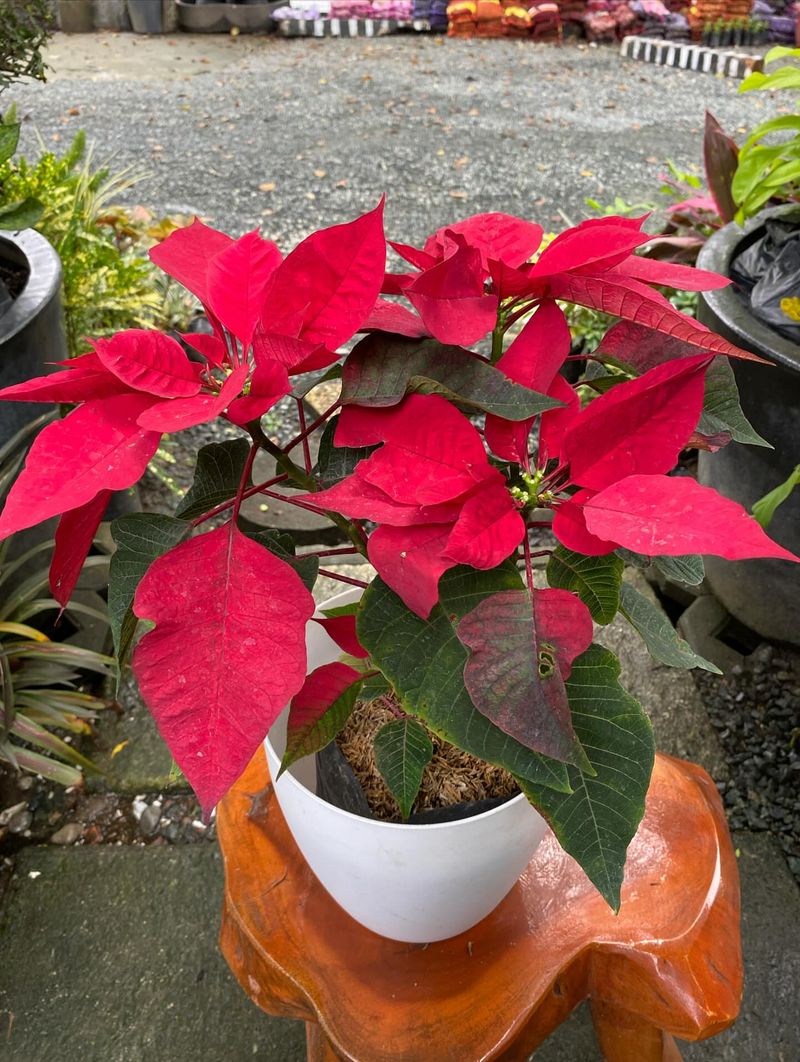
Colorado’s winter temperatures can plunge below freezing in seconds, and your poinsettia feels every bit of that chill.
Even a brief exposure to cold air while carrying the plant from your car to your front door can cause serious damage to the delicate leaves.
The tropical nature of poinsettias makes them extremely sensitive to temperature shock, and Colorado’s dry, frigid air is particularly harsh.
Leaves may not show damage immediately, but within a day or two, you might notice browning edges, wilting, or sudden leaf drop.
The cellular structure of poinsettia leaves can actually rupture when exposed to freezing temperatures, leading to permanent damage.
This is why you often see poinsettias declining shortly after purchase, even when care seems perfect indoors.
Always wrap your poinsettia completely in a protective sleeve or several layers of paper before leaving the store.
Keep your car warm before placing the plant inside, and minimize the time spent moving between heated spaces and the cold outdoors.
Consider shopping for poinsettias on milder days when temperatures are above freezing.
Some garden centers offer special insulated bags designed specifically for transporting sensitive plants in winter conditions.
Taking these extra precautions ensures your poinsettia arrives home in perfect condition, ready to brighten your holiday décor.
Placing Poinsettias Near Drafty Windows Or Doors
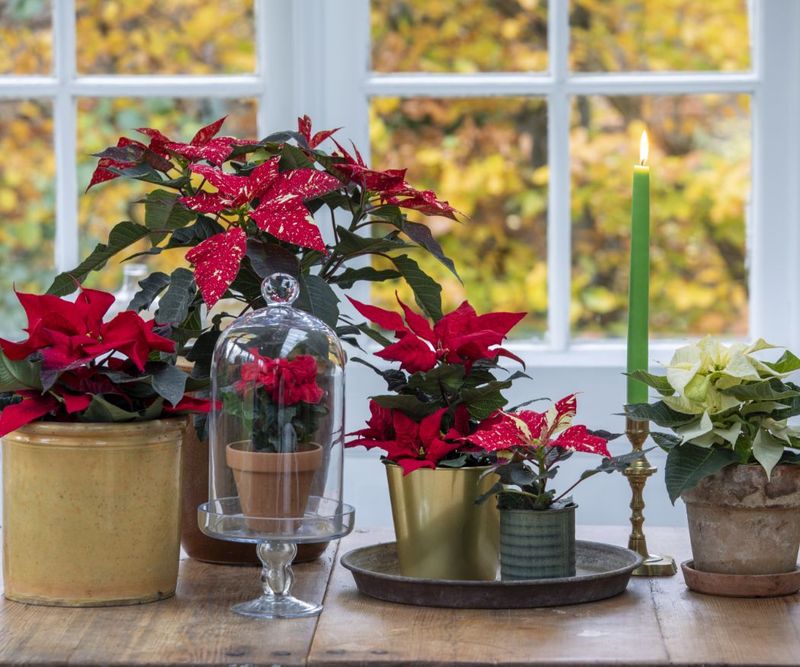
Windows might seem like the perfect spot for your poinsettia to soak up winter sunlight, but drafty panes tell a different story.
Cold air seeping through window frames creates temperature fluctuations that stress tropical plants like poinsettias.
Colorado homes often have single-pane windows or older frames that allow chilly drafts to sneak inside, especially during those bitter mountain nights.
Poinsettias react to these temperature swings by dropping leaves as a survival mechanism.
The plant essentially goes into shock, trying to conserve energy when it senses unstable conditions.
You might notice leaves yellowing first, then falling off within days of placement near a drafty spot.
Entry doors present similar problems, with cold blasts entering every time someone comes or goes.
The constant temperature changes confuse the plant’s internal systems, preventing it from maintaining healthy growth.
Check for drafts by holding your hand near window edges and door frames on a cold day.
Position your poinsettia in a stable environment away from exterior walls and high-traffic doorways.
Your Colorado Garden Changes Every Week. Your Plan Should Too.
Gardening in Colorado changes quickly throughout the season. Every Friday you’ll receive a simple weekly plan showing exactly what to plant, prune, fertilize, harvest, and protect so you never miss the right timing.
Interior rooms with consistent temperatures work best, particularly spaces that stay between 65 and 70 degrees Fahrenheit.
If you want your poinsettia near a window for light, ensure the window is well-sealed and consider using thermal curtains at night to block cold air.
Overwatering In Low Winter Light
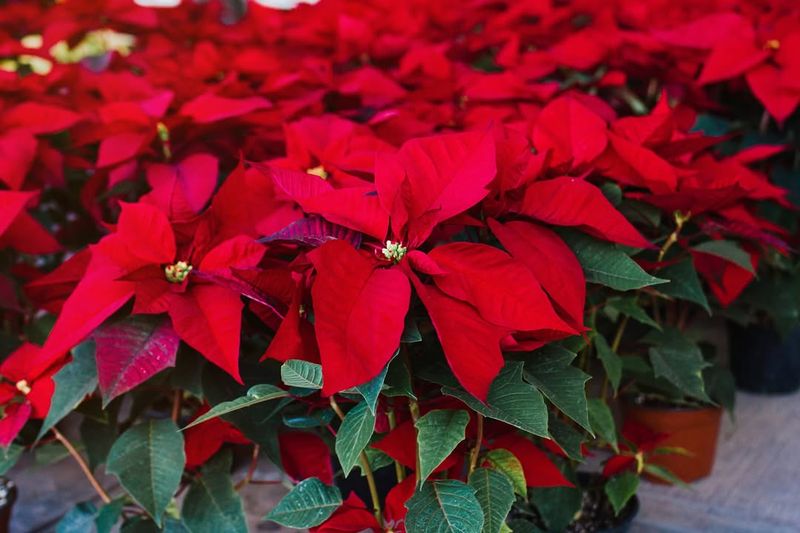
Winter in Colorado means shorter days and less intense sunlight, which dramatically changes how plants use water.
Poinsettias naturally slow their growth and water consumption when light levels drop, but many homeowners continue their regular watering schedule.
Soggy soil becomes a breeding ground for root rot, one of the fastest ways to lose an otherwise healthy poinsettia.
The key is checking soil moisture before reaching for the watering can.
Stick your finger about an inch deep into the soil—if it feels damp or cool, wait another day or two.
Poinsettias prefer their soil to dry out slightly between waterings, especially during Colorado’s dark winter months.
Root rot develops silently beneath the soil surface, often going unnoticed until leaves start wilting despite wet soil.
By that point, the damage may be irreversible, with roots turning mushy and brown.
Always empty drainage saucers after watering to prevent roots from sitting in standing water.
Colorado’s low humidity might trick you into thinking your plant needs more water, but dry air affects leaves, not roots.
Misting leaves lightly can help with humidity without saturating the soil.
Adjust your watering frequency based on your home’s specific conditions—heated rooms may require slightly more water, while cooler spaces need less.
Watch your plant’s behavior rather than following a rigid schedule.
Keeping The Plant Too Close To Heat Vents
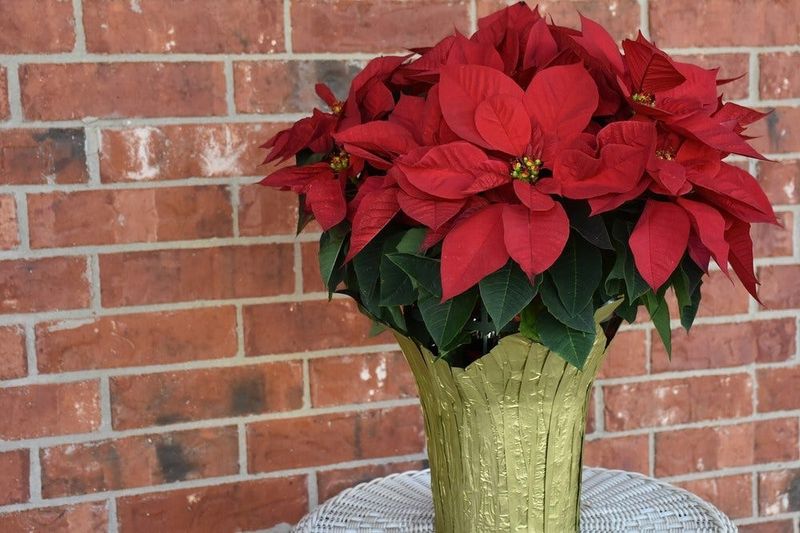
Colorado homes rely heavily on forced-air heating systems to battle those freezing mountain winters, and heat vents blast warm, dry air constantly.
Placing your poinsettia near a heat vent might seem logical for keeping it warm, but this creates a desert-like microclimate.
The direct stream of hot air dries out leaves faster than the plant can replace moisture, leading to crispy, curled foliage.
Poinsettias prefer consistent, moderate warmth rather than fluctuating blasts of heat.
Heat vents create extreme temperature variations—scorching hot when the furnace runs, then cooling quickly when it cycles off.
These rapid changes stress the plant’s systems, causing leaves to yellow, curl, or drop prematurely.
Dry air from heating systems also reduces humidity to levels far below what tropical poinsettias prefer.
You might notice leaf edges turning brown and brittle, a telltale sign of insufficient moisture in the air.
The combination of direct heat and low humidity accelerates water loss through leaves, creating stress even with adequate soil moisture.
Keep your poinsettia at least three feet away from any heating vent, radiator, or baseboard heater.
Choose locations with stable temperatures and indirect warmth from your home’s overall heating.
Consider using a small humidifier nearby or grouping plants together to create a more humid microenvironment.
These adjustments help your poinsettia thrive despite Colorado’s challenging indoor winter conditions.
Leaving The Foil Wrap On The Pot
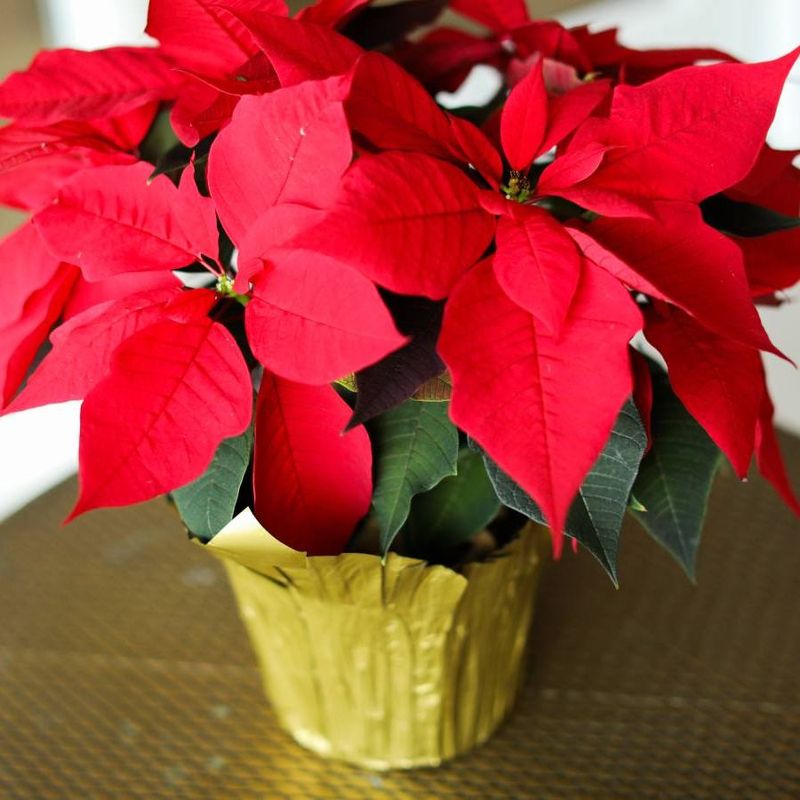
Those shiny foil sleeves make poinsettias look festive and gift-ready, but they’re meant as temporary decorative covers, not permanent fixtures.
Many Colorado homeowners leave the foil on for weeks, not realizing it traps water around the pot’s base.
Water collects in the foil sleeve after each watering, creating a hidden reservoir that keeps soil perpetually wet and roots suffocated.
Poinsettia roots need oxygen to function properly, and waterlogged conditions cut off their air supply.
The foil prevents proper drainage, turning your pot into a mini swamp where harmful fungi and bacteria thrive.
Within days, roots begin deteriorating, though you won’t see evidence until the plant starts declining above soil level.
Remove the decorative foil immediately after bringing your poinsettia home, or at minimum, poke several drainage holes in the bottom.
If you want the festive look, use the foil as a temporary display during parties, then remove it afterward.
Better yet, place your poinsettia in a proper decorative cachepot with space at the bottom for drainage.
Always water your poinsettia in the sink or bathtub, allowing excess water to drain completely before returning it to its display location.
Never let the pot sit in standing water, whether in foil, a saucer, or a decorative container.
Colorado’s dry climate might make root rot seem unlikely, but trapped moisture creates its own humid environment regardless of surrounding air.
Proper drainage is essential for long-term poinsettia health.
Using Too Little Light In Colorado’s Short Winter Days
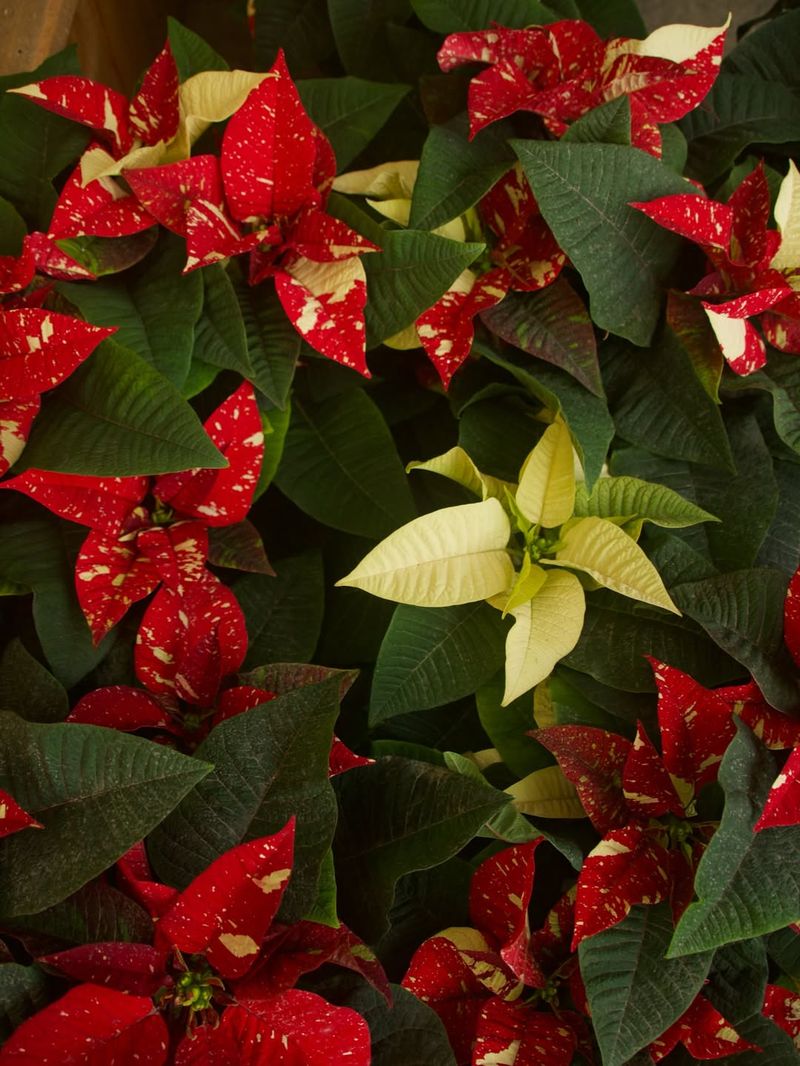
December in Colorado brings some of the shortest days of the year, with limited sunlight streaming through windows.
Poinsettias need bright, indirect light to maintain their vibrant red, pink, or white bracts throughout the holiday season.
Placing them in dim corners or far from windows causes colors to fade and overall plant health to decline rapidly.
Those colorful bracts aren’t actually flowers—they’re modified leaves that rely on adequate light to maintain their pigmentation.
Without sufficient brightness, bracts gradually lose their intensity, turning pale or even greenish.
The true flowers, those tiny yellow clusters in the center, also fail to develop properly in low-light conditions.
Colorado’s intense sun at high altitude can be deceiving—winter sun sits low on the horizon and penetrates less deeply into rooms.
A spot that seems bright in summer might be surprisingly dim during December and January.
South-facing windows provide the best winter light, while north-facing windows often leave plants struggling.
Position your poinsettia within three to five feet of a bright window where it receives several hours of indirect sunlight daily.
Avoid direct sun rays, which can scorch leaves, but ensure plenty of ambient brightness surrounds the plant.
If your home lacks adequate natural light, consider supplementing with a grow light for a few hours each day.
Rotating your poinsettia occasionally ensures all sides receive equal light exposure, promoting balanced, attractive growth throughout the season.
Forgetting That Poinsettias Hate Being Moved Around
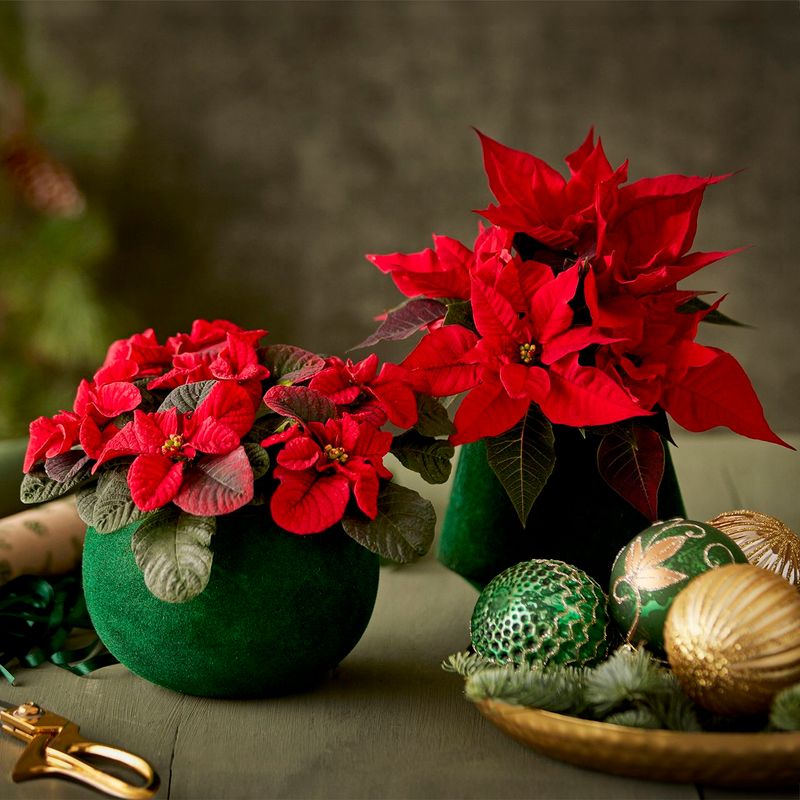
Poinsettias are surprisingly sensitive to changes in their environment, much more so than many common houseplants.
Colorado homeowners often move their poinsettias from room to room, seeking the perfect display spot or clearing space for holiday gatherings.
Each relocation exposes the plant to different light levels, temperatures, and humidity conditions, triggering stress responses.
Plants adapt to their specific environment by adjusting their leaf orientation, water usage, and metabolic processes.
When you move a poinsettia, it must readjust all these systems to the new conditions.
Frequent moves prevent the plant from settling in and establishing stable growth patterns.
Leaf drop is the most common sign of relocation stress, with perfectly healthy-looking leaves suddenly falling off after a move.
This happens because the plant diverts energy away from maintaining foliage to focus on adapting to new conditions.
Even moving a poinsettia from one side of a room to another can cause minor stress if light or temperature differs significantly.
Choose a suitable location for your poinsettia when you first bring it home, then leave it there throughout the season.
Resist the urge to shuffle it around for aesthetic reasons or to show it off in different rooms.
If you absolutely must move it temporarily for an event, return it to its original spot as quickly as possible.
Stability is key to keeping your poinsettia healthy and attractive through the holidays and beyond.
Allowing Night Temperatures To Drop Too Low Indoors
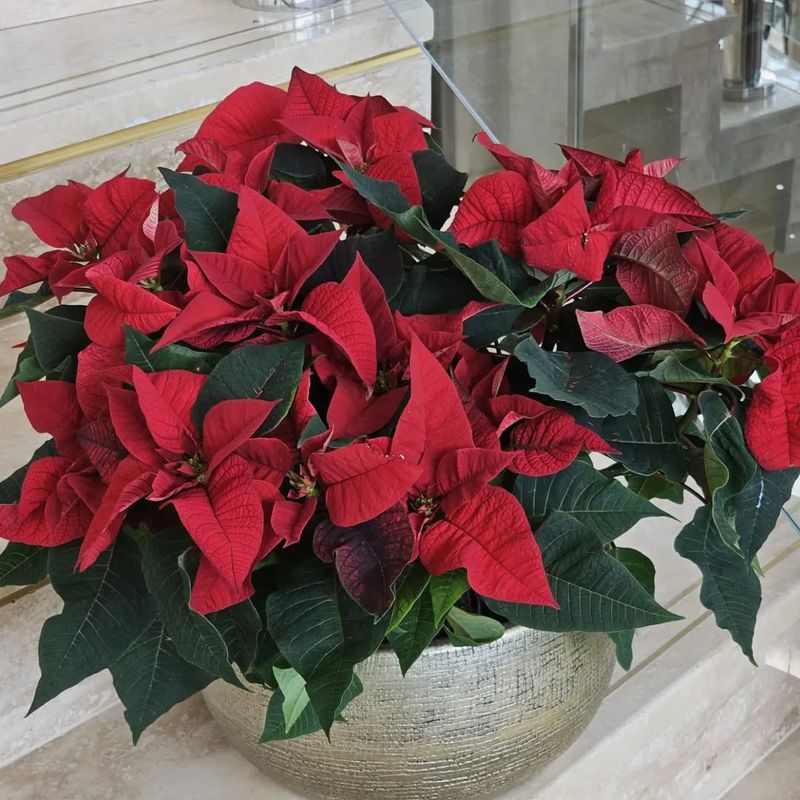
Many Colorado households turn down their thermostats at night to save energy, which makes perfect sense for most situations.
However, poinsettias are tropical plants that struggle when temperatures drop below 60 degrees Fahrenheit, even indoors.
Nighttime cooling that feels comfortable to humans can be surprisingly stressful for these heat-loving holiday plants.
Cool temperatures slow the plant’s metabolic processes and can cause leaves to yellow, curl, or develop spots.
Buds may fail to open or drop off entirely when exposed to prolonged cool conditions.
The damage accumulates over time, so a few chilly nights might not show immediate effects, but weeks of cool temperatures will definitely take their toll.
Colorado’s high altitude means temperatures drop quickly after sunset, and homes can cool dramatically overnight, especially in mountain communities.
Rooms that feel warm during the day may become surprisingly chilly by morning, particularly those on exterior walls or above unheated basements.
Check nighttime temperatures where your poinsettia lives using a simple thermometer to ensure conditions stay suitable.
Maintain indoor temperatures between 65 and 70 degrees Fahrenheit throughout the day and night for optimal poinsettia health.
If you prefer cooler sleeping temperatures, keep your poinsettia in a room where the thermostat stays higher.
Move the plant away from windows at night, where temperatures drop lower than the rest of the room.
Consistent warmth helps your poinsettia maintain its beauty and vitality throughout the entire holiday season.
Placing Poinsettias Near Drying Fireplaces
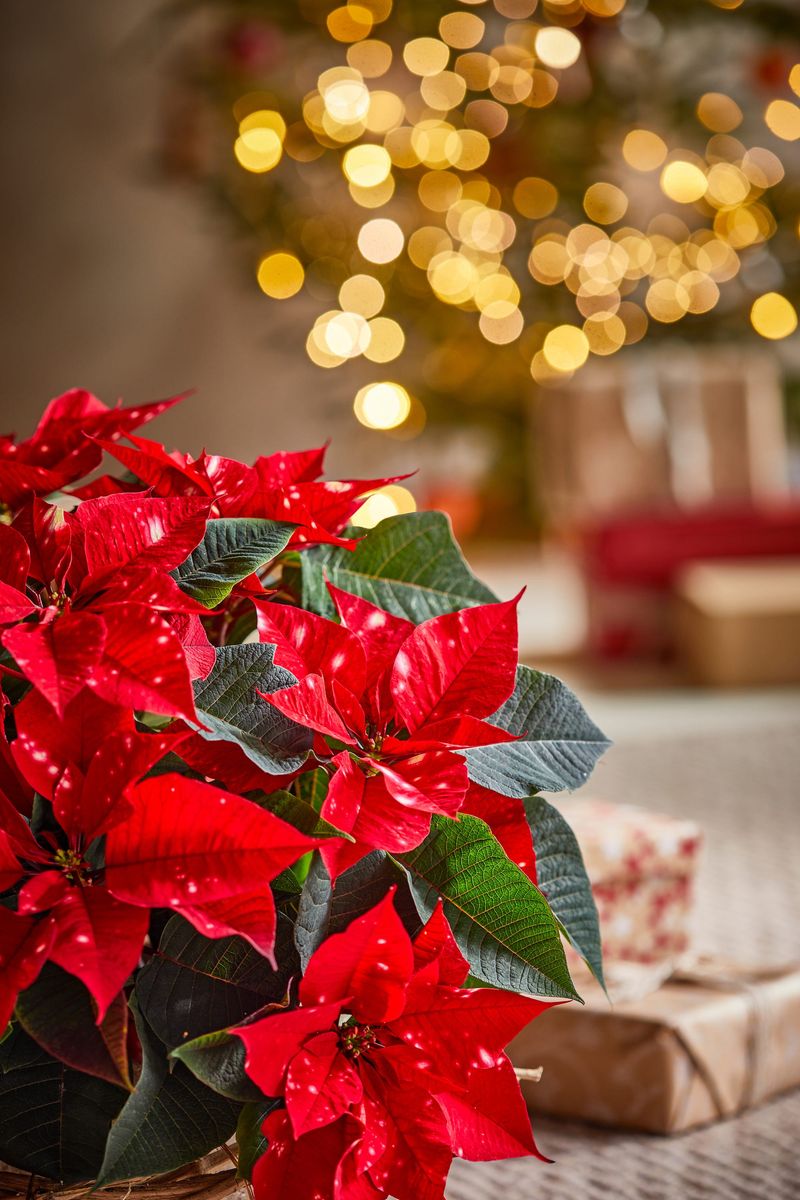
Colorado homes often feature beautiful fireplaces that create cozy holiday ambiance, making them tempting spots for festive plant displays.
Unfortunately, fireplaces are terrible neighbors for poinsettias, creating extremely dry conditions that rapidly dehydrate plant tissues.
The combination of direct heat and combustion-generated air currents sucks moisture from leaves faster than roots can replace it.
Active fireplaces reduce humidity levels in their immediate vicinity to desert-like conditions, sometimes below 10 percent relative humidity.
Poinsettias prefer humidity levels around 50 percent, so the contrast creates severe stress.
Leaves respond by curling inward to reduce surface area, then eventually turning crispy and brown at the edges.
Heat from fireplaces also creates strong convection currents that constantly bathe nearby plants in hot, dry air.
This moving air accelerates moisture loss through leaf pores, similar to how wind dries laundry faster than still air.
Even gas fireplaces, which burn cleaner than wood, create these problematic conditions for sensitive tropical plants.
Keep poinsettias at least six to eight feet away from any active fireplace, whether wood-burning or gas.
If you love the look of plants near your hearth, choose more tolerant species like succulents or cacti for those spots.
Save your poinsettias for locations with stable humidity and moderate temperatures, away from both fireplaces and other heat sources.
Your plant will reward this consideration with vibrant color and healthy foliage throughout the entire holiday season and potentially beyond.