Trees With Toxic Risks Iowa Homeowners Should Avoid
Certain trees may look harmless at first, but some Iowa yards hide toxic risks that catch homeowners off guard far too often.
I’ve seen how one wrong tree choice can turn a peaceful outdoor space into a constant worry for pets, kids, and even nearby plants.
Knowing which trees to avoid makes it much easier to create a yard that feels safe, calm, and worry-free year after year.
1. Black Walnut
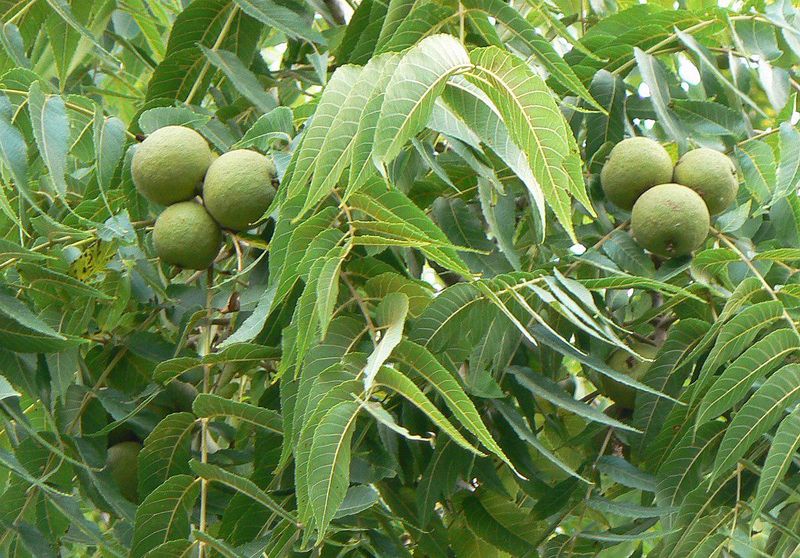
Black walnut trees are common across Iowa landscapes and are known for releasing a natural chemical called juglone that interferes with the healthy growth of many nearby plants.
Juglone enters the surrounding soil through the tree’s roots, fallen leaves, decaying branches, and nut husks, slowly building toxic zones that affect sensitive vegetation.
Vegetable crops such as tomatoes, peppers, potatoes, and eggplants are especially vulnerable to juglone exposure and may decline suddenly despite proper care.
Flower beds planted near black walnut trees often struggle year after year, confusing homeowners who maintain consistent watering, fertilizing, and soil preparation.
The toxic zone created by juglone can extend well beyond the tree’s canopy, affecting garden areas that appear safely distanced from the trunk.
Juglone remains active in the soil for years, meaning plant failures can continue even after a black walnut tree has been removed.
Horses exposed to black walnut shavings, branches, or debris may develop laminitis, a painful hoof condition that can severely limit movement.
Children who handle green walnut husks may experience skin irritation and deep staining that takes several days to fade completely.
Because of its long-lasting soil toxicity, aggressive root system, and impact on animals, black walnut is a difficult tree choice for Iowa residential properties.
2. Golden Rain Tree
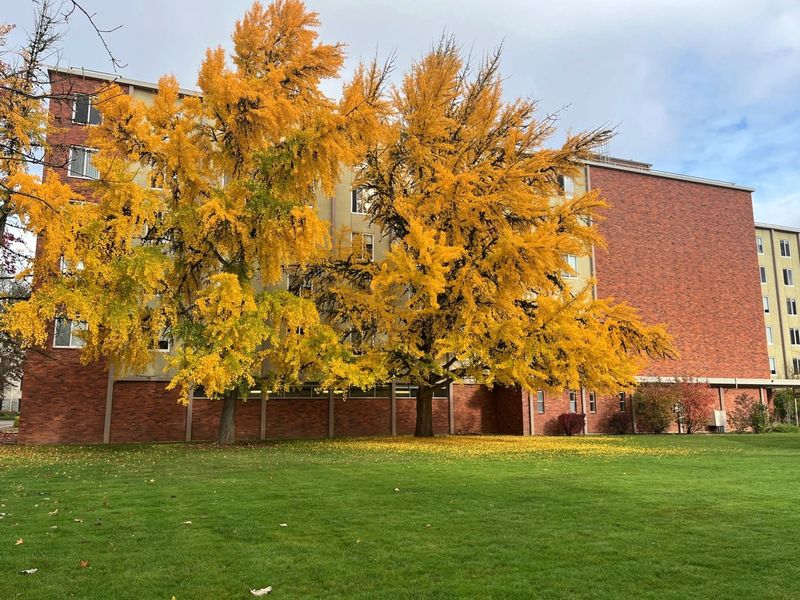
Golden rain trees are sometimes planted in Iowa for their bright summer flowers and lantern-like seed pods, but they come with several toxic and maintenance concerns homeowners often overlook.
The seeds, leaves, and young shoots contain compounds that can cause digestive upset, weakness, and irritation when ingested by people or animals.
Dogs are especially at risk because the papery seed pods fall in large numbers and are tempting to chew during playtime in the yard.
Children who collect the inflated pods may accidentally ingest seeds or transfer plant toxins to their mouth after handling them.
Ingestion symptoms can include vomiting, diarrhea, drooling, and lethargy, which may require veterinary attention in pets.
The tree self-seeds aggressively, allowing unwanted seedlings to spread quickly into lawns, garden beds, and neighboring properties.
Golden rain trees also develop brittle branches that break easily during Iowa storms, increasing the risk of falling limbs near homes and walkways.
Seasonal debris from flowers, pods, and seeds creates frequent cleanup demands throughout late summer and fall.
Because of its toxicity, invasive behavior, and storm damage risk, golden rain tree is a poor choice for Iowa residential landscapes.
3. Ohio Buckeye
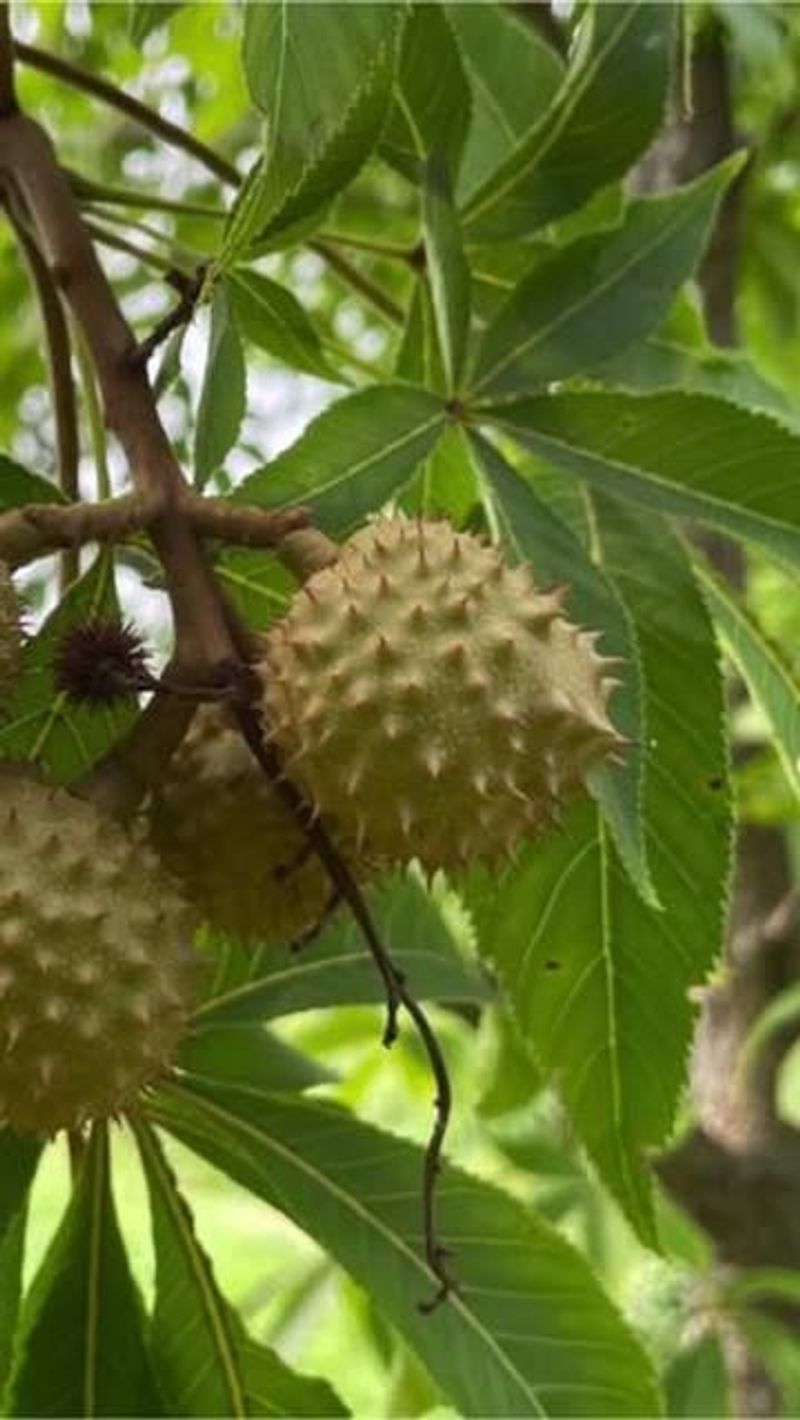
Ohio buckeye trees are sometimes planted in Iowa as ornamental or specimen trees, but their attractive appearance hides toxic properties that can cause serious health issues.
Your Iowa Garden Changes Every Week. Your Plan Should Too.
Gardening in Iowa changes quickly throughout the season. Every Friday you’ll receive a simple weekly plan showing exactly what to plant, prune, fertilize, harvest, and protect so you never miss the right timing.
The glossy brown seeds resemble edible chestnuts, which often leads children to collect them without realizing the seeds contain harmful glycosides.
Ingesting buckeye seeds can cause nausea, vomiting, diarrhea, confusion, and weakness in both people and animals.
Livestock grazing near buckeye trees may experience muscle tremors, coordination problems, or collapse after consuming leaves or fallen nuts.
The leaves and young shoots also contain toxic compounds, increasing risk during spring and summer when animals explore new growth.
Children handling buckeye seeds for crafts or play may be exposed to toxins if hands are not washed properly afterward.
Symptoms of buckeye poisoning can escalate quickly, requiring prompt medical or veterinary attention.
Iowa homeowners should avoid planting buckeye trees near play areas, pastures, or spaces where pets roam freely.
Because of their toxicity and limited suitability, Ohio buckeye trees are a questionable choice for family-focused Iowa landscapes.
4. Poison Sumac
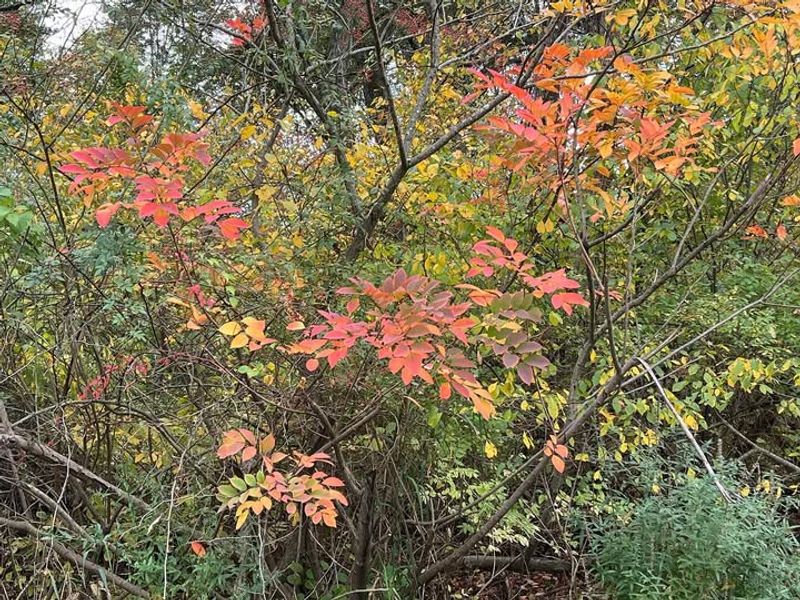
Poison sumac grows naturally in wet, low-lying areas of Iowa, especially near creeks, drainage ditches, and wooded floodplains where moisture remains consistent.
This tree contains urushiol oil, the same highly irritating substance found in poison ivy, which causes severe allergic skin reactions in most people who come into contact with it.
Touching the leaves, stems, or roots can trigger intense itching, swelling, and blistering rashes that often spread and worsen over several days.
Many Iowa homeowners accidentally encounter poison sumac while clearing brush or exploring damp areas of their property without realizing what they are touching.
Skin reactions from poison sumac exposure are often more severe than poison ivy and can last for weeks without proper treatment.
Burning poison sumac is especially dangerous because urushiol particles can become airborne in smoke and cause serious respiratory irritation when inhaled.
Children and pets wandering through wet wooded areas may brush against poison sumac unknowingly, leading to painful reactions later.
Identifying poison sumac can be difficult, as it blends easily with surrounding vegetation and lacks the jagged leaf edges people expect.
Because of its extreme skin toxicity and hidden growth habits, poison sumac poses a serious risk on Iowa properties with wetlands or unmanaged wooded areas.
5. Eastern Red Cedar
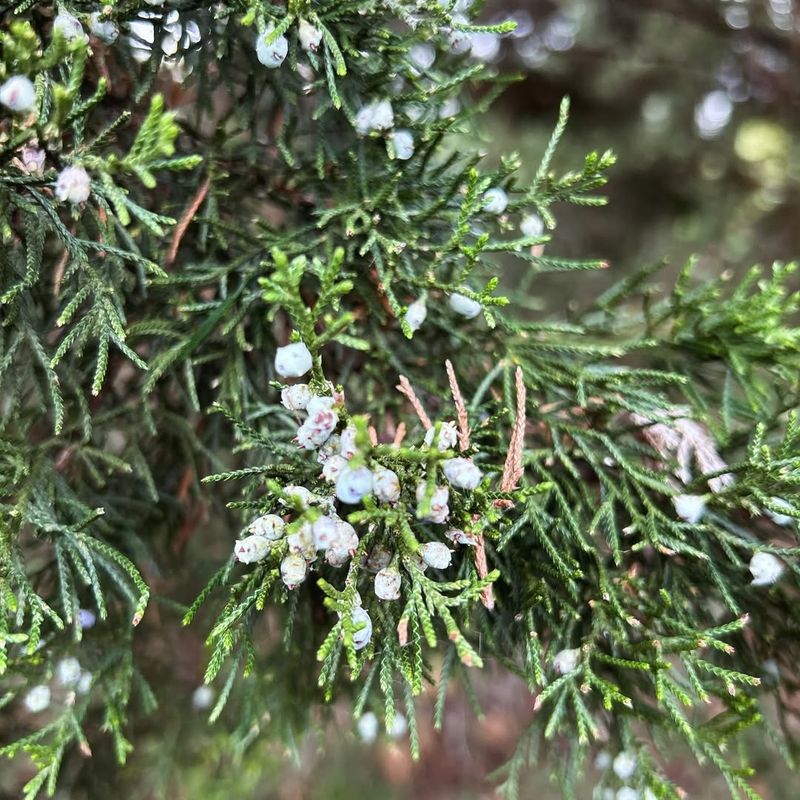
Eastern red cedar is extremely common across Iowa and is often planted for windbreaks, privacy screens, and naturalized borders, but it carries several health and safety concerns homeowners should consider.
Female eastern red cedar trees produce clusters of blue berries that can cause digestive upset, vomiting, or irritation when eaten by dogs or handled by young children.
The tree releases heavy amounts of pollen each year, which is a major trigger for seasonal allergies, asthma flare-ups, and sinus problems for many Iowa residents.
During peak pollen season, nearby homes may experience increased respiratory discomfort even when windows and doors remain closed.
Eastern red cedar spreads aggressively and can quickly take over fence lines, open fields, and neighboring properties if not managed carefully.
Its dense growth competes with nearby plants for water and nutrients, often leading to declining lawns and struggling garden areas.
The tree also provides a host environment for cedar-apple rust, a fungal disease that spreads to nearby apple and crabapple trees.
Pets resting beneath cedar trees may experience skin irritation from fallen needles or pollen buildup during dry, windy conditions.
Because of its allergy impact, invasive growth, and risks to pets and nearby plants, eastern red cedar can become a long-term problem in Iowa residential landscapes.
6. English Yew
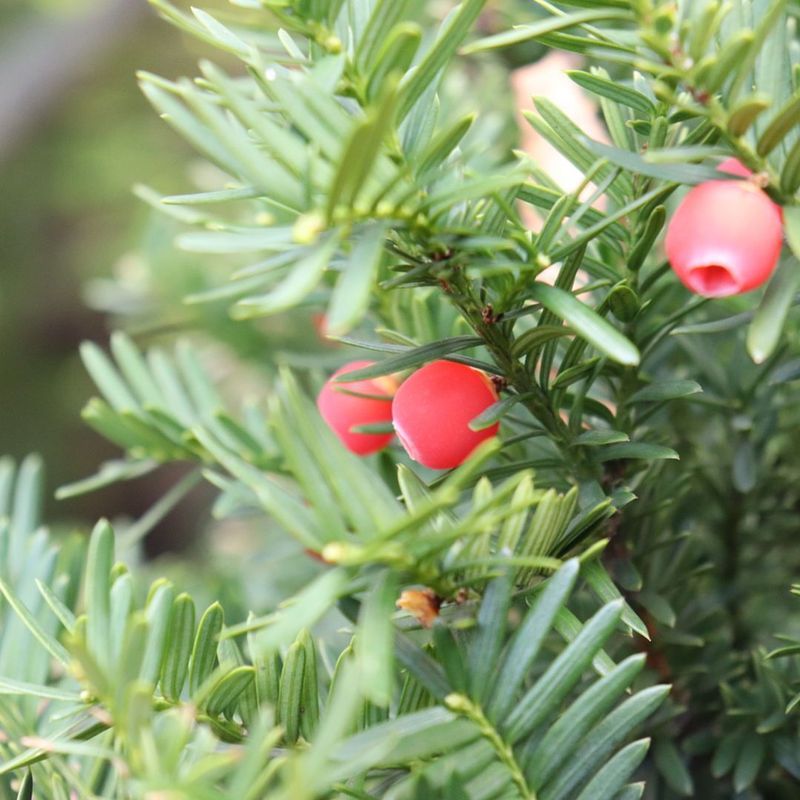
English yew hedges create formal, manicured appearances that many Iowa homeowners admire for their classic elegance and ability to define garden boundaries year-round.
Like other yew species, English yew contains taxine compounds throughout its foliage, bark, and seeds, making every part dangerous when ingested by people or animals.
The fleshy red arils surrounding the seeds attract birds safely, but mammals eating the seeds or leaves face cardiac and respiratory distress within hours.
Iowa gardeners pruning English yew should wear gloves and wash hands thoroughly afterward, as sap contact can irritate skin and mucous membranes during trimming tasks.
Clippings discarded near livestock pens or compost piles pose risks if animals access the toxic foliage, which remains dangerous even after drying out completely.
Families with toddlers exploring yards should avoid English yew entirely, as the bright berries and soft foliage invite touching and tasting by curious little ones.
Iowa homeowners seeking formal hedge options can choose boxwood, privet, or arborvitae varieties that offer similar structure without the serious health risks associated with yew species.
Removing existing English yew hedges eliminates ongoing concerns about accidental ingestion and creates safer outdoor environments for everyone enjoying your Iowa property throughout all seasons.
7. Horse Chestnut
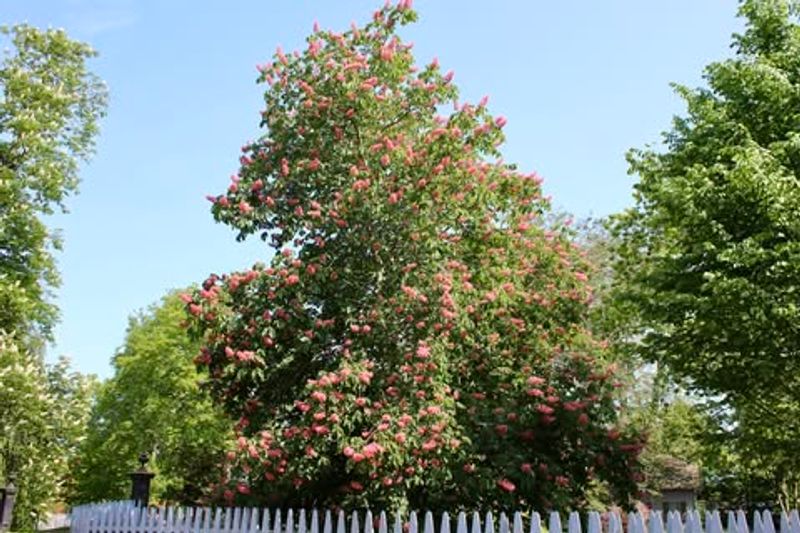
Horse chestnut trees are often planted in Iowa parks and large yards for their tall stature and showy spring flower spikes, but their attractive appearance hides several toxic risks.
The shiny brown seeds inside the spiky green husks contain aesculin and related compounds that can cause digestive upset and neurological symptoms when ingested.
Children frequently collect the glossy seeds for games or crafts, mistaking them for edible chestnuts without realizing they are toxic.
Dogs and other pets may chew or swallow fallen seeds during play, leading to vomiting, diarrhea, lethargy, or muscle twitching.
Livestock grazing near horse chestnut trees face similar dangers, especially during dry periods when other forage options are limited.
Leaves and young shoots also contain harmful compounds, increasing exposure risk throughout the growing season.
Symptoms of horse chestnut poisoning often appear within hours and may require veterinary or medical treatment to prevent complications.
The large number of seeds dropped each autumn increases the chance of accidental contact in family yards and shared outdoor spaces.
Because of its toxic seeds and repeated seasonal risks, horse chestnut is a poor choice for Iowa properties where children, pets, or animals are present.
8. Boxelder
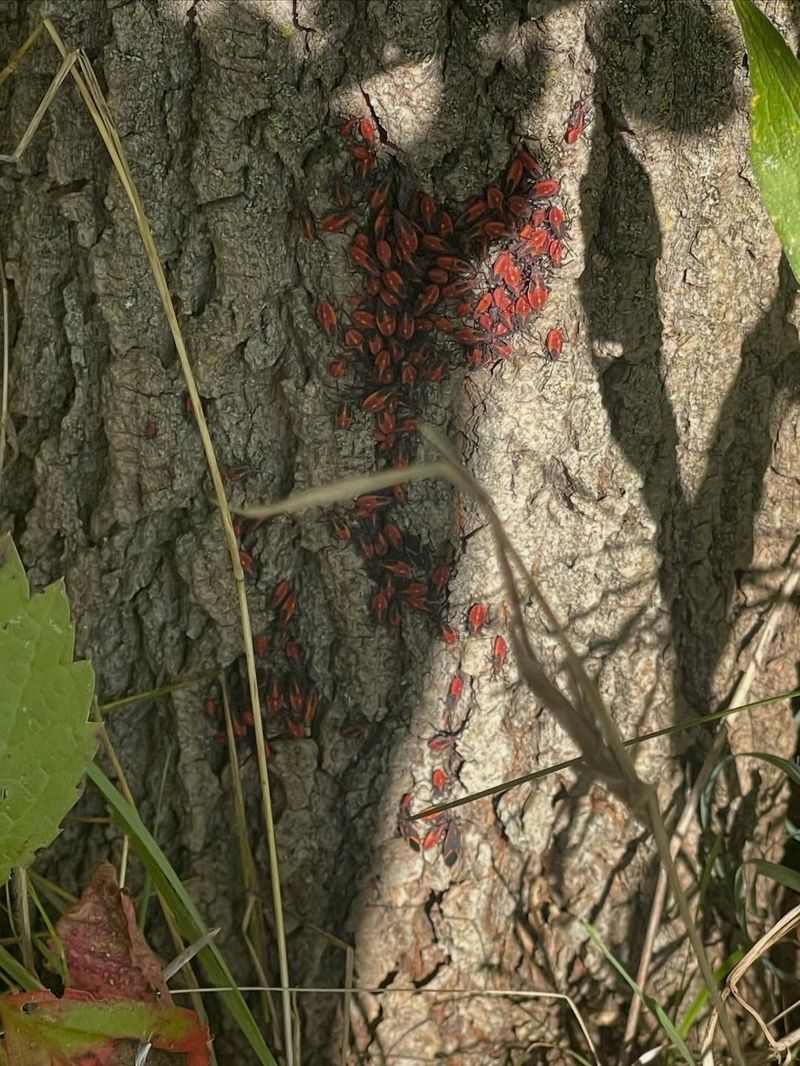
Boxelder trees are widespread across Iowa and often grow quickly along rivers, fence lines, and residential edges, but they pose serious health risks that many homeowners do not realize.
The seeds and young sprouts of boxelder contain toxins that can cause atypical myopathy in horses, a severe and often fatal muscle condition.
Horses exposed to fallen boxelder seeds in pastures may develop sudden weakness, muscle tremors, difficulty standing, and rapid collapse.
These risks increase sharply during spring and fall when seeds and seedlings are most abundant on the ground.
Boxelder trees also attract boxelder bugs, which invade homes in large numbers and create ongoing nuisance problems for residents.
The tree’s brittle wood breaks easily during storms, increasing the risk of falling branches near homes, vehicles, and play areas.
Shallow root systems can damage sidewalks, driveways, and nearby landscaping over time.
Children and pets playing beneath boxelder trees may come into contact with large amounts of fallen debris, seeds, and insects.
Because of its toxicity to animals, structural weaknesses, and pest issues, boxelder is a problematic tree for Iowa residential properties.
9. Black Locust
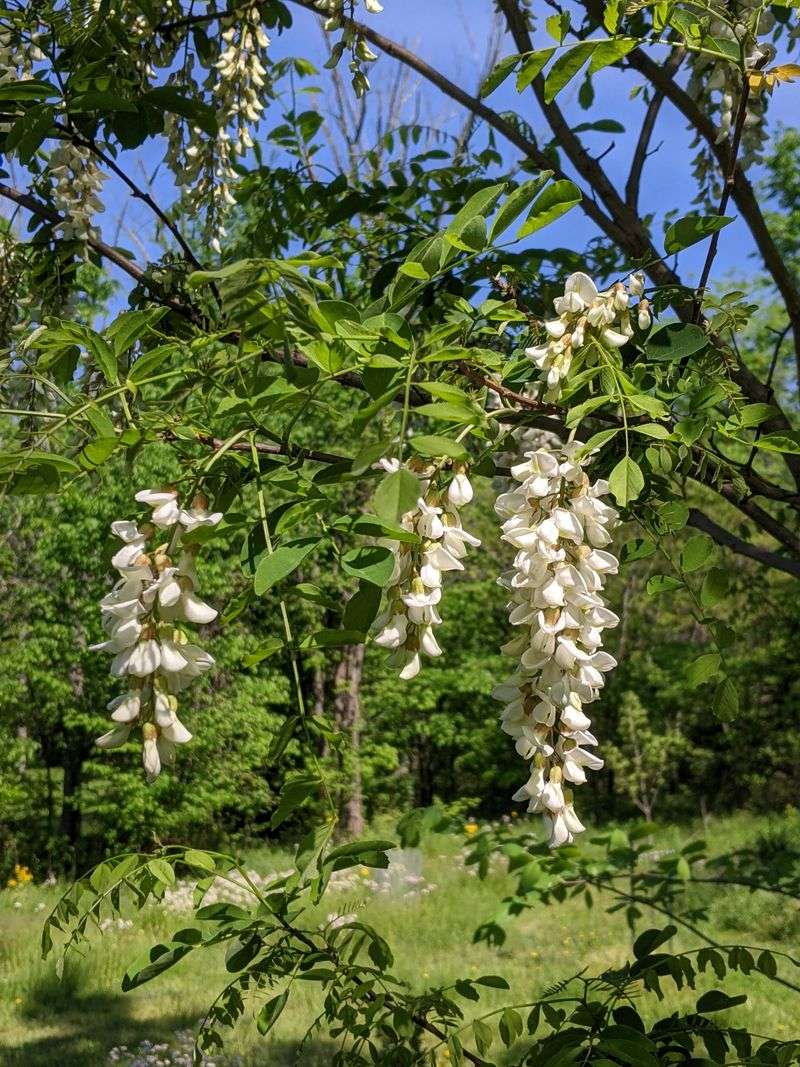
Black locust trees are commonly found across Iowa and are often planted for fast growth and hard wood, but they contain toxic compounds that can be dangerous to people and animals.
The bark, seeds, leaves, and young shoots contain toxalbumins that can cause nausea, weakness, and digestive distress if ingested.
Livestock such as horses and cattle are especially vulnerable when black locust branches or pods fall into pastures or are blown down during storms.
Animals that chew on the bark or consume the seed pods may develop colic symptoms, labored breathing, or abnormal behavior.
Children playing outdoors may handle the long seed pods without realizing the tree contains toxic parts that should not be touched or eaten.
Black locust trees also produce sharp thorns on younger growth, increasing the risk of puncture wounds during yard work or play.
The tree spreads aggressively through root suckers, allowing it to quickly overtake nearby areas and become difficult to control.
Fallen branches are common due to brittle wood, increasing exposure risks in yards and along walkways.
Because of its toxicity, thorns, and aggressive growth habits, black locust can become a serious safety concern in Iowa residential landscapes.