7 Methods That Help Pots And Planters Survive Frost In Colorado
Colorado gardeners swear by a few reliable tricks that keep pots and planters alive when frost sneaks in overnight.
I’ve learned that small changes, like where containers sit and how they’re protected, can make the difference between winter losses and spring success.
Once these methods become routine, frosty nights feel far less stressful and container plants stay surprisingly resilient.
1. Wrap Containers with Insulating Materials
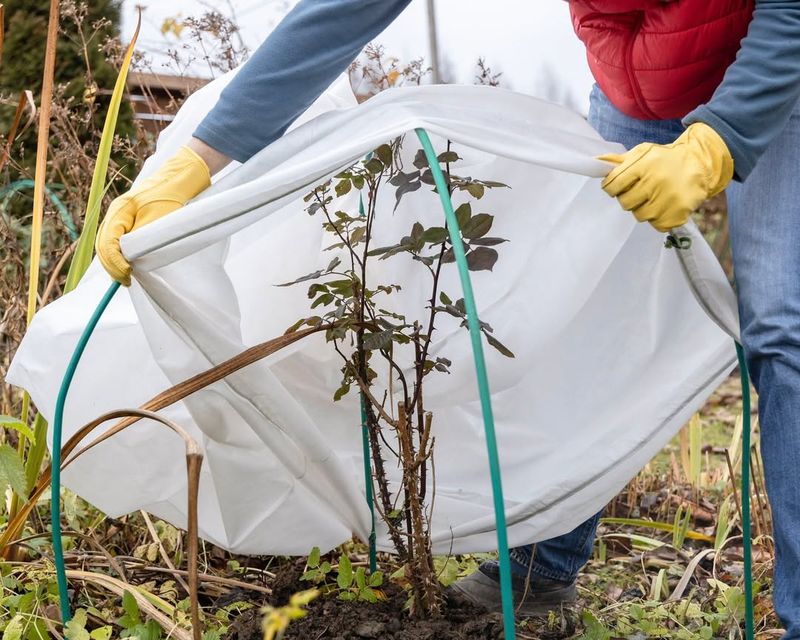
Burlap and bubble wrap become your best friends when Colorado temperatures start dropping below freezing each night during the long winter season.
These materials create a protective barrier around your containers that traps warmth and prevents the harsh cold from penetrating through to roots inside.
You can find both supplies at local hardware stores or garden centers throughout the state for very affordable prices that fit any budget.
Start by wrapping bubble wrap around the outside of each pot, securing it with twine or tape to hold everything firmly in place.
Then add a layer of burlap over the bubble wrap to give your planters a more attractive appearance while adding extra insulation layers.
This double-layer approach works especially well for ceramic and terracotta pots that crack easily when moisture inside them freezes and expands rapidly overnight.
Make sure to cover the sides completely but leave the drainage holes at the bottom open so excess water can still escape properly.
Colorado gardeners have used this simple wrapping technique for decades because it really does protect containers from damage caused by freeze-thaw cycles here.
You can remove the wrapping materials on warmer sunny days and put them back on when temperatures drop again at nightfall across the state.
2. Move Planters to Sheltered Locations
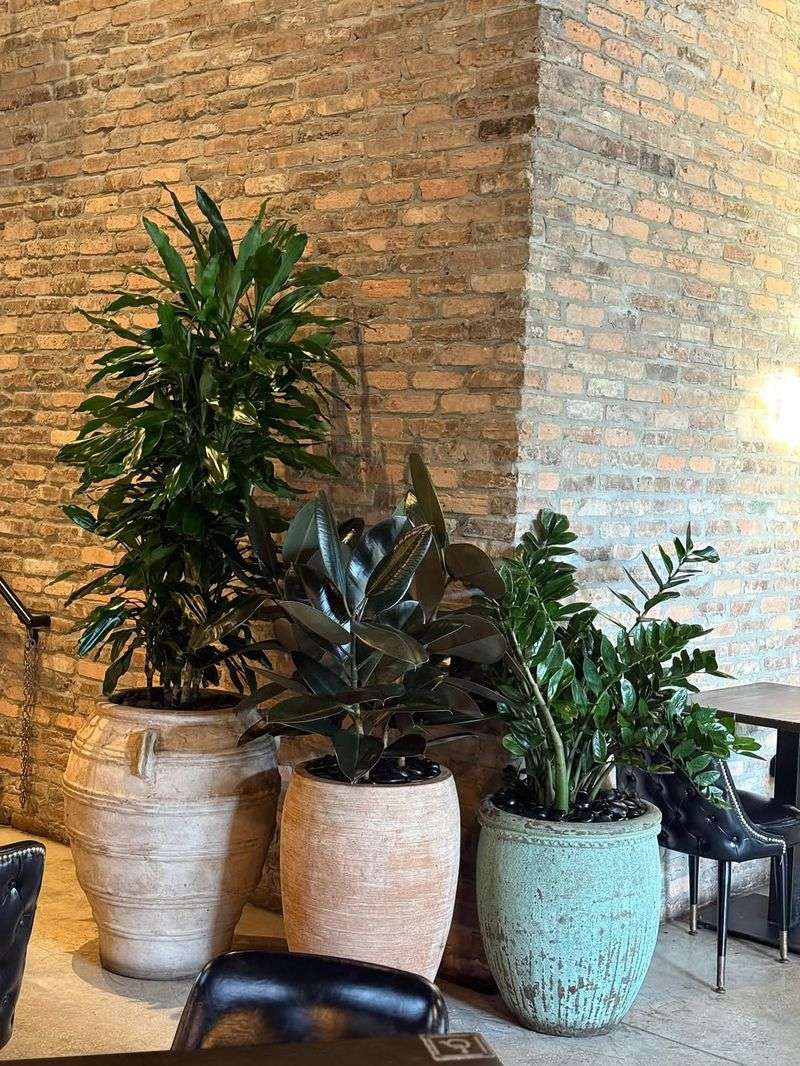
Relocating your pots closer to your house walls or under covered porches can make a tremendous difference in their survival rate during winter.
Buildings radiate stored heat even during cold Colorado nights, creating microclimates that stay several degrees warmer than open areas in your yard or garden.
South-facing walls receive the most sunlight during daytime hours, making them ideal spots for placing containers that need extra warmth and light throughout winter.
Garages and sheds also provide excellent shelter from biting winds and heavy snowfall that can topple or damage unprotected planters sitting out in the open.
Before moving heavy containers, consider using a dolly or plant caddy with wheels to avoid straining your back or dropping precious pots accidentally.
Group smaller planters together in one sheltered spot so they can share warmth and make it easier to cover them all at once if needed.
Even moving containers just a few feet closer to your home can reduce their exposure to the worst weather conditions Colorado winters regularly bring.
Remember to check on relocated planters periodically because sheltered spots sometimes create drier conditions that might require occasional watering even in cold months.
This strategy works wonderfully for gardeners across the state who want simple solutions without spending money on expensive equipment or complicated winterizing systems today.
3. Elevate Pots off the Ground
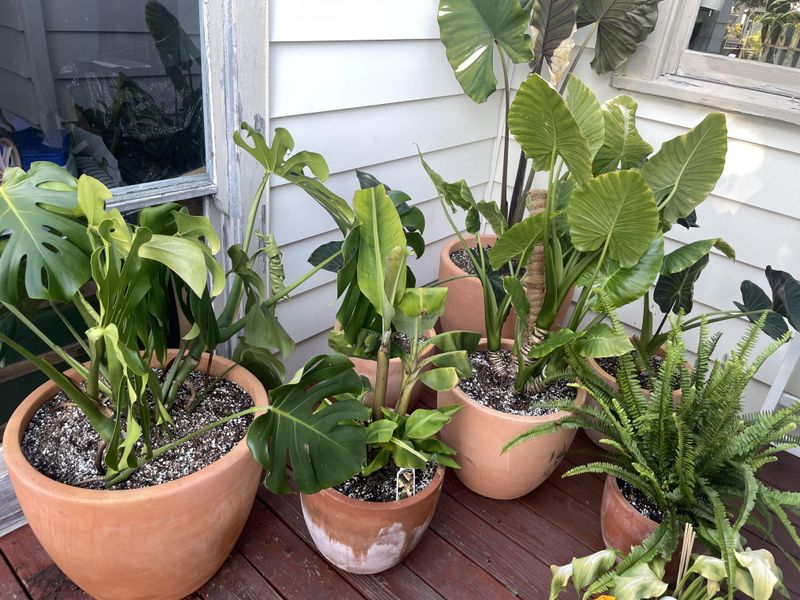
Lifting your containers off cold ground surfaces using pot feet or bricks creates crucial air circulation underneath that prevents moisture from freezing solid.
Your Colorado Garden Changes Every Week. Your Plan Should Too.
Gardening in Colorado changes quickly throughout the season. Every Friday you’ll receive a simple weekly plan showing exactly what to plant, prune, fertilize, harvest, and protect so you never miss the right timing.
When pots sit directly on frozen concrete or soil, the bottom stays colder longer and drainage holes can freeze shut completely in Colorado winters.
Pot feet come in many decorative styles made from terracotta, metal, or plastic and cost just a few dollars per set at most garden stores.
Simple bricks or pieces of wood also work perfectly well if you prefer a budget-friendly option that still gets the job done effectively here.
Elevation allows melting snow and rainwater to drain away freely instead of pooling underneath where it can refreeze and cause cracking or damage overnight.
This small adjustment also keeps the container bottoms slightly warmer because cold ground cannot conduct freezing temperatures directly into the pot material itself anymore.
Colorado gardeners appreciate this method because it requires minimal effort but provides maximum protection against one of the most common causes of winter container damage.
Space the elevating materials evenly under each pot to keep everything stable and prevent tipping over during strong winds that blow through the state.
Even raising planters just an inch or two makes a noticeable difference in how well they withstand repeated freezing and thawing cycles throughout the season.
4. Choose Frost-Resistant Container Materials

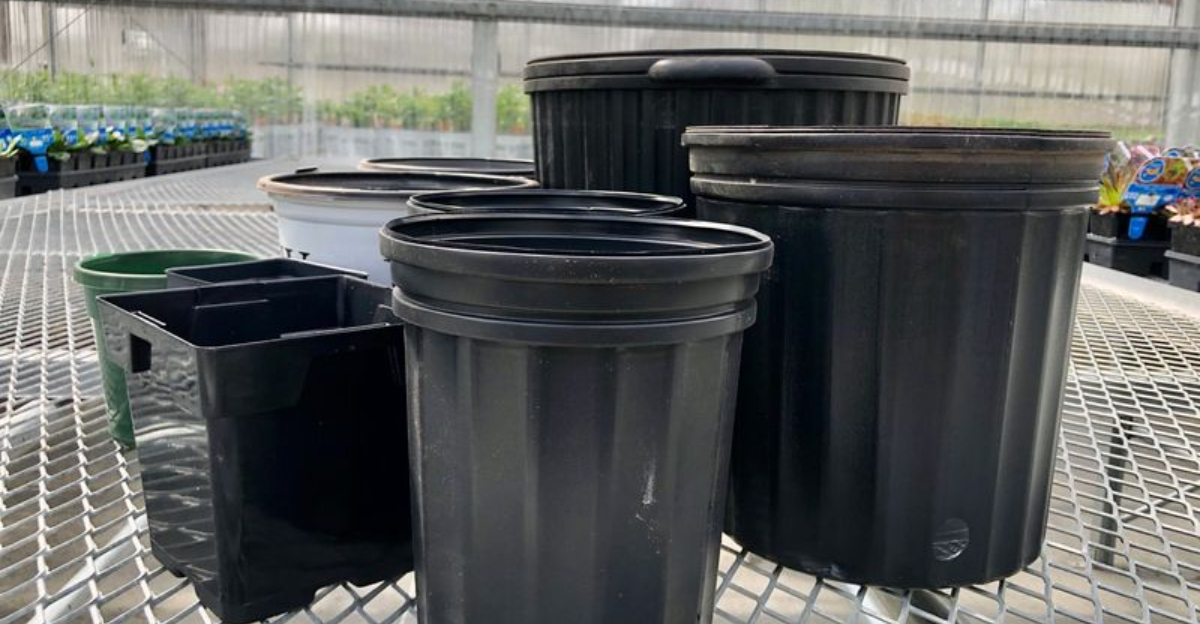
Selecting containers made from durable materials like fiberglass, thick resin, or treated wood saves you headaches and replacement costs every spring in Colorado gardens.
These materials flex slightly when moisture inside them freezes instead of cracking apart like ceramic or thin terracotta pots often do during harsh winters.
Fiberglass planters look remarkably similar to traditional ceramic but weigh much less and withstand temperature extremes far better throughout the year in the state.
Resin containers come in countless colors and styles, mimicking everything from stone to wood grain while remaining completely impervious to frost damage and weathering.
Wood planters need proper sealing with weatherproof stain or paint to prevent moisture absorption that leads to rotting and splitting during freeze-thaw cycles here.
Metal containers work well too but should have drainage holes and insulation because metal conducts cold very efficiently and can freeze roots faster than expected.
Investing in quality frost-resistant containers costs more initially but pays off over many seasons because you will not need to replace broken pots constantly.
Many Colorado nurseries now stock these weather-tough options specifically because local gardeners have learned through experience what survives winters and what does not work.
Switching to frost-resistant materials gives you peace of mind knowing your beautiful planters will look just as good next spring as they do today.
5. Empty and Store Vulnerable Containers Indoors
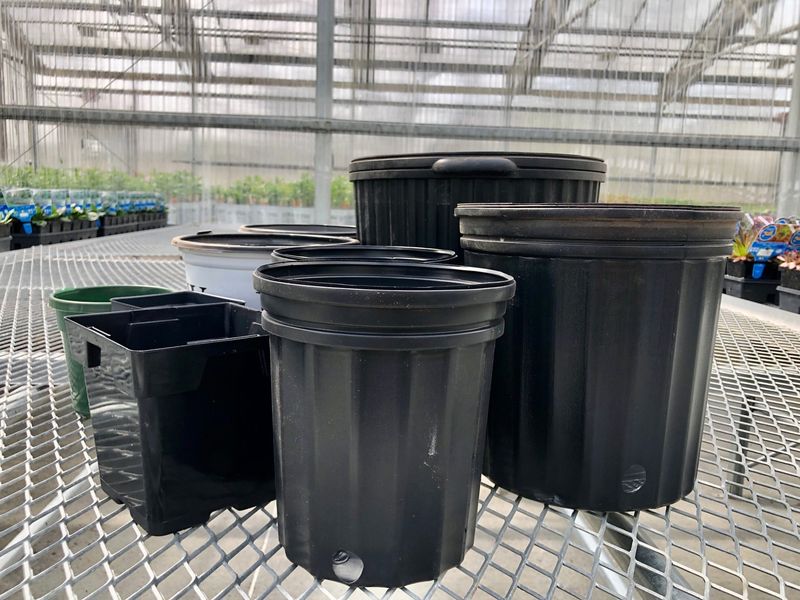
Sometimes the smartest approach involves removing soil completely and storing your most delicate containers inside a garage or basement until spring returns to Colorado.
Empty pots cannot crack from frozen soil expansion, which eliminates the primary cause of container damage during winter months across the entire state here.
Clean each pot thoroughly before storage to remove soil, debris, and any insects or diseases that might overwinter inside cracks or drainage holes unnoticed.
Store containers upside down or on their sides so water cannot accumulate inside them and freeze if your storage area experiences below-freezing temperatures occasionally.
This method works especially well for expensive decorative pots or sentimental containers you absolutely cannot risk losing to unpredictable Colorado weather patterns each year.
Basements usually stay warmer than garages, making them ideal for storing containers that might still crack even when empty if temperatures drop too low overnight.
Label stored pots if you have many so you remember which plants go in which containers when replanting time arrives in spring around the state.
Storing containers indoors also protects them from physical damage caused by heavy snow loads, falling ice, or strong winds that knock things over during winter storms.
Many experienced gardeners in Colorado use this strategy for their most valuable or fragile planters while leaving tougher containers outside with other protective measures applied.
6. Apply Mulch Layers to Insulate Soil
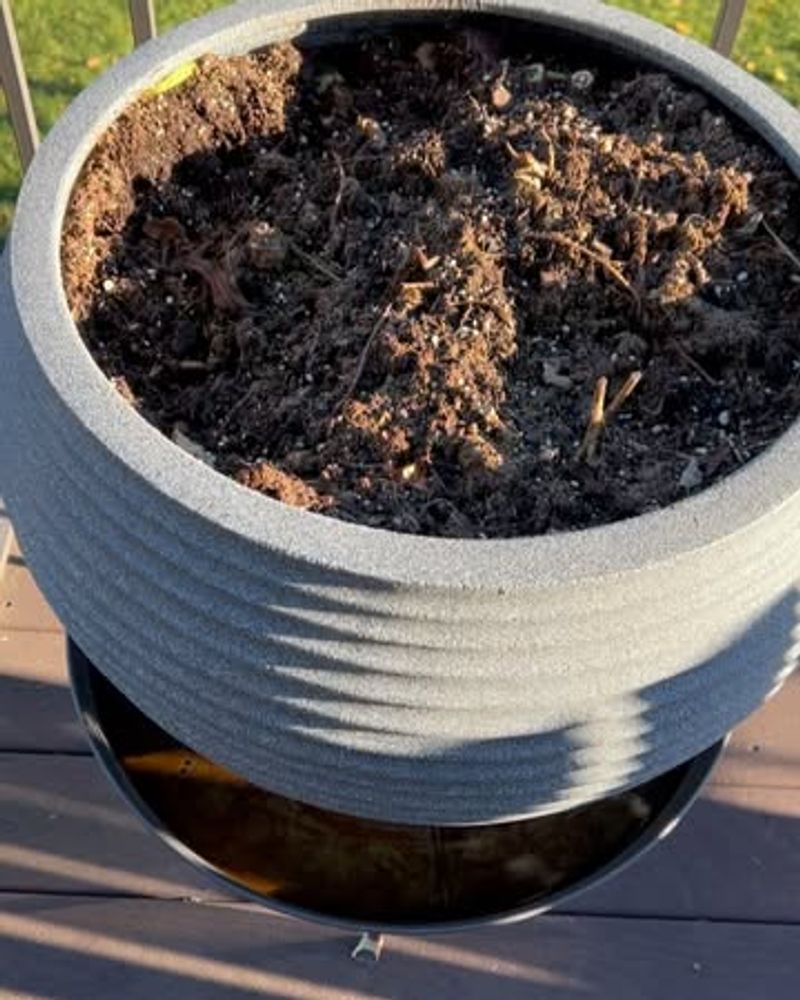
Adding a generous layer of organic mulch on top of the soil inside your planters creates insulation that moderates temperature swings dramatically during Colorado winters.
Shredded bark, straw, or pine needles work wonderfully as mulch materials that trap air pockets and slow down heat loss from soil to freezing air.
Apply mulch about two to three inches deep across the entire soil surface, keeping it slightly away from plant stems to prevent rot issues.
This protective blanket keeps roots warmer on cold nights and cooler during sunny winter days, reducing stress on plants surviving outdoors in the state.
Mulch also helps retain moisture in the soil, which matters because winter winds in Colorado can dry out containers surprisingly fast even in cold weather.
Organic materials break down slowly over time, adding nutrients back into the soil while continuing to provide insulation throughout the entire winter season here.
You can find bagged mulch at any garden center, or collect fallen leaves and pine needles from your own yard for a free option.
Evergreen boughs from holiday trees make excellent temporary mulch that looks attractive while protecting soil from temperature extremes across the state during December and January.
Remove or refresh mulch layers in spring when new growth begins so young shoots can emerge easily without pushing through thick coverings unnecessarily.
7. Water Wisely Before Freezing Temperatures Arrive
Proper watering before hard freezes hit makes a surprising difference in how well plants and containers survive harsh Colorado winters without suffering damage or stress.
Moist soil actually insulates roots better than completely dry soil because water holds heat more effectively than air spaces between dry soil particles do.
However, you must avoid overwatering because soggy soil expands more when it freezes, putting extra pressure on container walls that can cause cracking problems.
Check soil moisture by sticking your finger about two inches deep, and water only if it feels dry at that depth during winter months.
Water during the warmest part of the day, usually mid-morning, so excess moisture has time to drain away before temperatures plummet again at nightfall.
Colorado winters often bring dry conditions and strong winds that pull moisture from soil even when temperatures stay below freezing for extended periods of time.
Container plants need less frequent watering in winter than summer, but they still need occasional drinks especially if they sit in sheltered spots around the state.
Avoid watering right before a predicted hard freeze because wet soil freezes faster and colder than slightly moist soil that has had time to settle.
Learning this balance takes practice, but paying attention to weather forecasts and soil conditions helps you develop good watering instincts for winter container care here.