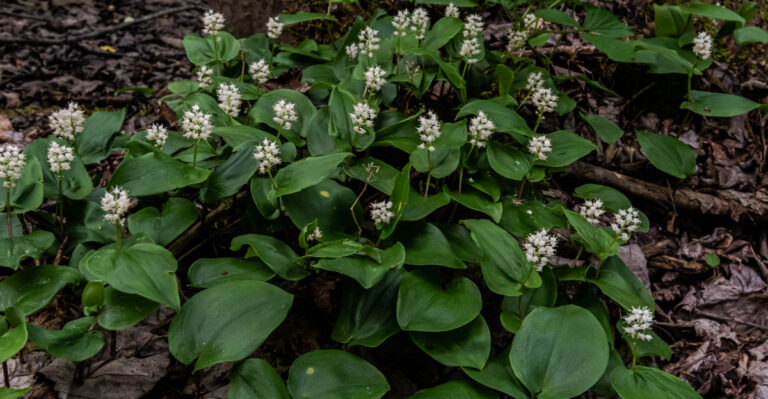
10 Foods Michigan Gardeners Are Warned Not To Put In Bird Feeders
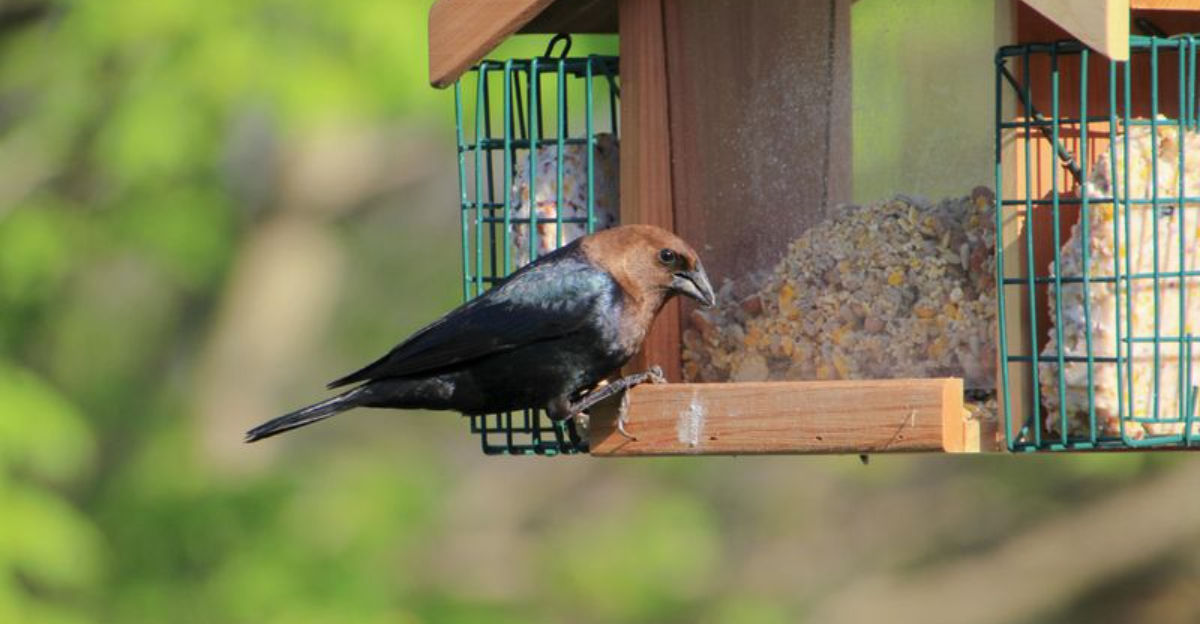
Feeding birds in your backyard can be a rewarding hobby that brings nature closer to your home and helps local wildlife thrive throughout Michigan’s seasons.
However, not all foods are safe for birds, and some items can actually cause serious health problems or attract unwanted pests to your property.
Understanding which foods to avoid in your bird feeders will help you create a safer environment for feathered visitors and protect your garden space.
This guide explores ten common foods that Michigan gardeners should never place in their bird feeders to keep birds healthy and happy year-round.
1. Bread And Baked Goods
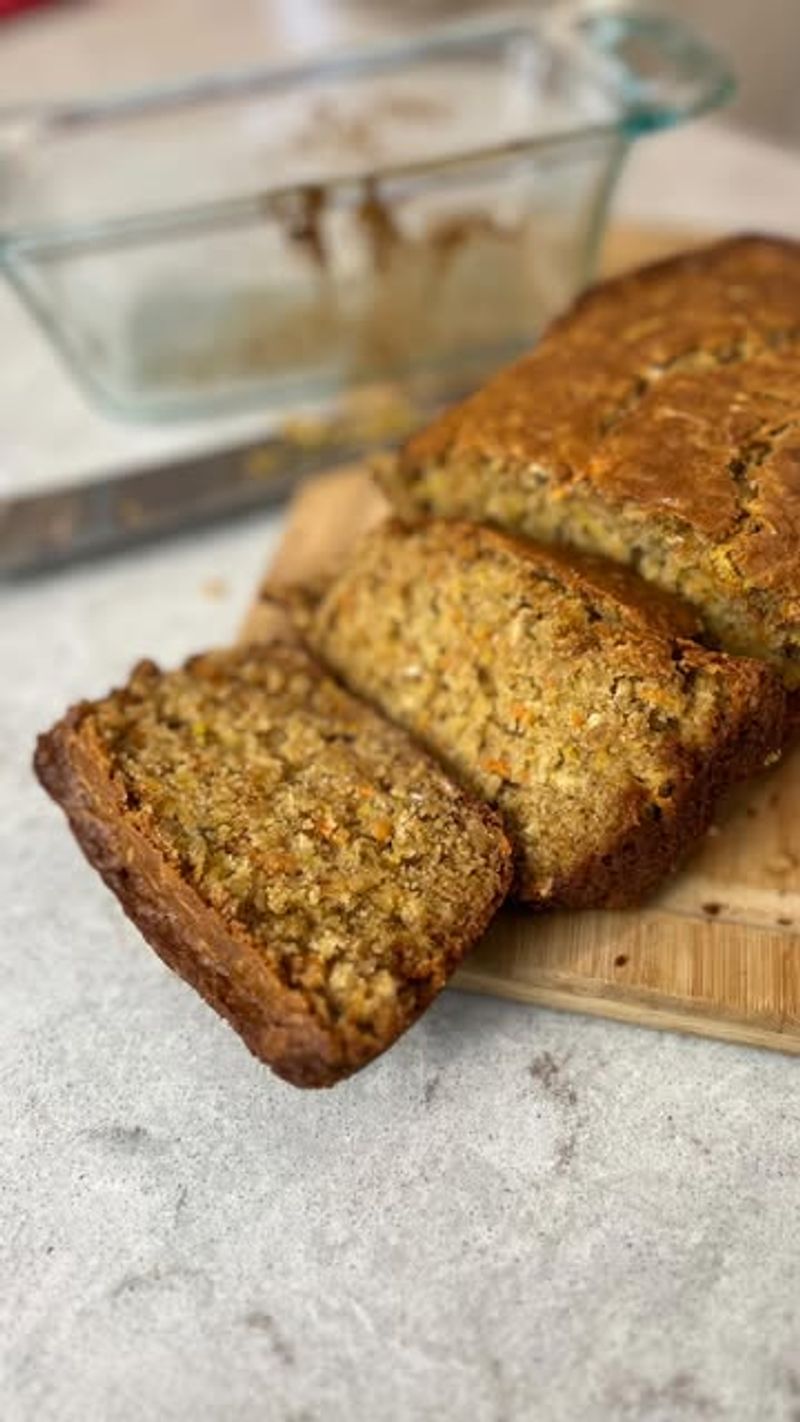
Bread might seem like an easy option for feeding birds, but it offers almost no nutritional value for our feathered friends visiting Michigan yards.
Most bread products contain high amounts of salt and preservatives that birds cannot process properly, leading to digestive issues and malnutrition over time.
When birds fill up on bread, they miss out on the proteins, fats, and nutrients they need to survive harsh Michigan winters.
Moldy bread poses an even greater danger because it can contain toxins that harm birds’ respiratory systems and cause severe illness in small species.
Ducks and geese at local ponds often suffer from a condition called angel wing, which develops from eating too much bread and carbohydrates.
Instead of bread, offer birds nutritious alternatives like black oil sunflower seeds, nyjer seeds, or suet cakes designed specifically for wild bird consumption.
Your backyard visitors will thrive when you provide foods that match their natural diet and support their energy needs throughout changing seasons.
2. Salty Snacks And Chips
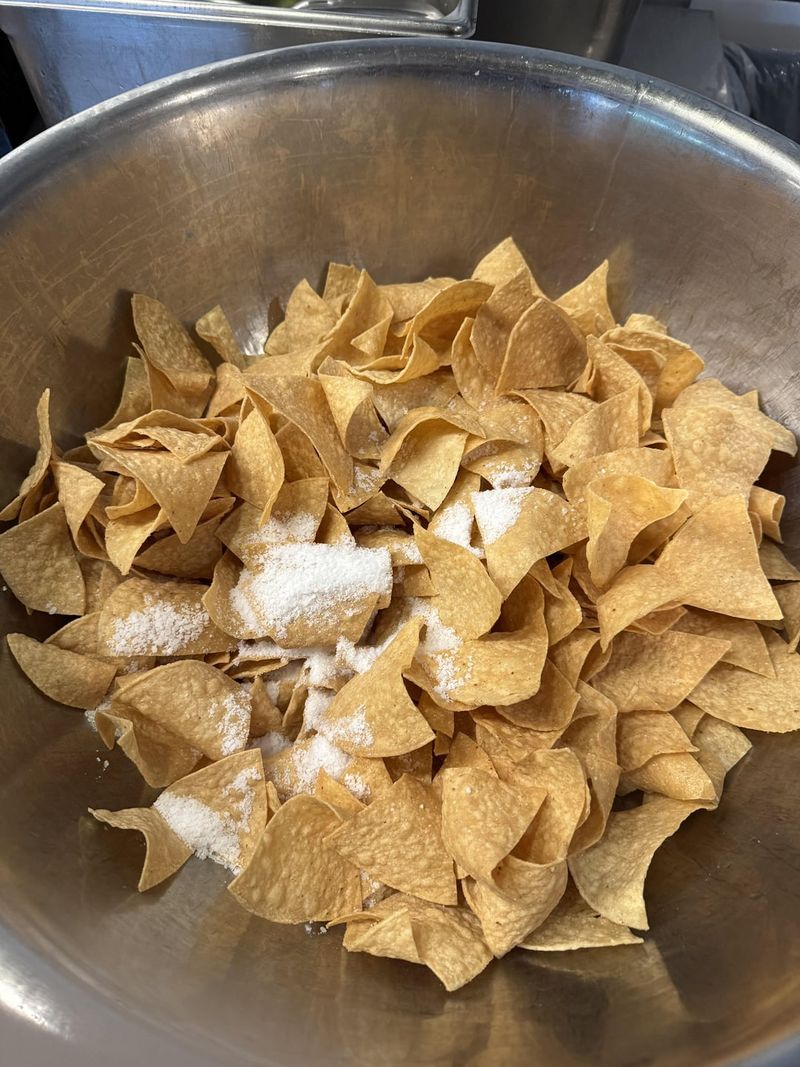
Potato chips, pretzels, and other salty snacks are extremely dangerous for birds because their tiny bodies cannot handle excess sodium levels found in processed foods.
Birds lack the ability to excrete salt efficiently through their kidneys, which means even small amounts can lead to dehydration and organ failure.
Many Michigan gardeners might think sharing leftover party snacks with birds is harmless, but salt toxicity can occur rapidly in small bird species.
Symptoms of salt poisoning include excessive thirst, weakness, tremors, and neurological problems that can permanently damage a bird’s health and mobility over time.
Processed snacks also contain artificial flavors, oils, and chemicals that birds would never encounter in their natural environment or normal feeding patterns.
Birds visiting your feeder need clean, natural food sources that support their metabolism and help them maintain healthy body weight and feather condition.
Stick to unsalted peanuts, fresh fruits, or specially formulated bird food that provides balanced nutrition without harmful additives or excessive sodium content.
3. Chocolate And Candy
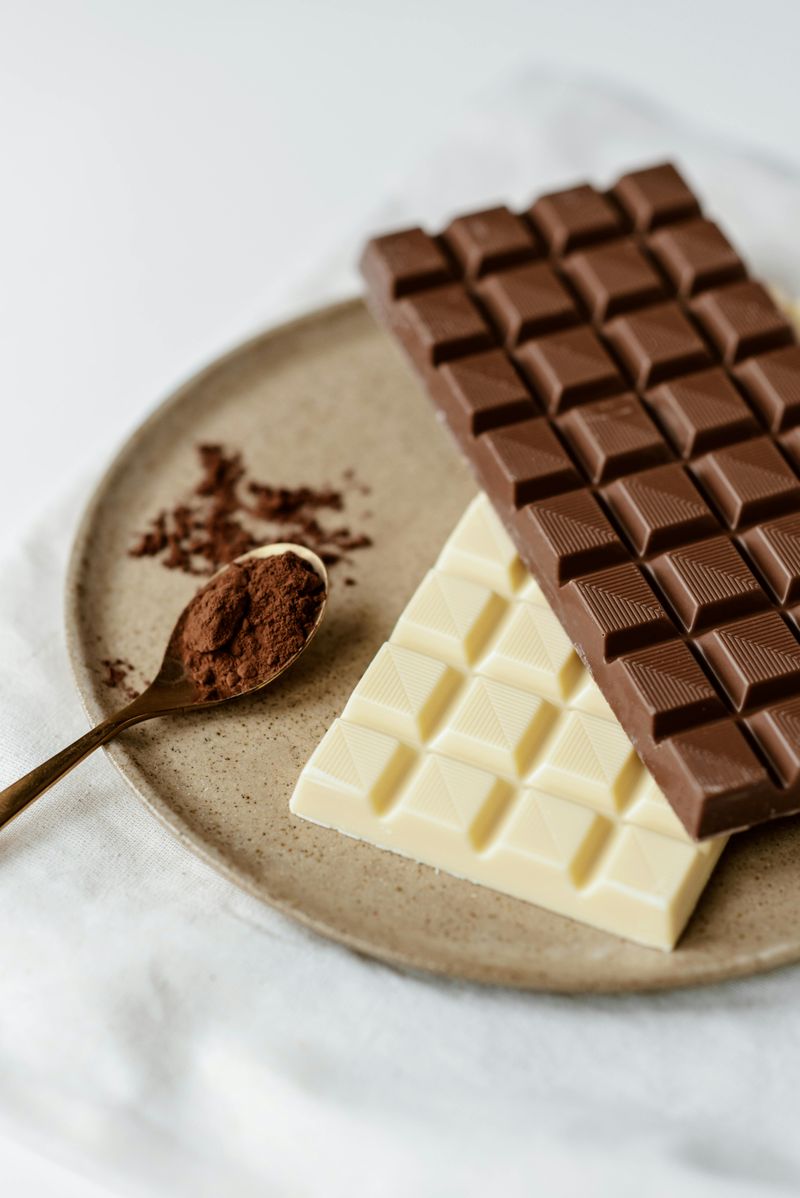
Chocolate contains theobromine and caffeine, two compounds that are highly toxic to birds even in very small quantities that might seem insignificant to humans.
Birds metabolize these substances differently than people do, and their small body size means even a tiny piece of chocolate can cause serious problems.
Candy often contains artificial sweeteners like xylitol, which is extremely dangerous for birds and can cause rapid drops in blood sugar and liver damage.
Your Michigan Garden Changes Every Week. Your Plan Should Too.
Gardening in Michigan changes quickly throughout the season. Every Friday you’ll receive a simple weekly plan showing exactly what to plant, prune, fertilize, harvest, and protect so you never miss the right timing.
Sugar-laden treats provide empty calories that interfere with proper nutrition and can lead to obesity, fatty liver disease, and shortened lifespans in wild birds.
Michigan winters require birds to maintain high energy levels, but candy and chocolate disrupt their natural feeding behaviors and nutritional balance throughout the season.
Birds need foods rich in healthy fats and proteins, not processed sugars that spike their energy temporarily but leave them malnourished in the long run.
Keep all chocolate and candy away from your bird feeders and focus on providing natural food sources that support avian health and wellbeing.
4. Milk And Dairy Products
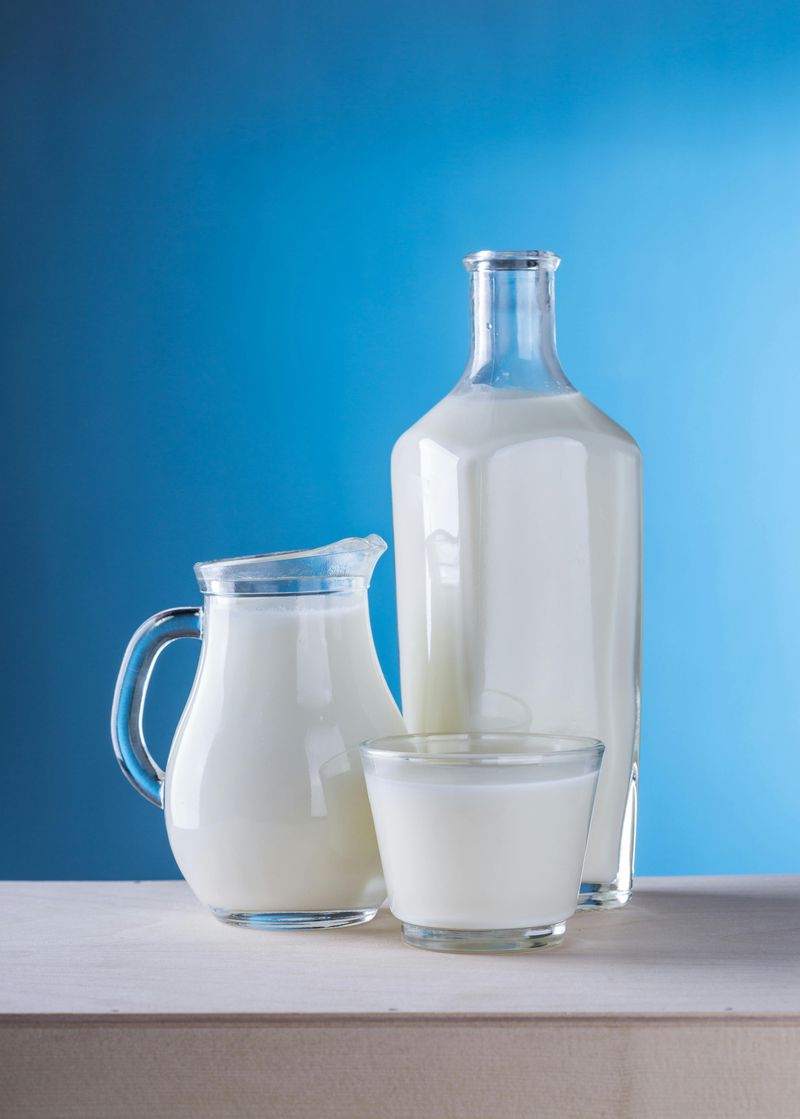
Birds are lactose intolerant because they lack the enzyme needed to properly digest dairy products like milk, cheese, yogurt, and other similar food items.
Consuming dairy can cause severe digestive upset, including diarrhea, stomach cramps, and dehydration that weakens birds and makes them vulnerable to predators and disease.
Some Michigan gardeners might think offering milk is a kind gesture, but it actually causes more harm than good for birds visiting backyard feeders.
Cheese and other solid dairy products can create sticky messes that clog birds’ beaks and feathers, interfering with their ability to eat and fly properly.
Birds get all the calcium they need from natural sources like insects, seeds, and grit, so dairy supplements are completely unnecessary for their diet.
Spoiled dairy products can also attract rodents, raccoons, and other unwanted wildlife to your feeding area, creating additional problems for your Michigan garden space.
Provide fresh water in a clean birdbath instead of milk, and choose bird-appropriate foods that align with their digestive systems and nutritional requirements.
5. Spoiled Or Moldy Foods
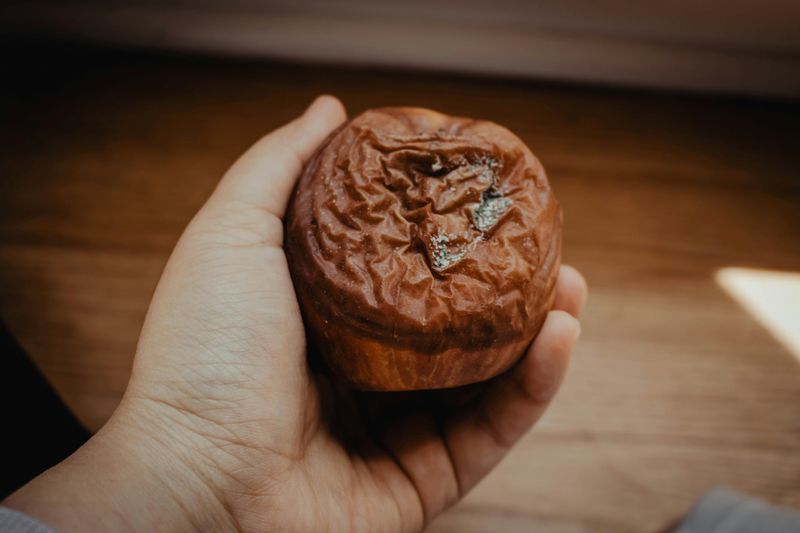
Rotten fruits, moldy seeds, and spoiled foods contain dangerous bacteria and fungal toxins that can cause severe respiratory infections and other illnesses in birds.
Aspergillus mold, commonly found on old peanuts and seeds, produces toxins that damage birds’ lungs and air sacs, leading to chronic breathing problems and weakness.
Michigan’s humid summers create perfect conditions for mold growth in bird feeders, so regular cleaning and fresh food rotation are essential maintenance tasks for gardeners.
Birds may eat spoiled food when nothing else is available, but doing so compromises their immune systems and makes them susceptible to additional infections.
Moldy food can spread quickly throughout your feeder, contaminating fresh seeds and creating an unhealthy environment for all visiting birds in your backyard area.
Check your feeders every few days, especially after rain or humid weather, and remove any food that shows signs of moisture, clumping, or discoloration.
Keeping feeders clean and stocked with fresh, dry food ensures birds receive maximum nutrition and stay healthy throughout their visits to your Michigan garden.
6. Avocado
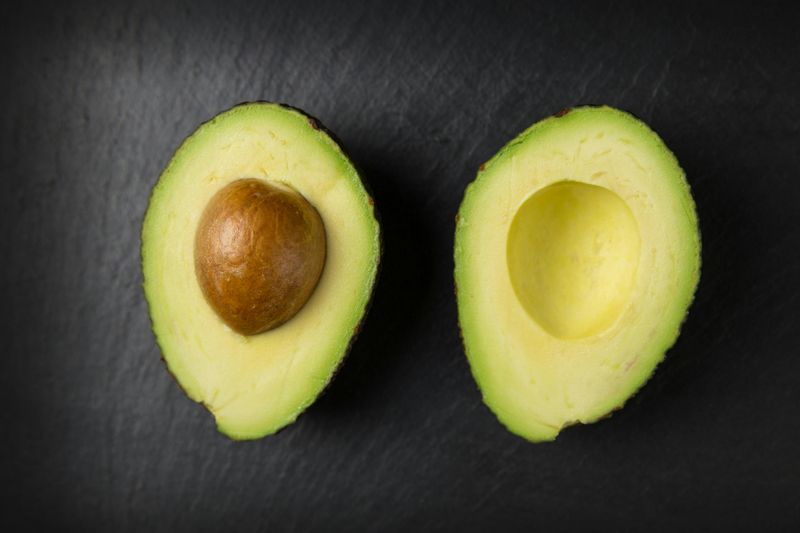
Avocados contain a toxin called persin that is harmless to humans but extremely dangerous to birds, even in very small amounts that seem negligible.
Persin is found throughout the avocado fruit, including the flesh, skin, and pit, making every part of this popular food unsafe for bird consumption.
Birds who ingest avocado may experience difficulty breathing, weakness, heart problems, and sudden collapse within hours of exposure to this dangerous compound throughout their system.
Michigan gardeners who compost avocado scraps should keep compost bins securely covered to prevent birds from accidentally accessing these toxic materials in outdoor spaces.
Even small amounts of avocado can be harmful, so never place guacamole, avocado toast scraps, or any avocado-containing foods near your bird feeding areas.
Birds have delicate systems that react strongly to certain plant compounds, and avocado ranks among the most dangerous foods you could accidentally offer them.
Focus on safe, bird-friendly foods like berries, apples, and grapes that provide nutrition without the risk of toxicity or health complications for your feathered visitors.
7. Onions And Garlic
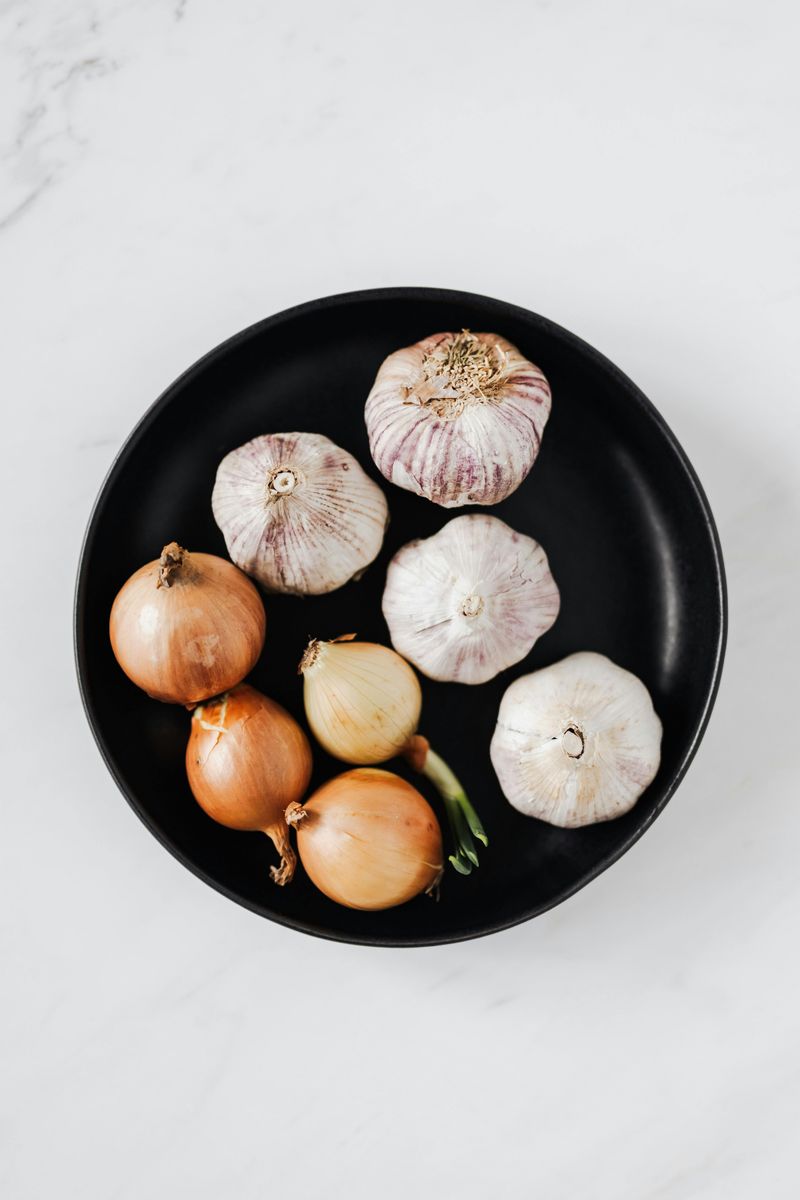
Onions and garlic belong to the allium family and contain compounds that damage birds’ red blood cells, leading to a condition called hemolytic anemia.
These vegetables might add flavor to human meals, but they are seriously toxic to birds and should never be included in any bird feeding routine.
Even small amounts of onion or garlic powder mixed into other foods can cause problems, so always check ingredient lists before offering anything to birds.
Symptoms of allium toxicity include weakness, difficulty breathing, and pale coloring around the beak and eyes as the bird’s blood oxygen levels drop significantly.
Michigan gardeners growing onions and garlic should keep these plants away from areas where birds feed and ensure fallen scraps are cleaned up promptly.
Cooked, raw, or powdered forms of these vegetables are all equally dangerous, so avoid any food preparation that includes these ingredients near bird areas.
Birds thrive on simple, natural foods without added seasonings or flavors, so stick to plain seeds, nuts, and fruits that match their dietary needs perfectly.
8. Raw Beans And Legumes
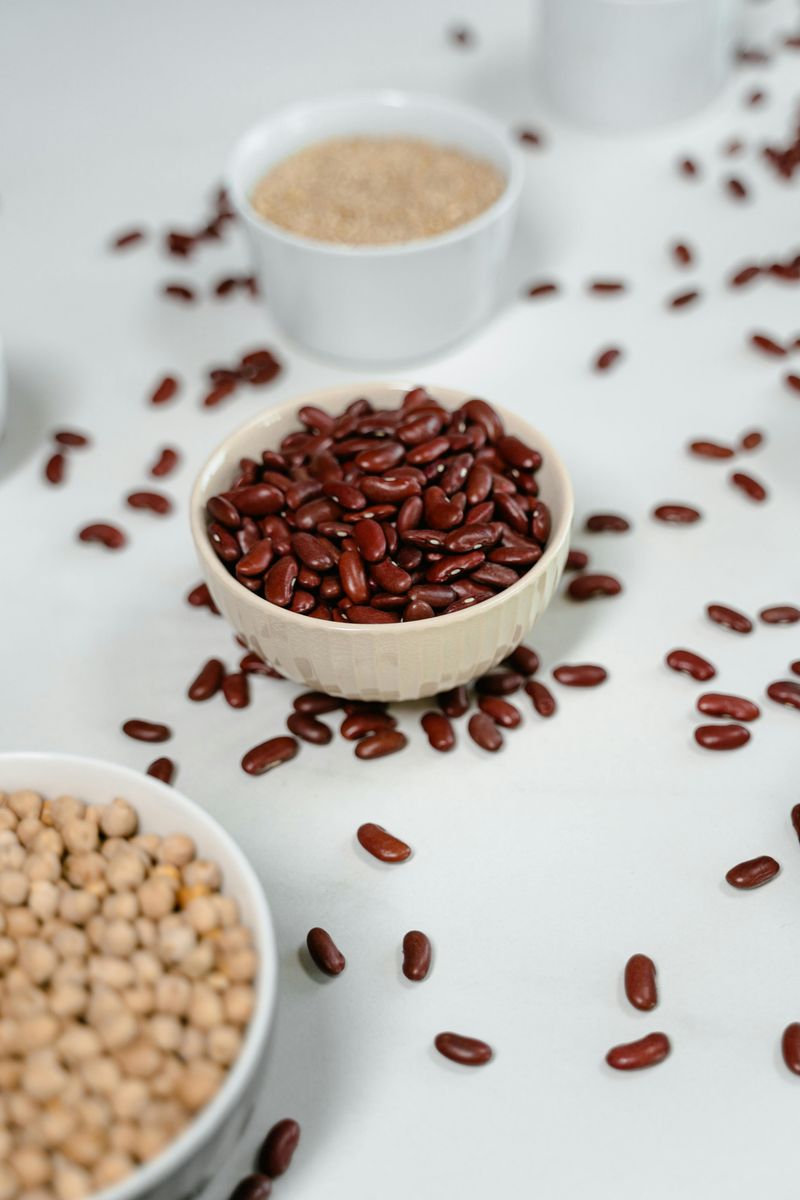
Uncooked beans contain a natural toxin called phytohaemagglutinin that can cause severe digestive distress and serious health problems in birds who consume them accidentally.
Kidney beans, navy beans, and other common legumes are particularly dangerous when raw, though cooking destroys the toxin and makes them safer for consumption.
Birds have sensitive digestive systems that cannot handle the lectins and compounds found in raw beans, leading to nausea, vomiting, and severe stomach upset.
Michigan gardeners who grow beans should ensure that dried or raw beans never make it into bird feeders or areas where birds forage for food.
Cooked beans are generally safe in small amounts, but raw beans should be treated as dangerous and kept away from all bird feeding stations.
Birds naturally avoid many toxic foods in the wild, but when humans provide food, birds may try unfamiliar items that can harm them unintentionally.
Offer birds safer protein sources like mealworms, suet, or commercial bird food blends that provide nutrition without the risk of toxicity or digestive problems.
9. Fruit Pits And Apple Seeds
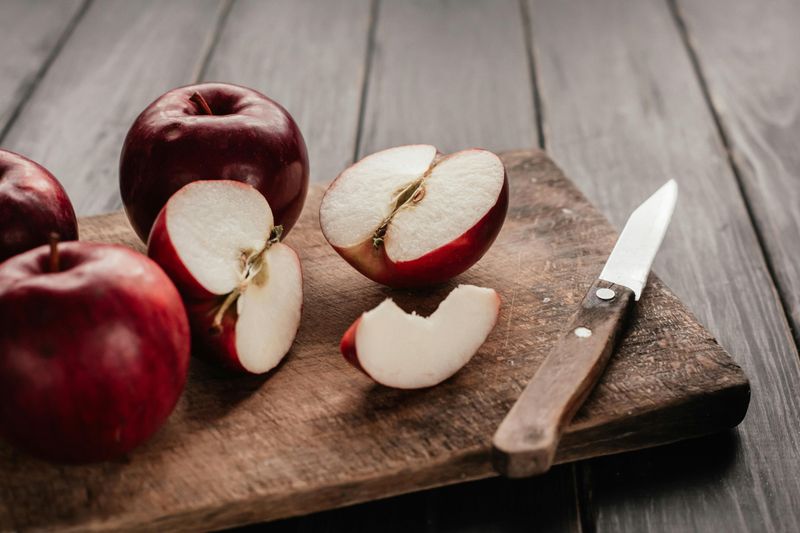
Apple seeds, cherry pits, peach pits, and similar fruit stones contain cyanide compounds that release toxins when crushed or digested by birds’ digestive systems.
While the flesh of these fruits is safe and nutritious for birds, the seeds and pits must be completely removed before offering fruit.
Birds have strong beaks that can crack open seeds, potentially exposing them to dangerous cyanide levels that accumulate quickly in their small bodies.
Michigan’s abundant apple orchards and fruit trees make this warning especially relevant for gardeners who want to share homegrown produce with backyard birds safely.
Always core apples, remove cherry pits, and cut away the seeded portions of fruits before placing them in feeders or scattering them in your garden.
Small birds are particularly vulnerable to cyanide poisoning because their body weight is so low that even tiny amounts can cause serious harm.
Safe fruit options include apple slices without seeds, berries, grapes, and melon chunks that provide vitamins and hydration without any toxic components or risks.
10. Honey And Artificial Sweeteners
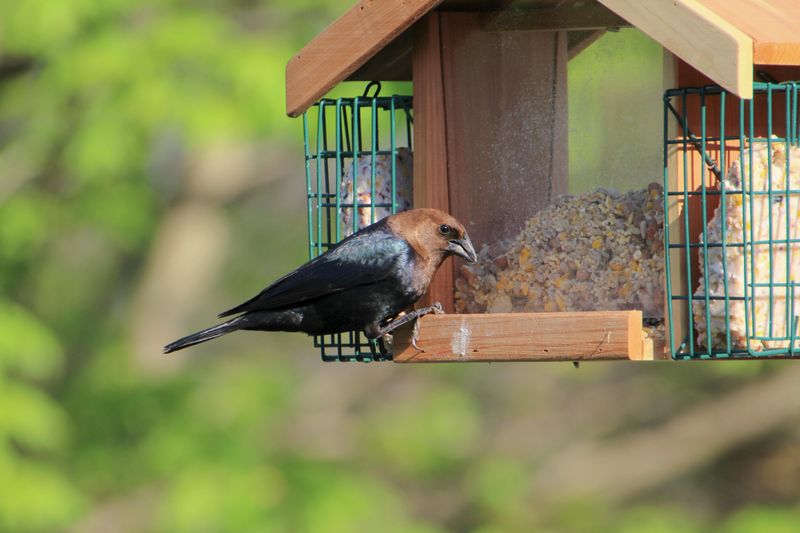
Raw honey can harbor bacteria and fungal spores that cause infections in birds, while artificial sweeteners like xylitol are highly toxic to avian species.
Honey can ferment quickly in warm weather, creating alcohol that birds cannot metabolize, leading to disorientation, weakness, and serious health complications in affected individuals.
Artificial sweeteners disrupt birds’ blood sugar regulation and can cause rapid organ failure, making diet foods and sugar-free products extremely dangerous near feeders.
Michigan summers provide warm conditions that accelerate honey fermentation, making this sweet substance particularly risky for birds visiting feeders during hot months and humid days.
Birds get natural sugars from fruits, nectar, and flower sources that their bodies are designed to process efficiently without any harmful side effects.
Never add honey or sweeteners to hummingbird nectar recipes, as plain sugar water is the only safe option for these tiny, energetic birds.
Keep all sweetened human foods away from bird feeding areas and focus on providing natural food sources that support healthy bird populations throughout Michigan.