How To Grow A Wildflower Patch In Your California Garden
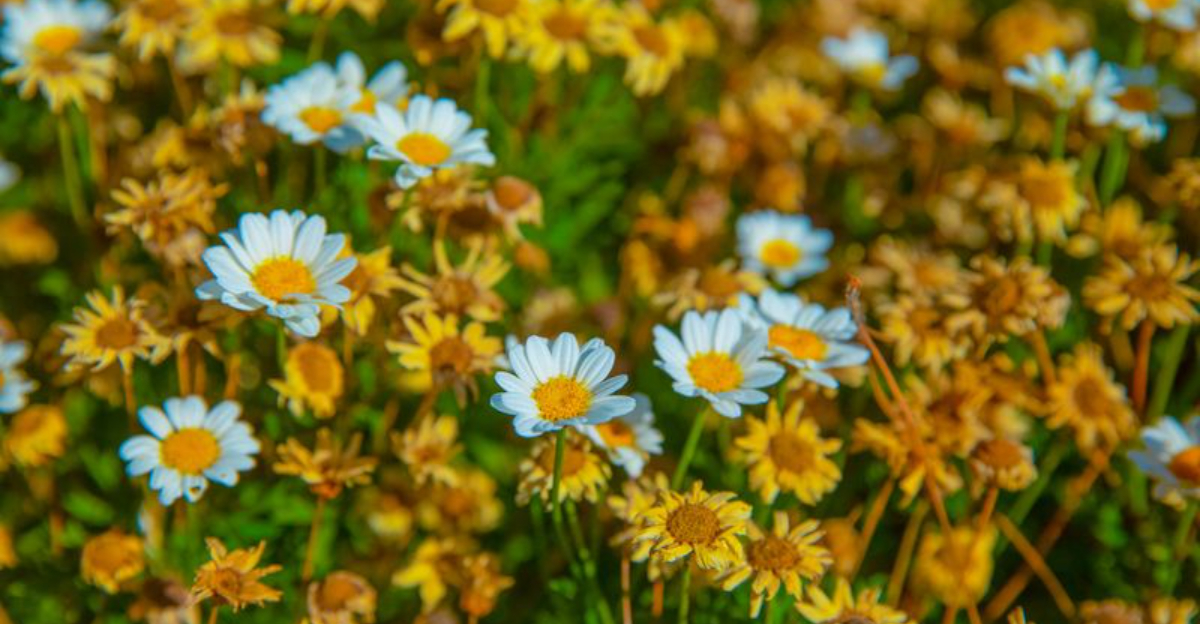
California gardens offer the perfect environment for creating beautiful wildflower patches that attract butterflies, bees, and other beneficial pollinators to your outdoor space.
Growing wildflowers transforms ordinary yards into vibrant landscapes while supporting local ecosystems and reducing water usage compared to traditional lawns and garden beds.
Anyone can successfully cultivate these colorful native blooms with proper planning, preparation, and care throughout the different seasons of the growing year.
This guide walks you through everything needed to establish a thriving wildflower patch that brings natural beauty and wildlife to your California garden.
Choose Native California Wildflower Species
Selecting plants that naturally grow in California ensures your wildflower patch thrives without excessive maintenance or special care requirements throughout the year.
Native species have adapted to local climate conditions over thousands of years, making them naturally resistant to drought and regional pests.
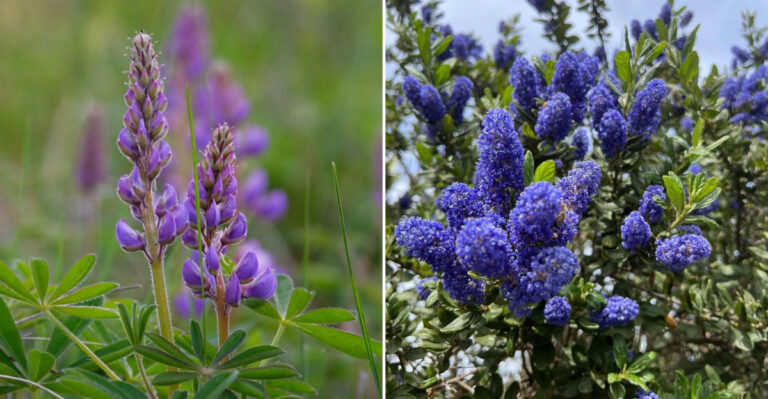
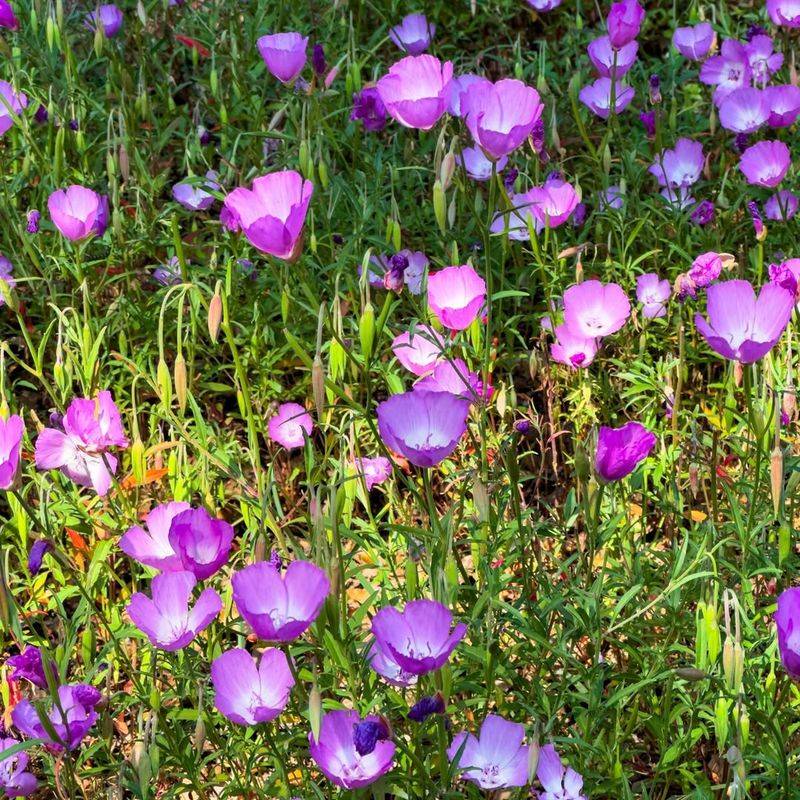
California poppies, lupines, clarkia, baby blue eyes, and tidy tips represent excellent choices for beginning gardeners starting their first wildflower projects.
These varieties bloom at different times, creating waves of color from early spring through late summer in your outdoor growing space.
Local nurseries specializing in native plants offer seed mixes specifically designed for different California regions, from coastal areas to inland valleys.
Research which wildflowers naturally occur in your specific county or microclimate to ensure the best possible success with your new garden patch.
Mixing different species creates visual interest while providing diverse food sources for various pollinators visiting your yard throughout the blooming season.
Native wildflowers also require significantly less water than non-native ornamental plants once established, helping conserve this precious resource in drought-prone regions.
Prepare Your Soil Properly Before Planting
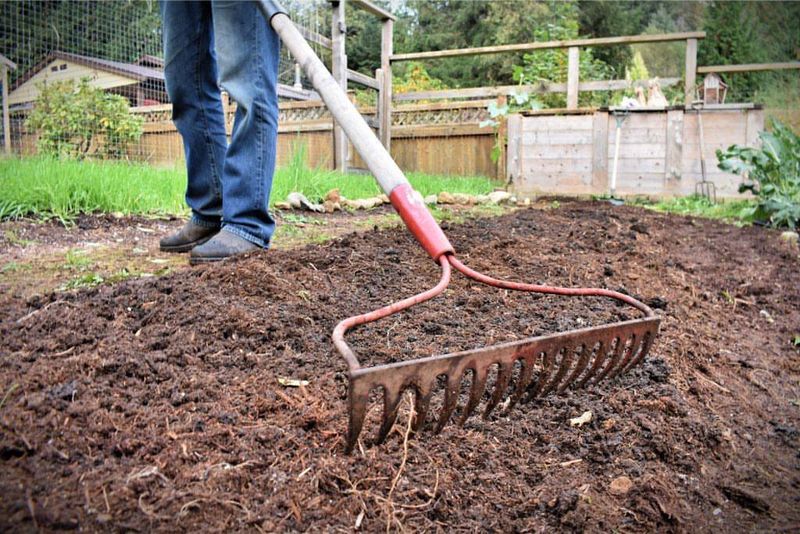
Good soil preparation makes the difference between a struggling patch and a flourishing wildflower meadow that returns year after year with minimal effort.
Start by removing existing grass, weeds, and unwanted vegetation from the area where you plan to establish your new wildflower growing space.
California wildflowers generally prefer lean soil rather than rich, heavily fertilized ground that encourages aggressive weed growth over delicate native blooms.
Rake the surface smooth and break up any large dirt clods to create a fine seedbed that allows tiny wildflower seeds good contact.
Testing your soil pH helps determine whether amendments are needed, though most California natives tolerate a wide range of soil conditions successfully.
Avoid adding compost or fertilizer unless your soil is extremely poor, as overly rich conditions favor invasive weeds over native wildflowers.
Some gardeners lightly till the top few inches of soil to loosen compacted earth, improving water penetration and root development for seedlings.
Proper preparation completed in fall allows winter rains to settle the soil naturally before spring planting time arrives in your California garden.
Time Your Planting For Optimal Germination Success
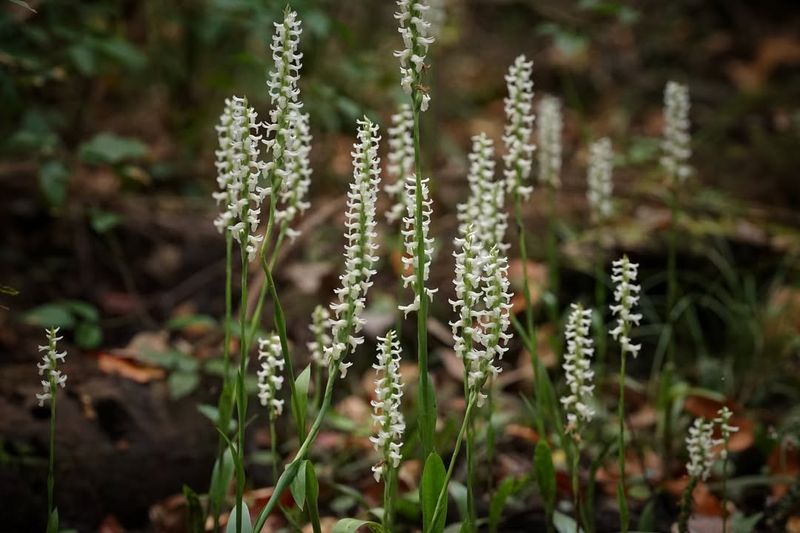
Timing determines whether your wildflower seeds sprout reliably or languish in the ground waiting for proper conditions to trigger their growth.
Fall planting works best for most California wildflowers, allowing seeds to experience natural winter cold that breaks their dormancy period naturally.
Your California Garden Changes Every Week. Your Plan Should Too.
Gardening in California changes quickly throughout the season. Every Friday you’ll receive a simple weekly plan showing exactly what to plant, prune, fertilize, harvest, and protect so you never miss the right timing.
Sowing between October and December lets winter rains provide the moisture needed for germination without requiring supplemental irrigation from gardeners.
Seeds planted during this window emerge in early spring when temperatures warm and daylight hours increase, promoting vigorous seedling growth.
Early spring planting remains possible in many California regions, particularly coastal areas with mild winters and extended cool seasons for establishment.
Avoid planting during hot summer months when seeds dry out quickly and young seedlings struggle against intense heat and water stress.
Northern California gardeners might plant slightly earlier than southern regions due to differences in rainfall patterns and temperature fluctuations throughout seasons.
Matching your planting schedule to natural precipitation cycles reduces watering needs and increases germination rates for your new wildflower patch significantly.
Scatter Seeds Evenly Across Your Prepared Area
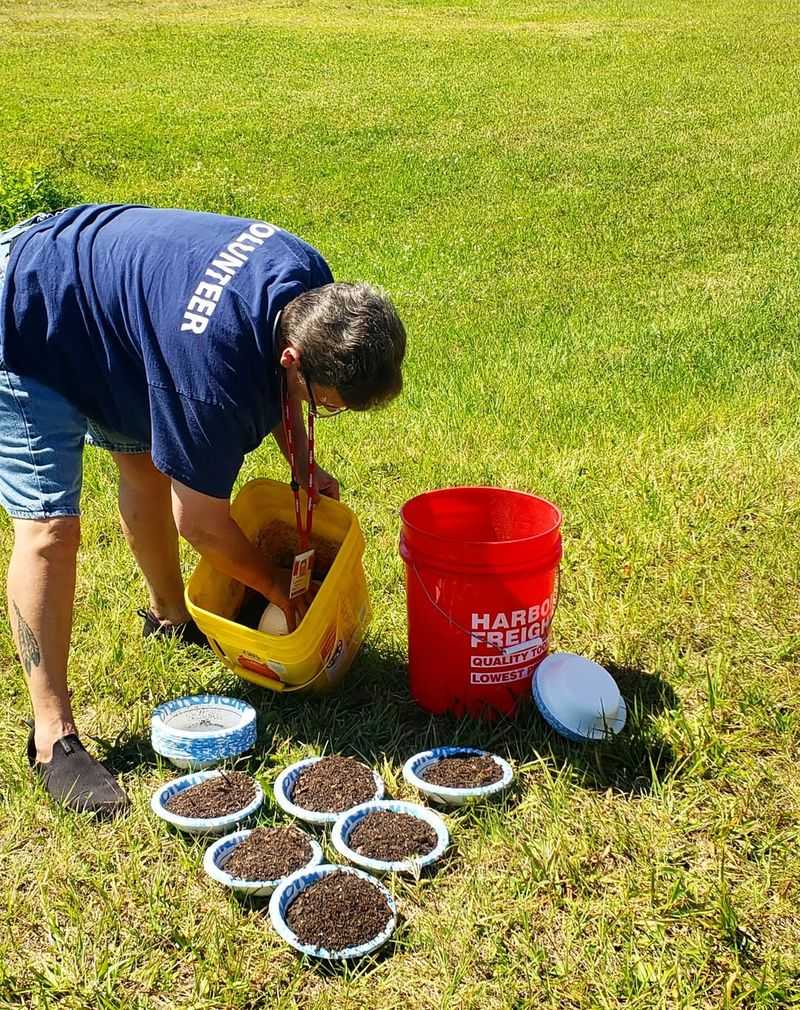
Proper seed distribution creates a natural-looking meadow rather than patchy clumps with bare spots scattered throughout your new wildflower growing area.
Mix your wildflower seeds with equal parts sand or fine soil to increase volume, making even broadcasting much easier across larger spaces.
Walking back and forth in different directions while scattering ensures good coverage without creating obvious rows or patterns in your garden patch.
Most wildflower seeds are tiny and should rest on the soil surface or barely covered, as many species require light for germination.
Gently rake the area after broadcasting to lightly press seeds into contact with soil without burying them too deeply underground.
Some gardeners walk across the seeded area or use a roller to ensure good seed-to-soil contact that improves germination rates significantly.
Calculate the appropriate amount of seed based on package recommendations for your square footage to avoid overcrowding or sparse, disappointing results.
Watering immediately after planting helps settle seeds into place and begins the moisture absorption process that triggers germination in coming weeks.
Water Consistently Until Seedlings Become Established
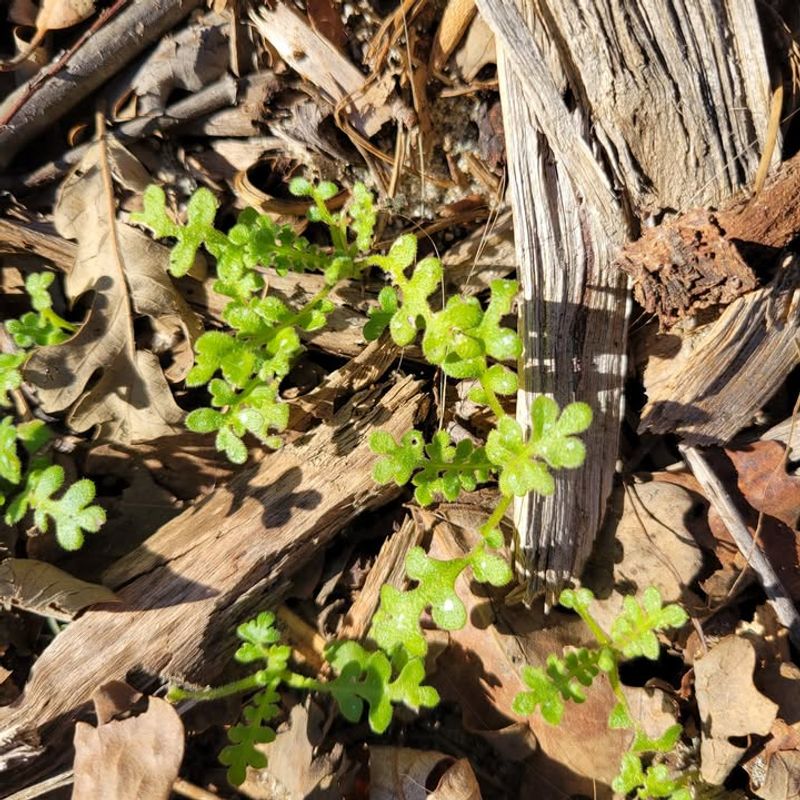
Young wildflower seedlings need regular moisture during their first few weeks to develop strong root systems that eventually allow drought tolerance.
Keep the top inch of soil consistently moist but not waterlogged during germination, which typically occurs within two to three weeks.
Light, frequent watering works better than heavy, infrequent soaking during the delicate seedling stage when roots remain shallow and vulnerable to drying.
Early morning watering reduces evaporation losses and prevents fungal diseases that develop when foliage stays wet overnight in cool conditions.
As seedlings grow larger and develop deeper roots, gradually reduce watering frequency while increasing the amount applied during each session.
Most California natives need supplemental water only during extended dry periods once fully established, usually after their first complete growing season.
Monitor soil moisture by feeling the top few inches with your finger rather than following a rigid schedule that ignores weather conditions.
Overwatering causes more problems than underwatering for established wildflowers, potentially encouraging root rot and aggressive weed growth in your patch.
Control Weeds Without Harming Delicate Wildflowers
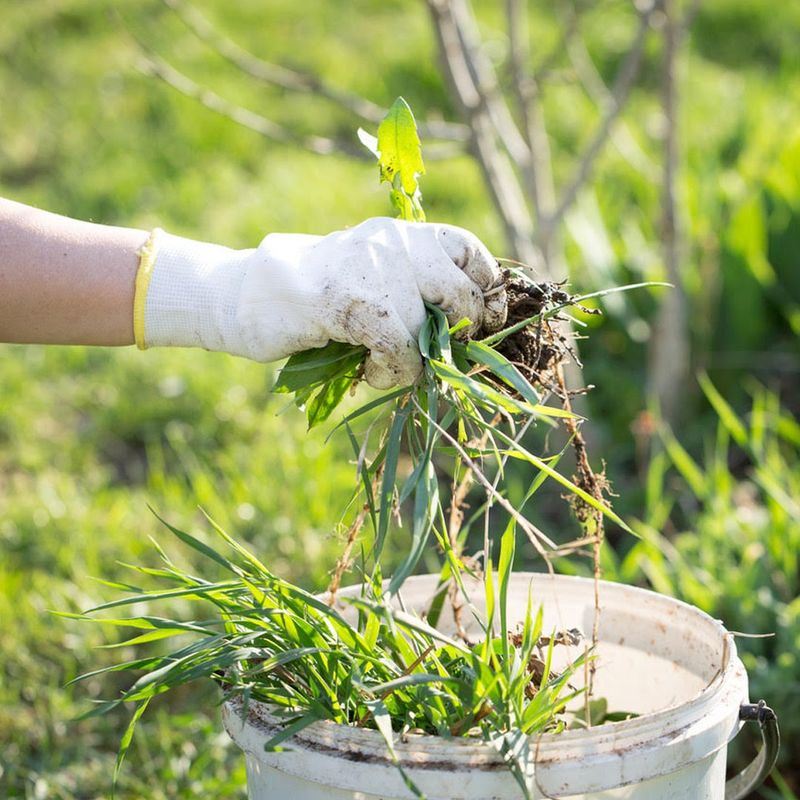
Weed management during the first season determines whether your wildflower patch flourishes or gets choked out by aggressive invasive plant species.
Hand-pulling remains the safest weed control method for wildflower gardens, allowing you to remove unwanted plants without damaging desirable seedlings nearby.
Learn to identify your wildflower seedlings early so you can distinguish them from weeds that sprout alongside your intentionally planted species.
Pulling weeds when soil is moist makes the task easier and ensures you remove entire root systems rather than just tops.
Focus weed control efforts during the first growing season when wildflowers are establishing themselves and cannot yet compete effectively with invasive plants.
Avoid using herbicides or chemical weed controls that can harm sensitive native wildflowers along with the unwanted plants you are targeting.
Once wildflowers become established and bloom, they typically shade out many weeds naturally, reducing maintenance requirements in subsequent growing seasons significantly.
Regular monitoring and early intervention prevent small weed problems from becoming overwhelming tasks that threaten the success of your entire wildflower project.
Allow Natural Reseeding For Perennial Wildflower Displays
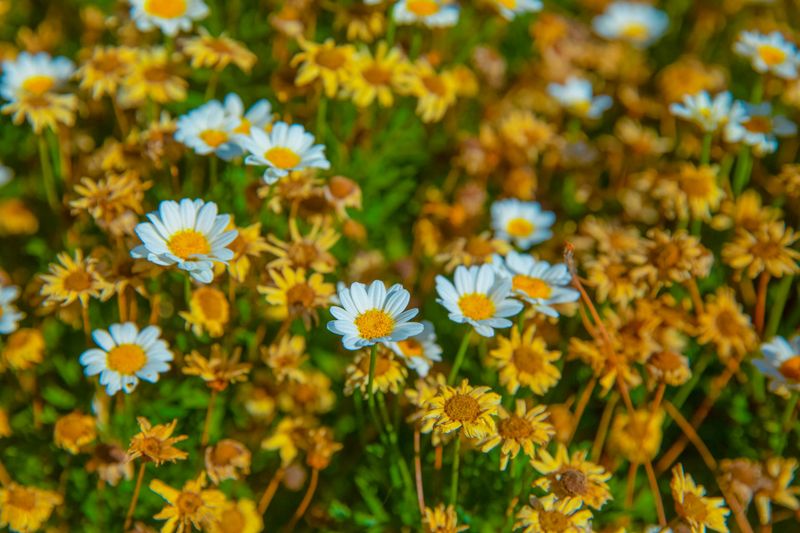
Letting wildflowers complete their natural life cycle ensures your patch returns year after year without replanting or purchasing new seed supplies.
Resist the urge to deadhead faded blooms or tidy up your wildflower area too early in the season before seeds mature fully.
Seeds need time to ripen on plants and drop naturally to the ground where they will germinate during the next growing cycle.
Many California wildflowers are annuals that depend entirely on seed production to return, making this step absolutely critical for long-term success.
Late summer or early fall provides the ideal time to gently cut back dried stems after seeds have dispersed throughout your garden.
Leave some plant material on the ground as mulch that protects fallen seeds and provides habitat for beneficial insects overwintering in gardens.
Some gardeners collect seeds from particularly beautiful plants to scatter in bare spots or share with friends starting their own wildflower projects.
Over time, your wildflower patch will develop its own unique character as plants reseed and adapt to the specific conditions in your yard.
Maintain Your Wildflower Patch Through The Seasons
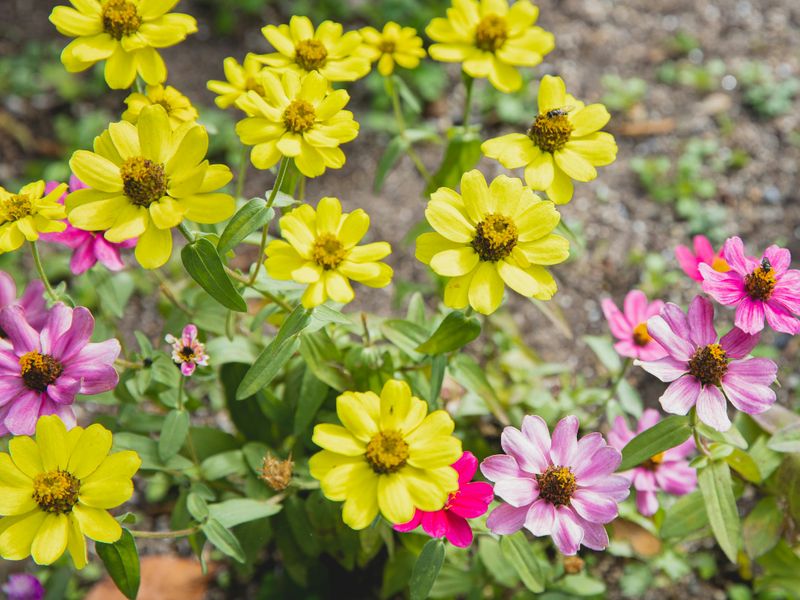
Once your wildflower patch is established, ongoing seasonal care helps keep it healthy, attractive, and productive for years to come.
While native wildflowers are low-maintenance, they still benefit from light attention throughout the year.
In early spring, monitor emerging seedlings and remove fast-growing weeds before they compete for sunlight and moisture.
This is also a good time to thin overly dense areas to improve airflow and reduce disease pressure among plants.
During peak bloom in spring and early summer, avoid heavy foot traffic through the patch, as compacted soil can damage roots and reduce reseeding success.
Enjoy the flowers, but let pollinators work undisturbed whenever possible.
As summer progresses and plants begin to dry, reduce watering and allow flowers to naturally complete their life cycle.
Resist the temptation to overwater during dormancy, as most California wildflowers prefer dry summer conditions similar to their natural habitat.
In late summer or early fall, mow or cut back the patch to a height of four to six inches only after seeds have dropped.
This helps distribute seeds evenly while preventing woody weeds from taking over.
Winter is largely a rest period.
Leave fallen plant debris in place to protect seeds, enrich soil naturally, and provide shelter for beneficial insects.
Avoid disturbing the soil during this time.
With minimal seasonal maintenance, your wildflower patch will mature into a resilient, self-sustaining ecosystem that improves each year while requiring less effort over time.