9 Striking Plants That Stand Out In North Carolina Gardens
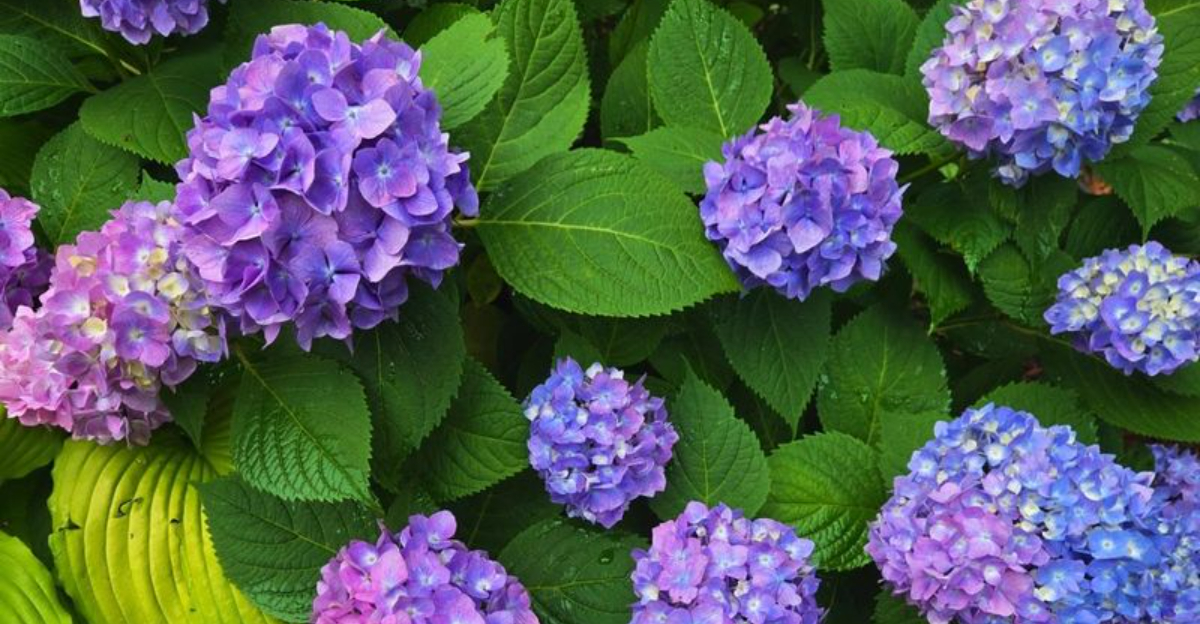
North Carolina gardens thrive on variety, and some plants refuse to blend into the background.
These striking standouts catch the eye from across the yard, stopping visitors in their tracks and stealing attention without asking permission.
Bold colors, dramatic shapes, and strong textures turn ordinary garden beds into living displays that feel carefully planned yet full of personality.
A single standout plant can anchor an entire space, giving the garden a sense of purpose and polish.
These plants do more than look good.
They hold their own through heat, humidity, and shifting seasons, making them reliable stars year after year.
When others fade into the mix, these eye catching choices keep shining.
They frame walkways, highlight corners, and bring balance to beds that need a bit of spark.
Their presence turns simple landscaping into something memorable.
A garden filled with standout plants feels confident and alive. It invites closer looks, quiet moments, and plenty of admiration.
In North Carolina landscapes, where growing conditions offer endless possibilities, choosing plants with strong visual impact helps a garden tell its story loud and clear.
These are the plants that linger in memory long after the visit ends, proving that beauty grows best when it dares to stand out.
1. Cardinal Flower
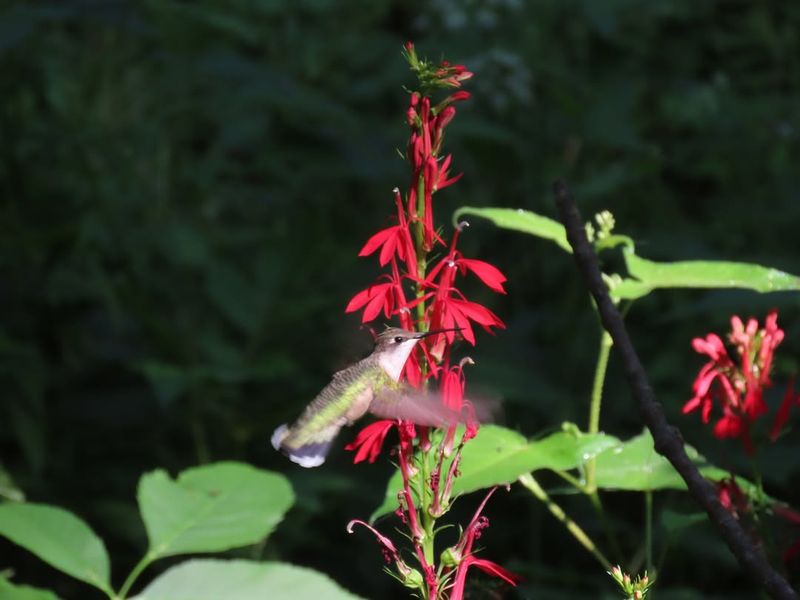
Brilliant scarlet blooms make this native wildflower impossible to ignore when it lights up shady, moist spots in late summer.
Cardinal flower produces tall spikes covered in tubular red flowers that hummingbirds absolutely adore, making your garden a wildlife hotspot.
Growing two to four feet tall, this perennial creates vertical interest in areas where many other flowering plants struggle.
North Carolina’s humid summers provide ideal conditions for this moisture-loving beauty.
Plant it near ponds, streams, or in consistently damp garden beds where it will flourish without constant attention.
The deep green foliage provides a perfect backdrop for those stunning red flower spikes that seem to glow in partial shade.
Gardeners across North Carolina appreciate how this native plant requires little maintenance once established in the right location.
It self-seeds readily, creating natural-looking drifts over time without becoming invasive or overwhelming.
The blooming period extends from July through September, providing color when many other perennials have finished their show.
Pairing cardinal flower with ferns and hostas creates a lush woodland garden feel that suits North Carolina landscapes perfectly.
This combination thrives in the dappled shade under trees where grass struggles to grow.
Your garden will become a destination for hummingbirds and butterflies throughout the late summer months.
2. Japanese Maple
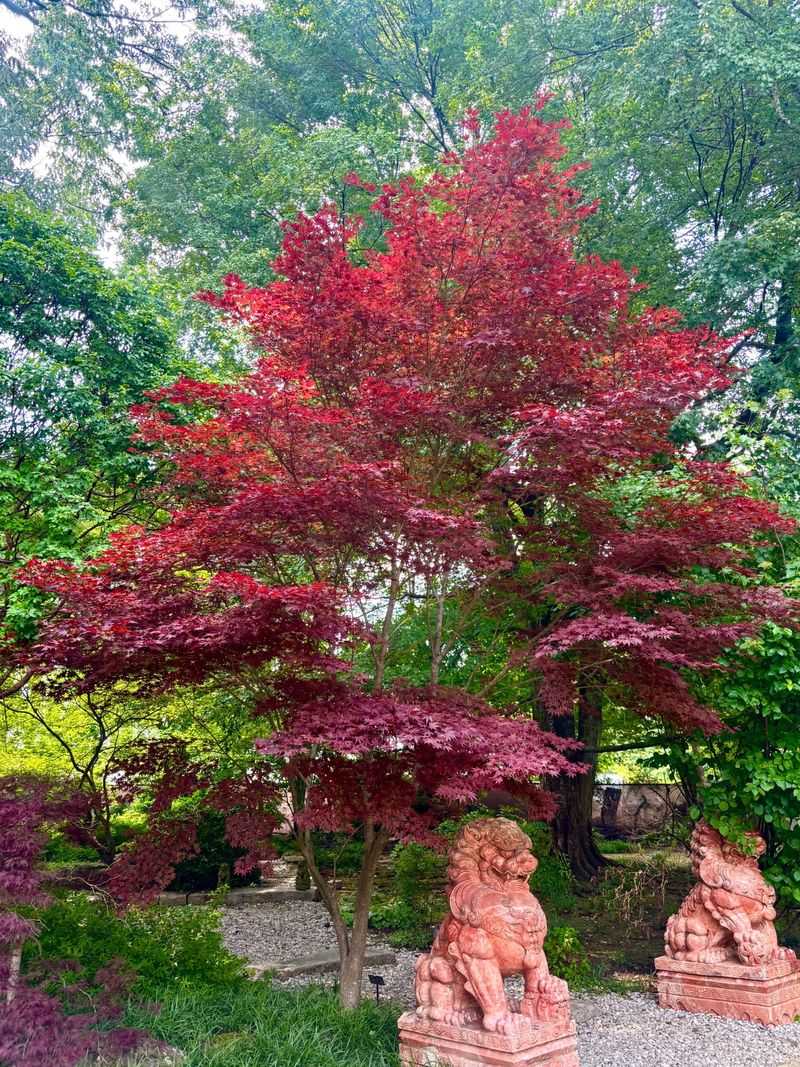
Few trees offer the year-round visual impact of a well-placed Japanese maple with its delicate, lacy foliage and elegant branching pattern.
These small trees work beautifully as focal points in North Carolina gardens, drawing the eye with colors ranging from burgundy to bright green to golden yellow.
Their manageable size makes them perfect for modern yards where space comes at a premium.
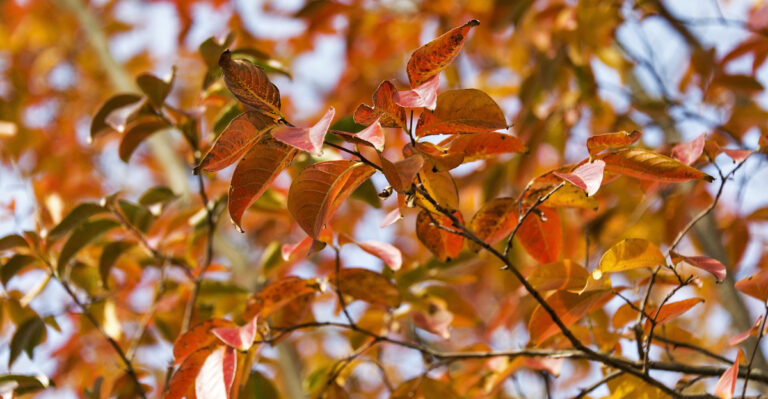
Spring brings fresh new growth in stunning shades, while fall transforms the foliage into brilliant reds, oranges, and golds.
Even winter has its charm when the bare branches reveal intricate architectural forms that add interest to dormant landscapes.
Your North Carolina Garden Changes Every Week. Your Plan Should Too.
Gardening in North Carolina changes quickly throughout the season. Every Friday you’ll receive a simple weekly plan showing exactly what to plant, prune, fertilize, harvest, and protect so you never miss the right timing.
North Carolina’s climate suits many Japanese maple varieties, though some protection from harsh afternoon sun helps prevent leaf scorch.
Gardeners throughout the state choose Japanese maples for their versatility in both formal and casual landscape designs.
They thrive in partial shade with well-drained, slightly acidic soil that’s common across much of North Carolina.
These trees rarely need pruning beyond removing damaged branches, making them low-maintenance showstoppers.
Planting one near an entryway or patio creates an instant focal point that changes with the seasons.
Underplanting with hostas, ferns, or groundcovers completes a sophisticated look that elevates your entire property.
Your neighbors will definitely notice this stunning addition to your landscape.
3. Black-Eyed Susan
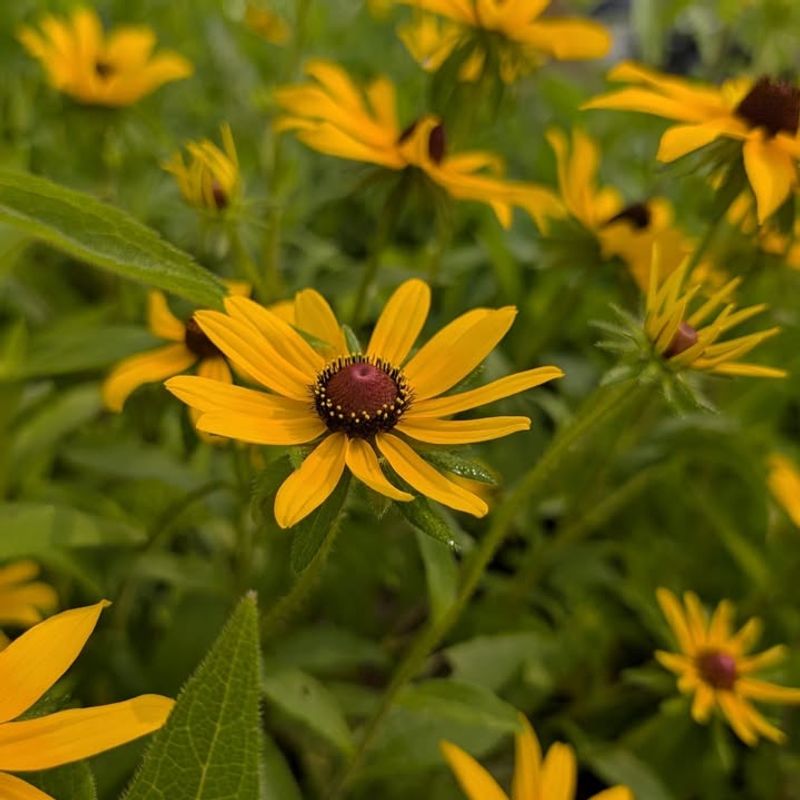
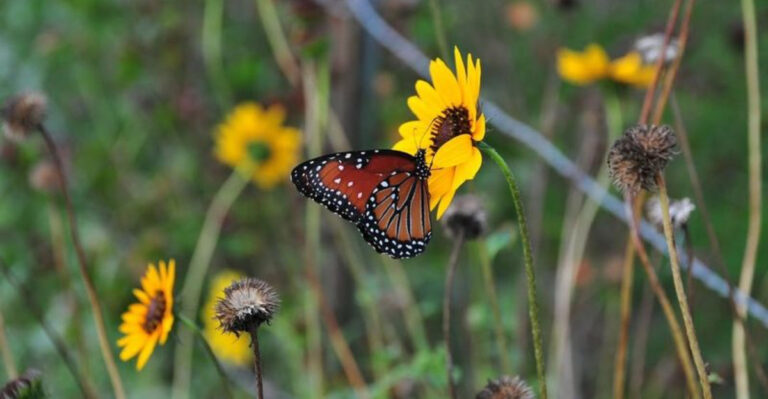
Golden petals surrounding dark chocolate centers create a cheerful display that brightens North Carolina gardens from summer straight through fall.
Black-eyed Susans are tough, reliable performers that handle heat, humidity, and even periods of drought without missing a beat.
These sunny flowers grow one to three feet tall and spread gradually to form substantial clumps over time.
Native to much of eastern North America, including North Carolina, these wildflowers feel right at home in local gardens.
They attract butterflies, bees, and goldfinches who feast on the seed heads in late fall and winter.
Planting them in full sun with average soil gives you months of continuous blooms with almost no effort required.
Mass plantings create the biggest impact, transforming sunny borders into waves of gold that complement nearly any other garden color.
They mix beautifully with purple coneflowers, ornamental grasses, and salvia for a cottage garden look that’s perfectly suited to North Carolina’s relaxed outdoor lifestyle.
Deadheading spent blooms encourages even more flowers, though letting some go to seed feeds beneficial birds.
Gardeners appreciate how black-eyed Susans return reliably each year and often self-seed to fill in bare spots naturally.
This perennial asks for little but gives back tremendous color and pollinator activity throughout the growing season.
Your garden will feel alive with buzzing bees and fluttering butterflies all summer long.
4. Hydrangea
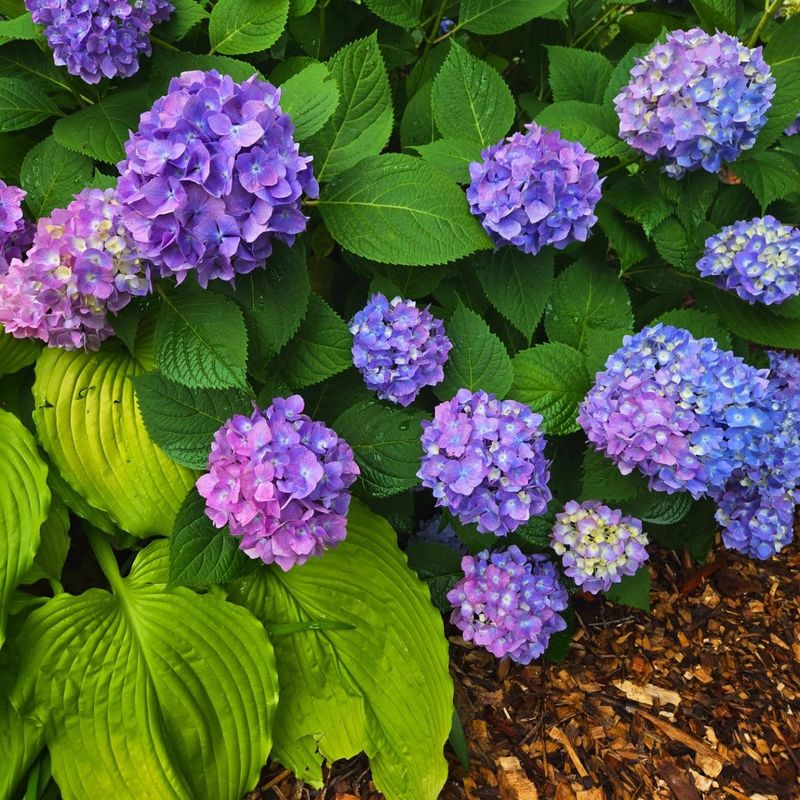
Massive flower clusters the size of dinner plates make hydrangeas the queens of summer-blooming shrubs in North Carolina landscapes.
These versatile plants offer blooms in shades of blue, pink, white, or purple depending on soil pH and variety, giving you options to match any color scheme.
Growing three to six feet tall and wide, they create substantial presence in foundation plantings, mixed borders, or as standalone specimens.
North Carolina’s climate suits several hydrangea types, from classic mopheads to delicate lacecaps to cone-shaped panicle varieties.
Morning sun with afternoon shade provides ideal conditions, protecting flowers from fading while giving plants enough light for abundant blooms.
The large leaves create lush texture even before flowers appear in early summer.
Gardeners across the state love how hydrangeas transform shady areas into colorful showcases from June through September.
Consistent moisture keeps plants happy, though established shrubs tolerate brief dry spells better than many realize.
Mulching around the base helps retain soil moisture and keeps roots cool during hot North Carolina summers.
Cutting fresh blooms for indoor arrangements extends your enjoyment beyond the garden, and dried flower heads add interest to fall and winter landscapes.
Pairing hydrangeas with hostas, ferns, and astilbe creates layered plantings with varied textures and complementary colors.
Your shady spots will become destination areas rather than problem zones in your yard.
5. Coneflower
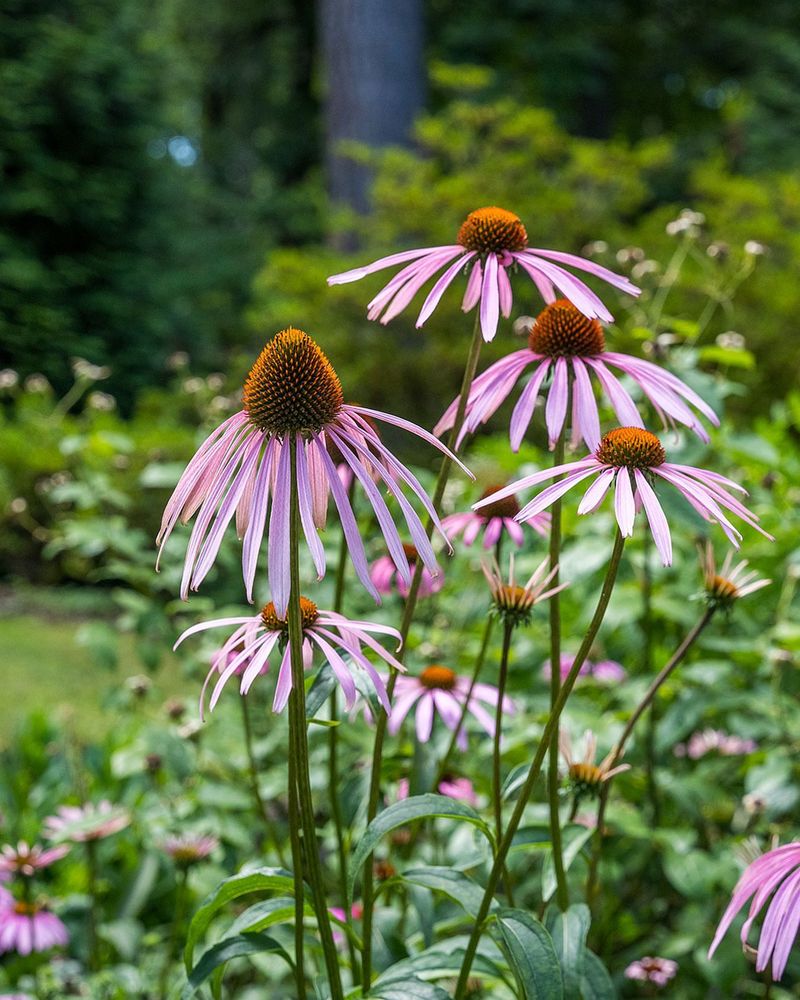
Bold, daisy-like flowers with prominent spiky centers stand tall on sturdy stems, creating a prairie-style look that’s surprisingly at home in North Carolina gardens.
Purple coneflower, also called echinacea, blooms reliably from early summer through fall with minimal care or fussing.
The classic purple-pink variety is just the beginning, with modern hybrids offering colors from white to orange to deep magenta.
Native to the eastern United States, these tough perennials handle North Carolina’s hot, humid summers better than many garden flowers.
They prefer full sun and well-drained soil but adapt to less-than-perfect conditions without complaint.
Butterflies and bees visit constantly, while goldfinches arrive in late summer to feast on ripening seeds.
Drought tolerance makes coneflowers smart choices for water-conscious North Carolina gardeners who want color without constant irrigation.
Once established, they sail through dry spells that leave other perennials looking stressed and sad.
The flowers also make excellent cut arrangements that last over a week in a vase.
Planting coneflowers in groups of three or five creates more visual impact than single specimens scattered around the garden.
They combine beautifully with ornamental grasses, black-eyed Susans, and salvia for a low-maintenance border that looks good for months.
Your garden will buzz with pollinator activity from June straight through September, bringing your landscape to life with movement and sound.
6. Camellia
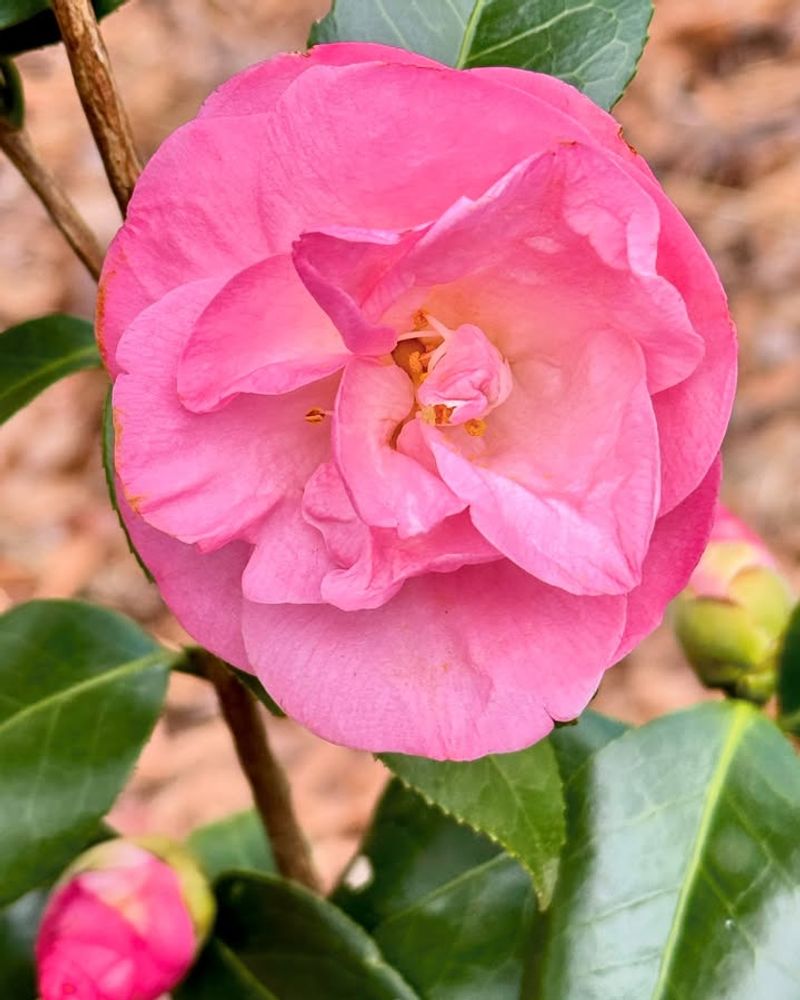
When most plants are taking their winter rest, camellias burst into bloom with rose-like flowers that seem almost too perfect to be real.
These evergreen shrubs provide year-round structure with glossy, dark green foliage that looks polished and tidy in all seasons.
Depending on variety, blooms appear anywhere from October through April, bringing unexpected color to North Carolina’s cooler months.
Gardeners throughout the state treasure camellias for their reliability and old-fashioned charm that connects to Southern garden traditions.
They thrive in partial shade with acidic, well-drained soil similar to azaleas and rhododendrons.
North Carolina’s climate suits both fall-blooming sasanqua types and spring-blooming japonica varieties perfectly.
Flowers range from simple single forms to elaborate doubles resembling perfect roses, in colors from pure white to deep red with every shade of pink in between.
The blooms appear when few other plants offer flowers, making them especially valuable for brightening winter landscapes.
Some varieties release a light, sweet fragrance that’s a delightful surprise on mild winter days.
Planting camellias as foundation shrubs, hedges, or specimen plants gives you flexible design options for various garden situations.
They grow slowly but steadily, eventually reaching six to twelve feet depending on variety and pruning.
Your garden will have elegant beauty even in January and February when most North Carolina landscapes look bare and brown.
7. Knockout Rose
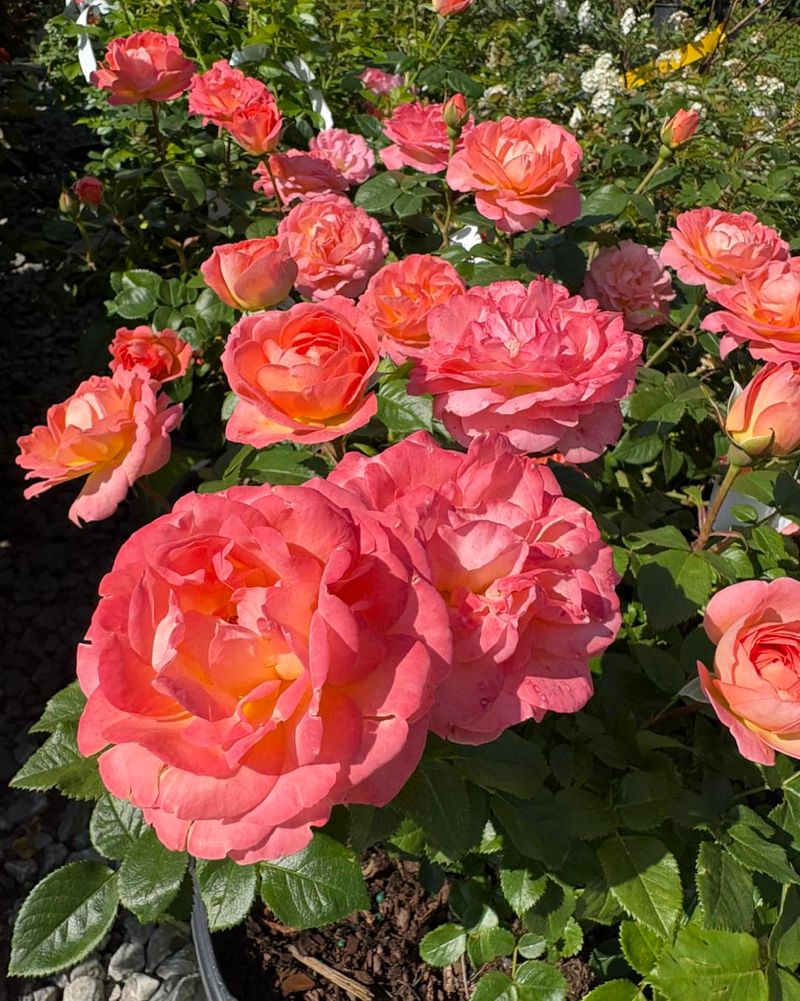
Continuous blooms from spring until frost make knockout roses the hardest-working shrubs in North Carolina gardens, delivering nonstop color for seven or eight months.
Unlike fussy traditional roses, these modern shrubs resist diseases, tolerate heat, and keep producing flowers without deadheading or complicated care routines.
They grow three to four feet tall and wide, creating substantial presence in sunny borders and foundation plantings.
Available in colors ranging from soft pink to bright red to sunny yellow, knockout roses fit into almost any landscape color scheme.
North Carolina’s long growing season means these roses have plenty of time to put on an impressive show.
They bloom in waves, with the heaviest flower production occurring in spring and fall when temperatures moderate slightly.
Gardeners appreciate how these roses deliver the classic look of rose blooms without the traditional headaches of black spot, powdery mildew, and constant spraying.
Full sun and decent drainage are the main requirements, making them suitable for many typical North Carolina garden situations.
Occasional pruning keeps plants tidy, but they’re forgiving if you forget or don’t get around to it.
Planting knockout roses in groups creates bold color statements that anchor mixed borders or define garden spaces.
They pair well with perennials, ornamental grasses, and other flowering shrubs for layered interest throughout the seasons.
Your garden will have reliable color from April through November with these dependable performers.
8. Hosta
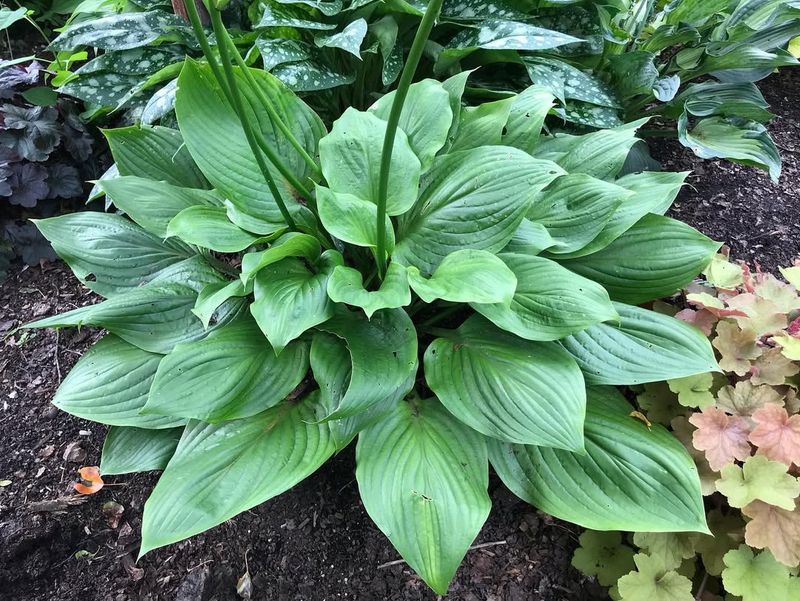
Lush foliage in an incredible range of colors, patterns, and textures makes hostas the backbone of successful shade gardens throughout North Carolina.
These reliable perennials grow from baseball-sized clumps to massive specimens three feet across, offering options for every garden situation.
Leaves might be solid green, blue-green, chartreuse, or variegated with white or yellow in endless combinations that keep collectors always hunting for one more variety.
Shade-loving hostas solve the common problem of what to plant under trees where grass refuses to grow.
North Carolina’s humid climate suits these plants perfectly, though consistent moisture during hot summers keeps foliage looking its best.
Spikes of white or lavender flowers appear in summer, but most gardeners grow hostas primarily for their spectacular leaves.
Slug damage can mar foliage in very wet years, but many newer varieties show improved resistance to these pests.
Mulching around plants helps retain moisture and keeps roots cool during North Carolina’s warmest months.
Hostas go dormant in winter but return reliably each spring, often growing larger and more impressive with each passing year.
Combining different hosta varieties creates tapestries of contrasting colors and textures that turn shady areas into garden highlights.
They pair beautifully with ferns, astilbe, and bleeding heart for a woodland garden feel.
Your previously boring shady spots will become the most interesting parts of your North Carolina landscape with these versatile perennials.
9. Crape Myrtle
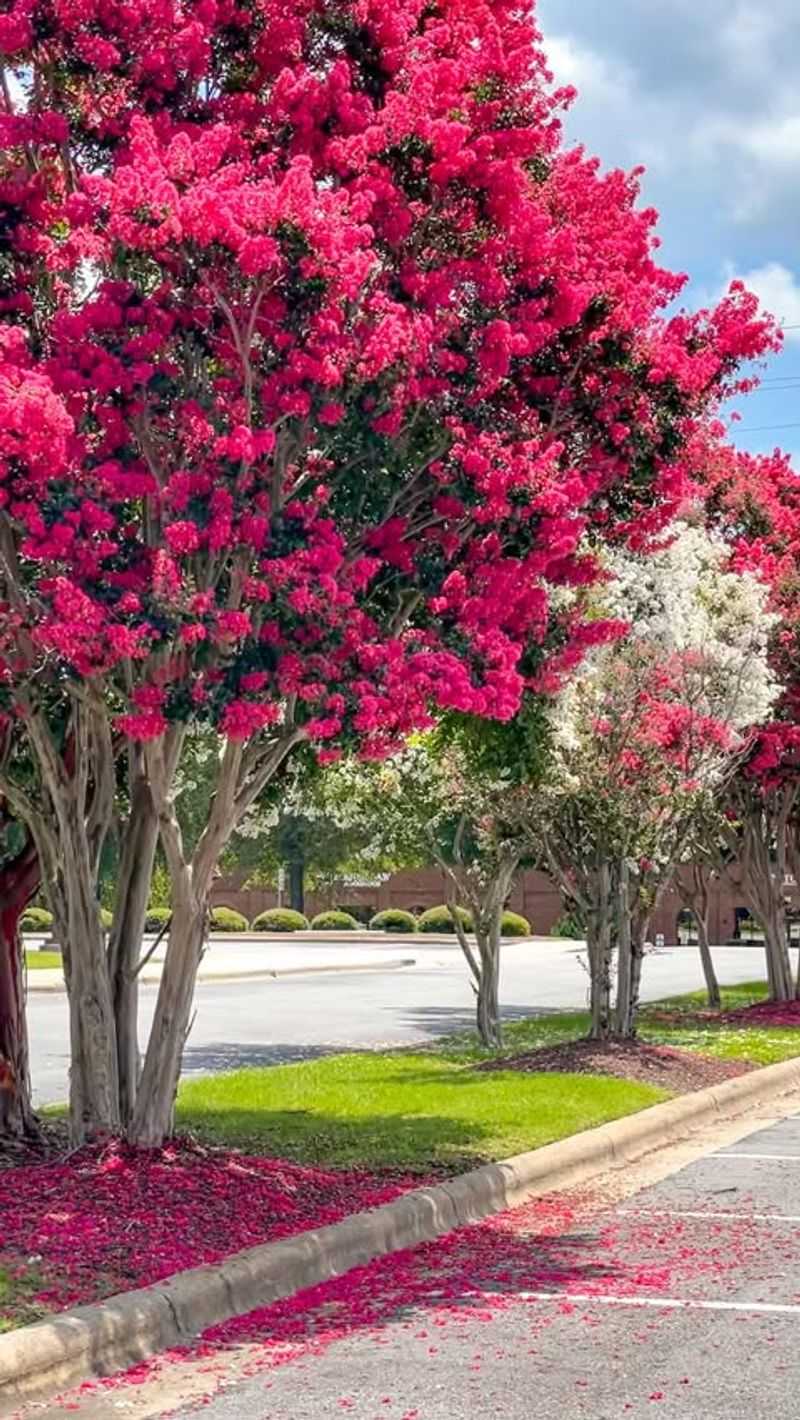
Explosive summer blooms in shades of pink, purple, red, or white make crape myrtles signature plants in North Carolina landscapes from June through September.
These small trees or large shrubs offer multiple seasons of interest, with colorful flowers, attractive peeling bark, and brilliant fall foliage colors.
Sizes range from dwarf varieties under three feet to tall tree forms reaching twenty-five feet, giving you options for any landscape situation.
Heat and humidity don’t faze these tough Southern favorites that seem to thrive on North Carolina’s summer weather.
Full sun and well-drained soil are the main requirements, making them perfect for hot, sunny spots where many other plants struggle.
The long blooming period provides color during the hottest months when many spring bloomers have long finished their show.
Gardeners throughout the state appreciate crape myrtles for their drought tolerance once established and their resistance to most pests and diseases.
Newer varieties offer improved mildew resistance, eliminating the powdery white coating that plagued older selections.
The smooth, peeling bark in shades of cinnamon, gray, and tan adds winter interest when branches are bare.
Planting crape myrtles as specimen trees, in groups, or as flowering hedges creates dramatic focal points in sunny North Carolina gardens.
They require minimal pruning despite what you might see done to roadside plantings, and they bloom more abundantly when left to develop natural shapes.
Your summer garden will explode with color that lasts for months with these reliable performers.