12 Fast-Growing Tall Indoor Plants That Thrive In New York Apartments
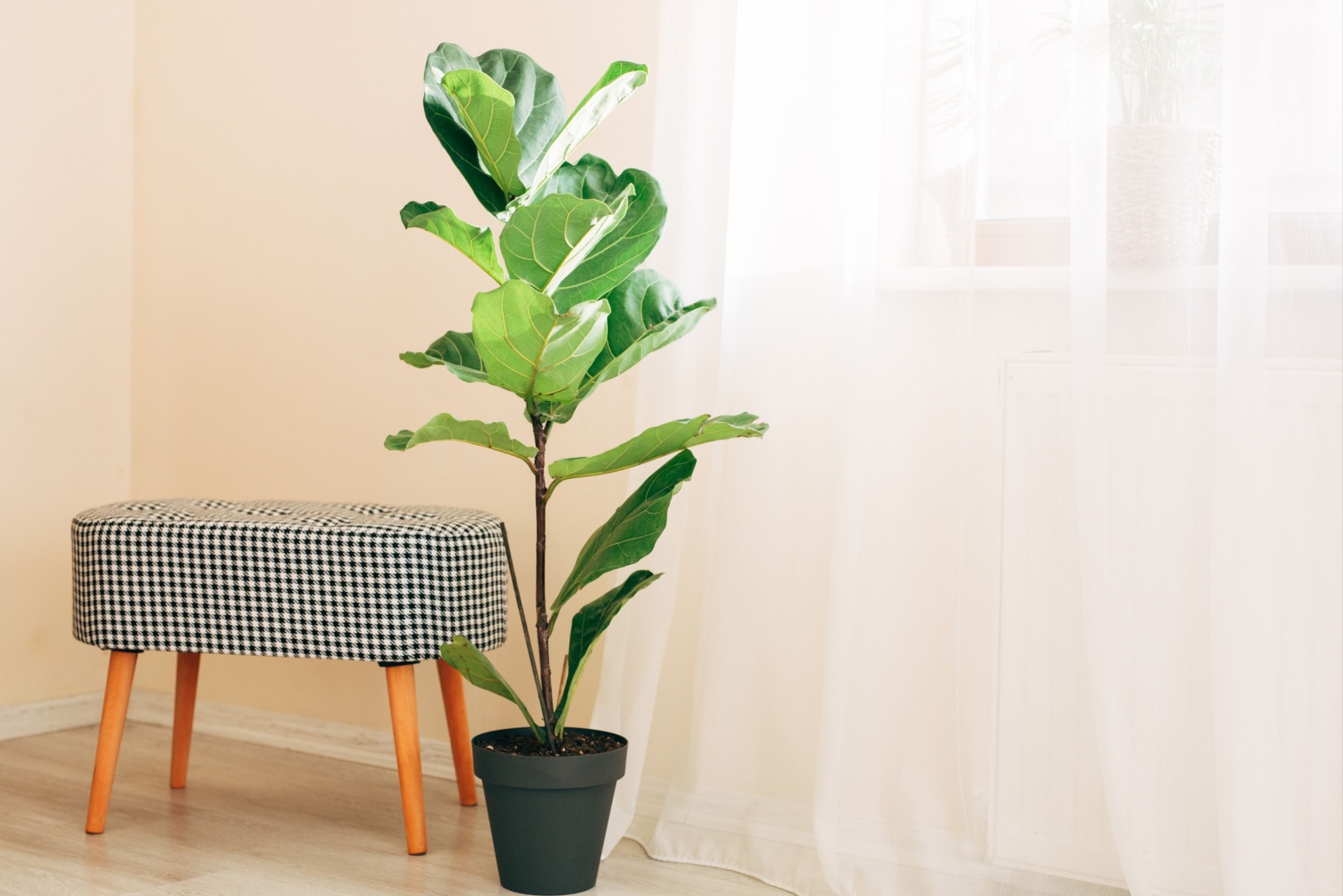
Living in a cramped New York apartment often means sacrificing your dream of having lush greenery filling every corner of your space.
Tall indoor plants can transform small rooms into vibrant jungle retreats while purifying air and boosting your mood throughout stressful city days.
Fast-growing varieties let you enjoy dramatic height changes within months instead of waiting years to see noticeable growth or improvement results.
These twelve remarkable plants adapt perfectly to apartment conditions like limited light, dry heat, and tight spaces without demanding excessive care.
1. Fiddle Leaf Fig
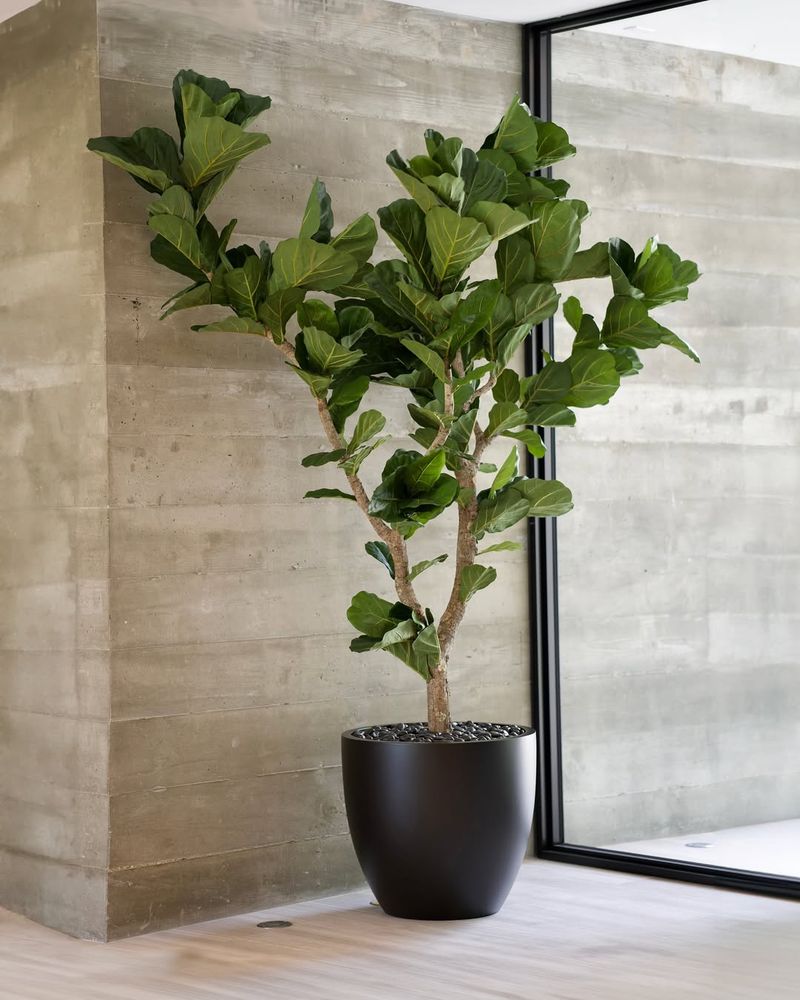
Big violin-shaped leaves make this trendy plant an instant showstopper that captures attention from anyone entering your apartment living space.
Reaching heights near six feet indoors, fiddle leaf figs grow surprisingly fast when positioned near bright windows with indirect sunlight exposure.
New York apartments with south-facing windows provide ideal conditions, though eastern exposures work well too for healthy leaf development and growth.
Water only when the top two inches of soil feel completely dry to prevent root rot, which happens easily in overwatered conditions.
Rotate your plant weekly so all sides receive equal light, preventing lopsided growth that looks awkward and unbalanced in tight spaces.
Wipe dusty leaves monthly with a damp cloth to keep them glossy and maximize their ability to absorb available sunlight efficiently.
Fertilize during spring and summer months using diluted liquid plant food to encourage rapid vertical growth and vibrant green foliage color.
Drafty windows can cause leaf drop during harsh winters, so position your fig slightly away from cold glass panes for protection.
2. Rubber Plant
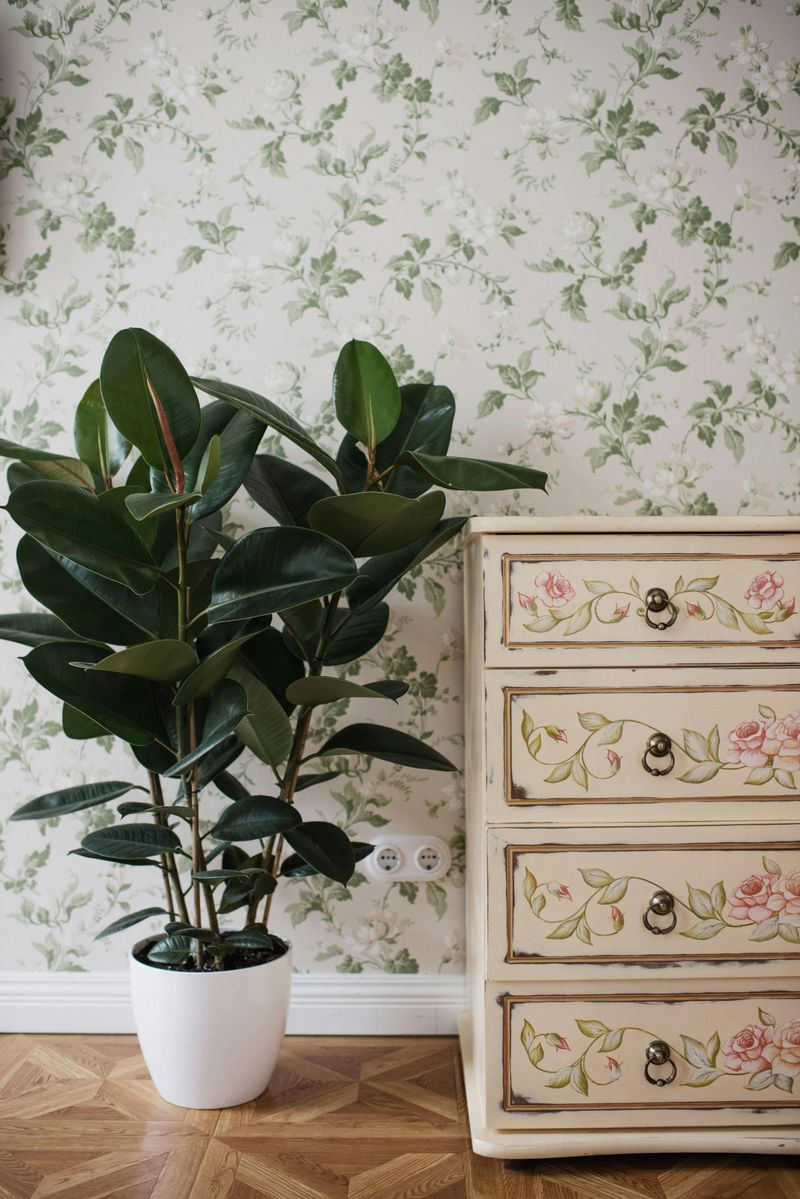
Glossy, thick leaves in shades of deep green or burgundy give rubber plants a bold appearance that commands attention without overwhelming small New York rooms.
Growing up to eight feet tall indoors, these sturdy beauties add dramatic vertical interest while requiring minimal effort from busy city dwellers.
Bright indirect light keeps rubber plants happy, though they tolerate lower light conditions better than many other tall indoor plant varieties available.
Allow soil to dry out between waterings since these plants store moisture in their thick leaves and prefer slightly drier conditions overall.
Prune top growth to encourage bushier side branches if you want a fuller appearance instead of a single tall trunk structure.
Dust accumulates quickly on large leaves, so wipe them down every few weeks to maintain their signature shine and photosynthesis efficiency.
Yellowing lower leaves usually indicate overwatering, while brown crispy edges suggest your plant needs more humidity or less direct sun exposure.
Rubber plants adapt well to typical apartment temperatures and forgive occasional neglect, making them perfect for beginners exploring indoor gardening hobbies.
3. Dracaena Marginata
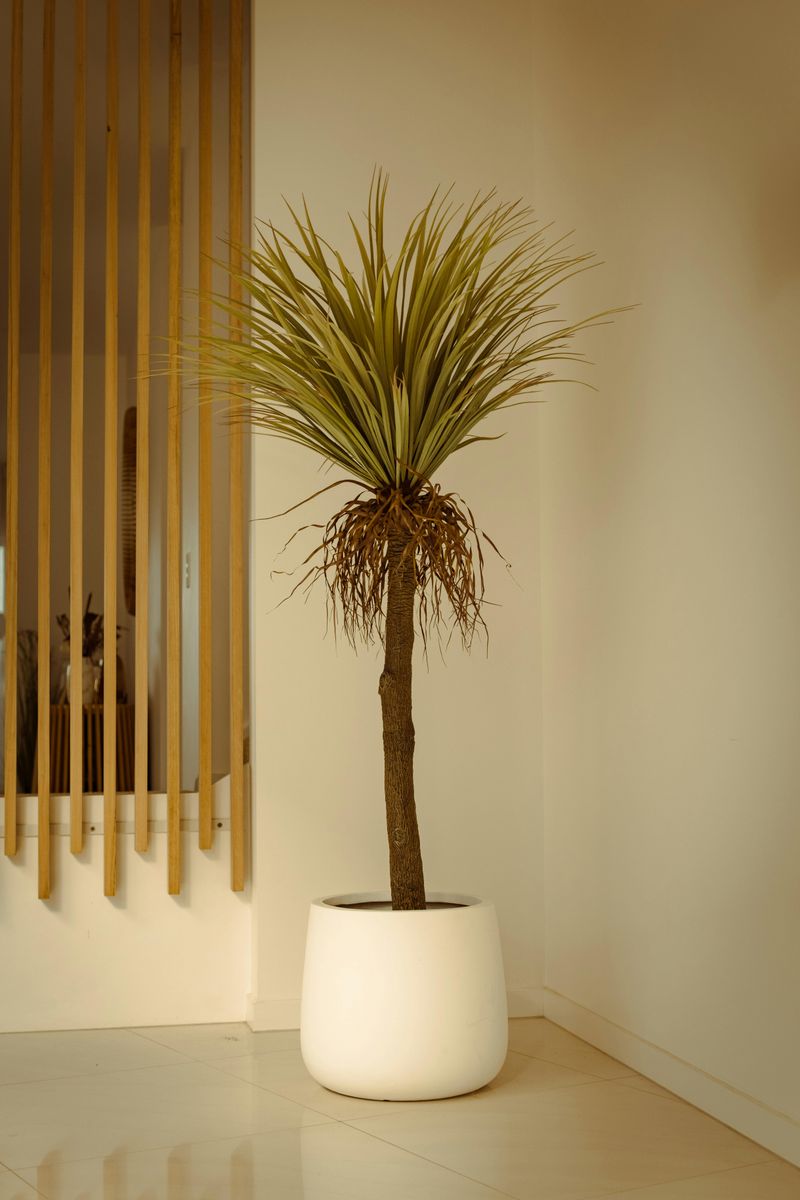
Spiky red-edged leaves clustered atop slender woody stems create an architectural silhouette that fits perfectly in narrow New York apartment corners and tight spaces.
Often called dragon trees, these plants shoot upward quickly and can reach impressive heights exceeding six feet within just a few years.
Low light tolerance makes dracaenas ideal for apartments lacking abundant natural sunlight, though brighter spots intensify their distinctive red leaf margins beautifully.
Your New York Garden Changes Every Week. Your Plan Should Too.
Gardening in New York changes quickly throughout the season. Every Friday you’ll receive a simple weekly plan showing exactly what to plant, prune, fertilize, harvest, and protect so you never miss the right timing.
Water moderately, letting the top half of soil dry completely before adding more moisture to prevent common root issues and yellowing.
Fluoride in tap water sometimes causes brown leaf tips, so use filtered or distilled water if you notice this problem developing.
Multiple stems planted together create a fuller look, though single-trunk varieties offer a more minimalist aesthetic for modern apartment decor styles.
Slow-release fertilizer pellets work wonderfully during growing season, providing steady nutrients without requiring frequent feeding schedules or complicated routines.
Cold drafts from windows or air conditioners can damage tender new growth, so keep your dracaena away from temperature fluctuations throughout winter.
4. Monstera Deliciosa
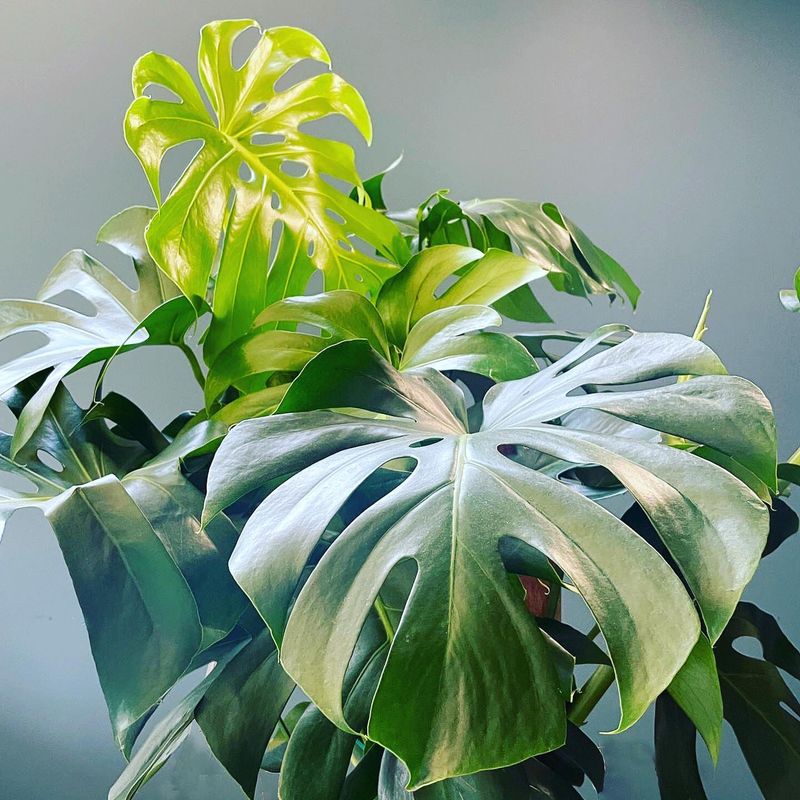
Iconic split leaves with natural holes create an unmistakable tropical vibe that instantly transforms boring New York apartments into lush urban jungle sanctuaries worth showing off.
Climbing naturally in wild habitats, monsteras appreciate moss poles or stakes indoors, helping them grow tall rather than sprawling horizontally across floors.
Bright indirect light encourages larger leaves with more dramatic splits and fenestrations, though monsteras tolerate medium light reasonably well too.
Water when the top inch of soil feels dry, maintaining consistent moisture without leaving roots sitting in soggy conditions that promote rot.
Aerial roots develop naturally and can be tucked into soil or left dangling, adding to the plant’s wild jungle character and charm.
New leaves emerge tightly rolled and gradually unfurl over several days, revealing their signature splits in a fascinating process worth watching closely.
Wipe leaves regularly to remove dust and allow proper gas exchange, which helps your monstera photosynthesize efficiently and grow faster overall.
Monsteras grow vigorously during warm months, sometimes producing new leaves weekly when conditions are optimal and care routines remain consistent throughout.
5. Bird of Paradise
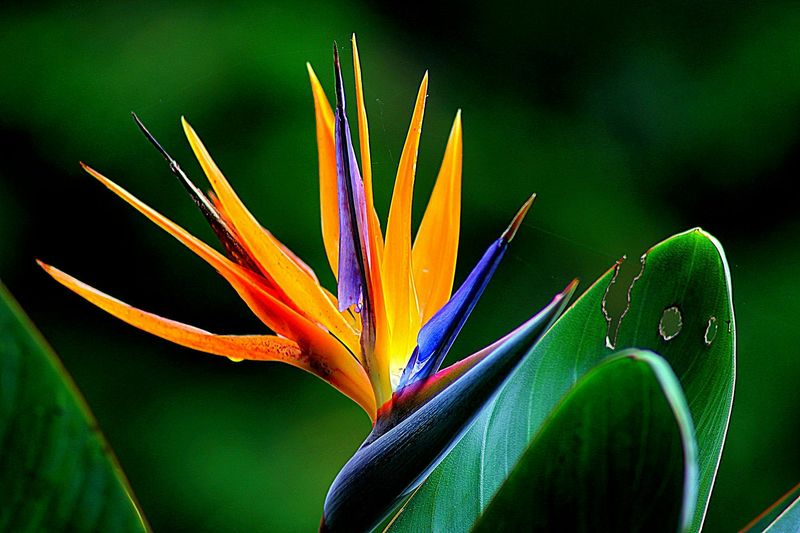
Enormous paddle-shaped leaves reminiscent of banana plants bring tropical resort vibes directly into cramped New York apartments lacking outdoor garden space or balconies.
Growing rapidly in bright conditions, bird of paradise plants can reach ceiling heights, creating stunning focal points in living rooms and bedrooms alike.
South-facing windows provide the intense light these sun-lovers crave, though they adapt to slightly less bright spots with slower growth rates.
Water thoroughly when soil feels dry an inch down, ensuring excess drains completely to prevent soggy roots and potential fungal problems.
Humidity matters for bird of paradise plants, so mist leaves occasionally or place pots on pebble trays filled with water for increased moisture.
Split leaves are natural and not signs of damage, often occurring from wind or rapid growth rather than poor care or pest issues.
Fertilize monthly during growing season with balanced liquid plant food to support vigorous leaf production and maintain vibrant green coloring throughout foliage.
Mature plants occasionally produce striking orange and blue flowers indoors, though blooming requires several years of growth and optimal care conditions consistently.
6. Yucca Cane
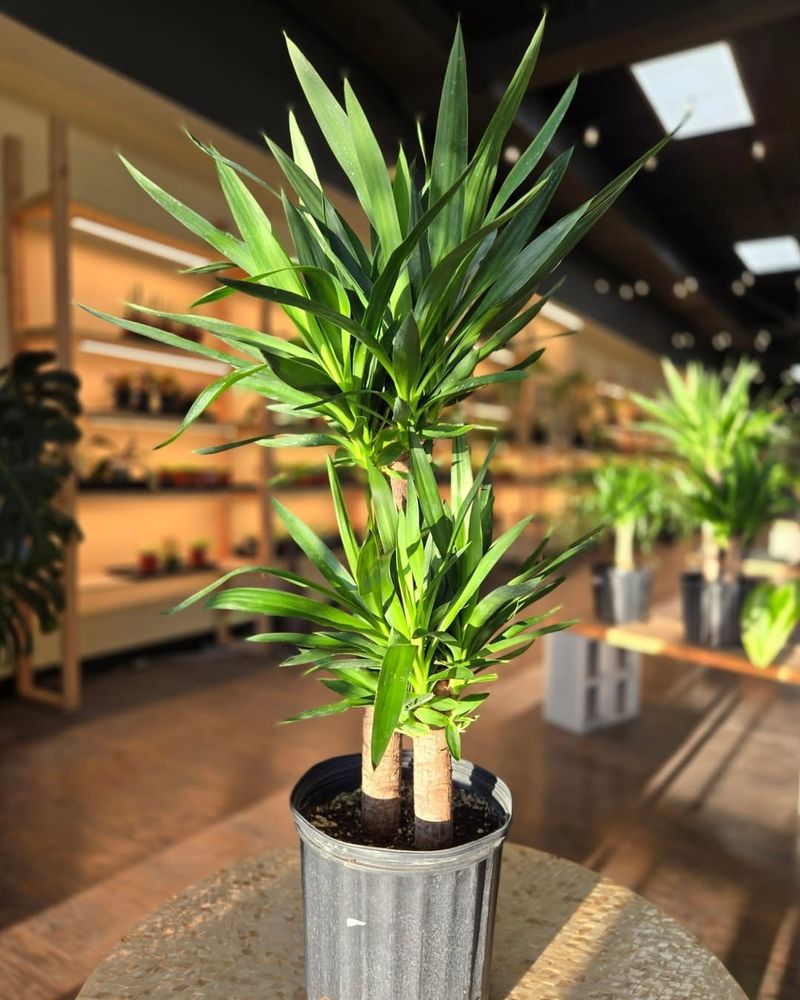
Sword-like leaves radiating from thick woody canes give yucca plants a bold architectural presence that complements modern minimalist apartment decor styles perfectly.
Extremely drought-tolerant, yuccas thrive on neglect and prefer infrequent watering, making them ideal for forgetful plant parents or frequent travelers away.
Bright light suits yuccas best, and they can even handle some direct sun exposure that would scorch more delicate tropical plant varieties.
Allow soil to dry completely between waterings since overwatering causes root rot far more commonly than underwatering with these desert-adapted specimens.
Slow-growing compared to some tropical plants, yuccas still reach impressive heights exceeding five feet, adding vertical drama without constant pruning or maintenance.
Brown leaf tips usually indicate low humidity or fluoride in tap water, both easily remedied with occasional misting or filtered water usage.
Remove withered lower leaves by gently pulling them downward to maintain a tidy appearance and prevent pest hiding spots from developing underneath.
Yuccas tolerate lower humidity levels typical in heated New York apartments during winter months better than most other tall indoor plant options.
7. Corn Plant
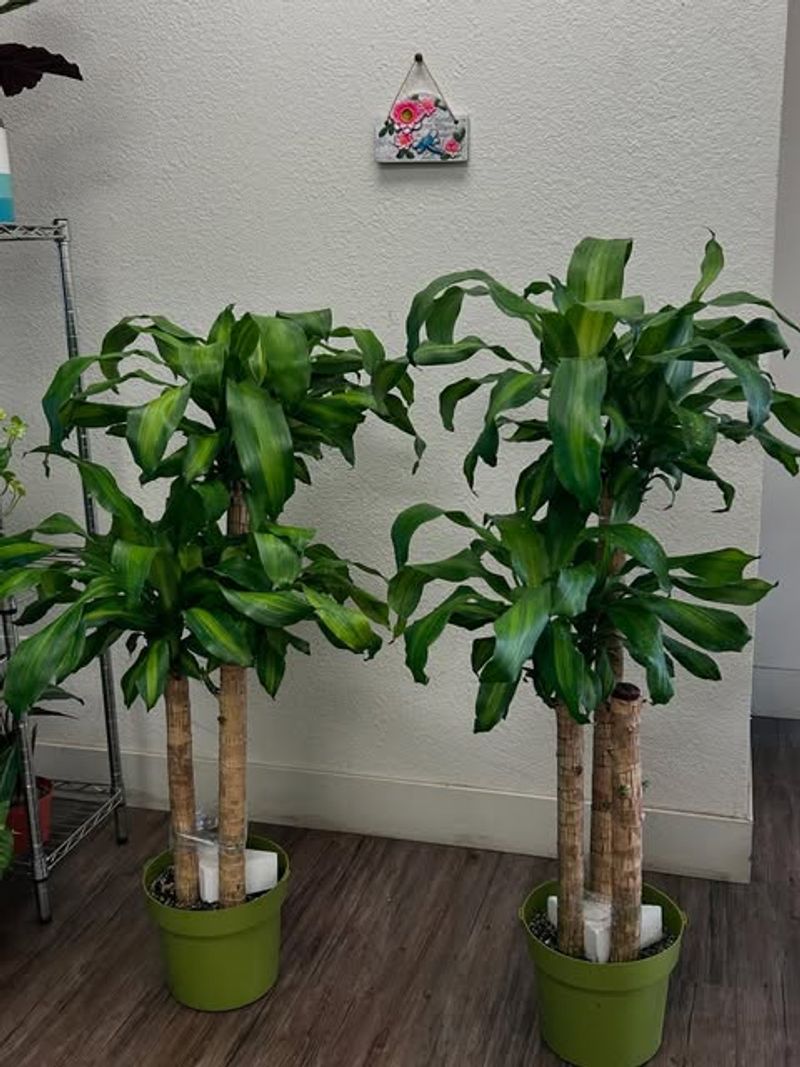
Arching striped leaves resembling corn foliage create a soft, graceful appearance that softens harsh apartment corners and adds movement to static room layouts.
Part of the dracaena family, corn plants grow steadily upward on thick cane-like trunks, eventually reaching heights near six feet indoors.
Low to medium light conditions suit corn plants wonderfully, making them perfect for apartments with limited window space or north-facing exposure only.
Water when the top two inches of soil feel dry, providing thorough soaking until water drains freely from bottom holes in containers.
Brown leaf tips often result from fluoride or salt buildup in tap water, so switching to distilled or rainwater solves this cosmetic issue.
Corn plants tolerate typical New York apartment temperatures well but dislike sudden cold drafts from windows or air conditioning vents blowing directly on foliage.
Fertilize every other month during spring and summer using half-strength liquid fertilizer to encourage healthy growth without causing fertilizer burn damage.
Multiple canes planted at different heights create a layered, fuller look that maximizes visual impact in small spaces without overcrowding rooms.
8. Parlor Palm
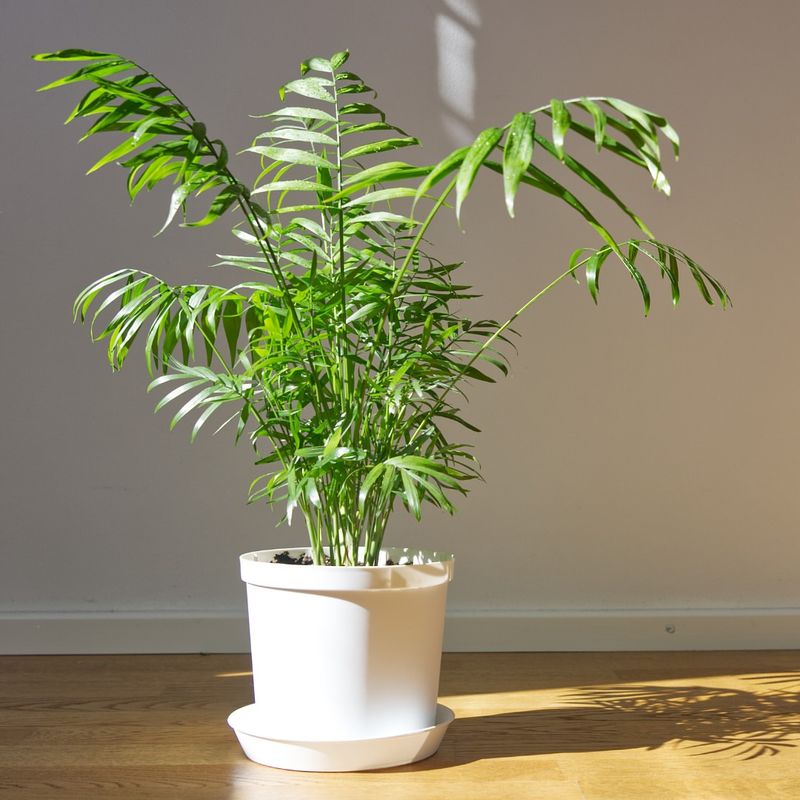
Delicate feathery fronds bring an elegant tropical touch to New York apartments without the demanding care requirements that many other palm varieties stubbornly insist upon.
Parlor palms grow slowly but steadily, reaching heights around six feet indoors while maintaining a compact footprint perfect for tight apartment spaces.
Low light tolerance makes parlor palms exceptional choices for dimly lit apartments, hallways, or rooms with only small windows facing courtyards.
Keep soil consistently moist but never waterlogged, checking moisture levels regularly since palms dislike completely drying out between waterings unlike succulents.
Brown leaf tips usually indicate low humidity or inconsistent watering, both easily corrected with occasional misting or more attentive moisture monitoring habits.
Avoid direct sunlight, which scorches delicate fronds and causes unsightly brown patches that diminish the plant’s graceful appearance and overall health.
Fertilize monthly during growing season with diluted palm fertilizer to provide essential nutrients that support lush green growth and prevent yellowing leaves.
Parlor palms naturally filter indoor air pollutants, making them functional as well as decorative additions to apartment living spaces and bedrooms alike.
9. Snake Plant
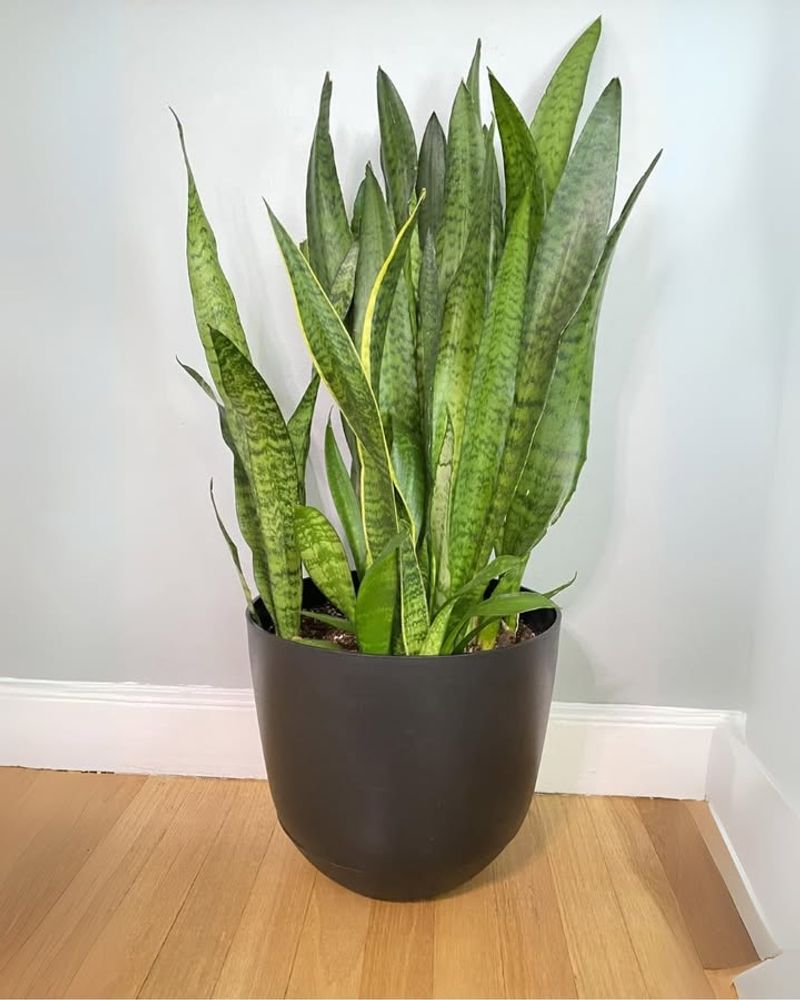
Upright sword-shaped leaves with striking variegated patterns create bold vertical lines that draw eyes upward, making low ceilings appear higher than they are.
Virtually indestructible, snake plants tolerate neglect, low light, and irregular watering better than almost any other indoor plant variety currently available commercially.
Growing steadily over time, mature snake plants reach impressive heights exceeding four feet, with some varieties growing even taller in optimal conditions.
Water sparingly, allowing soil to dry completely between waterings since snake plants store moisture in thick leaves and prefer dry conditions overall.
Bright indirect light encourages faster growth and more vibrant leaf coloring, though snake plants survive perfectly well in New York darker apartment corners too.
Root-bound conditions don’t bother snake plants much, and they can remain in the same pot for years without suffering from crowded roots.
Propagate easily by dividing root clumps or rooting leaf cuttings in water, creating new plants to fill other apartment spaces or gifts.
Snake plants release oxygen at night unlike most plants, making them excellent bedroom companions that improve air quality while you sleep peacefully.
10. Umbrella Tree
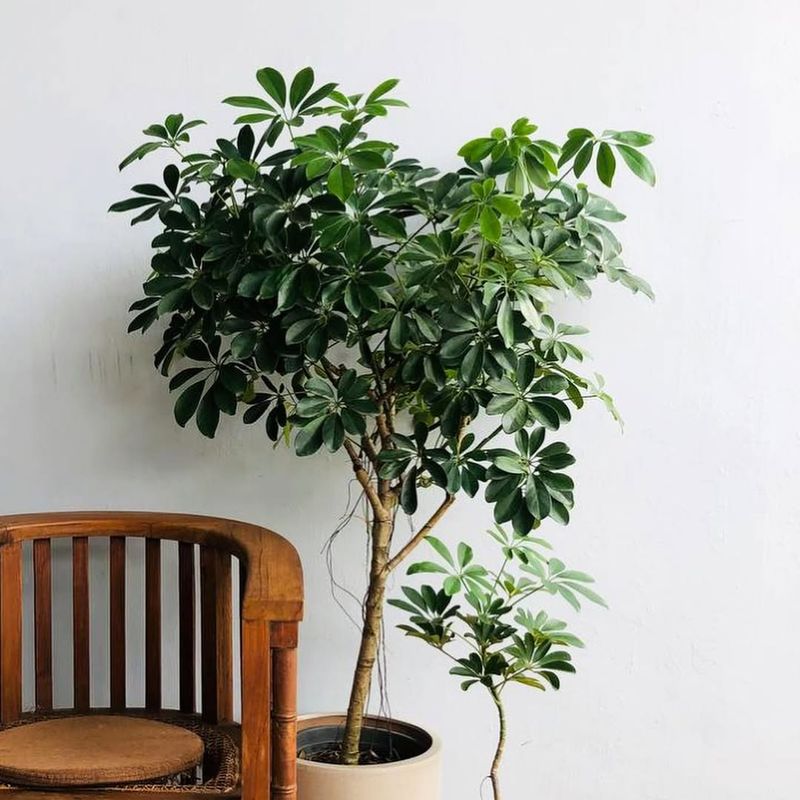
Glossy leaves arranged in circular patterns resembling umbrella spokes create a unique visual texture that stands out among typical New York apartment plant collections.
Fast-growing and forgiving, umbrella trees shoot upward quickly in bright conditions, sometimes gaining several feet of height within a single growing season.
Bright indirect light keeps umbrella trees compact and bushy, while lower light causes leggier growth with more space between leaf clusters along stems.
Water when the top inch of soil dries out, providing thorough watering until excess drains away to prevent root rot and fungal issues.
Prune top growth anytime to control height and encourage fuller, bushier growth patterns that suit apartment spaces better than tall spindly forms.
Umbrella trees tolerate a wide range of temperatures and humidity levels, adapting well to typical apartment conditions without special accommodations or equipment.
Yellow leaves usually indicate overwatering or poor drainage, while leaf drop often results from sudden temperature changes or drafts from windows.
Fertilize monthly during spring and summer with balanced liquid fertilizer diluted to half strength to support vigorous growth without causing salt buildup.
11. Kentia Palm
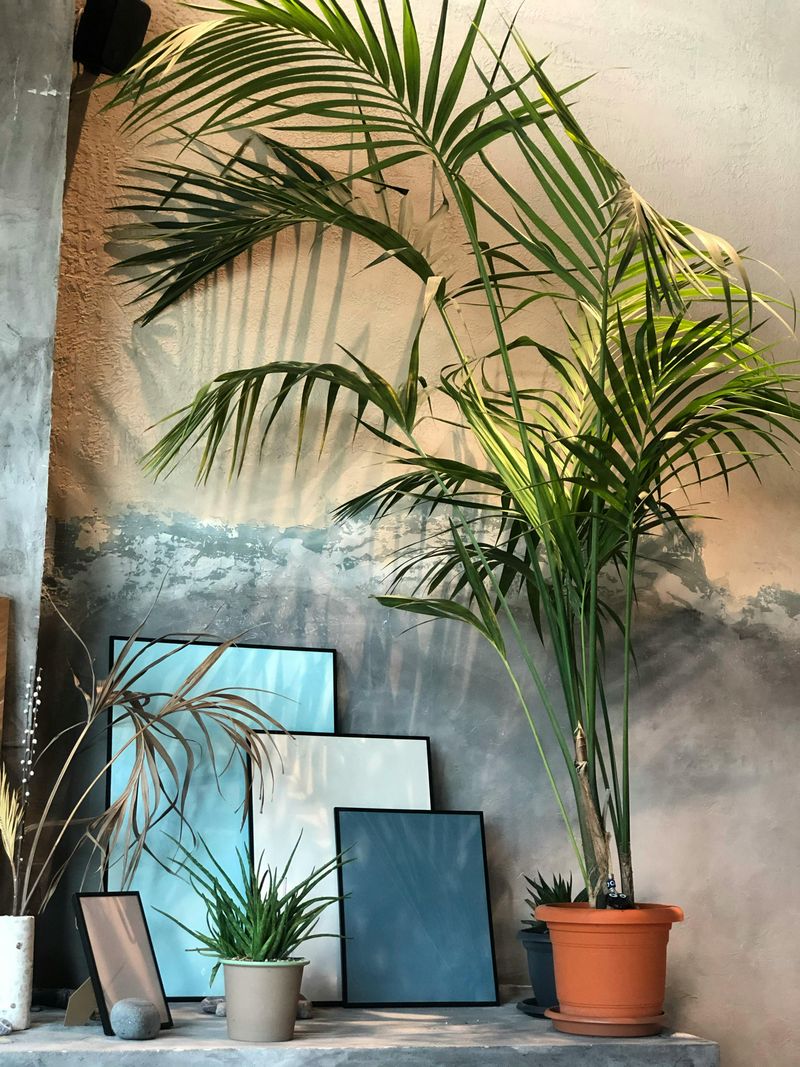
Gracefully arching fronds create an elegant silhouette that evokes old-world charm and sophistication, perfect for classic New York apartment aesthetic preferences and styles.
Growing slowly but reliably, kentia palms eventually reach impressive heights near ten feet indoors, providing dramatic vertical interest without rapid overwhelming growth.
Low to medium light conditions suit kentia palms wonderfully, and they tolerate shadier spots better than most other palm varieties available commercially.
Water when the top two inches of soil feel dry, maintaining consistent moisture without allowing roots to sit in standing water puddles.
Kentia palms tolerate dry indoor air better than many tropical plants, making them ideal for heated apartments with low humidity during winter.
Brown frond tips usually indicate inconsistent watering or low humidity, though this cosmetic issue doesn’t harm overall plant health significantly when mild.
Fertilize every two months during growing season with diluted palm fertilizer to provide essential nutrients that support healthy frond development and vibrant coloring.
Avoid repotting too frequently since kentia palms prefer being slightly root-bound and can become stressed when moved to excessively large containers.
12. Money Tree

Braided trunks topped with glossy five-lobed leaves create a distinctive appearance that adds sculptural interest and conversation-starting charm to New York apartment interiors everywhere.
Believed to bring good fortune and prosperity, money trees make meaningful gifts while also serving as attractive, fast-growing additions to personal plant collections.
Bright indirect light promotes compact, healthy growth with vibrant green leaves, though money trees adapt reasonably well to medium light conditions too.
Water when the top two inches of soil dry out completely, providing thorough watering until excess drains freely to prevent root rot issues.
Money trees prefer higher humidity levels, so occasional misting or pebble trays filled with water help maintain optimal moisture around foliage and stems.
Yellow leaves often signal overwatering, while brown crispy leaves indicate underwatering or low humidity levels that need addressing through adjusted care routines.
Rotate your money tree weekly to ensure even growth on all sides and prevent lopsided development toward the light source near windows.
Fertilize monthly during spring and summer with diluted liquid fertilizer to support vigorous growth and maintain lush, healthy foliage throughout growing season months.