Why Salamanders Are Showing Up In Tennessee Mulch Beds
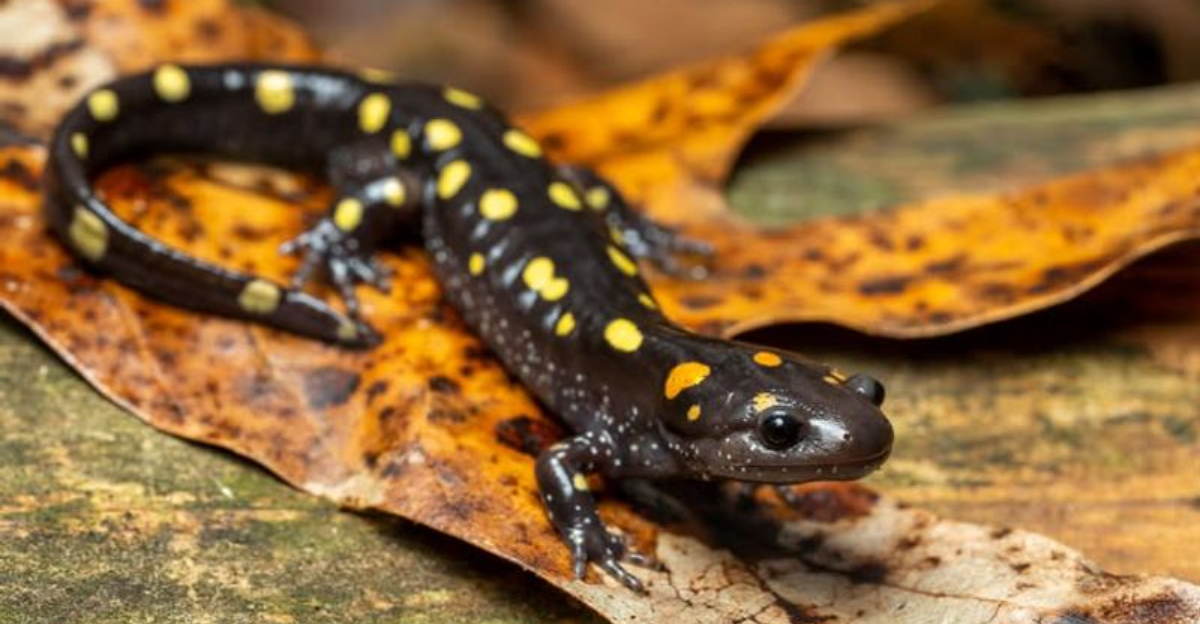
Tennessee mulch beds have been full of surprises lately, and salamanders seem to be stealing the spotlight.
These small, slippery visitors often appear out of nowhere, tucked beneath damp bark or peeking out after a good rain.
For many homeowners, spotting one feels like stumbling on a secret the yard has been keeping.
Mulch beds may look calm and tidy on the surface, yet just below that layer sits the kind of cool, moist hideaway salamanders love.
Salamanders follow comfort and food, and mulch offers both in spades.
It holds moisture, shelters insects, and stays cool even when temperatures climb.
After heavy rain or during humid stretches, these creatures move around more freely, making their presence easier to spot.
Their sudden appearance often signals a healthy environment, even if the surprise raises a few eyebrows.
Finding salamanders in mulch beds does not mean trouble is brewing.
In many cases, it points to soil that stays balanced and alive.
These quiet guests play their part behind the scenes, helping control pests and adding to the natural rhythm of the yard.
Sometimes nature sends its messages in unexpected forms, and salamanders happen to be one of them.
1. Moisture Retention Creates Perfect Habitat
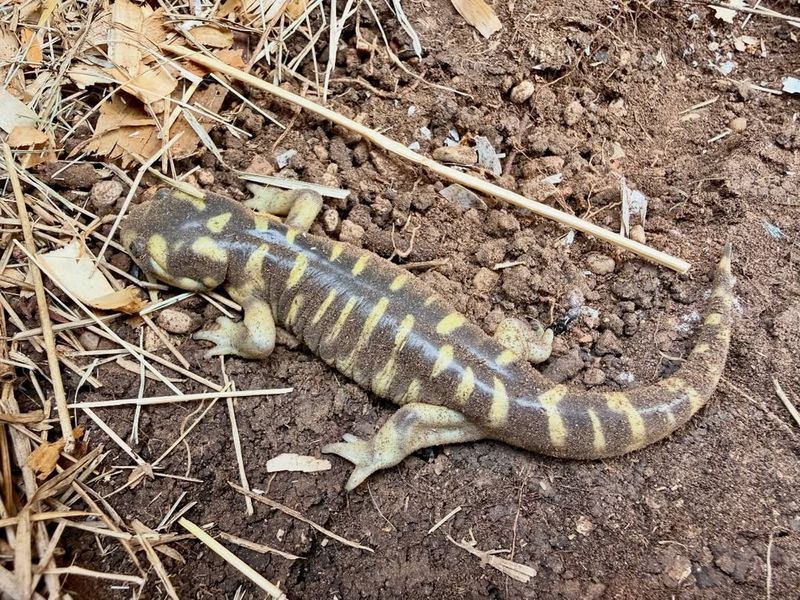
Mulch acts like a giant sponge in your Tennessee yard, holding moisture long after the rain stops falling.
Salamanders need damp environments because their skin must stay wet to help them breathe properly.
Unlike humans who breathe only through lungs, salamanders absorb oxygen directly through their moist skin.
When mulch beds retain water from rainfall or sprinkler systems, they become ideal living spaces for these amphibians.
Tennessee’s climate brings plenty of rain throughout the year, especially during spring and early summer.
Your mulch beds soak up this moisture and create humid microclimates underneath the surface layers.
Salamanders can burrow into these damp zones and stay comfortable even when the top layer starts to dry out.
This moisture also keeps their eggs safe if they choose to reproduce in your garden.
Wood chips, shredded bark, and other organic mulches hold water better than rocks or rubber alternatives.
The decomposing organic matter releases moisture slowly over time, maintaining consistent humidity levels.
In East Tennessee near the mountains, where humidity is naturally higher, mulch beds become even more attractive to salamanders.
Middle and West Tennessee gardens also provide suitable conditions when homeowners water regularly.
If you’re finding salamanders frequently in your mulch, it means you’re doing a great job keeping your garden properly hydrated.
These creatures won’t stick around in dry, dusty conditions.
Their presence indicates healthy moisture levels that also benefit your plants and flowers.
2. Abundant Food Sources Attract Them
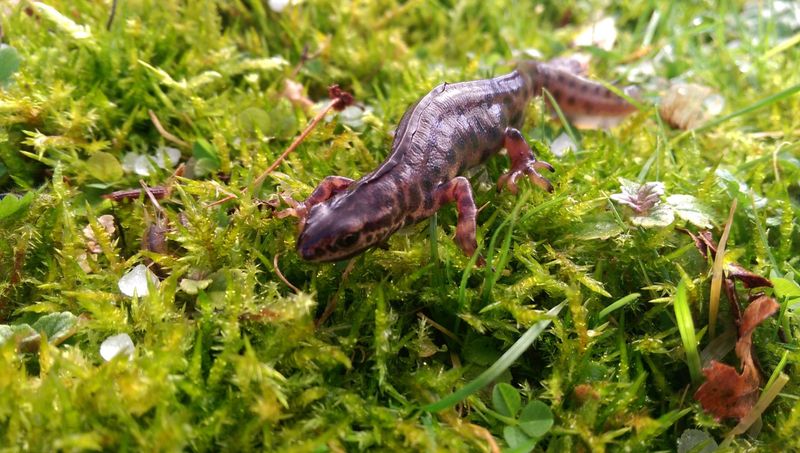
Your mulch bed operates like an all-you-can-eat buffet for hungry salamanders.
Underneath those layers of wood chips live thousands of tiny invertebrates including beetles, ants, spiders, slugs, and worms.
Salamanders feast on these small creatures, making mulch beds prime hunting grounds.
A single salamander can consume dozens of insects in one night, helping control pest populations naturally.
Your Tennessee Garden Changes Every Week. Your Plan Should Too.
Gardening in Tennessee changes quickly throughout the season. Every Friday you’ll receive a simple weekly plan showing exactly what to plant, prune, fertilize, harvest, and protect so you never miss the right timing.
Organic mulch breaks down over time, attracting decomposers like springtails, millipedes, and sowbugs.
These decomposers become easy meals for salamanders prowling through the mulch at night.
Tennessee gardens rich in organic matter support larger populations of these tiny invertebrates.
The more food available, the more salamanders will take up residence in your yard.
Many homeowners worry about pests damaging their plants, but salamanders actually help solve this problem.
They eat harmful insects that might otherwise munch on your flowers and vegetables.
In Nashville and Chattanooga gardens, salamanders help control termite populations before they can threaten wooden structures.
They also consume mosquito larvae in damp mulch areas, reducing annoying bug populations around your home.
Unlike chemical pesticides that can harm beneficial insects and pollinators, salamanders provide targeted pest control.
They hunt primarily at night when most people aren’t using their gardens.
By morning, they’ve already cleared out many unwanted insects.
If you appreciate natural pest management, having salamanders in your Tennessee mulch beds offers significant benefits without any harsh chemicals or environmental damage.
3. Temperature Regulation Keeps Them Comfortable
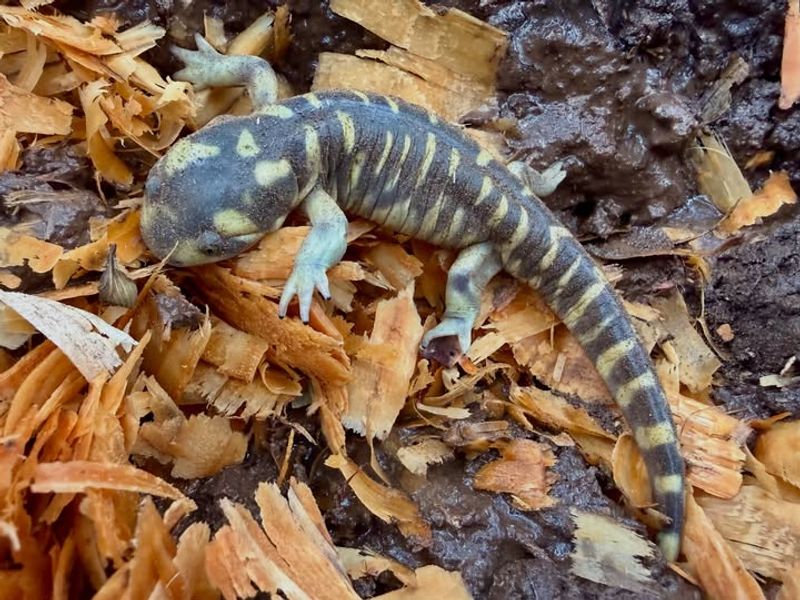
Tennessee summers can get brutally hot, with temperatures climbing into the 90s throughout July and August.
Salamanders are cold-blooded creatures that cannot regulate their body temperature internally like mammals do.
They rely on their environment to stay cool or warm up as needed.
Mulch beds provide excellent insulation against extreme temperature swings, creating stable microclimates underneath the surface.
During scorching summer days, the top layer of mulch might feel warm to the touch, but temperatures drop significantly just a few inches below.
Salamanders burrow deeper into the mulch to escape the heat and find cooler zones.
This natural air conditioning system keeps them comfortable even during Tennessee’s hottest months.
The shade provided by plants growing in mulch beds also helps maintain cooler temperatures.
Winter brings different challenges, with temperatures occasionally dipping below freezing across the state.
Mulch acts as an insulating blanket, protecting salamanders from harsh cold snaps.
In the Smoky Mountains and higher elevations of East Tennessee, this insulation becomes especially important for survival.
Salamanders can hunker down beneath several inches of mulch and remain relatively warm even when frost covers the ground.
The temperature stability in mulch beds allows salamanders to remain active longer throughout the year.
They don’t need to migrate long distances to find suitable conditions.
Your garden becomes a year-round home where they can hunt, rest, and reproduce comfortably.
This explains why you might spot them during unexpected times, even on cooler fall evenings or mild winter days.
4. Protection From Predators Increases Survival
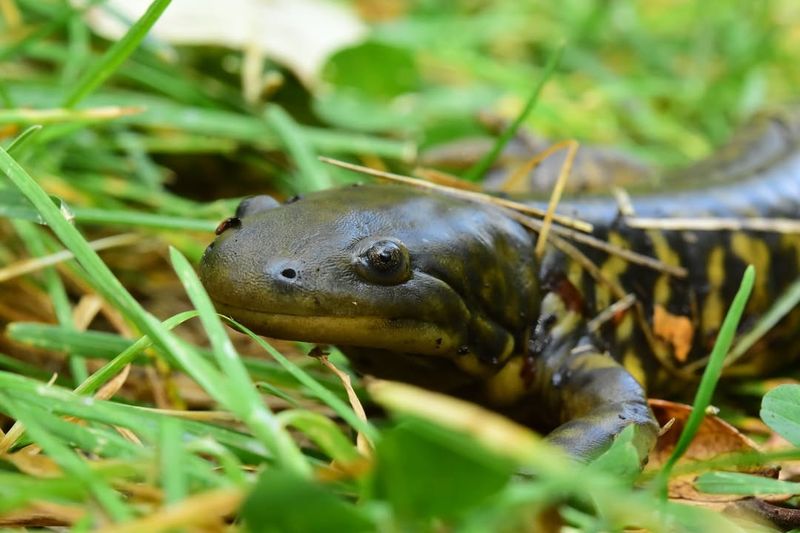
Life as a small amphibian comes with constant dangers from hungry predators.
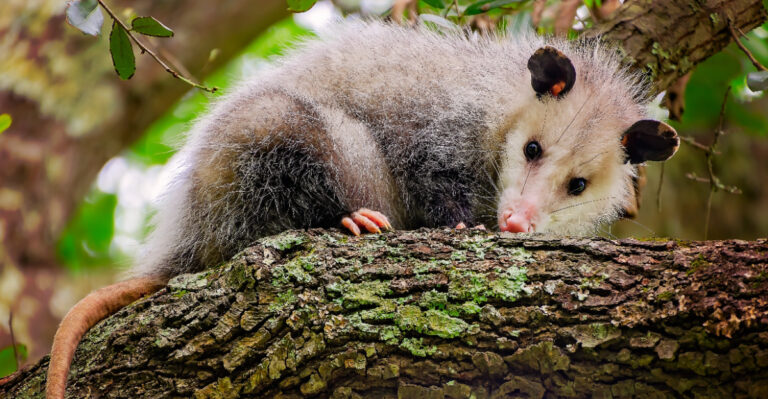
Birds, snakes, raccoons, opossums, and even domestic cats view salamanders as tasty snacks.
Tennessee’s diverse wildlife population means salamanders face threats from many directions.
Mulch beds offer crucial hiding spots where these vulnerable creatures can avoid detection and stay safe from hunters.
The layered structure of mulch creates numerous crevices and tunnels where salamanders can quickly disappear.
When a bird swoops overhead or a snake slithers nearby, salamanders slip beneath the mulch in seconds.
The dark color of most mulch materials provides excellent camouflage, making spotted salamanders and dark-backed species nearly invisible against the background.
Their natural coloration blends perfectly with decomposing wood chips and bark.
Predators hunting by sight have difficulty spotting salamanders hidden under mulch layers.
Even predators with excellent smell may struggle to locate salamanders among the strong scents of decomposing organic matter.
In suburban neighborhoods around Memphis and Knoxville, where outdoor cats roam freely, mulch beds provide essential refuge.
Without these protected spaces, salamander populations would decline rapidly.
Nighttime offers salamanders their safest hunting hours, but they still need quick escape routes nearby.
Mulch beds positioned near gardens, foundations, or wooded areas give salamanders multiple options for shelter.
They can emerge to hunt insects, then retreat immediately if threatened.
This security encourages them to establish permanent territories in your yard rather than constantly moving to find safer locations elsewhere in Tennessee.
5. Breeding And Reproduction Opportunities

Springtime in Tennessee brings salamander mating season, when these amphibians search for suitable locations to lay eggs.
While many species prefer ponds or streams, some salamanders reproduce in terrestrial environments like mulch beds.
The consistent moisture, stable temperatures, and abundant food make mulch an attractive nursery for raising young salamanders.
Female salamanders can deposit eggs in protected spots beneath the mulch layers.
Woodland salamanders, common throughout Tennessee’s forests and suburban areas, often skip the aquatic stage entirely.
They lay eggs in damp locations on land, and tiny salamanders emerge looking like miniature adults.
Your mulch bed provides everything these eggs need: moisture to prevent drying out, moderate temperatures for proper development, and protection from egg predators.
The decomposing organic matter even provides food for newly hatched salamanders.
In East Tennessee near the Great Smoky Mountains, salamander diversity reaches incredible levels.
Over 30 species inhabit the region, many taking advantage of suitable breeding habitats in residential areas.
When natural forest habitat disappears due to development, salamanders adapt by using garden mulch beds as alternative breeding sites.
Your yard might support multiple generations of salamanders without you even realizing it.
Baby salamanders face extreme vulnerability during their first weeks of life.
Mulch beds offer them safe spaces to grow and develop hunting skills before venturing into more dangerous areas.
The abundance of tiny insects in mulch provides appropriately sized meals for juvenile salamanders.
By maintaining healthy mulch beds in your Tennessee garden, you’re potentially supporting the next generation of these beneficial amphibians and contributing to local biodiversity.
6. Urban Development Pushes Them Into Gardens
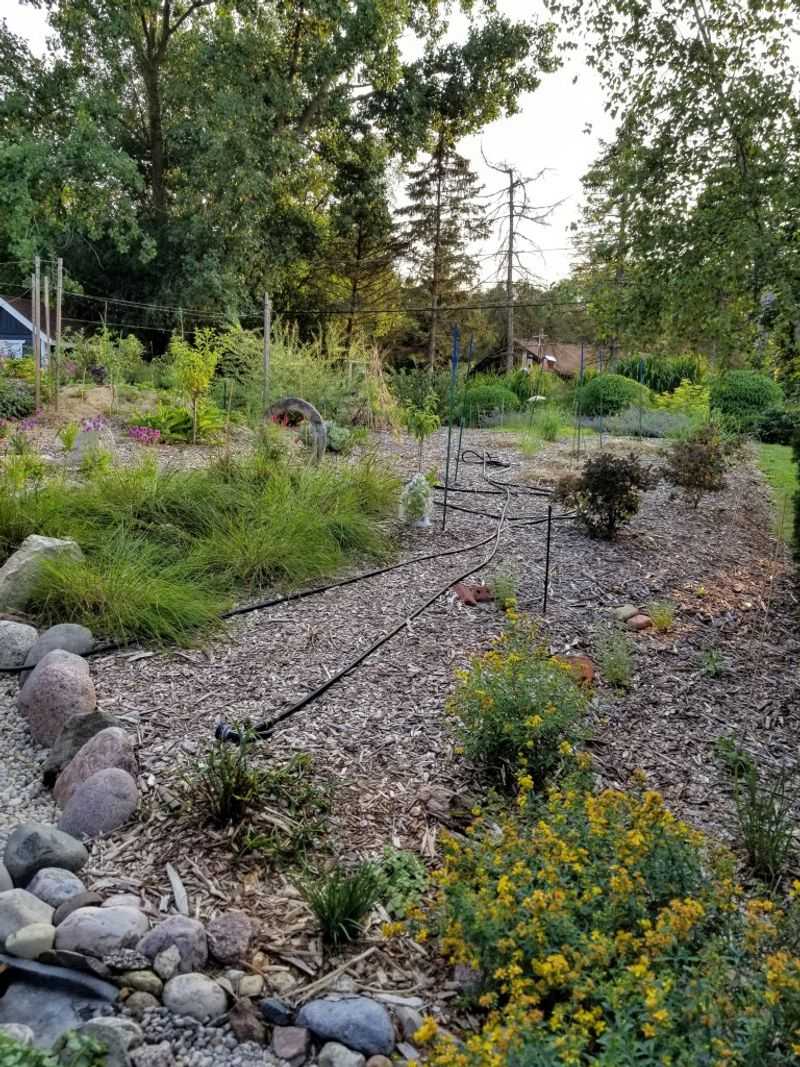
Tennessee has experienced significant population growth over recent decades, particularly around Nashville, which has become one of America’s fastest-growing cities.
Urban and suburban expansion means more forests, wetlands, and natural habitats get converted into neighborhoods, shopping centers, and roads.
Salamanders living in these areas suddenly find their homes destroyed.
Rather than disappearing entirely, many salamanders adapt by moving into residential gardens where conditions somewhat resemble their original forest habitats.
Mulch beds mimic the leaf litter and decomposing wood found on forest floors where salamanders naturally thrive.
When developers clear land for new subdivisions, displaced salamanders search for the next best option.
Well-maintained gardens with thick mulch layers become refuges for these homeless amphibians.
In rapidly developing areas around Franklin, Murfreesboro, and the outskirts of Memphis, salamander sightings in yards have increased as natural spaces shrink.
This phenomenon actually demonstrates salamander adaptability and resilience.
Instead of viewing them as invaders, consider them refugees seeking shelter in an increasingly human-dominated landscape.
Your garden might represent one of the few remaining suitable habitats in a neighborhood where forests once stood.
By tolerating or even welcoming salamanders in your mulch beds, you’re helping preserve Tennessee’s native wildlife despite ongoing development pressures.
Conservation experts encourage homeowners to maintain wildlife-friendly yards that support displaced animals.
Salamanders serve as indicator species, meaning their presence suggests your garden maintains relatively healthy ecological conditions.
Creating habitat corridors by connecting your mulch beds with neighbors’ gardens or nearby green spaces helps salamanders move safely through developed areas and maintain genetic diversity across populations.
7. Native Species Naturally Inhabit The Region
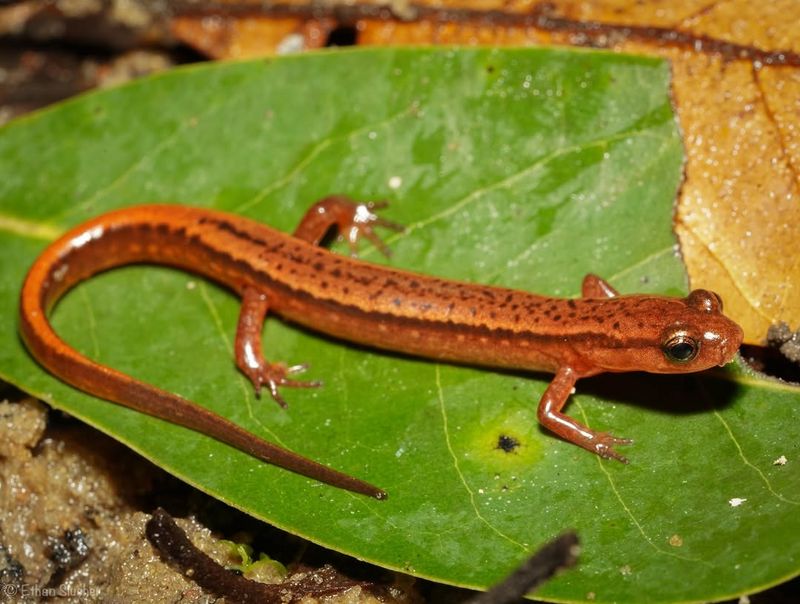
Tennessee ranks among the top states for salamander diversity in the entire United States.
Over 50 different salamander species call Tennessee home, more than almost anywhere else on the planet.
The state’s varied geography, from the Mississippi River lowlands in the west to the Appalachian Mountains in the east, provides habitats for numerous salamander species.
Many of these species evolved specifically in Tennessee and nearby states, making them perfectly adapted to local conditions.
Common species you might encounter in mulch beds include the spotted salamander, slimy salamander, red-backed salamander, and various dusky salamander species.
Each has slightly different preferences, but all appreciate the shelter and resources mulch beds provide.
The red-backed salamander, for instance, spends its entire life on land and frequently inhabits gardens throughout Middle Tennessee.
Spotting salamanders in your mulch isn’t unusual or alarming but rather completely natural for the region.
The Great Smoky Mountains National Park, straddling the Tennessee-North Carolina border, has been called the Salamander Capital of the World.
This biodiversity extends beyond park boundaries into surrounding communities.
If you live anywhere in East Tennessee, your property likely sits within the natural range of multiple salamander species.
They’ve inhabited these lands for millions of years, long before humans arrived.
Understanding that salamanders belong in Tennessee helps shift perspective from seeing them as pests to recognizing them as neighbors.
They’re not invading your space; you’ve simply built your home within their historical territory.
Coexisting peacefully with salamanders means accepting that wildlife will naturally appear in yards, especially when you create favorable conditions with mulch, moisture, and plantings that support local ecosystems and native Tennessee species.