10 Bulbs You Can Still Plant In Winter For A Gorgeous Georgia Spring
Winter in Georgia often feels like a pause button, yet the garden never truly sleeps.
Beneath cool soil and quiet beds, spring waits for its cue.
Bulbs planted during winter act like small promises tucked underground, ready to wake up right on time.
While the landscape may look bare now, these hidden starters work behind the scenes, setting the stage for color that arrives fast and full when warm days return.
Georgia’s mild winters give gardeners a rare window to get ahead.
Bulbs take advantage of cooler soil, steady moisture, and time to settle in before growth kicks off.
They do not ask for much, yet they deliver a big payoff.
When spring finally stretches its legs, these bulbs burst into bloom like fireworks, filling gardens with life before most plants even get going.
Planting bulbs in winter feels like planting hope.
It turns a quiet season into an act of preparation and trust.
Each bulb becomes a future bloom, waiting patiently for its moment.
With the right choices in the ground now, a Georgia garden can roll into spring already in full stride, proving that sometimes the best garden work happens when everything looks still.
1. Daffodils
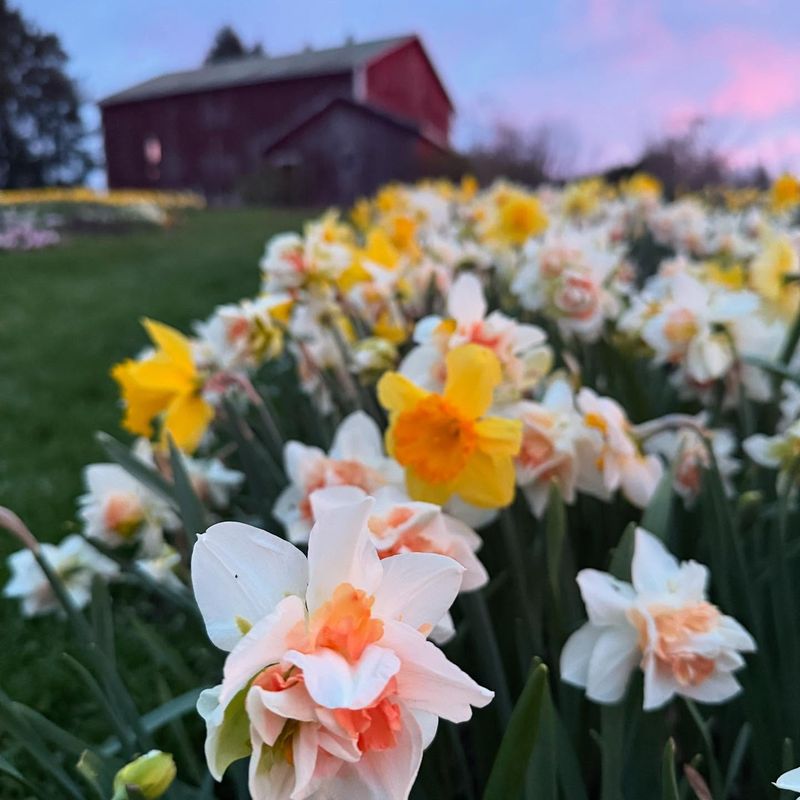
Daffodils bring sunshine to your garden right when you need it most, bursting forth with cheerful yellow, white, or orange blooms that signal winter’s end.
Georgia gardeners love daffodils because they’re incredibly forgiving and multiply year after year without much fuss.
Plant them about six inches deep in well-draining soil, and they’ll reward you with reliable blooms every spring.
The bulbs need that winter chill to develop properly, making Georgia’s climate absolutely perfect for these hardy flowers.
Squirrels and deer typically leave daffodils alone, which is a huge bonus if wildlife tends to munch on your garden.
You can plant them in clusters for dramatic impact or scatter them naturally across your lawn for a cottage garden feel.
They work beautifully under deciduous trees where they’ll soak up spring sunshine before the tree leaves emerge.
Water them after planting, but don’t worry too much about ongoing care since they’re drought-tolerant once established.
Daffodils come in hundreds of varieties, from tiny miniatures perfect for rock gardens to tall, showy types that make excellent cut flowers.
In Georgia, you can plant daffodil bulbs anytime from November through January, giving you plenty of flexibility.
Their cheerful presence will brighten even the gloomiest early spring days.
2. Tulips
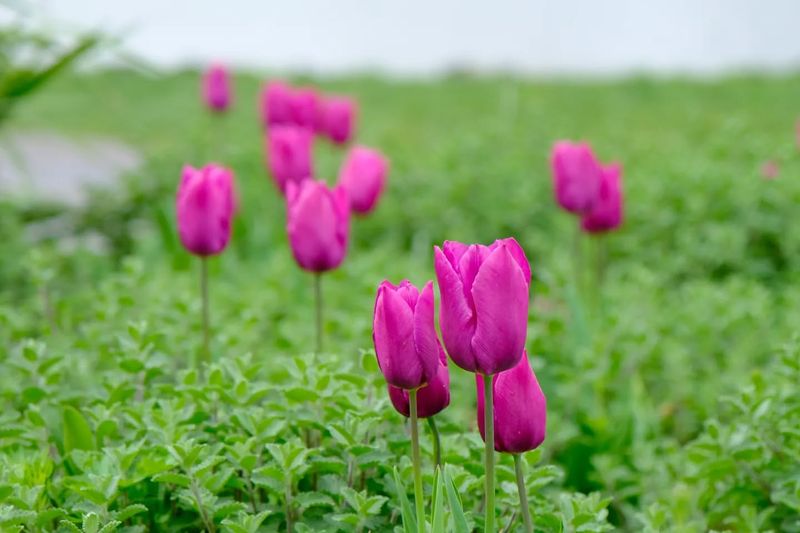
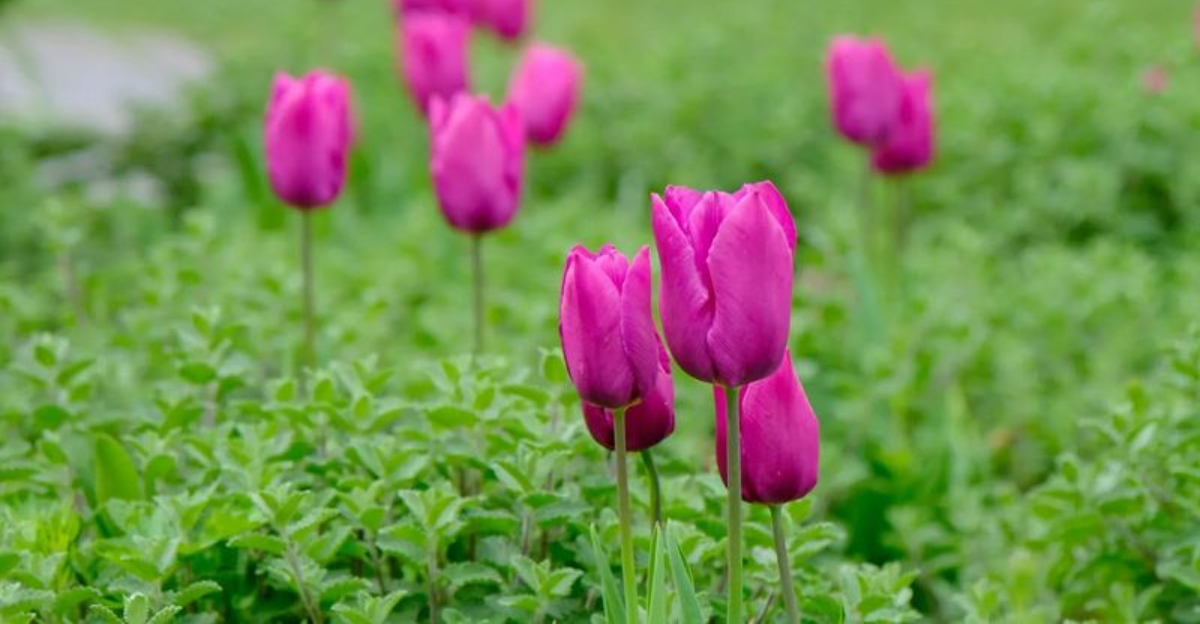
Few flowers capture spring’s elegance quite like tulips, with their sleek petals and stunning color range that spans nearly every shade imaginable.
While tulips prefer colder climates, Georgia gardeners can absolutely enjoy them with a little extra planning.
The trick is treating them as annuals or pre-chilling them in your refrigerator for six to eight weeks before planting.
Store them away from fruits like apples, which release gases that can damage the bulbs.
Once chilled, plant them in December or January about six inches deep in loose, well-draining soil.
Your Georgia Garden Changes Every Week. Your Plan Should Too.
Gardening in Georgia changes quickly throughout the season. Every Friday you’ll receive a simple weekly plan showing exactly what to plant, prune, fertilize, harvest, and protect so you never miss the right timing.
Choose sunny spots where water doesn’t collect, since tulips really dislike sitting in moisture.
Georgia’s warmer temperatures mean tulips might not return reliably year after year, but their spectacular spring show is absolutely worth replanting annually.
Mix different varieties for a longer bloom period, starting with early bloomers and finishing with late-season types.
Shorter varieties handle Georgia’s occasional warm spells better than tall ones.
Plant tulips in groups of at least ten bulbs for the most striking visual effect, and consider pairing them with pansies or violas for a complete spring display.
Water them regularly during their growth period, especially if winter rains are scarce.
Their elegant blooms make unforgettable additions to spring bouquets and garden beds throughout Georgia.
3. Crocuses
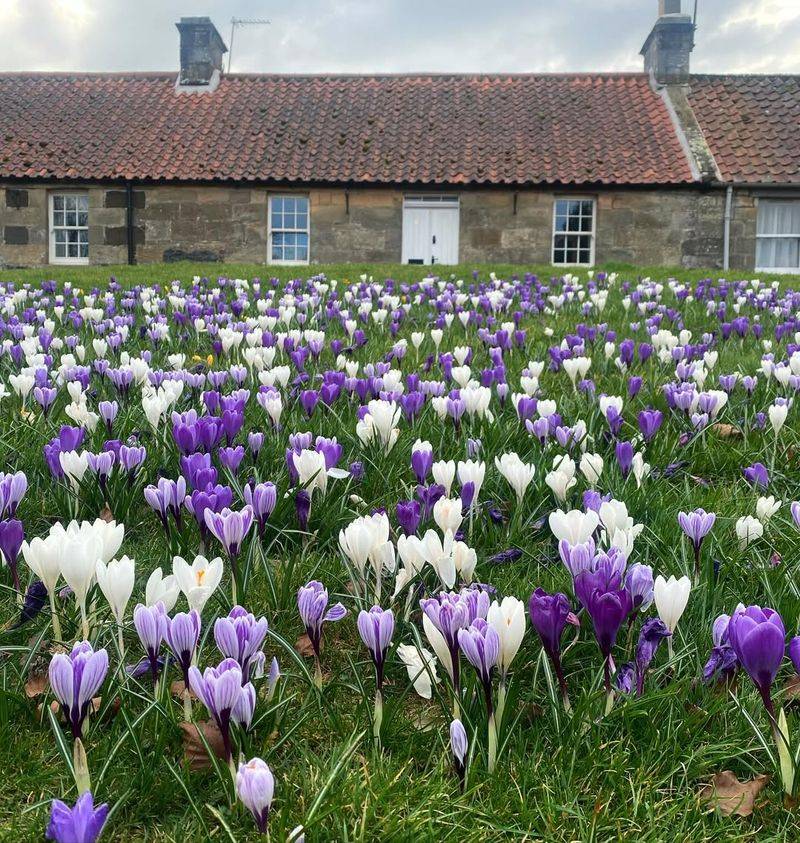
Crocuses pop up when you least expect them, often pushing through late winter snow or frost to announce that warmer days are coming soon.
These tiny but mighty flowers are among the earliest bloomers you’ll see in Georgia gardens, sometimes appearing as early as February.
Plant the small bulbs about three inches deep and three inches apart in clusters for maximum impact.
They’re not fussy about soil as long as it drains well, and they actually prefer spots that get full sun during their blooming period.
Crocuses naturalize beautifully, meaning they’ll spread and multiply over the years without any help from you.
Try planting them in your lawn for a magical carpet of color that appears before you need to start mowing.
The flowers come in purples, yellows, whites, and striped combinations that add cheerful pops of color when everything else still looks dormant.
Bees absolutely adore crocuses since they provide crucial early nectar when few other flowers are blooming.
Georgia’s climate suits crocuses perfectly since they need some cold but won’t tolerate extreme freezing.
Plant them anytime from November through January, tucking them into garden beds, under trees, or along pathways.
Their low-growing habit makes them perfect for edging or rock gardens, and they require virtually no maintenance once planted.
4. Hyacinths
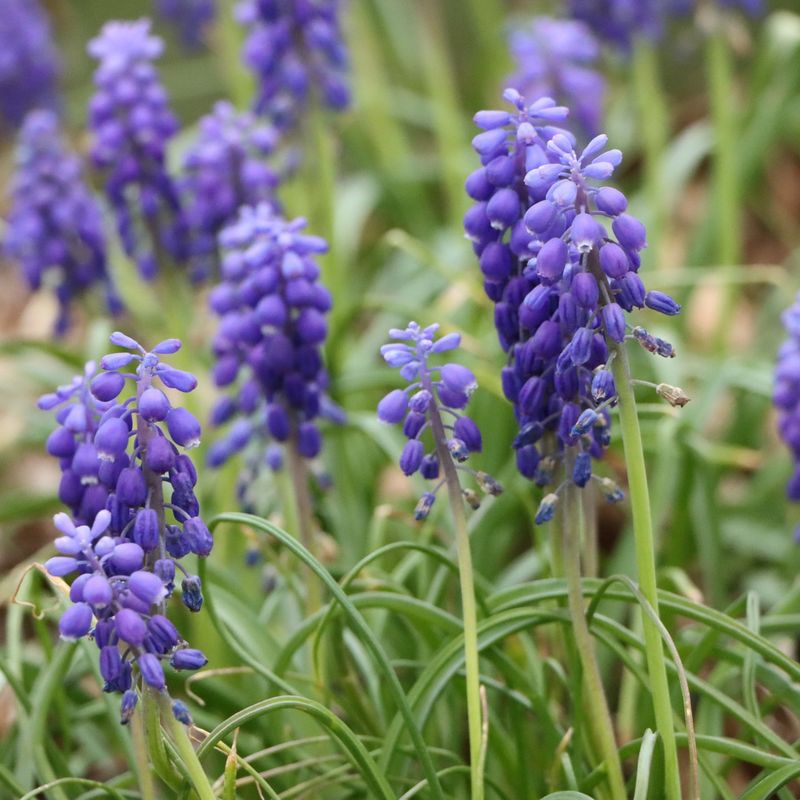
Hyacinths announce their presence before you even see them, filling the air with an intoxicating fragrance that’s both sweet and slightly spicy.
These densely packed flower spikes come in gorgeous shades of pink, purple, blue, white, and even peachy tones that look almost good enough to eat.
Georgia gardeners should plant hyacinth bulbs about six inches deep in rich, well-draining soil during December or January.
They prefer sunny locations but can tolerate partial shade, especially in areas where late spring gets quite warm.
The fragrance alone makes hyacinths worth growing, but their sturdy stems and long-lasting blooms add extra value.
Space bulbs about six inches apart, and consider planting them near walkways, patios, or windows where you’ll enjoy their perfume regularly.
Hyacinths look spectacular when planted in large groups of a single color or in rainbow mixes that create stunning visual displays.
They’re also excellent for container planting if you want to move them around your Georgia property.
Water them well after planting and during dry spells, but avoid overwatering since soggy soil can cause problems.
The blooms typically last two to three weeks, and the bulbs may return for several years if conditions are right.
Pair hyacinths with other spring bulbs for continuous color, and enjoy their unmatched fragrance throughout the season.
5. Snowdrops
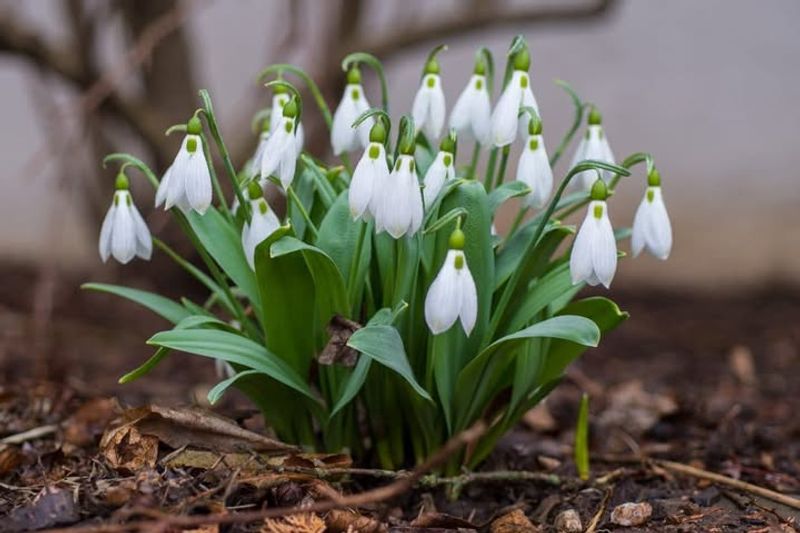
Snowdrops earn their name by blooming when frost still threatens, their delicate white bells nodding gracefully above the cold ground.
These charming little flowers are incredibly tough despite their fragile appearance, often emerging in late January or February throughout Georgia.
Plant the small bulbs about three inches deep in areas with partial shade, particularly under deciduous trees where they’ll get winter and early spring sun.
Snowdrops prefer slightly moist soil and actually perform better in Georgia’s cooler, shadier spots than in full blazing sun.
They naturalize wonderfully, creating expanding drifts of white that grow more impressive each year.
Unlike many bulbs, snowdrops can be planted and transplanted while actively growing, though winter planting of dormant bulbs works perfectly fine too.
Their low height makes them ideal for the front of borders, rock gardens, or woodland settings where their subtle beauty can be appreciated up close.
Snowdrops pair beautifully with hellebores and winter-blooming shrubs for a complete cold-season display.
Georgia gardeners will find snowdrops incredibly low-maintenance since they thrive on neglect once established.
The flowers may be small, but their impact is mighty when planted in generous quantities.
They provide crucial early food for bees and other pollinators when almost nothing else is blooming, making them ecologically valuable additions to your garden.
6. Alliums
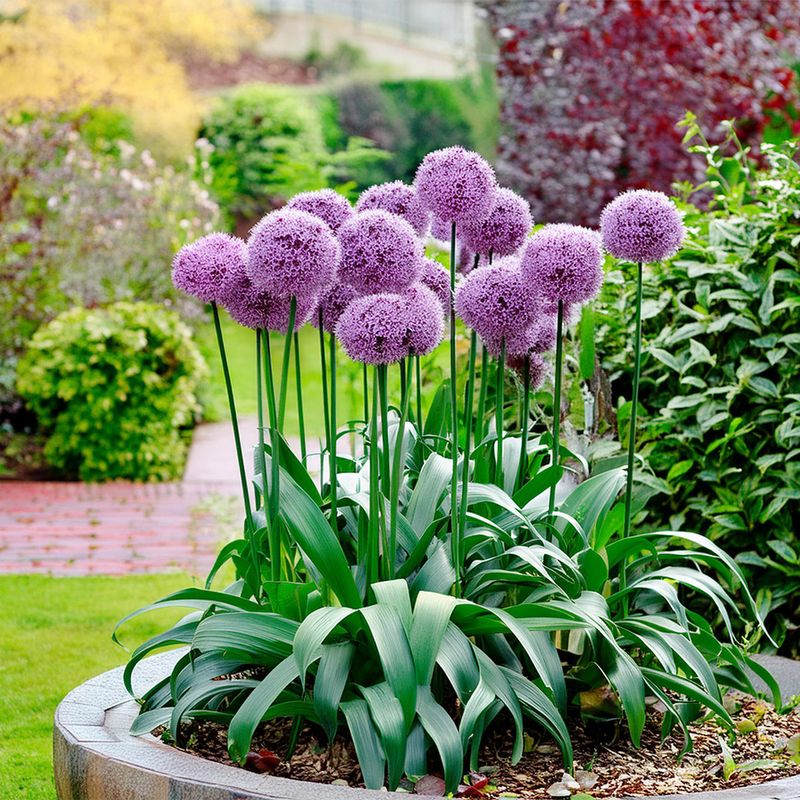
Alliums create architectural drama in spring gardens with their perfectly spherical flower heads that look like purple or white fireworks frozen in mid-burst.
Related to onions and garlic, these ornamental bulbs range from softball-sized globes atop tall stems to smaller pompom varieties that work in tighter spaces.
Georgia gardeners should plant allium bulbs in December or January, setting them about three times as deep as the bulb is tall.
They absolutely must have well-draining soil since they’re prone to rot in soggy conditions, but once established, they’re remarkably drought-tolerant.
The taller varieties make stunning focal points rising above lower-growing perennials and annuals.
Alliums bloom later than many spring bulbs, typically appearing in April or May throughout Georgia, which extends your garden’s season of interest.
Deer and rabbits avoid them completely thanks to their oniony nature, making them perfect for areas where wildlife browsing is problematic.
The dried seed heads remain attractive long after the flowers fade, adding interest through summer.
Plant alliums in groups of at least five for visual impact, spacing them according to their mature size.
They work beautifully in contemporary garden designs where their geometric shapes complement clean lines and simple plantings.
Pair them with roses, catmint, or ornamental grasses for stunning combinations that look professionally designed throughout your Georgia landscape.
7. Grape Hyacinths

Grape hyacinths pack serious charm into tiny packages, their clusters of cobalt blue flowers resembling miniature bunches of grapes dangling upside down.
Also called muscari, these tough little bulbs multiply enthusiastically and create carpets of intense blue that pair beautifully with yellow daffodils or white tulips.
Plant them about three inches deep and three inches apart during winter months in Georgia, choosing spots with full sun to partial shade.
They’re not particular about soil type as long as drainage is decent, and they’ll tolerate both dry spells and occasional dampness.
Grape hyacinths naturalize aggressively, which is wonderful if you want expanding drifts but potentially problematic in formal gardens.
Their low height makes them perfect for edging beds, filling in around larger bulbs, or planting in lawn areas that don’t get mowed until late spring.
The flowers emit a light, sweet fragrance that’s pleasant without being overwhelming.
Georgia gardeners appreciate how reliably grape hyacinths return year after year, often with increased numbers.
Besides the classic blue varieties, you can find white and pink cultivars that offer different looks while maintaining the same easy-care nature.
Plant them in large sweeps rather than small clusters for the most dramatic effect.
They bloom in mid-spring throughout Georgia, bridging the gap between early bulbs and later perennials while requiring virtually zero maintenance.
8. Anemones
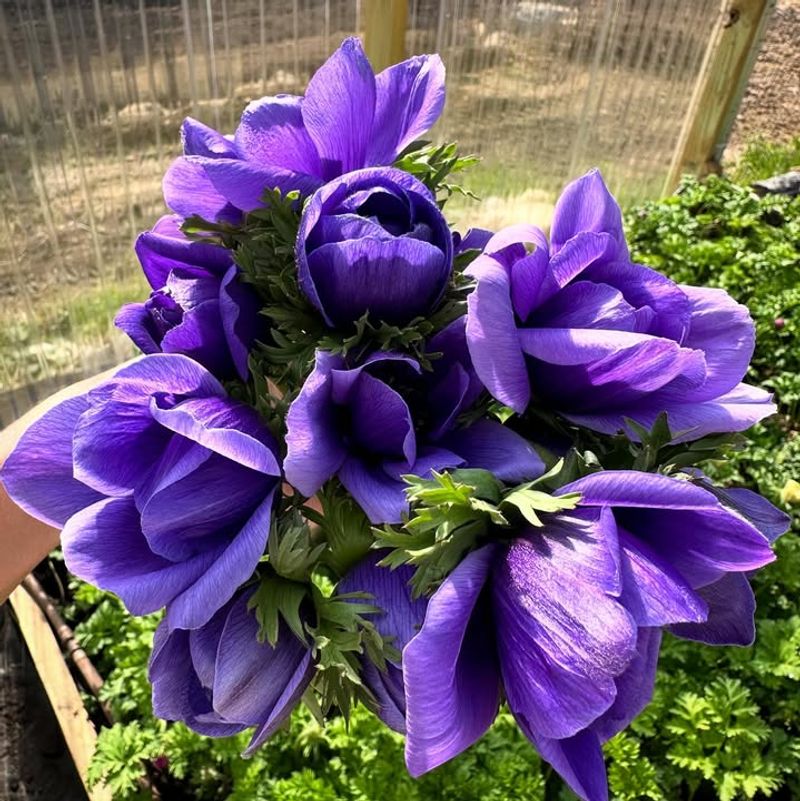
Anemones bring bold, poppy-like flowers in jewel tones that seem almost too vibrant to be real, with deep reds, hot pinks, purples, and crisp whites.
The most common type for Georgia gardens is Anemone coronaria, which produces stunning blooms on stems perfect for cutting.
These bulbs, technically corms, look like dried-up nuggets but transform into spectacular flowers with proper care.
Soak them overnight before planting to jumpstart growth, then set them about two inches deep in well-draining soil during January or February throughout Georgia.
They prefer full sun and rich soil amended with compost for best results.
Anemones bloom in mid to late spring, producing multiple flowers per corm over several weeks.
Space them about four inches apart in groups for maximum visual impact, and don’t worry if they look slow to emerge since they’re just developing strong roots first.
Georgia’s climate suits anemones well, though they may need occasional watering during dry winters and springs.
The flowers last beautifully in vases, making them practical as well as pretty in the garden.
Plant different colors together for a cottage garden feel, or stick to single hues for more formal designs.
Anemones may return for a second year in Georgia, but many gardeners treat them as annuals and replant each winter for guaranteed spectacular results every spring season.
9. Iris Reticulata
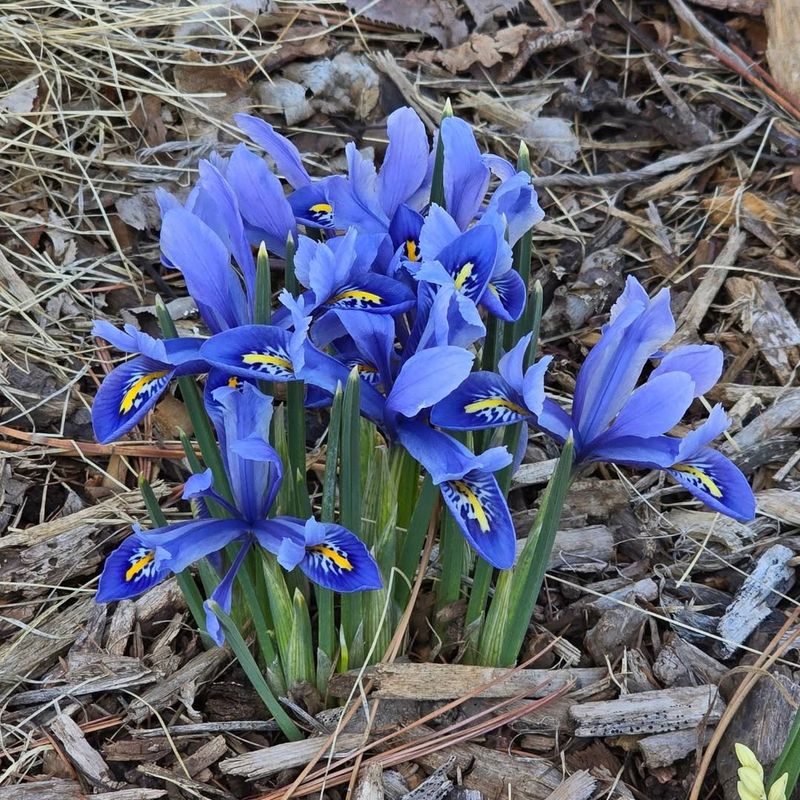
Iris reticulata delivers full-sized iris beauty in miniature form, with intricate petals marked in purples, blues, and yellows that reward close inspection.
These dwarf irises bloom incredibly early, often appearing in February throughout Georgia when most gardens still look bare and brown.
Plant the small bulbs about three to four inches deep in well-draining soil, choosing sunny spots where they’ll get plenty of light during their brief but glorious blooming period.
They’re perfect for rock gardens, container plantings, or the front of borders where their delicate beauty can be appreciated.
The flowers emit a sweet, violet-like fragrance that’s surprisingly strong for such small blooms.
Iris reticulata grows only six to eight inches tall, making it ideal for areas where taller plants would overwhelm the space.
The grass-like foliage appears with or slightly after the flowers, then fades away by late spring, leaving room for other plants to fill in.
Georgia gardeners should plant these bulbs in groups of at least ten for noticeable impact since individual flowers can get lost in larger landscapes.
They naturalize moderately well, slowly increasing over the years to create expanding patches of early color.
Pair them with crocuses and snowdrops for a complete early spring display that brings life to your Georgia garden when it’s needed most.
These tough little irises require minimal care once established.
10. Fritillaria

Fritillaria offers something completely different from typical spring bulbs, with unusual checkered or striped patterns that make them conversation starters in any garden.
The most popular type for Georgia is Fritillaria meleagris, called checkered lily or guinea hen flower, which displays purple and white checkerboard patterns on nodding bell-shaped blooms.
Plant these quirky bulbs about four inches deep in moisture-retentive but well-draining soil during winter months.
They prefer partial shade and slightly damper conditions than many bulbs, making them perfect for areas that stay a bit moister throughout Georgia.
The flowers dangle gracefully from slender stems, creating an almost whimsical effect in spring gardens.
Fritillaria blooms in mid-spring, typically April in most Georgia locations, adding unique texture and color to your bulb display.
The plants grow about twelve inches tall, making them suitable for mid-border positions or naturalistic plantings under trees.
Their unusual appearance pairs well with more common bulbs, providing interesting contrast to standard daffodils and tulips.
Plant fritillaria in groups of at least seven bulbs since individual specimens can look sparse and get overlooked.
They naturalize slowly in favorable conditions, gradually creating small colonies that expand over time.
Georgia gardeners who want something beyond the ordinary will love these distinctive flowers that always generate questions and compliments from visitors admiring your carefully planned spring garden display.