10 Easy Winter Bedding Plants That Keep Blooming When Louisiana Gardens Fade
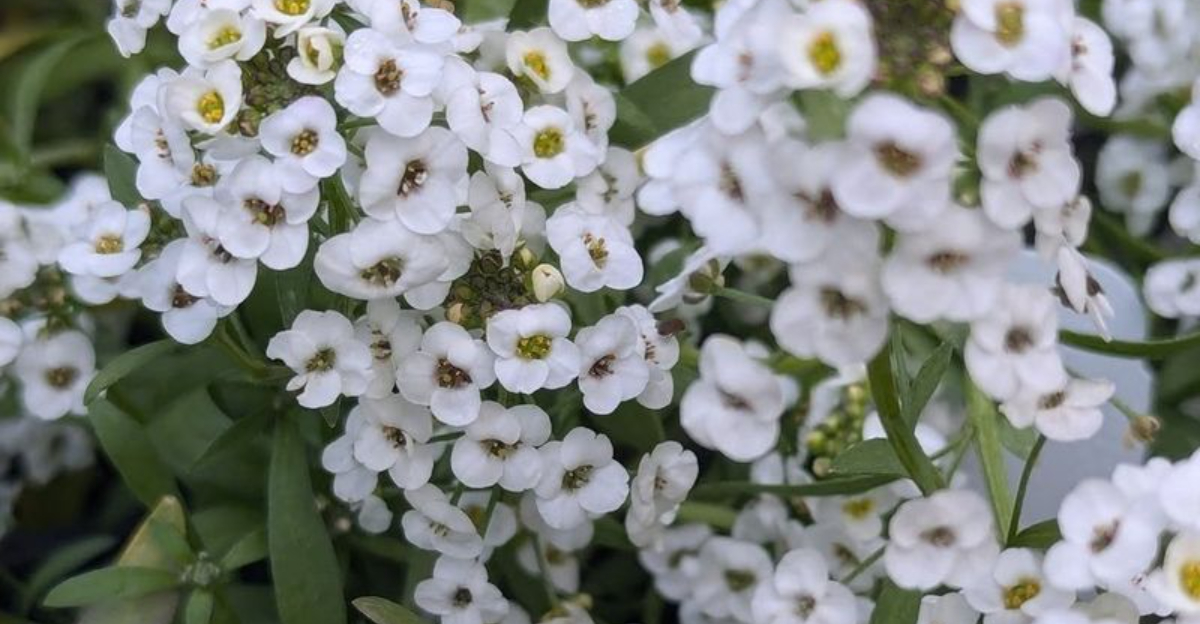
When summer gardens start losing their color and most plants go dormant, Louisiana gardeners don’t have to settle for bare flower beds and empty containers.
Cool-season bedding plants thrive in our mild winters, bringing cheerful blooms from November through March when everything else looks tired.
These hardy performers actually prefer cooler temperatures and will reward you with months of nonstop color while requiring minimal care.
Whether you’re filling window boxes, borders, or entire beds, these ten winter champions will keep your Louisiana landscape vibrant and beautiful all season long.
1. Pansies
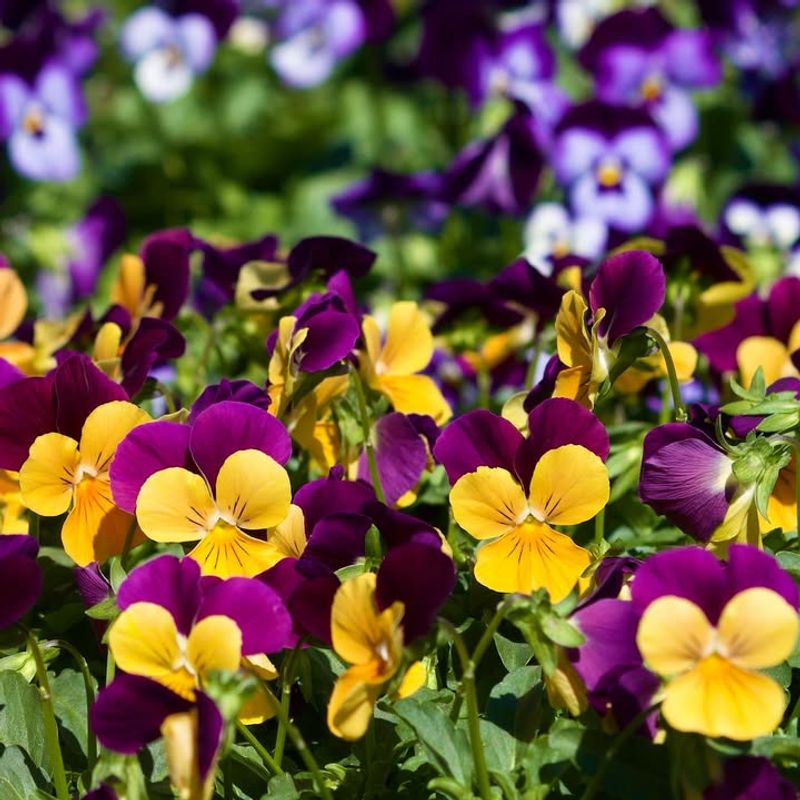
Garden centers across Louisiana stock pansies every fall for good reason—these cheerful flowers laugh at cold weather and bloom their hearts out from October through April.
Their distinctive “faces” come in practically every color combination imaginable, from deep purples and sunny yellows to vibrant oranges and soft pastels.
Plant them in full sun to partial shade, spacing them about six to eight inches apart for a lush carpet of color.
Pansies appreciate well-drained soil enriched with compost, and they’ll reward regular deadheading with even more blooms.
Water them when the top inch of soil feels dry, but don’t overdo it—soggy roots spell trouble.
They handle our occasional freezes beautifully, bouncing back quickly when temperatures rise again.
Mix different colors together for a cottage garden look, or stick with a single shade for formal elegance.
Fertilize monthly with a balanced flower food to keep those blooms coming strong.
Their compact size makes them perfect for edging walkways, filling containers, or brightening up window boxes.
Best of all, pansies are budget-friendly and widely available, making them an easy choice for beginning gardeners and seasoned pros alike.
2. Violas
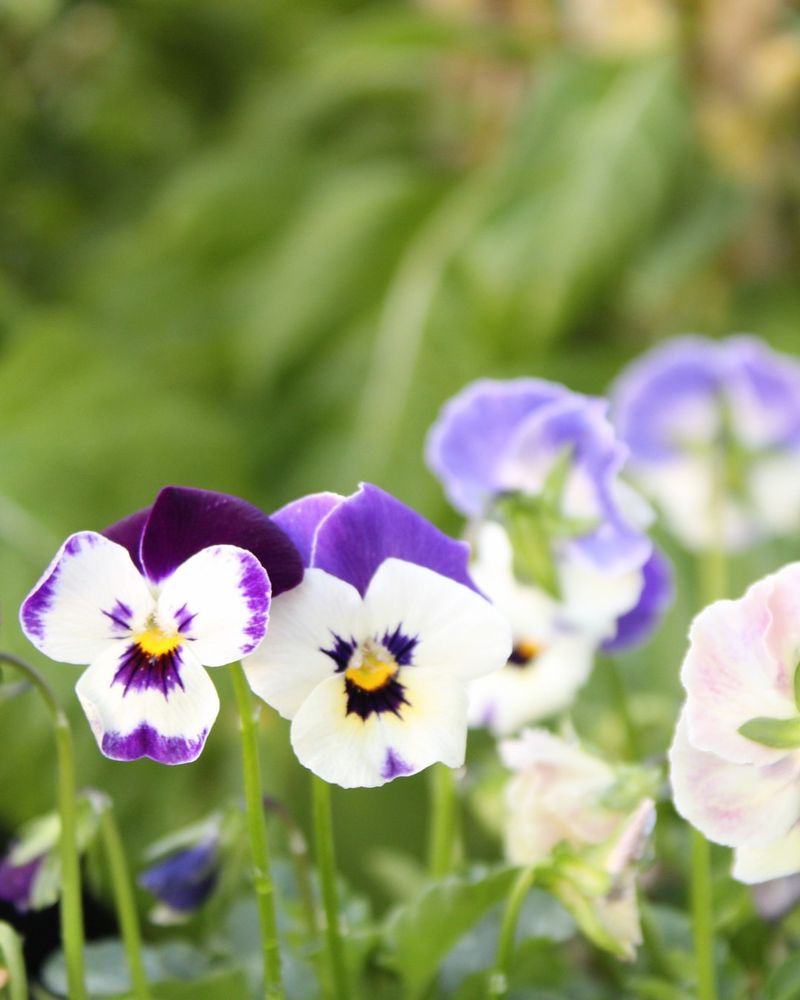
Think of violas as pansies’ tougher little cousins—smaller blooms but bigger attitudes when it comes to handling whatever weather Louisiana throws their way.
These petite powerhouses produce abundant flowers that cover the plants completely, creating a blanket of color that lasts for months.
Violas shrug off cold snaps that might slow down other plants, and they keep blooming through light frosts without missing a beat.
Their smaller size makes them ideal for tucking into tight spaces where larger plants won’t fit.
Plant them in masses for maximum impact—a few scattered violas get lost, but fifty create a stunning display.
They work wonderfully in mixed containers, spilling over edges and weaving between taller plants.
Violas prefer cooler temperatures and actually bloom more profusely when nights are chilly.
Deadheading isn’t as critical with violas as with pansies, though removing spent blooms does encourage fresh flowers.
They tolerate partial shade better than many winter bloomers, making them perfect for those tricky spots under trees or along north-facing walls.
Water regularly but allow soil to dry slightly between waterings to prevent root issues.
3. Snapdragons
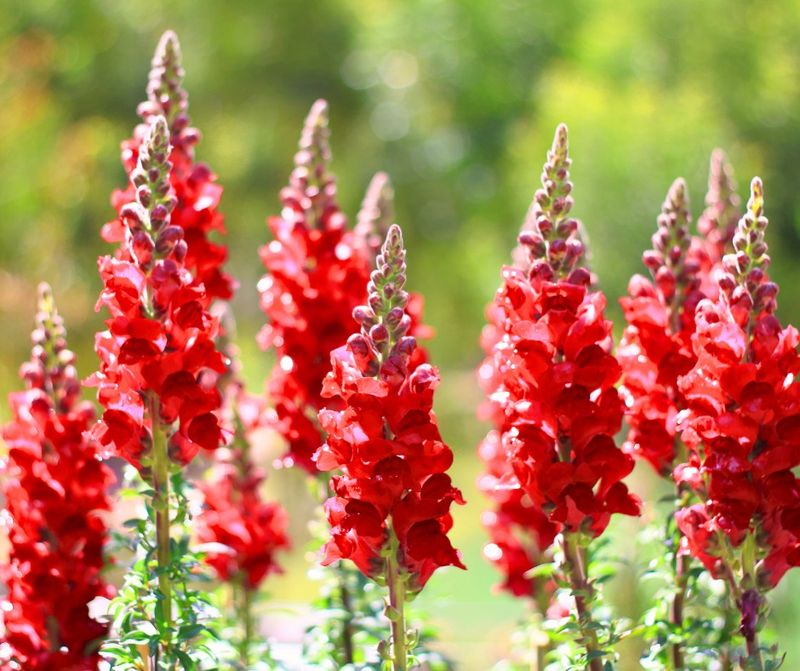
Snapdragons bring vertical drama to winter gardens with their tall spikes of tubular flowers that really do snap open and closed when you squeeze them gently—kids absolutely love this interactive feature.
Your Louisiana Garden Changes Every Week. Your Plan Should Too.
Gardening in Louisiana changes quickly throughout the season. Every Friday you’ll receive a simple weekly plan showing exactly what to plant, prune, fertilize, harvest, and protect so you never miss the right timing.
These old-fashioned favorites thrive in Louisiana’s cool winters, producing flower spikes in every shade from pure white to deep burgundy.
Choose tall varieties for the back of beds where they’ll reach two to three feet, or select dwarf types for containers and front borders.
Plant snapdragons in full sun for the best flowering, though they’ll tolerate light afternoon shade.
Rich, well-drained soil helps them establish quickly and bloom heavily throughout the season.
Pinch back young plants to encourage bushier growth and more flower spikes.
When the first flush of blooms starts fading, cut the stems back by half to trigger a second wave of flowers.
Snapdragons make excellent cut flowers, lasting over a week in vases and opening progressively from bottom to top.
They’ll bloom steadily until spring heat arrives, usually giving you four to five months of color.
Stake taller varieties if your garden gets strong winds, or plant them behind shorter companions for natural support.
4. Dianthus
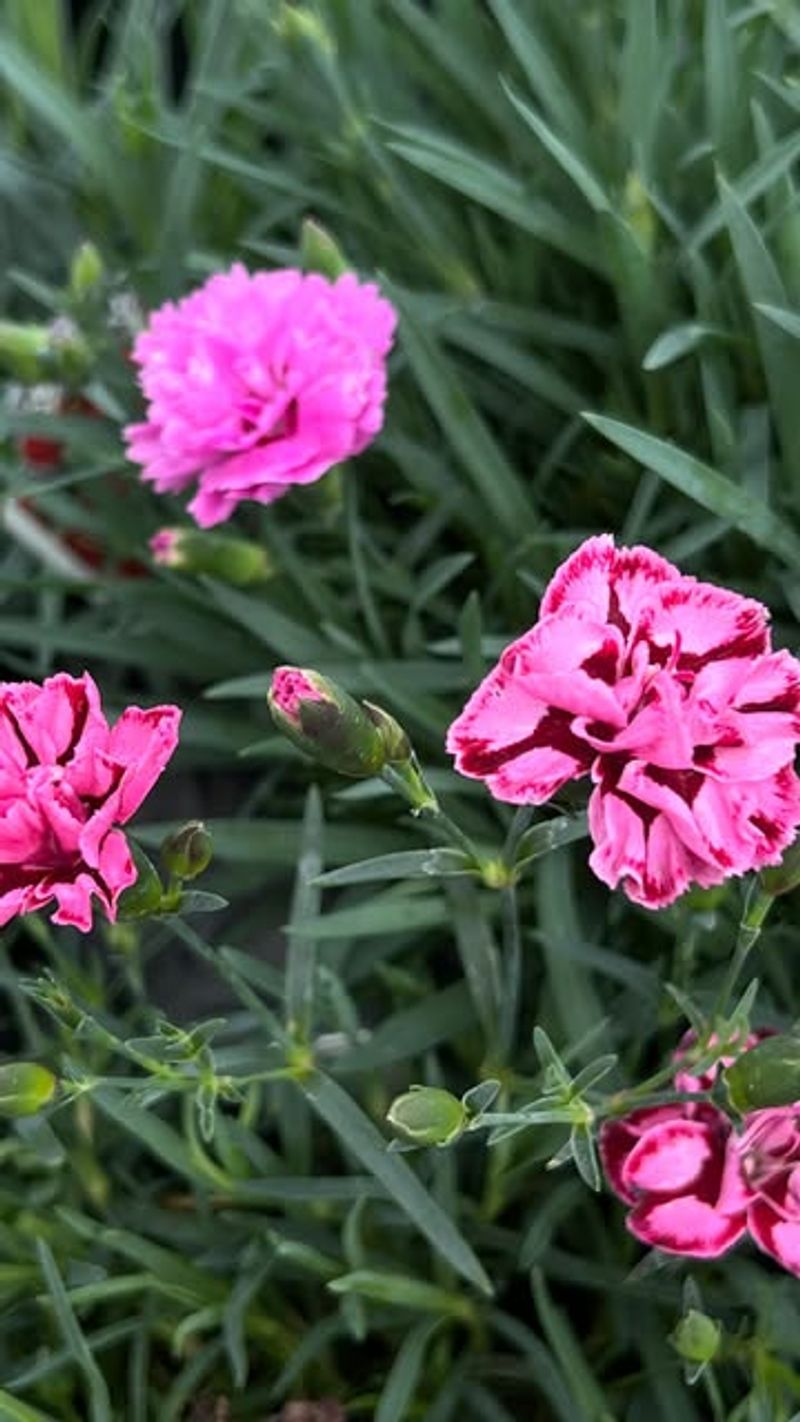
Walk past a bed of blooming dianthus on a cool morning and you’ll catch their wonderful spicy-sweet fragrance—it’s like cloves mixed with cinnamon and roses.
Often called “pinks” because of their fringed petal edges that look cut with pinking shears, these charming flowers bloom prolifically through Louisiana winters.
Their silvery-green foliage stays attractive even when plants aren’t flowering, providing year-round interest.
Dianthus absolutely demands good drainage—plant them in raised beds or amend heavy clay soil generously with sand and compost.
They prefer full sun but appreciate some afternoon shade in warmer parts of Louisiana.
Space plants about ten inches apart to allow air circulation, which helps prevent fungal issues.
Deadhead regularly to keep flowers coming, snipping off entire stems rather than just the faded blooms.
These tough plants handle cold beautifully, continuing to bloom through light freezes.
Modern varieties offer incredible color range, from traditional pinks and reds to unusual purples, whites, and bicolors.
Butterflies adore dianthus flowers, adding another layer of interest to your winter garden.
Water at the base of plants rather than overhead to keep foliage dry and healthy.
5. Sweet Alyssum
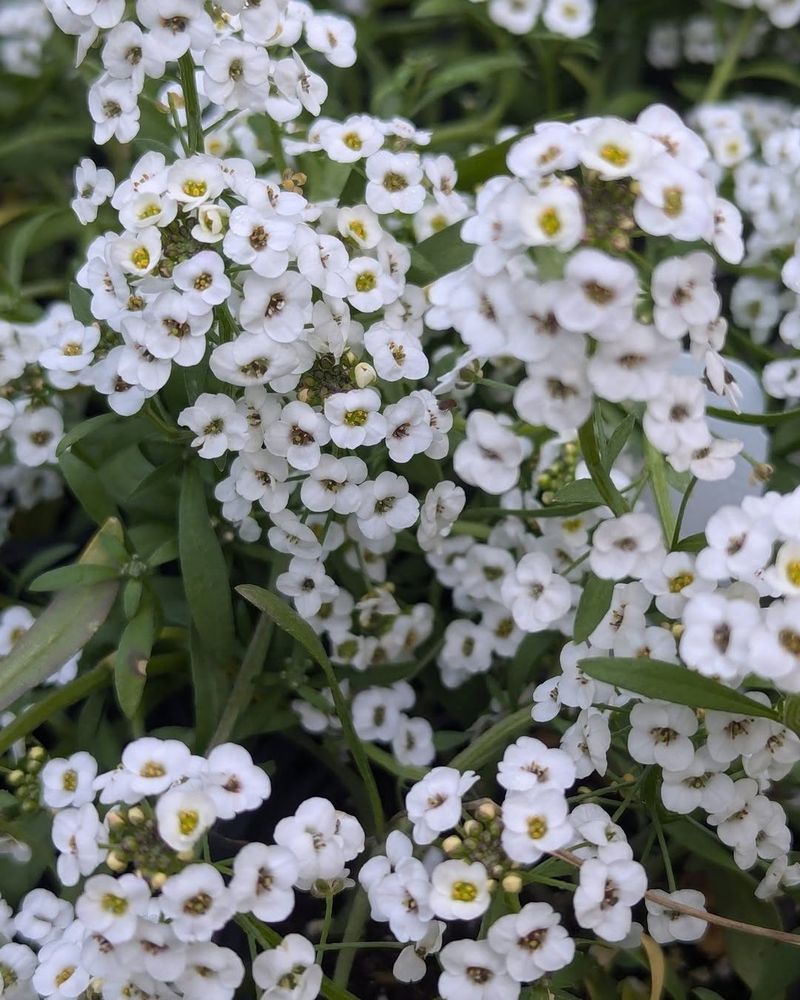
Sweet alyssum might look delicate with its tiny flowers and fine foliage, but this low-growing charmer proves surprisingly tough in Louisiana’s winter weather.
Its honey-scented blooms attract beneficial insects even during cooler months, supporting your garden’s ecosystem year-round.
White varieties glow in moonlight, making them perfect for evening gardens, while purple and pink selections add soft color without overwhelming other plants.
Alyssum grows quickly, spreading to fill spaces between larger plants or cascading beautifully from container edges.
Plant it as a living mulch under taller flowers, where it’ll suppress weeds while adding another layer of bloom.
This adaptable plant tolerates full sun to partial shade and isn’t fussy about soil as long as drainage is decent.
Water regularly after planting, but established alyssum handles dry spells reasonably well.
If plants start looking tired mid-winter, shear them back by half and they’ll regrow quickly with fresh flowers.
Sweet alyssum self-sows readily, popping up in unexpected places—a delightful surprise rather than a nuisance.
Its low maintenance requirements make it ideal for busy gardeners who want continuous color without constant fussing.
Combine it with spring bulbs for a pretty layered effect as seasons transition.
6. Calendula
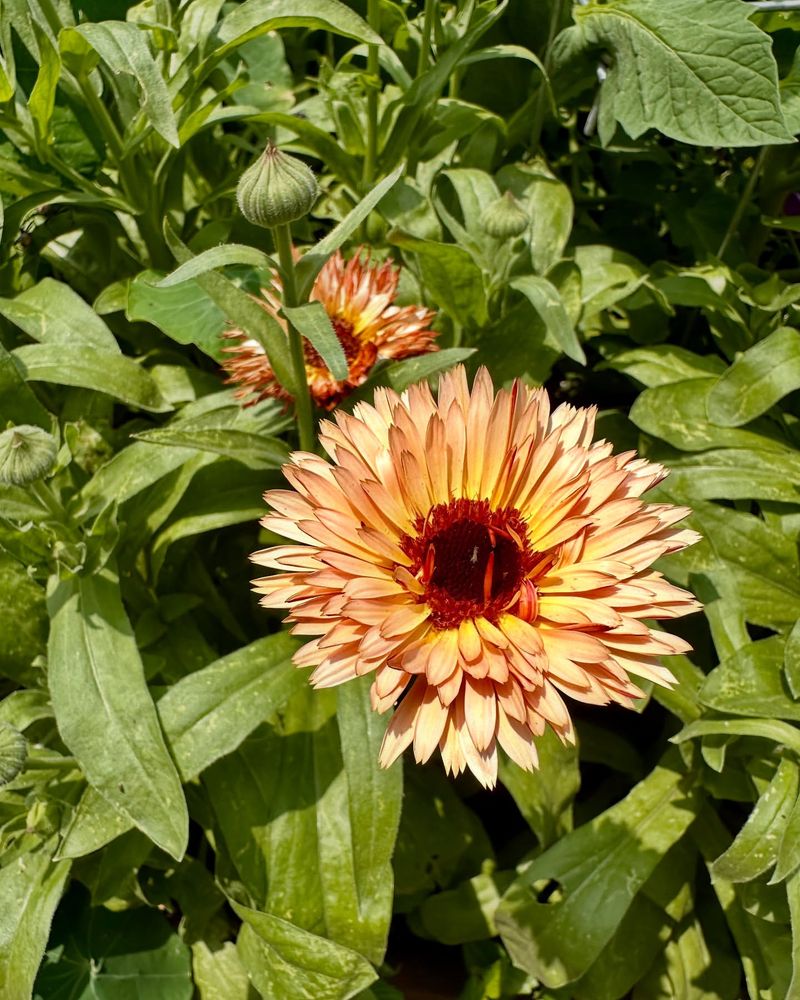
Calendula’s cheerful daisy-like flowers in shades of orange, yellow, and cream bring sunshine to even the grayest winter days in Louisiana gardens.
Sometimes called pot marigolds, these undemanding plants actually prefer cool weather and bloom most heavily when temperatures drop.
Their edible petals add color to salads and can be dried for teas, giving them culinary value beyond their ornamental appeal.
Calendula grows quickly from seed sown directly in fall, or you can transplant nursery starts for instant color.
Full sun produces the most flowers, though plants tolerate light shade without complaint.
These bushy plants reach twelve to eighteen inches tall, working well in borders or grouped in containers.
Deadhead spent blooms regularly—calendula responds with enthusiastic rebloom when you keep it tidy.
The flowers attract beneficial insects and pollinators, supporting garden health during winter months.
Calendula tolerates poor soil better than many flowering plants, though it appreciates occasional feeding.
Plants handle cold snaps beautifully, continuing to bloom through light frosts without damage.
Their resinous foliage has a distinctive scent that some people love and others find unusual, so sniff before you plant extensively.
Calendula makes excellent cut flowers, lasting well in arrangements and adding rustic charm to bouquets.
7. Petunias (Cold-Tolerant Varieties)
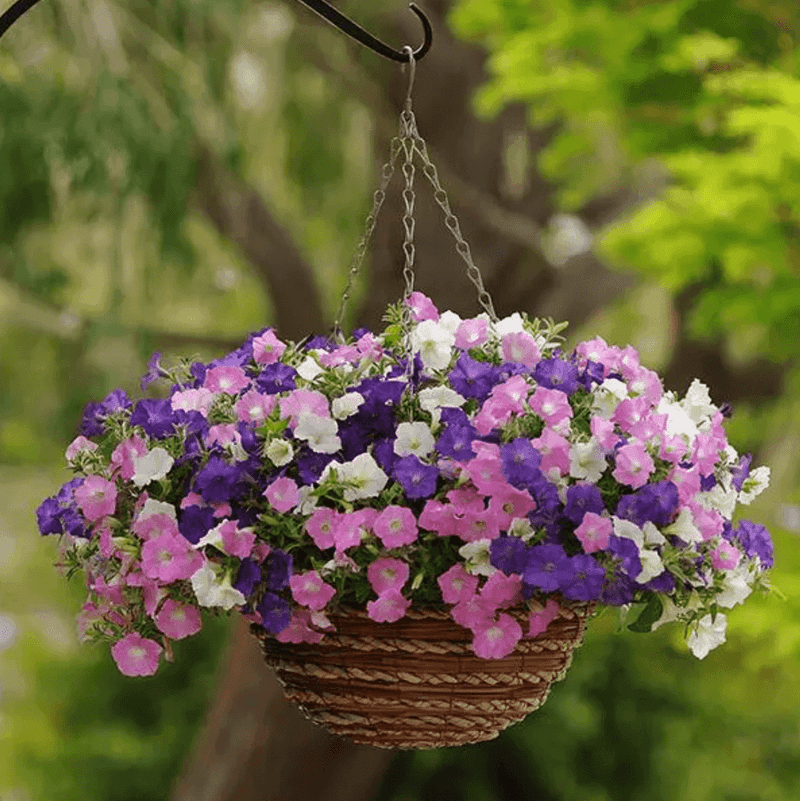
While most gardeners think of petunias as summer annuals, certain varieties continue blooming through Louisiana’s mild winters with minimal protection.
Wave petunias and similar spreading types prove especially cold-hardy, shrugging off light frosts and bouncing back quickly.
In southern Louisiana, petunias often bloom straight through winter, while northern parts of the state may see them slow down during coldest weeks.
Choose locations with good air circulation and full sun for best winter performance.
Petunias planted in fall establish strong root systems before cold weather, making them tougher than spring-planted specimens.
Their trailing habit works beautifully in hanging baskets and window boxes, creating cascades of color.
Deadhead regularly to prevent seed formation, which slows flowering—or choose newer self-cleaning varieties.
Feed petunias every two weeks with liquid fertilizer to support their heavy blooming habit.
If hard freezes threaten, cover plants overnight with frost cloth to protect tender growth.
Morning sun with afternoon shade helps petunias through warmer winter days without stress.
Watch for aphids during mild spells and spray them off with water before populations explode.
Pinch back leggy stems to encourage bushier growth and more flower production throughout the season.
8. Dusty Miller
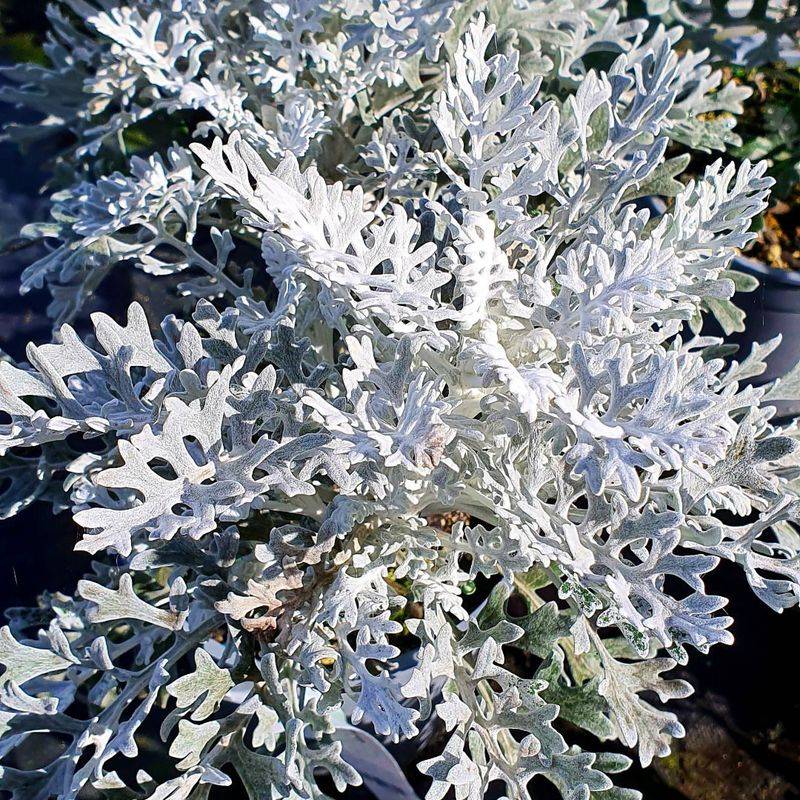
Dusty miller earns its place in winter gardens not through flowers but with stunning silvery-gray foliage that looks like it’s been dusted with flour.
Its soft, velvety leaves provide perfect contrast for bright winter bloomers, making colors pop against its cool-toned backdrop.
This tough plant handles cold temperatures with ease, maintaining its attractive appearance through freezes that damage more tender plants.
Use dusty miller as edging along pathways where its pale foliage will glow in evening light.
It works wonderfully in containers, adding textural interest and serving as a neutral element that ties together bolder colors.
Plant dusty miller in full sun to partial shade—it adapts readily to various light conditions.
Well-drained soil is essential, as soggy roots cause more problems than cold weather ever will.
Space plants about ten inches apart for a solid ribbon of silver, or use them as individual accents.
Dusty miller rarely needs deadheading since its yellow flowers are insignificant—most gardeners pinch them off to keep focus on foliage.
Water moderately, allowing soil to dry between waterings to prevent root issues.
This low-maintenance plant requires minimal fertilizer, making it perfect for gardeners who prefer hands-off landscaping.
Combine dusty miller with jewel-toned pansies or bright calendulas for stunning color combinations.
9. Phlox (Annual Winter Varieties)
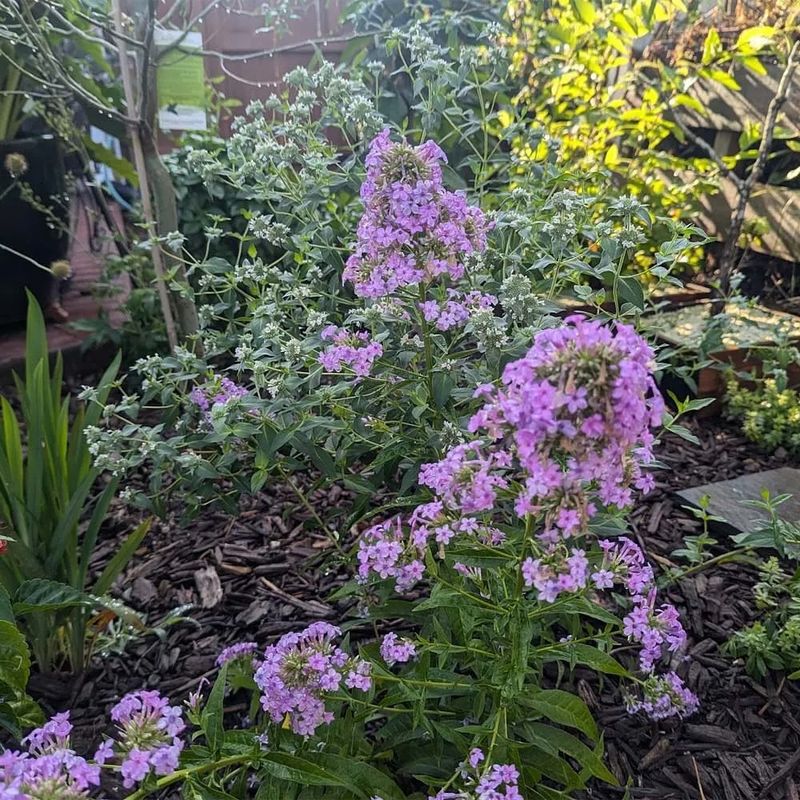
Annual phlox creates carpets of starry flowers in shades of pink, white, red, and lavender that blanket Louisiana gardens through cooler months.
These low-growing plants spread nicely without becoming aggressive, filling spaces between other winter bloomers.
Unlike their taller perennial cousins, annual phlox varieties thrive in cool weather and bloom most heavily during winter.
Plant them in full sun where they’ll receive at least six hours of direct light daily.
Phlox appreciates consistent moisture but won’t tolerate waterlogged soil, so ensure good drainage.
Their compact growth habit makes them ideal for edging beds, filling gaps in mixed plantings, or cascading from containers.
Deadheading isn’t necessary with most modern varieties, which keep blooming without constant grooming.
Space plants about eight inches apart—they’ll fill in quickly to create solid drifts of color.
Phlox handles light frosts easily, continuing to bloom through cold snaps that slow other plants.
Their sweet fragrance attracts butterflies and other beneficial insects to winter gardens.
Feed monthly with balanced fertilizer to support continuous flowering throughout the season.
Watch for powdery mildew if conditions stay damp—space plants properly and water at soil level rather than overhead to prevent issues.
10. Lobelia
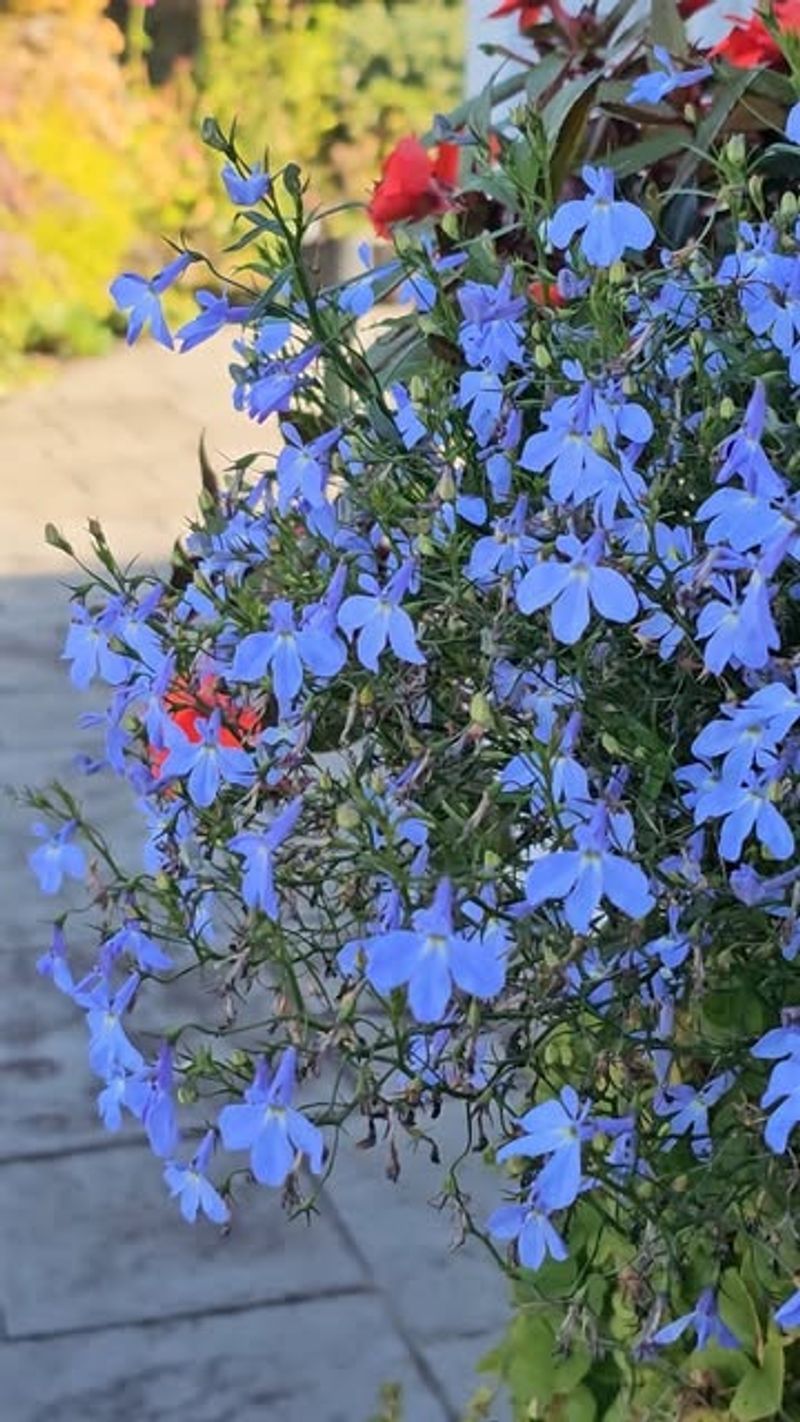
Lobelia’s intense blue flowers provide a color rarely seen in winter gardens, making this trailing plant especially valuable for Louisiana landscapes.
While it struggles in summer heat, lobelia absolutely thrives during cool months, blooming prolifically from fall through spring.
Its cascading growth habit makes it perfect for hanging baskets, where stems can trail down two feet or more.
Plant lobelia along container edges where it’ll spill over sides, creating waterfalls of tiny flowers.
This moisture-loving plant needs consistent watering—let containers dry out and lobelia will sulk and stop blooming.
Partial shade works best in Louisiana, protecting plants from intense afternoon sun even during winter.
Choose locations with morning sun and afternoon shade for longest bloom period and healthiest plants.
Lobelia comes in shades beyond blue, including white, pink, and purple, though blue varieties remain most popular.
Feed every two weeks with liquid fertilizer diluted to half strength to support heavy flowering.
If plants start looking scraggly mid-season, trim them back lightly to encourage fresh growth and renewed blooming.
Combine lobelia with upright plants like snapdragons or dusty miller for attractive contrasts in texture and form.
Its delicate appearance belies surprising toughness in cold weather, handling light frosts without damage.