The Real Reason Cardinals Are Crowding Illinois Backyard Feeders This Winter
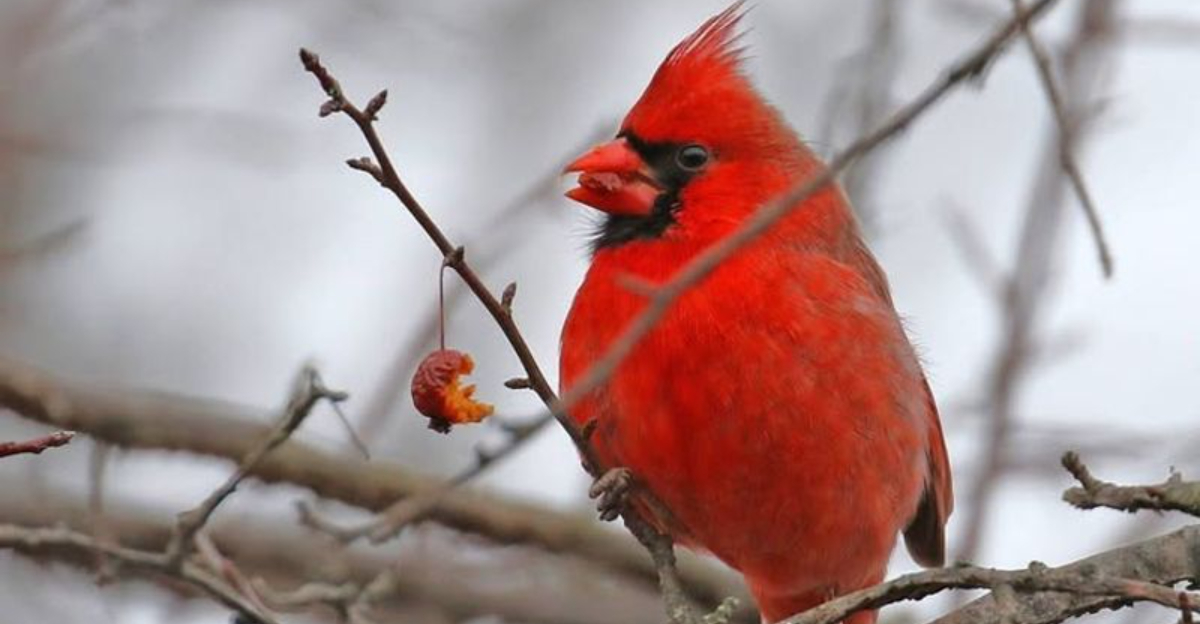
When winter settles in across Illinois, backyard feeders often turn into busy gathering spots for bright red cardinals.
Their sudden numbers can surprise homeowners, but there’s a simple explanation behind the seasonal surge.
Unlike many birds, cardinals do not migrate, which means they must endure Illinois winters right where they are.
As snow and ice cover natural food sources, feeders become reliable lifelines packed with the calories needed to survive freezing temperatures.
Cardinals quickly learn where food is consistently available and return daily, often bringing mates or nearby birds along with them.
With bare trees and quieter landscapes, these birds also become more visible, making their presence feel even larger.
Understanding why cardinals depend so heavily on feeders during winter helps explain their behavior and highlights the important role backyard feeding plays during the coldest months of the year.
How Snow And Ice Remove Natural Food Sources For Cardinals
Winter transforms the Illinois landscape into a frozen wonderland, but for cardinals, it creates a serious food shortage.
Snow blankets the ground where seeds usually scatter from native plants and grasses.
Ice coats berry bushes, making fruit impossible to access.
Even tree bark becomes slick and difficult to search for hidden insects.
Cardinals typically feast on a variety of seeds from wildflowers, grasses, and weeds during warmer months.
They also enjoy berries from dogwood, sumac, and wild grape vines.
Insects and their larvae provide essential protein, especially during nesting season.
When temperatures plummet and precipitation freezes everything solid, these natural food sources become locked away.
Cardinals can’t dig through several inches of snow to find fallen seeds.
Their beaks aren’t strong enough to chip through ice-covered berries.
Insects vanish almost completely, either entering dormancy or perishing in the cold.
This triple threat—buried seeds, frozen fruit, and absent insects—forces cardinals to seek alternative food sources.
Your backyard feeder suddenly becomes one of the few reliable places where food remains accessible.
Without human-provided feeding stations, cardinals would spend significantly more energy searching for scarce natural foods.
This makes your feeder not just convenient, but potentially lifesaving during the harshest winter weeks.
Why Cardinals Do Not Migrate Like Other Songbirds

Most songbirds pack up and head south when cold weather arrives, but cardinals are different.
These stunning red birds are year-round residents throughout Illinois and much of the eastern United States.
While robins, warblers, and orioles fly hundreds or thousands of miles to warmer climates, cardinals stick around through every season.
Scientists believe cardinals evolved to tolerate cold temperatures better than many other songbird species.
Their bodies adapted over thousands of years to survive winter conditions.
They grow extra downy feathers that provide excellent insulation against freezing temperatures.
Staying put offers some advantages—cardinals don’t waste energy on long migrations, and they get first pick of prime nesting territories come spring.
However, this strategy comes with a major challenge: finding enough food when natural sources disappear under snow and ice.
Because cardinals remain in Illinois all winter, they become heavily dependent on whatever food sources stay available.
Your Illinois Garden Changes Every Week. Your Plan Should Too.
Gardening in Illinois changes quickly throughout the season. Every Friday you’ll receive a simple weekly plan showing exactly what to plant, prune, fertilize, harvest, and protect so you never miss the right timing.
Backyard feeders fill this critical gap.
Without migration as an option, cardinals must adapt their feeding behavior to survive.
This is why you’ll notice cardinals visiting your feeder much more frequently during winter months.
They’re not being lazy—they’re being smart.
Your feeder provides consistent nutrition that helps them endure the season until natural food sources return in spring.
The Role High-Energy Seeds Play In Winter Survival

Not all bird seeds are created equal, especially when it comes to winter survival.
Cardinals need seeds packed with fat and calories to maintain their body temperature and energy levels during freezing weather.
Black oil sunflower seeds are absolute favorites because they contain nearly 50% fat content.
That’s like rocket fuel for a small bird fighting to stay warm.
Safflower seeds are another excellent choice that cardinals love.
These white seeds have a slightly bitter taste that squirrels and some other birds avoid, but cardinals happily crack them open.
Safflower seeds provide around 38% fat plus important proteins and vitamins.
The fat content in these seeds is crucial because birds burn calories incredibly fast.
A cardinal’s metabolism runs much hotter than a mammal’s, helping them maintain a body temperature around 105 degrees Fahrenheit.
During cold nights, they can lose up to 10% of their body weight just trying to stay warm.
High-energy seeds help cardinals rebuild those fat reserves each day.
When you fill your feeder with quality sunflower or safflower seeds, you’re providing exactly what cardinals need most.
These seeds offer concentrated nutrition in small packages, allowing cardinals to eat efficiently and spend less time exposed to harsh weather.
Cheap seed mixes filled with milo, wheat, and other fillers don’t provide the same survival benefits.
Why Cardinals Return To The Same Feeder Every Day
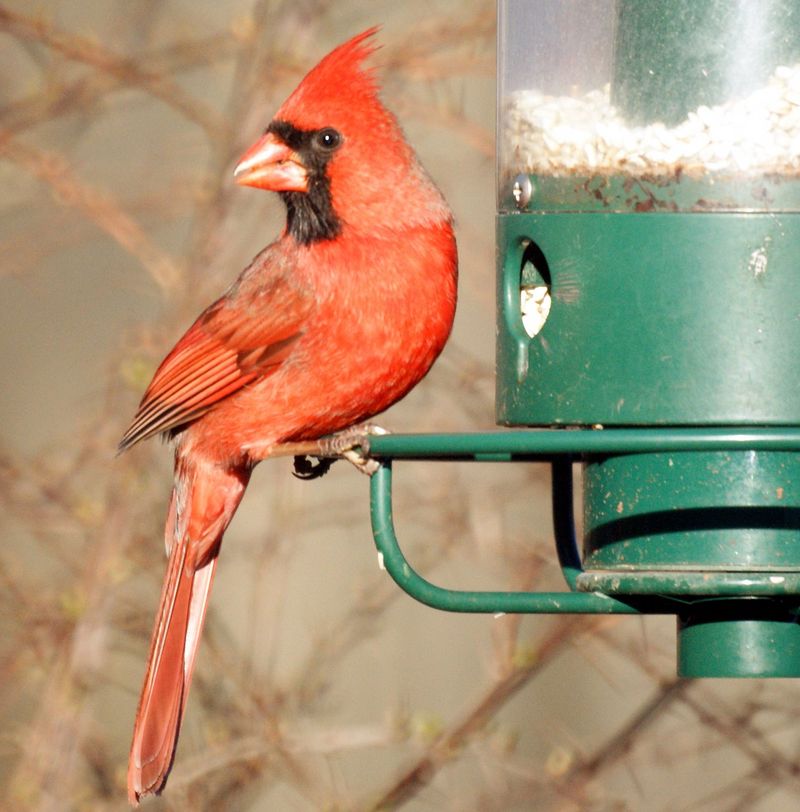
Ever notice the same cardinal showing up at your feeder around the same time each day?
That’s not coincidence—it’s learned behavior and territorial instinct working together.
Cardinals are creatures of habit who establish feeding routes within their territory.
Once they discover a reliable food source, they memorize its location and return regularly.
Male cardinals are especially territorial, defending areas ranging from two to ten acres depending on food availability.
Your feeder likely sits within an established cardinal territory.
The resident male considers it part of his domain and checks it multiple times daily as part of his patrol routine.
Cardinals also possess excellent spatial memory.
Research shows they can remember the locations of productive feeding sites for months.
Your feeder becomes mentally mapped as a guaranteed food source, especially valuable during winter when natural foods are scarce.
This routine behavior benefits both birds and birdwatchers.
Cardinals conserve energy by following familiar routes rather than constantly searching for new food sources.
They know exactly where to go when hungry, reducing time spent exposed to predators and cold weather.
For you, this means consistent sightings of the same individual birds.
You might even start recognizing particular cardinals by slight differences in their appearance or behavior.
Keeping your feeder consistently stocked reinforces this routine, ensuring your resident cardinals continue visiting throughout the entire winter season.
How Cold Temperatures Increase Feeding Frequency
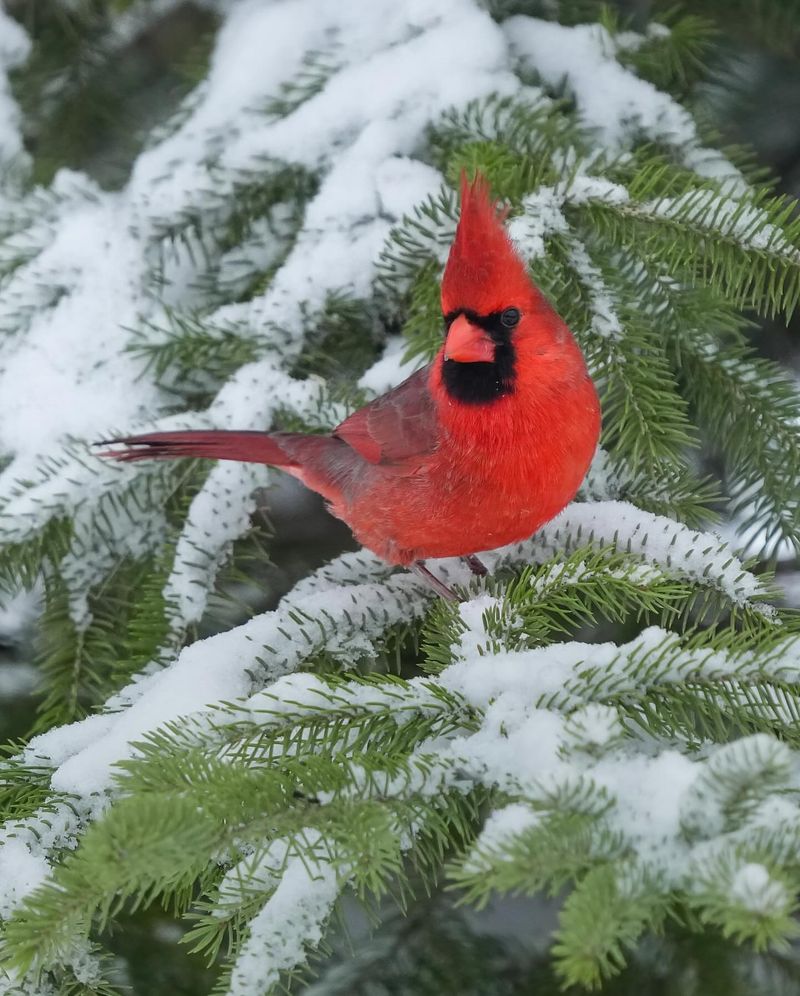
When the thermometer drops, you’ll see cardinals visiting your feeder much more often than usual.
Cold weather dramatically increases how many calories birds need to survive.
Cardinals must eat almost constantly during winter days to fuel their internal furnace.
On the coldest nights, they can burn through 15-20% of their body weight just maintaining their core temperature.
Think of it like running your home heating system—the colder it gets outside, the harder your furnace works and the more fuel it consumes.
Cardinal bodies work the same way.
They generate heat through metabolism, which requires constant fuel input in the form of high-calorie foods.
During mild autumn days, a cardinal might visit your feeder two or three times.
But when temperatures plunge below freezing, that same bird might return six to ten times or more.
Each visit involves quickly eating several seeds before moving to shelter to digest and warm up.
Cardinals also practice a survival strategy called hypothermic torpor on the coldest nights.
They lower their body temperature slightly to conserve energy while roosting.
Come morning, they desperately need calories to bring their metabolism back up to full speed.
This is why early morning and late afternoon are peak feeding times during winter.
Cardinals tank up at dawn to recover from the cold night, then load up again before sunset to prepare for the next long, freezing darkness ahead.
Why You Often See Cardinals In Pairs At Feeders
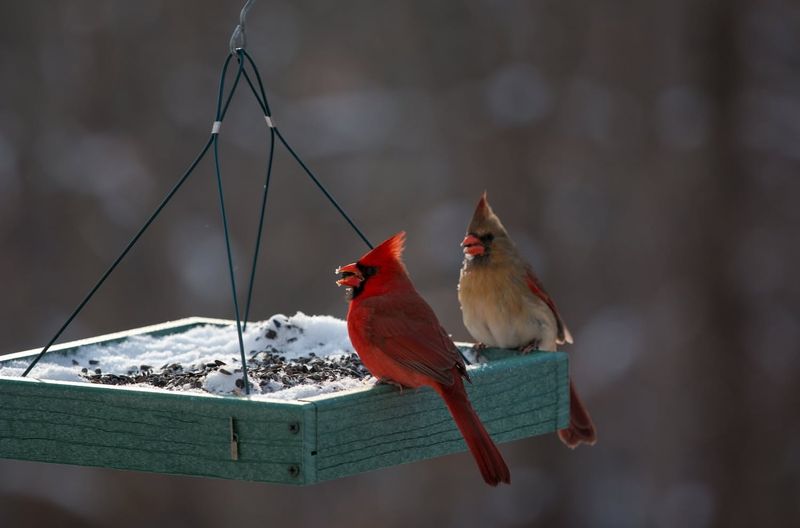
Spotting a brilliant red male cardinal alongside his brownish-tan mate is one of winter’s sweetest sights.
Unlike many bird species that only pair up during breeding season, cardinals often maintain their mate bonds year-round.
These couples stay together through all seasons, including the harsh winter months.
This loyalty means you’ll frequently see them arriving at your feeder together or within minutes of each other.
The male typically feeds first while the female watches nearby, alert for danger.
Then they’ll switch roles, with the female eating while her mate keeps guard.
This cooperative behavior helps both birds stay safer from predators like hawks and cats.
Cardinal pairs also communicate constantly through soft chip calls that help them stay in contact while moving through yards and woodlands.
When one discovers your well-stocked feeder, it often calls to its mate to share the bounty.
This social feeding behavior strengthens their bond and increases survival odds for both birds.
During winter, paired cardinals may roost near each other at night for additional warmth, though they don’t actually huddle together like some species do.
Their partnership continues providing mutual benefits throughout the cold season.
Watching a cardinal couple at your feeder offers a glimpse into their enduring relationship.
These devoted pairs will likely return to your yard together for years, raising multiple broods of chicks each spring and summer before facing the next winter side by side.
How Backyard Feeders Become Winter Lifelines
Your backyard feeder isn’t just a nice amenity for cardinals—it can literally mean the difference between survival and suffering.
When natural food sources freeze or disappear under snow, backyard feeding stations become critical infrastructure for winter bird populations.
Cardinals learn to depend on these consistent food supplies, especially during extended cold snaps or ice storms that make natural foraging nearly impossible.
Research shows that birds with access to supplemental feeding during winter have higher survival rates and better body condition compared to those relying solely on scarce natural foods.
Well-fed cardinals enter spring breeding season healthier and stronger, leading to more successful nesting attempts.
Consistency matters tremendously.
Cardinals adjust their daily routines based on feeder availability.
If you suddenly stop filling your feeder mid-winter, cardinals must frantically search for alternative food sources while already stressed by cold weather.
This disruption wastes precious energy and increases their vulnerability.
The best practice is maintaining your feeder throughout the entire winter season, from first frost until spring growth returns.
Keep it filled with quality seeds and clean from mold or waste.
Position it near protective cover where cardinals can quickly escape if predators appear.
Your commitment to consistent feeding creates a reliable lifeline that helps entire cardinal families survive winter’s harshest challenges.
That simple act of keeping a feeder stocked becomes a genuine conservation effort supporting local wildlife through difficult seasons.
Why Winter Is The Best Time To Spot Cardinals In Illinois
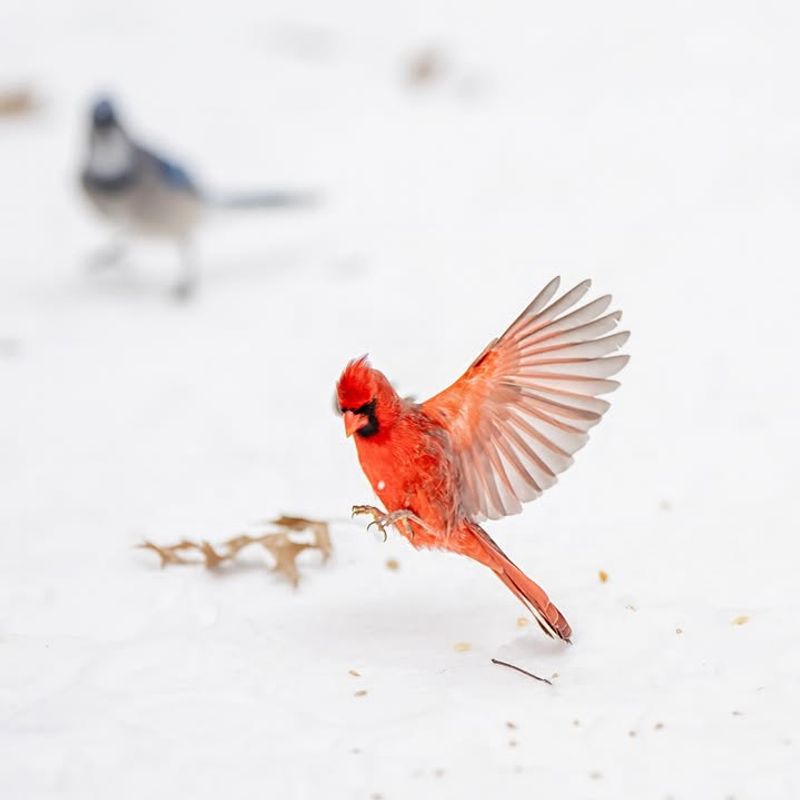
Ironically, the season when cardinals need help most is also when they’re easiest to admire.
Winter transforms Illinois landscapes into the perfect backdrop for cardinal watching.
Bare trees lose their concealing leaves, eliminating the dense foliage that hides birds during warmer months.
A cardinal’s vibrant red plumage stands out dramatically against snow-covered ground, gray branches, and white winter skies.
The contrast is simply stunning.
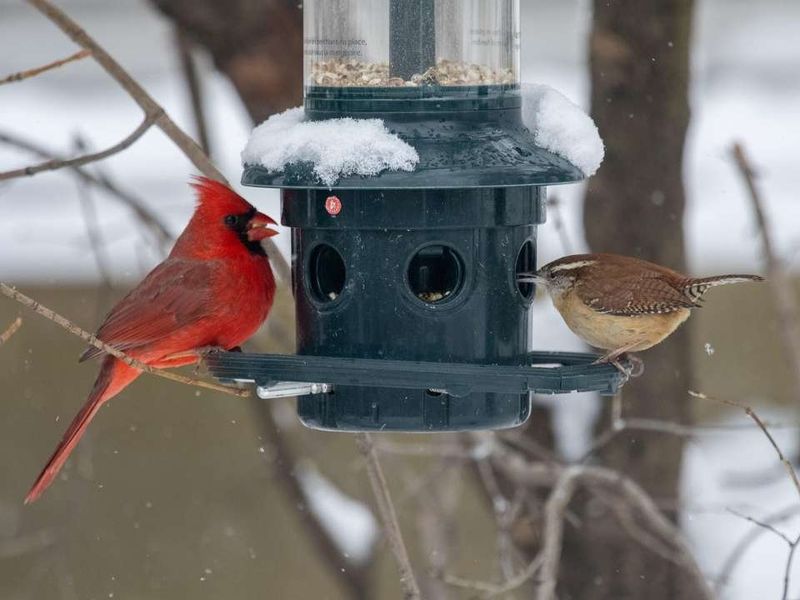
Male cardinals look like living Christmas ornaments perched on snow-dusted feeders.
Even the more subtly colored females become easier to spot with their warm tan feathers, coral beaks, and distinctive crests visible against stark winter backgrounds.
Cardinals also spend more time in open areas during winter, particularly around feeders.
During spring and summer, they forage throughout dense shrubs and forest understory where they’re harder to observe.
Winter’s food scarcity brings them to your feeder repeatedly, offering extended viewing opportunities.
The increased feeding frequency means more chances to watch their behavior up close.
You’ll notice their feeding techniques, social interactions, and charming personalities.
Early morning hours offer especially good viewing when cardinals are most active and hungry after cold nights.
Photography enthusiasts particularly love winter cardinal shots.
The color contrast creates naturally beautiful images without any special effort.
Simply keeping your feeder stocked guarantees regular visits from these photogenic subjects.
Winter truly showcases cardinals at their most visible and accessible, turning your backyard into a front-row seat for observing these magnificent birds.