Striking Plants That Always Stand Out In Georgia Gardens

Georgia’s warm climate and long growing season create the perfect environment for bold, eye-catching plants.
From glossy evergreens to dramatic foliage and colorful blooms, certain plants consistently rise above the rest, becoming true focal points in the landscape.
These standout plants thrive in Georgia’s heat and humidity while offering strong visual impact throughout the year.
Some shine with vibrant flowers, others with rich foliage or unique structure, but all share the ability to command attention in a garden bed or along a walkway.
Choosing plants that naturally perform well in Georgia’s conditions reduces maintenance and ensures reliable beauty season after season.
Whether used as statement pieces or combined with supporting plants, these striking choices elevate outdoor spaces and give gardens a sense of personality.
With the right selections, Georgia gardens can look intentional, polished, and unforgettable without constant upkeep.
Camellia
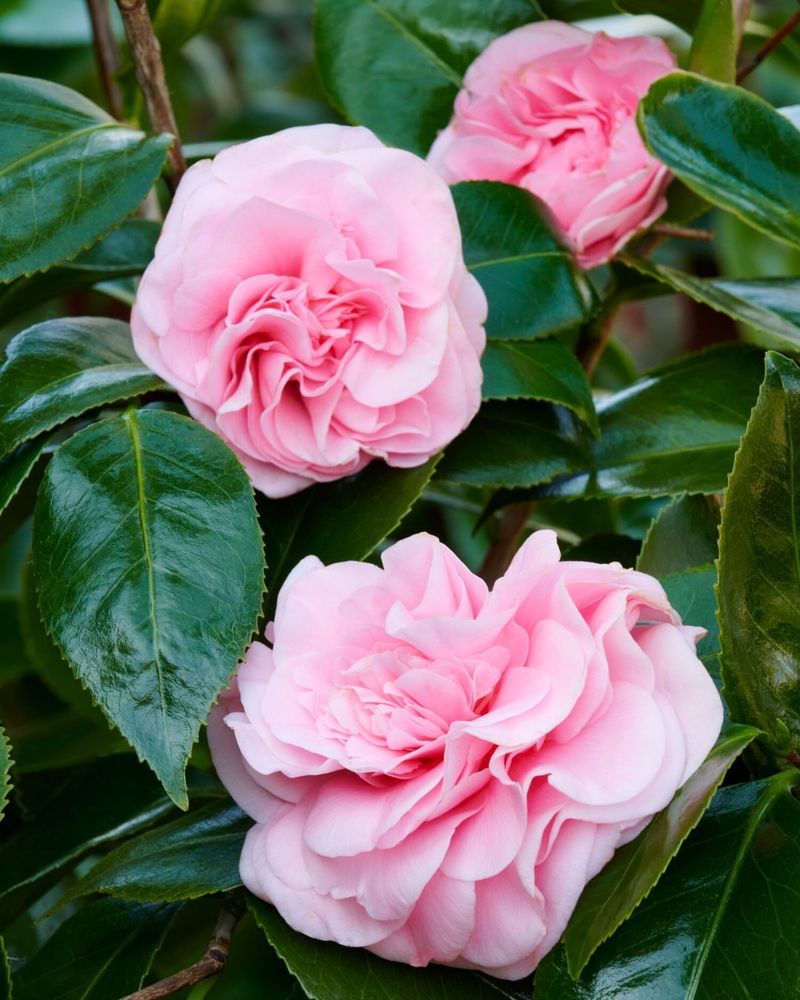
When most plants take their winter rest, camellias burst into bloom with layers of petals that rival any rose.
These evergreen beauties offer glossy, dark green foliage year-round, creating a lush backdrop even in the coldest months.
Georgia’s mild winters provide the perfect stage for camellias to show off their pink, white, red, or variegated flowers from November through early spring.
Planting camellias in partial shade protects their blooms from harsh afternoon sun while maintaining healthy growth.
They prefer acidic, well-drained soil enriched with organic matter, making them ideal companions for azaleas and rhododendrons.
A layer of mulch around the base helps retain moisture and keeps roots cool during summer heat.
Many Georgia gardeners choose sasanqua varieties for fall blooms or japonicas for late winter color.
Both types tolerate the state’s humidity and occasional cold snaps without losing their charm.
With minimal pruning and regular watering during dry spells, camellias reward you with decades of reliable beauty.
Their formal appearance elevates any garden design, whether planted as foundation shrubs, hedges, or specimen plants.
Few plants match the camellia’s ability to brighten Georgia’s winter landscape with such elegance and grace.
Japanese Maple
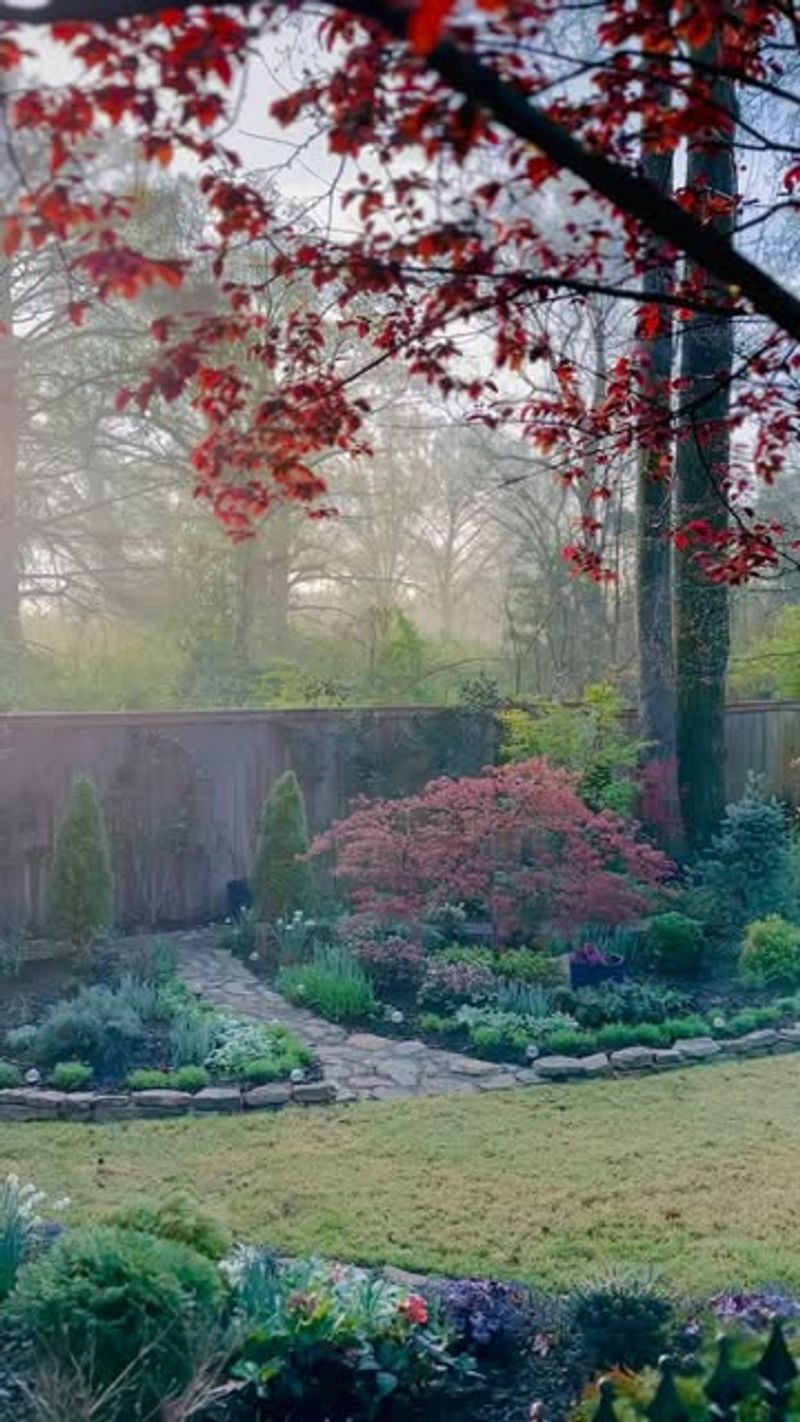
Few trees command attention quite like a Japanese maple with its delicate leaves dancing in the breeze.
Available in shades ranging from deep burgundy to lime green, these ornamental trees become living sculptures in Georgia gardens.
Their graceful, layered branching pattern creates visual interest even after leaves drop in winter, revealing elegant architectural forms.
Georgia’s climate suits many Japanese maple varieties, especially when planted in locations with afternoon shade.
Morning sun brings out the best leaf color while protection from intense afternoon rays prevents leaf scorch.
These trees prefer consistent moisture and well-drained soil amended with compost or aged bark.
Dwarf varieties work beautifully in containers on patios, while larger specimens anchor landscape beds or frame entryways.
Fall brings a spectacular transformation as leaves shift to brilliant oranges, reds, and golds before dropping.
Spring growth emerges in fresh hues that contrast beautifully with evergreen shrubs and flowering perennials.
Proper placement away from reflected heat and strong winds helps Japanese maples thrive for generations.
Your Georgia Garden Changes Every Week. Your Plan Should Too.
Gardening in Georgia changes quickly throughout the season. Every Friday you’ll receive a simple weekly plan showing exactly what to plant, prune, fertilize, harvest, and protect so you never miss the right timing.
Their refined appearance suits both traditional and contemporary garden styles, making them versatile focal points.
Whether you choose a weeping variety or an upright form, Japanese maples instantly elevate your garden’s sophistication and seasonal appeal.
Hydrangea
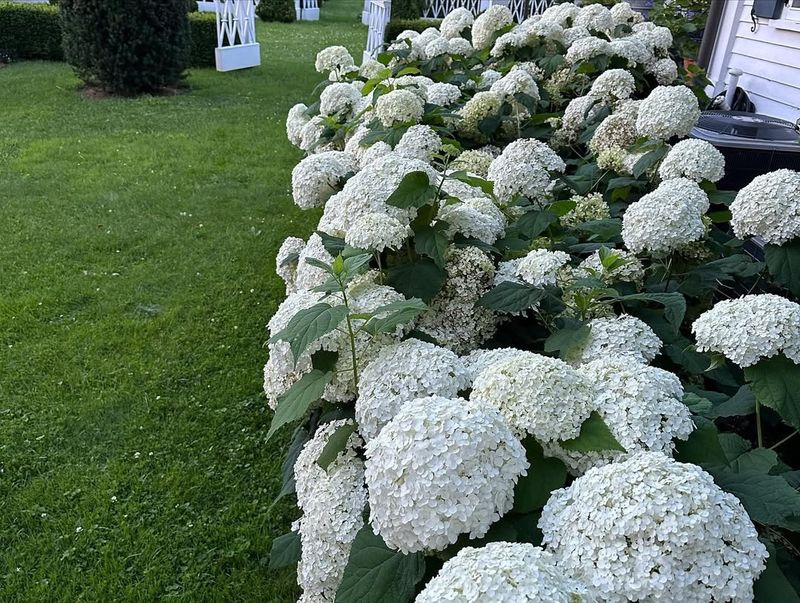
Nothing announces summer’s arrival quite like hydrangeas loaded with softball-sized flower clusters.
Bigleaf hydrangeas produce blue or pink blooms depending on soil pH, while oakleaf varieties offer white cone-shaped flowers and stunning fall foliage.
Georgia’s humidity and rainfall patterns create ideal growing conditions for these moisture-loving shrubs that demand attention throughout the growing season.
Planting hydrangeas in morning sun with afternoon shade protects blooms from wilting in Georgia’s intense heat.
They thrive in rich, organic soil that stays consistently moist but never waterlogged.
A thick layer of mulch helps regulate soil temperature and reduces watering frequency during dry spells.
Oakleaf hydrangeas tolerate more sun and offer cinnamon-colored peeling bark for winter interest.
Bigleaf types prefer shadier spots and respond well to acidic soil amendments for blue blooms or lime for pink tones.
Both varieties benefit from annual pruning to remove spent blooms and maintain attractive shapes.
Their large flower heads make dramatic cut arrangements that last for weeks in vases.
Many gardeners plant hydrangeas along foundations, in woodland gardens, or as border plantings where their bold blooms create seasonal impact.
With proper care and placement, hydrangeas become reliable performers that grow more impressive each year in Georgia landscapes.
Crape Myrtle
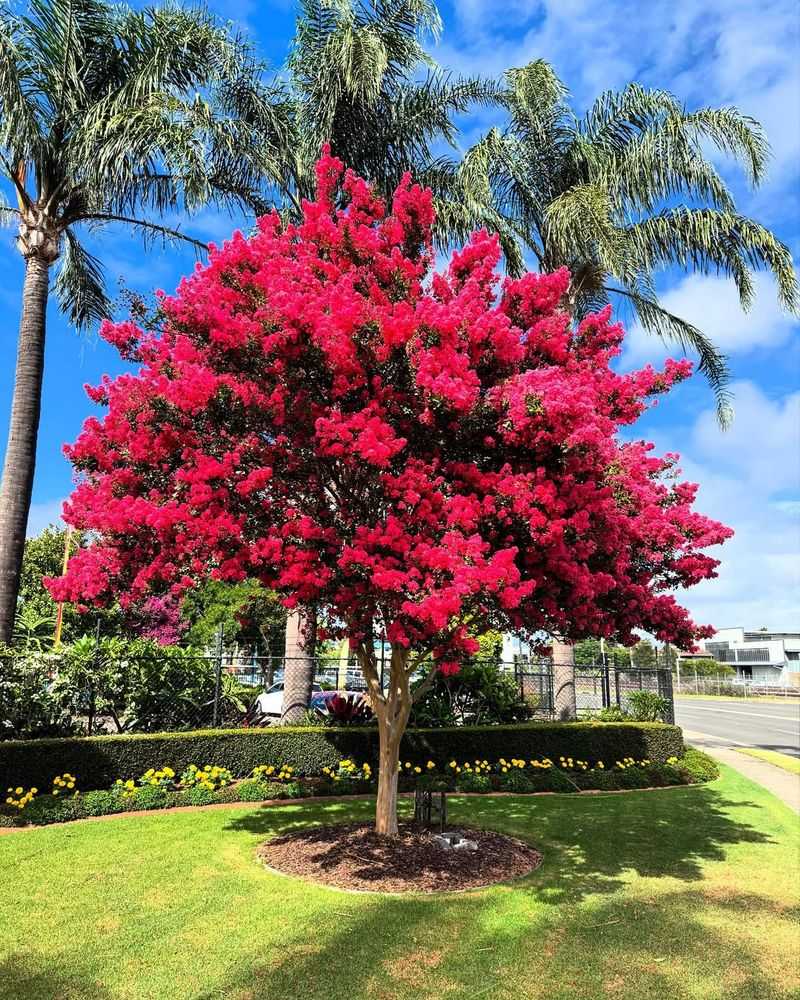
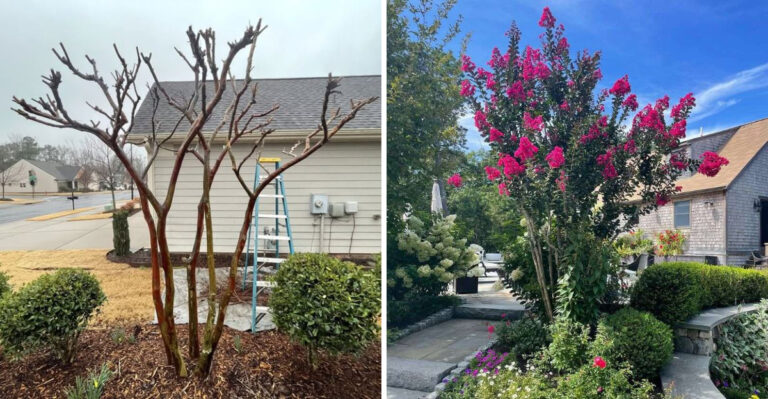
Crape myrtles reign as Georgia’s summer flowering champions, painting the landscape with blooms from June through September.
These adaptable trees and shrubs offer clusters of ruffled flowers in shades of white, pink, red, purple, and coral.
Beyond their extended bloom season, crape myrtles showcase smooth, exfoliating bark in shades of gray, cinnamon, and tan that provides year-round visual appeal.
Georgia’s hot summers fuel vigorous growth and abundant flowering in full sun locations.
Crape myrtles tolerate heat, humidity, and drought once established, making them low-maintenance landscape stars.
They adapt to various soil types but perform best in well-drained sites with occasional deep watering during extended dry periods.
Sizes range from dwarf varieties perfect for containers to towering specimens that shade patios and frame property lines.
Fall brings another show as leaves turn yellow, orange, or red before dropping to reveal sculptural branching.
Proper pruning in late winter encourages strong growth and maximum flowering without creating unsightly knots.
Their versatility allows use as street trees, specimen plantings, hedges, or mass plantings in commercial and residential settings.
Crape myrtles resist most pests and diseases, especially newer mildew-resistant cultivars developed for southern climates.
No Georgia garden feels complete without at least one crape myrtle delivering months of color and texture.
Gardenia
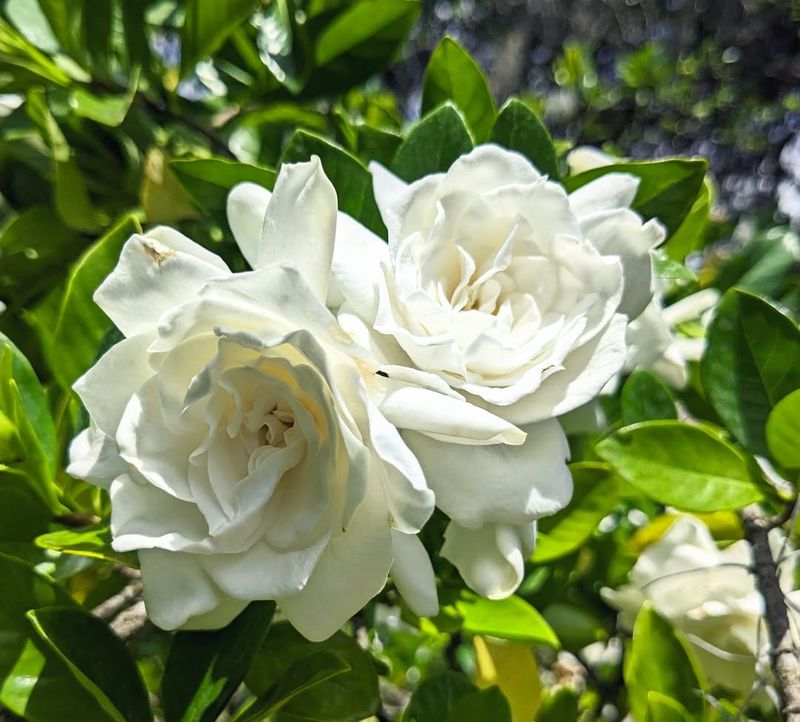
The intoxicating perfume of gardenia blooms transforms any Georgia garden into a fragrant paradise.
Creamy white flowers with velvety petals emerge against glossy evergreen foliage from late spring through summer.
A single gardenia shrub can perfume an entire patio or entryway, making these plants treasured additions to outdoor living spaces.
Georgia’s warm, humid climate suits gardenias perfectly when planted in partial shade with morning sun exposure.
They require acidic soil rich in organic matter and consistent moisture to produce abundant blooms.
Regular feeding with acid-forming fertilizers keeps foliage dark green and promotes flower production throughout the growing season.
Gardenias work beautifully as foundation plantings near windows where their fragrance drifts indoors on warm evenings.
They also excel in containers on patios where you can easily control soil conditions and move plants to optimal locations.
Proper placement away from cold winter winds protects tender growth and ensures reliable blooming each year.
While gardenias need more attention than some southern shrubs, their unforgettable fragrance and elegant blooms justify the extra care.
Pruning after flowering maintains compact shapes and encourages branching for more blooms the following season.
No other plant captures the essence of southern gardens quite like a gardenia in full, fragrant bloom.
Elephant Ear (Colocasia)
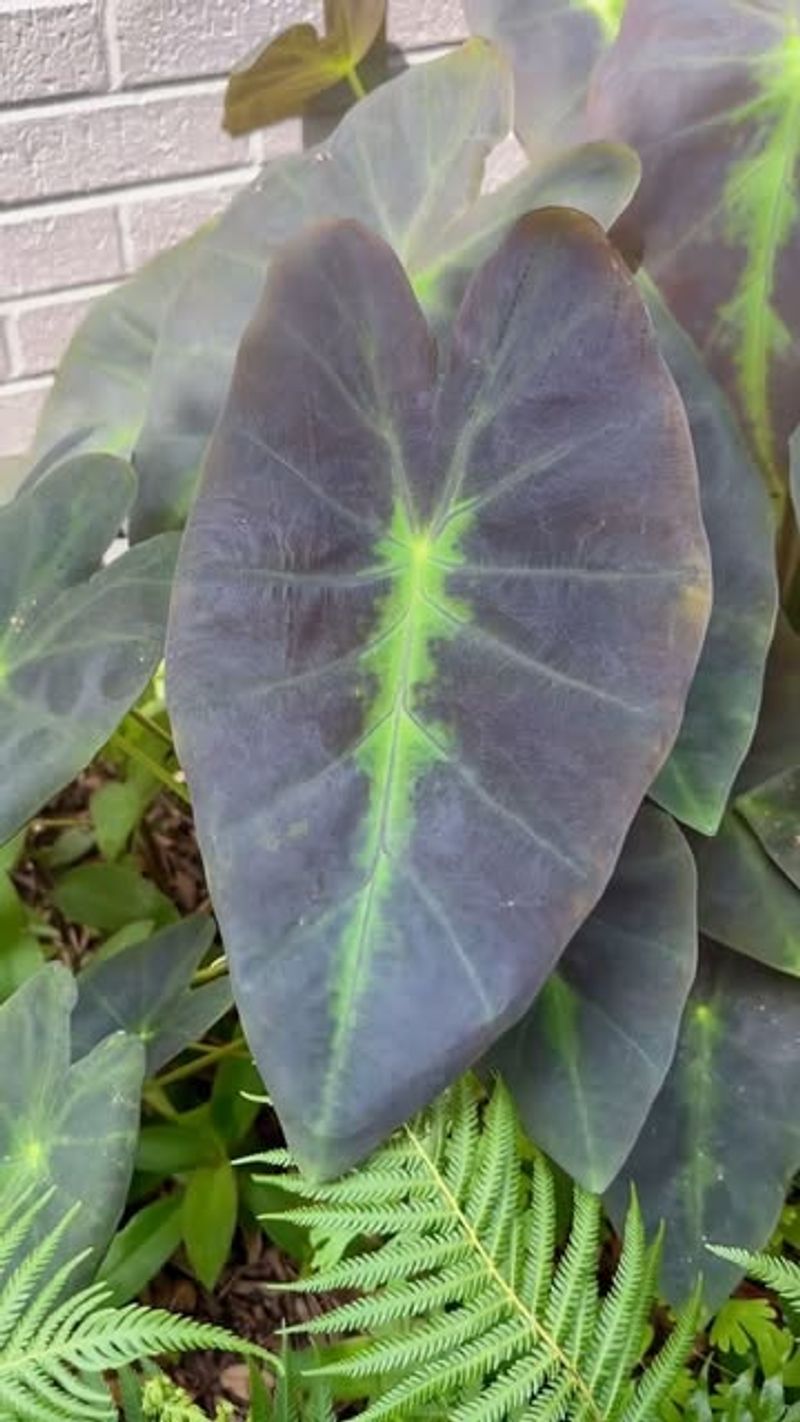
Bold, oversized leaves make elephant ears impossible to ignore in any Georgia landscape.
These tropical showstoppers produce heart-shaped foliage that can reach three feet across, creating instant drama in garden beds.
Georgia’s warm, humid summers mimic their native tropical environment, encouraging rapid growth and impressive leaf production.
Planting elephant ears in rich, consistently moist soil fuels their vigorous growth habit.
They thrive in full sun to partial shade, with more sun producing larger leaves if moisture remains adequate.
Many gardeners plant them near water features, in bog gardens, or in low spots where natural moisture collects.
Elephant ears work brilliantly as focal points, backdrop plants, or container specimens on patios and decks.
Their coarse texture contrasts beautifully with fine-leaved plants and flowering perennials.
Some varieties offer purple-black leaves that add moody sophistication to tropical-themed plantings.
In Georgia, elephant ears grow as annuals in most areas, though bulbs can be stored indoors over winter.
They multiply readily, producing offset bulbs that you can divide and share with fellow gardeners.
Their fast growth means you’ll see dramatic results within weeks of planting, transforming ordinary spaces into lush tropical retreats that feel worlds away from everyday life.
Loropetalum
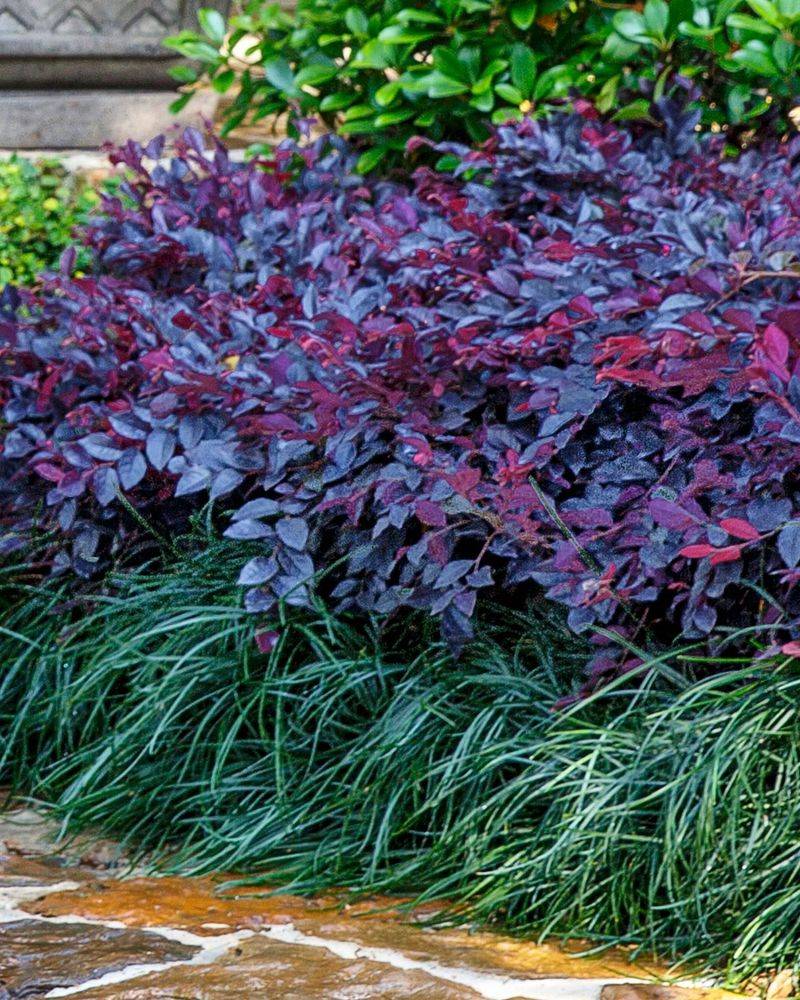
Purple-leafed loropetalum brings continuous color to Georgia gardens without relying solely on flowers.
These evergreen shrubs maintain burgundy to plum-colored foliage throughout the year, creating rich contrast against green plants.
Early spring brings clouds of frilly pink blooms that cover the entire plant, though the foliage remains the main attraction.
Georgia’s climate allows loropetalum to thrive with minimal maintenance in sun or partial shade.
Full sun intensifies leaf color, while shade produces softer purple tones and lusher growth.
They adapt to various soil types and tolerate drought once established, though consistent moisture promotes best performance.
Dwarf varieties work perfectly as groundcovers, edging plants, or low hedges in formal and informal settings.
Larger cultivars serve as privacy screens, foundation plantings, or specimen shrubs that anchor mixed borders.
Their dense growth habit requires minimal pruning to maintain attractive shapes.
Loropetalum’s year-round color makes it invaluable for adding depth and interest to winter landscapes.
The purple foliage complements yellow and chartreuse plants while contrasting beautifully with silver and blue-toned specimens.
Few shrubs offer such reliable color with so little effort, making loropetalum a smart choice for busy gardeners seeking maximum impact with minimal fuss.
Banana Shrub (Magnolia Figo)
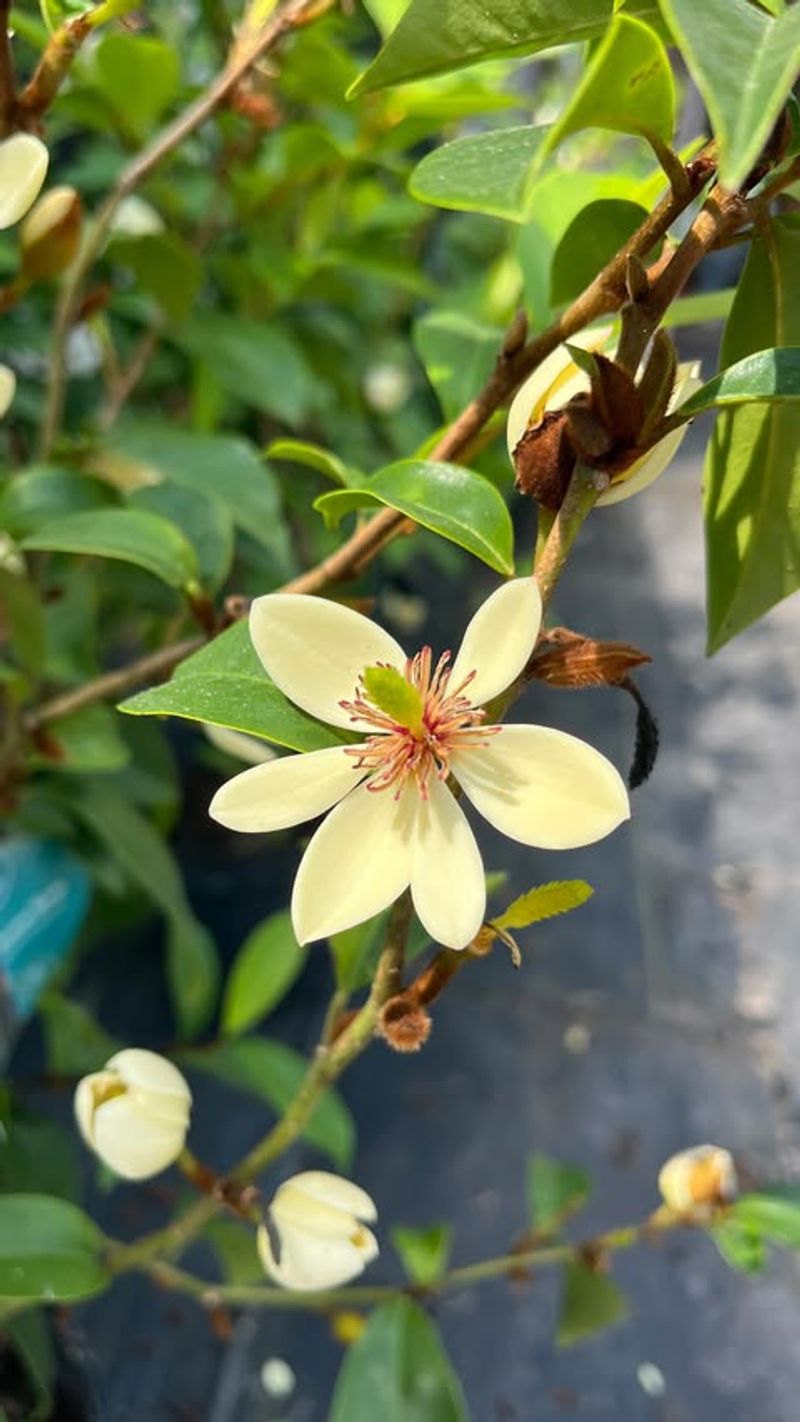
The sweet, fruity fragrance of banana shrub blooms stops visitors in their tracks each spring.
Small, creamy yellow flowers edged in maroon release a scent reminiscent of ripe bananas mixed with magnolia sweetness.
This evergreen shrub maintains glossy, dark green foliage year-round, providing structure and texture even when not flowering.
Georgia’s mild climate suits banana shrubs perfectly when planted in partial shade with protection from harsh afternoon sun.
They prefer slightly acidic, well-drained soil enriched with organic matter.
Once established, banana shrubs tolerate brief dry periods but perform best with consistent moisture during active growth.
Their compact growth habit makes them ideal for foundation plantings, mixed borders, or containers near patios and entryways.
Planting banana shrubs near walkways or seating areas allows you to fully appreciate their remarkable fragrance.
They rarely need pruning beyond shaping and removing any wayward branches.
Banana shrubs grow slowly to moderate rates, eventually reaching six to ten feet tall and wide.
Their refined appearance and delightful scent make them conversation starters in any garden.
While not as commonly planted as some southern favorites, banana shrubs deserve wider recognition for their unique combination of evergreen beauty and unforgettable fragrance that perfumes Georgia gardens each spring.
Roses (Heat-Tolerant Varieties)
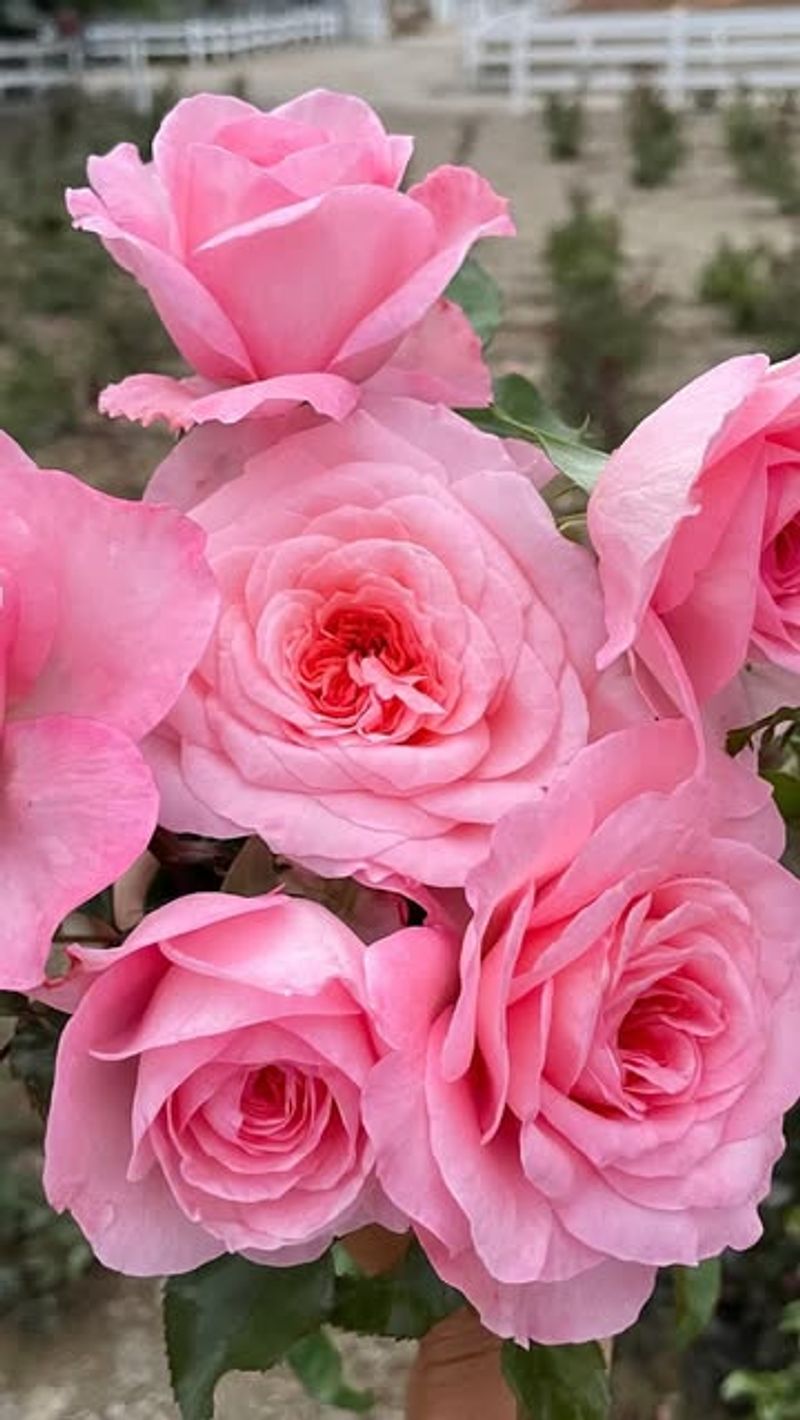
Modern breeding has produced roses that laugh at Georgia’s summer heat while delivering classic beauty.
Disease-resistant varieties like Drift, Home Run, and Easy Elegance series thrive in southern conditions without constant spraying.
These tough roses produce waves of blooms from spring through fall, proving that roses can indeed flourish in hot, humid climates.
Selecting varieties bred for southern gardens ensures success without the frustration of struggling plants.
They need full sun, well-drained soil amended with compost, and regular watering during establishment.
Once settled, heat-tolerant roses require far less maintenance than traditional hybrid teas while offering comparable flower power.
Landscape roses work beautifully as hedge plants, mass plantings, or mixed into perennial borders for continuous color.
Their compact growth habits suit smaller gardens and container plantings on sunny patios.
Many varieties offer fragrance alongside disease resistance, combining old-fashioned charm with modern performance.
Deadheading spent blooms encourages additional flowering, though many newer varieties clean themselves naturally.
Minimal pruning in late winter removes damaged wood and shapes plants for the growing season.
With proper variety selection, Georgia gardeners can enjoy roses without battling black spot, powdery mildew, or other common problems that plague less adapted types.
Azalea
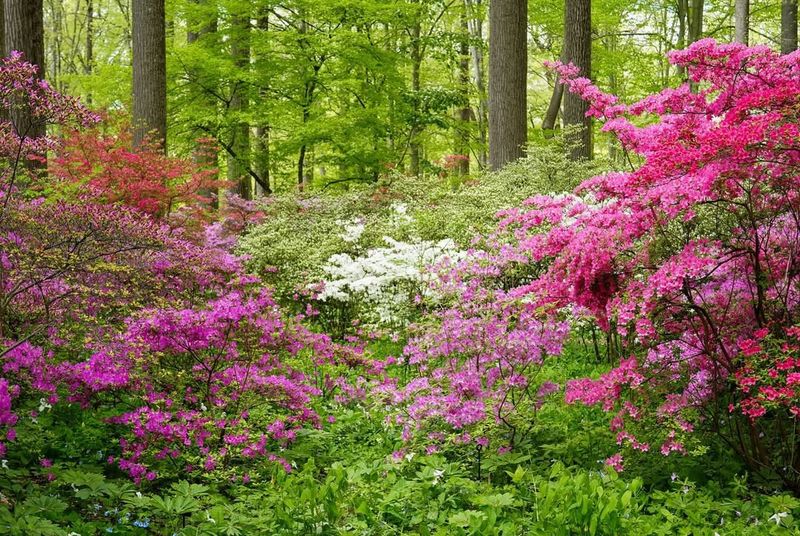
Spring explodes with color when azaleas burst into bloom across Georgia landscapes.
These iconic southern shrubs transform yards into seas of pink, white, red, purple, and coral for several spectacular weeks.
Georgia’s acidic soils and mild climate create perfect conditions for azaleas to thrive and multiply over decades.
Planting azaleas in partial shade with morning sun protects blooms from fading while promoting healthy growth.
They prefer organic-rich, well-drained soil that stays consistently moist but never soggy.
A thick mulch layer helps maintain the cool, acidic root environment azaleas love.
Native azaleas offer fragrance and a more natural appearance, while Asian varieties provide larger blooms and denser growth.
Both types benefit from annual feeding with acid-forming fertilizer after flowering concludes.
Pruning immediately after blooms fade allows time for next year’s flower buds to develop.
Azaleas work beautifully as foundation plantings, woodland garden specimens, or massed along property borders.
Their evergreen or semi-evergreen foliage provides structure between bloom seasons.
No plant captures Georgia’s spring spirit quite like azaleas blanketing neighborhoods in waves of cheerful color.
Pairing early, mid, and late-blooming varieties extends the show from March into May, maximizing your garden’s seasonal impact.
Knock Out Roses
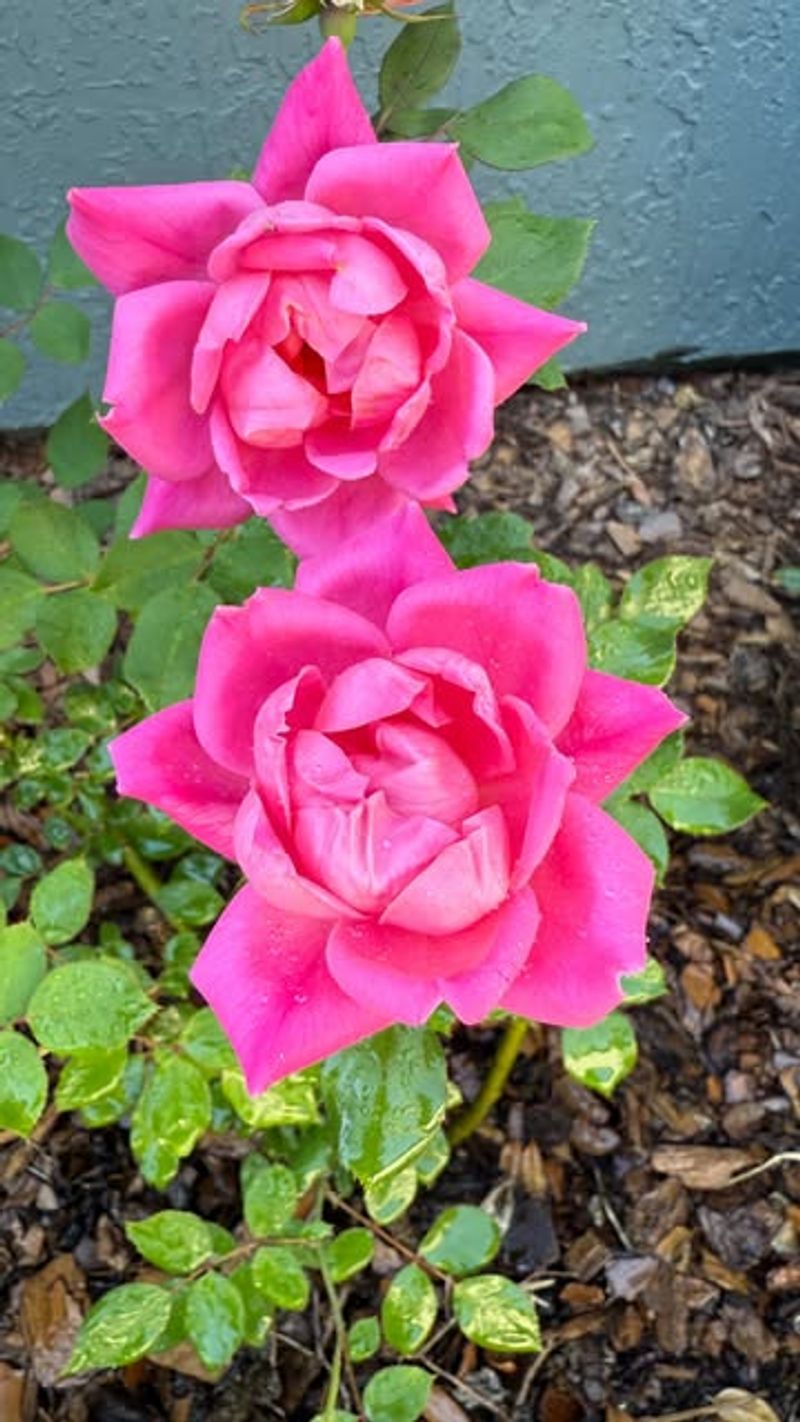
Knock Out roses revolutionized rose growing by delivering nonstop blooms without fussy maintenance routines.
These self-cleaning shrub roses flower continuously from spring until frost with no deadheading required.
Georgia’s long growing season allows Knock Outs to produce months of color while resisting diseases that trouble traditional roses.
Planting Knock Out roses in full sun with good air circulation maximizes flowering and maintains plant health.
They adapt to various soil types but perform best in well-drained beds amended with compost.
Once established, Knock Outs tolerate brief drought periods, though regular watering during dry spells promotes best blooming.
Available in red, pink, yellow, white, and coral, Knock Out roses suit any color scheme or garden style.
Their compact, rounded growth habit works perfectly for mass plantings, hedges, or mixed borders.
Single or double flower forms offer choices for different aesthetic preferences.
Minimal care requirements make Knock Outs ideal for busy gardeners or those new to rose growing.
Annual pruning in late winter maintains size and encourages fresh, vigorous growth.
Their reliability and constant color production explain why Knock Out roses appear in countless Georgia landscapes, from suburban yards to commercial properties seeking dependable beauty with minimal effort.
Vitex (Chaste Tree)
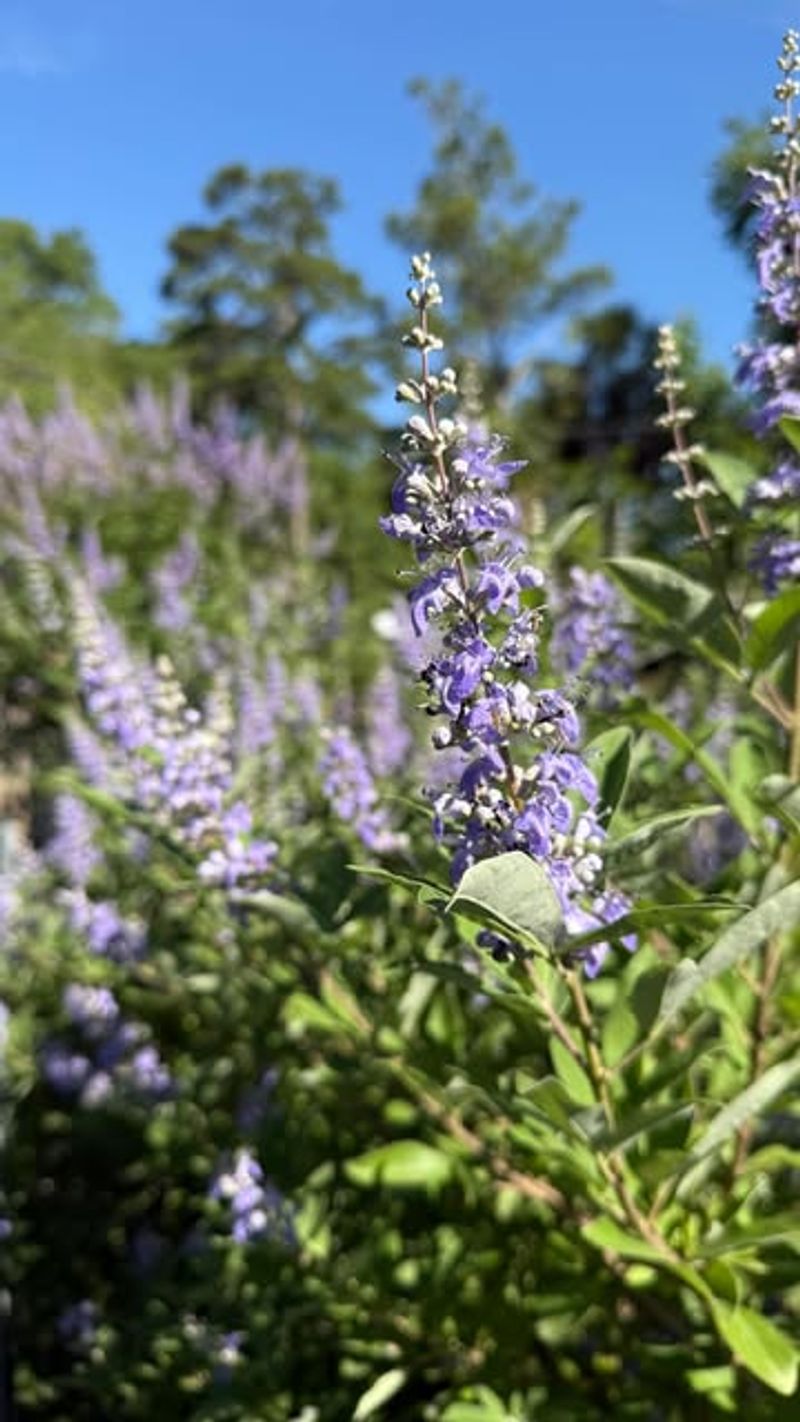
Vitex brings unexpected late-season color when many summer bloomers start fading.
This small tree or large shrub produces spikes of lavender-blue flowers from June through September.
Georgia’s heat actually encourages vitex to bloom more profusely, making it perfectly adapted to southern summers.
Pollinators flock to vitex flowers, creating a buzzing garden focal point that supports beneficial insects.
The aromatic foliage releases a pleasant scent when brushed, adding another sensory dimension to your landscape.
Vitex thrives in full sun and well-drained soil, tolerating poor soil and drought once established.
Its multi-trunked form creates an informal, airy appearance that works in cottage gardens and naturalistic landscapes.
Vitex grows quickly, reaching ten to fifteen feet tall with an equal spread.
Hard pruning in late winter controls size and promotes abundant flowering on new growth.
The gray-green foliage provides a cooling visual effect during hot months.
Vitex works beautifully as a specimen tree, grouped in odd numbers, or planted as a flowering hedge.
Its combination of summer blooms, pollinator appeal, and heat tolerance makes vitex an underutilized treasure for Georgia gardens.
Few small trees offer such extended flowering with so little maintenance required.
Lantana
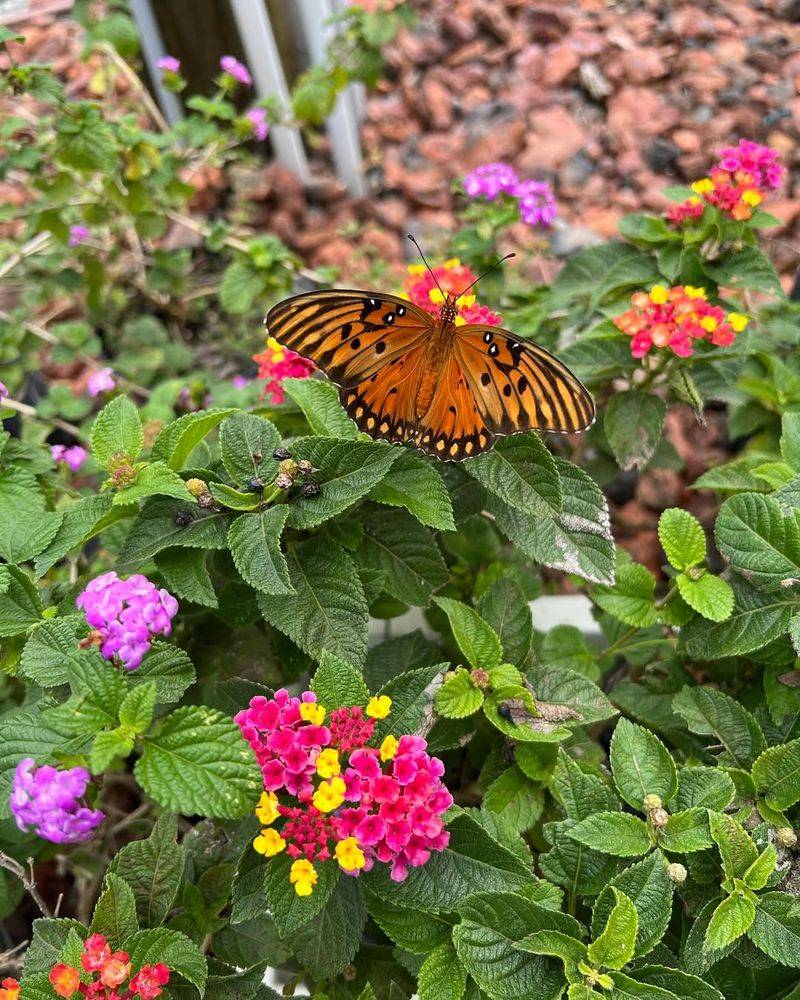
Lantana laughs at Georgia’s most brutal summer heat while pumping out colorful flower clusters nonstop.
These tough perennials or annuals produce blooms in combinations of orange, yellow, pink, red, white, and purple.
Butterflies can’t resist lantana flowers, making them essential plants for pollinator-friendly Georgia landscapes.
Planting lantana in full sun and well-drained soil ensures maximum flowering and healthy growth.
They tolerate drought, poor soil, and neglect better than most flowering plants.
Once established, lantana requires virtually no maintenance beyond occasional shaping.
Trailing varieties work perfectly in hanging baskets, containers, or spilling over walls and raised beds.
Upright types create colorful groundcovers, border edgings, or mass plantings that bloom relentlessly.
Their textured foliage and multicolored flower clusters add cottage garden charm to any setting.
In south Georgia, lantana often returns as a perennial, while north Georgia gardeners typically treat it as an annual.
Either way, lantana delivers exceptional value with months of color for minimal investment and effort.
Deadheading isn’t necessary, though occasional trimming keeps plants compact and encourages fresh growth.
Few plants match lantana’s ability to thrive in Georgia’s toughest conditions while attracting beneficial insects and providing constant color from late spring until the first frost arrives.