Beautiful Scented Flowers That Make South Carolina Gardens Smell Incredible
South Carolina gardens are known for their beauty, but fragrance is what truly brings them to life.
The state’s warm temperatures and humid air help scented flowers release stronger, longer-lasting fragrance, making certain plants especially powerful in South Carolina landscapes.
Some flowers perfume entire yards during the day, while others release their scent at dusk or after sunset.
From sweet and citrusy to rich and spicy, these blooms turn outdoor spaces into sensory experiences rather than just visual displays.
Many of the most fragrant flowers also thrive naturally in South Carolina’s soil and climate, requiring little extra care once established.
When planted near walkways, patios, or windows, they fill everyday moments with natural perfume.
Choosing the right scented flowers allows gardeners to enjoy fragrance across multiple seasons, not just spring.
With thoughtful placement and reliable varieties, South Carolina gardens can smell just as incredible as they look.
Gardenia
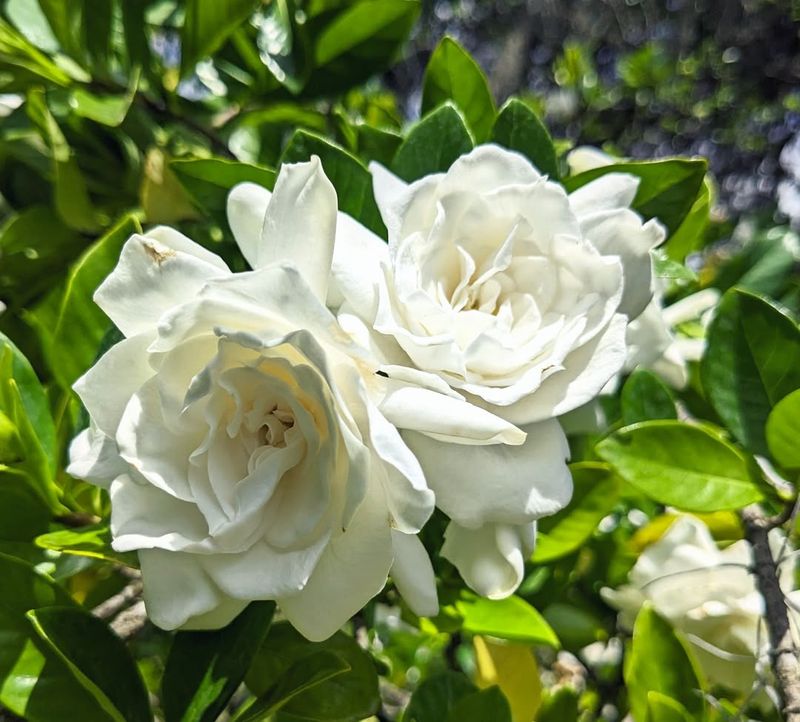
Few flowers can match the intoxicating perfume that gardenias release into warm Southern air.
These creamy white blooms produce a fragrance so powerful that a single flower can perfume an entire room, and a bush in full bloom will scent your whole yard.
South Carolina’s heat and humidity actually help gardenias thrive, unlike many other regions where they struggle.
The glossy evergreen leaves stay beautiful year-round, while the flowers appear from late spring through summer.
Plant gardenias near patios, walkways, or windows where you can enjoy their scent up close.
They prefer acidic soil with plenty of organic matter, so adding pine bark mulch helps keep them happy.
Morning sun with afternoon shade works best in South Carolina’s intense summer heat.
Water regularly during dry spells, and feed with an acid-loving plant fertilizer in spring and summer.
Watch for whiteflies and aphids, which sometimes bother gardenias but can be managed with gentle sprays.
The reward for proper care is months of stunning blooms with that unforgettable sweet fragrance that defines Southern gardens.
Confederate Jasmine (Star Jasmine)
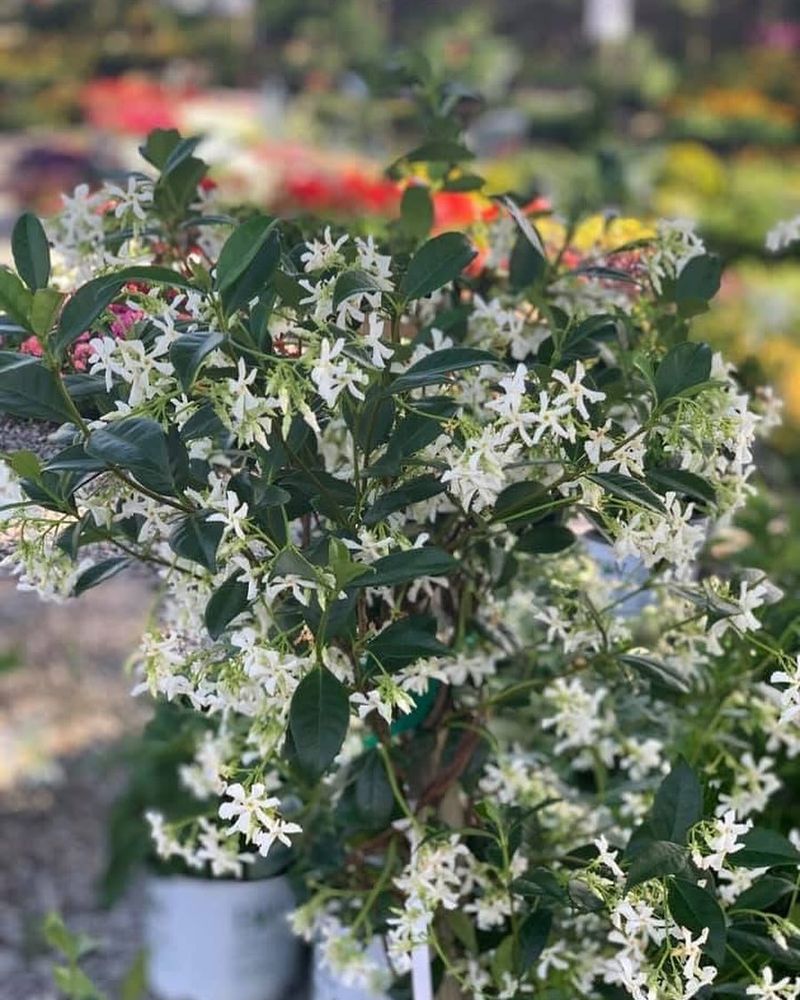
When Confederate jasmine blooms in late spring, neighbors three houses away will notice the sweet perfume drifting through the air.
This vigorous vine produces thousands of tiny white star-shaped flowers that release an incredibly strong fragrance, especially during warm evenings.
Despite its name, this plant isn’t actually a true jasmine, but its scent is equally captivating and perhaps even sweeter.
The vine grows enthusiastically in South Carolina, covering fences, arbors, and walls with glossy evergreen foliage.
Peak bloom happens in May and June, though you might see scattered flowers into summer.
Confederate jasmine handles full sun to partial shade and tolerates South Carolina’s humidity without problems.
Once established, it becomes quite drought-tolerant and needs minimal maintenance beyond occasional pruning to control size.
Train it up a mailbox post, over a pergola, or along a porch railing where the scent can waft into living spaces.
The flowers attract butterflies and other beneficial insects while filling your yard with that distinctive sweet perfume.
Plant it where you spend time outdoors during spring evenings, and you’ll understand why Southerners treasure this fragrant vine.
Your South Carolina Garden Changes Every Week. Your Plan Should Too.
Gardening in South Carolina changes quickly throughout the season. Every Friday you’ll receive a simple weekly plan showing exactly what to plant, prune, fertilize, harvest, and protect so you never miss the right timing.
Roses (Fragrant Varieties)

Not all roses smell wonderful, but choosing fragrant varieties gives you both beauty and that classic rose perfume.
Old-fashioned roses like Bourbon, Damask, and Alba types typically offer the strongest scents, with rich, complex fragrances.
Modern roses bred for fragrance include varieties like Mr. Lincoln, Double Delight, and Fragrant Cloud, which perform well in South Carolina heat.
The Knock Out series, while easy to grow, offers little fragrance, so read descriptions carefully before purchasing.
David Austin English roses combine old-fashioned flower forms with strong scents and better disease resistance for Southern gardens.
Plant roses where they receive at least six hours of direct sunlight and have good air circulation to prevent fungal issues.
South Carolina’s humidity can challenge roses, so choosing disease-resistant varieties saves frustration and reduces spraying needs.
Feed regularly during the growing season and water deeply but less frequently to encourage strong root systems.
Deadhead spent blooms to encourage more flowers and maintain that continuous fragrance throughout the season.
Morning watering allows foliage to dry before evening, reducing disease problems in humid conditions.
Sweet Olive (Osmanthus Fragrans)
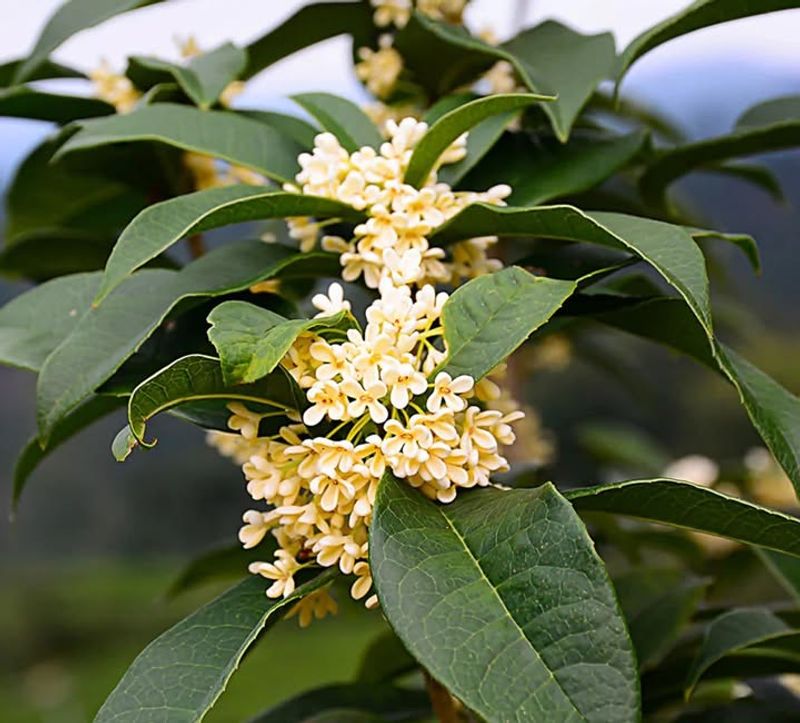
Sweet olive produces flowers so tiny you might not even notice them at first, yet their apricot-like fragrance can perfume your entire yard.
This evergreen shrub blooms sporadically throughout fall, winter, and spring, offering fragrance during cooler months when few other plants flower.
The scent carries remarkably far on the breeze, and many people smell it before they spot the inconspicuous blooms.
South Carolina’s mild winters allow sweet olive to bloom repeatedly, providing waves of fragrance from October through April.
The shrub grows slowly into a dense, upright form that works well as a screen, hedge, or specimen plant.
Plant sweet olive near outdoor seating areas, along walkways, or beside doorways where you’ll encounter the fragrance regularly.
It tolerates full sun to partial shade and adapts to various soil types as long as drainage is adequate.
Once established, sweet olive handles drought well and needs little care beyond occasional shaping.
The dark green foliage provides year-round structure and beauty even when flowers aren’t present.
Some varieties produce white flowers while others bloom in orange, but all share that distinctive fruity-floral perfume that makes sweet olive a Southern treasure.
Lavender (Heat-Tolerant Types)
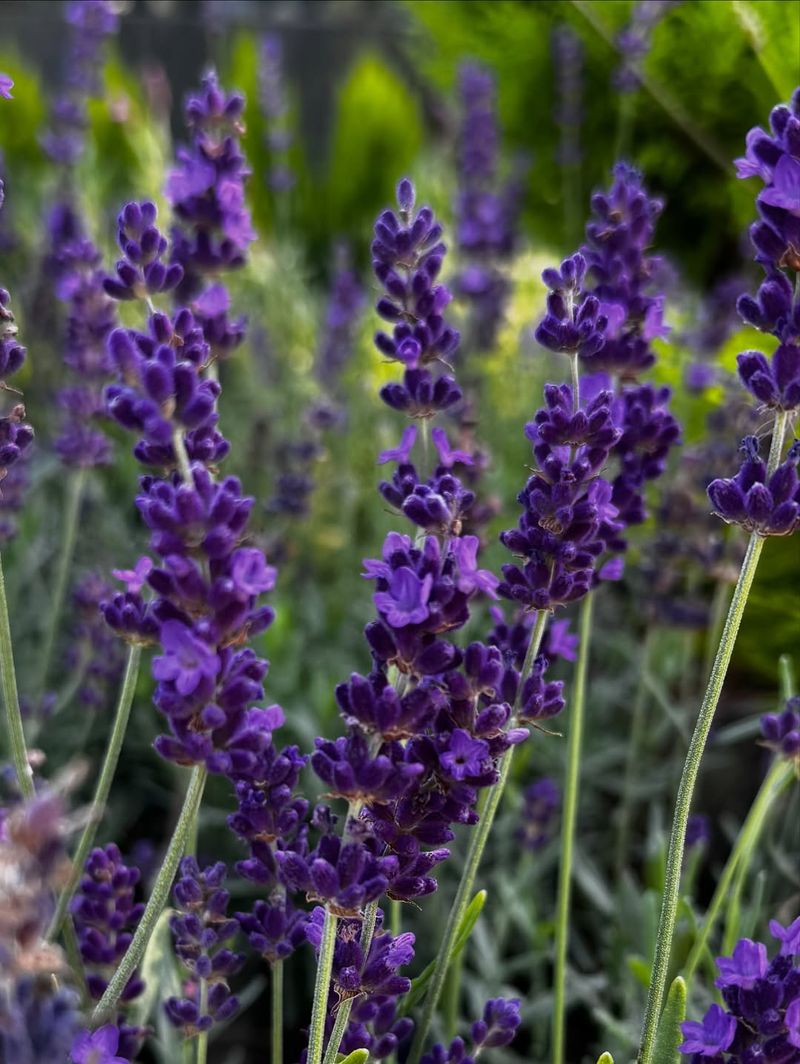
Growing lavender in South Carolina requires choosing the right types, but success brings that beloved calming fragrance to your garden.
English lavender struggles in Southern humidity, but Spanish lavender and Phenomenal lavender handle heat and moisture much better.
Grosso lavender, a hybrid type, also performs well in South Carolina if given excellent drainage and full sun.
The key to success is planting lavender in raised beds or on slopes where water drains away quickly after rain.
Avoid heavy clay soils and improve drainage by mixing in sand and gravel before planting.
Lavender blooms in late spring and early summer, producing those iconic purple flower spikes with their fresh, herbal scent.
Harvest stems when flowers first open for the strongest fragrance in dried arrangements or sachets.
Cut plants back by about one-third after flowering to maintain compact shape and encourage fresh growth.
Avoid overwatering, which is the biggest mistake gardeners make with lavender in humid climates.
Plant lavender where you can brush against it while walking by, releasing bursts of that soothing fragrance.
Bees and butterflies adore lavender flowers, adding movement and life to your fragrant garden space.
Dianthus
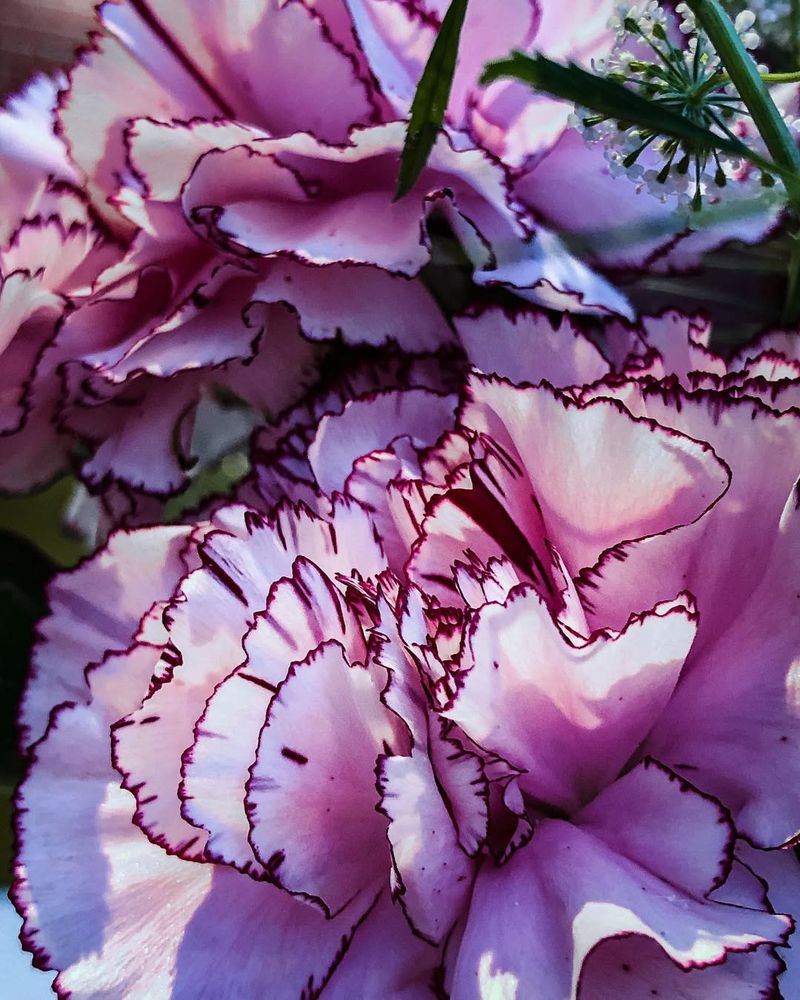
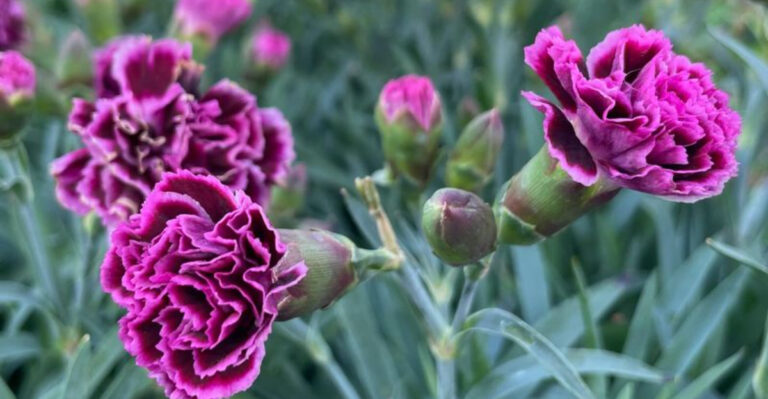
Dianthus releases a spicy, clove-like fragrance that surprises people who expect all flowers to smell sweet.
These low-growing plants produce masses of fringed flowers in shades of pink, red, white, and bicolors during cool seasons.
In South Carolina, dianthus performs best as a fall, winter, and spring flower, blooming most heavily when temperatures are moderate.
Plant them in October for winter color and fragrance, or add them in early spring for blooms until heat arrives.
The spicy scent becomes stronger on warm, sunny days, perfuming rock gardens, borders, and container plantings.
Dianthus prefers slightly alkaline soil, so adding lime benefits them in South Carolina’s typically acidic soils.
Excellent drainage is essential—soggy soil quickly damages these plants, especially during wet winters.
Deadheading spent flowers encourages continuous blooming and keeps plants looking tidy throughout the season.
The blue-green foliage provides attractive texture even when flowers aren’t present.
Plant dianthus along walkways or in raised planters where you can appreciate both the colorful blooms and that distinctive spicy perfume.
Cutting flowers for small bouquets brings the clove fragrance indoors while encouraging more blooms outside.
Heliotrope
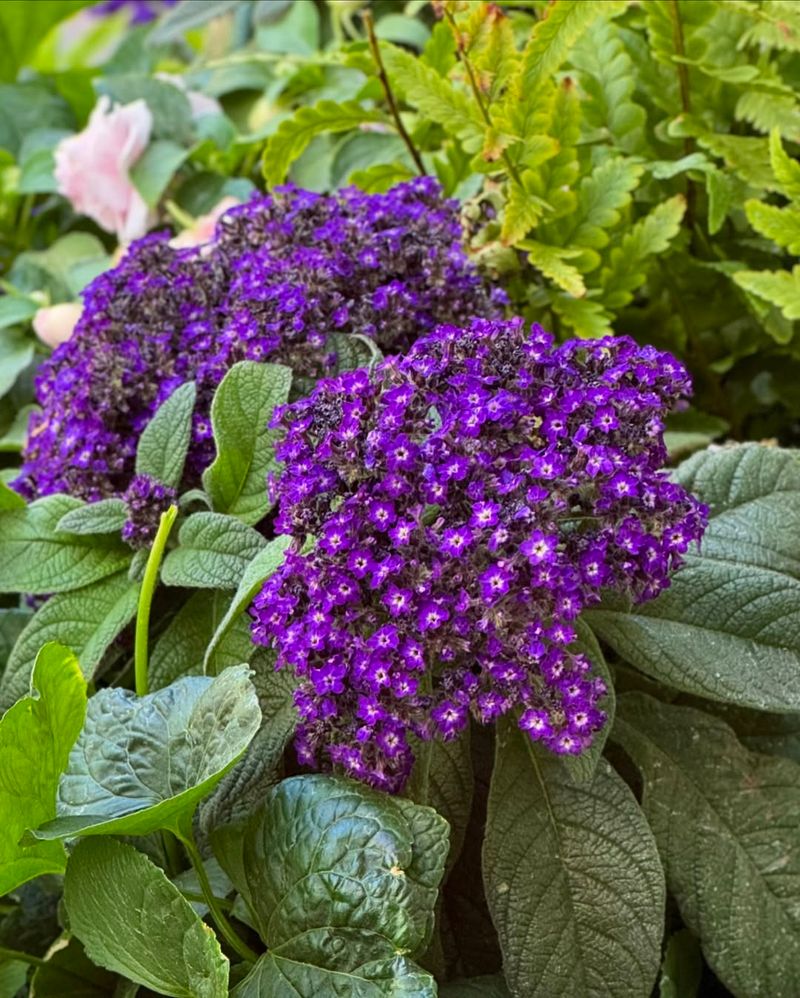
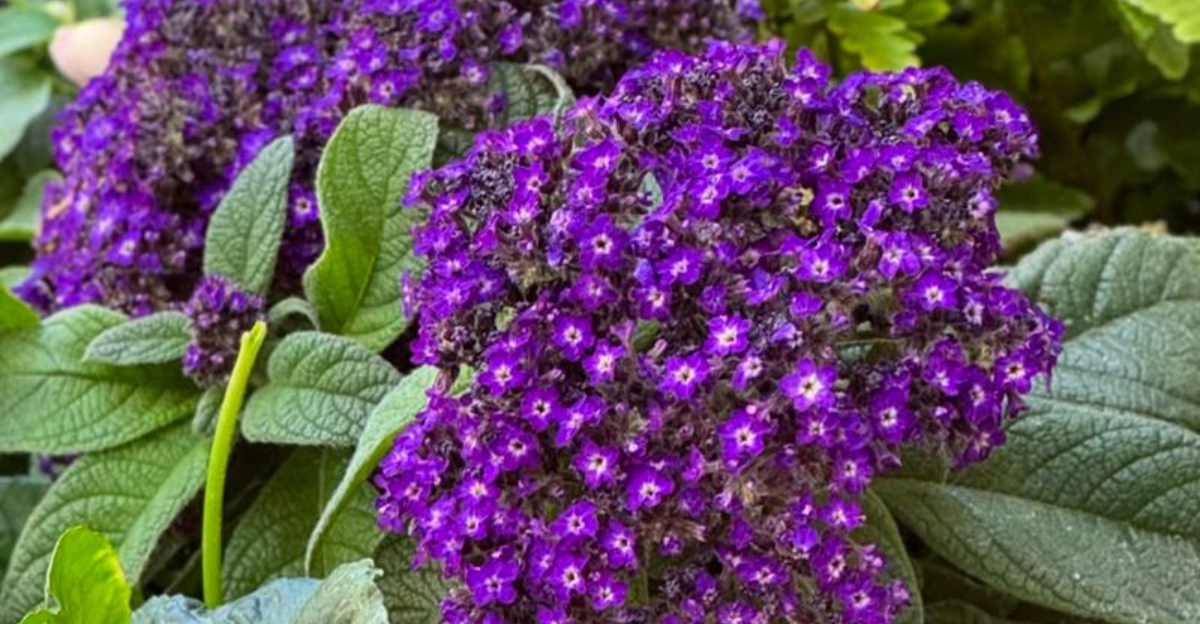
Heliotrope smells remarkably like vanilla with hints of cherry pie, earning it the nickname cherry pie plant.
This old-fashioned flower grows as an annual in South Carolina, producing clusters of deep purple, lavender, or white blooms throughout warm months.
The fragrance intensifies during late afternoon and evening, making heliotrope perfect for patios and outdoor seating areas.
Victorian gardeners prized heliotrope for its scent and dark foliage, often featuring it in fragrance gardens and containers.
Plant heliotrope in spring after frost danger passes, choosing locations with morning sun and afternoon shade.
The plant handles South Carolina’s heat reasonably well but appreciates some relief from intense afternoon sun.
Regular watering and feeding keep heliotrope blooming continuously from late spring through fall.
Pinch back growing tips early in the season to encourage bushier growth and more flower clusters.
Heliotrope works beautifully in containers, window boxes, and mixed borders where its dark leaves contrast with lighter-colored plants.
Butterflies visit the flowers regularly, adding movement to your fragrant display.
The vanilla-like scent carries well on the breeze, perfuming larger areas than you might expect from a relatively small plant.
Magnolia (Southern Magnolia And Sweetbay)
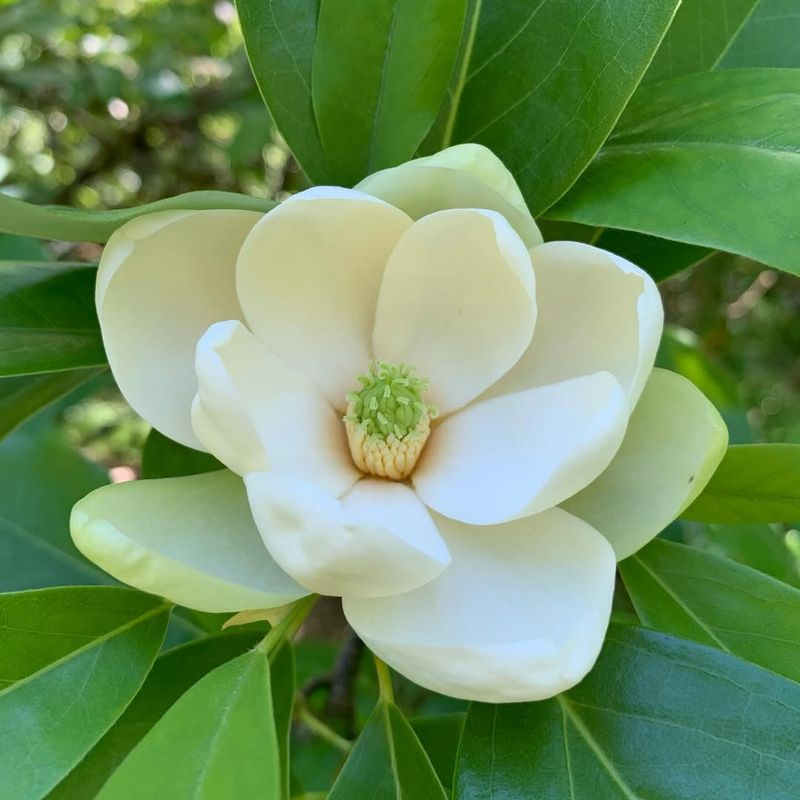
Southern magnolia produces dinner-plate-sized creamy white flowers with a lemony-sweet fragrance that can perfume entire neighborhoods.
These magnificent evergreen trees bloom in late spring and early summer, with scattered flowers appearing into fall.
The large, glossy leaves provide year-round beauty, while the rusty-brown undersides add interesting color contrast.
Sweetbay magnolia offers a smaller tree option with similar fragrance and beautiful white flowers that appear throughout summer.
Both magnolias thrive in South Carolina’s climate, handling heat, humidity, and occasional drought once established.
Plant magnolias where you have space for their eventual size—Southern magnolias can reach sixty feet tall and forty feet wide.
The fragrance from magnolia blooms carries far on warm breezes, reaching windows, porches, and outdoor living spaces.
Individual flowers last only a few days, but trees produce blooms in succession for weeks of continuous fragrance.
Magnolia flowers attract beetles, which are their natural pollinators and don’t damage the blooms.
These trees prefer slightly acidic soil with good drainage and benefit from a layer of mulch to keep roots cool.
Few sights or scents define Southern gardens better than a magnolia tree in full bloom.
Moonflower

Moonflowers open their large white blooms at sunset and release an incredibly sweet fragrance that perfumes the night air.
This vigorous annual vine grows quickly in South Carolina’s warm summers, covering fences, trellises, and arbors with heart-shaped leaves.
The flowers measure four to six inches across and glow white in moonlight, creating a magical evening display.
Each bloom lasts only one night, but plants produce dozens of flowers throughout summer, ensuring continuous fragrance.
The sweet scent attracts hawk moths, which pollinate the flowers while hovering like tiny hummingbirds.
Plant moonflower seeds directly in the garden after danger of frost passes, or start them indoors a few weeks earlier.
Nick the hard seed coat with a file and soak seeds overnight before planting to improve germination.
Moonflowers need full sun and regular water but otherwise require little care once established.
Train vines onto sturdy supports, as they grow vigorously and become quite heavy by midsummer.
Plant moonflowers near patios, bedroom windows, or anywhere you spend time outdoors during evening hours.
The combination of glowing white flowers and powerful sweet fragrance makes summer evenings in South Carolina gardens truly special.
Sweet Alyssum
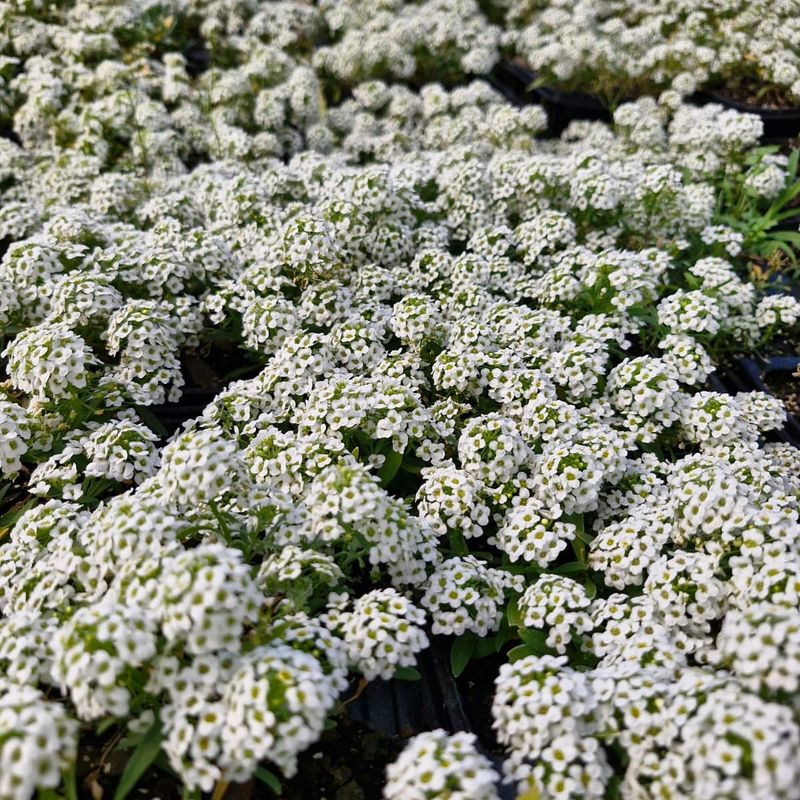
Sweet alyssum may be small, but its honey-like fragrance packs a powerful punch, especially when planted in masses.
This low-growing annual produces clouds of tiny white, pink, or purple flowers that carpet the ground with color and scent.
In South Carolina, sweet alyssum performs best during cool seasons, blooming heavily in fall, winter, and spring.
Plant it in September or October for months of fragrant flowers that continue through mild winters.
The sweet scent becomes most noticeable during warm, sunny days when flowers release their perfume into the air.
Sweet alyssum works wonderfully as an edging plant, in rock gardens, between stepping stones, or spilling from containers.
The flowers attract beneficial insects including tiny parasitic wasps that help control garden pests naturally.
Plants self-seed readily, often returning year after year in the same spots without replanting.
Sweet alyssum tolerates light frost and continues blooming through South Carolina’s mild winters.
Shear plants back if they become leggy in late spring to encourage fresh growth and more flowers.
The combination of easy care, continuous blooms, and sweet fragrance makes alyssum a valuable addition to any South Carolina garden.