10 Poisonous Creatures Nevada Residents Need To Recognize
Nevada’s wide-open spaces may look calm and harmless, but looks can be deceiving.
From rocky deserts to quiet backyards, some creatures in the Silver State pack a serious punch.
You might never spot them at first glance, yet they share the land and sometimes cross paths with people when least expected.
Knowing what to watch for can be the difference between a close call and a dangerous situation.
These animals do not go looking for trouble, but they stand their ground when threatened.
A snake basking in the sun, a spider tucked away in a dark corner, or a scorpion hiding under a rock all follow one simple rule: protect first, ask questions later.
When startled, they can strike faster than a blink.
Awareness goes a long way in a state where outdoor life is part of the daily rhythm.
Learning to recognize poisonous creatures helps residents stay one step ahead and avoid learning the hard way.
It builds confidence, sharpens instincts, and keeps fear from running the show.
In Nevada, knowing your natural neighbors is not just smart, it is plain common sense.
1. Western Diamondback Rattlesnake
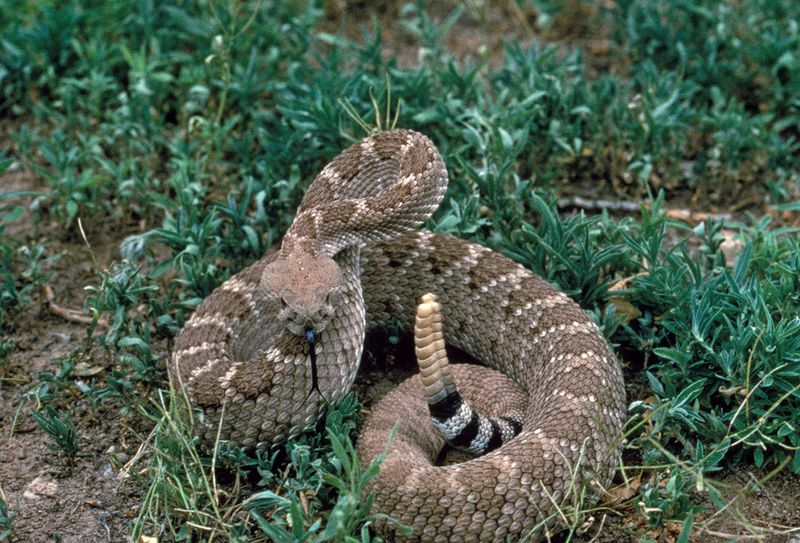
Rattlesnakes are probably the first thing that comes to mind when people think about dangerous Nevada wildlife, and for good reason.
The western diamondback is one of the most common venomous snakes you’ll encounter across southern Nevada, especially in desert areas near Las Vegas and along hiking trails.
Its tan or gray body features dark diamond-shaped patterns running down its back, making it easier to identify than you might think.
These snakes can grow quite large, sometimes reaching over five feet in length.
They prefer rocky outcrops, desert scrubland, and areas with plenty of rodents to hunt.
The distinctive rattle at the end of their tail serves as a warning system, shaking loudly when the snake feels threatened.
If you hear that unmistakable buzzing sound while hiking or working outdoors in Nevada, freeze immediately and locate the snake before backing away slowly.
Never try to handle or provoke a rattlesnake, even if it appears calm.
Their venom can cause severe tissue damage and requires immediate medical attention.
Most bites happen when people accidentally step too close or try to move the snake.
Wearing sturdy boots and watching where you place your hands and feet dramatically reduces your risk.
Rattlesnakes actually help control rodent populations, so they play an important role in Nevada’s ecosystem despite their dangerous reputation.
2. Mojave Green Rattlesnake
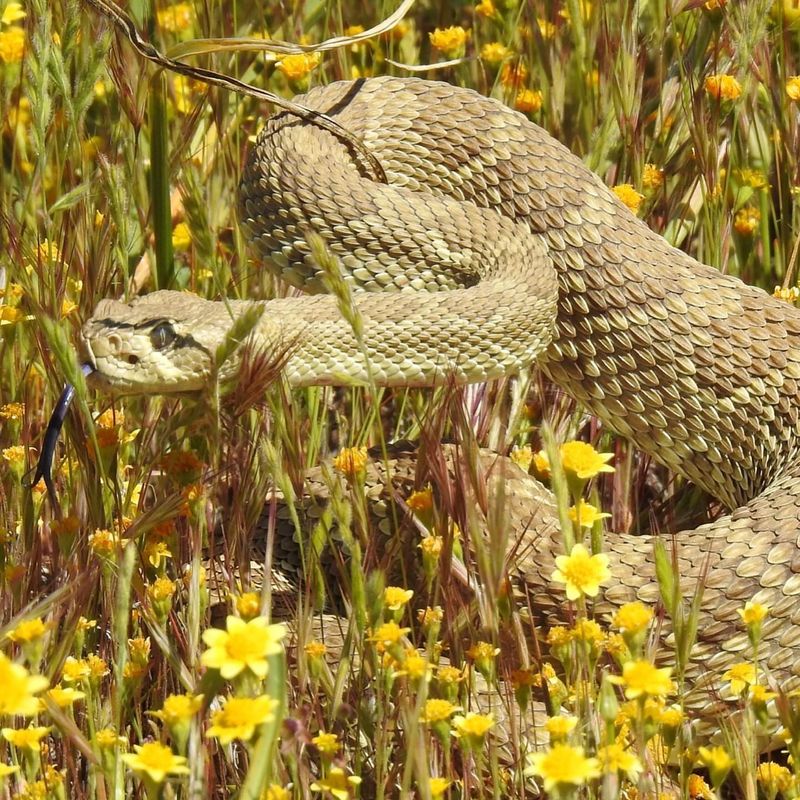
Among all of Nevada’s venomous snakes, the Mojave green rattlesnake carries the most potent venom and deserves serious respect.
Found throughout the Mojave Desert region of southern Nevada, this snake has a greenish or olive-gray color that helps it blend into desert vegetation.
Many people confuse it with the western diamondback, but the Mojave green typically has lighter coloring and narrower white bands on its tail.
What makes this rattlesnake particularly concerning is its venom, which contains both neurotoxins and hemotoxins.
This combination affects both the nervous system and blood cells, making medical treatment more complex.
Your Nevada Garden Changes Every Week. Your Plan Should Too.
Gardening in Nevada changes quickly throughout the season. Every Friday you’ll receive a simple weekly plan showing exactly what to plant, prune, fertilize, harvest, and protect so you never miss the right timing.
The Mojave green tends to be more aggressive than other rattlesnake species when cornered, though it will still usually try to escape if given the chance.
These snakes are most active during spring and fall when temperatures are moderate.
During Nevada’s scorching summer months, they hunt primarily at night or during early morning hours.
You might encounter them near rodent burrows, rocky areas, or desert washes.
Always give any rattlesnake plenty of space, but be especially cautious in Mojave Desert areas.
If bitten, getting to a hospital quickly is critical because this snake’s venom acts faster than other rattlesnakes.
Keep your distance, stay alert on trails, and never reach into areas you cannot see clearly first.
3. Arizona Bark Scorpion
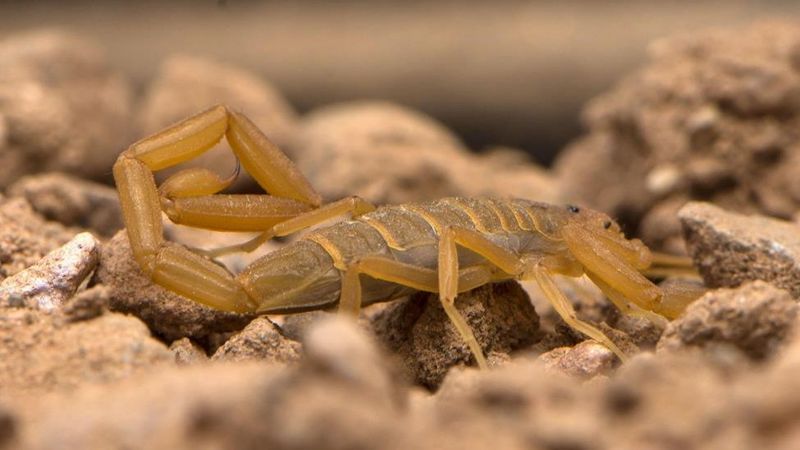
Scorpions might seem like creatures from Arizona or Mexico, but Nevada has its share too, and the Arizona bark scorpion is the most medically significant.
This small arachnid has a pale yellow or tan body that glows bright green under ultraviolet light, which is actually how many people find them.
They measure only two to three inches long but pack a painful sting that can cause serious symptoms, especially in children and elderly people.
Unlike other scorpion species with large, powerful pincers, the bark scorpion has slender pincers and relies more heavily on its venom for defense and hunting.
It’s the only scorpion in Nevada that can climb walls and ceilings, which means you might find one inside your home.
They often hide in shoes, clothing, bedding, or towels, leading to unexpected encounters.
Southern Nevada residents, particularly around Las Vegas and Boulder City, should be aware these scorpions live in their area.
They prefer dark, moist places during the day and hunt insects at night.
Shaking out shoes and clothing before wearing them is a smart habit to develop.
A bark scorpion sting causes intense pain, numbness, and tingling that can spread throughout the body.
Some people experience difficulty breathing or swallowing, which requires immediate medical care.
Keeping your home sealed, removing debris from around your property, and using pest control can help reduce scorpion encounters in Nevada.
4. Black Widow Spider
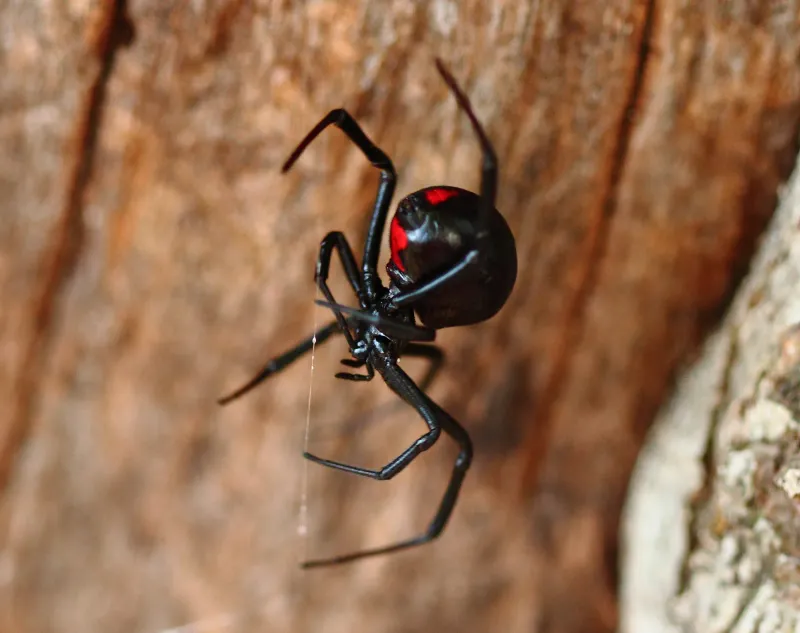
Few spiders inspire as much fear as the black widow, and Nevada provides ideal habitat for these shiny arachnids throughout the state.
Female black widows are the ones people need to watch for, with their glossy black bodies and distinctive red hourglass shape on their underside.
Males are much smaller, brownish, and not considered dangerous to humans.
These spiders build messy, irregular webs in dark, undisturbed places like woodpiles, sheds, garages, outdoor furniture, and rock crevices.
Nevada’s urban and rural areas both support healthy black widow populations.
They’re not aggressive and only bite when pressed against skin or when their web is disturbed, but their venom is quite powerful.
Black widow venom is a neurotoxin that causes muscle pain, cramping, nausea, and difficulty breathing in severe cases.
The bite itself might feel like a pinprick, but symptoms develop within hours.
Children, elderly individuals, and people with health conditions face higher risks from black widow bites.
When working in areas where black widows might hide around your Nevada property, wear gloves and use caution.
Check outdoor furniture before sitting, and teach children not to reach into dark spaces without looking first.
If you spot a black widow web, you can remove it carefully or call pest control.
These spiders actually help control insect populations, but having them too close to living spaces creates unnecessary risk for Nevada families.
5. Desert Hairy Scorpion
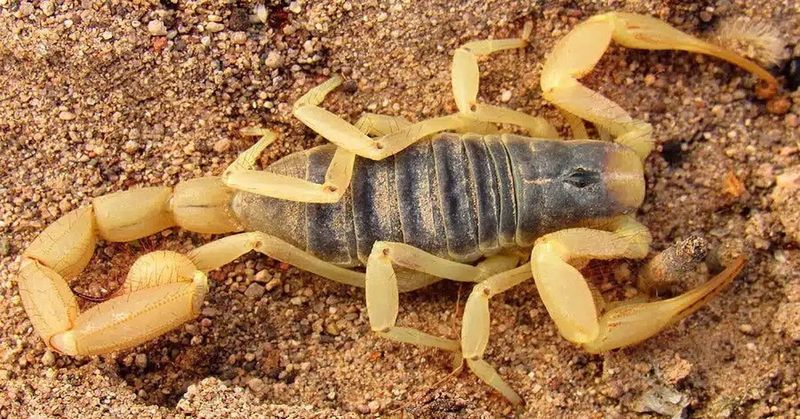
Not every scorpion in Nevada packs a dangerous punch, but you should still recognize the desert hairy scorpion since it’s the largest scorpion species in North America.
These impressive arachnids can reach up to six inches long and have a yellowish-brown color with darker backs.
Their name comes from the tiny brown hairs covering their body and pincers, visible if you look closely enough.
Found throughout Nevada’s deserts and foothills, these scorpions have large, powerful pincers that they use primarily for catching prey and defense.
Because their pincers are so strong, they rely less on venom than smaller scorpion species.
Their sting is painful but generally no worse than a bee sting for most people, causing localized pain and swelling.
Desert hairy scorpions are nocturnal hunters that feed on insects, spiders, and even other scorpions.
During the day, they hide under rocks, logs, or in burrows they dig themselves.
Nevada residents might encounter them while camping, hiking, or doing yard work in rocky or sandy areas.
While not as medically concerning as bark scorpions, these large scorpions can still deliver a painful sting if you accidentally grab one or step on it.
Wearing shoes outdoors after dark and checking sleeping bags before crawling in are simple precautions.
If stung, clean the area and apply ice to reduce swelling.
The desert hairy scorpion is actually quite beneficial, controlling pest insect populations across Nevada’s desert ecosystems.
6. Western Black Widow Spider
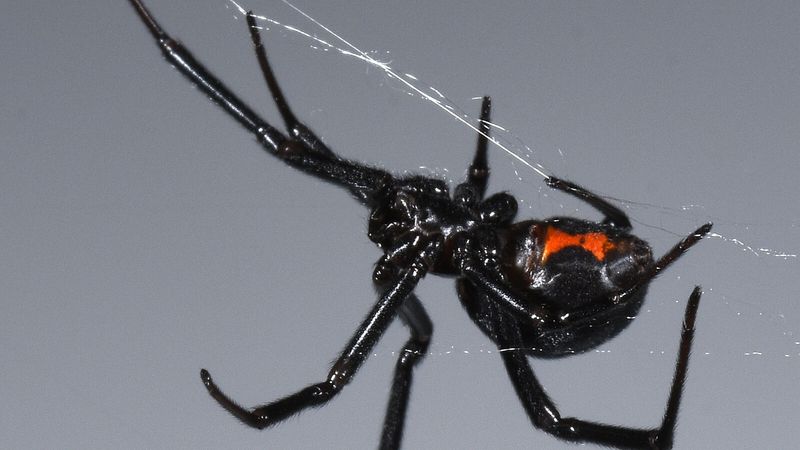
Nevada is home to more than one type of widow spider, and the western black widow is particularly common across the state.
Similar to its cousin the southern black widow, this spider has a shiny black body, but its red markings can vary more in pattern.
Some have the classic hourglass, while others show red spots or stripes on their abdomen.
Western black widows prefer outdoor habitats more than indoor ones, though they’ll certainly move into garages, sheds, and crawl spaces if conditions are right.
You’ll find their tangled, strong webs near ground level in protected spots around Nevada homes and natural areas.
They particularly like areas near outdoor lighting where insects gather at night.
Female western black widows are about half an inch long, not counting their legs, but their venom is quite powerful.
These spiders are shy and prefer to flee rather than bite, but they will defend themselves if trapped.
Bites typically happen when someone reaches into a dark space or puts on clothing or shoes where a spider is hiding.
The venom causes similar symptoms to other widow spiders, including muscle cramps, pain, nausea, and elevated blood pressure.
Medical treatment is available and effective, especially when sought promptly.
Nevada residents should regularly clear away spider webs around their property, wear gloves when handling stored items, and shake out anything left outside overnight.
Understanding that these spiders want to avoid you as much as you want to avoid them helps keep encounters in perspective.
7. Sidewinder Rattlesnake
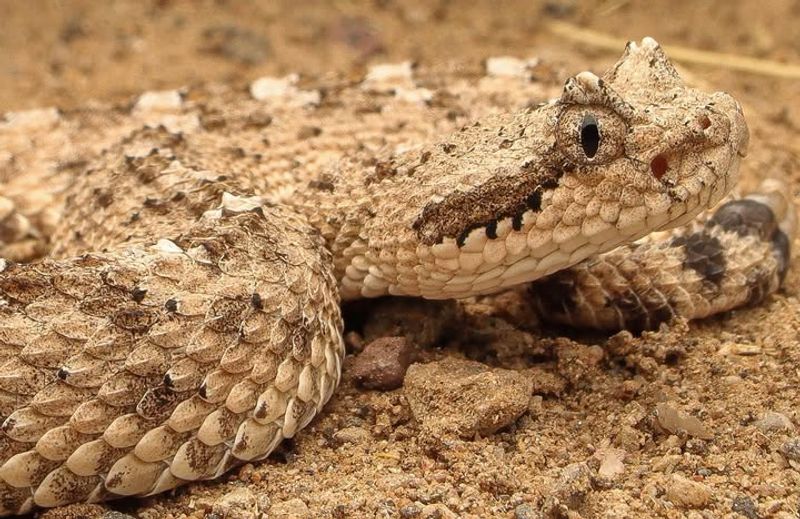
Watching a sidewinder move across Nevada’s sandy deserts is actually quite fascinating, though you should observe from a safe distance.
This small rattlesnake has a unique way of moving sideways across loose sand, leaving distinctive J-shaped tracks behind.
They rarely grow longer than two feet, making them one of Nevada’s smaller rattlesnake species.
Sidewinders have a cream, tan, or gray color that matches the desert sand perfectly, with darker patches along their back.
Small, horn-like scales above their eyes give them a distinctive appearance and help keep sand out of their eyes.
These snakes are perfectly adapted to Nevada’s hottest, driest desert regions.
Most active during cooler evening and nighttime hours, sidewinders hunt small rodents and lizards.
During the day, they often bury themselves partially in sand near the base of bushes to stay cool.
Nevada hikers and campers in sandy desert areas should watch where they step, especially around vegetation.
While their venom is less potent than larger rattlesnakes, a sidewinder bite still requires medical attention.
Their small size means they can hide easily, and their excellent camouflage makes them hard to spot.
Always use a flashlight when walking at night in desert areas of Nevada, and never put your hands or feet where you haven’t looked first.
These fascinating snakes are an important part of the desert ecosystem, helping control rodent populations in some of Nevada’s harshest environments.
8. Great Basin Rattlesnake
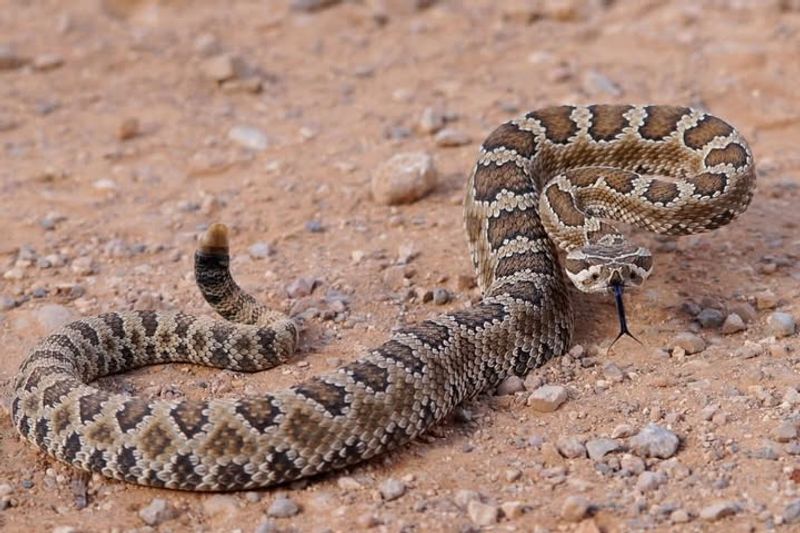
Northern Nevada residents are more likely to encounter the Great Basin rattlesnake than the desert species found in the south.
This rattlesnake thrives in the sagebrush-covered valleys, rocky hillsides, and pinyon-juniper forests that characterize much of Nevada’s higher elevation areas.
Its gray, brown, or olive coloring with darker blotches helps it blend into rocky terrain.
Great Basin rattlesnakes typically measure three to four feet long and have a relatively mild temperament compared to other rattlesnake species.
They’re more likely to remain motionless and rely on camouflage than to rattle or strike, which unfortunately means people sometimes get too close before realizing the snake is there.
When they do rattle, it’s a clear warning to back away slowly.
These snakes are most active during spring and fall in Nevada’s northern counties, including areas around Reno, Elko, and rural communities.
They hunt small mammals and often rest under rocks, in rodent burrows, or beneath sagebrush.
During hot summer days, they’re more active during morning and evening hours.
Their venom can cause significant tissue damage and requires medical treatment, though bites are relatively rare.
Most encounters happen when people are hiking, camping, or working outdoors in Nevada’s high desert regions.
Staying on established trails, watching where you step, and giving snakes space to escape prevents most problems.
The Great Basin rattlesnake plays a valuable role controlling rodent populations across Nevada’s vast rangelands and wild areas.
9. Desert Recluse Spider
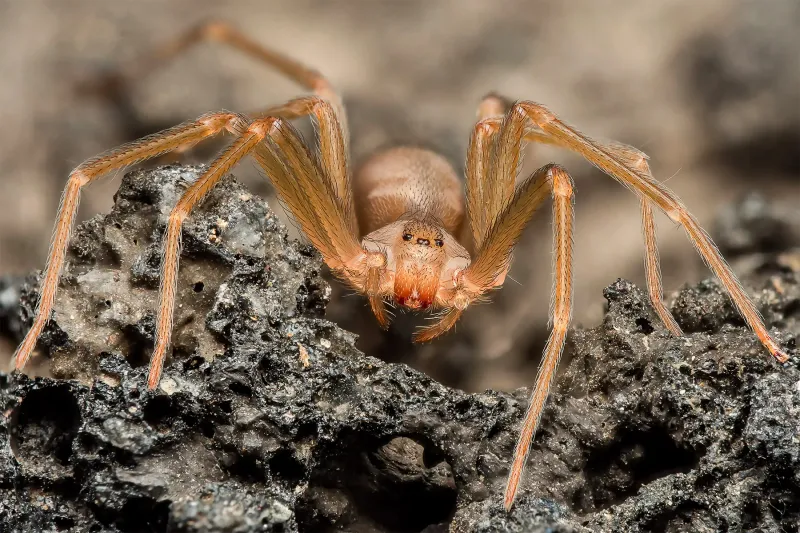
Brown recluse spiders and their desert cousins have earned a fearsome reputation, though the desert recluse found in southern Nevada is actually less aggressive than many people believe.
These small, light brown spiders measure about a quarter to half inch long, with a distinctive violin or fiddle-shaped marking on their back.
They have six eyes arranged in three pairs, unlike most spiders that have eight eyes.
Desert recluse spiders prefer undisturbed, dry locations and are more common in southern Nevada near the Arizona border.
They hide in closets, storage boxes, behind furniture, and in rarely used spaces.
Unlike black widows that build obvious webs, recluse spiders create small, irregular webs primarily for shelter rather than hunting.
These spiders are called recluse for good reason; they avoid human contact and only bite when trapped against skin.
Most bites happen when people put on clothing or shoes where a spider is hiding, or when moving stored items.
The venom can cause tissue damage that develops slowly over several days, creating an ulcerated wound in some cases.
Not every desert recluse bite causes serious damage, but any suspected bite should be monitored carefully.
Clean the area, apply ice, and seek medical attention if the wound worsens or you develop fever or other symptoms.
Nevada residents can reduce encounters by regularly cleaning storage areas, sealing cracks in walls, and shaking out stored clothing and shoes before use.
These spiders help control insect populations but are best kept outside living spaces.
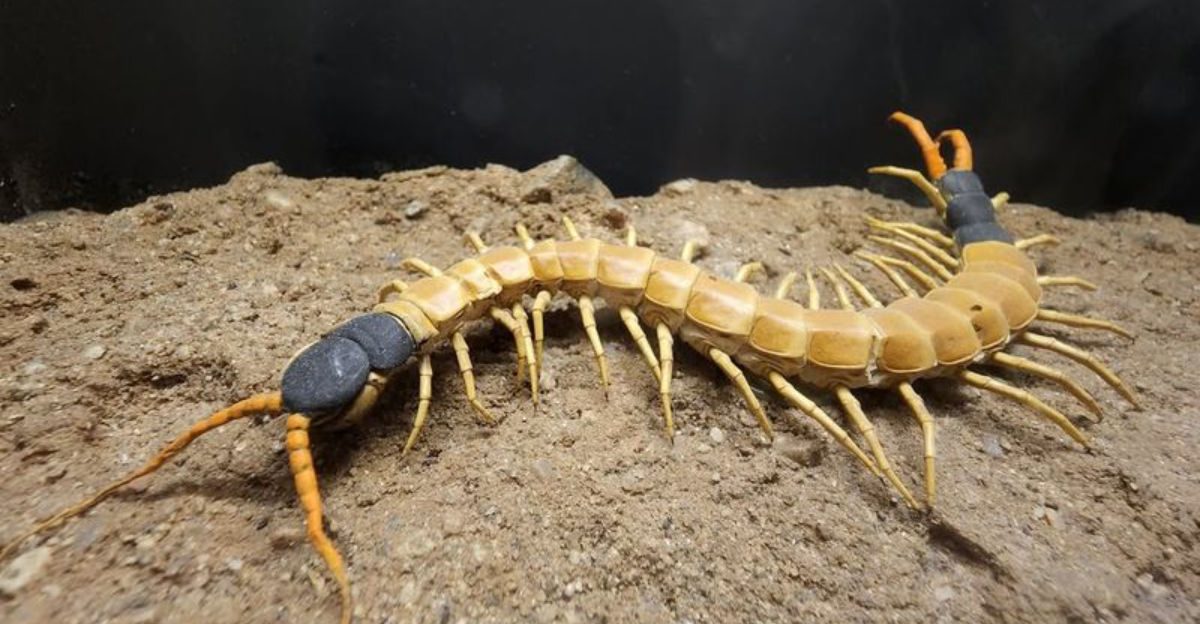
10. Giant Desert Centipede
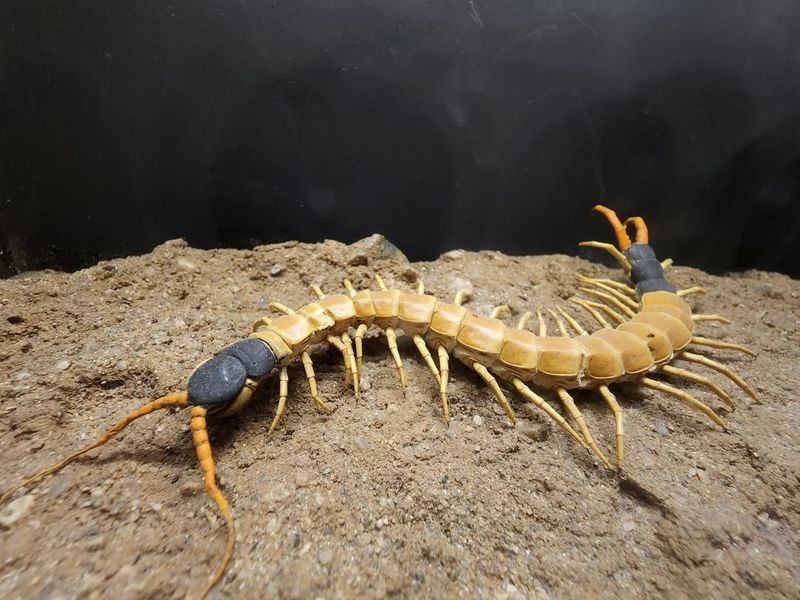
Centipedes might not be the first creature you think of when considering Nevada’s poisonous animals, but the giant desert centipede deserves your attention and respect.
These impressive arthropods can reach eight inches long and have a striking appearance with their orange or reddish-brown bodies, black heads, and numerous yellow legs.
They’re quite common across Nevada’s deserts and foothills.
Giant desert centipedes are aggressive predators that hunt insects, spiders, and even small lizards using modified front legs called forcipules that inject venom.
They’re fast-moving and will readily bite if handled or threatened.
Unlike many venomous creatures that prefer to avoid humans, centipedes are more likely to stand their ground when encountered.
These centipedes hide under rocks, logs, and debris during the day and hunt at night.
Nevada residents might find them in garages, basements, or crawling across floors after dark.
Their venom causes intense burning pain, swelling, and sometimes nausea or headache, though serious medical complications are rare in healthy adults.
If you encounter a giant desert centipede in your Nevada home, it’s best to sweep it into a container and release it outside rather than trying to grab it.
Wear gloves when moving rocks or firewood where centipedes might hide.
While their bite is painful, these centipedes actually benefit homeowners by eating pest insects.
Keeping your home sealed and reducing moisture helps prevent centipedes from moving indoors across Nevada’s diverse landscapes.