How To Start A Wildflower Patch In Your Georgia Garden
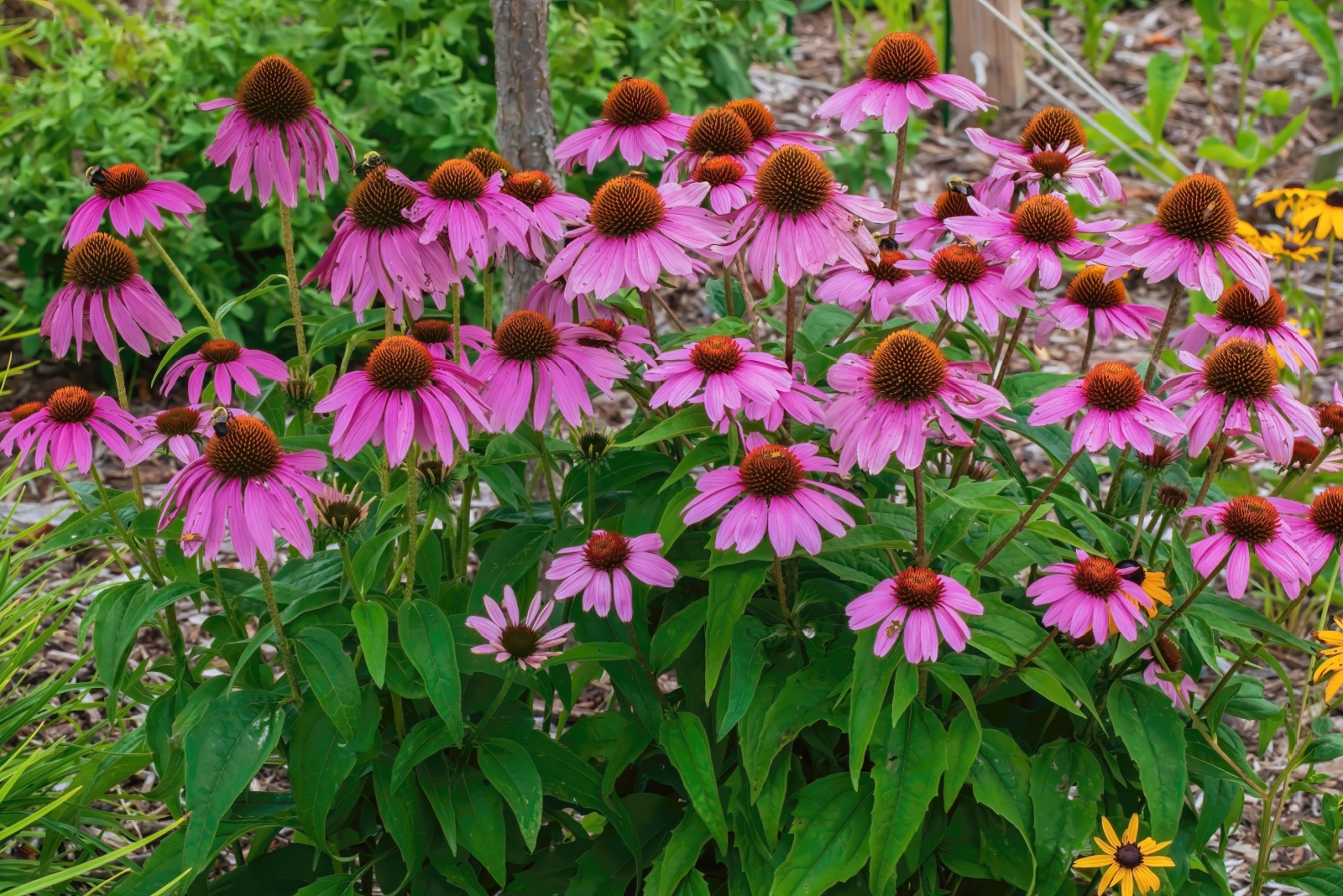
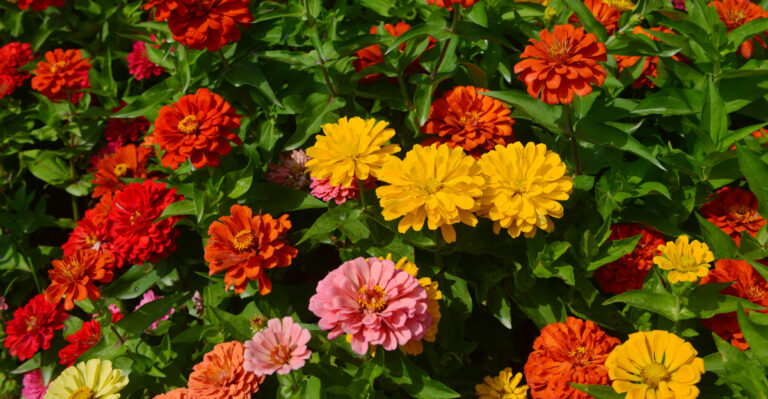
A wildflower patch brings a touch of magic to any Georgia garden, turning plain ground into a living quilt of color and life.
One good idea can bloom into a showstopper, and wildflowers prove that beauty does not demand perfection.
They thrive where rules loosen and nature takes the reins.
Butterflies drift in, bees get to work, and the garden hums with quiet purpose.
As the saying goes, you reap what you sow, and a little effort at the start pays dividends all season long.
A patch of native blooms offers more than curb appeal.
Georgia pollinators gain a dependable refuge, soil regains balance, and maintenance demands ease off.
Unlike fussy beds that beg for constant attention, wildflowers stand their ground once roots settle in.
Still, success never comes from scattering seed and crossing fingers.
Preparation sets the tone and keeps frustration off the table.
A thoughtful approach makes all the difference.
The right location, proper soil conditions, and seed choices suited to local climate shape long-term results.
With steady care at the beginning, open space can transform into a natural haven that looks effortless, supports local wildlife, and rewards the gardener year after year without turning upkeep into a full-time job.
1. Pick The Perfect Sunny Spot
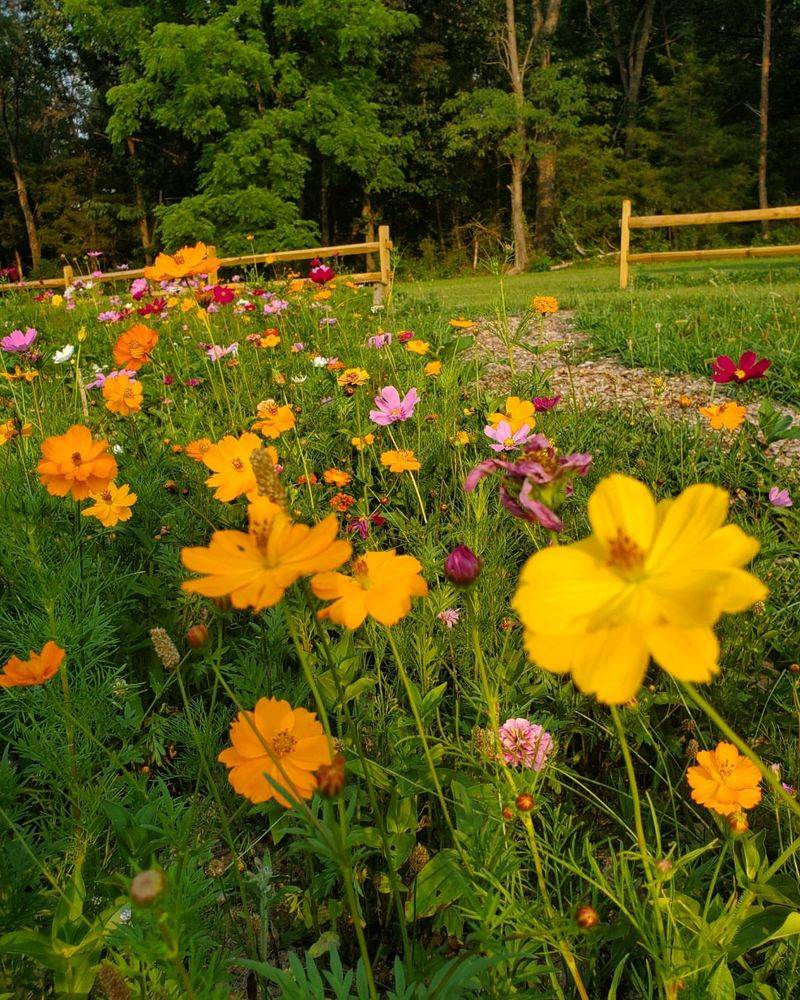
Most wildflowers crave Georgia sunshine and need at least six hours of direct light each day to bloom their best.
Walk around your yard during different times and notice where the sun hits strongest.
Avoid areas under large trees or near buildings that cast heavy shadows throughout the day.
A sunny location helps wildflowers grow strong stems and produce more colorful blooms.
Good drainage matters too, so steer clear of low spots where water tends to collect after rain.
Soggy soil can cause roots to rot and prevent seeds from sprouting properly.
If your yard has limited sunny spaces, choose the brightest area available and select wildflower varieties that tolerate partial shade.
Some native species actually prefer a bit of afternoon shade in hot climates.
Once you identify your ideal spot, mark it with stakes or string so you remember exactly where to start preparing the soil.
Taking time to observe sunlight patterns throughout the day saves you from replanting later.
Your wildflowers will reward you with healthier growth and longer blooming periods when they receive adequate sunshine.
A well-chosen location sets the foundation for a thriving wildflower patch that returns year after year.
2. Clear Away Existing Vegetation
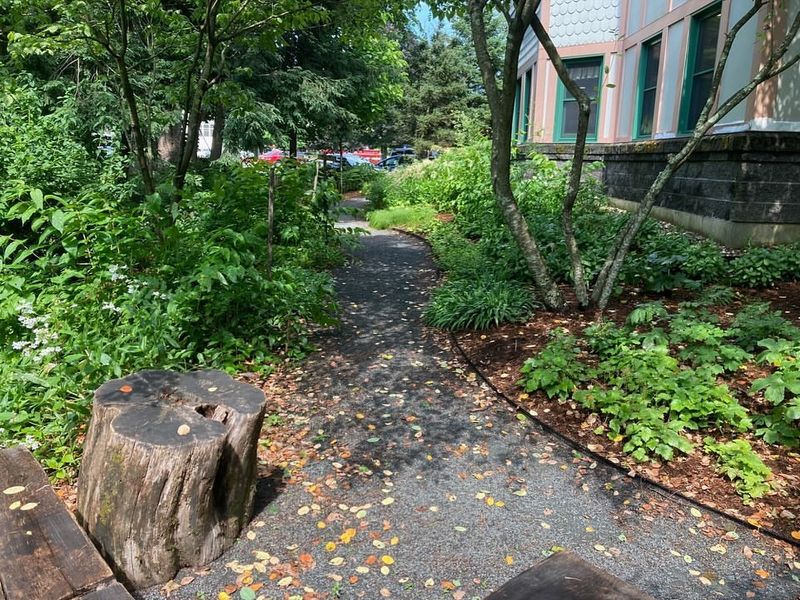
Before planting wildflower seeds, you need to remove grass, weeds, and other plants competing for nutrients and space.
Existing vegetation can quickly overwhelm delicate wildflower seedlings trying to establish roots.
Start by mowing the area as short as possible to make removal easier.
For small patches, you can dig out grass and weeds by hand using a shovel or garden spade.
Turn over the soil and shake off excess dirt from the roots before disposing of unwanted plants.
Larger areas might require a sod cutter, which you can rent from garden centers or hardware stores.
Your Georgia Garden Changes Every Week. Your Plan Should Too.
Gardening in Georgia changes quickly throughout the season. Every Friday you’ll receive a simple weekly plan showing exactly what to plant, prune, fertilize, harvest, and protect so you never miss the right timing.
Another option involves covering the area with black plastic or cardboard for several weeks to smother existing plants.
This method takes longer but avoids heavy digging and preserves beneficial organisms in the soil.
Make sure to remove all roots, especially from aggressive weeds that can regrow quickly.
Even small root fragments left behind might sprout and compete with your wildflowers.
Once cleared, rake the area smooth and remove any debris like rocks or sticks.
Clean soil gives wildflower seeds the best chance to germinate and establish strong root systems without competition.
3. Test And Improve Your Soil
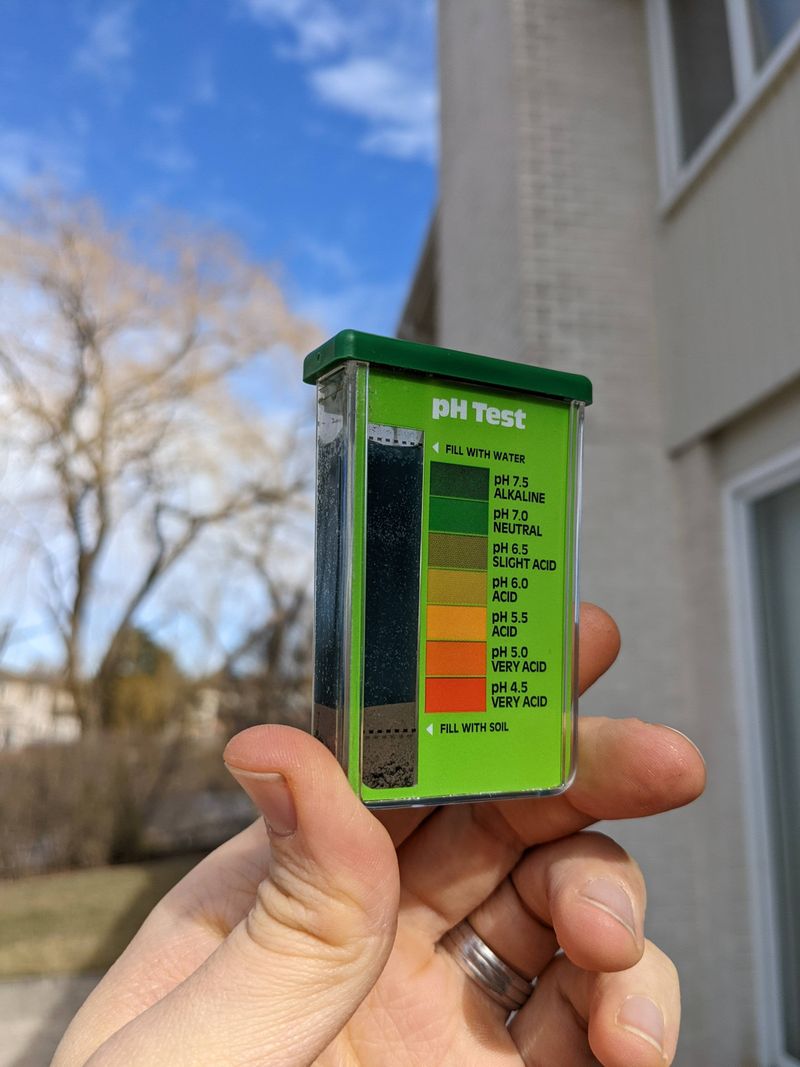
Understanding your Georgia soil type helps you choose wildflowers that will flourish naturally in your garden conditions.
Purchase an inexpensive soil testing kit from a garden center or send a sample to your local agricultural extension office.
These tests reveal pH levels and nutrient content, guiding your plant selections and soil amendments.
Most wildflowers actually prefer lean soil that is not overly rich in nutrients.
Too much fertilizer causes plants to grow tall and floppy with fewer flowers.
If your soil is heavy clay, mix in some sand or compost to improve drainage and air circulation.
Sandy soil benefits from organic matter like compost, which helps retain moisture during dry periods.
Avoid adding chemical fertilizers, as native wildflowers evolved to thrive in natural conditions without extra feeding.
Loosen the top few inches of soil with a rake or garden fork to create a welcoming seedbed.
Breaking up clumps and removing rocks allows seeds to make good contact with the soil.
Well-prepared soil encourages faster germination and stronger root development.
Taking time to understand and prepare your soil pays off with a healthier, more resilient wildflower patch that requires minimal care once established.
4. Choose Native Wildflower Seeds
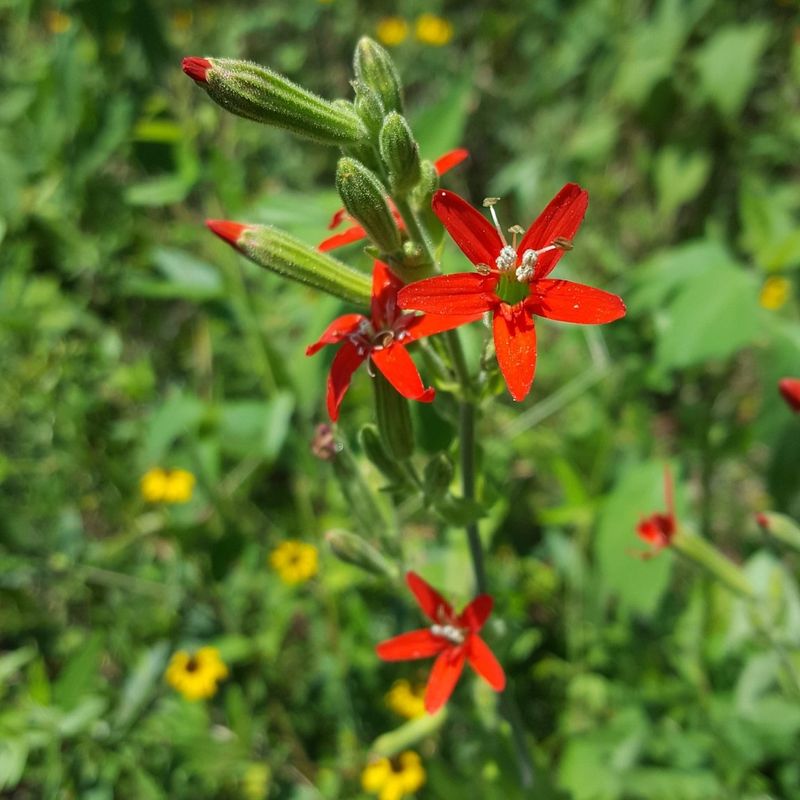
Native Georgia wildflowers have adapted to your local climate, soil, and rainfall patterns over thousands of years.
These plants require far less water and maintenance than exotic species from other regions.
Visit a native plant nursery or search online for seed mixes specifically designed for your geographic area.
Regional seed blends contain varieties that naturally thrive in your conditions and support local pollinators.
Butterflies, bees, and birds have evolved alongside these plants and depend on them for food and shelter.
Check seed packets for information about bloom times, height, and color to create a diverse display throughout the growing season.
Mixing early, mid, and late-blooming species ensures continuous color from spring through fall.
Some native wildflowers are annuals that complete their lifecycle in one season, while perennials return year after year.
A combination of both types creates immediate impact while establishing a lasting garden.
Avoid generic wildflower mixes that might contain invasive species or plants unsuited to your climate.
Native seeds might cost slightly more, but they deliver better results with less effort.
Supporting native plants also helps preserve local ecosystems and protect endangered pollinator populations that depend on familiar flower species.
5. Plant Seeds At The Right Time
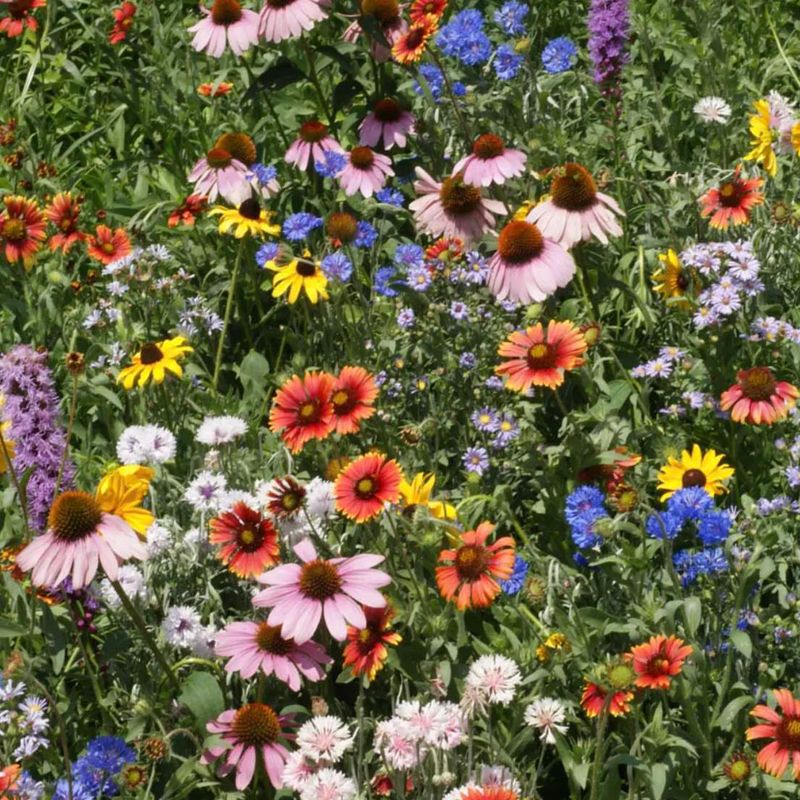
Timing your seed planting correctly dramatically improves germination rates and overall success.
Most wildflower seeds prefer cool, moist conditions found in early spring or fall.
Spring planting works well after the last frost date when soil temperatures warm enough to trigger germination.
Fall planting allows seeds to overwinter in the ground, naturally breaking dormancy through cold stratification.
This mimics nature’s cycle and often produces stronger, earlier blooms the following spring.
Check your seed packet instructions for specific timing recommendations based on your climate zone.
Some species need cold periods to germinate, while others sprout quickly in warm conditions.
Avoid planting during hot summer months when seeds might dry out before germinating.
Young seedlings also struggle to establish roots during extreme heat and drought.
If you miss the ideal planting window, wait until conditions improve rather than rushing the process.
Patient timing leads to better establishment and reduces the need for extra watering and care.
Mark your calendar with planting dates so you remember to prepare your patch at the optimal time each year.
6. Mix Seeds With Sand For Even Distribution
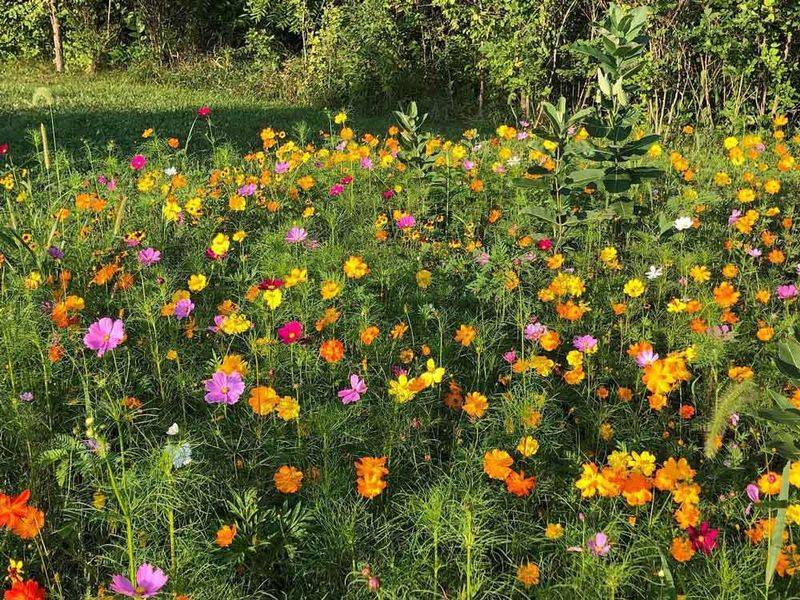
Wildflower seeds are often tiny and difficult to spread evenly across your prepared patch.
Mixing seeds with dry sand or vermiculite makes them easier to see and distribute uniformly.
Use about four parts sand to one part seed, combining them thoroughly in a bucket or container.
This technique prevents dumping too many seeds in one spot while leaving bare patches elsewhere.
Even distribution ensures plants have adequate space to grow without overcrowding.
Crowded seedlings compete for light, water, and nutrients, resulting in weaker plants overall.
Divide your seed-sand mixture into portions matching sections of your planting area.
Scatter half the mixture while walking in one direction, then spread the remaining half walking perpendicular to your first pass.
This cross-hatching method provides excellent coverage and reduces missed spots.
The light-colored sand also helps you see where you have already planted.
After broadcasting seeds, avoid burying them deeply as many wildflower varieties need light to germinate.
Gently press seeds into the soil surface with the back of a rake or by walking over the area.
Good seed-to-soil contact improves germination rates without covering seeds too deeply.
7. Water Gently And Consistently At First
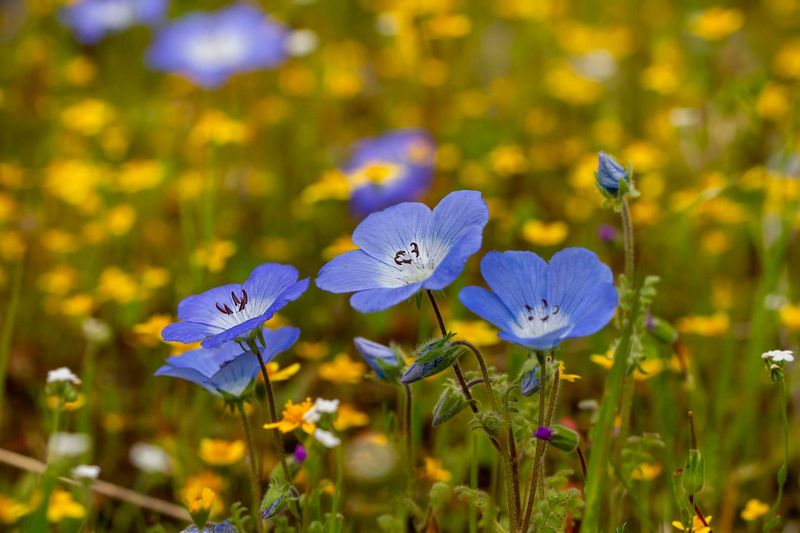
Newly planted seeds need consistent moisture to germinate successfully, but too much water can wash them away or cause rot.
Use a gentle spray setting on your hose or a watering can with a rose attachment to avoid disturbing seeds.
Keep the soil surface slightly moist but not soggy for the first few weeks after planting.
Check moisture levels daily by touching the soil surface, especially during warm or windy weather.
Seeds dry out quickly in direct sun and may fail to sprout without adequate moisture.
Water early in the morning so excess moisture evaporates during the day, reducing disease risk.
Once seedlings emerge and develop their first true leaves, gradually reduce watering frequency.
Encouraging roots to grow deeper makes plants more drought-tolerant and resilient.
Most established wildflowers need supplemental water only during extended dry periods.
Overwatering mature wildflowers can actually weaken them and promote disease problems.
Native Georgia species evolved to survive on natural rainfall patterns in your region.
Paying close attention during the critical germination period sets your patch up for low-maintenance success later on.
8. Be Patient During Germination
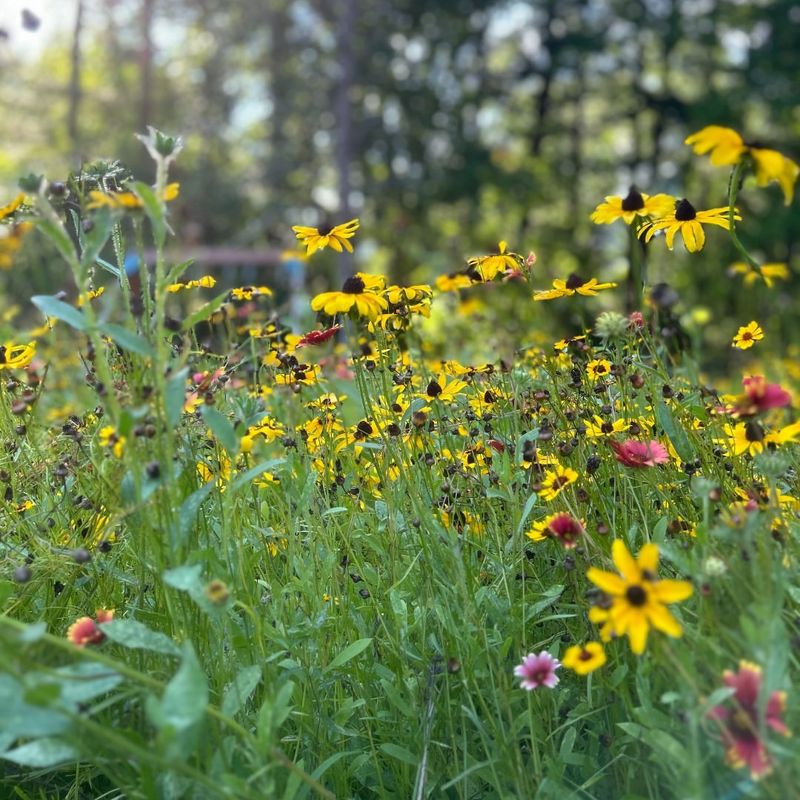
Wildflower seeds germinate at different rates depending on species, temperature, and moisture levels.
Some varieties sprout within days, while others take several weeks or even months to emerge.
Resist the urge to replant or give up if you do not see immediate results.
Nature works on its own schedule, and patience rewards you with a more diverse and interesting display.
During the waiting period, continue monitoring moisture and protecting the area from foot traffic.
Tiny seedlings are fragile and easily damaged by people or pets walking across the patch.
Place temporary markers or small fencing around your wildflower area to remind everyone to stay off.
Weeds might sprout before your wildflowers, creating concern that your seeds failed.
Avoid pulling everything, as wildflower seedlings can look similar to weeds initially.
Wait until plants develop recognizable leaves before removing obvious intruders.
Taking photographs of your patch weekly helps you track progress and identify what is growing.
Remember that wildflower gardens often look their best in their second and third years as perennials mature and self-seed.
9. Control Weeds Without Harming Flowers
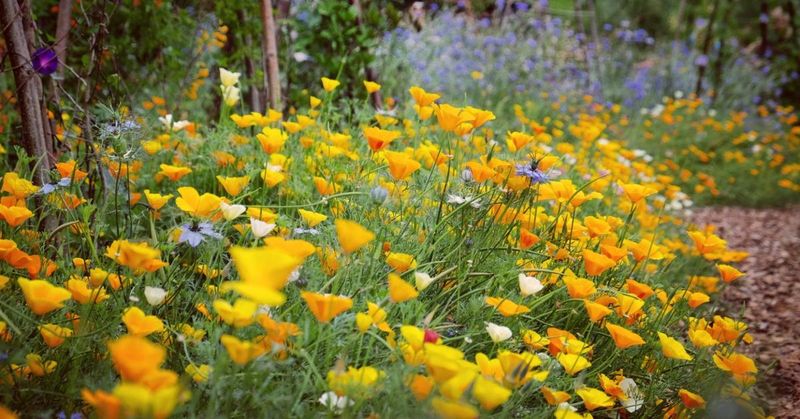
Aggressive weeds compete with young wildflowers for resources and can quickly take over your patch.
Hand-pulling is the safest weed control method for wildflower gardens, especially during the first growing season.
Remove weeds when soil is moist, grasping them close to the base to extract the entire root system.
Focus on fast-growing invaders like dandelions, thistles, and grasses that spread rapidly.
Early intervention prevents weeds from setting seed and multiplying throughout your patch.
Avoid using chemical herbicides, which can harm or eliminate your desired wildflowers along with weeds.
Many wildflower species are sensitive to common lawn chemicals and will not survive exposure.
Mulching around wildflowers with a thin layer of shredded leaves or straw helps suppress weed growth.
Keep mulch light and away from plant stems to prevent rot and allow self-seeding.
As your wildflower patch matures and fills in, weeds become less problematic because flowers shade the soil.
Dense wildflower growth naturally outcompetes most Georgia weeds without requiring constant maintenance.
Regular monitoring and quick removal of problem weeds maintains a healthy balance in your garden.
10. Allow Natural Reseeding For Future Blooms
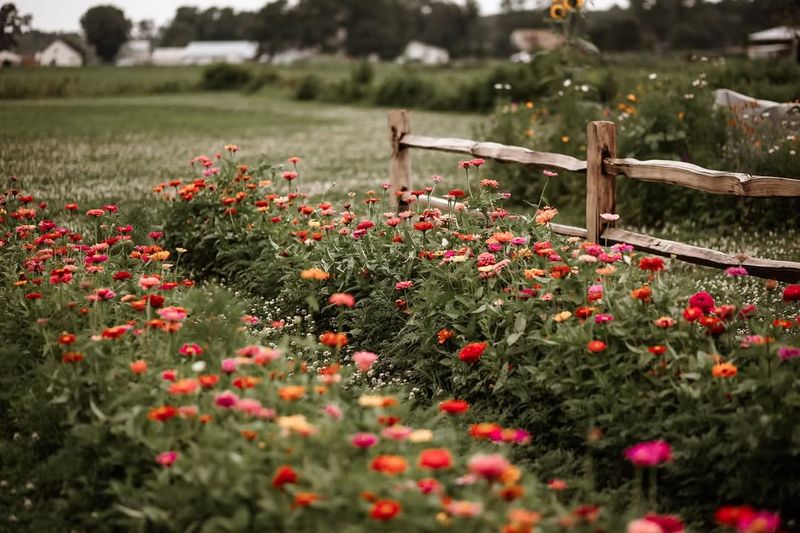
One of the greatest advantages of wildflower patches is their ability to self-perpetuate through natural reseeding.
Allowing flowers to complete their lifecycle and drop seeds ensures your patch returns and expands each year.
Resist the temptation to tidy up your garden too early in fall or late winter.
Seed heads might look messy, but they contain next year’s garden and provide food for birds during cold months.
Wait until early spring to cut back dried stems, giving seeds time to fall and settle into the soil.
Leave plant debris on the ground rather than removing it, as it provides natural mulch and habitat for beneficial insects.
Some wildflower species need a period of cold exposure before seeds will germinate the following spring.
This natural process, called stratification, improves germination rates without any effort from you.
Over time, your wildflower patch will develop its own character as certain species thrive and spread while others remain more contained.
This evolution creates a unique, ever-changing display that reflects your garden’s specific conditions.
Embracing natural cycles reduces work while increasing biodiversity and beauty in your outdoor space.