What Looks Like A Nest In Pennsylvania Trees May Be Something Very Different

If you’ve spotted what looks like a nest clinging to a tree in Pennsylvania, there’s a good chance it isn’t a nest at all.
Many of the nest-like shapes seen in Pennsylvania trees are actually insect structures, animal shelters, or tree growths that serve very different purposes.
From silk webs and egg masses to leaf-filled bundles and abnormal branch growth, these formations often appear suddenly and can be easy to misidentify—especially after leaves drop or during early spring.
Some are completely harmless, while others signal a growing problem that can damage trees or pose safety risks near homes.
Pennsylvania’s mix of hardwood forests, suburban landscapes, and seasonal weather creates the perfect conditions for a wide variety of wildlife and insects to use trees in unexpected ways.
Understanding what you’re seeing helps homeowners decide whether to leave it alone, monitor it, or take action.
Mistaking an invasive insect egg mass or expanding hornet nest for a simple bird shelter can lead to bigger issues later on.
Knowing the difference turns confusion into confidence and helps protect both your trees and your property.
A Squirrel Drey Built For Winter Survival

Squirrels are master architects when it comes to constructing their winter homes, called dreys.
These ball-shaped structures sit snugly in the forks of tree branches, often 20 to 40 feet above the ground.
Made primarily from twigs, leaves, moss, and sometimes even strips of bark, dreys provide essential insulation during harsh Pennsylvania winters.
Unlike bird nests, which are typically cup-shaped and open at the top, squirrel dreys are completely enclosed with a small entrance hole on the side.
This design keeps wind and rain out while trapping body heat inside.
You’ll most easily spot dreys during late fall and winter when leaves have fallen and the structures become visible against bare branches.
Squirrels often build multiple dreys throughout their territory, using different ones depending on weather conditions and food availability.
The outer shell consists of sturdy twigs woven together, while the interior features softer materials like shredded bark, leaves, and even feathers for extra comfort.
Gray squirrels are the most common drey builders in Pennsylvania, though fox squirrels and flying squirrels also construct similar structures.
If you see a large, messy-looking ball of leaves high in a tree, watch for squirrel activity around dawn or dusk—you might catch a glimpse of the resident scurrying in or out.
Dreys typically measure about 12 to 18 inches in diameter, much larger than most bird nests.
The construction process takes squirrels several days, and they often refurbish old dreys rather than building new ones from scratch.
Understanding the difference between dreys and bird nests helps you appreciate the diverse wildlife sharing Pennsylvania’s forests.
Bald-Faced Hornet Colony Expanding Rapidly

Spotting what appears to be a giant gray football hanging from a tree branch should immediately raise your caution level.
Bald-faced hornets construct impressive paper nests that can grow to the size of a basketball or even larger by late summer.
Your Pennsylvania Garden Changes Every Week. Your Plan Should Too.
Gardening in Pennsylvania changes quickly throughout the season. Every Friday you’ll receive a simple weekly plan showing exactly what to plant, prune, fertilize, harvest, and protect so you never miss the right timing.
These aerial architects chew wood fibers mixed with saliva to create a papery material that forms the distinctive layered walls of their colony home.
Construction begins in spring when a single queen starts building, but by midsummer, hundreds of worker hornets expand the structure at an astonishing rate.
The nest’s outer shell features beautiful swirled patterns in shades of gray and tan, with a single entrance hole near the bottom.
Despite their artistic appearance, these colonies pose real risks to anyone who ventures too close.
Bald-faced hornets are highly protective of their homes and will aggressively defend against perceived threats.
Their stings are painful and can trigger severe allergic reactions in sensitive individuals.
Pennsylvania’s warm summers provide ideal conditions for colony growth, with some nests housing 400 to 700 hornets at peak season.
You’ll typically find these nests 3 to 60 feet high in trees, though they also appear on building overhangs and porch ceilings.
The hornets are actually beneficial predators that consume large quantities of flies, caterpillars, and other garden pests.
However, nests located near homes, playgrounds, or walking trails require professional removal for safety reasons.
Come winter, the entire colony perishes except for newly mated queens who seek shelter elsewhere.
The abandoned nest remains as a fascinating but empty monument to the summer’s activity.
If you discover one of these structures, admire it from a safe distance and contact pest control professionals if it threatens high-traffic areas.
Bagworm Infestation Threatening Tree Health
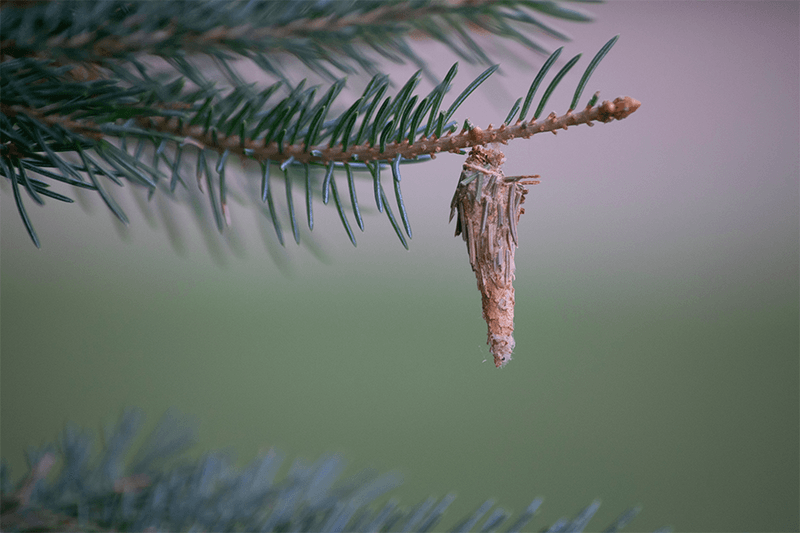
Those small, cone-shaped objects dangling from your evergreen branches aren’t tiny ornaments or seed pods—they’re bagworm cases that spell trouble for tree health.
Bagworms are moth larvae that construct protective cases from silk and bits of the host plant’s foliage.
These clever camouflage experts blend so perfectly with their surroundings that infestations often go unnoticed until significant damage occurs.
Each bag measures roughly one to two inches long and resembles a miniature log cabin made from twigs or needles.
The caterpillar lives inside this portable home, dragging it along as it feeds on leaves and needles.
Arborvitae, juniper, spruce, and pine trees are favorite targets in Pennsylvania, though bagworms will also attack deciduous trees.
Heavy infestations can strip entire branches of foliage, weakening trees and making them vulnerable to disease and other pests.
Female bagworms never leave their cases, laying hundreds of eggs inside before the life cycle begins again.
Males emerge as small moths but live only long enough to mate.
The eggs overwinter inside the bags, hatching in late spring when tiny larvae disperse on silk threads carried by the wind.
Early detection is crucial because young bagworms are easier to control before they’ve caused extensive damage.
Hand-picking bags in fall and winter removes egg-laden cases before they hatch.
For larger infestations, targeted treatments in early summer when larvae are small and actively feeding prove most effective.
Pennsylvania homeowners should inspect susceptible trees regularly, especially evergreens, looking for the telltale bags attached to branches.
What might seem like harmless decorations hanging in your trees could actually be silent destroyers gradually weakening your landscape’s health.
Eastern Tent Caterpillar Web Spreading
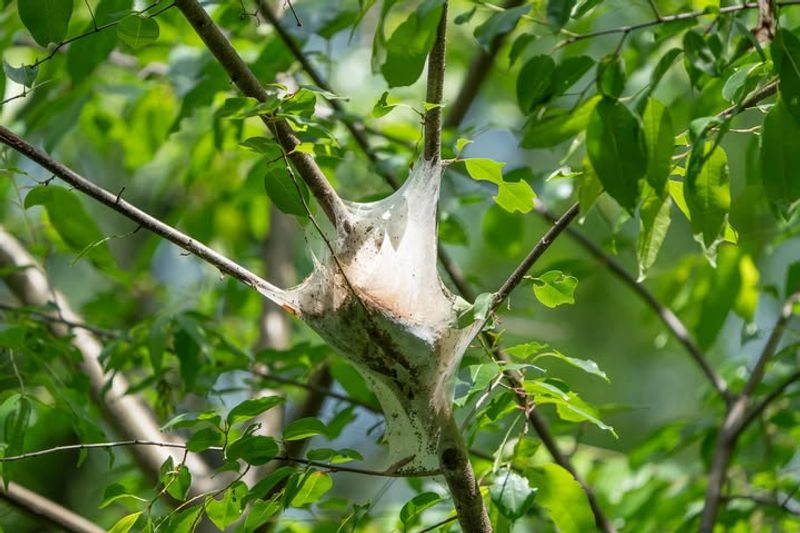
Springtime in Pennsylvania brings blooming flowers, singing birds, and sometimes unsightly silken tents appearing in the crotches of tree branches.
Eastern tent caterpillars create these communal webs as protective shelters while they venture out to feed on nearby leaves.
The structures start small in early spring but can expand to basketball size as the colony grows and the caterpillars mature.
Cherry, apple, and crabapple trees are particularly attractive to these fuzzy black caterpillars with their distinctive white stripes and blue spots.
Unlike spider webs, which are delicate and symmetrical, tent caterpillar webs appear messy and dense, with a cottony texture.
The caterpillars gather inside the tent during cold weather and at night, emerging during warmer parts of the day to feed on foliage.
You might notice trails of caterpillars marching in single file along branches, following silk pathways they’ve laid down.
While the webs look alarming, Eastern tent caterpillars rarely cause permanent damage to healthy, established trees.
However, repeated infestations can stress young or already weakened trees, slowing their growth.
The caterpillars complete their development in about six weeks, leaving the nest to pupate in cocoons hidden in bark crevices or leaf litter.
Adult moths emerge in early summer, mate, and lay egg masses that encircle small twigs, remaining there until the following spring.
Removing the tents is straightforward—simply prune out the affected branch or pull the web away with a stick.
Timing matters, though; removing tents early in the morning or evening when caterpillars are inside proves most effective.
Many people mistake these structures for spider nests or bird nests, but the silky, irregular appearance and location in branch forks are telltale signs of tent caterpillars at work.
Raccoon Den Providing A Daytime Hideout
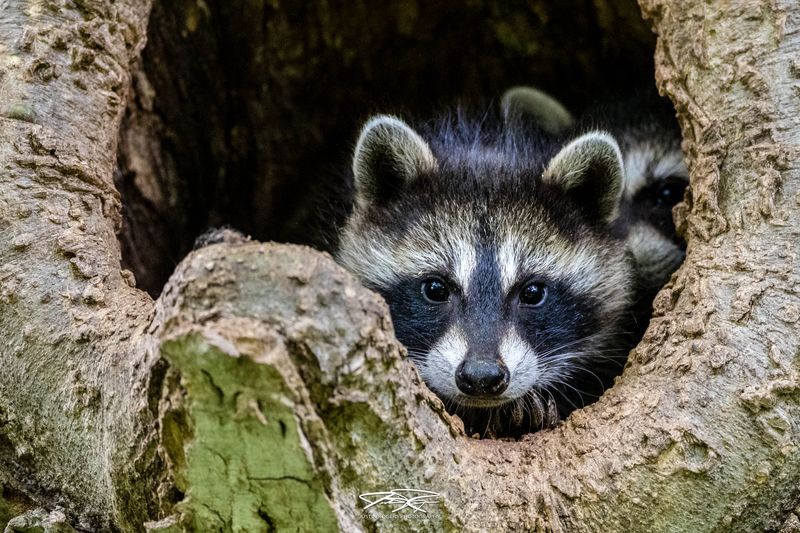
Raccoons are opportunistic creatures that take advantage of natural tree cavities, creating dens that might be mistaken for elaborate nests from the ground.
These masked bandits prefer hollow trees with openings 4 to 6 inches in diameter, typically located 15 to 40 feet above ground.
Pennsylvania’s mature oak, sycamore, and maple trees often develop the perfect-sized cavities as they age and experience storm damage or woodpecker activity.
Raccoons don’t actually build structures inside their dens—they simply move into existing spaces, sometimes adding leaves or grass for bedding.
What you might see from below is a dark opening with scratch marks around the entrance or tufts of fur caught on rough bark.
Raccoons are primarily nocturnal, spending daylight hours sleeping in their tree dens before emerging at dusk to forage.
During spring, female raccoons seek secure den sites to raise their young, sometimes evicting previous occupants like squirrels or owls.
You might hear chattering, chirping sounds coming from an occupied den during breeding season as young raccoons communicate with their mother.
Signs of raccoon activity include worn bark around the entrance, claw marks on the trunk, and sometimes scattered food remains at the tree’s base.
Raccoons are excellent climbers with remarkable dexterity, easily navigating vertical tree trunks and narrow branches.
In winter, multiple raccoons may share a single den for warmth, though they don’t truly hibernate—they simply become less active during extreme cold.
These dens serve as safe retreats from predators and harsh weather, providing essential shelter throughout the year.
If you spot what appears to be a nest-like opening in a tree trunk, watch during evening hours to see if a raccoon emerges.
Their distinctive masked faces and ringed tails make them unmistakable once spotted.
Gypsy Moth Egg Mass Waiting To Hatch
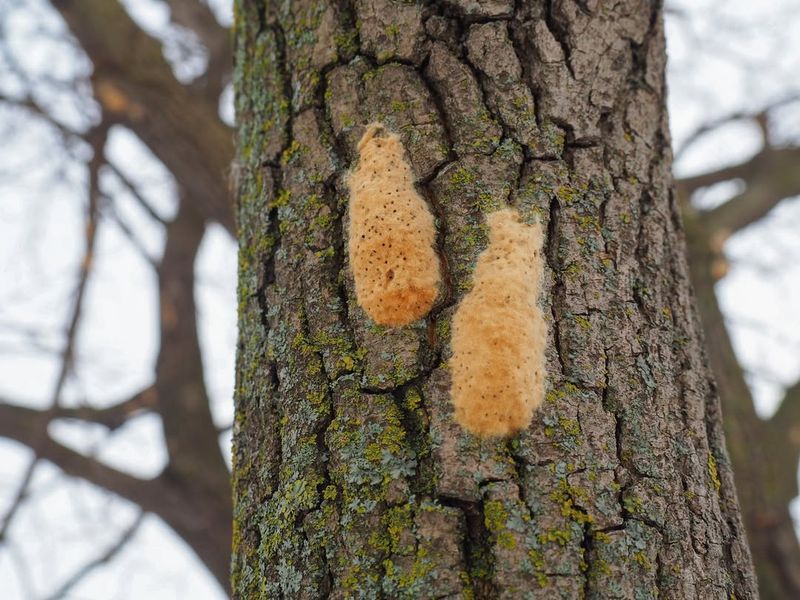
What looks like a small patch of beige felt stuck to tree bark could actually be a gypsy moth egg mass containing hundreds of future caterpillars.
These tan, fuzzy clusters measure about 1.5 inches long and resemble small pieces of foam insulation or dried sponge material.
Female gypsy moths cover their egg masses with hair-like scales from their own bodies, creating a protective layer that insulates eggs through Pennsylvania’s cold winters.
Each mass contains 400 to 500 eggs that will hatch in spring, releasing tiny caterpillars that immediately begin feeding on tree foliage.
Gypsy moths pose one of the most serious threats to Pennsylvania’s forests, with preferences for oak trees but willingness to consume over 300 different plant species.
Severe infestations can completely defoliate entire forests, creating landscapes that look like winter arrived early.
The egg masses appear on tree trunks, branches, firewood piles, outdoor furniture, and even vehicles parked near infested trees.
Pennsylvania has experienced multiple gypsy moth outbreaks over the decades, with some years seeing millions of acres affected.
Identifying and removing egg masses during fall and winter provides effective control before caterpillars emerge.
Simply scraping the masses into a container of soapy water destroys the eggs before they can hatch.
The masses feel slightly spongy to the touch and remain firmly attached to surfaces, distinguishing them from loose bark or fungal growths.
Property owners should conduct thorough inspections of trees, especially oaks, examining bark crevices, branch undersides, and protected spots where moths prefer to lay eggs.
Early detection makes a tremendous difference—removing just one egg mass eliminates hundreds of potential caterpillars.
While they might not look dangerous sitting quietly on bark, these unassuming fuzzy patches represent a significant ecological challenge.
Understanding what to look for empowers Pennsylvania residents to take action protecting their trees and forests from this invasive pest.
Witches’ Broom Disease Deforming Branches

From a distance, those tight clusters of twigs bunched together on tree branches might look like abandoned bird nests or squirrel dreys.
However, you’re actually observing witches’ broom, a plant disease that causes abnormal growth patterns resulting in dense masses of shoots.
The name comes from the resemblance these formations have to old-fashioned straw brooms, with dozens or even hundreds of small branches growing from a single point.
Various causes trigger witches’ broom formation, including fungal infections, mites, viruses, and environmental stress.
In Pennsylvania, you’ll most commonly see these formations on cherry, hackberry, honey locust, and some conifer species.
The affected branches produce excessive shoots that grow in a tight, tangled cluster rather than the normal spreading pattern.
These growths typically don’t spread to other parts of the tree or to neighboring trees, remaining localized to the infection site.
While witches’ brooms look alarming, they rarely threaten the overall health of mature, established trees.
The deformed sections simply remain as permanent fixtures, growing larger over time but generally not causing the tree to decline.
Some people actually find witches’ brooms attractive, viewing them as unique natural sculptures that add character to the landscape.
Artists and woodworkers sometimes harvest these formations for use in decorative projects because of their unusual shapes and dense wood grain.
The tight tangle of branches creates shelter for small birds and insects, providing unexpected ecological benefits.
Distinguishing witches’ brooms from actual nests becomes easier once you know what to look for—the formations are permanent, don’t have the loose construction of nests, and show green growth during the growing season.
If the appearance bothers you or the formation threatens a main scaffold branch, pruning out the affected section solves the problem.
Cut several inches below the broom to ensure complete removal of affected tissue.
Praying Mantis Egg Case Attached To Branches
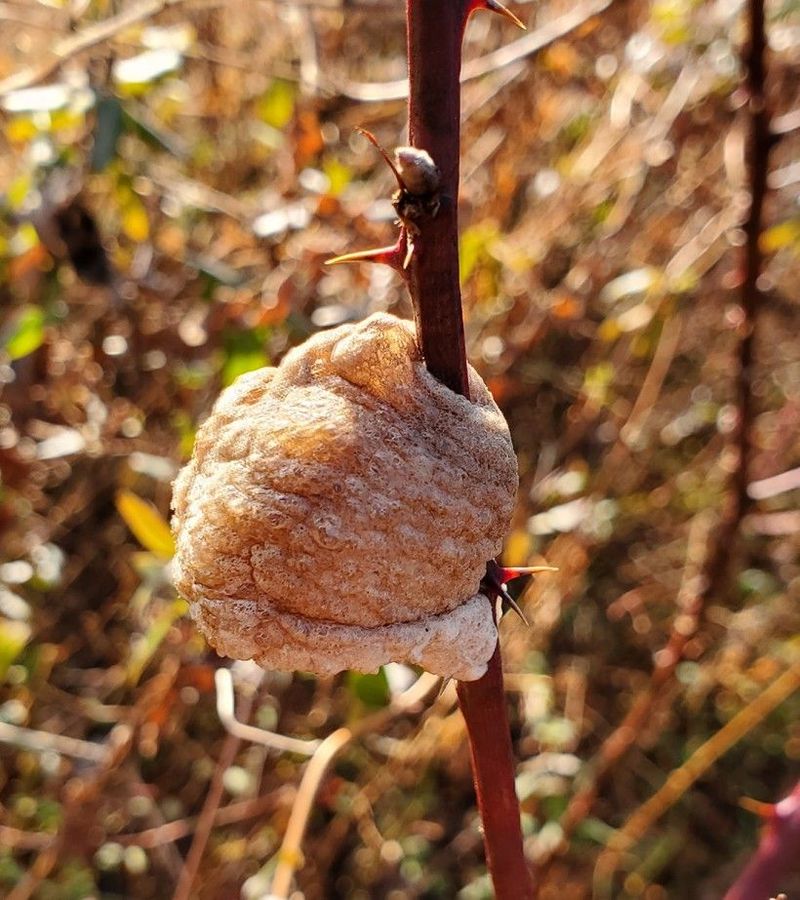
That small, tan foam-like blob stuck to a twig isn’t a strange fungus or piece of dried insulation—it’s a praying mantis egg case called an ootheca.
Female mantises produce these remarkable structures in fall, depositing 100 to 400 eggs inside a frothy protein substance that hardens into a protective case.
The finished ootheca measures roughly one to two inches long, with a distinctive ridged or bumpy texture resembling dried foam.
Colors range from light tan to brown, helping the cases blend with bark and branches where they’re attached.
Pennsylvania’s praying mantises, including both native and introduced species, rely on these egg cases to survive winter and continue their populations.
The cases are incredibly weather-resistant, protecting developing embryos from freezing temperatures, snow, ice, and rain throughout the coldest months.
Come spring, usually in May or June when temperatures warm consistently, tiny mantis nymphs emerge by the hundreds from a single ootheca.
These miniature versions of adult mantises immediately begin hunting small insects, providing valuable pest control in gardens and landscapes.
Mantis egg cases often get mistaken for small nests, cocoons, or disease growths because of their unusual appearance and unexpected location on branches.
You’ll typically find them on twigs, branches, fence posts, building siding, and garden structures, always firmly cemented in place.
The female carefully chooses protected spots that offer some shelter from direct weather exposure while remaining accessible for emerging nymphs.
Many gardeners deliberately leave mantis egg cases undisturbed or even move them to garden areas where the hatching nymphs will help control aphids, caterpillars, and other pests.
If you’re pruning branches in late fall through early spring, check carefully for these valuable egg cases before discarding cuttings.
Relocating cases to suitable garden spots ensures the beneficial predators emerge where they’ll do the most good controlling unwanted insects naturally.
Tree Burl Growth Forming A Nest-Like Shape
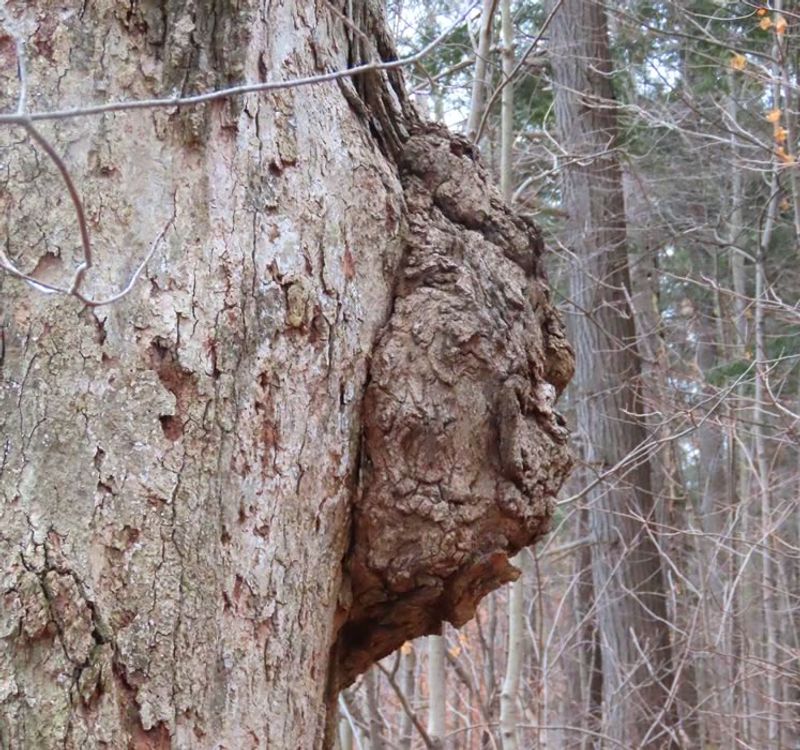
Those strange, rounded growths bulging from tree trunks and branches aren’t nests, hives, or fungal infections—they’re burls, fascinating woody formations that develop in response to stress.
Burls form when trees experience injury, infection, insect damage, or environmental stress that disrupts normal cell growth patterns.
Instead of growing outward in orderly rings, the wood cells multiply chaotically, creating swirling grain patterns and irregular shapes.
From a distance, especially when covered with bark and moss, burls can closely resemble large nests perched on trunks or tucked into branch junctions.
Pennsylvania’s hardwood forests, particularly oak, maple, cherry, and walnut trees, commonly develop burls ranging from baseball-sized to massive formations weighing hundreds of pounds.
The wood inside burls features incredibly dense, twisted grain patterns that woodworkers prize for their beauty and uniqueness.
Artists and craftspeople seek out burls for making bowls, furniture, and decorative objects because each piece displays one-of-a-kind patterns impossible to replicate.
Despite their unusual appearance, burls don’t typically harm trees unless they grow so large they create structural weakness or interfere with nutrient flow.
Many trees live for decades or centuries with burls intact, the formations simply becoming permanent features of the trunk or branch structure.
Burls can develop anywhere on a tree—low on the trunk, high in the canopy, or even on exposed roots.
Their irregular, bumpy surfaces often collect moisture, moss, and lichens, adding to their nest-like appearance from ground level.
Scientists still don’t fully understand all the triggers that cause burl formation, though genetic factors, bacteria, viruses, and physical damage all play roles.
Some trees seem particularly prone to developing burls, while others rarely or never form them despite similar growing conditions.
If you spot what appears to be a nest that never moves, stays in place year-round, and shows no signs of animal activity, you’re probably looking at a burl instead.