9 Common Foods Massachusetts Gardeners Should Never Put In Bird Feeders
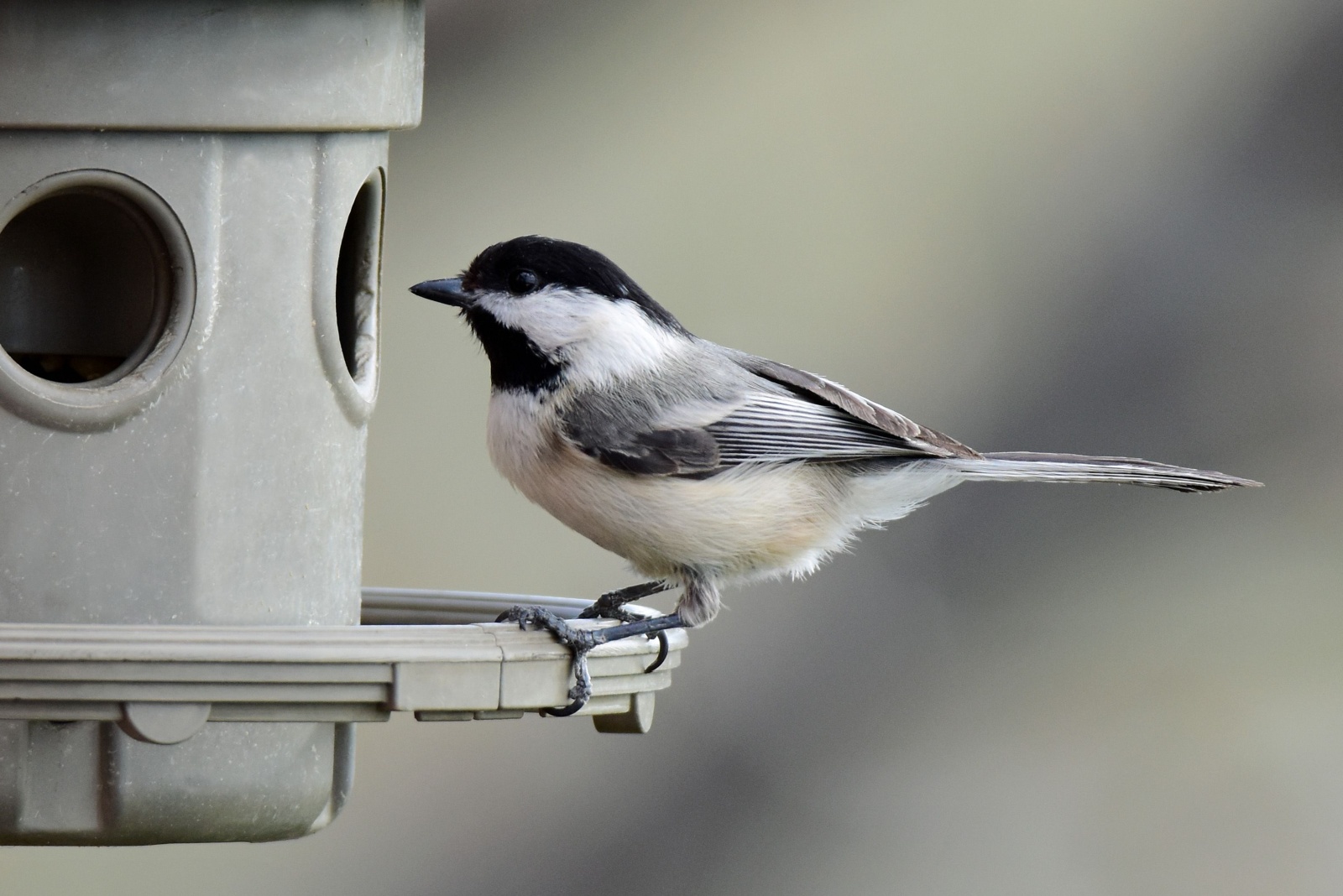
Bird feeders bring color, movement, and song to Massachusetts gardens, but the wrong food can cause serious harm.
Many items that seem safe or even helpful actually damage birds’ health, disrupt natural diets, or attract unwanted pests.
A kind gesture can turn dangerous fast with one poor choice.
Backyards across the state host songbirds, woodpeckers, and migrating species that rely on specific nutrients.
Foods meant for people often contain salt, sugar, spices, or additives that birds cannot process.
Some items spoil quickly in New England weather, while others pose choking or poisoning risks.
Well-meaning gardeners often make these mistakes without warning signs until birds vanish or fall ill.
These nine common foods should stay far away from bird feeders to protect local wildlife and keep backyard birds safe throughout the year.
1. Bread And Baked Goods
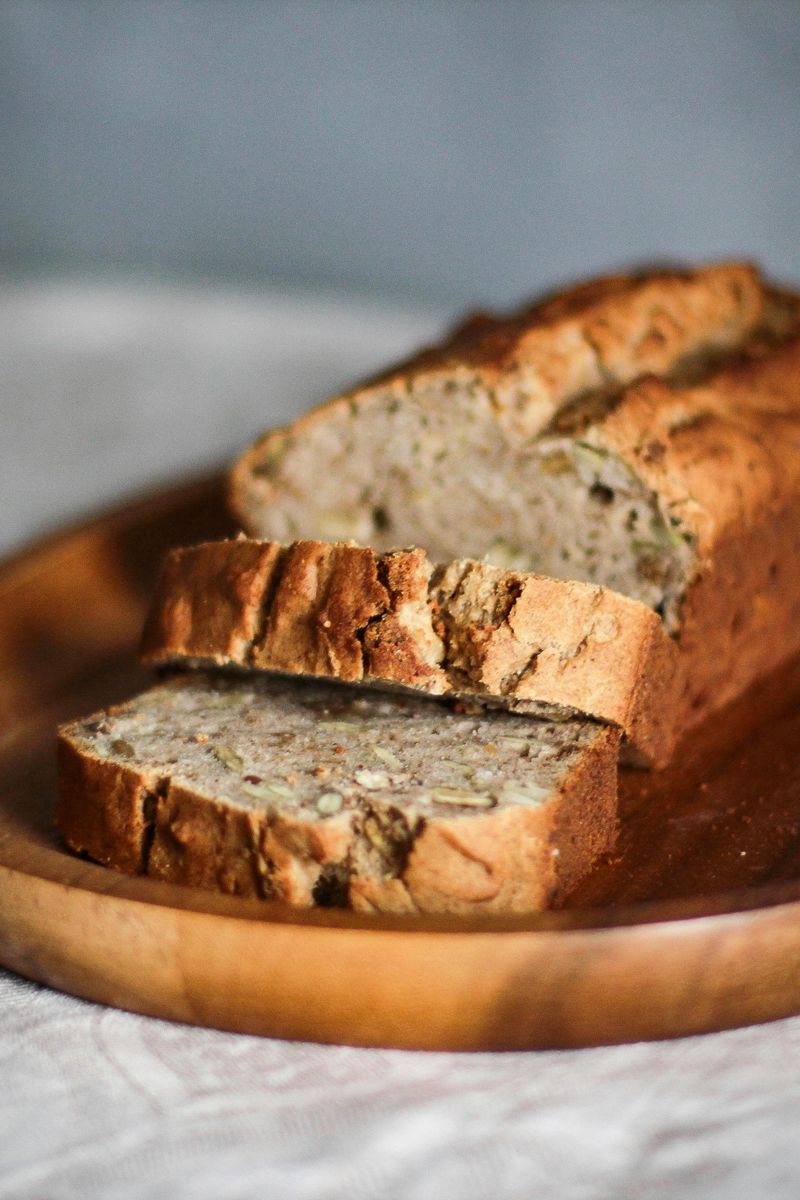
Bread might seem harmless, but it offers almost zero nutritional value for birds who need protein and healthy fats for energy.
When birds fill up on bread, they miss out on the essential nutrients their bodies require to stay strong and healthy.
Moldy bread poses even greater risks because it can contain toxins that harm delicate bird respiratory systems in serious ways.
Massachusetts winters demand high-energy foods, and bread simply cannot provide what birds need to survive cold temperatures and harsh conditions.
Uneaten bread also attracts unwanted pests like rats and mice, creating problems for gardeners trying to maintain clean outdoor spaces.
Wet bread becomes slimy and disgusting quickly, making feeders dirty and potentially spreading harmful bacteria to multiple birds visiting the same spot.
Instead of bread, offer sunflower seeds or suet cakes that deliver real nutrition birds can actually use for their survival.
2. Salty Snacks And Chips
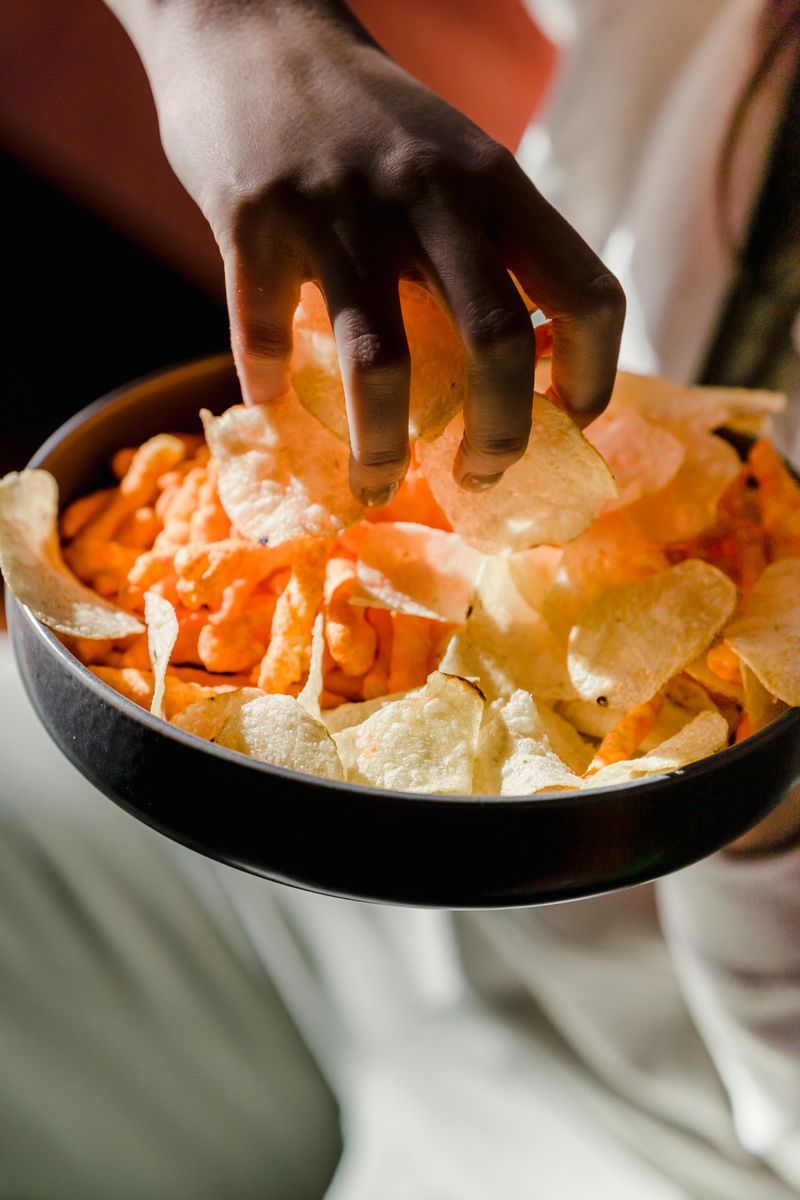
Salt content in chips and pretzels can overwhelm a bird’s tiny kidneys, which cannot process high sodium levels like human bodies can.
Birds lack the ability to sweat, so excess salt builds up in their systems and causes dehydration that weakens them rapidly.
Even small amounts of salt can create serious health issues for sparrows, finches, and other common Massachusetts backyard bird species.
Processed snacks also contain artificial flavors, preservatives, and oils that birds simply were not designed by nature to digest properly.
Offering salty foods might seem generous, but it actually puts birds at risk and can make them feel sick very quickly.
Massachusetts gardeners should remember that birds get all the minerals they need from natural seeds, insects, and berries found outdoors.
Choose unsalted peanuts or plain seeds instead, which provide healthy fats and proteins without any dangerous sodium content whatsoever.
3. Chocolate And Candy
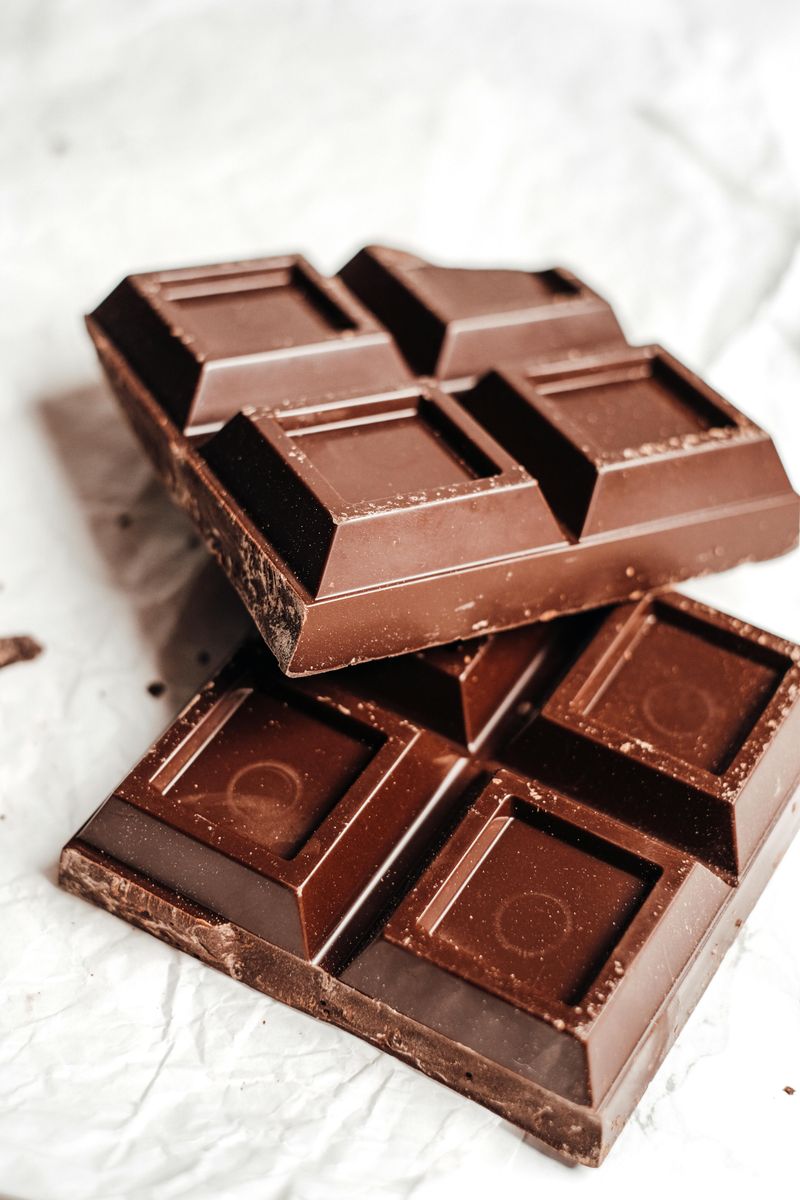
Chocolate contains theobromine, a compound that birds cannot metabolize, leading to severe cardiac and nervous system problems within hours.
Even tiny amounts can cause tremors, irregular heartbeats, and other frightening symptoms that endanger birds who accidentally consume it.
Candy offers nothing but empty calories and refined sugars that spike bird energy levels temporarily before causing crashes that leave them weak.
Your Massachusetts Garden Changes Every Week. Your Plan Should Too.
Gardening in Massachusetts changes quickly throughout the season. Every Friday you’ll receive a simple weekly plan showing exactly what to plant, prune, fertilize, harvest, and protect so you never miss the right timing.
Artificial sweeteners found in sugar-free candies are particularly dangerous because they confuse bird metabolism and create unpredictable health complications.
Massachusetts birds need consistent, natural energy sources to maintain their body temperature during chilly spring mornings and freezing winter nights.
Sticky candy can also coat bird feathers, making it difficult for them to fly properly or stay warm in cold weather conditions.
Skip all sweets entirely and focus on providing natural foods like nyjer seeds, which goldfinches and other beautiful birds absolutely love.
4. Dairy Products
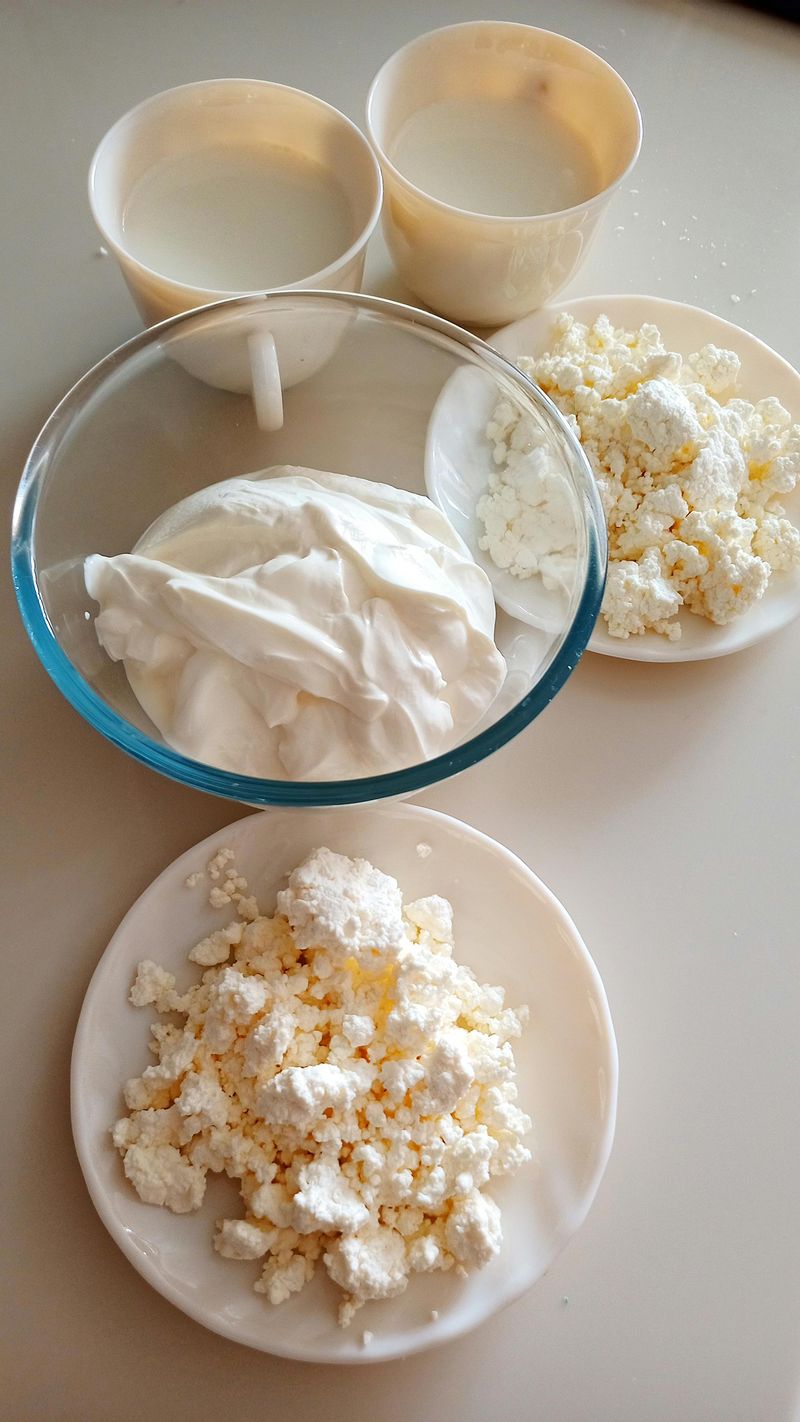
Birds are lactose intolerant because they lack the enzyme needed to break down milk sugars found in all dairy products.
Consuming cheese, milk, or yogurt causes uncomfortable digestive upset, including diarrhea that dehydrates birds and weakens their overall health quickly.
Some gardeners mistakenly believe that dairy provides calcium, but birds get this mineral from other sources like crushed eggshells instead.
Spoiled dairy products smell terrible and attract flies, raccoons, and other unwanted animals that can damage feeders and scare birds away.
Massachusetts humidity during summer months causes dairy to spoil incredibly fast, creating a breeding ground for dangerous bacteria near feeding areas.
Birds have evolved to thrive on seeds, insects, and fruits, not processed foods designed specifically for mammal consumption and digestion.
Offer calcium-rich alternatives like finely crushed oyster shells, which many bird supply stores carry specifically for feathered friends needing nutritional supplements.
5. Cooked Rice And Pasta
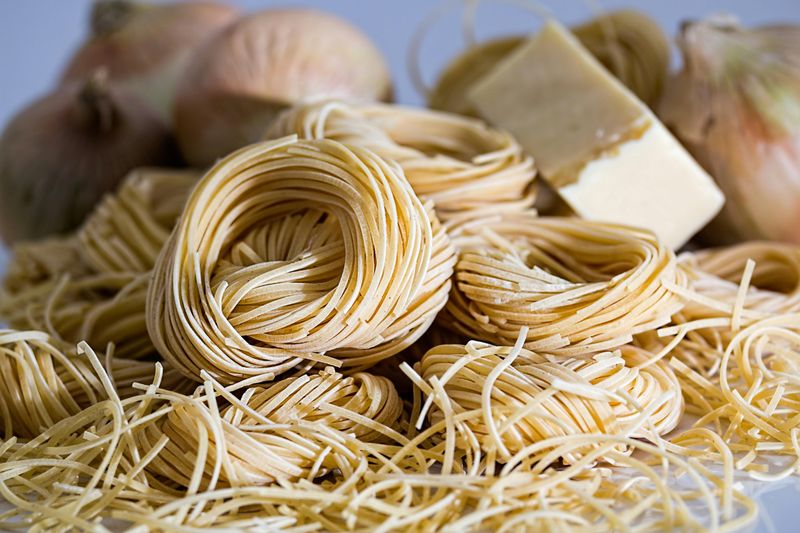
Cooked rice and pasta expand in bird stomachs, potentially causing uncomfortable bloating that makes flying difficult and reduces appetite for better foods.
These starchy foods lack the protein, vitamins, and healthy fats that Massachusetts birds desperately need to maintain their energy throughout busy days.
Leftover pasta often contains salt, butter, or sauce residues that add unwanted ingredients birds should never consume in any amount.
Wet rice and pasta turn mushy and gross within hours, creating slimy messes inside feeders that require frequent cleaning and maintenance.
Bacteria multiply rapidly on cooked grains, especially during warm Massachusetts springs and summers when temperatures rise and humidity increases dramatically.
Birds naturally prefer dry seeds and grains they can crack open themselves, accessing fresh nutrients locked safely inside protective shells.
Provide millet, cracked corn, or whole oats instead, which store well and offer genuine nutritional benefits without any messy complications.
6. Avocado
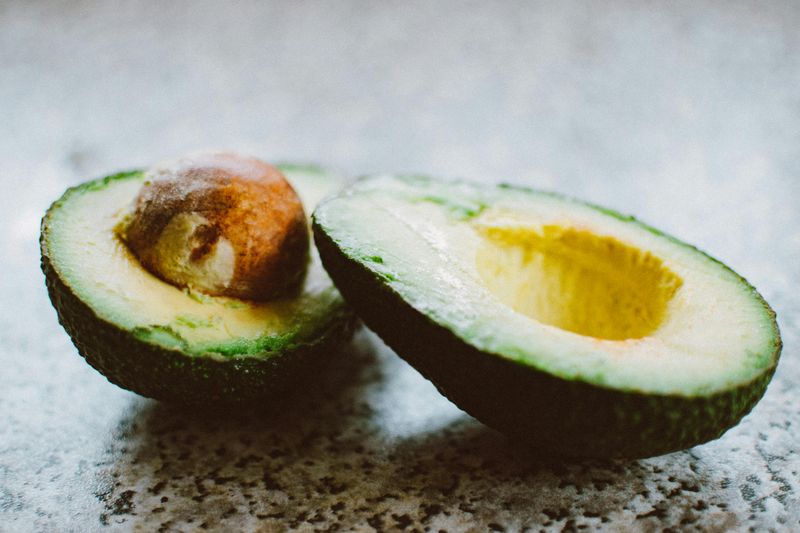
Avocado contains persin, a fungicidal toxin that proves harmless to humans but extremely dangerous to birds of all species and sizes.
Even small quantities can cause respiratory distress, fluid accumulation around the heart, and weakness that prevents birds from functioning normally.
The skin, pit, and flesh all contain this toxin, so no part of the avocado is safe for birds under any circumstances.
Massachusetts gardeners who compost should keep avocado waste away from areas where birds might forage or accidentally encounter these toxic remnants.
Symptoms can appear quickly after consumption, and birds may struggle to breathe or move properly within just a few hours of exposure.
Many bird owners have learned this lesson the hard way, so wild bird enthusiasts should take these warnings seriously and act accordingly.
Stick to proven safe options like berries, apples, and oranges, which provide vitamins and natural sugars birds can safely enjoy year-round.
7. Onions And Garlic
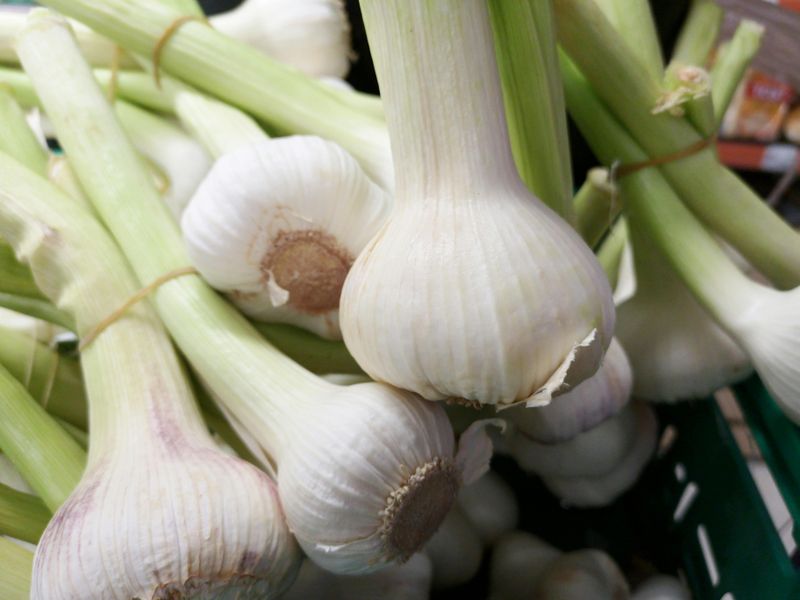
Onions and garlic contain sulfur compounds that damage bird red blood cells, leading to a condition similar to anemia in humans.
These vegetables can cause weakness, difficulty breathing, and general lethargy that makes it hard for birds to find food or escape predators.
Both raw and cooked forms are dangerous, so any kitchen scraps containing these ingredients should go into compost bins far from feeders.
Massachusetts gardeners often toss vegetable scraps outside without thinking, but this seemingly innocent act can endanger the birds they love watching.
Birds have much smaller body sizes than humans, meaning even tiny amounts of these vegetables can cause disproportionately large health problems.
The strong smell might actually deter birds naturally, but curious or desperate birds might still sample these dangerous foods during harsh winters.
Focus on bird-safe fruits and vegetables like apples, pears, and berries, which deliver nutrition without any hidden risks or toxic compounds.
8. Fruit Pits And Apple Seeds
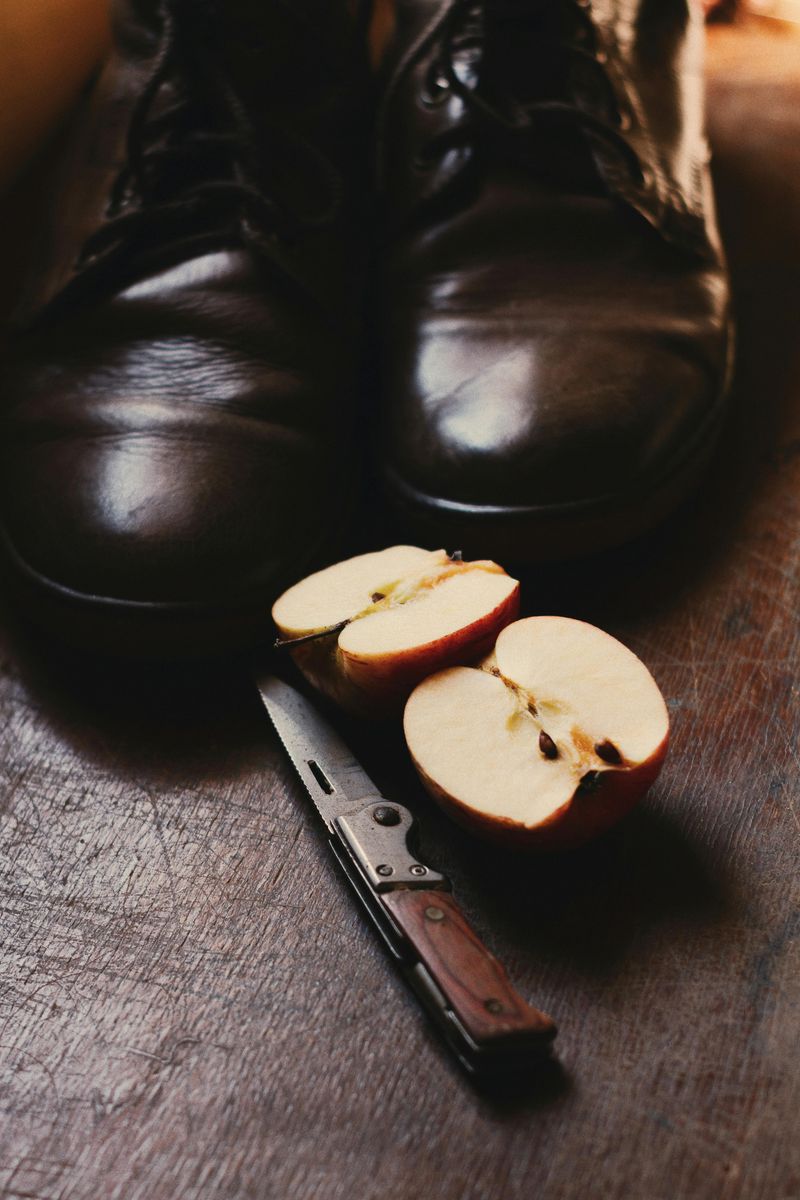
Apple seeds and fruit pits from cherries, peaches, and plums contain cyanide compounds that release poison when birds crush them while eating.
While the fruit flesh is perfectly safe, the seeds and pits pose real dangers that Massachusetts gardeners should never ignore or underestimate.
Small birds are especially vulnerable because their tiny body weight means even minuscule amounts of cyanide can cause serious harm.
Remove all seeds and pits before offering fruits to birds, ensuring they enjoy only the nutritious, safe portions of these treats.
Many people assume that because birds have tough beaks, they can handle anything, but their internal systems remain delicate and sensitive.
Massachusetts orchards produce abundant apples, making it tempting to share cores with birds, but this practice should be avoided completely for safety.
Offer seedless grapes, banana slices, or properly prepared apple pieces instead, giving birds delicious treats without any accompanying risks or worries.
9. Spoiled Or Moldy Food
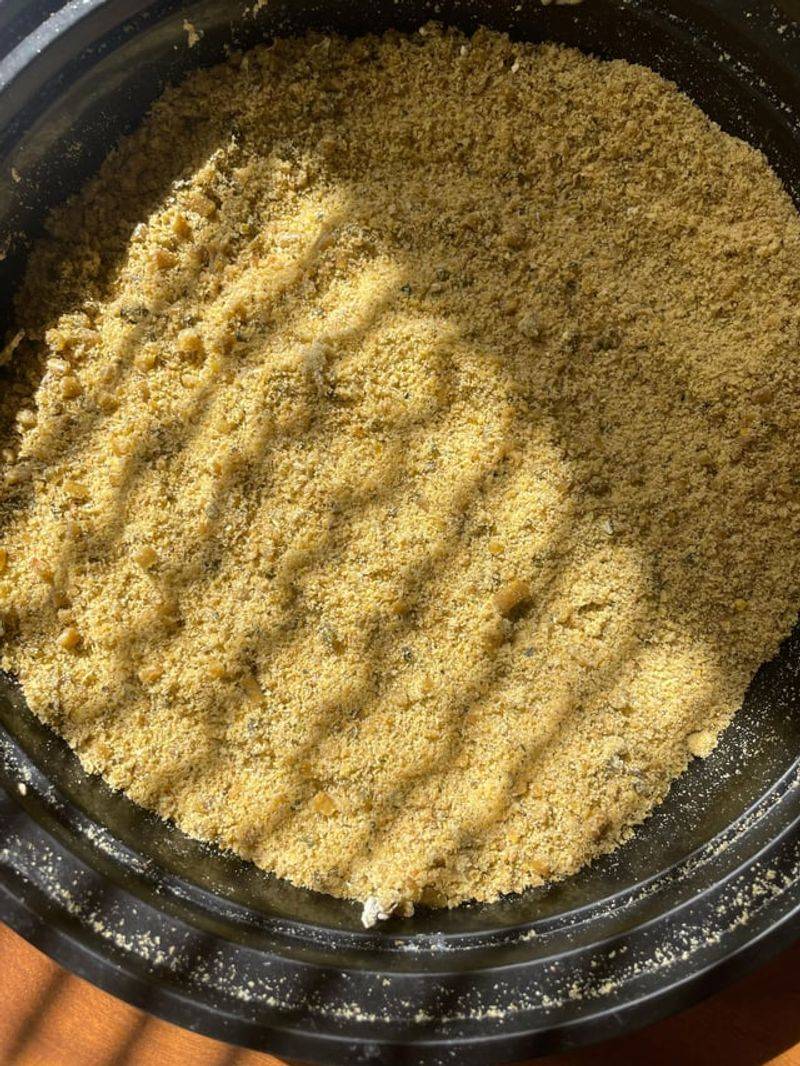
Moldy foods contain mycotoxins that attack bird respiratory systems, causing infections that make breathing difficult and painful for affected birds.
Aspergillosis, a fungal disease, spreads easily through moldy seeds and can affect multiple birds visiting the same contaminated feeder repeatedly.
Spoiled food attracts insects, rodents, and other pests that compete with birds and potentially carry diseases into your Massachusetts garden space.
Regular feeder cleaning prevents mold growth, especially during humid summer months when moisture accelerates decomposition and bacterial growth significantly.
Birds cannot always detect spoiled food by smell or appearance, so they rely on gardeners to provide fresh, safe options consistently.
Massachusetts weather fluctuates dramatically between seasons, making it essential to check feeders frequently and remove any questionable food immediately without hesitation.
Invest in quality birdseed from reputable suppliers, store it properly in dry containers, and replace feeder contents regularly to maintain freshness always.