That Bright Orange Fungus In South Carolina Lawns Has A Simple Explanation
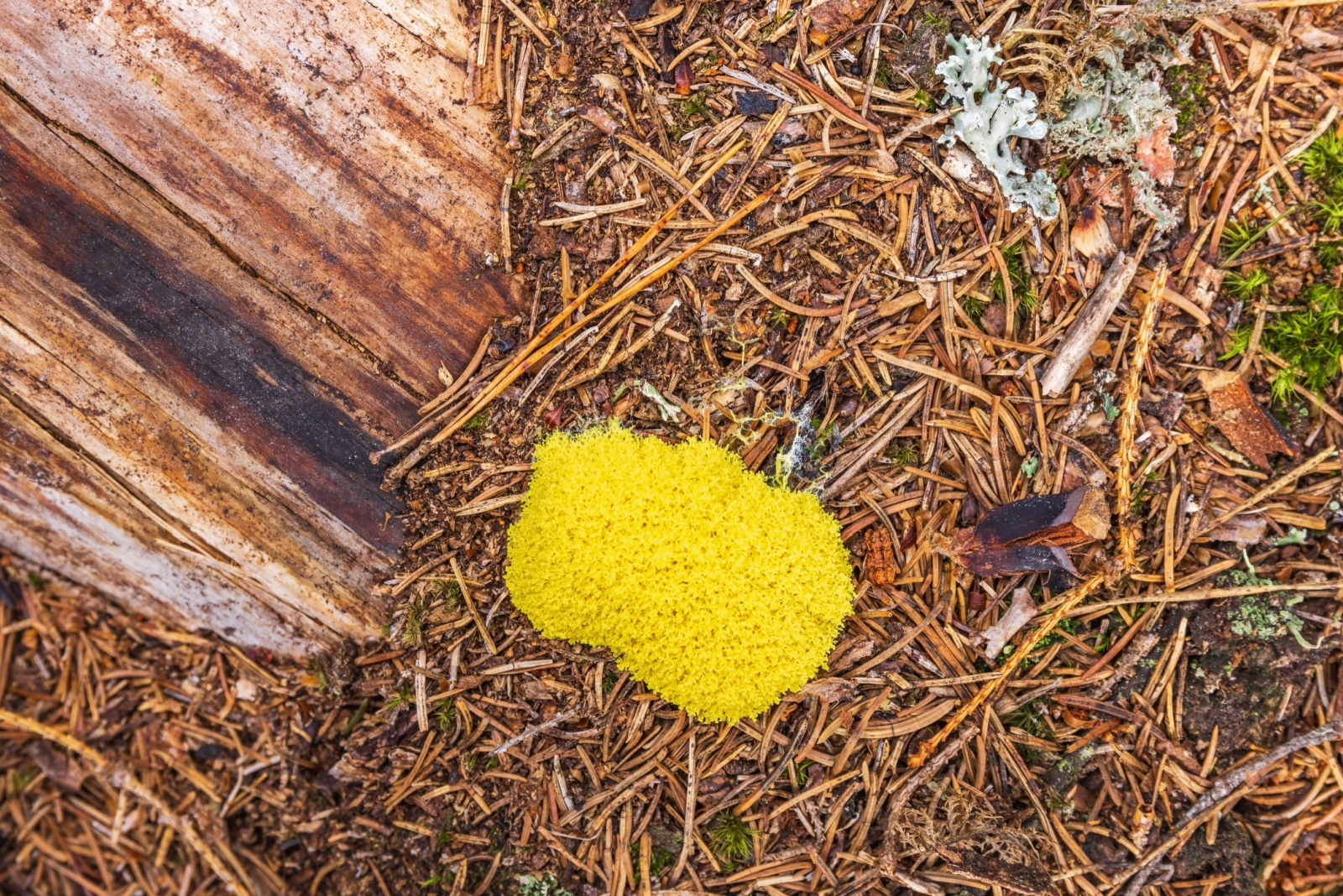
A strange, bright orange substance spreading across lawns has caught the attention of homeowners throughout South Carolina, but experts say the timing makes perfect sense.
Known as Fuligo septica, this vivid organism often appears suddenly, coating mulch, grass, and decaying wood with an eye-catching orange mass that looks alarming at first glance.
Its appearance often follows a familiar pattern.
Warm temperatures, high humidity, and recent rainfall create ideal conditions for Fuligo septica to emerge.
Specialists point out that South Carolina’s climate provides exactly what this organism needs, which explains why reports surge during certain seasons rather than appearing at random.
Despite its dramatic look, experts urge calm.
This bright orange growth signals specific environmental conditions in a yard, not an emergency.
Clear facts about why Fuligo septica shows up and what role it plays can ease concern and help homeowners react with confidence instead of alarm when this unexpected visitor appears.
What Fuligo Septica Actually Is
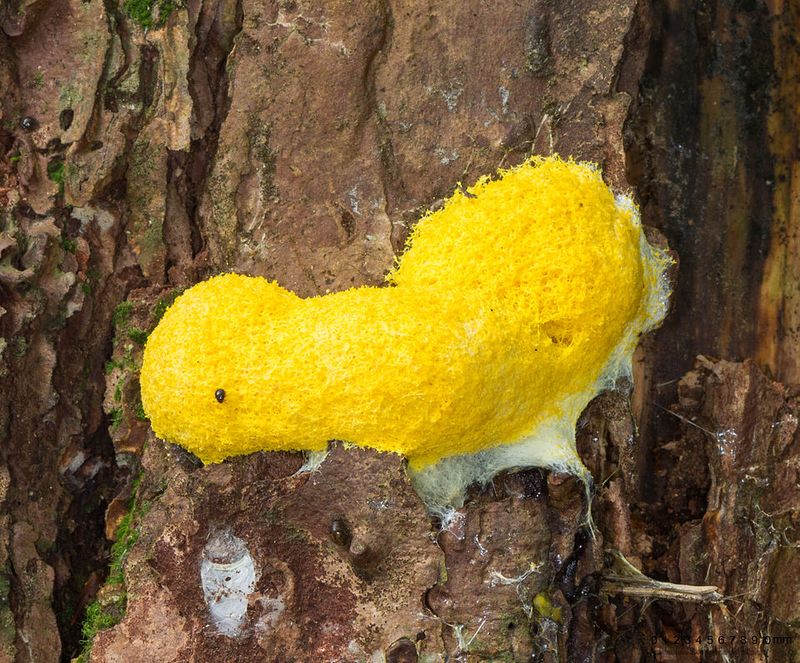
Fuligo septica goes by many colorful names including dog vomit slime mold, scrambled egg slime, and flowers of tan because of its unusual appearance.
Despite what many people think, this bright orange organism is not actually a fungus at all but rather a type of slime mold instead.
Slime molds belong to a group called myxomycetes, which are strange creatures that blur the line between fungi and animals in fascinating ways here.
During one stage of its life, Fuligo septica can actually move around slowly, creeping across surfaces like a living blob seeking food sources.
The organism feeds on bacteria, fungal spores, and other tiny organic matter found in mulch, wood chips, and decaying plant material around yards.
When conditions are right, the slime mold transforms into a bright orange or yellow mass that can grow several inches wide overnight surprisingly.
Eventually, it hardens into a crusty brown structure that releases spores into the air, completing its life cycle in a remarkable transformation process.
Scientists find slime molds endlessly fascinating because they demonstrate problem-solving abilities despite having no brain or nervous system at all whatsoever amazingly.
Why South Carolina’s Climate Is Perfect for Slime Molds
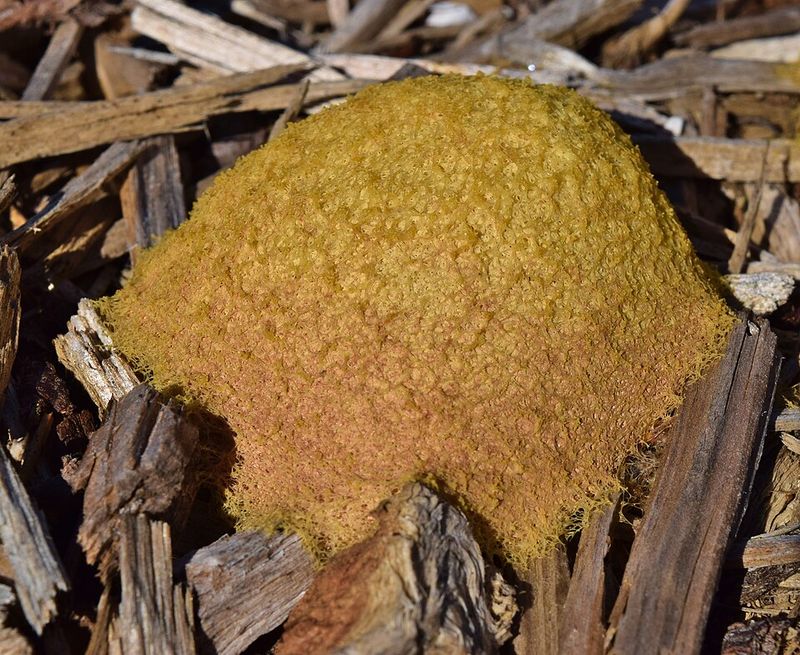
South Carolina’s hot and humid summers create the perfect environment for Fuligo septica to thrive and spread rapidly throughout residential areas and gardens.
Slime molds love moisture, and the state’s frequent afternoon thunderstorms and high humidity levels provide exactly what these organisms need to flourish consistently.
Temperatures between seventy and eighty degrees Fahrenheit are ideal for slime mold growth, which describes most of South Carolina’s spring and summer months.
Mulched garden beds retain moisture particularly well, creating little pockets of dampness where slime molds can feed and grow without any interruption or disturbance.
Experts note that the combination of warm nights and morning dew creates conditions that practically invite these organisms to appear in yards everywhere.
Areas with poor drainage or heavy shade tend to stay wetter longer, making them especially attractive spots for slime molds to colonize successfully.
Your South Carolina Garden Changes Every Week. Your Plan Should Too.
Gardening in South Carolina changes quickly throughout the season. Every Friday you’ll receive a simple weekly plan showing exactly what to plant, prune, fertilize, harvest, and protect so you never miss the right timing.
The state’s long growing season means that slime molds can appear multiple times throughout the year rather than just during one brief period.
Understanding these climate factors helps explain why homeowners shouldn’t be shocked to find these bright orange visitors showing up in their landscaping regularly.
The Recent Weather Patterns That Triggered the Outbreak
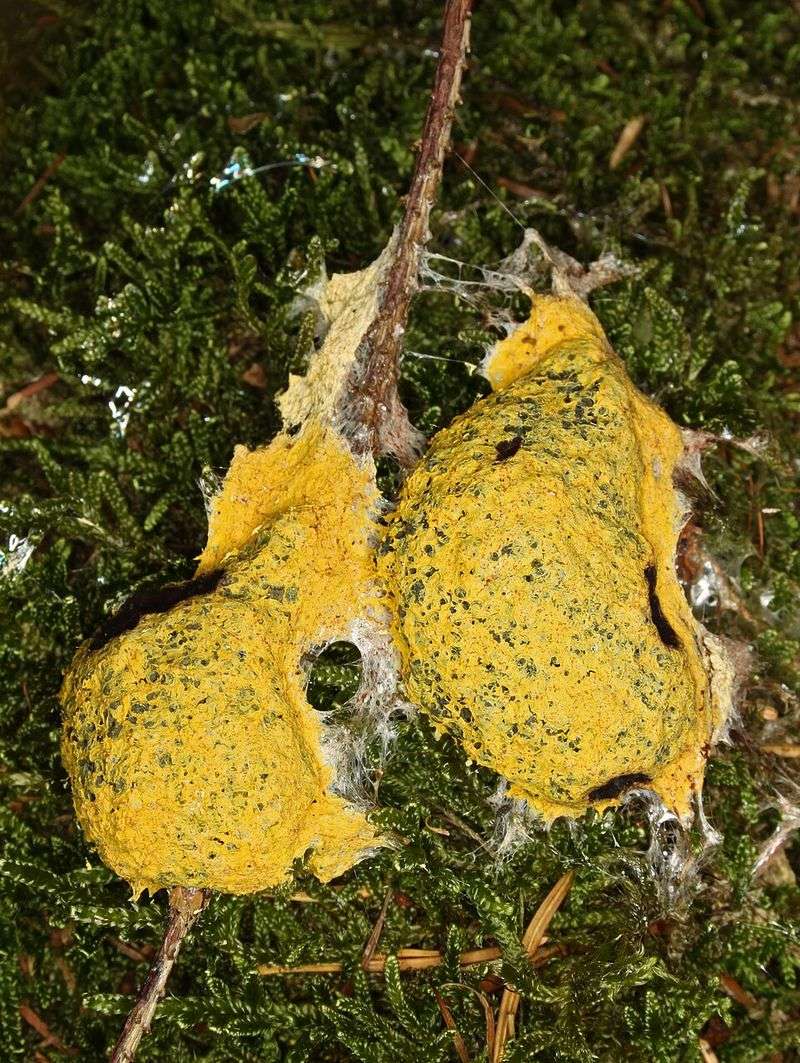
Recent weeks have brought an unusual combination of heavy rainfall and warm temperatures to South Carolina, creating a slime mold paradise in neighborhoods statewide.
After several days of consistent rain, the moisture levels in mulch and soil reach the point where slime molds can emerge quickly.
Experts explain that slime mold spores lie dormant in the environment for months or even years, just waiting for the right conditions.
When moisture and warmth finally arrive together, these spores spring to life almost overnight, surprising homeowners who check their yards each morning regularly.
The current weather pattern mirrors conditions from previous years when South Carolina experienced similar waves of slime mold sightings across multiple counties simultaneously.
Meteorologists note that the state has received above-average rainfall this season, which directly correlates with increased reports of Fuligo septica in yards.
Homeowners often notice the orange blobs appearing after a particularly wet weekend, when conditions have been ideal for several consecutive days straight.
This predictable pattern is why experts aren’t surprised at all by the recent surge in sightings throughout residential areas across the state.
Why Mulch and Wood Chips Are Slime Mold Magnets
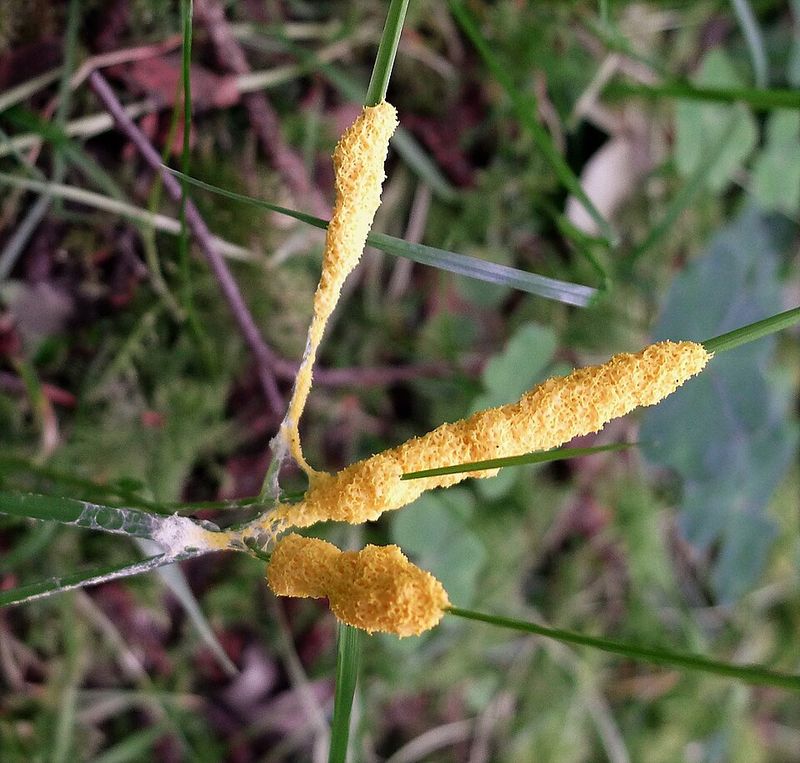
Landscaping mulch provides everything Fuligo septica needs to survive: moisture, food, and a stable environment where it can grow undisturbed for days.
Wood chips and bark mulch are particularly attractive because they decompose slowly, creating a continuous supply of bacteria and fungi for slime molds.
As organic mulch breaks down, it releases nutrients and creates tiny ecosystems teeming with microscopic life that slime molds consume eagerly and enthusiastically.
South Carolina homeowners who apply thick layers of mulch to their garden beds unknowingly create the perfect habitat for these organisms to colonize successfully each season.
The spaces between mulch pieces trap moisture and stay damp even when the surface appears dry, providing hidden pockets of wetness below.
Experts recommend that concerned homeowners can simply rake or turn their mulch occasionally to increase air circulation and reduce moisture retention significantly.
Interestingly, the appearance of slime molds actually indicates a healthy, biologically active mulch bed with good decomposition happening beneath the surface layer.
Rather than being a problem, Fuligo septica serves as a sign that your landscaping materials are supporting a diverse community of beneficial organisms.
Is Fuligo Septica Dangerous to Humans or Pets
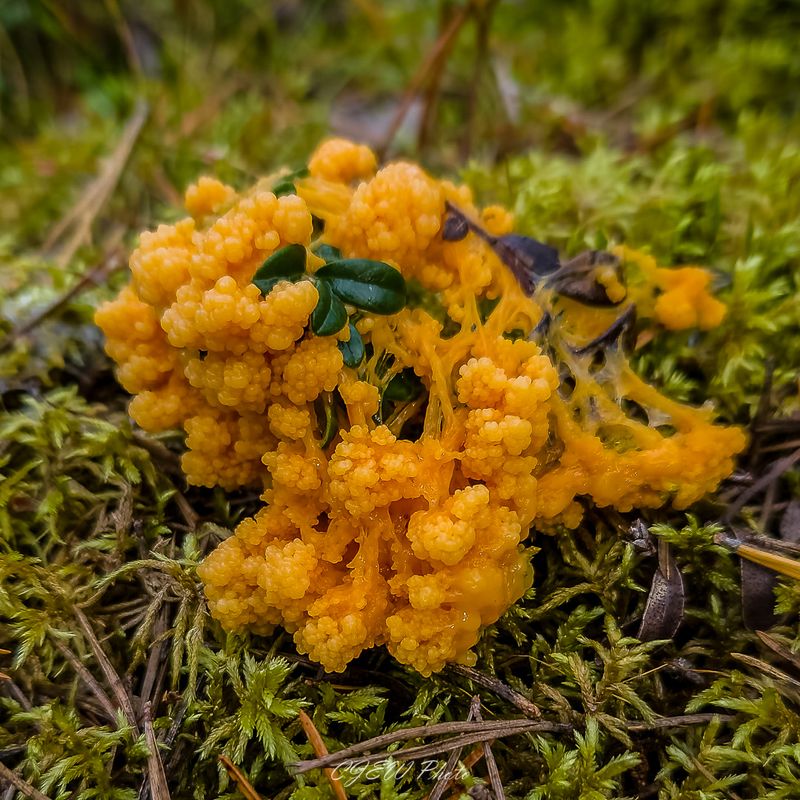
Good news for worried South Carolina homeowners: Fuligo septica is completely harmless to humans, pets, and plants, posing absolutely no health threat to anyone whatsoever.
The organism doesn’t produce toxins, doesn’t bite or sting, and won’t damage your lawn, garden plants, or landscaping in any way imaginable.
Pets might occasionally sniff or lick slime molds out of curiosity, but experts say this rarely causes any problems beyond mild digestive upset.
Most animals find the taste and texture unpleasant enough that they avoid eating large amounts, naturally limiting any potential exposure to the organism.
Humans can safely touch slime molds with bare hands, though some people prefer wearing gloves simply because of the slimy, unappealing texture and appearance.
There are no documented cases of serious allergic reactions or infections caused by Fuligo septica in otherwise healthy individuals throughout recorded medical history.
Parents can relax knowing that children who accidentally touch or play near slime molds won’t experience any negative health consequences from the encounter.
The biggest concern is purely aesthetic—many people simply don’t like looking at the bright orange blobs in their otherwise tidy yards and gardens.
How to Remove Slime Mold If You Don’t Want It
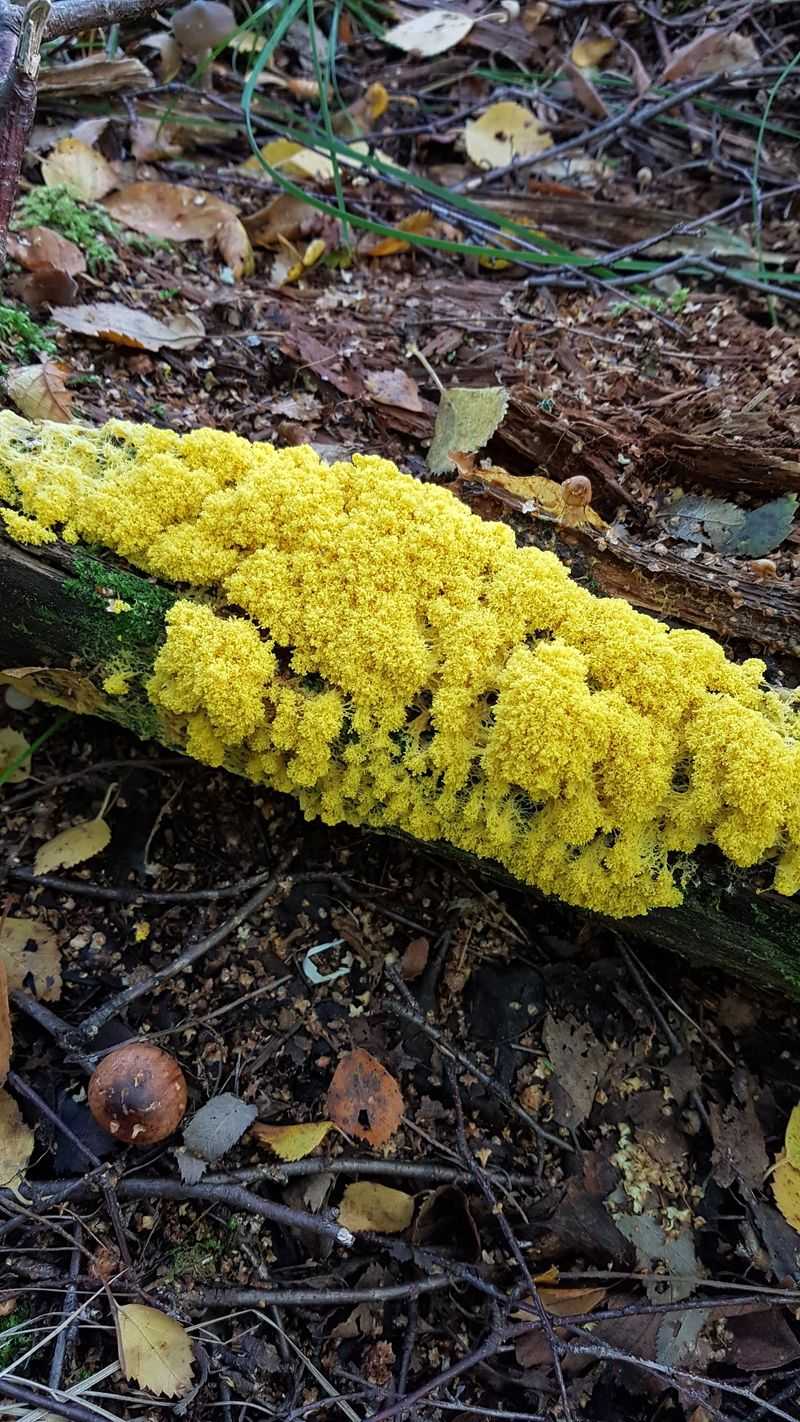
Removing Fuligo septica from your South Carolina yard is incredibly simple and requires no special chemicals, treatments, or professional help from experts at all.
The easiest method is to scoop up the slime mold with a shovel or rake and dispose of it in your compost bin.
Some homeowners prefer to spray the organism with a strong stream of water from a garden hose, which breaks it apart effectively and quickly.
You can also simply leave it alone, as slime molds naturally dry up and turn into harmless brown crusts within a few days.
Once dried, the crusty remains can be raked away or left to decompose, eventually disappearing back into the mulch without leaving any trace.
Experts emphasize that chemical treatments are completely unnecessary and potentially harmful to the beneficial organisms living in your soil and mulch beds.
Prevention is more effective than removal—improving drainage, reducing mulch depth, and increasing sunlight exposure can discourage future appearances of slime molds altogether.
Remember that slime molds will likely return whenever conditions become favorable again, so acceptance might be easier than constant removal efforts ultimately.
The Ecological Benefits of Having Slime Molds in Your Yard

Rather than viewing Fuligo septica as a pest, South Carolina homeowners should appreciate it as a sign of a healthy, functioning ecosystem in their yards.
Slime molds play an important role in breaking down deceased organic matter and recycling nutrients back into the soil for plants to use.
By consuming bacteria and fungal spores, these organisms help regulate populations of microorganisms and maintain balance in the mulch bed ecosystem naturally.
Their presence indicates that your soil food web is active and diverse, which ultimately benefits your garden plants and lawn health significantly.
Gardeners who embrace organic practices often welcome slime molds as indicators of good soil biology and healthy decomposition processes happening beneath the surface.
The spores that slime molds release can travel on the wind to colonize new areas, spreading beneficial decomposition activity throughout your property.
Children can learn valuable lessons about nature’s recycling systems by observing slime molds and their fascinating life cycle in the backyard safely.
Instead of fighting against nature, accepting these temporary visitors allows you to appreciate the complex and beautiful processes happening in your landscape daily.