7 Pink Leaf Indoor Plants That Thrive In Water In California Homes
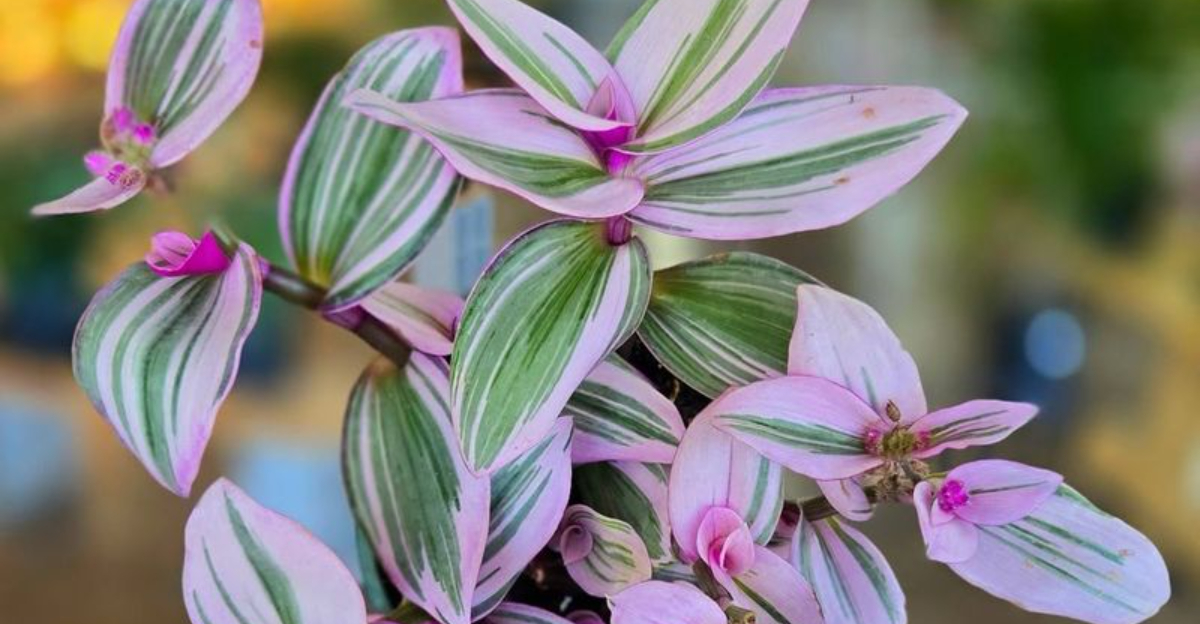
Pink-leaf indoor plants bring a splash of flair to California homes, and some of the prettiest performers skip soil altogether.
Clean glass vases, sunlit shelves, and pastel foliage create a look that feels equal parts modern and relaxed.
These plants prove that style and simplicity can share the same pot—or no pot at all.
As the saying goes, less can mean more, especially when beauty pulls its own weight.
California’s bright light and mild indoor temperatures suit water-grown plants down to the ground.
Roots stretch freely, pests lose their foothold, and care routines stay refreshingly light.
Pink leaves add warmth and contrast against neutral walls, making even small spaces pop without shouting for attention.
When maintenance stays easy, consistency follows, and plants reward that balance with steady growth and rich color.
Water-based growing also suits busy households and design-forward spaces.
No soil means fewer messes, clearer sightlines, and a chance to showcase roots as part of the display.
From soft blush tones to bold rose hues, these plants turn ordinary corners into quiet showpieces.
With the right light and clean water, pink-leaf plants thrive, proving that a touch of color and a smart setup can go a long way in shaping a calm, stylish indoor retreat.
1. Syngonium Pink Allusion
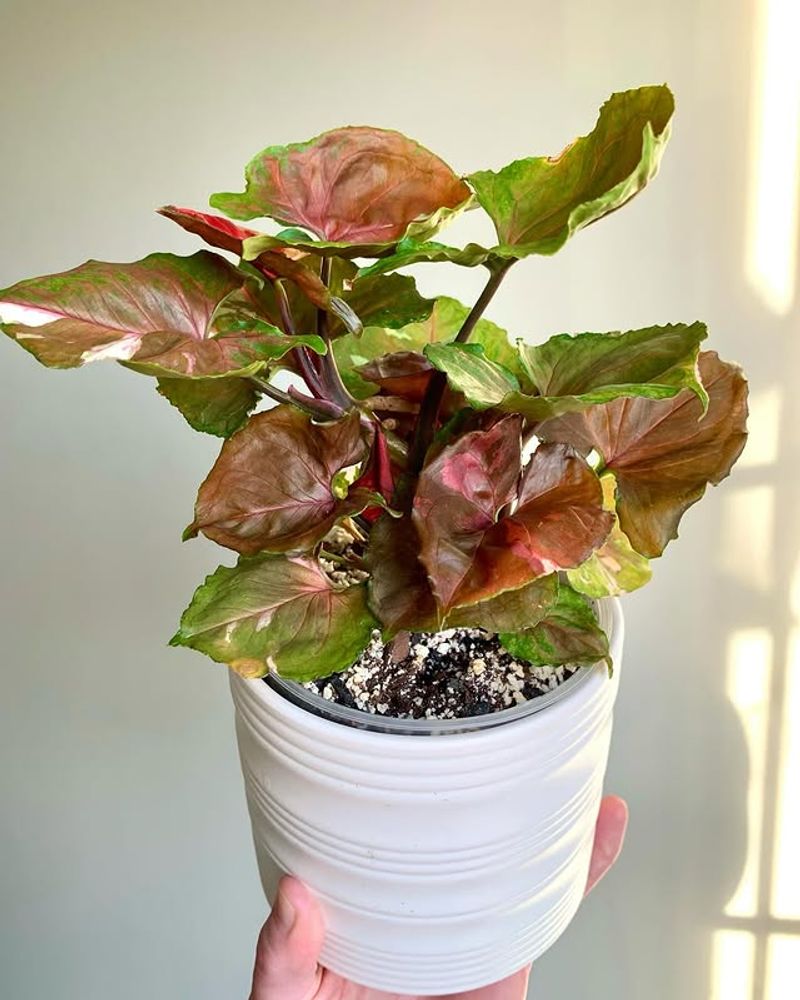
Arrow-shaped leaves splashed with soft pink and cream make Syngonium Pink Allusion a showstopper in water culture.
This vining beauty adapts quickly to hydroponic growing and sends out roots within two weeks of placing cuttings in fresh water.
California’s mild climate provides the warmth this tropical native craves year-round.
Place your container near a bright window but away from direct afternoon sun that can scorch those delicate pink markings.
Change the water weekly to prevent algae buildup and keep oxygen levels high for healthy root development.
Room temperature water works best, as cold water can shock the roots and slow growth.
The plant produces new leaves from the growing tip, each one unfurling with more pink variegation as it matures.
Pinch back leggy stems to encourage bushier growth and create more cuttings for additional containers.
Within three months, you’ll have a lush display cascading over the edges of your vase.
Feed with diluted liquid fertilizer every three weeks during spring and summer when growth peaks.
Watch for pale leaves, which signal the plant needs more nutrients or brighter light.
Pink Allusion tolerates California’s dry indoor air better than many tropical plants, making it forgiving for beginners.
2. Pink Princess Philodendron
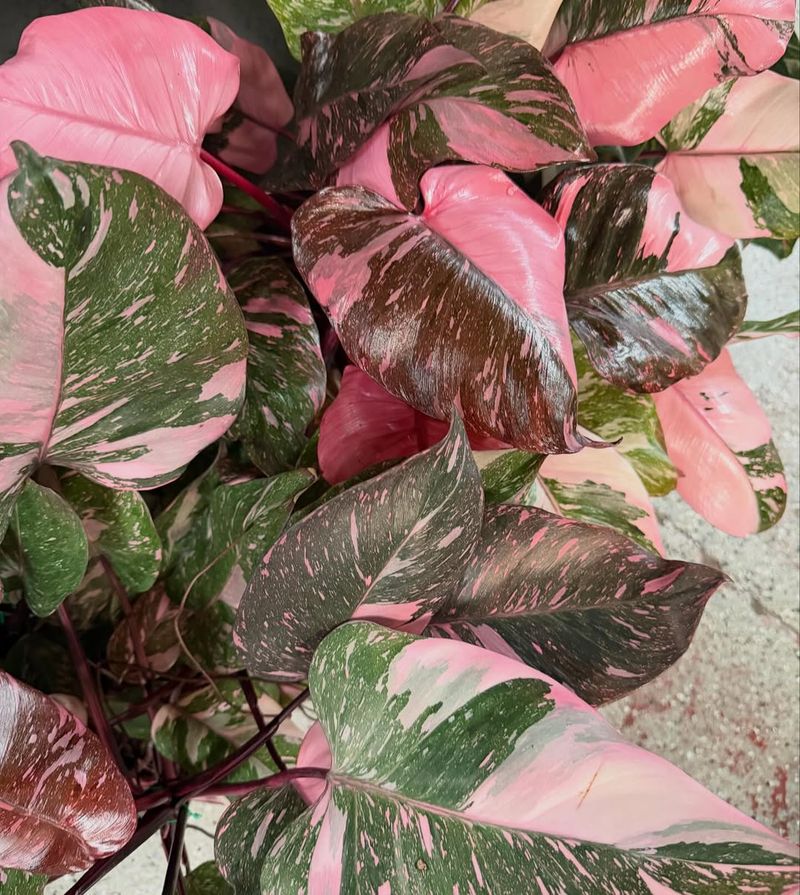
Dark chocolate-colored leaves interrupted by electric pink splashes create drama unlike any other houseplant.
Pink Princess Philodendron has become a collector’s favorite, and growing it in water showcases those stunning root systems.
Each leaf emerges as a surprise, with variegation patterns that never repeat exactly the same way twice.
Bright indirect light maintains the pink coloring, while too much shade causes new leaves to revert to solid green.
South-facing windows with sheer curtains provide perfect conditions in California homes during winter months.
Rotate your container weekly so all sides receive equal light exposure and the plant grows evenly.
Your California Garden Changes Every Week. Your Plan Should Too.
Gardening in California changes quickly throughout the season. Every Friday you’ll receive a simple weekly plan showing exactly what to plant, prune, fertilize, harvest, and protect so you never miss the right timing.
Start with a healthy stem cutting that already shows pink variegation, as this increases chances of future pink leaves.
Nodes submerged in water will sprout roots within ten to fourteen days if temperatures stay above 65 degrees.
Change water every five days to prevent bacterial growth that can rot developing roots.
This philodendron grows slower in water than soil but produces stronger, more adaptable root systems.
Add a few drops of hydrogen peroxide to the water monthly to boost oxygen and discourage harmful microbes.
Patience pays off when that first new pink-streaked leaf unfurls in your water garden.
3. Tradescantia Nanouk
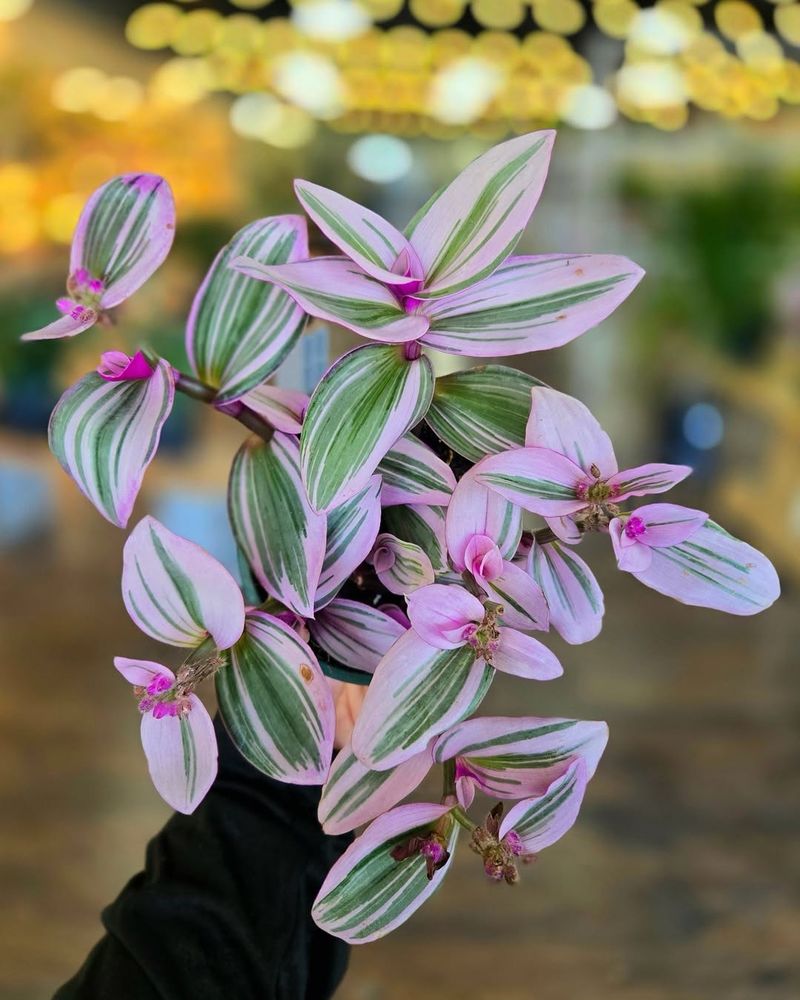
Fuzzy leaves striped in pink, white, and soft green create a candy-colored effect that brightens any space.
Tradescantia Nanouk roots faster in water than almost any other houseplant, sometimes showing new roots within three days.
The trailing growth habit looks spectacular spilling from tall vases or hanging containers near sunny windows.
Snip stem cuttings just below a leaf node and remove the bottom leaves before placing in water.
Multiple cuttings in one container create a fuller, more impressive display within weeks.
California’s abundant sunshine helps this plant maintain its vibrant pink stripes year-round.
Direct morning sun intensifies the pink tones, while afternoon shade prevents bleaching of the delicate foliage.
Water should stay crystal clear; cloudiness indicates bacterial growth that requires immediate water change.
Add a small piece of charcoal to the container to naturally filter the water and extend time between changes.
New growth appears at the tips and along the stems where leaves attach, creating a bushy rather than sparse appearance.
Pinch back stems regularly to encourage branching and prevent the plant from becoming too leggy.
This forgiving plant tolerates occasional neglect, bouncing back quickly even if you forget to refresh the water for two weeks.
4. Hypoestes Phyllostachya Pink Splash
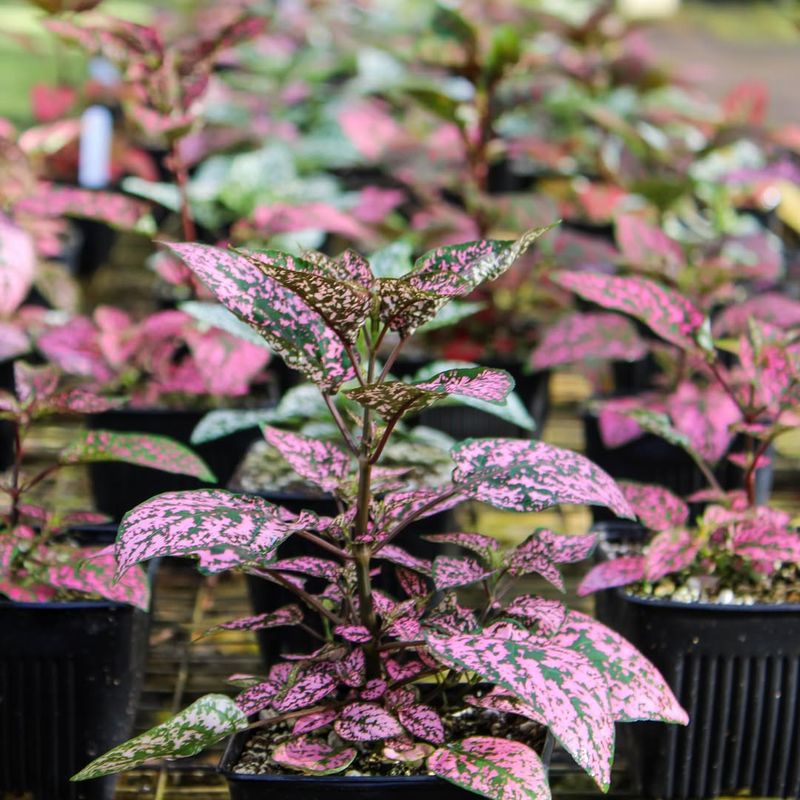
Hundreds of tiny pink dots scattered across green leaves give this plant its common name: polka dot plant.
Hypoestes Pink Splash transitions to water culture more easily than many people expect, rooting vigorously from stem cuttings.
Compact growth makes it perfect for small containers on desks, shelves, or bathroom counters with good light.
Take cuttings from the tips of healthy stems, choosing pieces with the most vibrant pink spotting.
Strip away lower leaves and place stems in clean water, changing it every four days initially.
Roots develop quickly in California’s warm indoor environment, often visible within one week.
Bright light keeps the pink dots bold and prevents the plant from stretching toward the window.
North-facing windows work well, providing consistent light without harsh rays that fade the colors.
Turn the container daily so all sides receive equal exposure and the plant maintains a rounded shape.
Pinching encourages bushier growth and prevents the leggy appearance that plagues polka dot plants in low light.
Feed every two weeks with quarter-strength liquid fertilizer to support continuous leaf production.
Fresh growth emerges from the top, each new leaf cluster showing even more pink coverage than the last.
Watch for flower spikes and remove them immediately, as flowering signals the plant to slow leaf production.
Keeping it in a vegetative state ensures maximum foliage display and longer-lasting color.
5. Aglaonema Pink Dalmatian
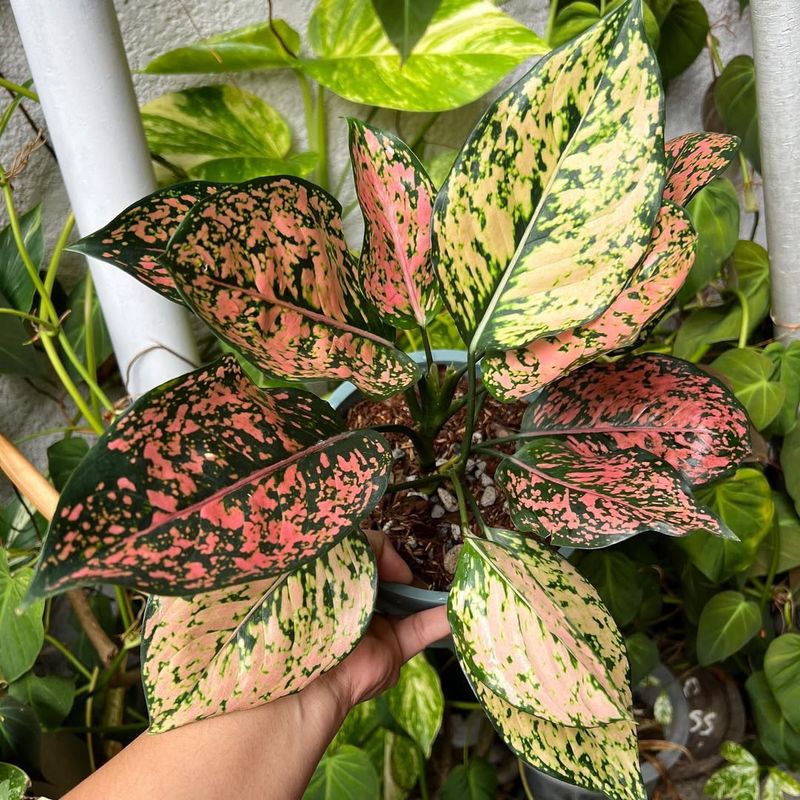
Speckled pink and green leaves on sturdy upright stems give Aglaonema Pink Dalmatian a sculptural quality in water displays.
Chinese evergreens adapt to hydroponic growing better than most foliage plants, developing thick white roots that anchor them firmly.
California homes provide the warm, stable conditions these tropical natives need to flourish year-round.
Start with a mature plant and carefully rinse all soil from the roots before transitioning to water.
Use a container tall enough to support the plant’s weight, as top-heavy specimens can tip over.
Change water weekly at first, then extend to every ten days once the plant establishes in its new environment.
Low to medium light suits this adaptable species, making it ideal for rooms without bright windows.
Pink variegation remains stable even in dimmer conditions, unlike plants that lose color in shade.
Avoid placing near heating vents or air conditioners, as temperature fluctuations stress the plant.
New leaves emerge from the center, tightly rolled before unfurling to reveal their pink-splashed patterns.
Older outer leaves may yellow naturally; simply remove them to keep the plant looking fresh.
Add liquid fertilizer at half strength once monthly during active growth periods in spring and summer.
This slow-growing plant won’t need frequent pruning or maintenance, perfect for busy households.
Consistent care produces a long-lived specimen that becomes more attractive as it matures.
6. Fittonia Pink Vein
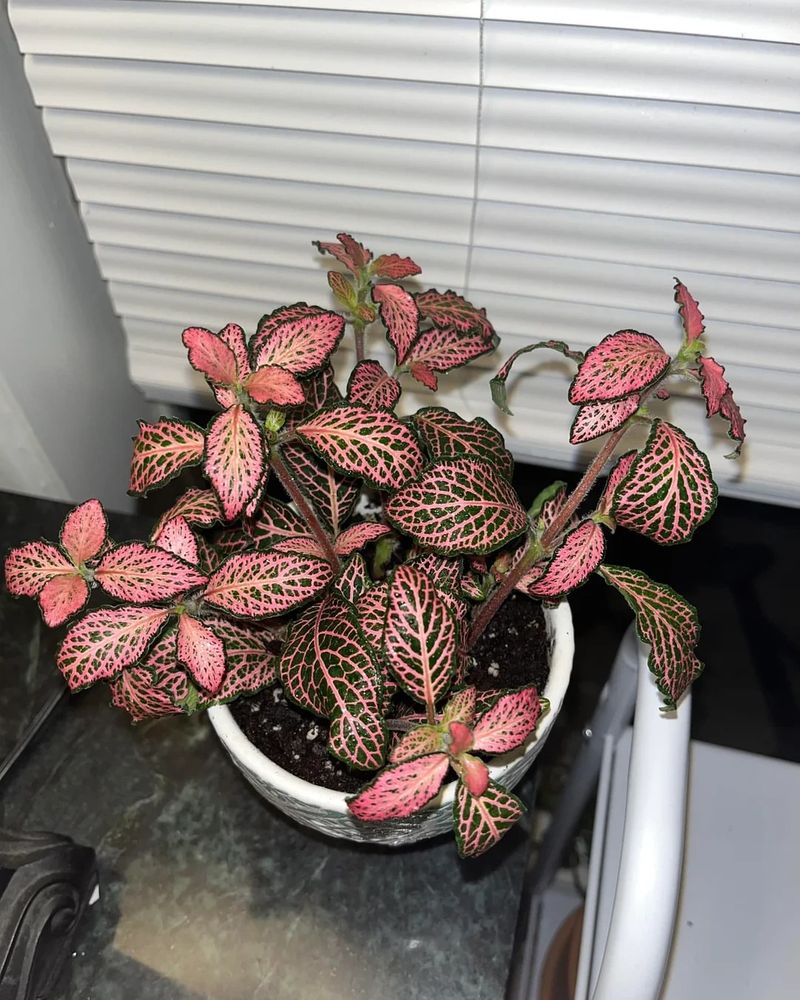
Intricate networks of hot pink veins crisscross deep green leaves, creating a stained-glass effect in miniature.
Fittonia Pink Vein, commonly called nerve plant, loves the high humidity that water culture naturally provides.
Small size makes it perfect for terrariums, small jars, or grouped arrangements with other water-grown plants.
Cuttings root rapidly when placed in water, often showing new root growth within five days of propagation.
Choose stems with several leaf nodes and remove the bottom leaves to prevent rot.
California’s mild climate eliminates the temperature stress that can hinder rooting in colder regions.
Medium indirect light keeps the pink veins vibrant without causing leaf scorch or fading.
Bathroom windowsills offer ideal conditions, combining good light with naturally higher humidity levels.
Mist the foliage between water changes if your home runs particularly dry during summer months.
The plant grows in a spreading mat rather than upright, creating a cascading effect over container edges.
Pinch back stems to encourage fuller growth and prevent bare patches near the base.
Fresh water every five to seven days prevents the stagnation that leads to root problems.
Fittonia signals thirst by temporarily wilting, but rebounds quickly once you add fresh water.
This dramatic response teaches beginners to recognize plant needs without causing permanent damage.
Consistent care produces a lush display that thrives for months in simple water culture.
7. Coleus Pink Chaos
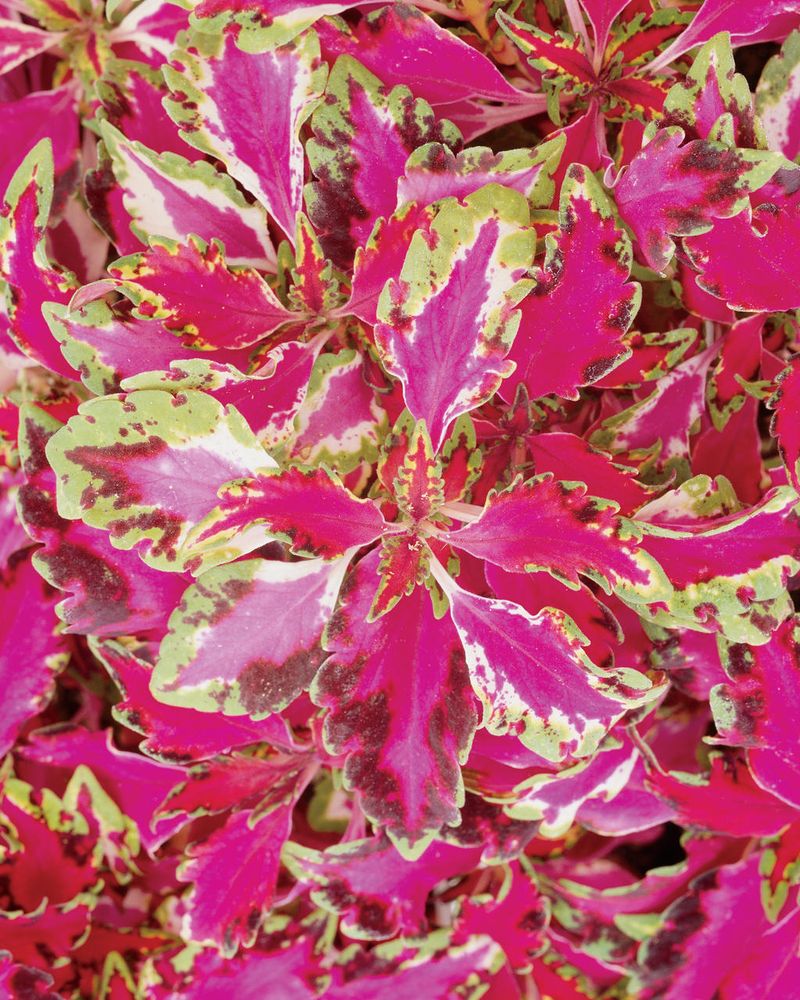
Ruffled leaves in shades of hot pink, burgundy, and lime green look almost too vibrant to be real.
Coleus Pink Chaos roots so easily in water that gardeners use it to teach kids about plant propagation.
California’s long growing season allows these tropical beauties to thrive indoors without winter dormancy issues.
Snip four-inch stem cuttings just below a leaf node and remove bottom leaves before placing in water.
Multiple cuttings in one container create a full, bushy display within three weeks.
Roots appear within days, growing rapidly in warm water kept at room temperature.
Bright light intensifies the pink coloring and keeps growth compact rather than leggy.
South or west-facing windows provide enough light to maintain those electric colors year-round.
Insufficient light causes stems to stretch and leaves to lose their intense pigmentation.
Pinch off flower spikes as soon as they appear to redirect energy into foliage production.
Flowering signals the plant to slow leaf growth, reducing the lush appearance you want.
Regular pinching also encourages branching, creating a fuller plant with more colorful leaves.
Change water weekly and add diluted fertilizer every other week during active growth periods.
Watch for pale new leaves, which indicate the plant needs more nutrients or brighter light.
Coleus tolerates occasional neglect but rewards consistent care with spectacular color displays that last for months in water culture.