13 Garden Plants That Are Illegal Or Facing A Ban In Georgia
Georgia’s long growing season and mild climate make gardens thrive, but not every plant earns a welcome.
Some species once sold freely now carry restrictions, fines, or outright bans due to the damage they cause to ecosystems, agriculture, and native wildlife.
What looks attractive or harmless in a backyard can trigger serious legal trouble.
State agencies and environmental experts track plants that spread aggressively, choke out native species, or harm soil and water systems.
As these risks grow, Georgia continues to tighten rules on what homeowners can plant, keep, or sell.
In some cases, older garden favorites now appear on watchlists or face phased bans.
Many homeowners remain unaware of these changes until a warning, citation, or removal order appears.
Staying informed protects both your property and the environment.
These thirteen garden plants are illegal or facing restrictions in Georgia, and every gardener should know why they raise concern before adding them to the landscape.
1. Kudzu

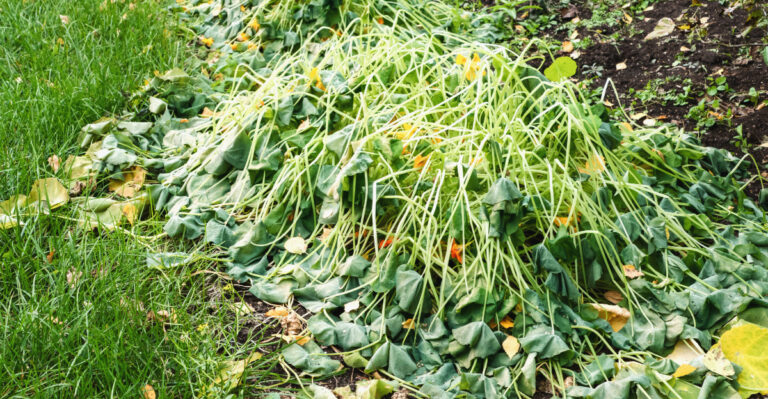
Kudzu arrived in Georgia during the 1800s as an ornamental plant and later became promoted for erosion control across the southern states.
This aggressive vine grows up to one foot per day during summer months, quickly smothering everything in its path including trees and buildings.
The plant creates dense mats that block sunlight from reaching native species, effectively choking out forests and changing entire ecosystems dramatically over time.
Georgia now classifies kudzu as a noxious weed, making it illegal to plant, sell, or transport within state boundaries under any circumstances.
Farmers and landowners spend millions annually trying to control kudzu infestations that continue spreading despite extensive eradication efforts across the region.
The vine’s deep root system makes removal extremely difficult since even small fragments left behind can regenerate into new plants rapidly.
Scientists estimate kudzu covers over seven million acres across the Southeast, earning its nickname as the vine that ate the South.
Property values often decrease when kudzu takes over land because clearing it requires years of persistent effort and significant financial investment from owners.
2. Chinese Privet
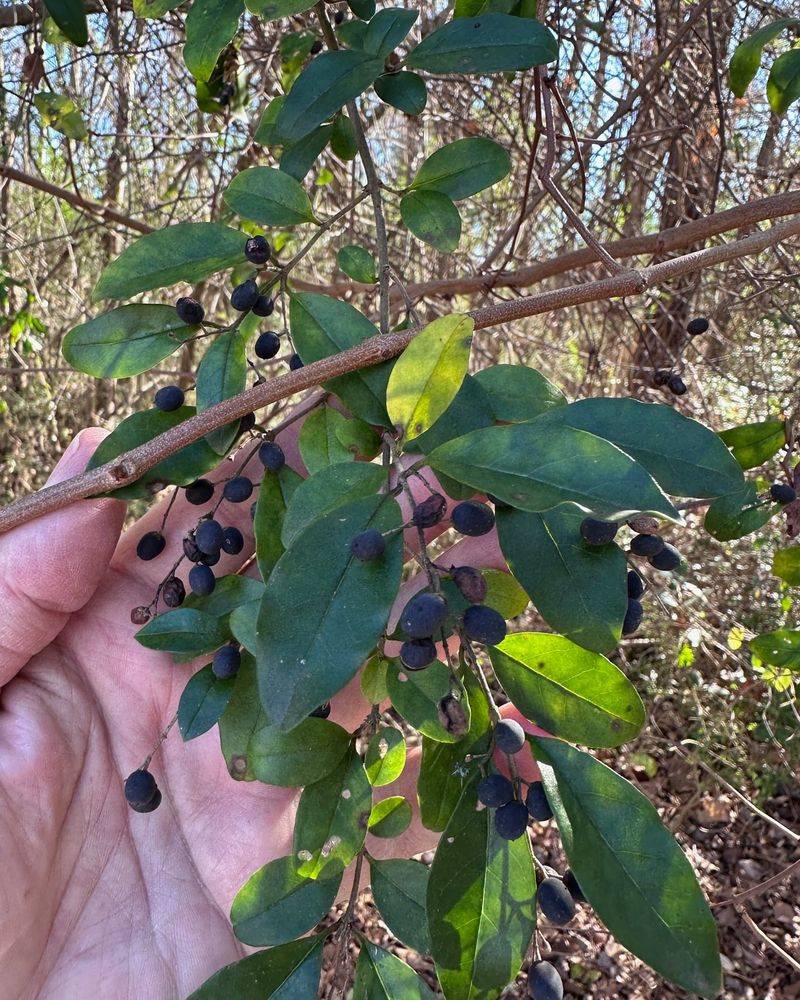
Chinese privet was originally introduced to American gardens as an attractive hedging plant that homeowners appreciated for its dense foliage and manageable size.
Birds eat the small berries and spread seeds everywhere, causing this shrub to invade forests, wetlands, and roadsides throughout Georgia’s countryside.
The plant forms thick, impenetrable thickets that prevent native wildflowers and young trees from establishing themselves in affected areas across the landscape.
Georgia authorities banned Chinese privet because it alters forest structure and reduces biodiversity by outcompeting plants that local wildlife depends upon for survival.
Landowners face constant battles removing this persistent shrub since it resprouts vigorously from cut stumps and produces thousands of seeds each season.
The plant tolerates various soil conditions and light levels, allowing it to invade both sunny fields and shaded woodland areas with equal success.
Wildlife biologists note that areas dominated by Chinese privet support fewer native bird species and insects compared to healthy forests with diverse vegetation.
Removing established stands requires cutting, herbicide application, and years of monitoring to prevent regrowth from the extensive root systems left underground.
Your Georgia Garden Changes Every Week. Your Plan Should Too.
Gardening in Georgia changes quickly throughout the season. Every Friday you’ll receive a simple weekly plan showing exactly what to plant, prune, fertilize, harvest, and protect so you never miss the right timing.
3. Japanese Honeysuckle
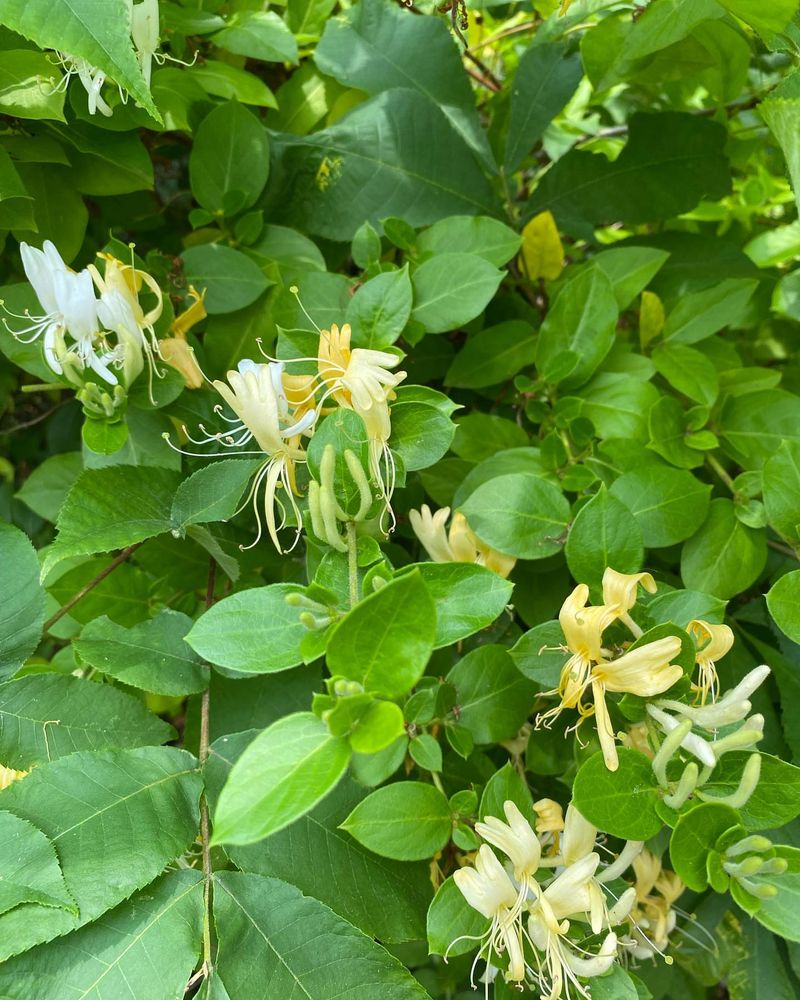
Japanese honeysuckle produces sweetly scented flowers that attracted gardeners who planted it widely before anyone understood its invasive potential in southern climates.
The vine climbs over shrubs and young trees, forming heavy blankets that bend branches and eventually topple entire plants under its weight.
Georgia ecosystems suffer when this aggressive climber shades out native ground covers and prevents tree seedlings from receiving adequate sunlight for growth.
State regulations now prohibit planting Japanese honeysuckle because it spreads rapidly through both seeds and vegetative growth from trailing stems that root.
The plant remains green year-round in mild Georgia winters, giving it a competitive advantage over native species that lose leaves seasonally.
Forest managers spend considerable resources controlling honeysuckle infestations that reduce habitat quality for ground-nesting birds and other sensitive wildlife species throughout Georgia.
Gardeners sometimes confuse this banned species with native honeysuckles that provide valuable food sources for hummingbirds without causing environmental harm to ecosystems.
Complete removal requires digging up roots or applying herbicides carefully to avoid harming desirable plants growing nearby in gardens and natural areas.
4. Cogongrass
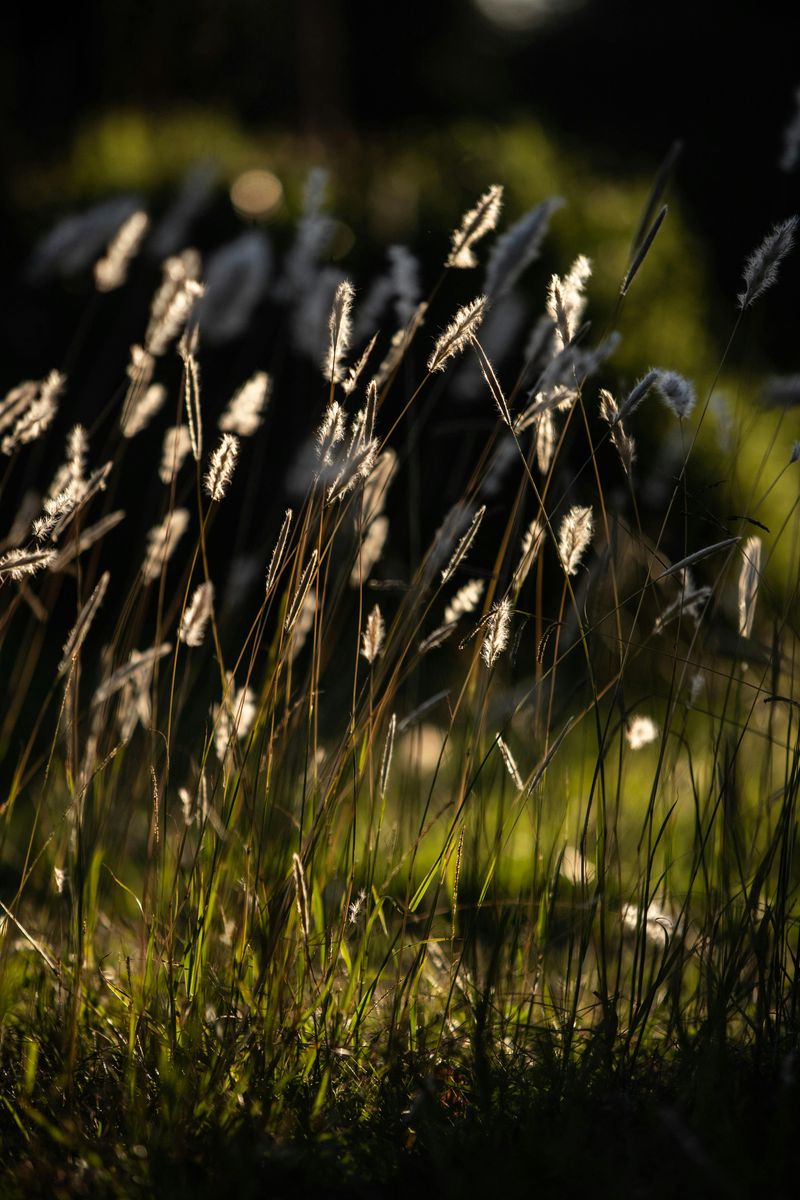
Cogongrass ranks among the world’s ten worst weeds and poses serious threats to agriculture, forestry, and natural areas throughout the southeastern region.
This perennial grass forms dense stands that crowd out all other vegetation and increase wildfire intensity due to its high oil content.
The plant spreads through underground rhizomes that extend several feet in all directions, making small patches expand rapidly into large infestations over time.
Georgia banned cogongrass because it reduces land productivity for farming and timber production while creating dangerous fire hazards in rural communities and wildlands.
Seeds blow long distances on wind currents, and tiny rhizome fragments transported on equipment can establish new colonies miles from existing patches.
Livestock avoid eating cogongrass because the leaves contain sharp silica crystals that cut mouths and provide little nutritional value for animals.
Eradication efforts prove expensive and time-consuming since the deep root system survives most control methods and quickly regenerates after cutting or burning.
Landowners must report cogongrass infestations to agricultural authorities who coordinate containment efforts to prevent further spread across Georgia’s vulnerable landscapes and farmlands.
5. Water Hyacinth

Water hyacinth floats on pond surfaces and reproduces so quickly that a single plant can produce thousands of offspring within just months.
The attractive purple flowers initially made this South American native popular for water gardens before people realized its devastating impact on aquatic ecosystems.
Dense mats completely cover water surfaces, blocking sunlight penetration and depleting oxygen levels that fish and other aquatic organisms require for survival.
Georgia prohibits water hyacinth because infestations clog waterways, interfere with boating and fishing, and damage critical wetland habitats throughout the state.
The plant spreads when fragments break off and float downstream to colonize new areas, making containment extremely difficult once established populations exist.
Mechanical removal provides only temporary relief since any small pieces left behind quickly regenerate into full-sized plants within weeks under favorable conditions.
Recreational lakes and farm ponds become unusable when water hyacinth takes over, costing communities millions in lost tourism revenue and control expenses.
Native aquatic plants cannot compete with water hyacinth’s rapid growth rate, leading to simplified ecosystems that support fewer species of wildlife overall.
6. Giant Salvinia
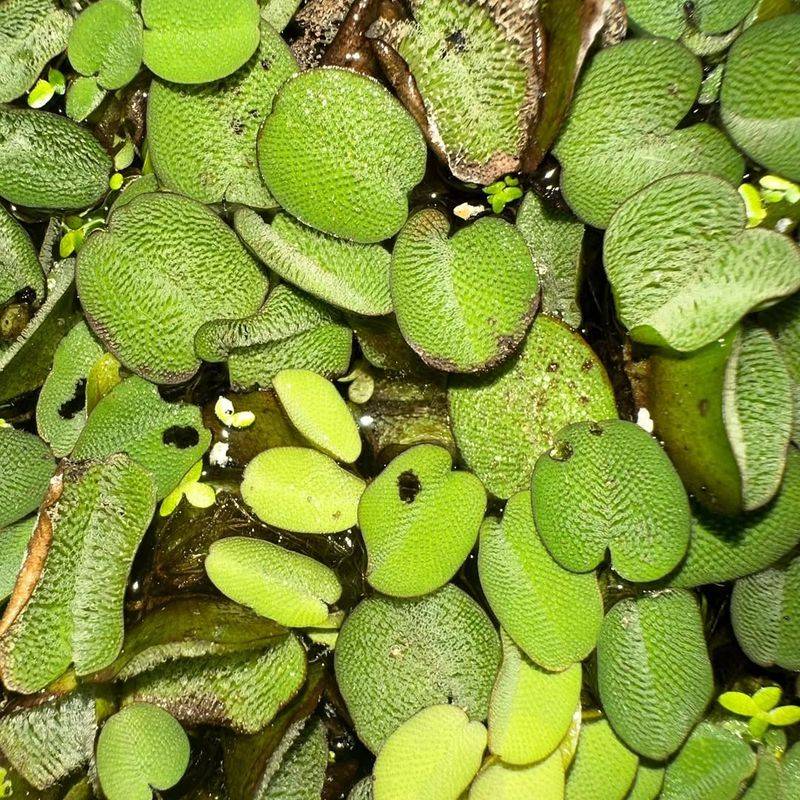
Giant salvinia looks harmless as a small floating fern but doubles its population size every few days under ideal warm water conditions.
This aquatic plant creates thick mats up to three feet deep that completely block light and prevent native underwater vegetation from photosynthesizing.
Georgia banned giant salvinia after observing catastrophic infestations in neighboring states that rendered entire lakes and slow-moving rivers ecologically useless for recreation.
The fern produces no seeds but spreads when tiny fragments attach to boats, trailers, and fishing equipment that move between water bodies.
Fish populations decline dramatically in infested waters because oxygen depletion and habitat loss make survival impossible for most aquatic species living there.
Waterfowl cannot access open water for feeding and resting when giant salvinia covers surfaces, forcing birds to abandon traditional migration stopover sites.
Chemical control proves challenging because the plant’s waxy leaf coating repels herbicides, and manual removal simply fragments colonies into more pieces that spread.
Boat ramps and marinas close when infestations become severe, devastating local economies that depend on water-based recreation and tourism for community income.
7. Alligatorweed
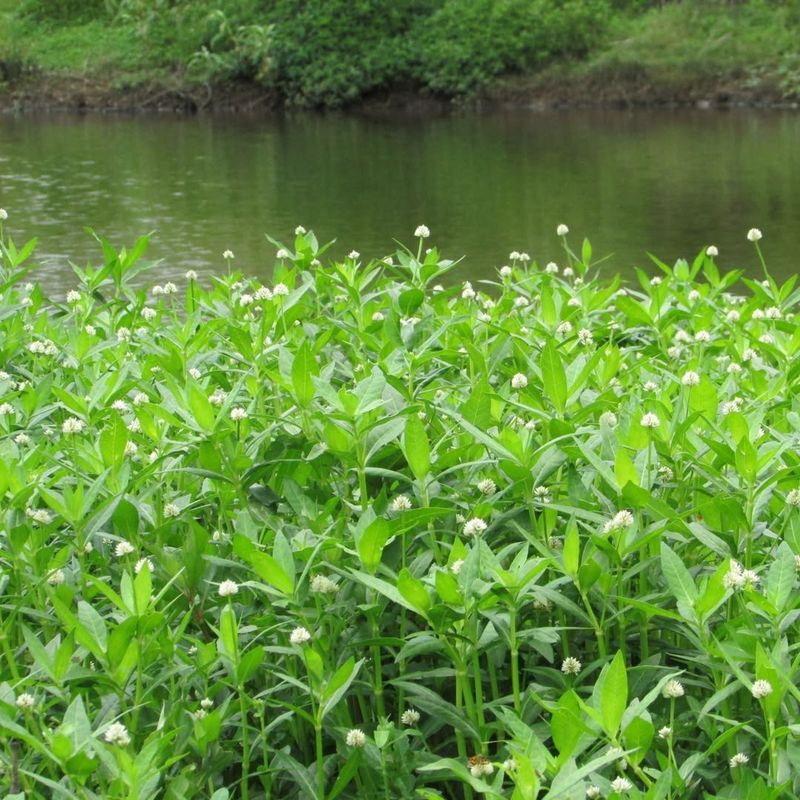
Alligatorweed thrives in both aquatic and terrestrial environments, making it especially problematic since it invades diverse habitats across Georgia’s varied landscape.
The plant forms dense mats in ditches, ponds, and wetlands while also spreading into agricultural fields where it competes with crops for resources.
Small white flowers appear above the foliage, but reproduction occurs primarily through stem fragments that root easily wherever they contact moist soil.
Georgia regulations prohibit alligatorweed because it clogs irrigation systems, reduces water flow in drainage channels, and degrades wetland habitat quality for wildlife.
Farmers experience significant crop losses when alligatorweed invades fields, and the hollow stems make harvest equipment malfunction during operations in infested areas.
The plant tolerates flooding, drought, and a wide temperature range, allowing it to survive conditions that eliminate many other invasive species.
Biological control using specialized insects provides some suppression in certain areas, but complete eradication remains elusive once populations become well-established in regions.
Vigilant monitoring helps detect new infestations early when removal proves easier, making public awareness crucial for preventing spread to currently unaffected waterways statewide.
8. Tropical Soda Apple
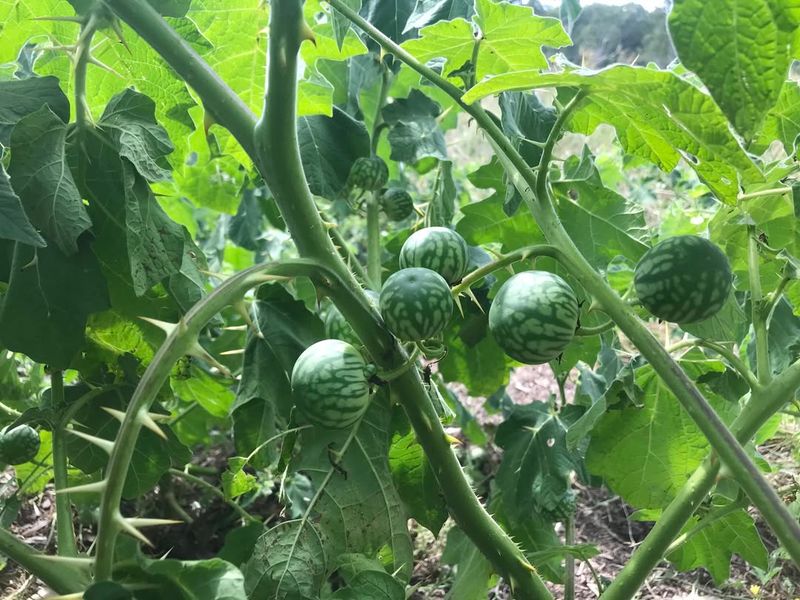
Tropical soda apple arrived in Georgia during the 1980s and quickly became one of the most troublesome invasive weeds affecting pastures and natural areas.
The plant grows rapidly, reaching five feet tall, and produces sharp spines that deter livestock from grazing in infested pastures and fields.
Each plant generates hundreds of small yellow fruits containing numerous seeds that remain viable in soil for years, creating persistent seed banks.
Georgia banned tropical soda apple because it reduces forage quality for cattle, spreads plant diseases, and invades native habitats with alarming speed and efficiency.
Cattle inadvertently spread seeds through manure after eating fallen fruits, transporting the weed to new pastures and creating additional infestations across properties.
The plant tolerates mowing and grazing pressure by resprouting from root crowns, making control difficult without combining multiple management strategies over time.
Ranchers face reduced carrying capacity on infested land since cattle avoid areas with dense tropical soda apple stands, effectively wasting valuable grazing acreage.
Early detection and rapid response prove essential because small patches can be removed manually, but established populations require expensive herbicide treatments and monitoring.
9. Chinese Tallow Tree
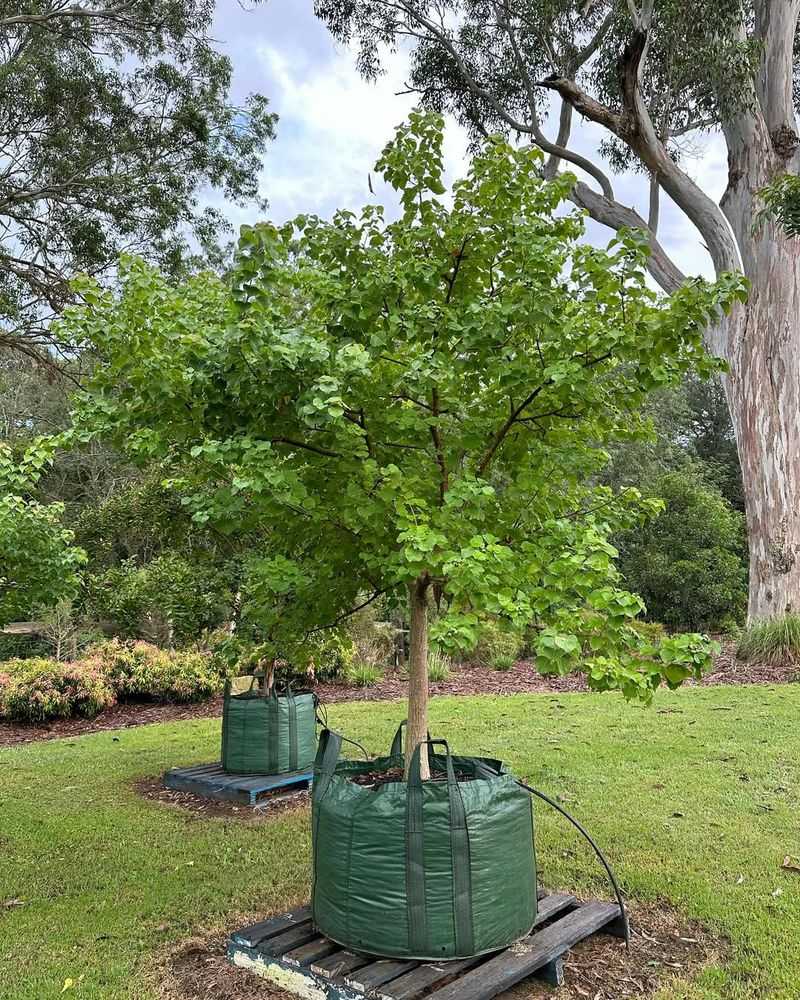
Chinese tallow tree displays brilliant fall colors that made it popular for landscaping before people understood its aggressive invasion of wetlands and forests.
The tree produces waxy white seeds that birds consume and disperse widely, allowing rapid colonization of natural areas far from planted specimens.
Georgia ecosystems suffer when Chinese tallow forms dense stands that exclude native trees and alter soil chemistry, making restoration extremely difficult and expensive.
State authorities banned this tree because it invades floodplains, coastal areas, and other sensitive habitats critical for maintaining biodiversity throughout the region.
The species tolerates flooding, drought, and poor soils better than most native trees, giving it unfair advantages in disturbed areas and wetland edges.
A single mature tree produces thousands of seeds annually, and the high germination rate ensures rapid population expansion wherever conditions permit establishment.
Land managers must remove Chinese tallow promptly because established trees resprout vigorously from stumps and roots after cutting without herbicide treatment applied immediately.
Wildlife habitat quality declines in invaded areas since the tree provides poor food value compared to native species that support diverse insect populations.
10. Japanese Climbing Fern
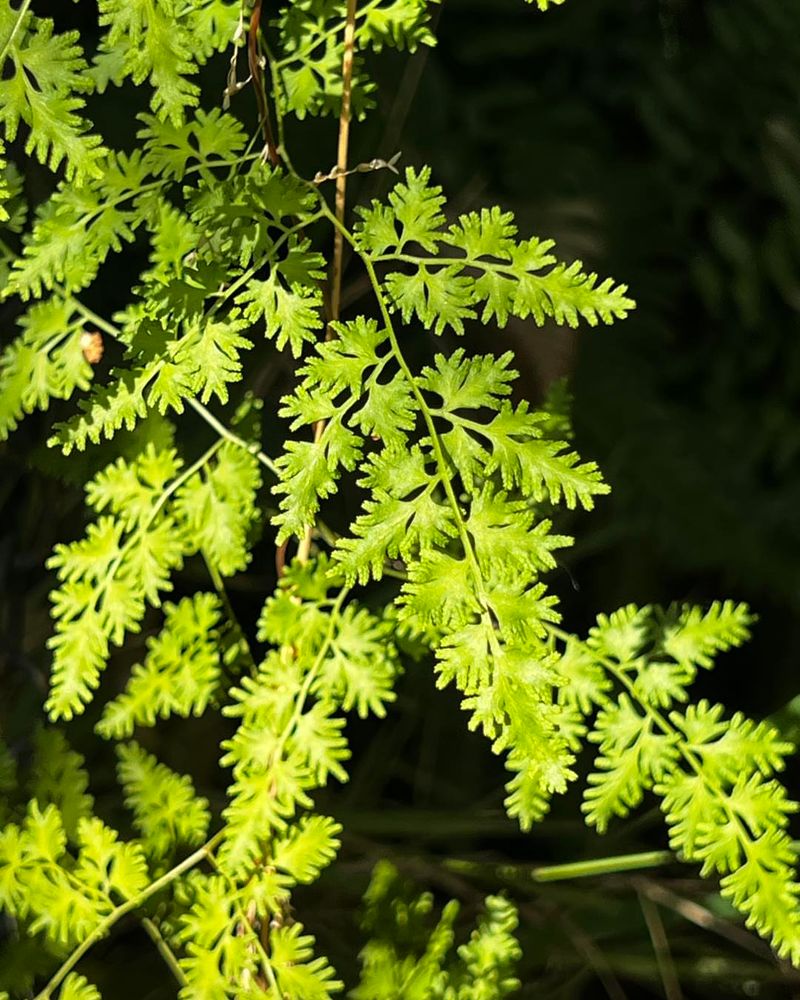
Japanese climbing fern differs from typical ferns because it grows as a vine that climbs high into tree canopies using specialized twining leaves.
The fern spreads through windblown spores and vegetative growth from rhizomes, allowing it to colonize new areas and expand existing patches simultaneously.
Georgia forests face threats when this fern creates thick blankets over vegetation, adding weight that breaks branches and eventually topples entire trees.
State regulations prohibit Japanese climbing fern because it increases wildfire fuel loads and changes forest structure in ways that harm native plant communities.
The fern remains green year-round in southern Georgia, creating continuous flammable material that carries fires into tree crowns where flames cause maximum damage.
Forest managers struggle to control established infestations because the extensive underground rhizome system survives most control efforts and regenerates quickly after treatment attempts.
Spores travel long distances on wind currents, making containment difficult and requiring monitoring across large areas to detect new colonies before expansion.
Prescribed burning, typically used for forest management, actually helps Japanese climbing fern spread by creating open areas ideal for spore germination and establishment.
11. Hydrilla
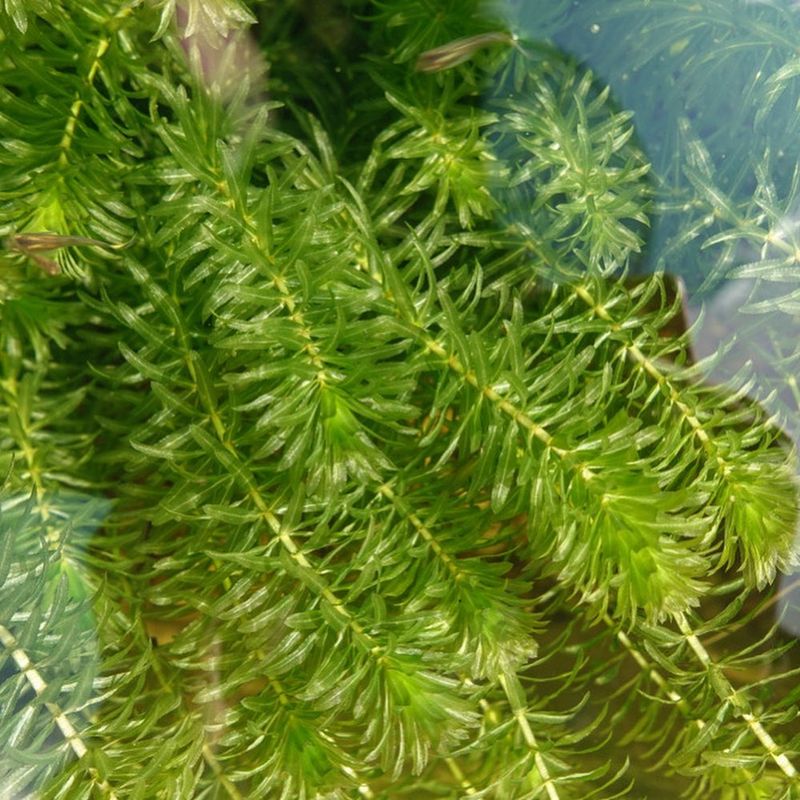
Hydrilla grows entirely underwater and can reach water surfaces in lakes over twenty feet deep, forming impenetrable tangles that trap swimmers.
The plant reproduces through fragmentation, tubers, turions, and sometimes seeds, giving it multiple pathways to spread and survive control efforts successfully.
Georgia banned hydrilla because it clogs water intake pipes, fouls boat propellers, and eliminates recreational opportunities on public lakes and reservoirs statewide.
Tiny fragments break off easily and attach to boats and trailers, spreading the plant between water bodies despite efforts to inspect and clean equipment.
Native aquatic plants cannot compete with hydrilla’s aggressive growth rate, which can exceed one inch per day during peak growing season in summer.
Fish populations initially increase in lightly infested areas but decline as dense growth prevents predators from hunting and reduces overall habitat quality significantly.
Control costs run into millions annually for lake management authorities who use herbicides, mechanical harvesting, and biological control agents to suppress growth patterns.
Property owners on infested lakes watch real estate values plummet as water access becomes impossible and swimming areas turn into impenetrable jungles of vegetation.
12. Brazilian Pepper Tree
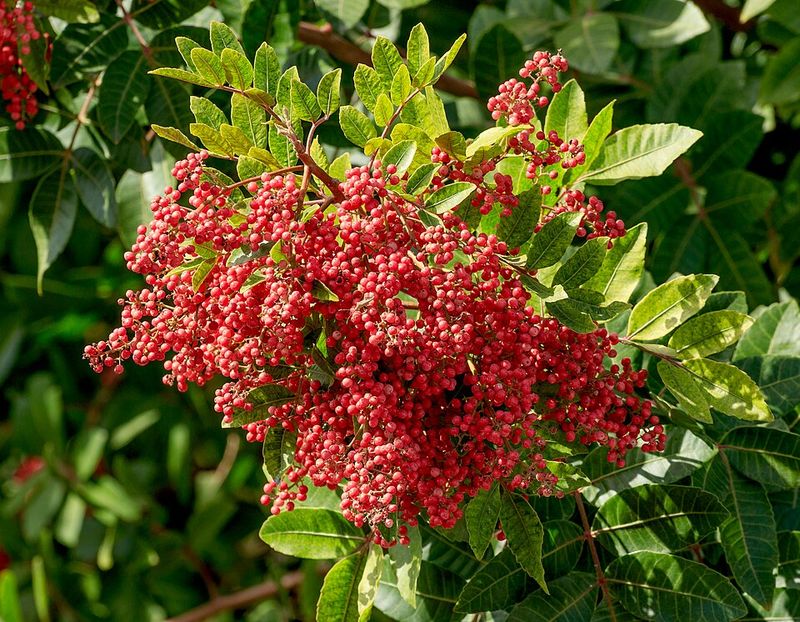
Brazilian pepper tree produces clusters of bright red berries during winter holidays, which initially made it popular for landscaping and festive decorations.
The tree spreads aggressively through bird-dispersed seeds and forms dense thickets that completely exclude native vegetation from invaded areas across landscapes.
Georgia authorities banned Brazilian pepper because it invades coastal habitats, alters natural fire regimes, and causes allergic reactions in sensitive individuals exposed to foliage.
The plant releases chemicals into soil that inhibit germination and growth of other species, a process called allelopathy that gives it competitive advantages.
Birds find the berries attractive and consume them readily, then deposit seeds in natural areas far from planted trees, accelerating invasion rates.
Coastal ecosystems particularly suffer when Brazilian pepper invades maritime forests and wetland edges, displacing plants adapted to salt spray and flooding cycles.
The tree resprouts vigorously after cutting, and stumps must receive herbicide treatment immediately to prevent regrowth from the extensive root system below.
Sap and leaves contain compounds similar to poison ivy that cause skin rashes and respiratory irritation when people handle plant material during removal.
13. Purple Loosestrife
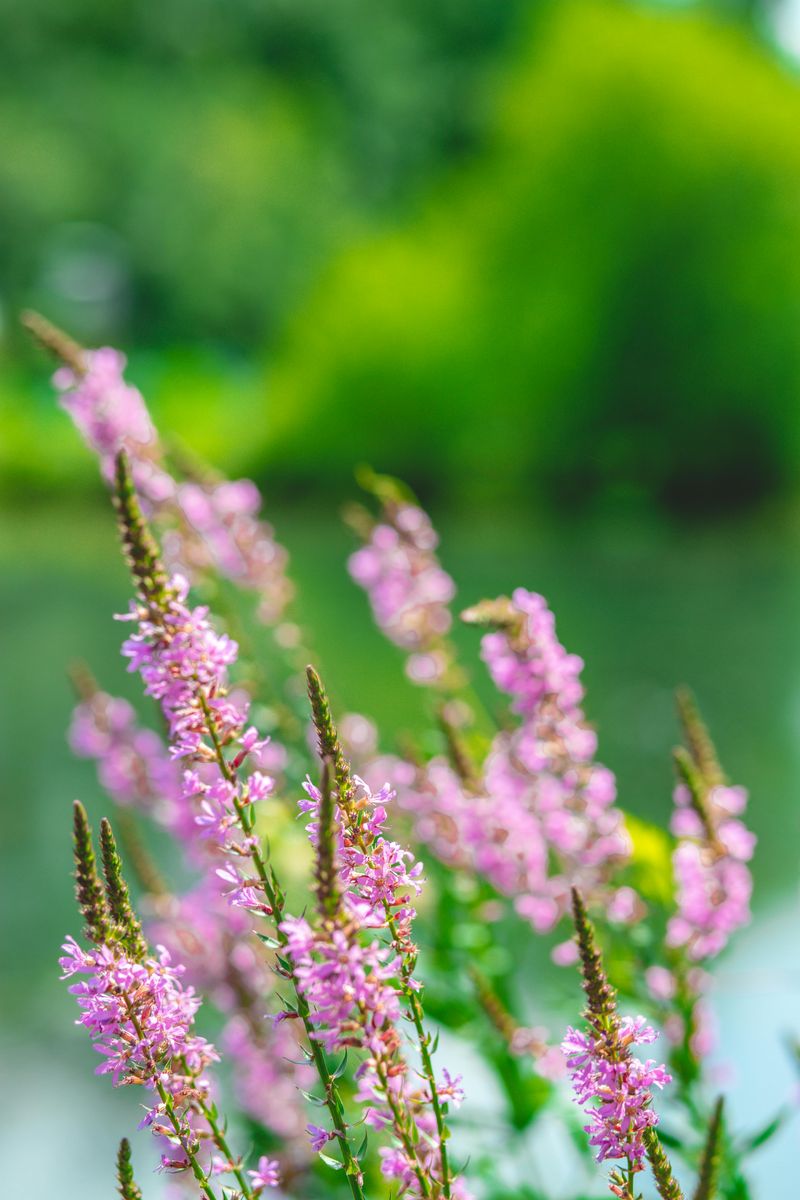
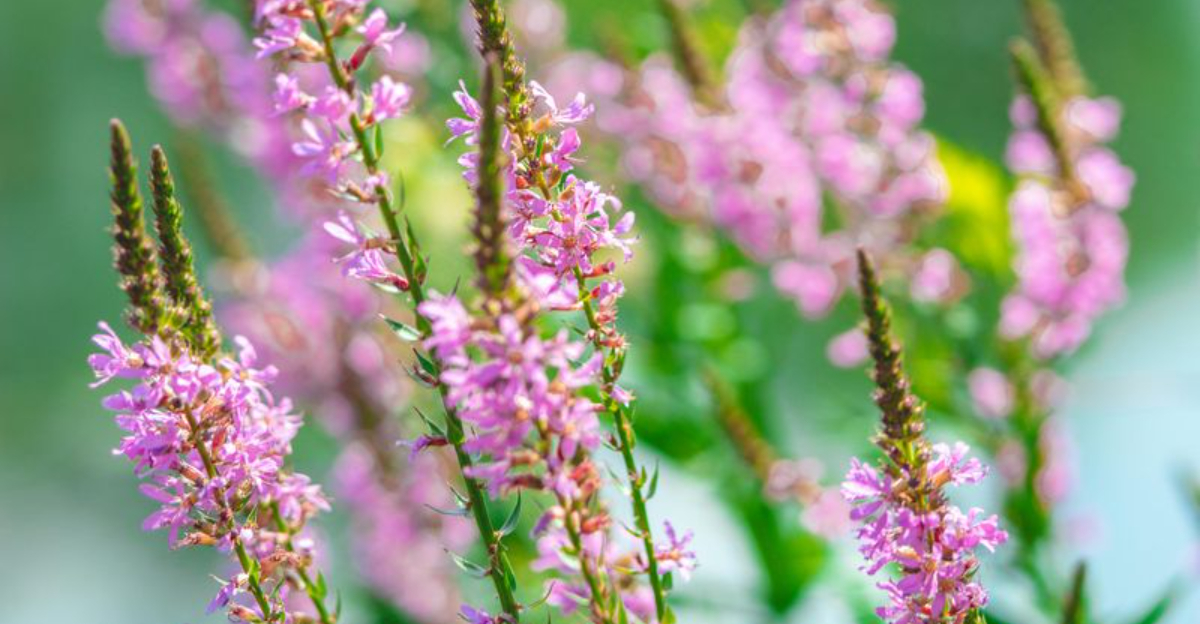
Purple loosestrife displays stunning magenta flower spikes that made it a favorite for water gardens before its destructive impact on wetlands became apparent.
Each plant produces millions of tiny seeds annually that disperse on water, wind, and wildlife, ensuring rapid colonization of marshes and pond edges.
Georgia wetlands lose ecological value when purple loosestrife forms dense stands that crowd out native plants essential for waterfowl and other wildlife species.
State regulations prohibit this plant because it degrades habitat quality, reduces biodiversity, and alters wetland hydrology in ways that harm ecosystem function overall.
The plant tolerates a wide range of water levels and soil conditions, allowing it to invade both permanently flooded areas and seasonally wet sites.
Native wetland plants cannot compete with purple loosestrife’s aggressive growth and prolific seed production, leading to monotypic stands devoid of plant diversity.
Biological control using specialized beetles provides some suppression in certain regions, but complete eradication remains unlikely once populations become firmly established in habitats.
Gardeners should choose native alternatives like swamp milkweed or cardinal flower that provide similar beauty without threatening Georgia’s precious wetland ecosystems and resources.