What Ohio Gardeners Should Do Now For Gorgeous Spring Coneflowers
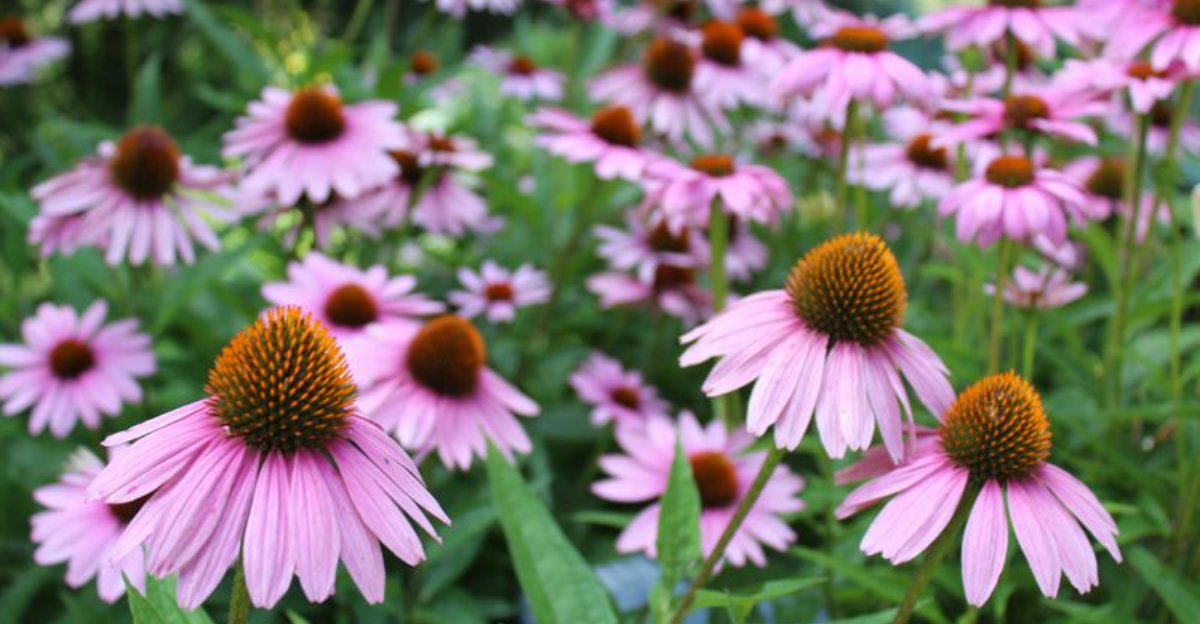
Coneflowers bring stunning color and pollinator activity to Ohio gardens each spring when you prepare them properly during the cooler months ahead.
These hardy native perennials thrive in our climate but need specific care steps now to produce their most vibrant blooms come springtime.
Preparing your coneflowers before winter arrives ensures strong root systems, healthy plants, and an explosion of colorful flowers when warm weather finally returns.
Follow these practical tasks to set your coneflowers up for their best growing season yet and enjoy a garden full of gorgeous spring blooms.
Test Your Soil pH Levels

Coneflowers prefer slightly acidic to neutral soil, making a pH test your first smart move before winter sets in across Ohio gardens.
Most garden centers sell affordable testing kits that give quick results about your soil chemistry in just a few minutes of work.
Coneflowers grow best when pH levels fall between 6.0 and 7.0, which matches most Ohio soil conditions naturally found here.
Adding lime raises pH if your soil tests too acidic, while sulfur lowers it when readings show alkaline conditions instead.
Testing now gives you time to amend soil before spring planting season arrives with warmer temperatures and longer daylight hours ahead.
Proper pH ensures coneflowers absorb nutrients efficiently, leading to stronger stems, healthier foliage, and more abundant flowers throughout the growing season.
Retest every two or three years to maintain optimal conditions as soil chemistry changes over time with weather and fertilizer use.
Keeping records of your test results helps track patterns and adjust your gardening approach for consistently beautiful coneflower displays each year.
Clear Away Deceased Plant Material

Removing spent foliage and dried stems from your coneflower beds prevents disease problems and pest issues from carrying over into next spring.
Old plant material can harbor fungal spores, insect eggs, and bacterial infections that survive cold Ohio winters hiding in garden debris.
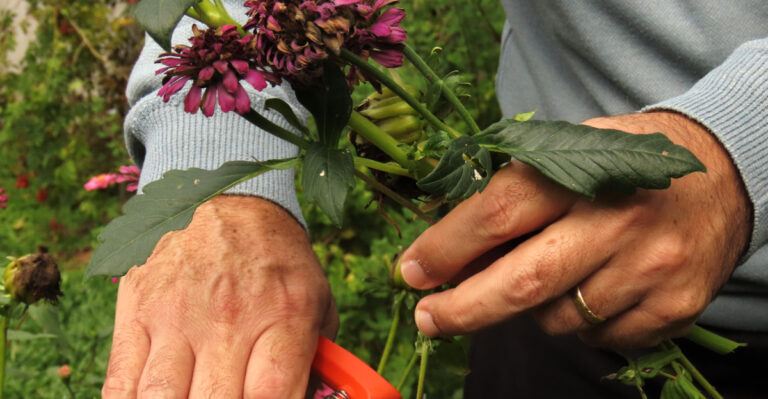
Cut back deceased stems to about three inches above ground level using clean, sharp pruning shears to avoid damaging healthy crowns.
Some gardeners prefer leaving a few seed heads standing through winter to feed hungry birds visiting the garden during cold months.
Rake up fallen leaves and petals from around the base of each plant to eliminate hiding spots for overwintering pests.
Compost healthy plant material in your bin, but discard any diseased foliage in the trash to prevent spreading problems throughout your garden.
This cleanup task takes minimal effort but dramatically reduces spring disease pressure, giving your coneflowers a cleaner start when growth resumes.
Finishing this chore before the first hard freeze makes the work easier and more pleasant in milder autumn weather conditions.
Apply A Layer Of Organic Mulch
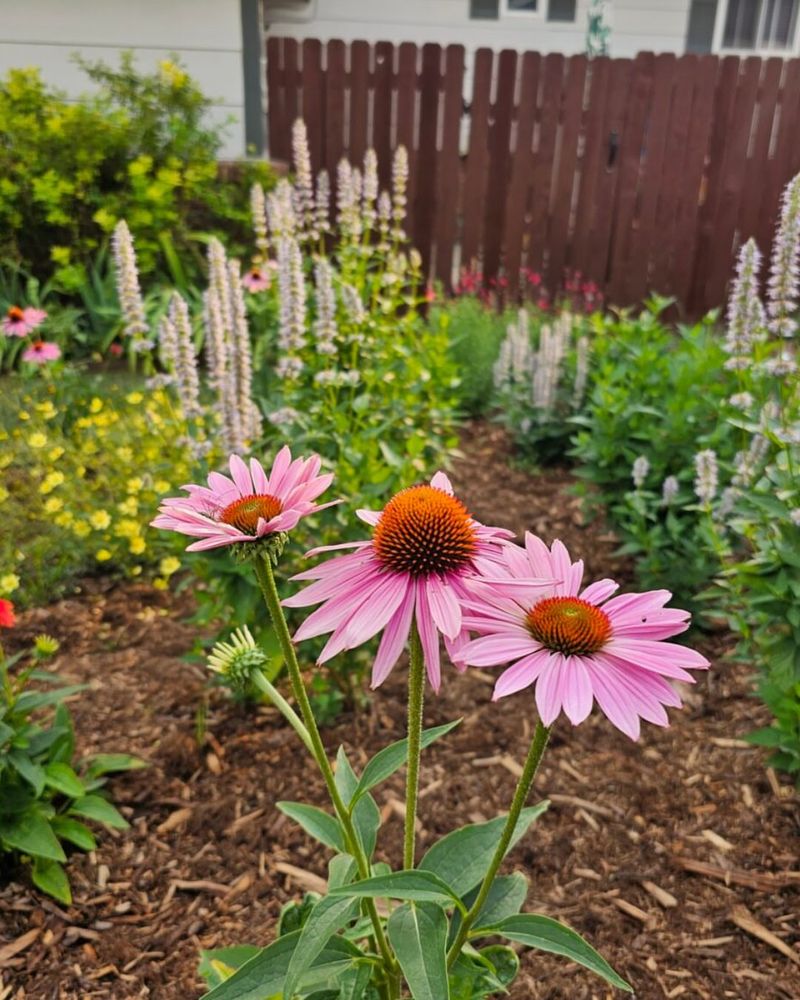
Mulching coneflower beds now protects roots from temperature fluctuations during Ohio’s unpredictable winter weather patterns and freeze-thaw cycles that damage plants.
Spread two to three inches of organic mulch like shredded bark, wood chips, or composted leaves around each plant carefully.
Keep mulch pulled back slightly from direct contact with coneflower crowns to prevent rot problems caused by excess moisture trapped there.
Your Ohio Garden Changes Every Week. Your Plan Should Too.
Gardening in Ohio changes quickly throughout the season. Every Friday you’ll receive a simple weekly plan showing exactly what to plant, prune, fertilize, harvest, and protect so you never miss the right timing.
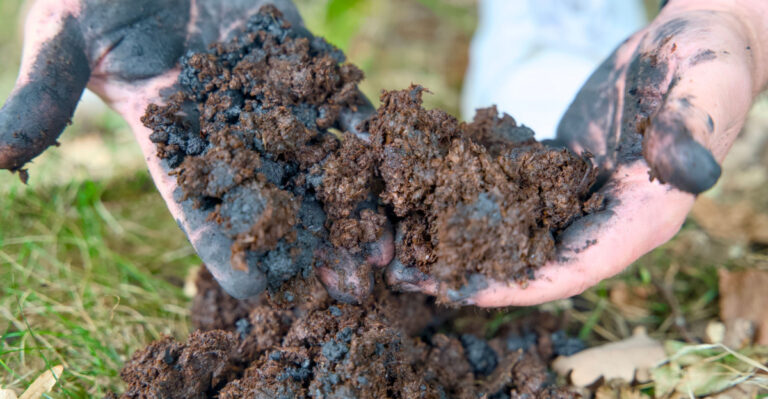
Organic materials break down gradually over time, adding valuable nutrients and improving soil structure as they decompose through winter months.
Mulch also suppresses early spring weeds that compete with coneflowers for water, nutrients, and growing space in your garden beds.
Choose mulch colors that complement your garden design while providing practical benefits like moisture retention and temperature moderation for plant roots.
Replenish mulch each fall to maintain adequate depth as older layers decompose and thin out over the growing season.
Proper mulching reduces watering needs next summer and keeps soil temperatures more stable, promoting healthier coneflower growth and better flowering performance overall.
Divide Overcrowded Clumps
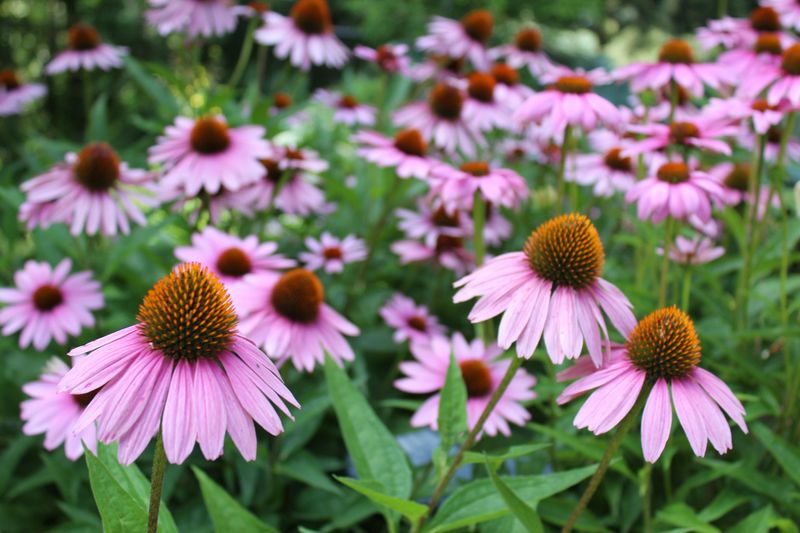
Coneflowers benefit from division every three to four years when clumps become crowded, producing fewer flowers and showing reduced vigor overall.
Fall division works perfectly in Ohio because cooler temperatures and increased rainfall help newly separated plants establish strong root systems before winter.
Use a sharp spade or garden fork to carefully lift entire clumps from the ground, preserving as many roots as possible.
Shake off excess soil so you can see the natural divisions where the plant separates into individual sections with their own roots.
Pull or cut clumps into pieces containing at least three to five healthy shoots and a good root mass for best results.
Replant divisions immediately at the same depth they grew originally, spacing them eighteen to twenty-four inches apart for adequate air circulation.
Water thoroughly after replanting to settle soil around roots and eliminate air pockets that can dry out and damage delicate root hairs.
Division rejuvenates tired plants, increases your coneflower collection without buying new plants, and improves overall garden performance with more blooms next spring.
Fertilize With Slow-Release Nutrients
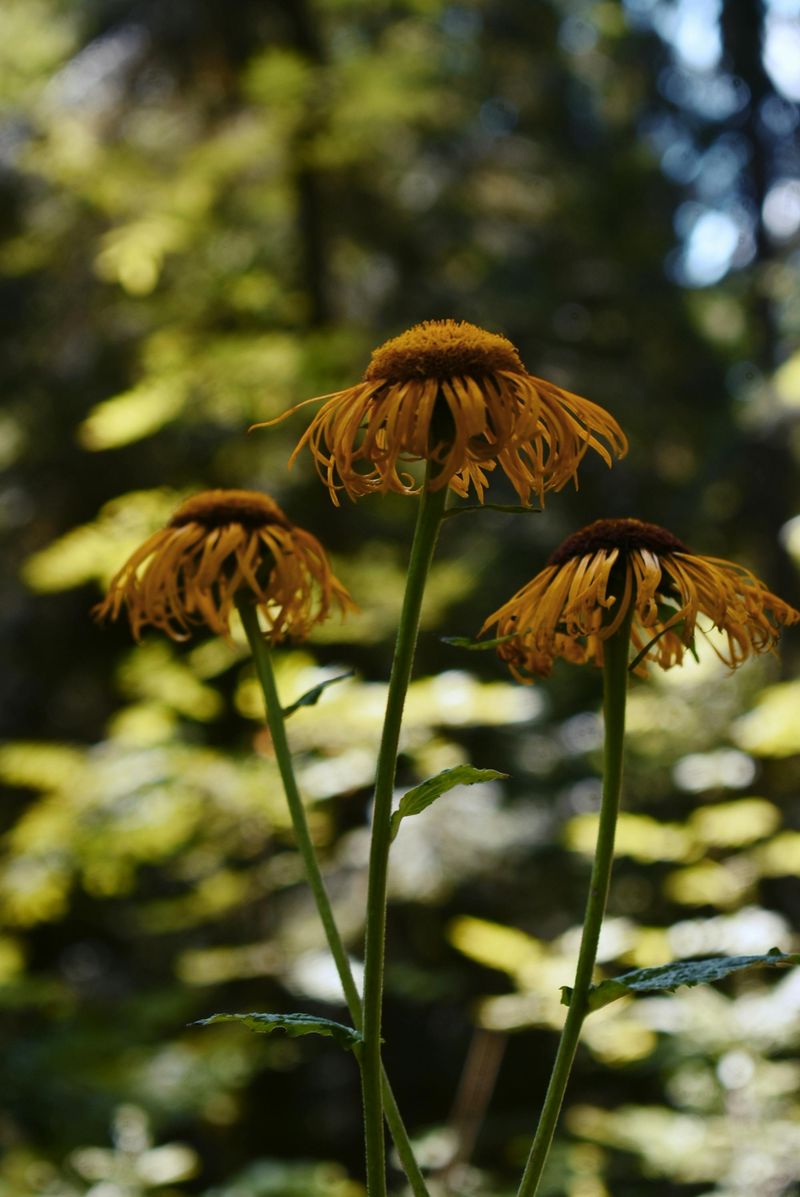
Feeding coneflowers now with slow-release fertilizer provides steady nutrition through winter dormancy and supports vigorous spring growth when temperatures finally warm.
Choose a balanced fertilizer with equal or similar amounts of nitrogen, phosphorus, and potassium listed on the package label instructions.
Organic options like composted manure, bone meal, or fish emulsion work beautifully and improve soil health beyond just providing plant nutrients.
Apply fertilizer according to package directions, spreading it evenly around the drip line where feeder roots actively absorb water and nutrients.
Avoid piling fertilizer directly against plant crowns where concentrated nutrients can burn tender tissues and cause damage instead of benefits.
Water lightly after application to help nutrients begin moving into the soil where roots can access them more easily.
Slow-release formulas prevent nutrient runoff and provide consistent feeding over several months rather than one quick burst that washes away.
Proper fertilization now ensures coneflowers have the resources needed to produce abundant flowers, strong stems, and healthy foliage throughout next spring.
Check For And Treat Pest Problems
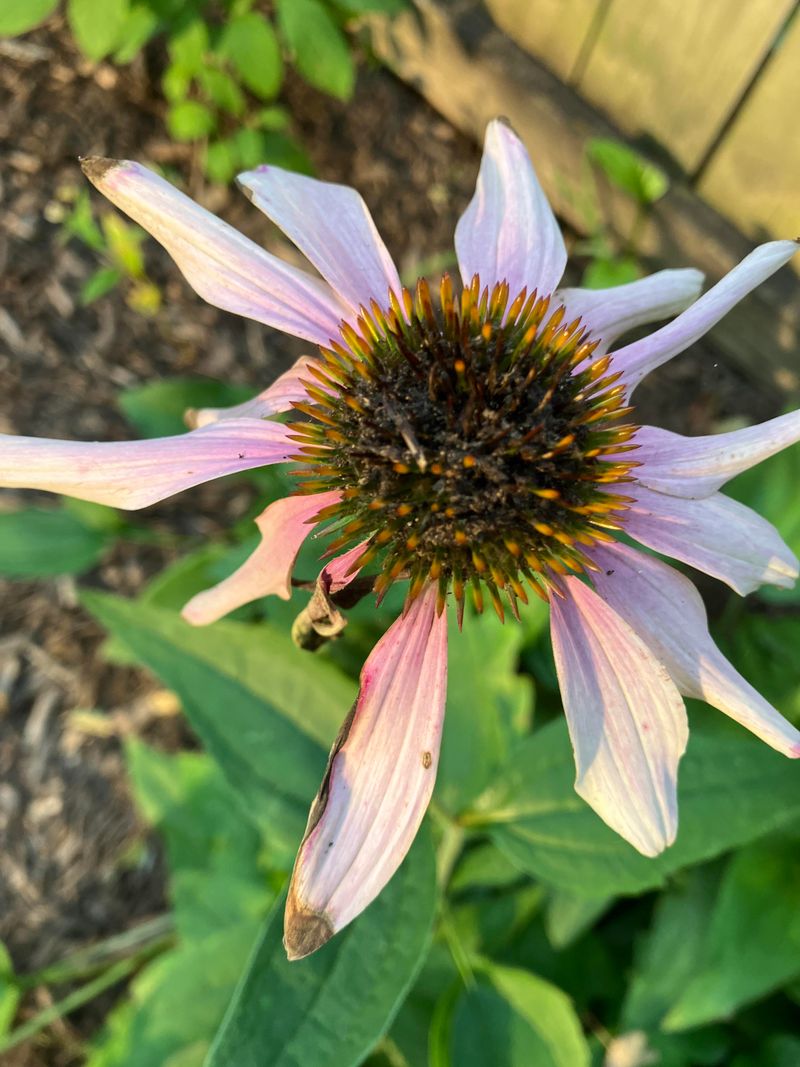
Inspecting coneflowers carefully before winter helps you catch pest infestations early when treatment options work most effectively and prevent spring damage.
Look for aphids clustering on stems, Japanese beetles chewing foliage, or spider mites creating fine webbing on leaf undersides during inspection.
Many pests lay eggs in plant debris or soil near coneflowers, waiting to hatch when spring warmth returns to gardens.
Remove visible pests by hand or spray plants with insecticidal soap or neem oil for organic control that protects beneficial insects.
Check the soil around plant bases for grubs or larvae that feed on roots underground where you cannot easily see them.
Beneficial nematodes applied to soil now can reduce grub populations naturally without harsh chemicals that harm earthworms and other helpful organisms.
Document pest problems you discover so you can plan preventive treatments next year before infestations become severe and difficult to manage.
Addressing pest issues now gives your coneflowers a healthier start next spring with less damage and stress affecting their growth and flowering.
Ensure Proper Drainage Around Plants
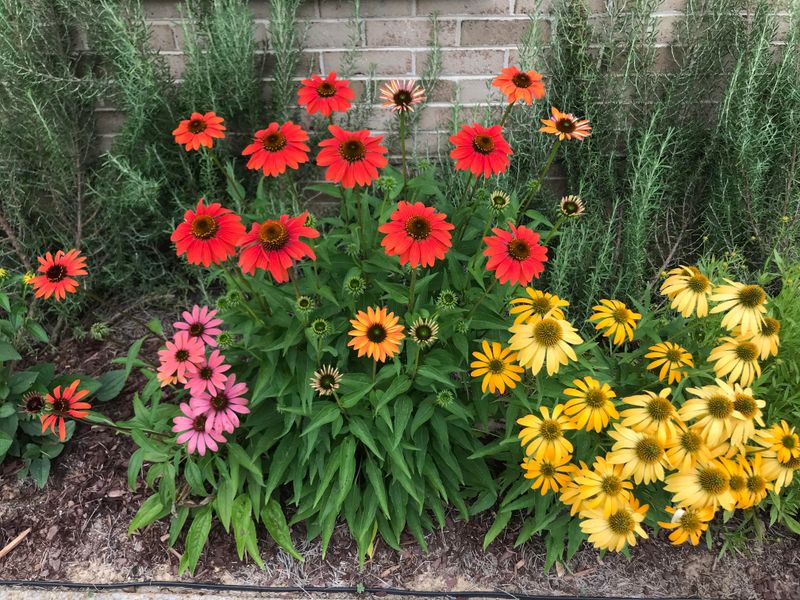
Coneflowers hate soggy soil conditions that suffocate roots and promote rot diseases, making good drainage absolutely essential for winter survival in Ohio.
Check your planting areas after heavy rain to see if water pools around coneflowers or drains away within a few hours.
Plants sitting in waterlogged soil develop root rot, crown rot, and fungal problems that weaken or destroy them before spring arrives.
Improve drainage by working coarse sand, perlite, or compost into heavy clay soils that hold water too long after rainfall.
Creating slightly raised beds or mounds lifts coneflower crowns above water level, preventing saturation during Ohio’s wet winter and spring months.
Install drainage tiles or dig shallow trenches to direct excess water away from planting areas toward lower ground or storm drains.
French drains filled with gravel provide excellent solutions for chronically wet spots where coneflowers struggle to survive long-term without intervention.
Proper drainage keeps roots healthy through winter dormancy and prevents the devastating losses that occur when spring reveals plants that rotted during cold months.
Plant New Coneflowers Before Frost
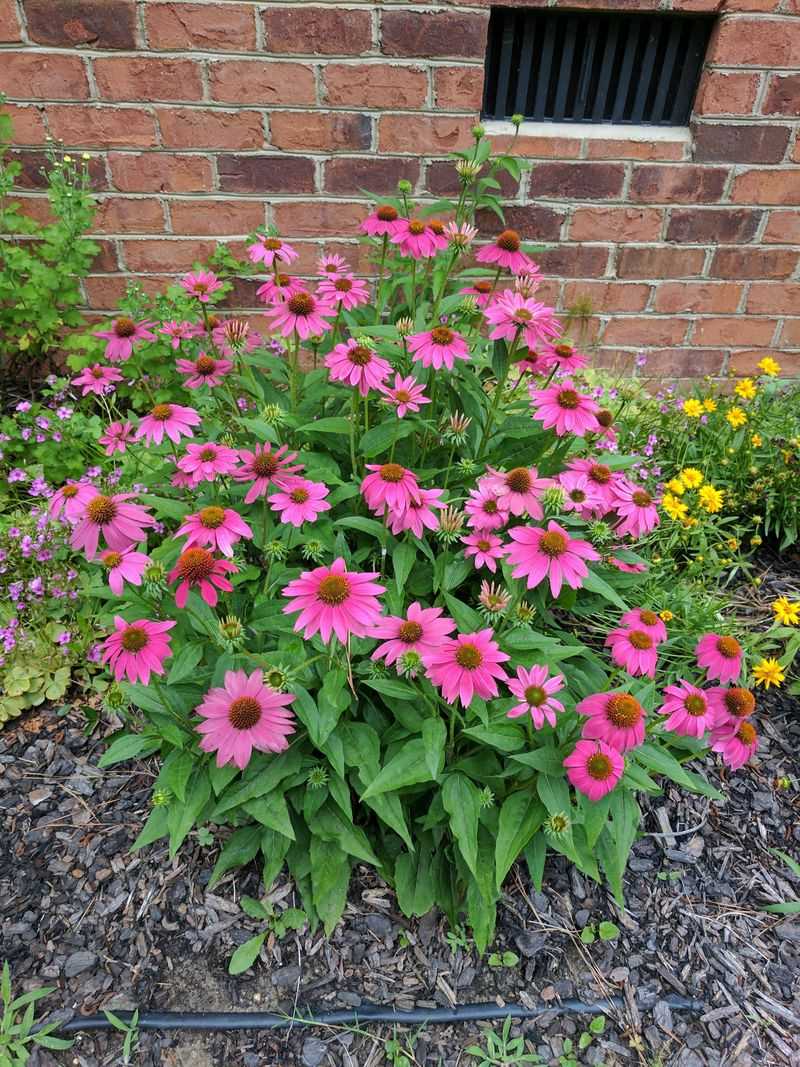
Autumn planting gives new coneflowers time to establish root systems before winter dormancy begins and spring growth demands maximum plant energy.
Choose healthy nursery plants with green foliage, sturdy stems, and roots that fill containers without circling excessively around the pot edges.
Plant coneflowers at least six weeks before your area’s average first frost date to allow adequate establishment time in Ohio conditions.
Select sites receiving six to eight hours of direct sunlight daily for best flowering performance when spring arrives with longer days.
Space plants eighteen to twenty-four inches apart to provide good air circulation that reduces disease problems and allows mature size growth.
Set plants at the same depth they grew in nursery containers, avoiding planting too deep which smothers crowns and causes rot.
Water thoroughly after planting to settle soil and eliminate air pockets, then maintain consistent moisture until the ground freezes solid.
Fall-planted coneflowers often outperform spring-planted ones because established roots support faster growth and earlier flowering when warm weather finally returns to gardens.
Mark Plant Locations For Spring
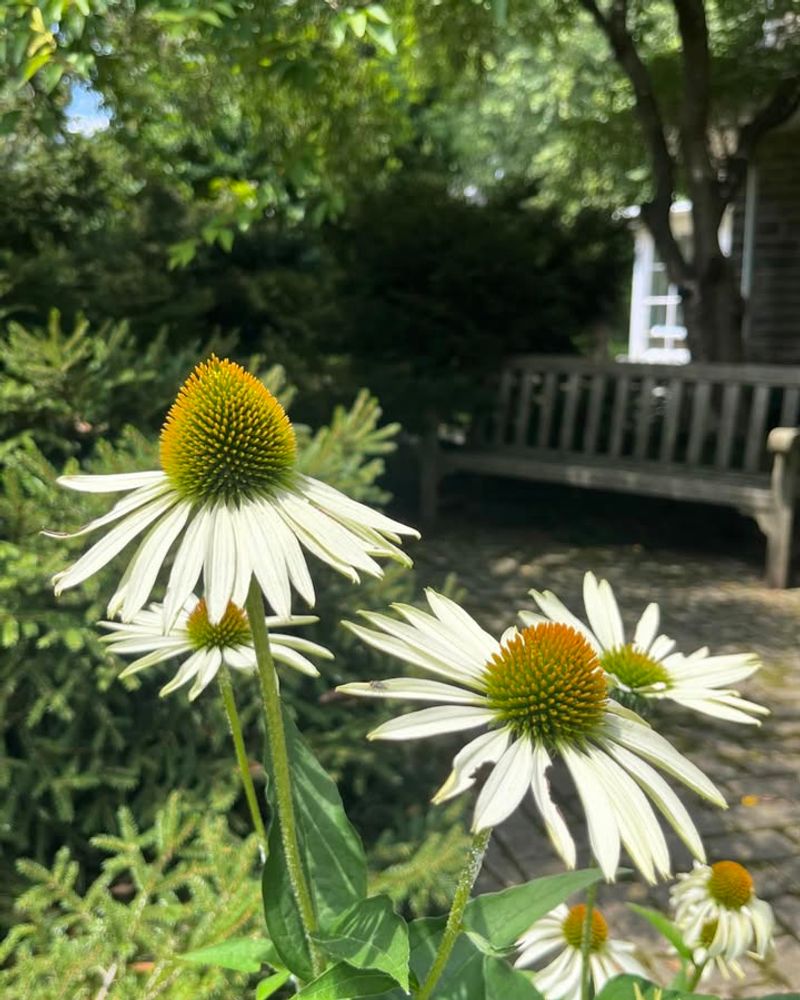
Marking where coneflowers grow prevents accidentally digging them up during spring cleanup when dormant plants show no visible signs above ground level.
Use durable markers like metal or plastic stakes that withstand Ohio’s harsh winter weather without fading, breaking, or washing away completely.
Label markers clearly with plant names, colors, and varieties so you remember exactly what grows in each spot when planning spring gardens.
Placing markers helps you avoid disturbing emerging shoots when you add new plants, spread mulch, or work soil in early spring.
Take photos of your coneflower beds now while plants are still visible, creating a reference guide for next season’s planning and planting.
Draw simple garden maps showing plant locations, spacing, and color schemes that help you visualize the finished garden before everything emerges.
These records prove invaluable when you want to add complementary plants, move specimens, or redesign beds without losing track of existing coneflowers.
Proper marking saves time, prevents frustration, and protects your investment in these beautiful perennials that return reliably year after year with care.
Water Deeply Before Ground Freezes

Providing deep watering before winter ensures coneflower roots have adequate moisture reserves to survive Ohio’s cold, dry months when plants cannot absorb water.
Plants continue losing moisture through stems and crowns even during dormancy, making pre-winter hydration crucial for preventing desiccation damage to root systems.
Water slowly and deeply so moisture penetrates eight to ten inches down where most coneflower roots actively grow and store energy.
Check soil moisture by pushing your finger into the ground near plants, watering when the top two inches feel dry to touch.
Apply water in the morning on days when temperatures stay above freezing, allowing excess moisture to drain before nighttime cold arrives.
Avoid watering frozen ground which just runs off the surface without penetrating soil or reaching plant roots where moisture matters most.
Soaker hoses or drip irrigation systems deliver water efficiently without waste, keeping foliage dry and reducing disease risks from splashing water.
Adequate pre-winter watering helps coneflowers emerge stronger in spring, ready to produce the gorgeous flowers Ohio gardeners anticipate after long winter months.