Why Rhode Island Homeowners Repot Certain Indoor Plants Before January
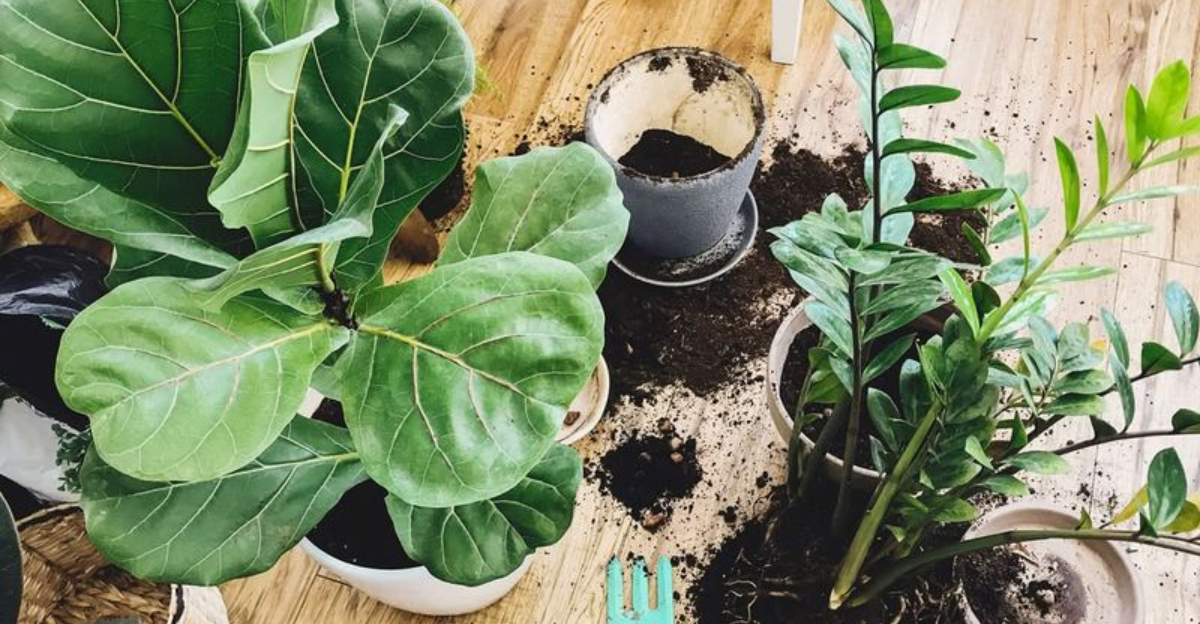
Repotting before January can make a bigger difference than it sounds, especially in Rhode Island homes where winter conditions arrive quickly.
I’ve noticed certain indoor plants respond better when this task is done early, rather than waiting until growth slows too much.
That timing often leads to steadier roots, less stress, and healthier plants once the new season begins.
1. Root Systems Need Space to Grow During Dormant Months
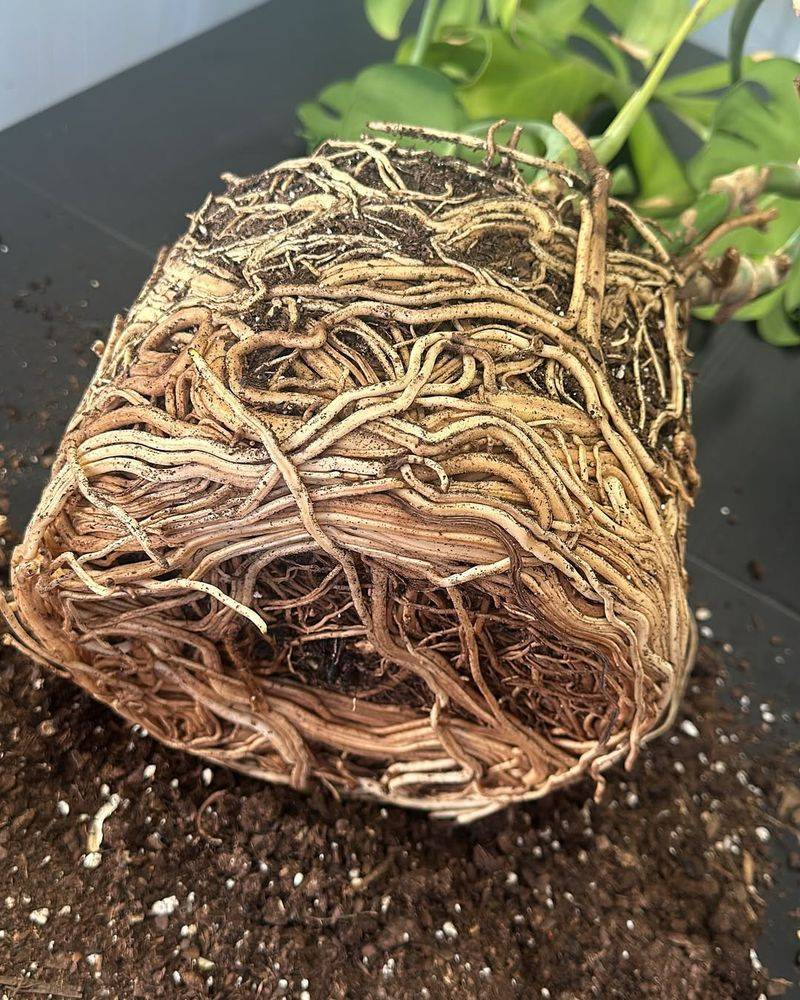
Plants slow down their visible growth during winter, but their roots continue working beneath the surface to prepare for spring blooms ahead.
Many Rhode Island homeowners notice their plants becoming root-bound by late fall, with roots circling the pot bottom in tight spirals.
Repotting before January gives roots fresh space to stretch out comfortably during the dormant season when plants focus energy below ground.
Crowded roots struggle to absorb water and nutrients properly, which weakens plants over time and makes them vulnerable to stress and problems.
Fresh potting mix provides better drainage and airflow around roots, helping prevent rot issues common in Rhode Island’s humid winter indoor environments.
Plants with adequate root space develop stronger structures that support healthier foliage when active growth resumes in warmer months ahead naturally.
Timing repotting before January allows plants to adjust to new containers before winter’s harshest conditions arrive in the Ocean State.
Root health directly impacts overall plant vitality, making pre-winter repotting a smart investment in your indoor garden’s long-term success and beauty.
2. Fresh Soil Prevents Nutrient Depletion Problems

Potting soil loses its nutritional value over months of use as plants consume minerals and organic matter breaks down into simpler compounds.
By December, many houseplants have been sitting in the same soil for months or even years, draining available nutrients completely dry.
Rhode Island gardeners who repot before January provide their plants with nutrient-rich soil that sustains them through the challenging winter period.
Depleted soil becomes compacted and dense, preventing water from flowing through properly and creating pockets where moisture accumulates unhealthily in containers.
New potting mix contains balanced amounts of nitrogen, phosphorus, and potassium that plants need for maintaining strong immune systems during stress.
Plants growing in exhausted soil show yellowing leaves, stunted growth, and increased susceptibility to pests that take advantage of weakened specimens.
Fresh soil also contains beneficial microorganisms that support root health and help plants resist common indoor problems throughout Rhode Island’s long winters.
Repotting before the new year ensures your plants have the nutritional foundation they need to survive until outdoor gardening season returns.
3. December Timing Reduces Transplant Shock Severity
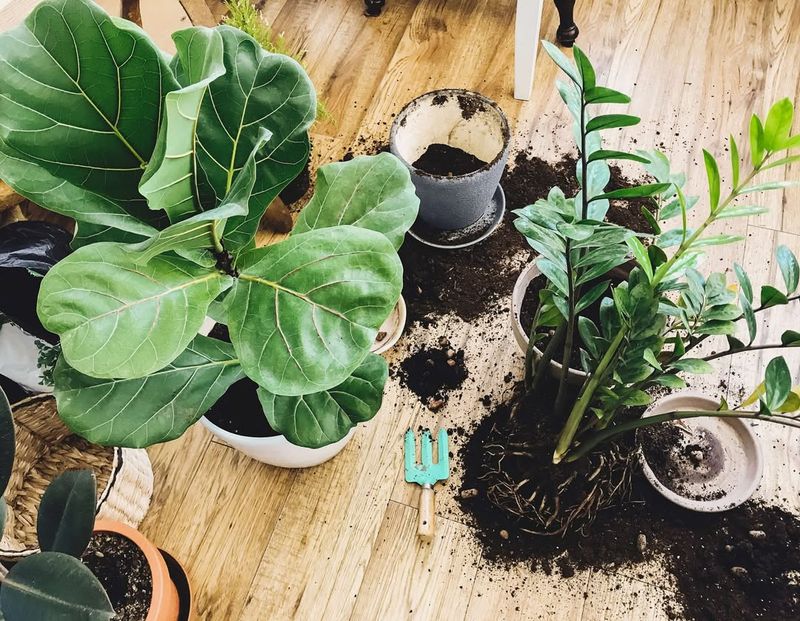
Moving plants to new containers always causes some stress, but timing this transition during their natural rest period minimizes negative impacts significantly.
Most houseplants enter a semi-dormant state during late fall and early winter when daylight hours shorten and temperatures drop in homes.
Rhode Island homeowners take advantage of this slower growth phase by repotting before January when plants are less actively producing new leaves.
Transplant shock occurs when roots are disturbed, but dormant plants recover more quickly because they’re not trying to support rapid growth simultaneously.
Your Rhode Island Garden Changes Every Week. Your Plan Should Too.
Gardening in Rhode Island changes quickly throughout the season. Every Friday you’ll receive a simple weekly plan showing exactly what to plant, prune, fertilize, harvest, and protect so you never miss the right timing.
Plants repotted during active growing seasons often drop leaves, wilt dramatically, or struggle for weeks as they adjust to new environments.
December repotting allows several weeks of adjustment time before January’s coldest days arrive, giving roots time to establish in new containers gradually.
Indoor conditions in Rhode Island homes remain relatively stable during this period, which helps plants acclimate without additional environmental stressors complicating recovery.
Strategic timing makes the difference between a smooth transition and a struggling plant that takes months to bounce back fully.
4. Winter Pests Hide in Old Soil Layers
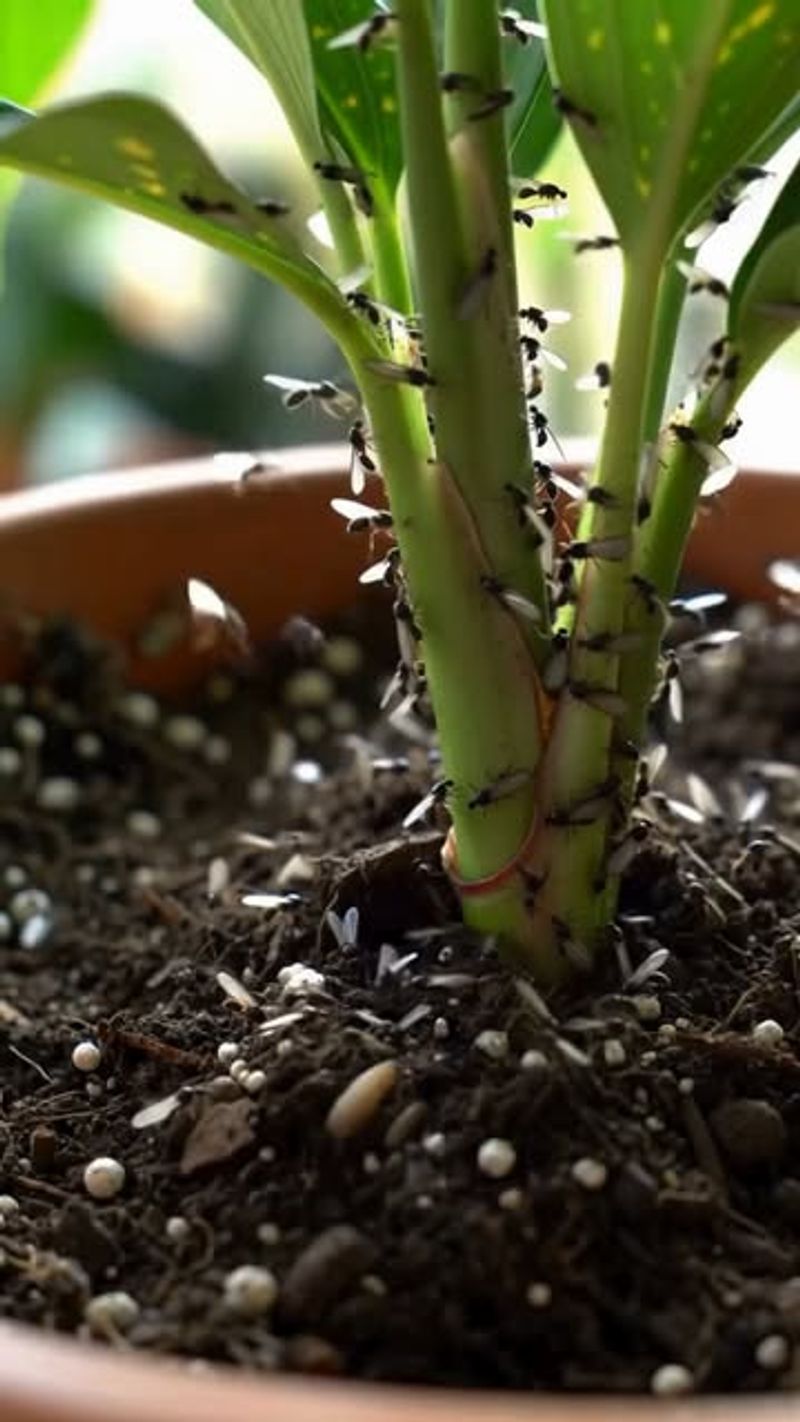
Fungus gnats, spider mites, and other unwanted visitors often lay eggs deep within potting soil where they remain undetected until populations explode.
Old soil provides perfect hiding spots for pest larvae that emerge during winter when indoor heating creates warm, comfortable conditions for breeding.
Rhode Island homeowners who repot before January remove these hidden threats before they become serious infestations requiring aggressive treatment methods later on.
Fungus gnats particularly love moist, decomposing organic matter found in soil that’s been used for extended periods without replacement or refreshing.
Fresh potting mix eliminates existing pest populations and their eggs, giving your plants a clean slate as they head into winter months.
Pests multiply rapidly in the warm, stable environment of Rhode Island homes during winter when plants are confined indoors without natural predators.
Prevention through repotting proves far easier than treating established infestations that can spread quickly from one plant to entire indoor collections overnight.
Clean soil combined with proper watering practices keeps pest problems minimal throughout the season when plants are most vulnerable to stress.
5. Proper Drainage Prevents Overwatering Damage
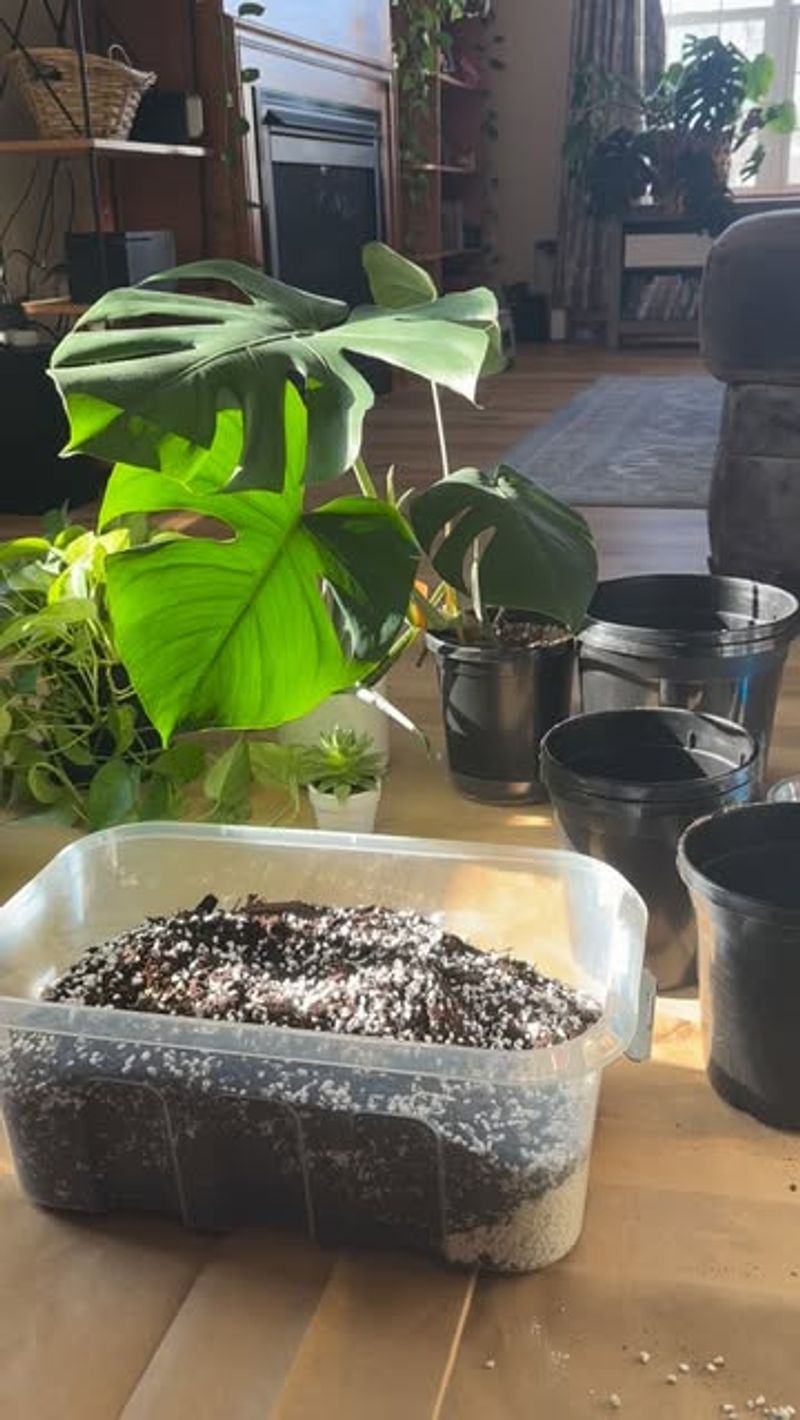
Compacted old soil becomes waterlogged easily, creating soggy conditions that suffocate roots and encourage harmful fungal growth in plant containers over time.
Winter watering requires extra caution because plants use less moisture during dormancy, making drainage quality absolutely critical for preventing root rot.
Rhode Island’s indoor heating systems dry out air but not necessarily soil, creating confusing conditions where surface appears dry while deeper layers stay wet.
Repotting before January with fresh, well-draining mix ensures excess water flows through containers properly instead of pooling around sensitive root systems.
Adding perlite, vermiculite, or orchid bark to new potting mix improves aeration and drainage, which becomes increasingly important during low-light winter months.
Plants sitting in waterlogged soil develop brown, mushy roots that can’t absorb nutrients properly, leading to yellowing leaves and overall decline.
Good drainage also prevents salt buildup from fertilizers, which accumulates in old soil and can burn roots when concentrations become too high.
Fresh soil with proper structure protects plants from the most common cause of houseplant failure during Rhode Island’s challenging indoor growing season.
6. Container Size Adjustments Support Seasonal Needs
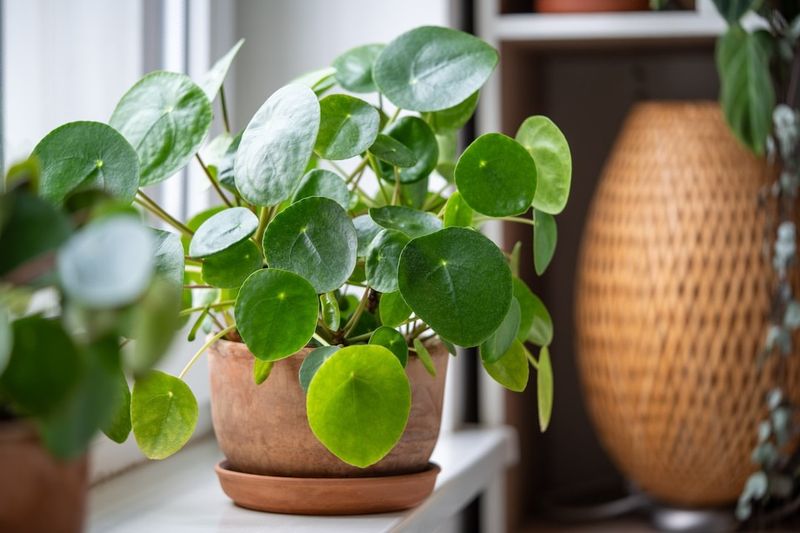
Some plants need larger containers to accommodate growing root systems, while others actually prefer slightly snugger homes that encourage blooming rather than foliage.
Evaluating container size before January allows Rhode Island gardeners to make strategic decisions about which plants need upsizing versus staying put currently.
Oversized pots hold too much moisture for small root systems, creating conditions where soil stays wet far too long between waterings.
Conversely, severely root-bound plants can’t access enough moisture or nutrients even with frequent watering because roots have displaced most available soil.
December repotting provides the perfect opportunity to match container size to current plant needs, setting them up for success through winter months.
Plants like peace lilies and snake plants actually bloom better when slightly root-bound, so moving them to giant pots backfires surprisingly.
Rhode Island homeowners who understand these nuances make better repotting decisions that align with each plant species’ particular preferences and growing patterns.
Right-sized containers also look more proportional and attractive, improving the overall aesthetic of your indoor plant displays throughout the cold season ahead.
7. Soil pH Levels Need Periodic Correction
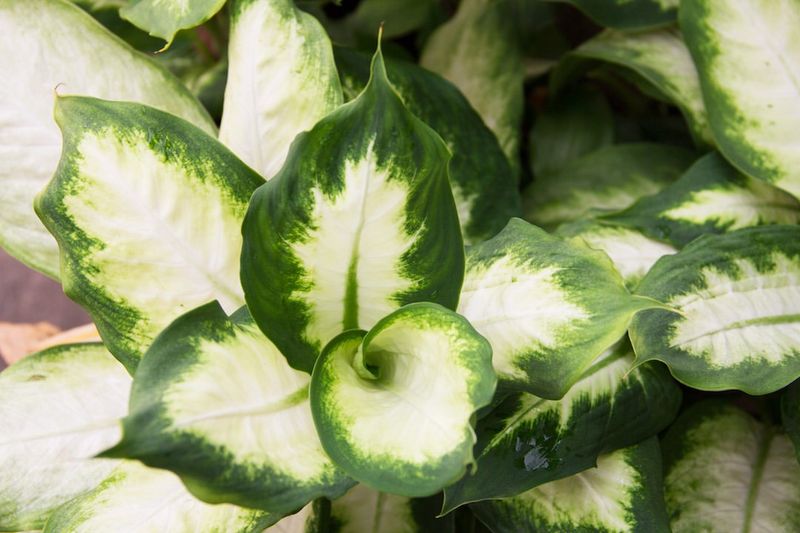
Potting soil gradually changes its acidity or alkalinity over time as minerals leach out, organic matter decomposes, and tap water minerals accumulate.
Most common houseplants prefer slightly acidic to neutral soil, but old potting mix often becomes too alkaline from mineral deposits and breakdown.
Rhode Island’s municipal water typically contains minerals that raise soil pH over months of use, making nutrients less available to plant roots gradually.
Repotting before January with fresh mix restores optimal pH levels that allow plants to absorb iron, magnesium, and other essential nutrients efficiently.
Plants struggling with pH imbalances show yellowing between leaf veins, stunted growth, and poor overall vigor despite regular fertilization and proper watering.
Acid-loving plants like African violets, gardenias, and ferns particularly suffer when soil becomes too alkaline from prolonged use without replacement or amendment.
Fresh potting soil formulated for specific plant types ensures pH stays within the ideal range where nutrient availability remains high throughout winter.
Correcting pH through repotting proves more effective and longer-lasting than trying to adjust existing soil with amendments that provide only temporary fixes.
8. Inspecting Roots Catches Problems Early
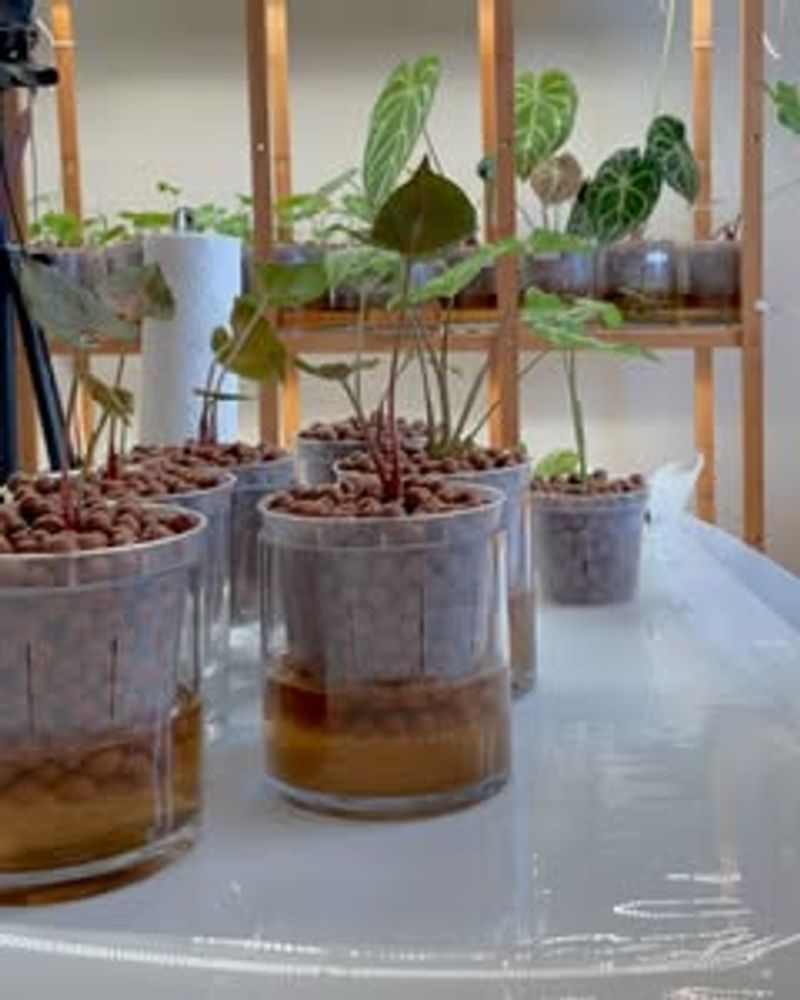
Removing plants from containers provides the only real opportunity to thoroughly examine root health and identify potential problems before they become serious.
Root rot, pest damage, and other underground issues remain invisible until plants are removed from pots and inspected carefully during repotting sessions.
Rhode Island gardeners who repot before January can spot and address root problems early, preventing plant loss during the stressful winter period.
Healthy roots appear white or light tan and feel firm when touched, while damaged roots turn brown, black, or mushy in texture.
Catching rot early allows you to trim affected areas, treat with fungicide if needed, and give plants fresh soil for recovery.
Circling roots can be gently loosened and redirected during repotting, encouraging them to grow outward into new soil instead of continuing spiral patterns.
Regular inspection also reveals whether plants have been overwatered or underwatered based on root development patterns and overall health indicators clearly visible.
This preventive maintenance approach saves plants that might otherwise decline slowly throughout winter without obvious above-ground symptoms appearing until too late.
9. Establishing Routine Maintenance Schedules Works Better
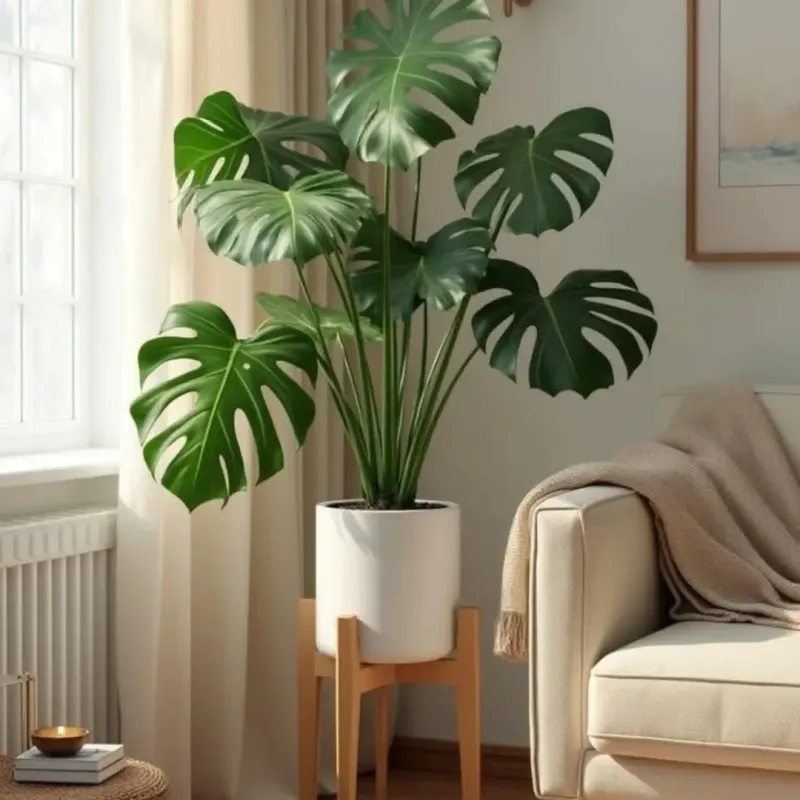
Creating consistent annual maintenance routines helps ensure plants receive proper care instead of being neglected until problems force emergency interventions later on.
Many Rhode Island homeowners schedule repotting during the holiday season when they’re already home more frequently and have time for indoor projects.
December provides a natural reminder point before the new year begins, making it easier to remember and stick with plant care schedules.
Plants repotted on regular schedules grow more vigorously and look healthier than those repotted only when they show obvious signs of distress.
Waiting until plants are severely root-bound or struggling makes recovery harder and increases the risk of losing specimens to stress-related problems.
Preventive maintenance through scheduled repotting takes less time overall than dealing with sick plants requiring intensive care and multiple interventions to recover.
Rhode Island’s indoor gardening season runs from fall through spring, so starting fresh in December sets plants up perfectly for months ahead.
Establishing this routine also helps you track which plants need annual repotting versus those that prefer being repotted every two or three years.