8 Garden Layout Changes Ohio Homeowners Make In The Off Season
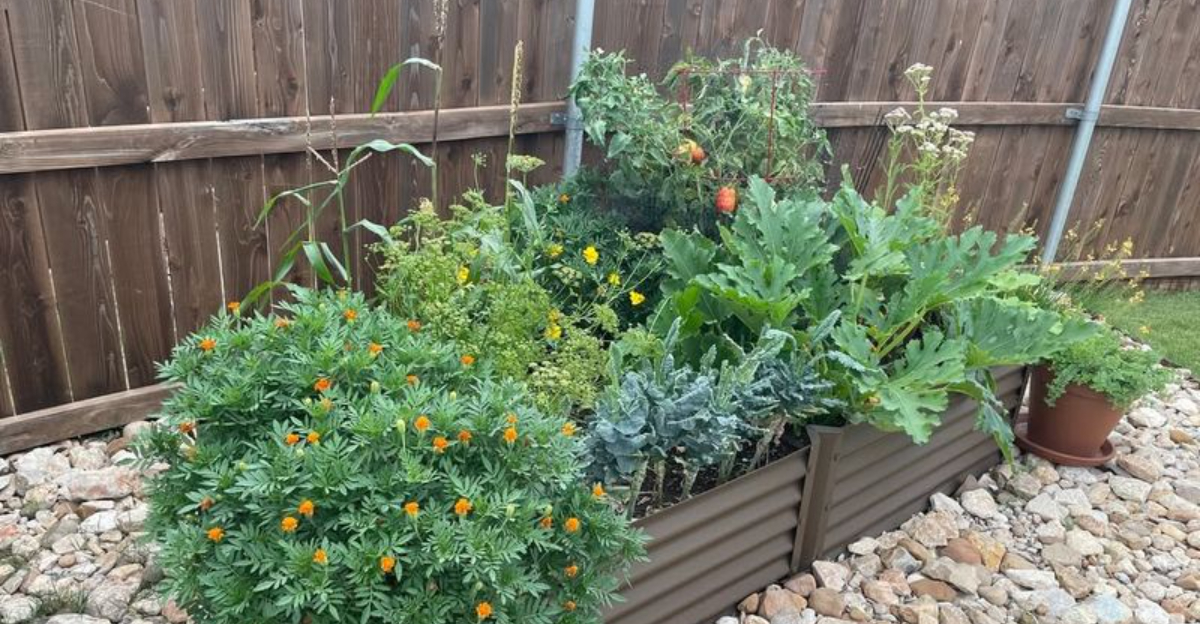
The off season is when Ohio yards finally slow down, giving homeowners space to rethink layouts without rushing around active plants.
I’ve noticed many smart changes happen now, especially ones that fix sunlight issues, awkward paths, or spots that never quite worked before.
These quiet layout tweaks tend to pay off later, making spring planting smoother and the entire garden feel more intentional.
1. Relocating Garden Beds for Better Sunlight
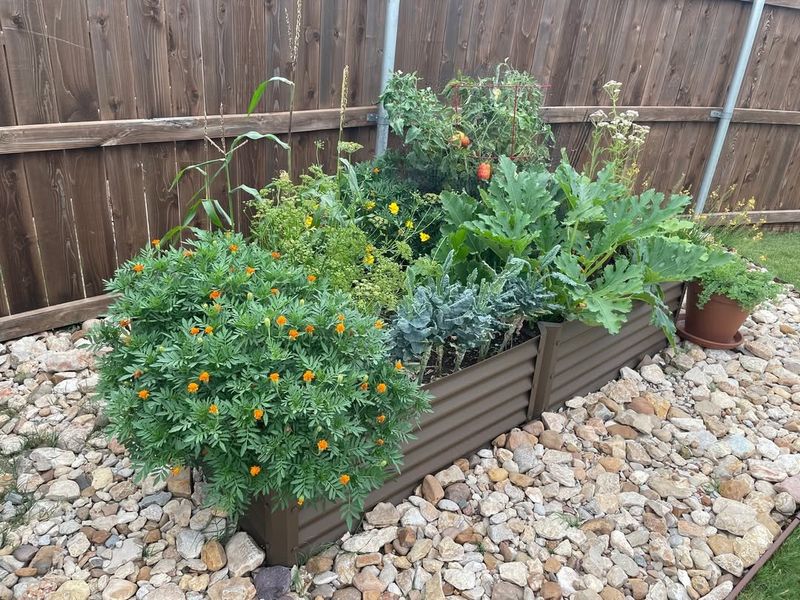
Moving garden beds during winter months allows Ohio homeowners to fix sunlight problems they noticed
throughout the previous growing season without disturbing active plants.
Observing how shadows fall across the yard becomes easier when trees lose their leaves and the sun sits lower in the sky.
Beds that received too much shade in summer might need shifting to sunnier spots for vegetables that crave full light exposure.
Planning the move during the off season means digging and hauling soil happens when the weather stays cool and physical work feels less exhausting.
Relocating beds also gives gardeners a chance to improve soil quality by mixing in fresh compost and organic matter before planting begins.
Ohio gardeners often discover that repositioning beds by just a few feet makes a huge difference in plant health and harvest yields.
Taking advantage of dormant months for this heavy task saves time and energy when spring planting season arrives and every minute counts outdoors.
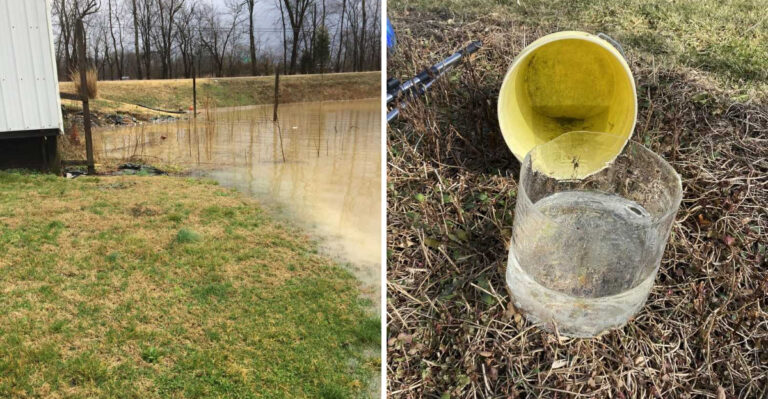
Adjusting bed placement now also helps improve drainage, preventing water from pooling in low spots that caused root issues during wetter parts of the season.
This proactive change sets up a smoother spring workflow, allowing Ohio gardeners to focus on planting instead of fixing layout mistakes under pressure.
2. Installing New Pathways Between Planting Areas
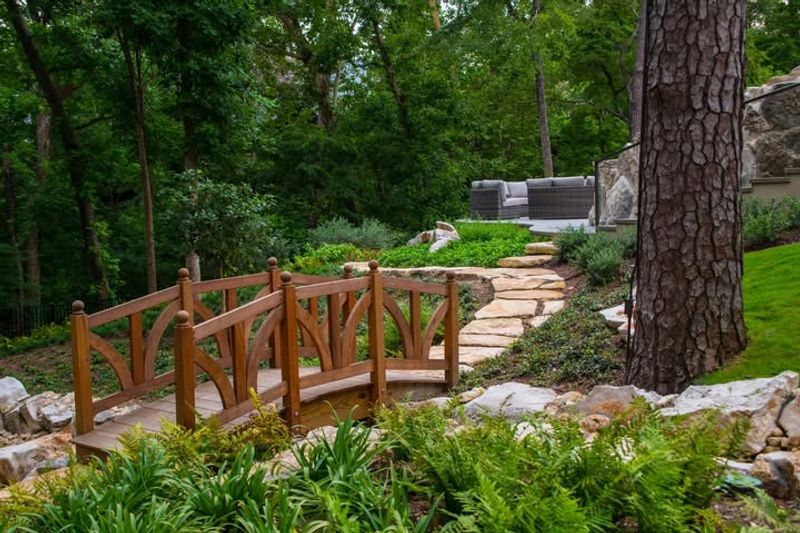
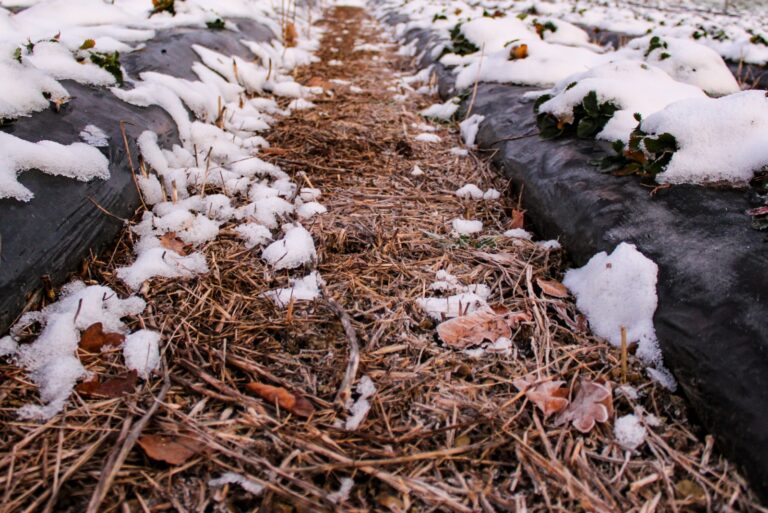
Adding pathways between garden sections during the off season helps Ohio homeowners create organized spaces that stay mud-free during rainy spring and summer months.
Gravel, mulch, or stepping stones work well for defining walking areas and keeping shoes clean while tending to plants throughout the growing season.
Winter provides the perfect opportunity to lay down landscape fabric and add path materials without trampling tender seedlings or disrupting established plant roots.
Homeowners often realize that pathways they thought were wide enough become too narrow once plants grow full and spill over their edges.
Adjusting pathway width and placement during dormant months prevents future frustration and makes garden maintenance much easier when everything starts growing again.
Ohio winters allow for careful planning and measuring so that paths connect logically and provide easy access to every corner of the garden space.
Well-designed pathways also reduce soil compaction by keeping foot traffic confined to designated areas, which helps plants develop stronger and healthier root systems.
3. Expanding Vegetable Garden Dimensions
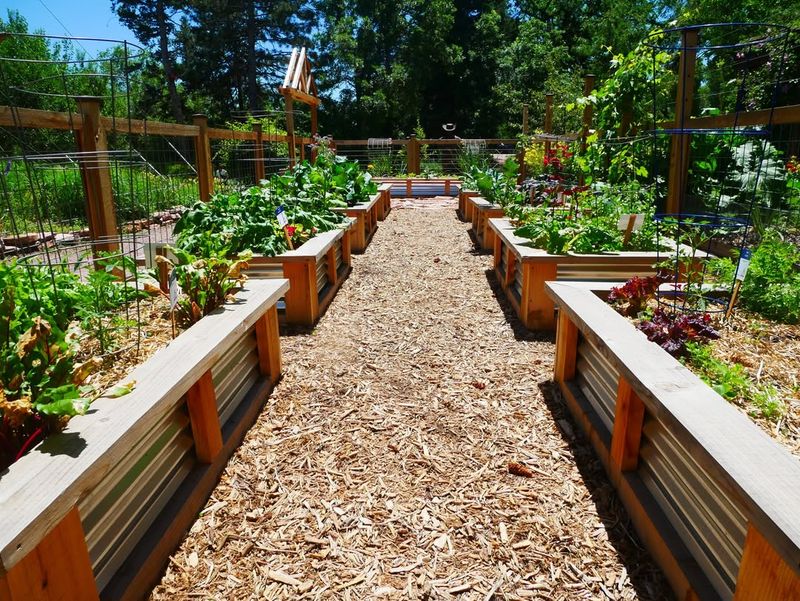
Expanding vegetable gardens during the off season gives Ohio families more room to grow food and try new crops when the next planting season arrives.
Cold months provide time to measure, plan, and build additional raised beds or expand in-ground garden spaces without rushing through the construction process.
Homeowners can remove grass, turn soil, and add amendments like compost and aged manure while the ground remains workable and plants stay dormant.
Your Ohio Garden Changes Every Week. Your Plan Should Too.
Gardening in Ohio changes quickly throughout the season. Every Friday you’ll receive a simple weekly plan showing exactly what to plant, prune, fertilize, harvest, and protect so you never miss the right timing.
Planning expansion during winter also allows gardeners to order seeds early and map out exactly where each vegetable variety will be planted come spring.
Bigger gardens mean more harvests, which translates to fresh produce for the table and extra vegetables to preserve or share with neighbors and friends.
Ohio gardeners appreciate having the off season to tackle this labor-intensive project without competing with watering schedules, weeding, or harvesting tasks that fill summer days.
Taking time to expand thoughtfully ensures the new garden sections integrate smoothly with existing layouts and irrigation systems already in place around the yard.
4. Creating Dedicated Composting Zones

Setting up dedicated composting zones during the off season helps Ohio homeowners manage garden waste efficiently and produce rich soil amendments for future plantings.
Winter allows time to research different composting methods, purchase bins or tumblers, and choose the best location away from living spaces but close to gardens.
Positioning compost areas thoughtfully ensures easy access for adding kitchen scraps and garden clippings without creating unpleasant odors near patios or outdoor seating areas.
Many gardeners use the quiet months to build three-bin systems that allow for turning and aging compost in stages, which speeds up decomposition processes.
Establishing a composting zone now means having finished compost ready to enrich soil when spring planting begins and gardens need nutrient boosts most.
Ohio homeowners often find that creating a permanent composting area during winter eliminates the messy piles that used to sit randomly around their yards.
Proper planning also includes adding pathways to the compost zone and ensuring good drainage so the area stays functional even during Ohio’s wettest seasons.
5. Adding Raised Beds for Better Drainage
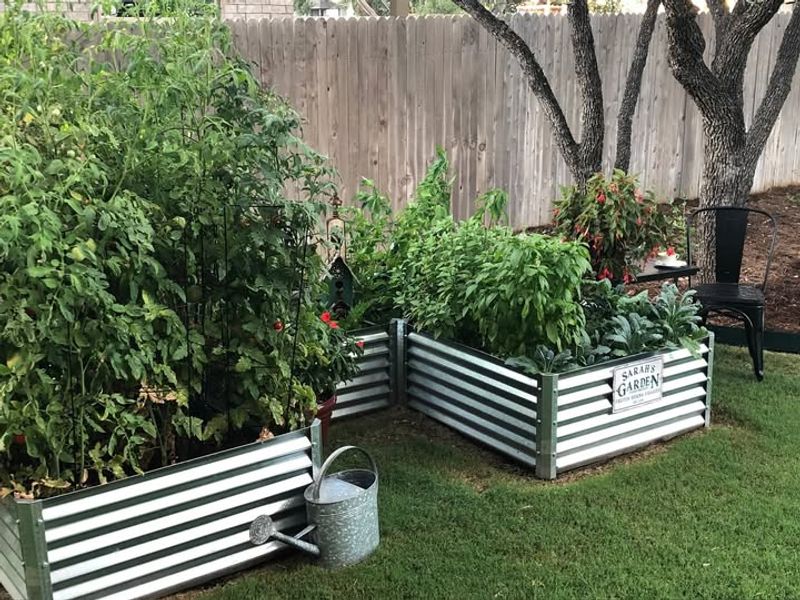
Constructing raised beds during the off season solves drainage problems that plague Ohio gardens, especially in areas where heavy clay soil holds too much water.
Elevated planting areas warm up faster in spring and provide better root development since excess moisture drains away instead of drowning delicate plant roots.
Winter gives homeowners time to select materials like cedar or composite lumber that resist rot and build sturdy frames that last for many seasons.
Planning bed height and width during dormant months ensures comfortable working positions and maximizes growing space without creating beds too wide to reach across.
Filling raised beds with quality soil mixes during the off season allows the materials to settle and blend together before planting time arrives in spring.
Ohio gardeners appreciate that raised beds also reduce bending and kneeling, making gardening more accessible for people with mobility challenges or back pain issues.
Taking advantage of winter months to add these structures means gardens start the growing season with improved conditions that lead to healthier plants overall.
Building raised beds ahead of spring also helps suppress early weed growth, since fresh soil stays cleaner and less compacted before seeds can take hold.
This early preparation creates a more organized garden layout, making crop rotation and seasonal planning much easier once planting begins.
6. Redesigning Perennial Borders and Edges
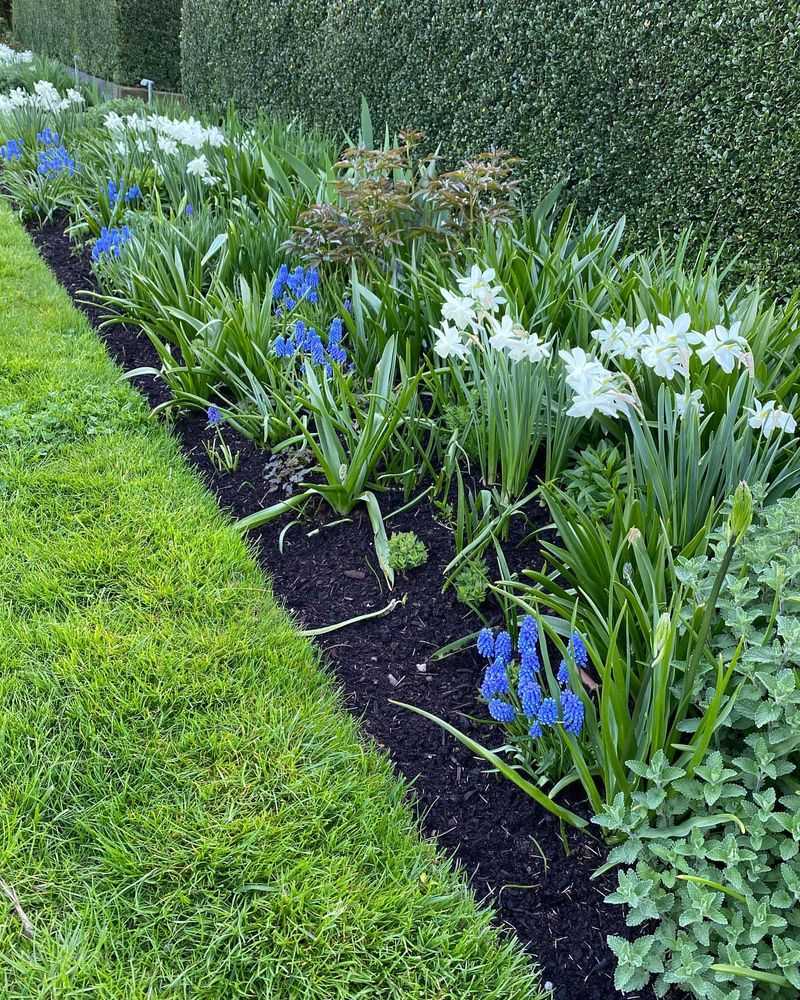
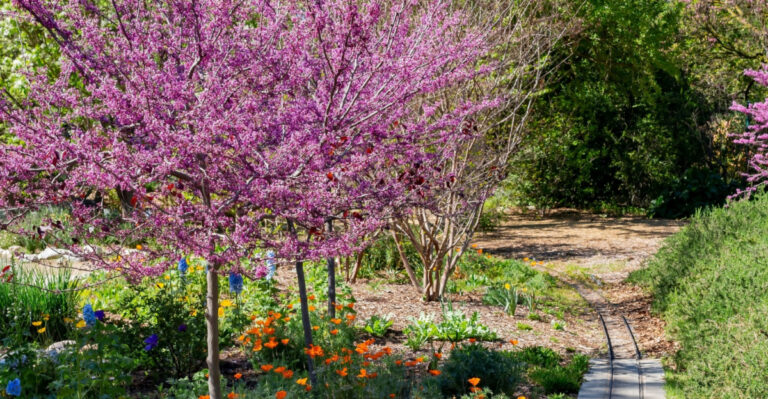
Reshaping perennial borders during the off season allows Ohio gardeners to correct overcrowding issues and create more visually appealing layouts before plants wake up.
Dormant perennials tolerate division and relocation much better than actively growing plants, making winter the ideal time to rearrange established flower beds completely.
Homeowners can step back and evaluate the overall garden design without colorful blooms distracting from structural problems like awkward curves or unbalanced plantings.
Redefining edges with metal or plastic barriers during cold months keeps grass from invading flower beds once spring growth begins and maintenance becomes more challenging.
Planning new color schemes and bloom sequences during the off season helps ensure that perennial borders provide continuous interest throughout the entire growing season.
Ohio gardeners often use winter months to research plant combinations and order new varieties that fill gaps or replace underperforming specimens from previous years.
Taking time to redesign borders thoughtfully results in gardens that require less maintenance and deliver more impact when flowers finally burst into bloom each spring.
7. Installing Irrigation Systems Before Spring
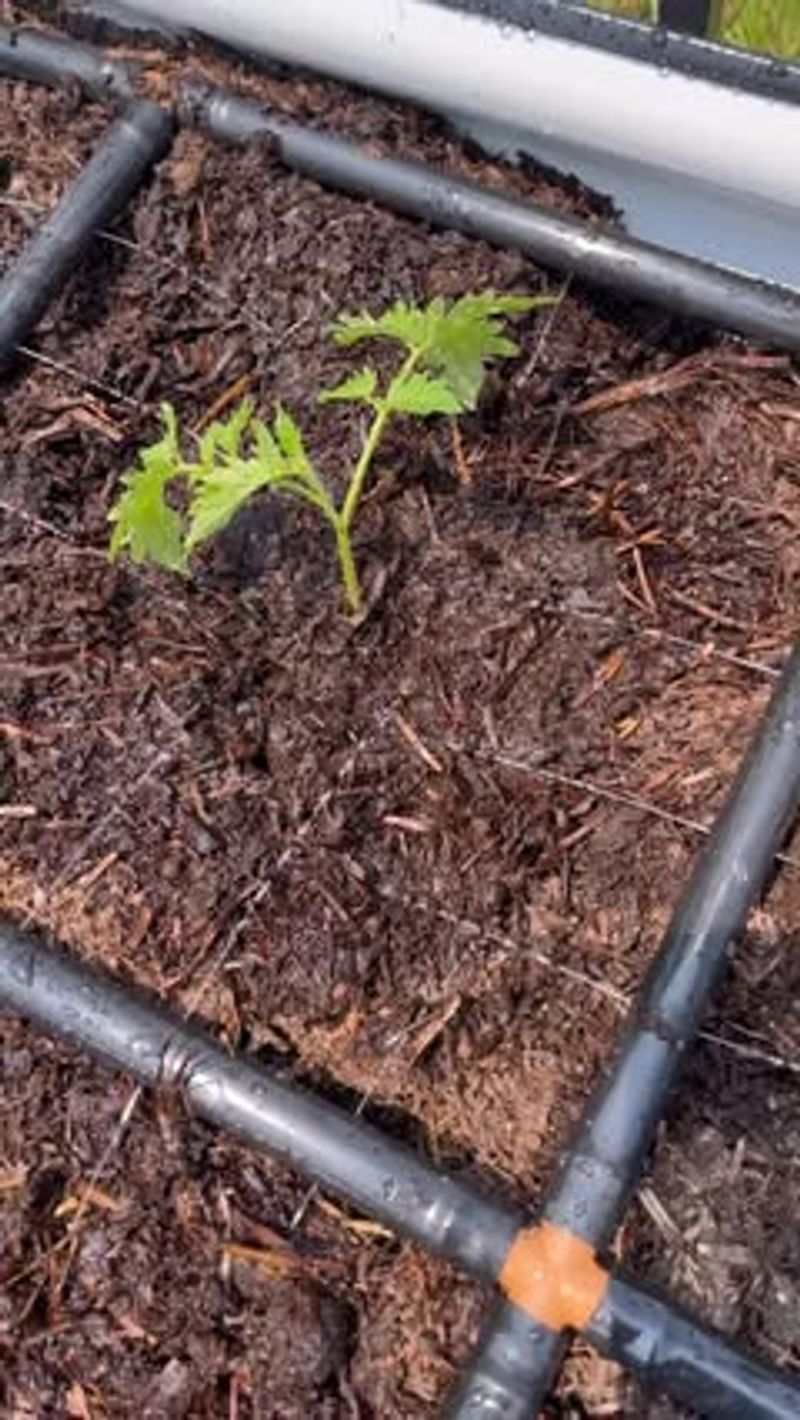
Installing irrigation systems during the off season ensures Ohio gardens receive consistent moisture once growing season begins without the hassle of dragging hoses everywhere.
Drip lines and soaker hoses can be laid out and tested while beds sit empty, allowing adjustments before plants get in the way.
Winter planning includes mapping water sources, calculating pressure needs, and purchasing timers that automate watering schedules to save time during busy summer months ahead.
Homeowners appreciate that installing irrigation during dormant periods means no interruption to plant growth or accidental damage to tender stems and leaves already growing.
Proper irrigation design also conserves water by delivering moisture directly to root zones instead of wasting it through evaporation or runoff across garden surfaces.
Ohio gardeners who install systems in winter often discover their plants grow stronger and produce better yields because watering happens consistently regardless of schedules.
Taking advantage of the off season to complete this project means one less major task competing for attention when spring planting and maintenance demands increase.
8. Reconfiguring Garden Zones by Plant Type
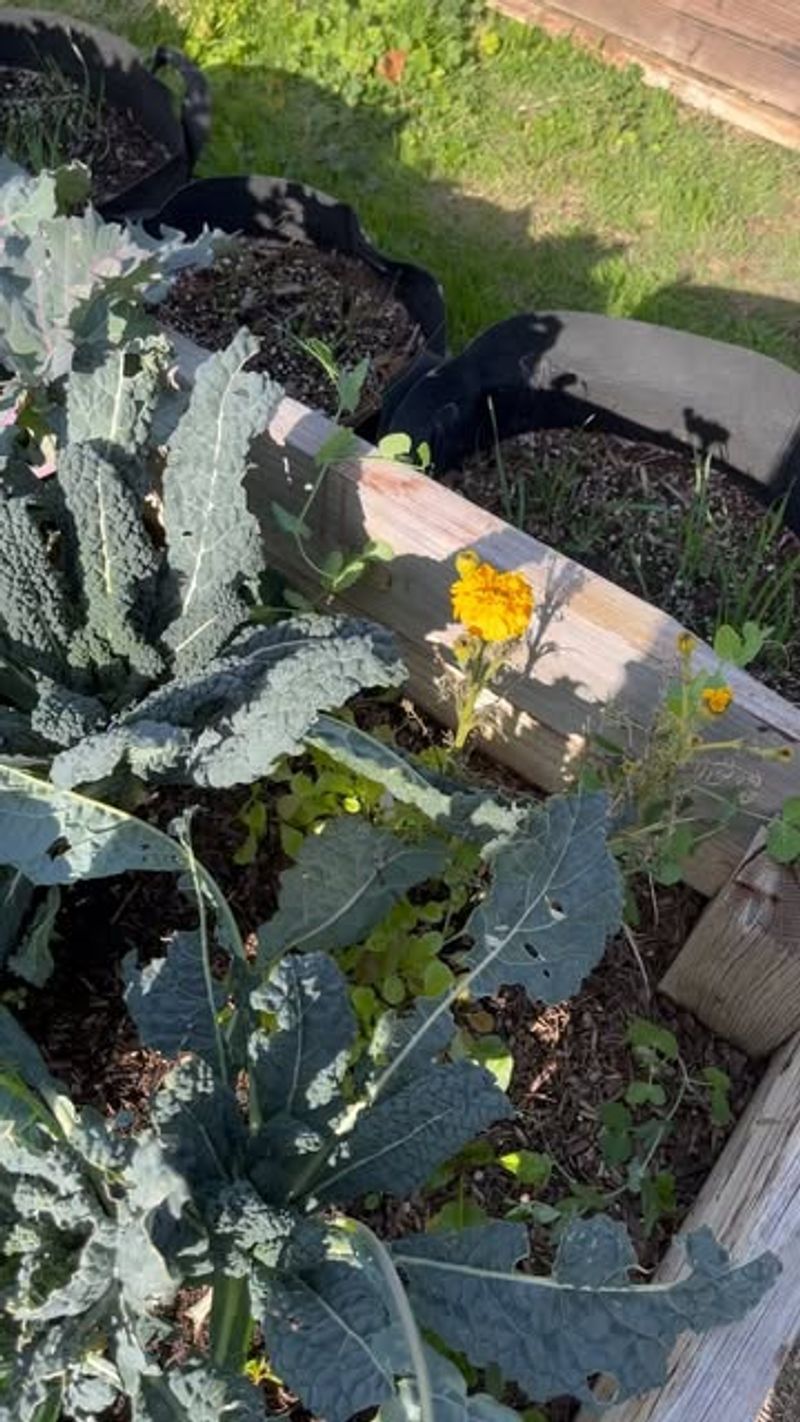
Organizing gardens into zones based on plant types during the off season helps Ohio homeowners manage care requirements more efficiently throughout the growing months.
Grouping vegetables separately from perennials and herbs allows targeted fertilizing, watering, and pest control that suits each plant category without affecting other garden areas unnecessarily.
Winter provides quiet time to sketch layouts, measure spaces, and determine which plants need full sun versus partial shade for optimal growth and productivity.
Creating distinct zones also makes crop rotation easier for vegetable gardeners who want to prevent soil depletion and reduce disease problems in future seasons.
Homeowners can install physical dividers like low fences or hedges during dormant months to define zones clearly and add structure to the overall garden design.
Ohio gardeners find that reconfiguring zones during the off season reduces confusion and saves time when spring arrives and planting decisions need to happen quickly.
Thoughtful zone planning also improves aesthetics by grouping plants with similar textures, colors, and heights together for more cohesive and intentional garden displays year-round.